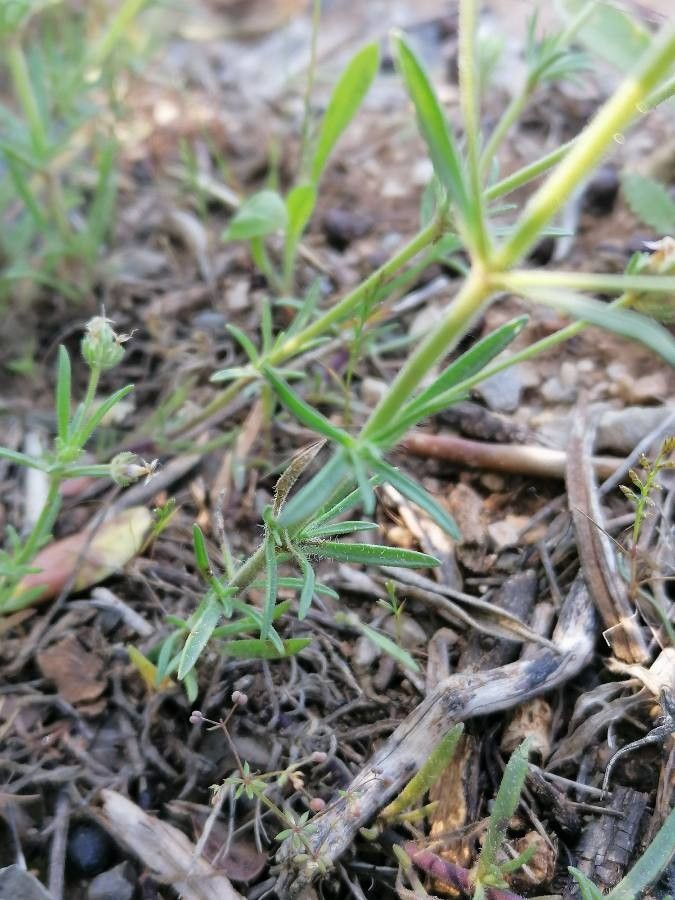
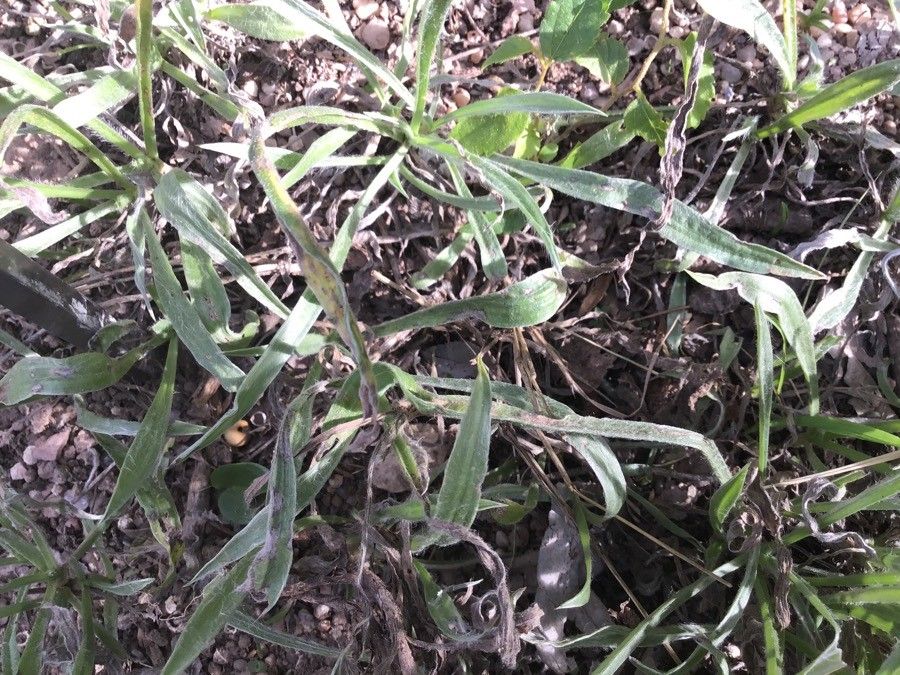
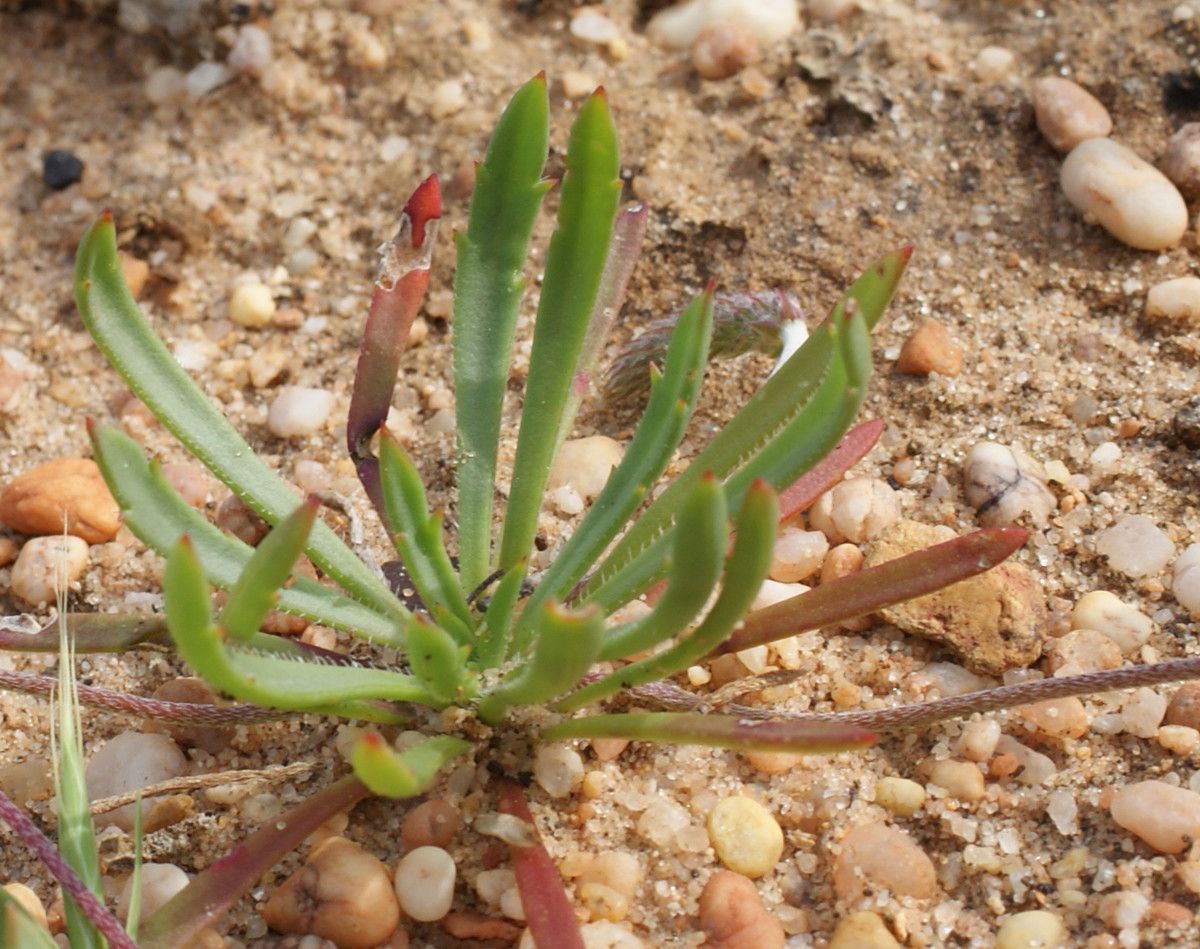
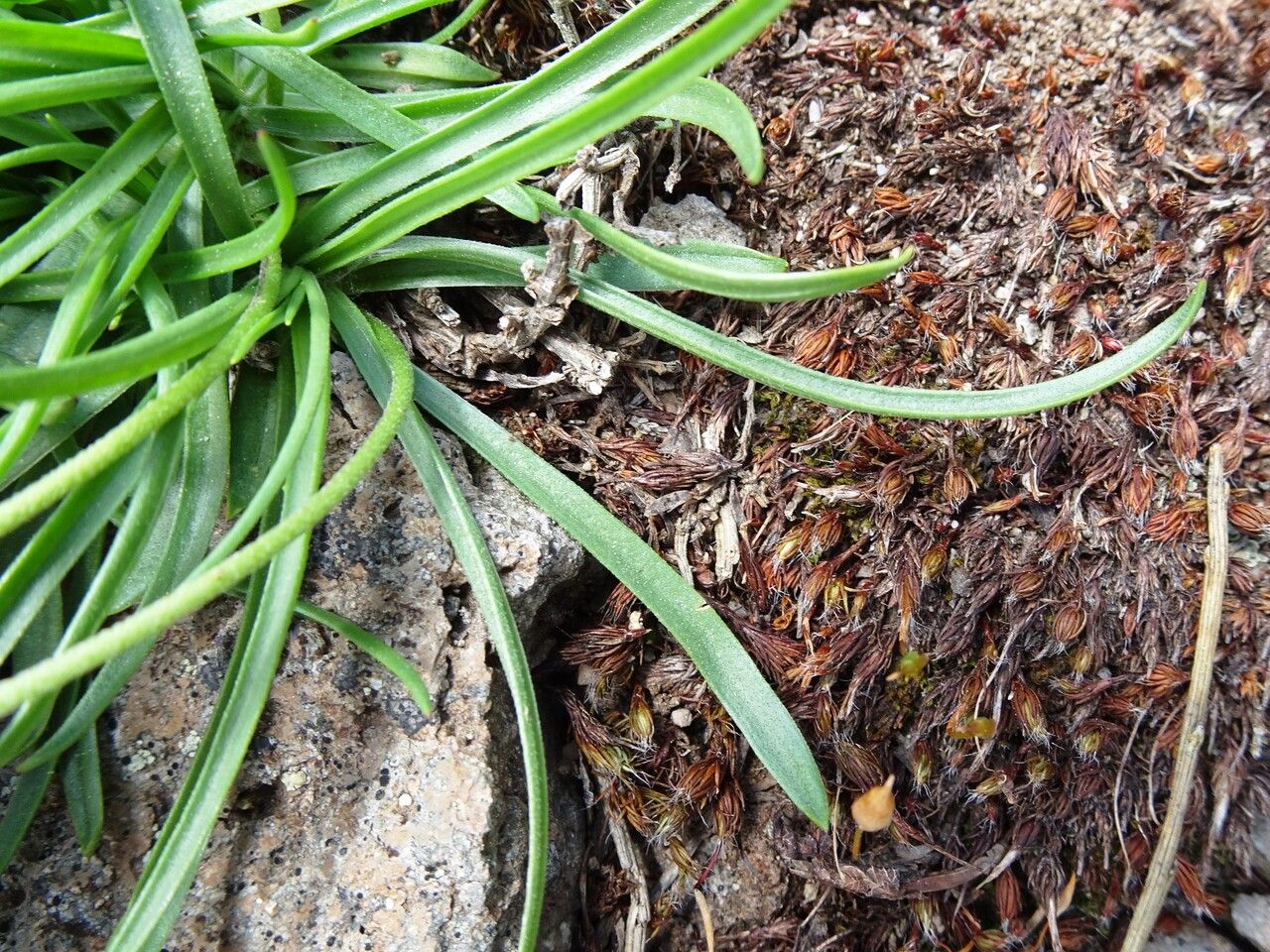
Plantago elongata is a species of plantain known by the common names prairie plantain and slender plantain. It is native to much of western North America, from British Columbia to California and as far east as Minnesota. It grows in wet habitat, such as vernal pools and wet meadows, including areas with saline and alkali soils, such as beaches.
Prairie plantain has good resistance to disease and is generally not prone to illnesses. Still, it can be vulnerable to pests and diseases present in its environment. These infections are typically not serious. Regarding care, this plant needs moderate maintenance. It should be pruned regularly to preserve a neat appearance and healthy growth. Applying fertilizer can also encourage flowering. Prairie plantain is appropriate for anyone with outdoor space, such as a garden or patio, and does not demand extensive gardening experience. It may need more attention when cultivated indoors.
How to keep Plantago Elongata.
Light
Prairie plantain thrives in locations with ample sunlight, though it can also tolerate areas with considerable shade. Light intensity aids its healthy growth. Still, too much or too little exposure can be harmful, since its native habitat features a balanced mix of light and shade. Its sunlight requirements remain largely the same across different growth stages.
Temperature
Prairie plantain can tolerate a wide range of temperatures, but its distribution may still be limited by particular combinations of moisture and heat. It does best in warm summers with sufficient rainfall or watering. Long stretches of cloudy, rainy weather or prolonged high temperatures can increase the chance of Prairie plantain dying. In winter, adequate protection from cold can raise the plant’s survival rate.
Fertilizer
Prairie plantain benefits from frequent, light applications of fertilizer to promote healthy leaf growth. You should fertilize Prairie plantain about once a month during the summer months. Nitrogen is vital for foliage, and adding nitrogen-rich sources helps Prairie plantain thrive.
Pruning
The prairie plantain is characterized by its long leaves and flourishes in prairie environments. To promote growth and enhance its appearance, prune any dead leaves in early spring and thin the plant in late spring. This practice reduces pests, improves air circulation, and supports the plant's overall health. Ensuring clean cuts during pruning also helps prevent disease.
Botanical profile.
- Plant Type
- Herb
- Life Cycle
- Annual, Perennial
- Genus
- Plantago
- Family
- Plantaginaceae
- Hardiness Zone
- 5-9
- Mature Height
- 3 cm to 18 cm
- Mature Spread
- 5 cm to 15 cm
- Leaf Color
- Light Green
- Leaf Type
- Evergreen
- Flower Color
- Yellow, Green, Red
- Flower Size
- 0.08 cm
- Bloom Time
- Mid spring, Late spring, Early summer
- Planting Time
- Spring, Summer
- Harvest Time
- Summer
- Native Area
- Mexico
Other names.
Reader questions.
What are the sunlight requirements for Prairie plantain?
Prairie plantain requires about 3-6 hours of sunlight per day for it to be considered in partial sun, while less than 3 hours of sunlight qualifies as full shade. Despite thriving under generous sunlight, this plant can also adapt well to substantial shade. The intensity of light it receives is crucial for its healthy growth, but it’s important to achieve a balance. Too much or too little light exposure can harm the plant. Watch the sunlight's movement in your garden to select spots that offer a perfect balance for your plants’ needs.
How does artificial lighting support indoor Prairie plantain growth?
Indoor Prairie plantain requires adequate lighting for optimal growth, especially when natural sunlight is insufficient. Artificial lights, such as LEDs, are recommended because they can be customized to offer specific wavelengths needed by the plants. For full sun plants, 30-50W/sq ft of artificial light is needed, partial sun plants require 20-30W/sq ft, and full shade plants need 10-20W/sq ft. The light source should be placed 12-36 inches above the plant, simulating natural sunlight closely, and plants typically need 8-12 hours of light per day.
What are the symptoms of incorrect lighting for Prairie plantain?
Symptoms of inadequate lighting in Prairie plantain include smaller new leaves, leggy or sparse growth, faster leaf drop, slower or no new growth, and lighter-colored or chlorotic new leaves. Excessive light can cause sunscald, leaf curling, wilting, and leaf scorching. These symptoms reflect the plant's struggle with adapting to its lighting environment, either by trying to conserve resources in low light or protecting itself from damage under intense sunlight.
How can I address lighting issues for my indoor and outdoor Prairie plantain plants?
For indoor plants, gradually shift them to sunnier spots each week until achieving 3-6 hours of sunlight, or use artificial light for large or immovable plants, ensuring at least 8 hours daily. For outdoor plants, similarly move them to sunnier areas gradually to prevent sunburn. In both scenarios, adapting the plant to changing light conditions is key. If obstructions cause shade, consider pruning or relocating smaller plants during their dormant period to a sunnier location. Note that parts of the plant affected by insufficient light may not recover, but new growth will be healthy.