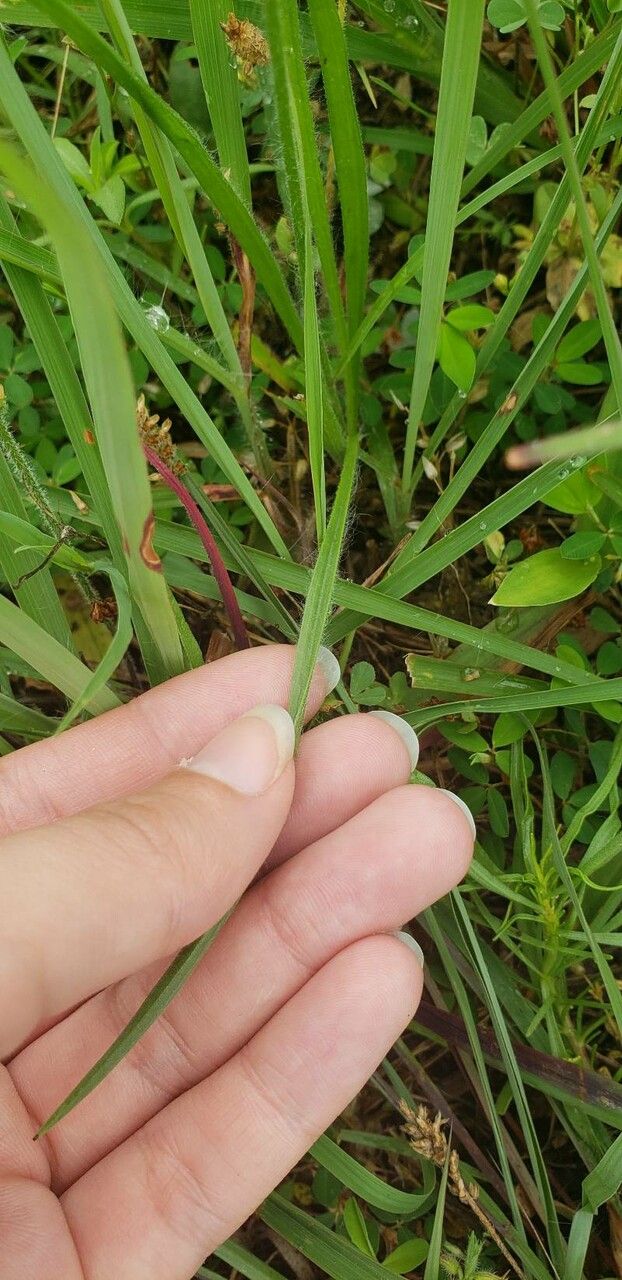
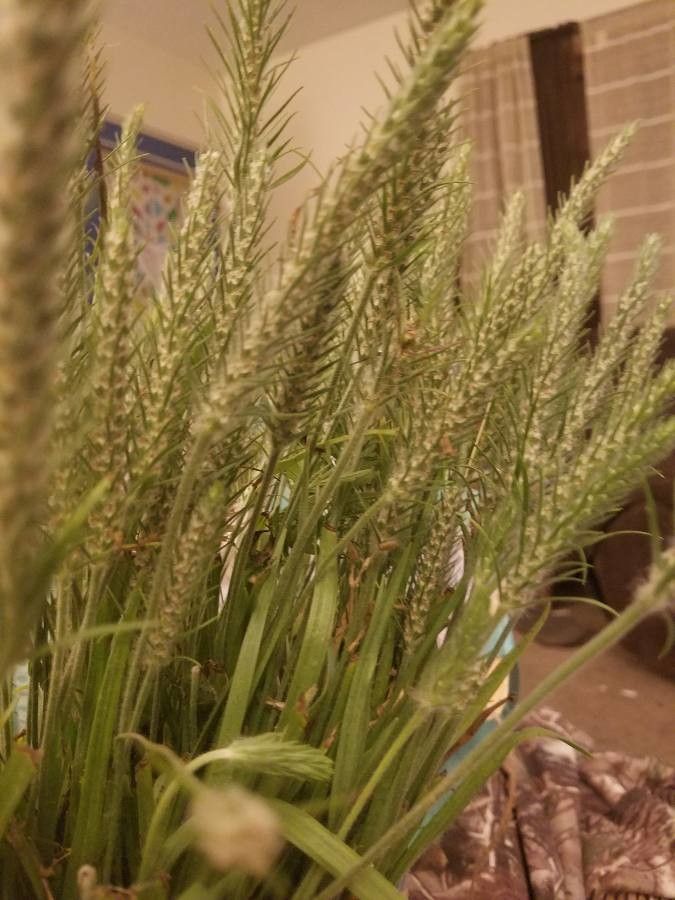
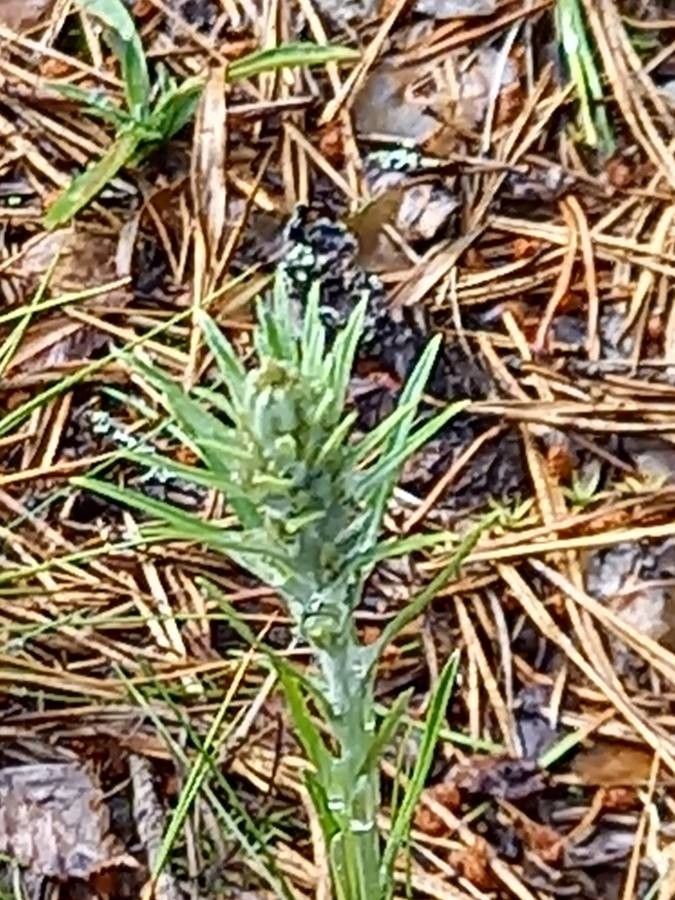
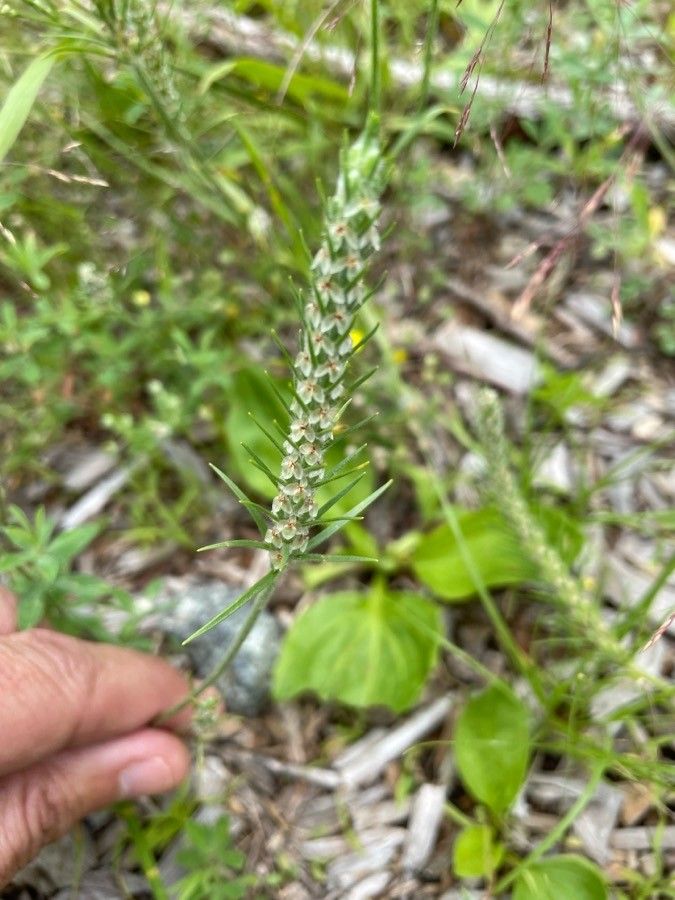
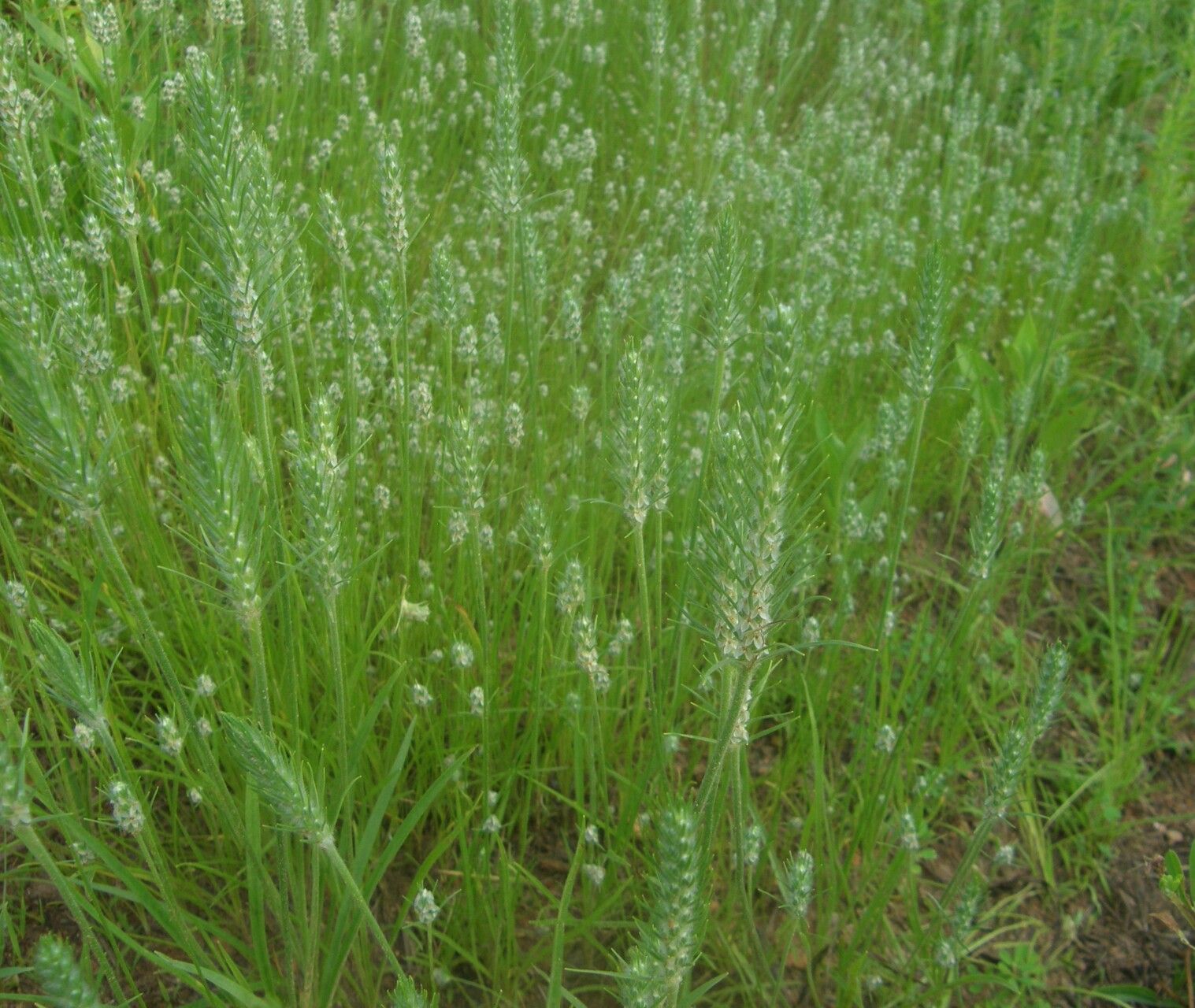
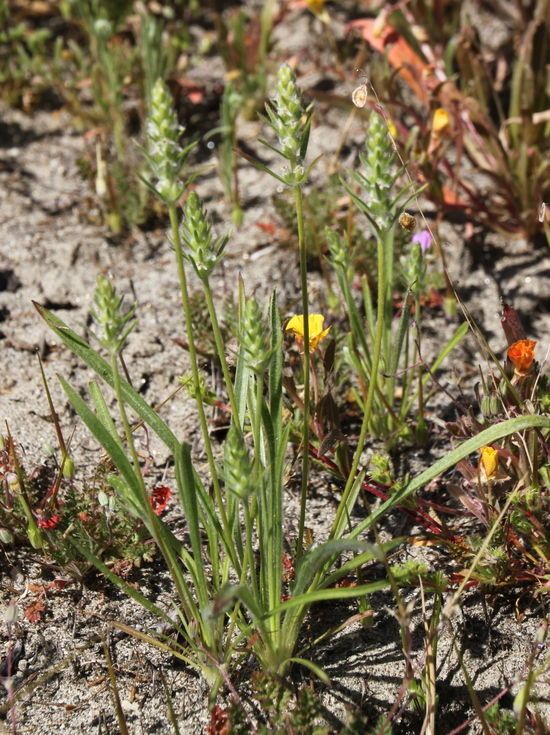
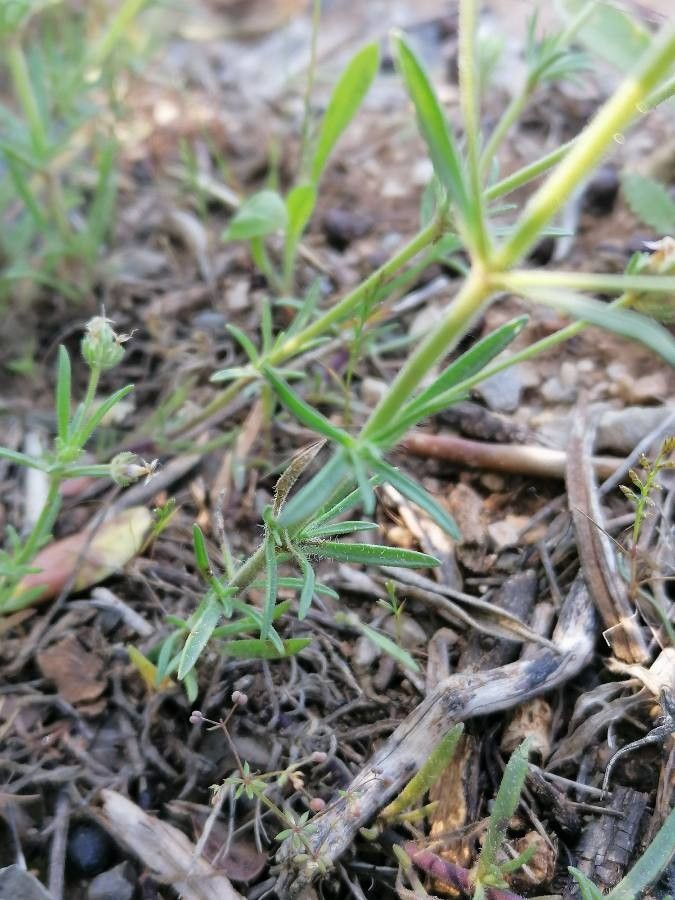
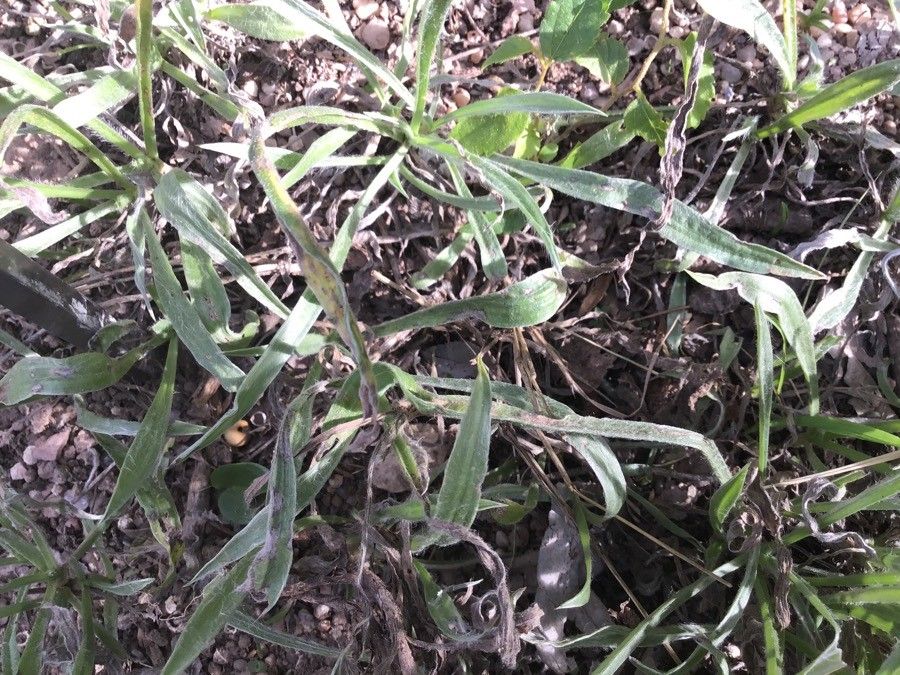
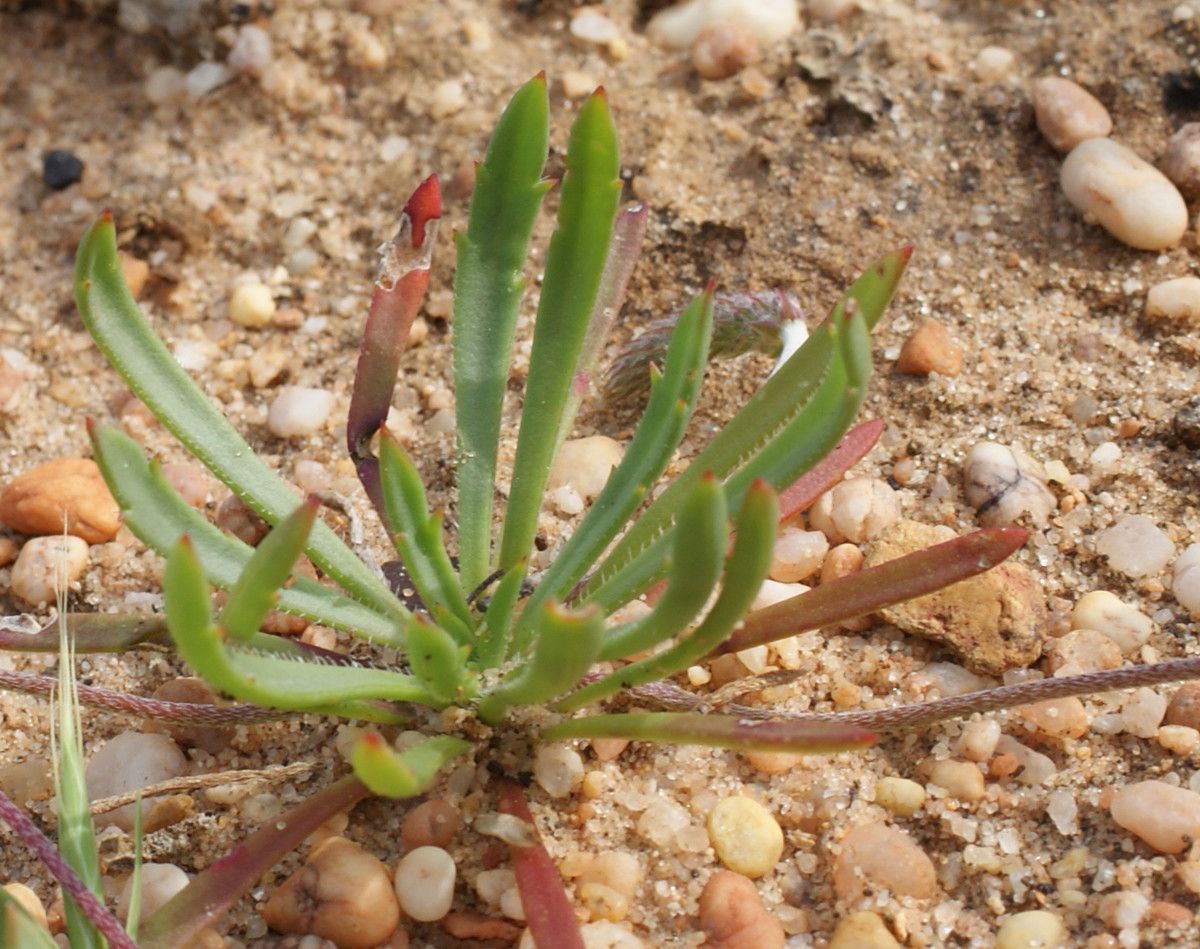
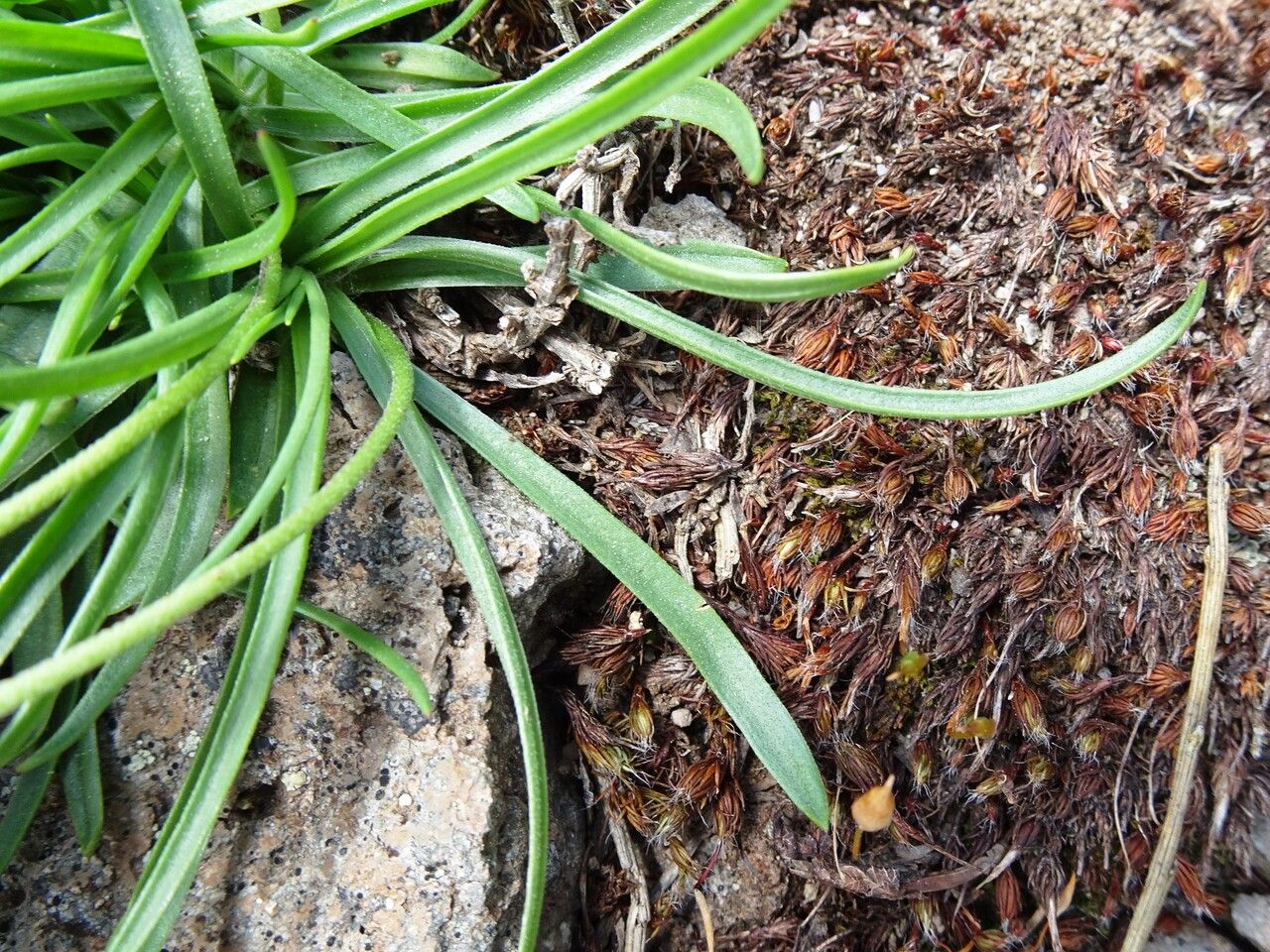
Plantago aristata is a species of plantain known by the common name bracted plantain or largebracted plantain. It is native to the eastern and central United States, and it can be found in other parts of North America as well as parts of Eurasia as an introduced species. It grows in many types of habitat, including disturbed areas, where it is a minor weed.
Largebracted plantain has good resistance to disease and is generally not prone to illnesses. Nevertheless, it can be vulnerable to pests and diseases present in its environment. These infections are generally not serious. In terms of care, this plant needs moderate maintenance. It should be pruned regularly to keep a tidy appearance and support healthy growth. Fertilizing can also encourage flowering. Largebracted plantain is suitable for anyone with outdoor space, such as a garden or patio, and does not demand extensive care experience. It may need more attention when cultivated indoors.
How to keep Plantago Aristata.
Light
Largebracted plantain grows best with ample sunlight, meaning it prefers sites that receive sun for most of the day. It can, however, tolerate locations with only moderate sun exposure. Excessive shade may restrict its growth, while excess sunlight generally does not harm it.
Water
The largebracted plantain thrives in environments with regular rainfall and consistent moisture. It typically needs weekly watering to maintain a balance between hydration and drought tolerance. Growing the plant indoors allows for controlled watering. During its active growth phase, the largebracted plantain may require even more consistent moisture for optimal development.
Temperature
Largebracted plantain originates from temperate regions and grows best in moderate warmth, favoring a temperature range of 68 to 100 °F (20 to 38 °C). It can endure cooler conditions in other seasons, although summer growing conditions are ideal.
Fertilizer
Largebracted plantain benefits from regular, dilute fertilizer applications to encourage healthy leaf development. You should feed Largebracted plantain roughly once a month during the summer. Nitrogen is important for the foliage, and adding nitrogen-rich sources helps Largebracted plantain thrive.
Pruning
For healthy growth, largebracted plantain should be pruned from early to late spring. Remove any dead leaves and old flower spikes to improve air circulation, reduce the risk of disease, and maintain the plant's vigor. Pruning during this period aligns with the plant's active growth phase, encouraging optimal recovery and robust development.
Botanical profile.
- Plant Type
- Herb
- Life Cycle
- Annual, Perennial
- Genus
- Plantago
- Family
- Plantaginaceae
- Hardiness Zone
- 11
- Mature Height
- 10 cm to 40 cm
- Mature Spread
- 30 cm to 46 cm
- Leaf Color
- Green
- Leaf Type
- Semi-evergreen
- Flower Color
- White
- Flower Size
- 2.54 cm
- Bloom Time
- Late spring, Early summer, Mid summer
- Planting Time
- Spring, Summer, Autumn
- Harvest Time
- Mid summer, Late summer, Early fall
Other names.
Reader questions.
What are the sunlight requirements for Largebracted plantain?
Largebracted plantain requires generous exposure to sun rays for optimal growth, preferring areas where sun rays fall for the most part of the day but can adapt to moderate sun exposure as well. Full sun implies the plant should receive above 6 hours of sunlight, while partial sun means about 3-6 hours of sunlight. Excessive shade can impede its growth, although surplus sunlight doesn’t typically cause harm. It’s beneficial to observe how sunlight moves through your garden to find the perfect balance of light and shade, ensuring the plant's health and happiness.
What is the native climate for Largebracted plantain?
Largebracted plantain is native to temperate climates and flourishes best in a medium warm environment. It prefers temperatures ranging from 68 to 100 °F (20 to 38 °C), making summer the optimal season for its growth. Although it can tolerate cooler temperatures in different seasons, it is extremely sensitive to cold. To protect it from cold temperatures, it is advisable to bring Largebracted plantain indoors during autumn, positioning it near a bright window but away from heaters to maintain a conducive growth temperature above 20°C.
How to use artificial lighting for indoor Largebracted plantain plants?
When natural sunlight is inadequate, artificial lights can be a vital solution for indoor Largebracted plantain plants. Choose LED lights for they can be adjusted to provide specific wavelengths of light that plants need. Full sun plants require 30-50W/sq ft, partial sun plants need 20-30W/sq ft, and full shade plants require 10-20W/sq ft of artificial light. The light source should be placed 12-36 inches above the plant to mimic natural sunlight, and most plants will need 8-12 hours of light per day to promote faster, healthier growth.
What should I do if my Largebracted plantain experiences low temperatures?
If your Largebracted plantain is exposed to low temperatures, it may display signs of distress such as leaf color lightening when below 5°C, and wilting or drooping after frost damage. This plant thrives best above 20°C and should be kept above 10°C during winter to prevent damage. Frost-damaged parts should be trimmed off, and the plant should be moved indoors to a warm environment. Placing it near a south-facing window ensures ample sunlight, yet it's important to avoid placing it near heaters or air conditioning vents to prevent the air from becoming too dry.
What are the symptoms of inadequate light in Largebracted plantain?
When cultivated indoors with insufficient light, Largebracted plantain may show symptoms of light deficiency such as smaller new leaves compared to older ones, leggy or sparse growth indicating weak structures, faster leaf drop to conserve resources, slower or halted new growth, pale or irregularly colored new leaves, and symptoms of excessive light exposure like chlorosis, sunscald, leaf curling, wilting, and leaf scorching. These symptoms alert to insufficient or excessive sunlight, affecting the plant's ability to photosynthesize and maintain health.
How should I care for my Largebracted plantain during high temperatures?
During hot summer months, it's crucial to maintain the temperature below 38°C for Largebracted plantain, as temperatures above 43°C can cause leaf color to lighten and increase the susceptibility to sunburn. To mitigate damage from high temperatures, trim away sunburned and dried parts of the plant, and relocate it to a spot that is shaded from the midday and afternoon sun. Watering the plant in the morning and evening helps keep the soil moist and supports the plant through extreme heat.
What are the solutions for lighting issues in Largebracted plantain?
To address lighting issues for both indoor and outdoor Largebracted plantain plants, gradually move them to sunnier locations each week until they receive at least 6 hours of sunlight daily. Use a south-facing window and keep curtains open for indoors, or consider using artificial light for plants that are large or not easily movable. For outdoor plants, avoid sudden light intensity changes. Minimize obstructions by pruning or transplanting to less obstructed areas. Note that parts of the plant damaged by insufficient light may not recover, but new growth will be healthy after adjusting the light exposure.