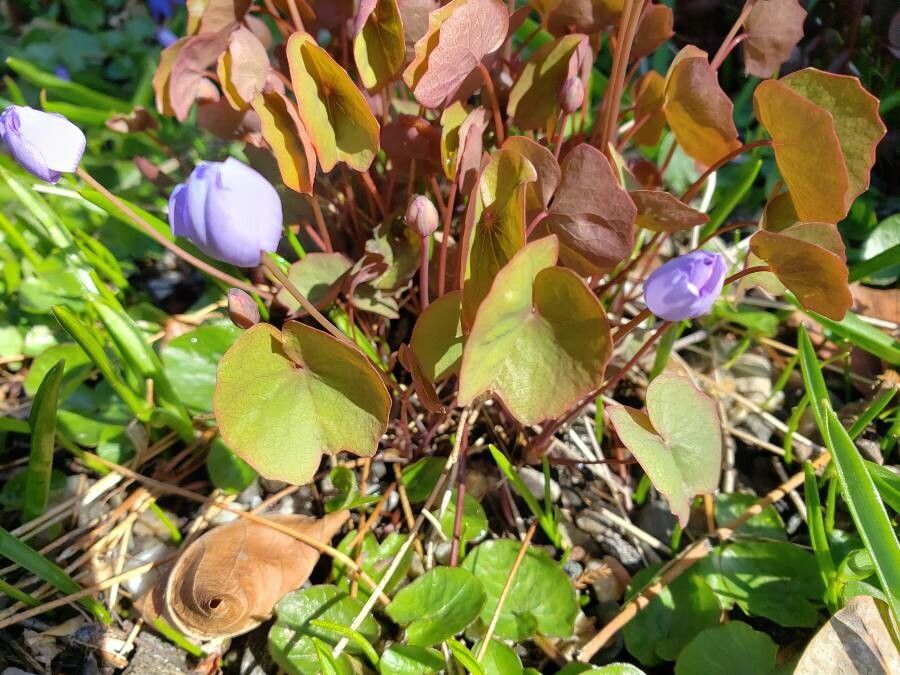
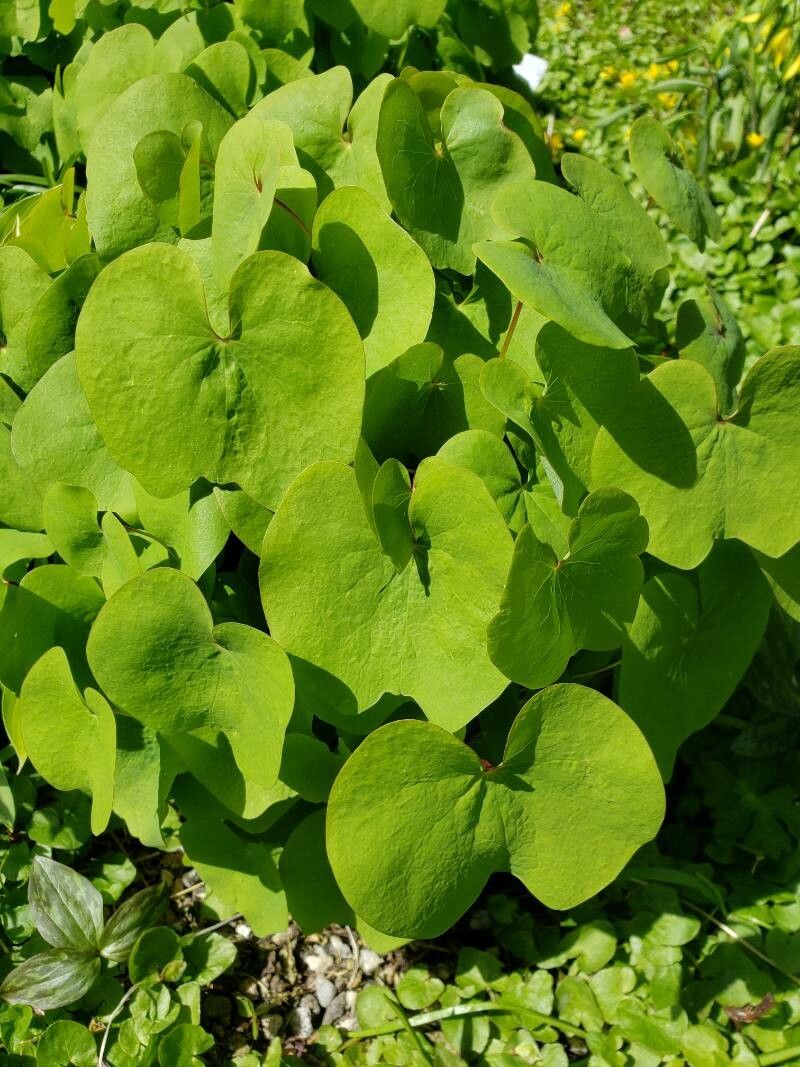
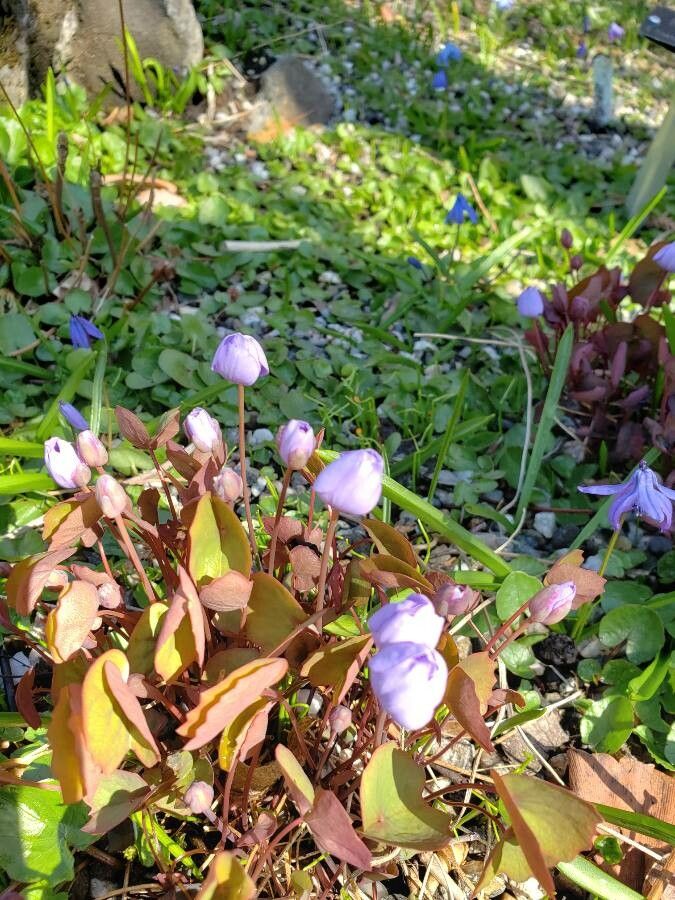
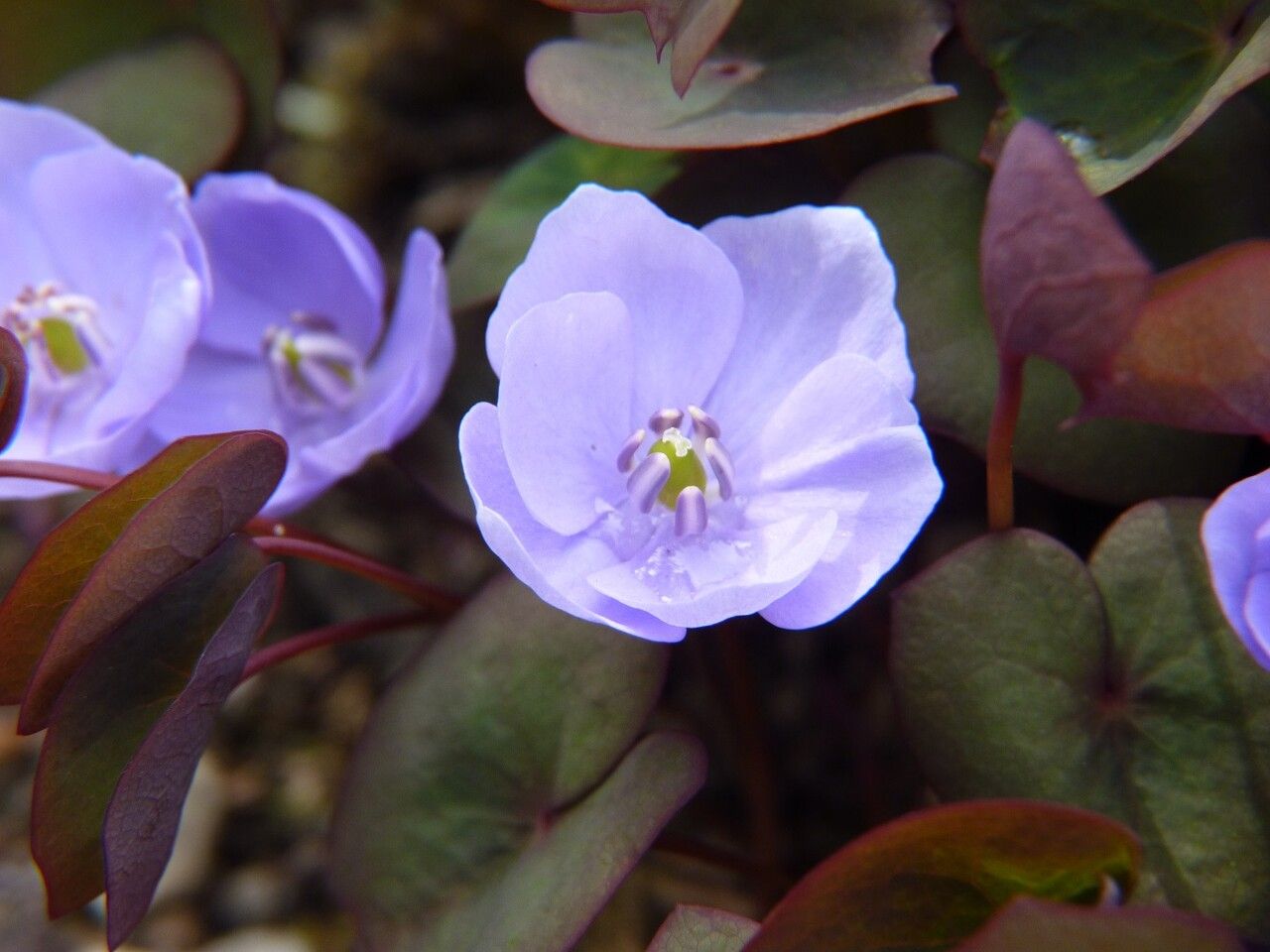
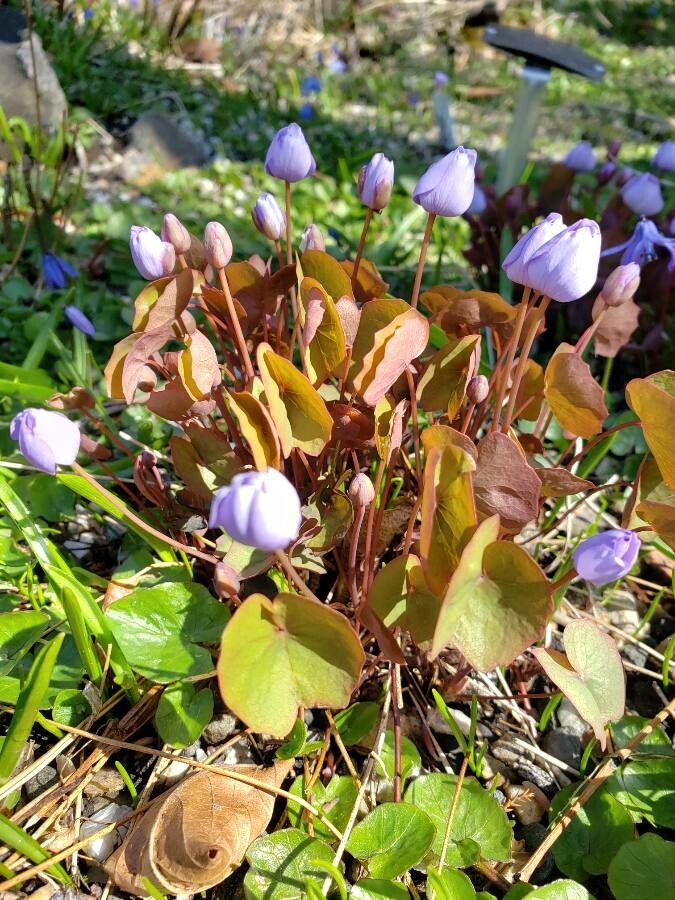
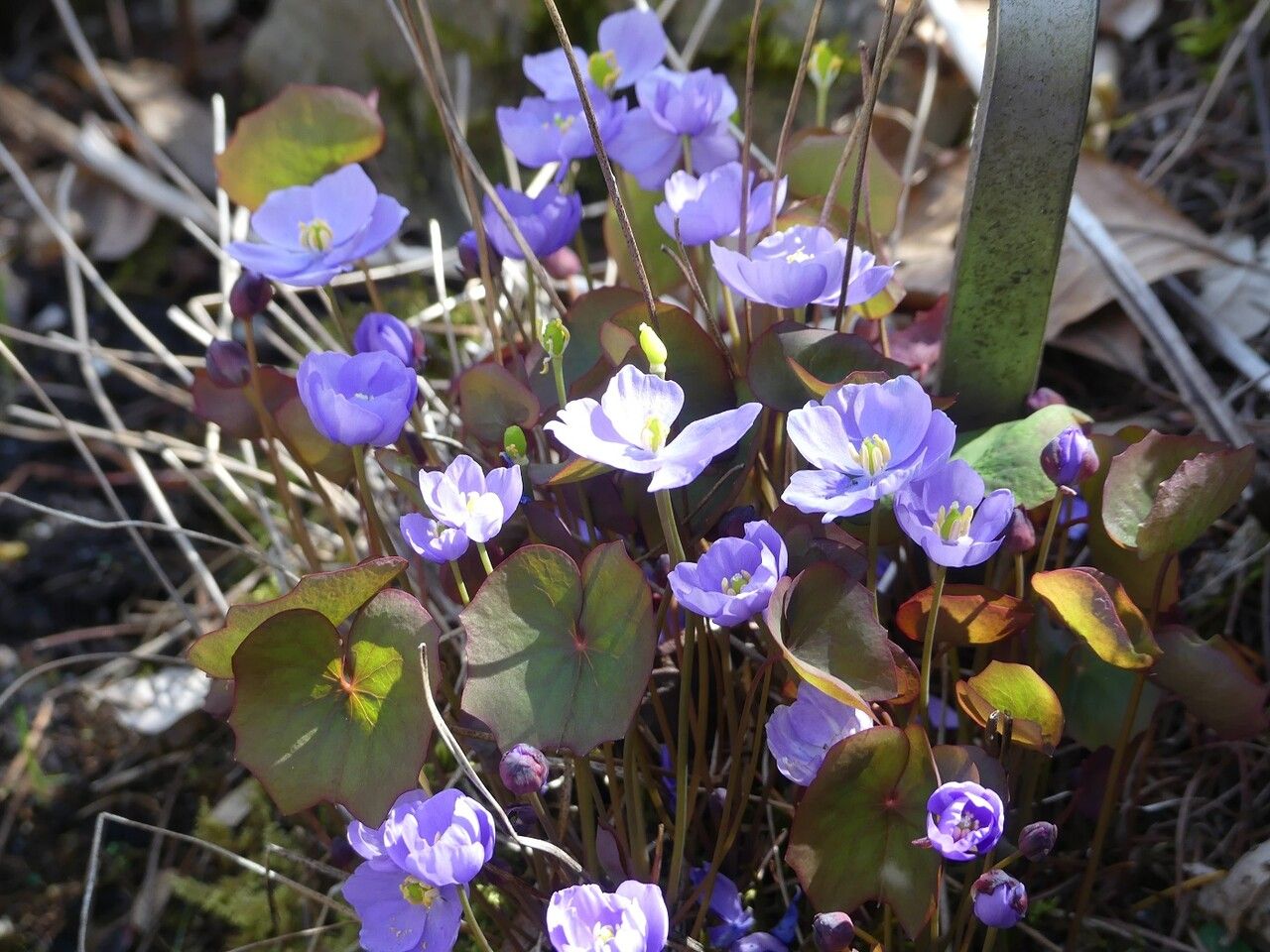
Plagiorhegma is a monotypic genus of flowering plants belonging to the family Berberidaceae. The only species is Plagiorhegma dubium.Its native range is Russian Far East to Korea.
Chinese twinleaf is fairly disease-resistant and generally not prone to illness. However, it can be affected by pests and diseases present in its surroundings. Such infections are usually mild. For care, this plant requires moderate maintenance. It should be pruned regularly to maintain an attractive appearance and healthy growth. Fertilizing can also help encourage flowering. Chinese twinleaf is suitable for anyone with outdoor space, such as a garden or patio, and does not require extensive care experience. It may demand more attention when grown indoors.
How to keep Plagiorhegma Dubium.
Light
The Chinese twinleaf plant typically grows best in spots with moderate sunlight for healthy development and should be kept out of fully sunlit areas. Native to places with scattered light, it does not need light continuously during its growth. Too little sun can hinder growth, while too much can be damaging.
Water
Chinese twinleaf thrives in consistently moist soil, which mirrors its natural habitat in the forests of East Asia. To meet its moisture requirements, water the plant weekly. When grown outdoors in shaded areas, applying mulch is beneficial. Mulch helps to retain moisture and mimics the natural leaf-litter environment where the plant originally grows.
Temperature
Chinese twinleaf comes from mild climates and prefers temperatures from 41 to 77 °F (5 to 25 ℃). As temperatures fluctuate throughout the year, adjustments may be necessary to maintain optimal growth.
Fertilizer
For Chinese twinleaf, the primary time to apply fertilizer is in early spring when the flowers are developing. The appropriate fertilizer promotes stronger blooms and helps Chinese twinleaf produce attractive flowers. Fertilizing in early spring ensures excellent flowers during the season and supplies energy for dormant growth phases.
Pruning
Prune Chinese twinleaf in early to late spring before new growth begins. Remove any dead stems to enhance the plant's health and promote fuller blooms. Light thinning helps improve air circulation, which reduces the risk of disease. Additionally, manage spent flowers and control the plant’s height to encourage robust growth. Follow horticultural guidelines for the best results.
Botanical profile.
- Plant Type
- Herb
- Life Cycle
- Perennial
- Genus
- Plagiorhegma
- Family
- Berberidaceae
- Hardiness Zone
- 4
- Mature Height
- 20 cm
- Mature Spread
- 46 cm
- Leaf Color
- Green
- Leaf Type
- Semi-evergreen
- Flower Color
- White
- Flower Size
- 3.05 cm to 5.08 cm
- Bloom Time
- Early spring, Mid spring
- Planting Time
- Spring
- Harvest Time
- Late spring, Early summer
- Native Area
- Russia, Koppen, South Korea, China
Other names.
Reader questions.
What type of sun exposure does the Chinese twinleaf require?
The Chinese twinleaf plant thrives in areas with moderate sun exposure, about 3-6 hours of sunlight a day, and should avoid fully sunlit locations. Originating from habitats with scattered light, it does not require constant light throughout its growth stages. Too little sun can hinder growth, while too much can be detrimental. When natural sunlight is insufficient, especially in winter or darker spaces, artificial lighting can be a significant aid, promoting healthier, faster growth. LED lights are recommended for indoor plants due to their ability to be customized to the specific wavelengths needed by plants.
What is the ideal temperature range for Chinese twinleaf?
Chinese twinleaf, also known by its botanical name Plagiorhegma dubium, thrives in mild climates with temperatures ranging from 41 to 77 °F (5 to 25 °C). To ensure optimal growth, it's important to adjust care throughout the year as temperatures fluctuate.
What are the warning signs of incorrect light exposure in Chinese twinleaf plants?
When Chinese twinleaf plants receive insufficient light, they may exhibit signs like smaller new leaves, leggy or sparse growth, faster leaf drop, slower or halted growth, and leaves that are paler or exhibit chlorosis—losing their green color. Excessive light can cause symptoms such as sunscald, leaf curling, wilting, leaf scorching, and the breakdown of chlorophyll, which affects the plant's ability to photosynthesize.
How does Chinese twinleaf handle cold weather?
Chinese twinleaf is highly tolerant of cold temperatures and does not require additional frost protection measures during the winter months. To prepare for the first freeze in autumn, it's recommended to water the plant generously. This ensures the soil remains moist and enters a frozen state, helping to prevent drought and water scarcity for the plant during winter and early spring.
How can I provide adequate lighting for my Chinese twinleaf plant indoors?
To ensure adequate lighting for your Chinese twinleaf indoor plant, consider using artificial light if natural sunlight is insufficient. Artificial lights can promote healthier, faster growth. The right type of light, such as LED lights, should be selected as they can compliment specific plant needs. For most plants, 8-12 hours of light per day is required. The light source should be placed 12-36 inches above the plant, mimicking natural sunlight.
What should I do if the temperature drops below -30°C?
While Chinese twinleaf is extremely cold-tolerant, temperatures dropping below -30°C may not show immediate effects during winter but can lead to decreased sprouting or no sprouting in spring. In such cases, it's advised to remove any parts of the plant that have failed to sprout come springtime.
How should I adjust light exposure for my Chinese twinleaf plant?
Optimize plant growth by gradually increasing sun exposure, aiming for 3-6 hours of direct sunlight daily. For large or immovable plants, use artificial light like desk or ceiling lamps for at least 8 hours daily, or invest in grow lights. For outdoor plants, move them to increasingly sunnier spots each week to prevent sunburn. If trees obstruct sunlight, consider pruning them. For smaller plants, transplant them during their dormant period to a sunnier location with good drainage.
How does Chinese twinleaf react to high temperatures?
Chinese twinleaf does not tolerate high temperatures well. When the temperature exceeds 25°C, the plant's growth will halt, and it becomes more susceptible to rot. To mitigate heat stress, trim away any sunburned and dried-up parts, move the plant to a shaded location or use a shade cloth to protect it from midday and afternoon sun. Ensure the soil remains moist by watering the plant in the morning and evening.