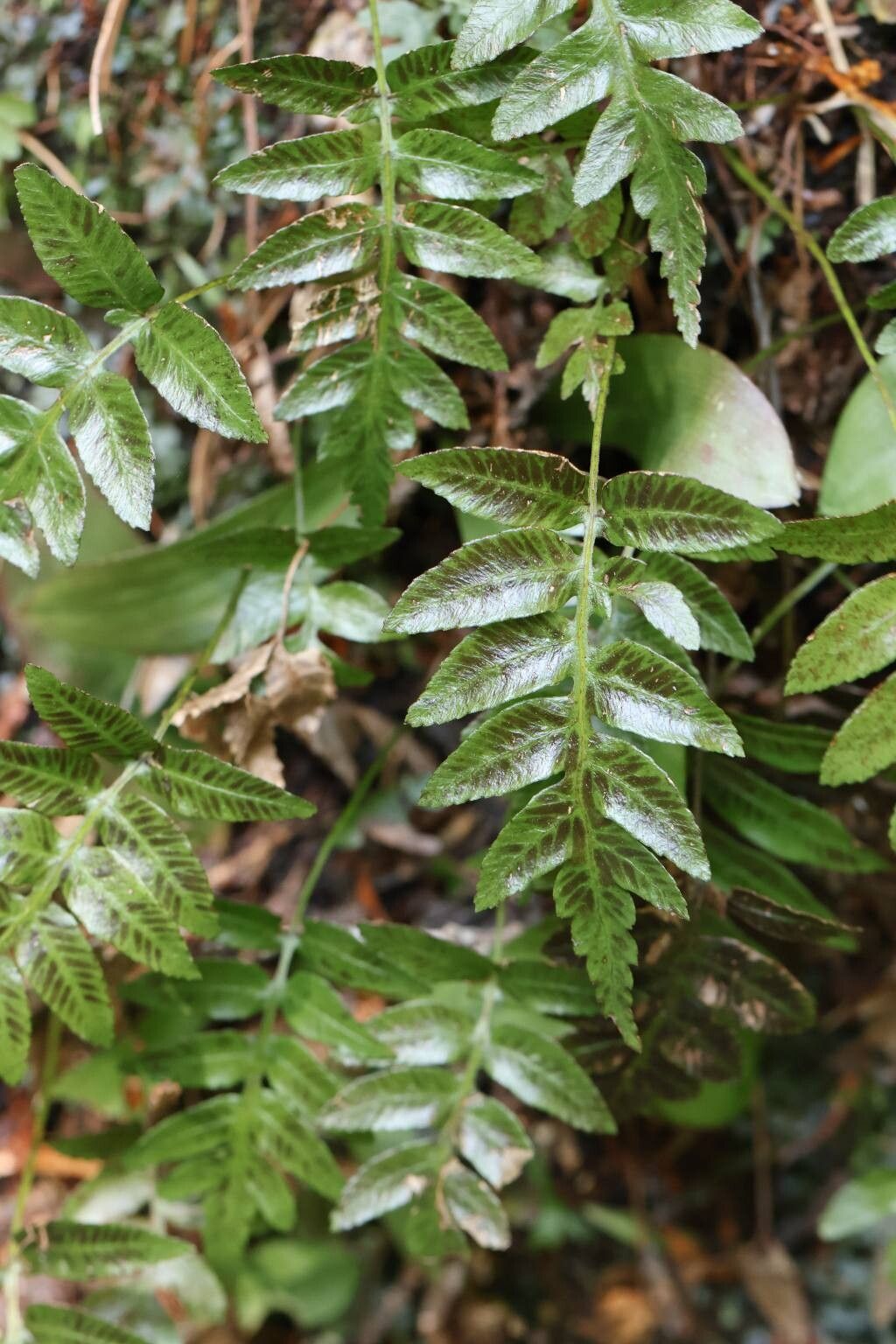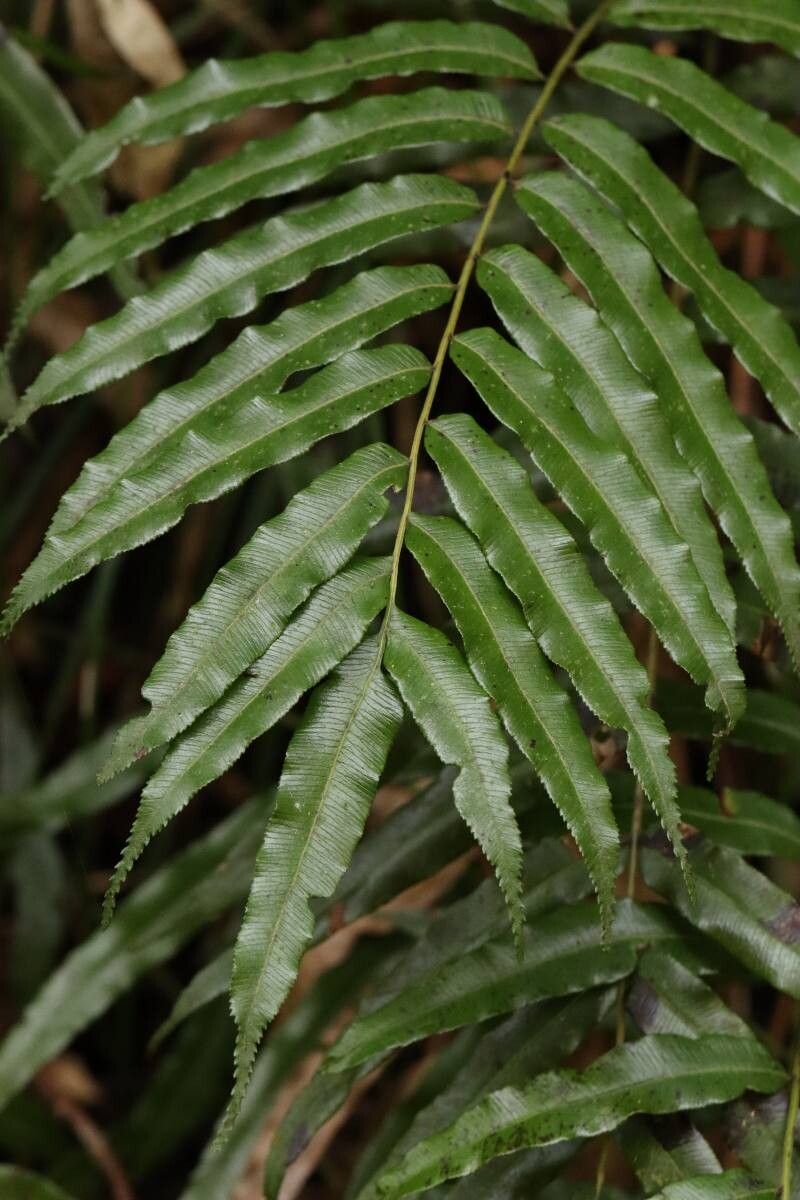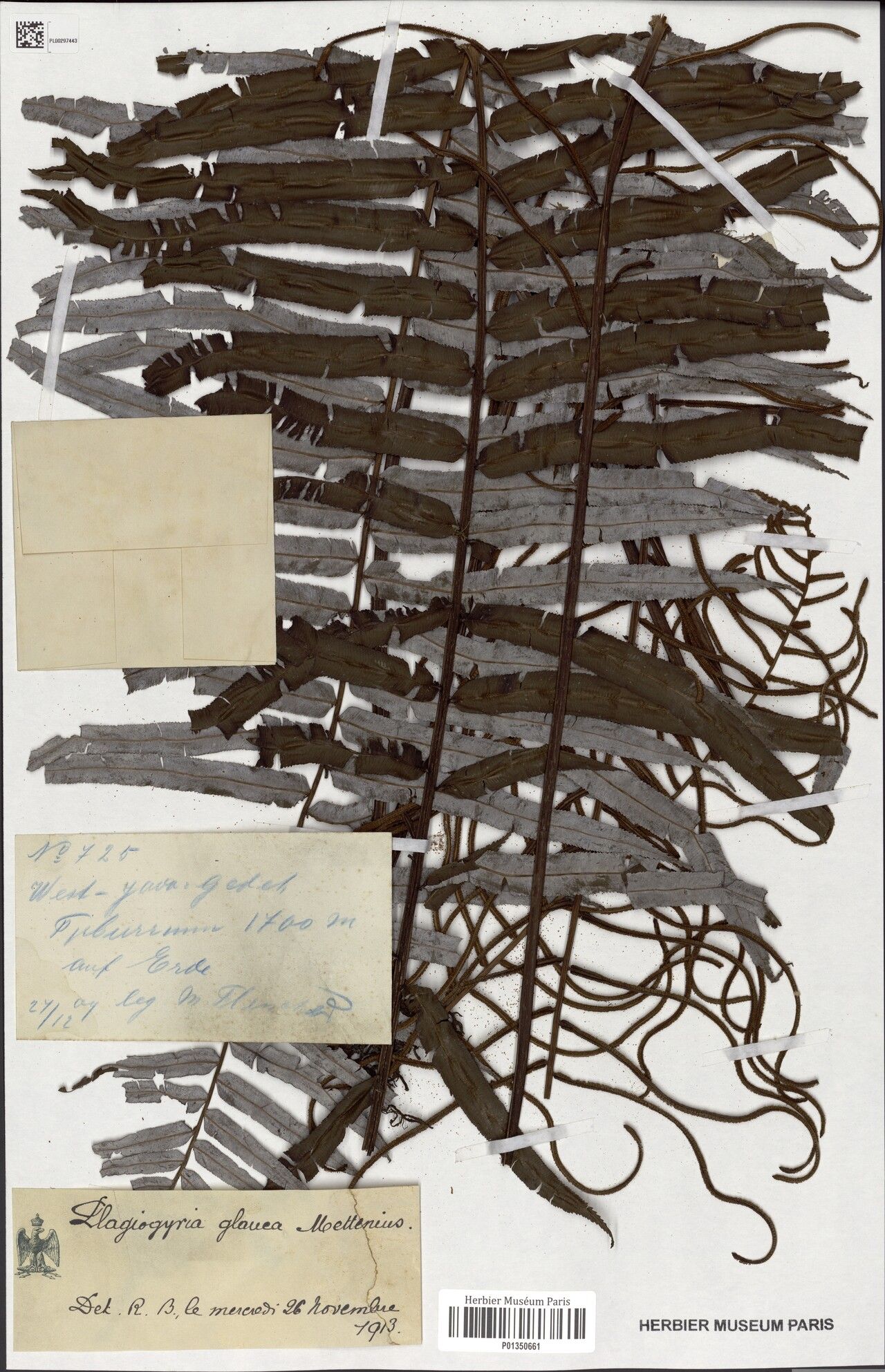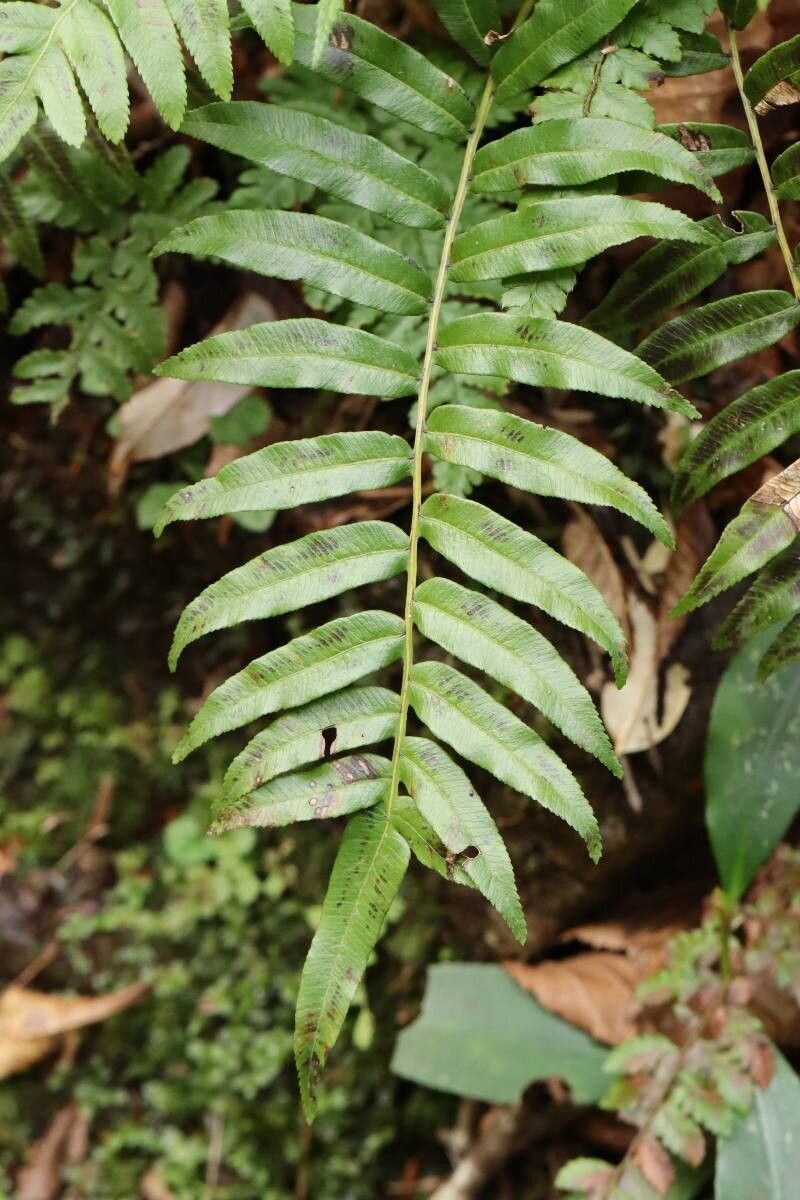
Petiole pheasant's tail fern is generally resistant to disease and faces relatively few insect pests. Its care is regarded as challenging because it needs a consistently moist environment and frequent watering. At the same time, the roots can rot if the plant is overwatered or kept in poor ventilation. It is best suited to people with some growing experience, and most growers can keep it alive for a period. Nevertheless, the fern can struggle to thrive and its leaves may gradually dry out and lose vigor.
How to keep Plagiogyria Japonica.
Light
The petiole pheasant's tail fern is native to habitats such as forest understories or rocky regions that provide natural shade. It prefers to be in Full Shade, yet it can withstand Partial Sun.
Water
The Petiole pheasant's tail fern thrives in high humidity and consistently moist soil, making it well-suited for a tropical rainforest environment. To keep the plant healthy, water it twice a week and mist it regularly to maintain the ambient humidity. This will help ensure the fern's fronds remain lush and vibrant.
Temperature
Petiole pheasant's tail fern does best in forest thickets. It is very sensitive to temperature and humidity; high heat, dry conditions, and strong sunlight can all distress the fern. In summer it needs adequate shading and a highly humid environment. Generally it does not need special treatment in winter, but an extended winter drought can still kill the plant.
Pruning
The pheasant's tail fern, known for its long fronds and elegant appearance, benefits from pruning. To ensure healthy growth, prune the plant in early spring to remove dead fronds and enhance air circulation. Be sure to use clean, sharp tools for precise cuts. Pruning during the fern's active growth period also helps improve recovery and vigor.
Botanical profile.
- Plant Type
- Fern
- Life Cycle
- Perennial
- Genus
- Plagiogyria
- Family
- Cyatheaceae
- Hardiness Zone
- 6-9
- Mature Height
- 15 cm to 46 cm
- Mature Spread
- 3 cm to 8 cm
- Leaf Color
- Green, Dark Green
- Leaf Type
- Evergreen
- Planting Time
- Spring, Summer
- Native Area
- South Korea, Japan, China