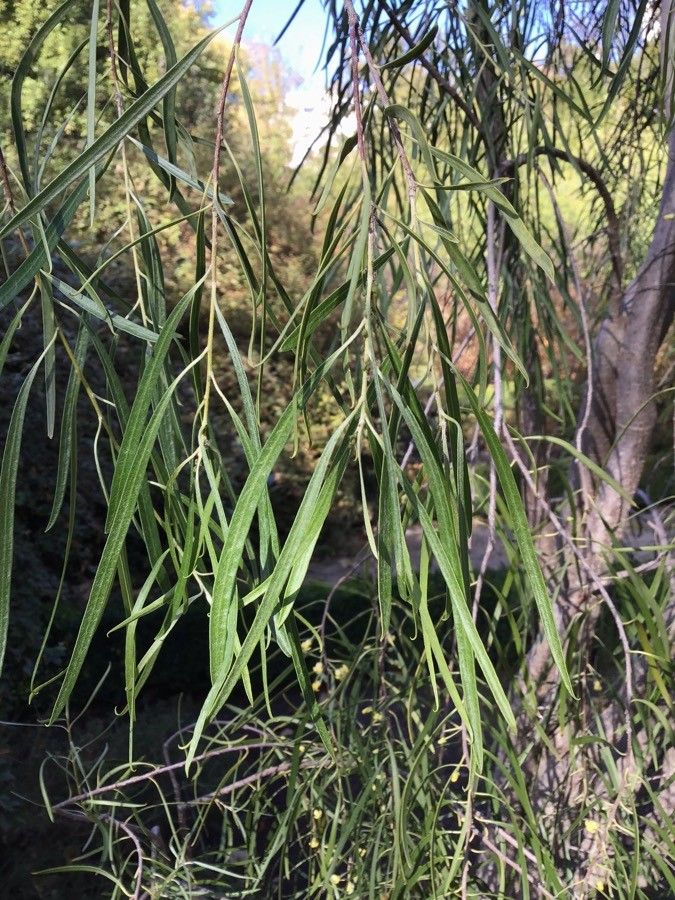
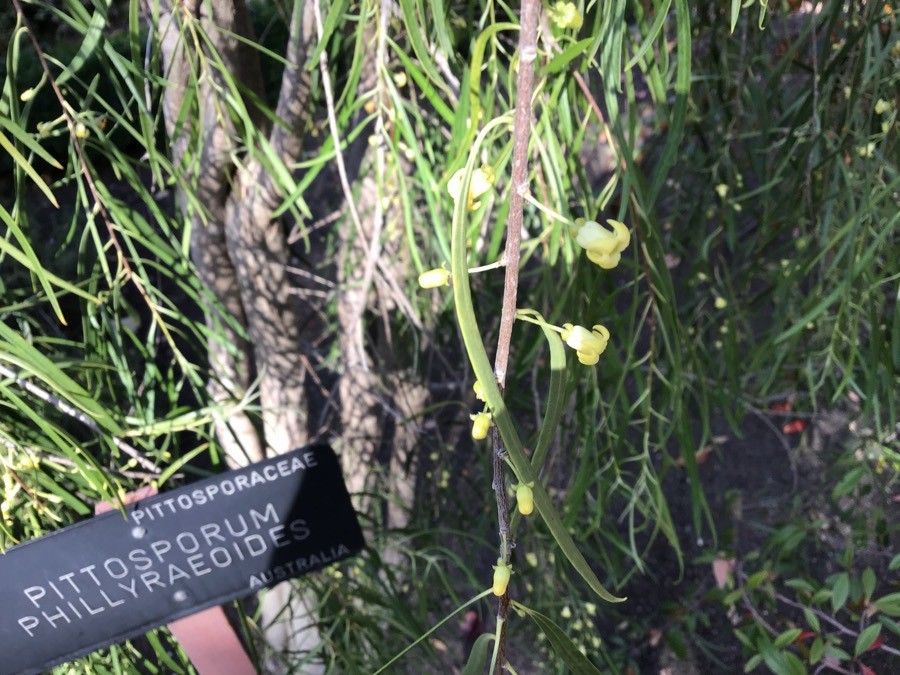
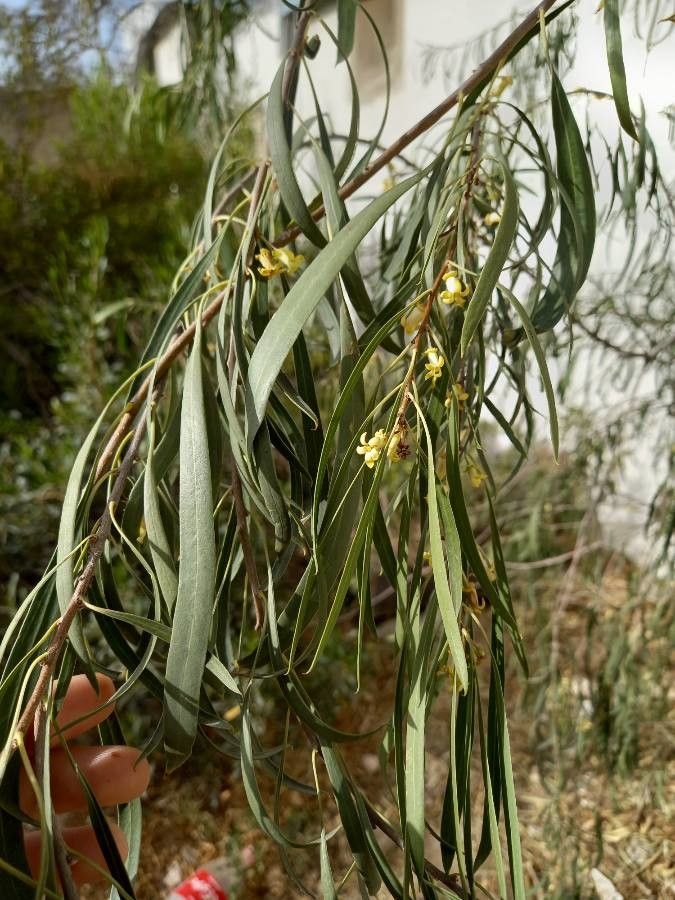
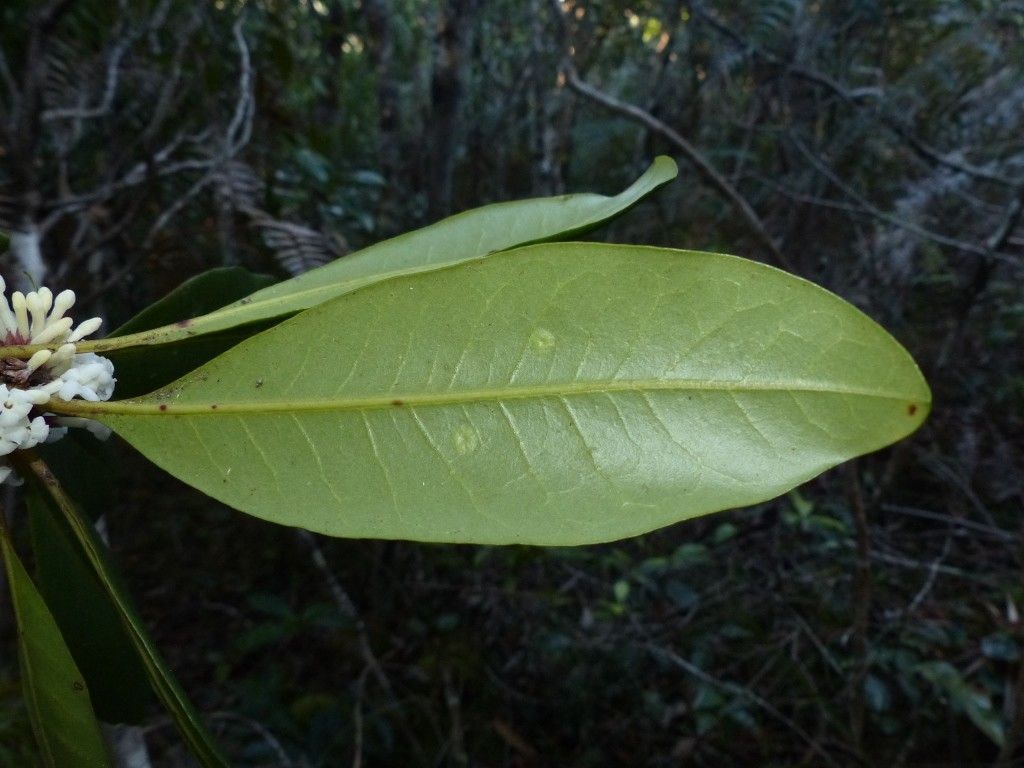
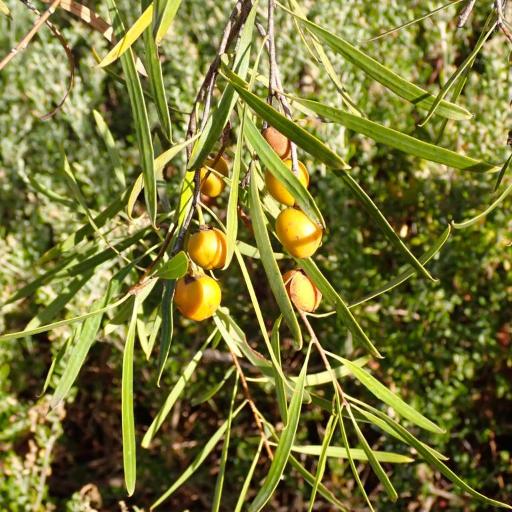
Pittosporum phillyreoides, with the common names weeping pittosporum and willow pittosporum, is a shrub or small columnar tree in the Apiales order, endemic to Australia.
Pittosporum phillyreoides shows strong resistance to disease and is typically not susceptible to illnesses. As for care, this plant is fairly low-maintenance. Planted outdoors it needs only minimal watering, and larger plants usually do not need pruning. Smaller plants, however, should be pruned after they finish flowering. Pittosporum phillyreoidest is well suited to anyone with an outdoor area, such as a garden or deck, and does not demand extensive care experience.
How to keep Pittosporum Phillyraeoides.
Light
Pittosporum phillyreoides hails from open habitats such as bright, sunlit fields and the borders of forests, spaces known for their abundance of light. While it grows best in Full Sun, it is also capable of withstanding Partial Sun, demonstrating adaptability to different degrees of sunlight exposure.
Water
The pittosporum phillyraeoides thrives when it receives consistent moisture. In the spring and summer, water the plant regularly, but be careful to avoid overwatering by allowing the top layer of soil to dry out between each watering session. For newly planted pittosporum phillyraeoides, water the plant 3 to 4 times per week initially, then gradually reduce to once a week. In winter, minimize watering significantly.
Temperature
Pittosporum phillyreoides shows significant versatility in adapting to a range of weather conditions, from hot summers to freezing winters. Yet, it does possess an ideal temperature spectrum for its development. On instances where temperatures rise extremely high, the plant can suffer from heat and moisture stress, potentially leading to its death. In areas where the cold reaches the lower end of the plant's tolerance, it becomes vital to use insulation strategies to safeguard the plant.
Fertilizer
The timing for feeding Pittosporum phillyreoides is vital. Apply fertilizer at the start of spring and continue on a monthly basis until the beginning of summer. Fertilizing aids in producing beautiful flowers and supplies energy during both restful and active periods of growth.
Pruning
The Pittosporum phillyraeoides is known for its dense branching structure and glossy leaves. To encourage growth and improve its shape, it's best to prune it in early spring, focusing first on removing any dead branches. Thinning the plant will help enhance air circulation, and light shaping during the growing season can help maintain its neat appearance and prevent pest issues.
Botanical profile.
- Plant Type
- Tree, Shrub
- Life Cycle
- Perennial
- Genus
- Pittosporum
- Family
- Pittosporaceae
- Hardiness Zone
- 9-11
- Mature Height
- 3.96 m to 7.92 m
- Mature Spread
- 3.05 m to 4.88 m
- Leaf Color
- Olive Drab, Dark Olive Green
- Leaf Type
- Evergreen
- Flower Color
- Yellow, Cream
- Flower Size
- 0.51 cm to 1.02 cm
- Bloom Time
- Early spring, Mid spring
- Planting Time
- Spring, Summer, Autumn
- Harvest Time
- Summer
Reader questions.
What are the sunlight requirements for Pittosporum phillyraeoides?
Pittosporum phillyraeoides requires specific sunlight conditions to thrive. For 'Full sun', it needs more than 6 hours of sunlight daily. For 'Partial sun', about 3-6 hours of sunlight each day is sufficient. It's important to monitor how sunlight moves through your garden in order to find the ideal locations that offer a perfect balance of light and shade, ensuring the plants' well-being.