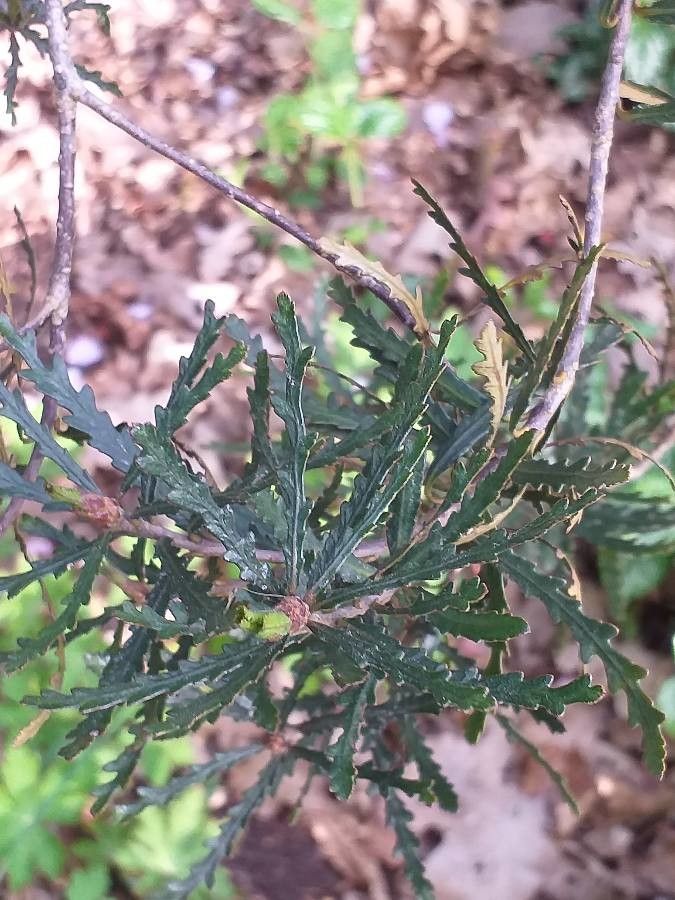
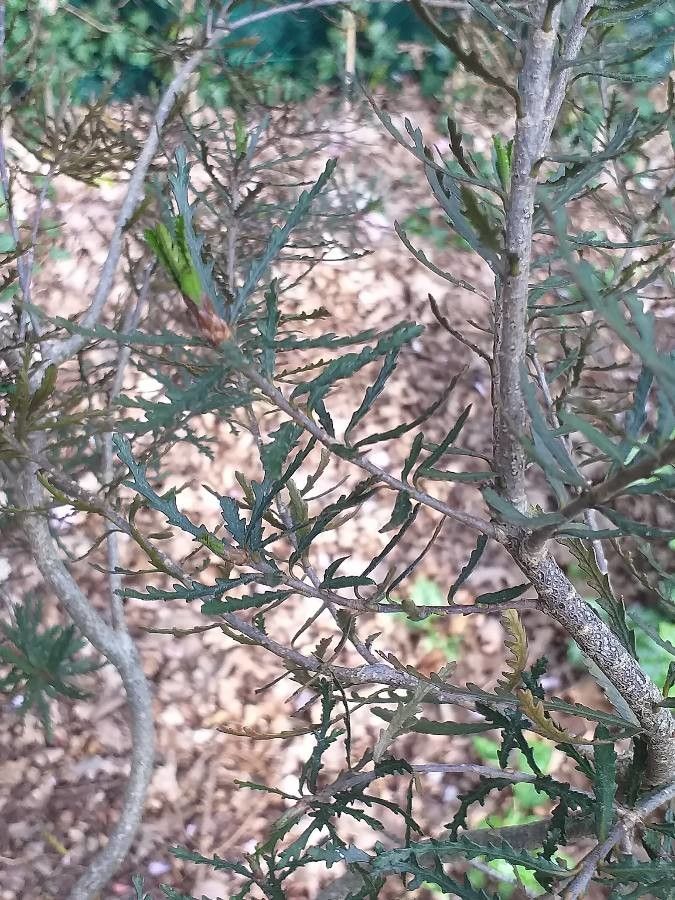
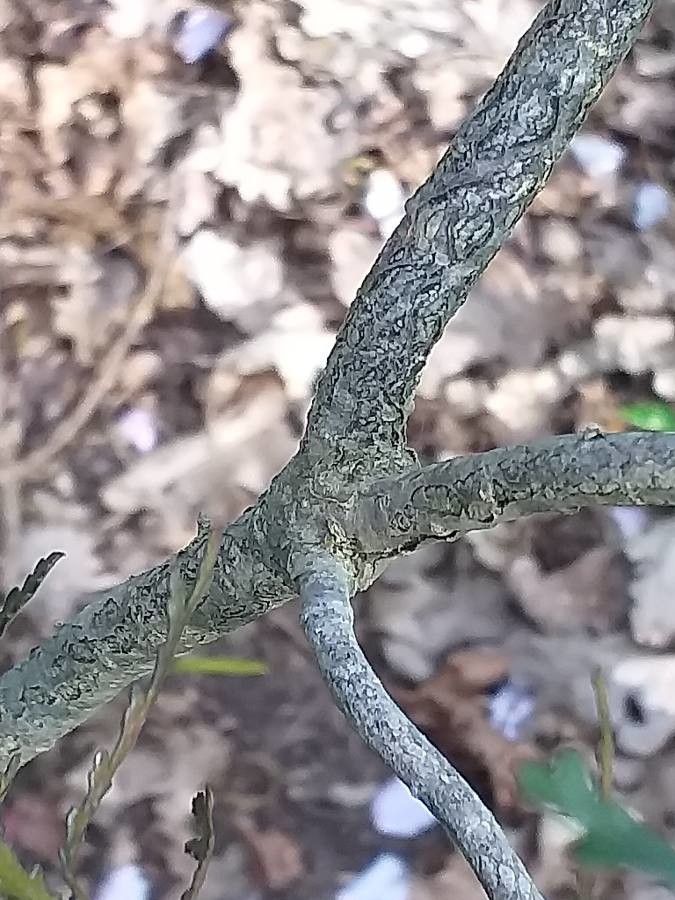
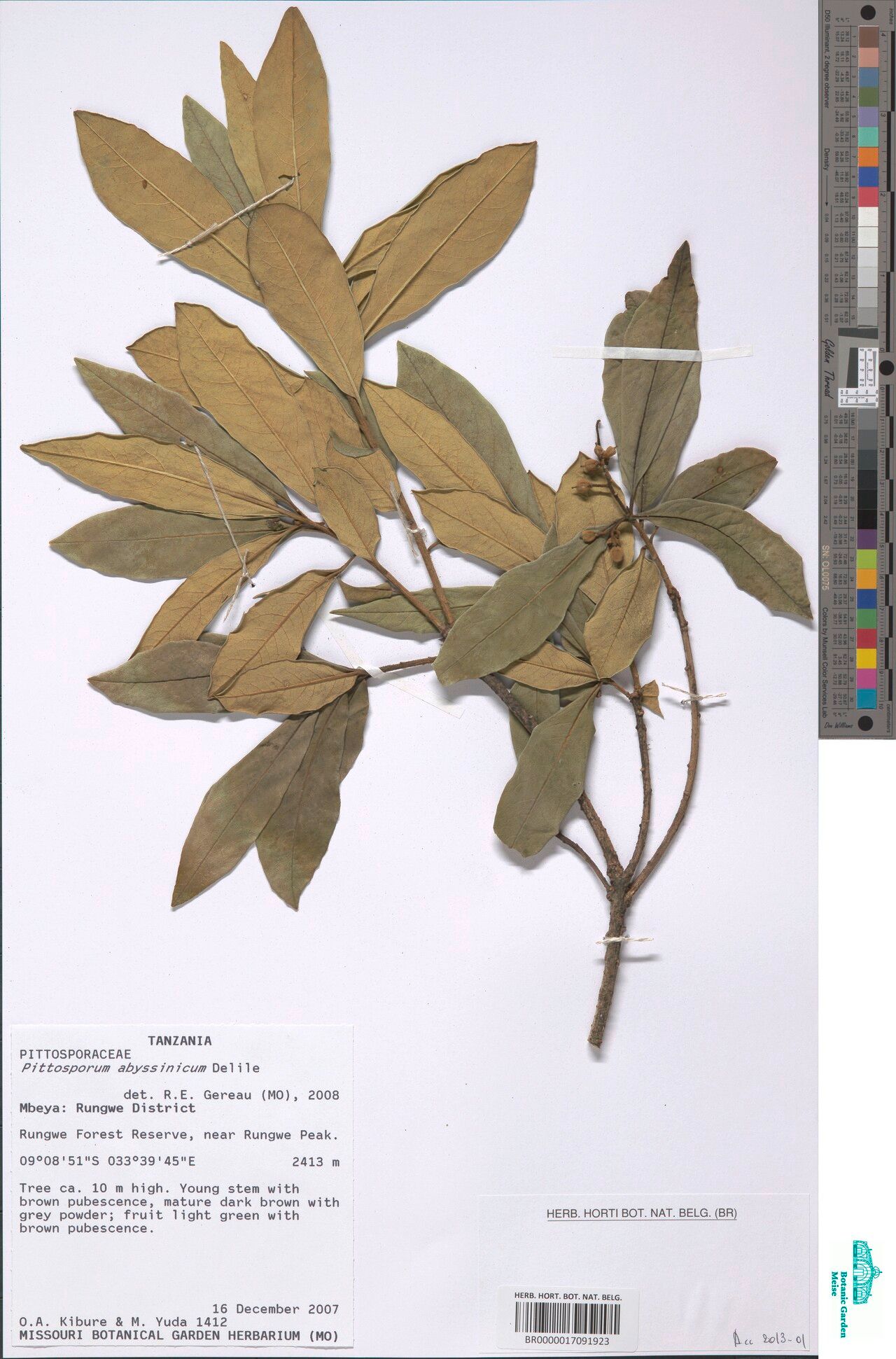
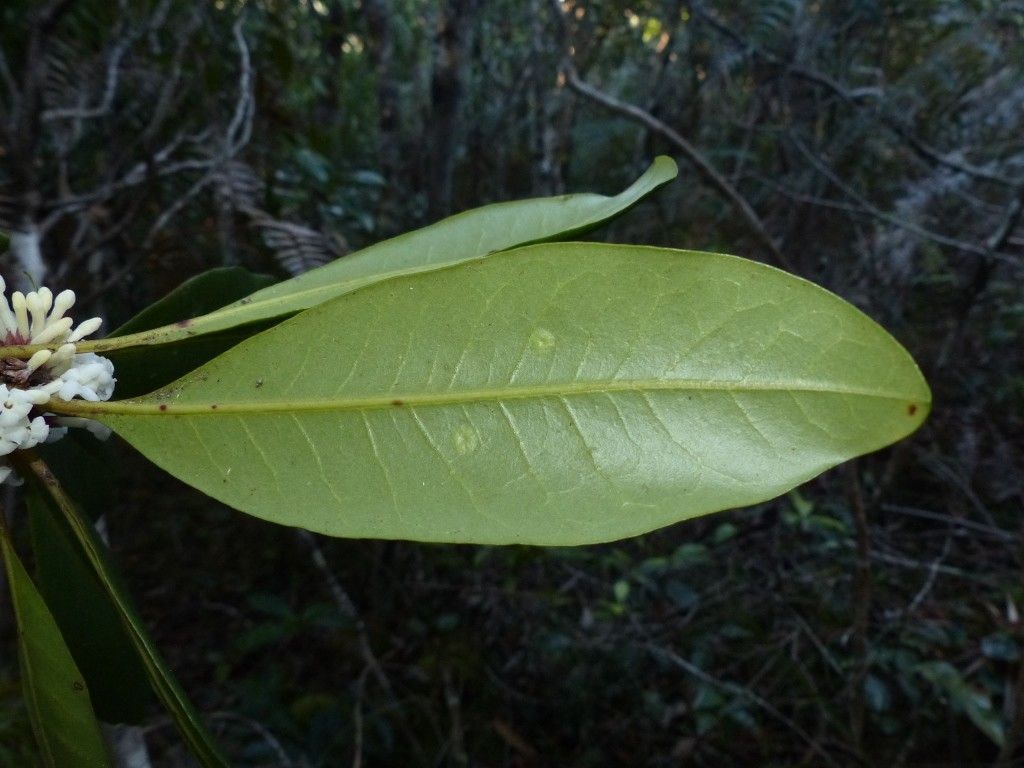
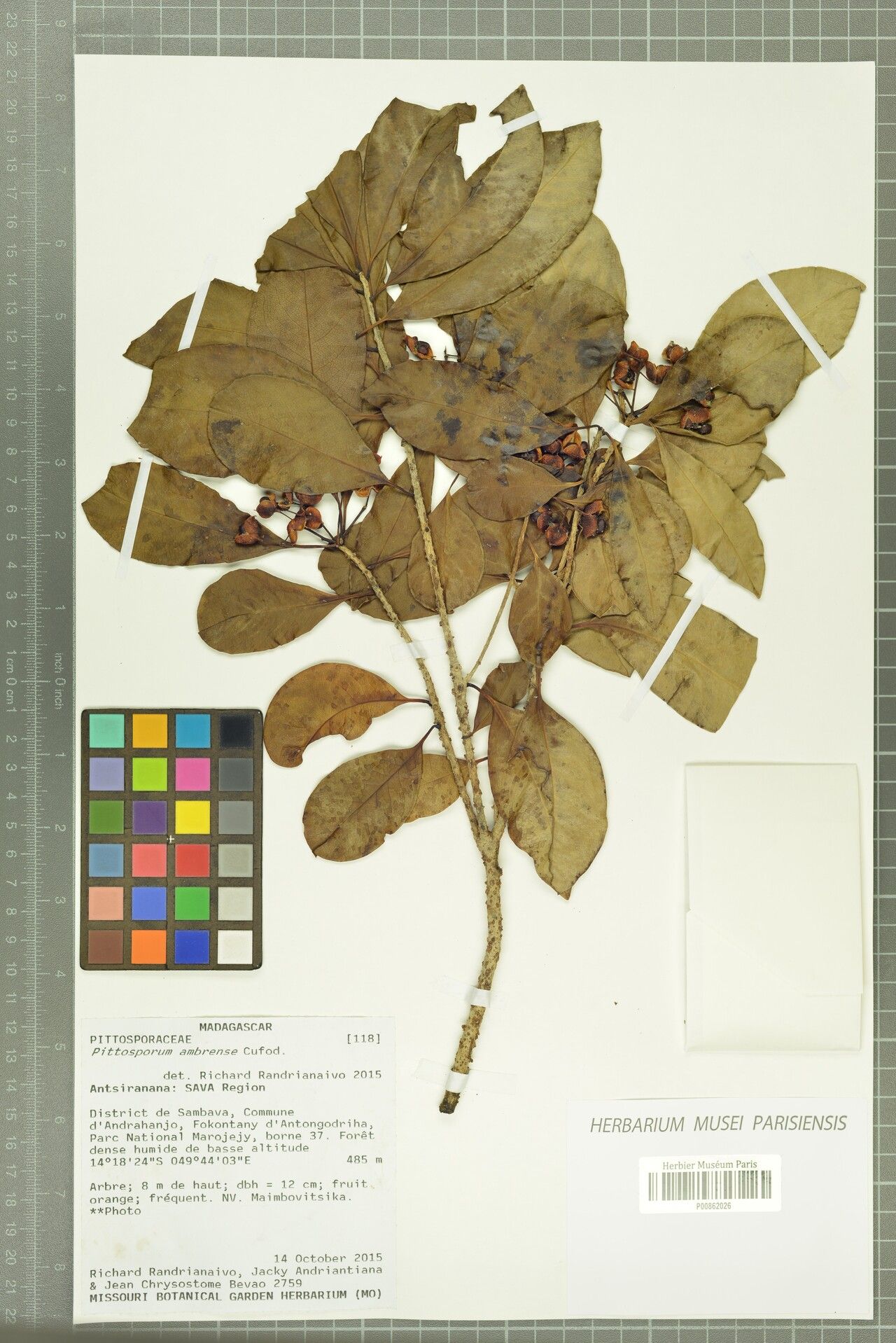
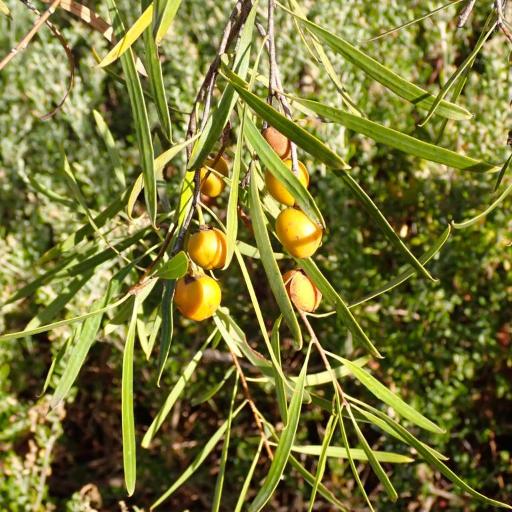
Pittosporum patulum, commonly known as the Karo plant, is an evergreen shrub or small tree native to New Zealand. It belongs to the genus Pittosporum and is part of the Pittosporaceae family. The plant can reach heights of up to 10 meters and features glossy green, oval-shaped leaves with wavy edges. In spring or summer, the Karo plant blooms with small, fragrant flowers that are white or cream-colored. The Karo plant thrives in well-drained soil and is tolerant of both full sun and partial shade. It is commonly found in coastal areas, forests, scrublands, and wetlands throughout New Zealand's North Island. In traditional Maori medicine, the Karo plant is valued for its anti-inflammatory compounds. Maori people also utilized its wood for carving tools such as paddles. In landscaping, Pittosporum patulum is an excellent choice for hedges due to its dense foliage. Its attractive appearance makes it a popular ornamental plant in both residential gardens and public parks. Overall, this evergreen shrub or small tree offers numerous benefits. Its year-round appeal and medicinal properties make it a valuable addition to gardens and landscape projects in New Zealand's North Island, where it naturally thrives.
How to keep Pittosporum Patulum.
Water
The Pittosporum patulum thrives with consistent moisture, so it's important to water it regularly during the spring and summer. However, be careful not to over-water. For newly planted Pittosporum patulum, water it 3 to 4 times a week for the first two months. After that, you can reduce the watering to once a week. In winter, you should decrease the amount of watering.
Fertilizer
The Pittosporum patulum benefits from a balanced, slow-release fertilizer, such as an 8-8-8 mix, applied each spring. If the soil is rich in nutrients, use the lowest concentration to prevent over-fertilizing, which can increase the plant's vulnerability to pests and diseases. For optimal absorption, apply the fertilizer when the soil is moist.
Pruning
Pittosporum patulum is known for its distinctive foliage and dense growth. To maintain its health and appearance, it is best to prune in early spring. During pruning, focus on removing dead branches and thinning out crowded areas to improve airflow. Regular pruning helps maintain the plant's health and shape, while also preventing diseases. Be sure to use clean, sharp tools for precise cuts, and refer to horticultural guides for additional, detailed advice.
Botanical profile.
- Plant Type
- Shrub
- Genus
- Pittosporum
- Family
- Pittosporaceae
Other names.
Reader questions.
How much sunlight is required for Pittosporum patulum?
Pittosporum patulum needs specific sunlight conditions to thrive. For 'Full sun' exposure, it requires above 6 hours of sunlight daily. If you're aiming for 'Partial sun' exposure, about 3-6 hours of sunlight is necessary. It's important to observe the way sunlight moves through your garden to select spots that ensure a perfect balance of light and shade for your plants. This care in choosing the right location ensures the plants remain happy and healthy.
What are the essential needs of Pittosporum patulum?
The data provided does not specify the essential needs for Pittosporum patulum. For successful growth, it's typically vital to know the plant's specific water, soil, and feeding requirements. Since these details are missing, it's recommended to research or consult a gardening expert for the specific care essentials of Pittosporum patulum.
Are there any known symptoms of distress in Pittosporum patulum?
The information on symptoms of distress for Pittosporum patulum is not provided in the data. This means there are no specific symptoms mentioned that could indicate if the plant is suffering from any issues such as pests, diseases, or environmental stresses. Observing your plant regularly and looking out for any unusual signs can help in identifying if your plant is in distress.
What is the botanic name of Pittosporum patulum?
The botanic name of Pittosporum patulum is also 'Pittosporum patulum.' The common and botanic names in this case are the same, which is relatively uncommon but not unheard of in the plant world.