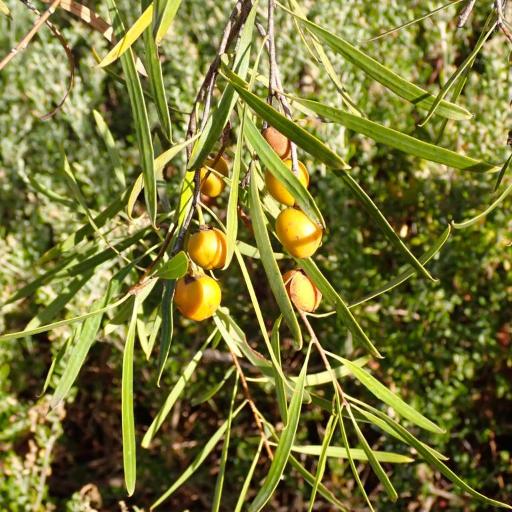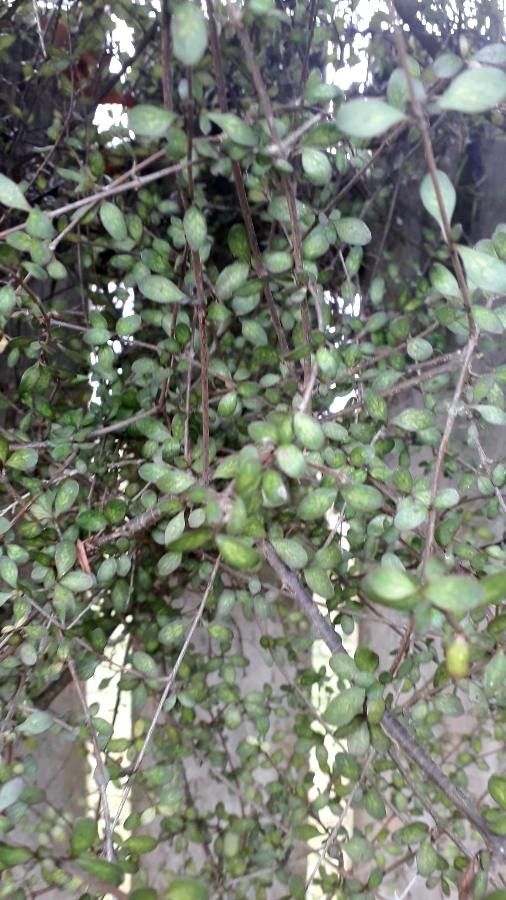
Pittosporum obcordatum, commonly called heart-leaved kohuhu or heart-leaved kohukohu or kohukohu, is a species of plant in the Pittosporaceae family. It is endemic to New Zealand, and exists both in North Island and South Island.Pittosporum obcordatum was discovered by Étienne Raoul in 1840 in Akaroa, but could then not be found again on Banks Peninsula for 170 years. It was rediscovered by Melissa Hutchison in 2012 in Okains Bay, and confirmed by local botanist Hugh Wilson.
Heart-leaved kohuhu has strong resistance to disease and is generally not susceptible to illnesses. In terms of care, this plant is fairly low-maintenance. When grown outdoors it needs only minimal watering, and larger specimens usually do not require pruning. Smaller plants, however, should be pruned after they finish blooming. Heart-leaved kohuhu is suitable for anyone with an outdoor area, such as a garden or deck, and does not demand much experience in plant care.
How to keep Pittosporum Obcordatum.
Light
The heart-leaved kohuhu thrives naturally in habitats like forest undergrowth or rocky zones, accustomed to natural shade. It favorably grows under partial sun, while also being capable of withstanding either full sun or complete shade, illustrating its adaptability and resilience.
Water
Heart-leaved kohuhu thrives with consistent moisture, so regular watering is important, especially in spring and summer. However, be careful not to over-water. For newly planted heart-leaved kohuhu, water it 3 to 4 times a week for the first two months, then reduce to once a week. In winter, you should water it even less frequently.
Temperature
The heart-leaved kohuhu shows remarkable resilience to different weather conditions, be it intense summer heat or freezing winter chill. Nonetheless, it possesses a preferred temperature span for proper growth. When the temperature escalates to extreme highs, the plant is susceptible to stress from warmth and humidity, which may ultimately cause it to perish. In locations where temperatures come close to its cold endurance threshold, it becomes necessary to use insulating methods to safeguard the plant.
Fertilizer
To encourage healthy growth, fertilize your Heart-leaved kohuhu in early spring. Regular fertilization improves overall plant health, resulting in vigorous growth, increased tolerance of harsh conditions, and better resistance to pests and diseases. Follow a consistent fertilization schedule for your Heart-leaved kohuhu to maintain vibrant, deeply colored, and lush foliage.
Pruning
Heart-leaved kohuhu features heart-shaped leaves and a compact growth habit, making it perfect for hedges. For best results, prune in early spring to encourage growth and shape, while also removing any dead branches to improve air circulation. Regular pruning supports dense foliage, but it's important to avoid heavy pruning during other seasons to minimize stress on the plant.
Botanical profile.
- Plant Type
- Shrub
- Life Cycle
- Perennial
- Genus
- Pittosporum
- Family
- Pittosporaceae
- Hardiness Zone
- 8-10
- Mature Height
- 3.05 m to 4.88 m
- Mature Spread
- 2.13 m to 3.05 m
- Leaf Color
- Dark Green
- Leaf Type
- Evergreen
- Flower Size
- 0.51 cm to 1.02 cm
- Bloom Time
- Mid fall, Late fall
- Planting Time
- Summer, Autumn
- Harvest Time
- Late winter, Early spring, Mid spring
- Native Area
- New Zealand
Other names.
Reader questions.
What are the sunlight requirements for Heart-leaved kohuhu?
Heart-leaved kohuhu (Pittosporum obcordatum) thrives in areas that receive full sun or partial sun. Full sun locations are those that receive above 6 hours of sunlight daily, while partial sun spots get about 3-6 hours of sunlight. It's important to observe how sunlight moves through your garden throughout the day. Selecting the right spots that offer a mix of light and shade will significantly contribute to the happiness and health of your Heart-leaved kohuhu.