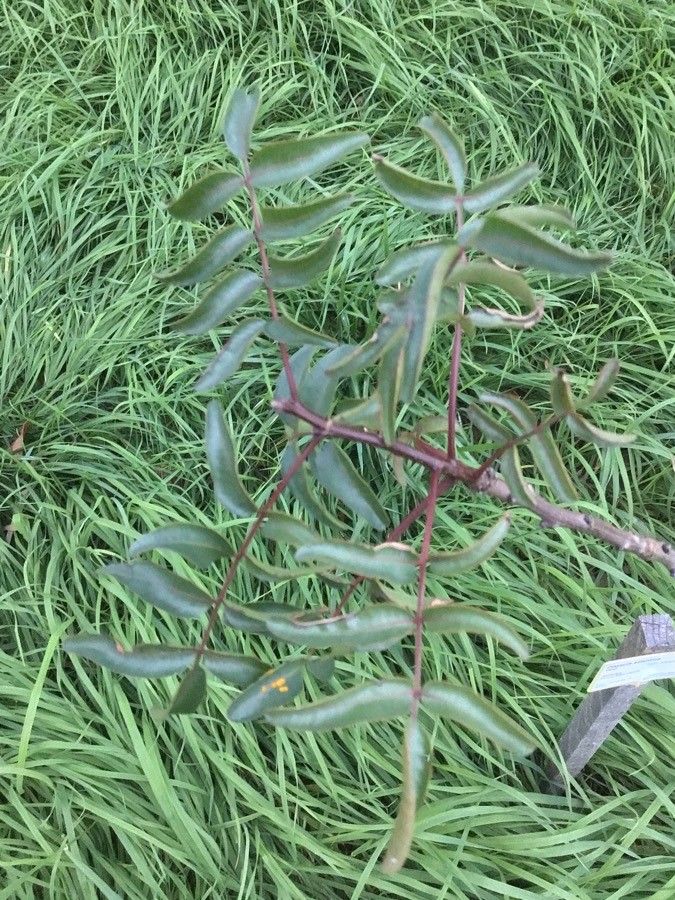
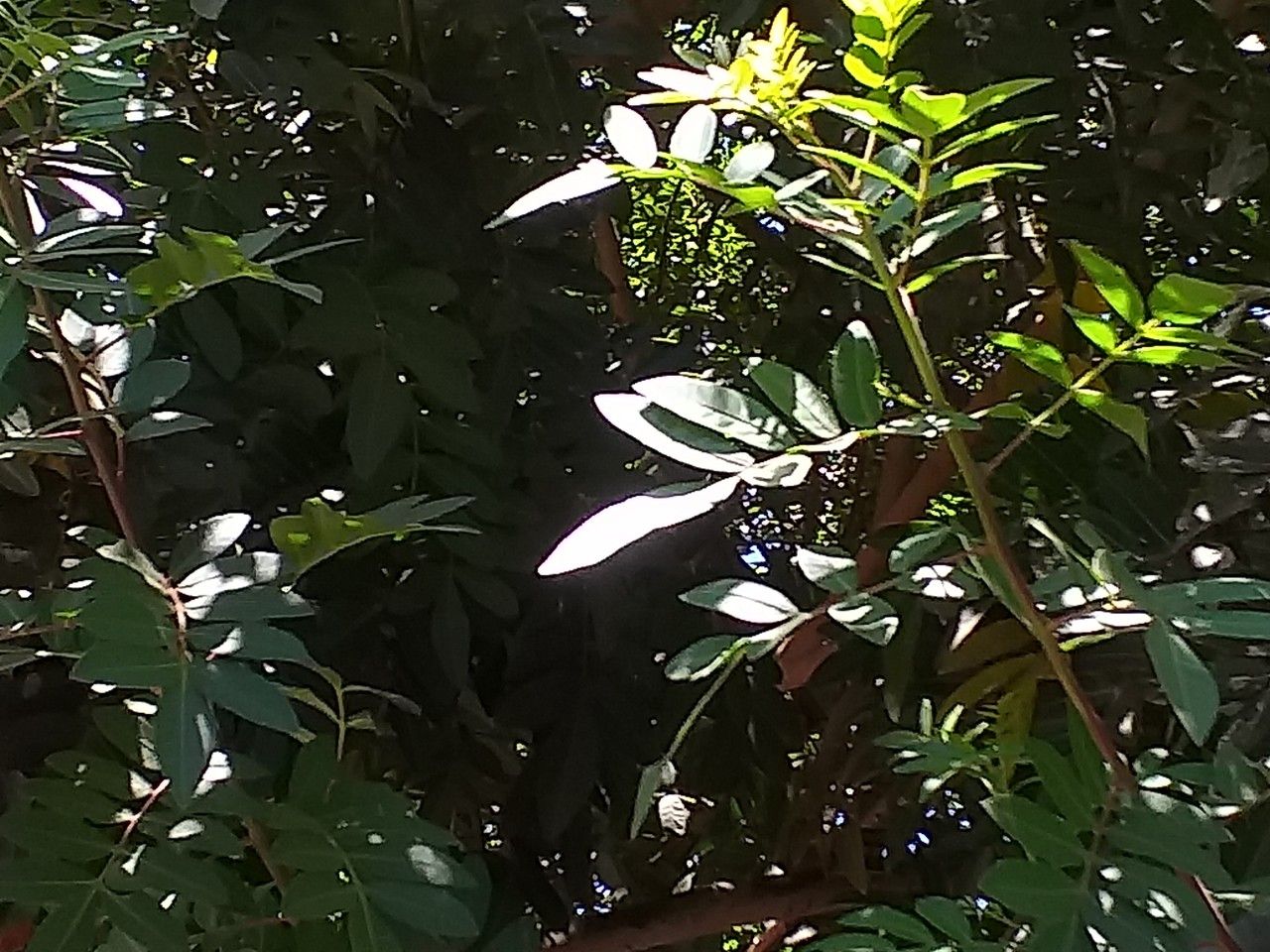
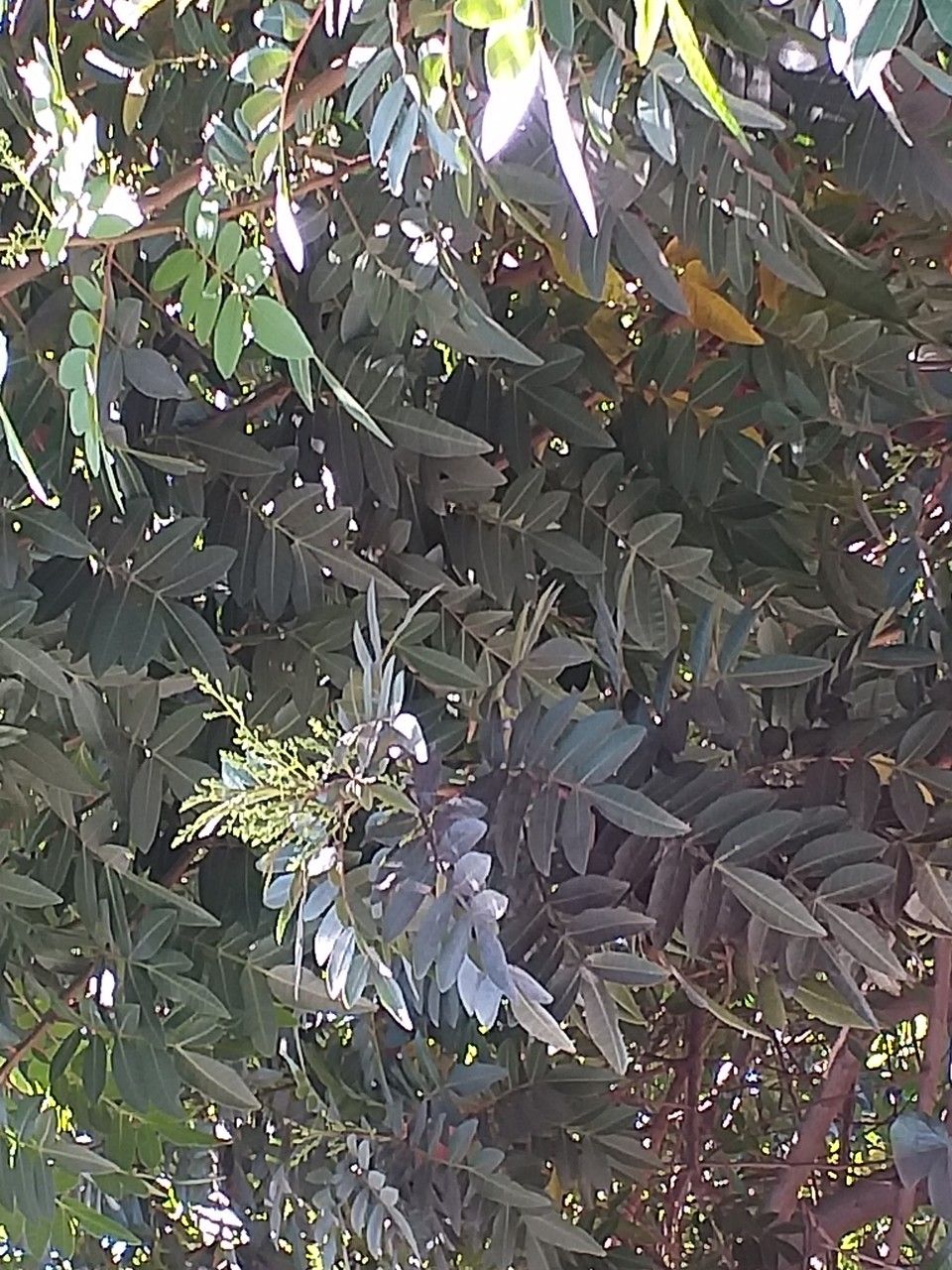
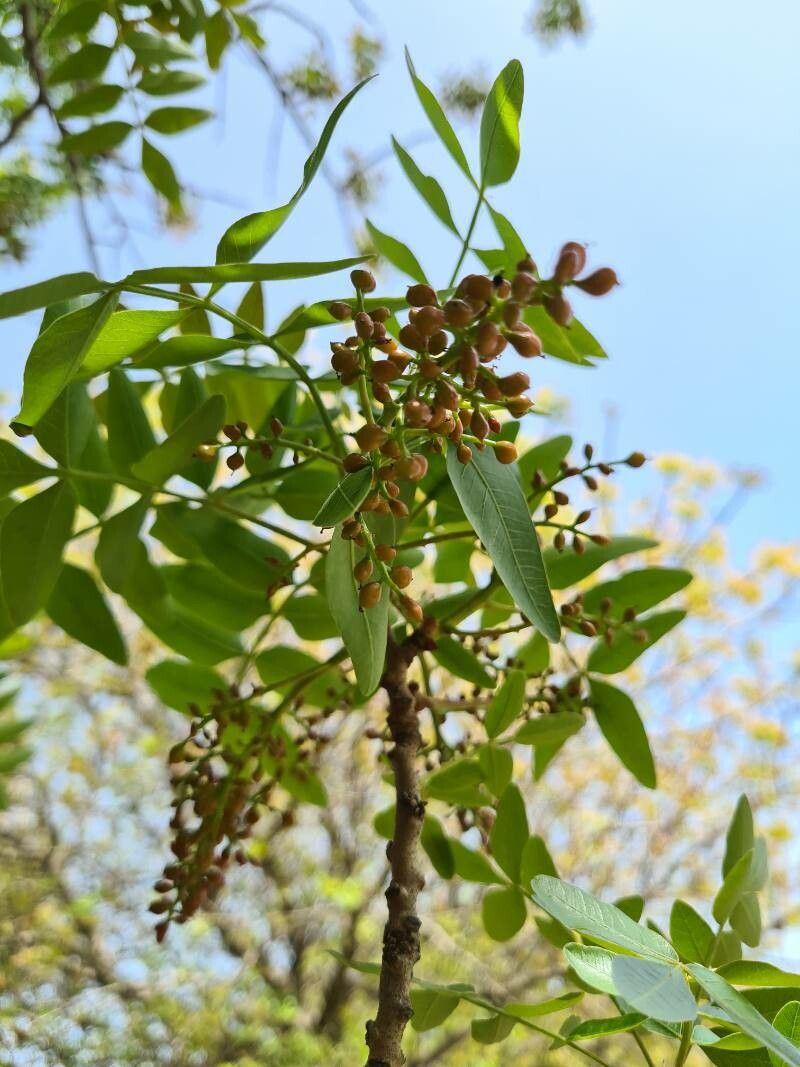
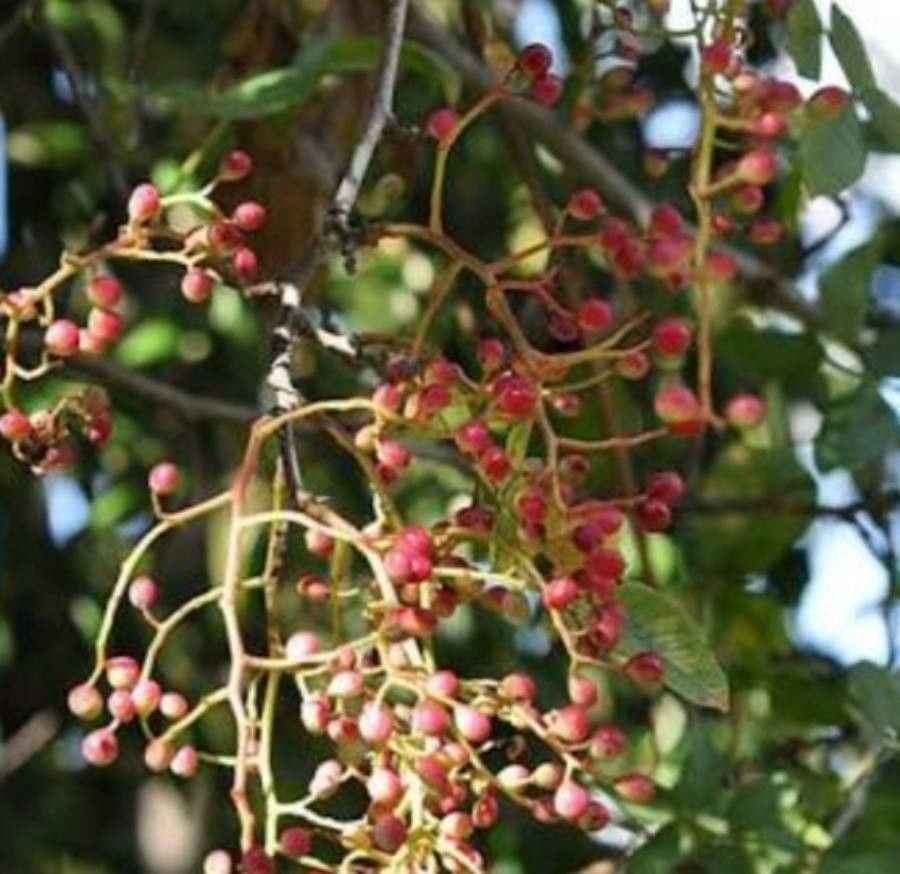
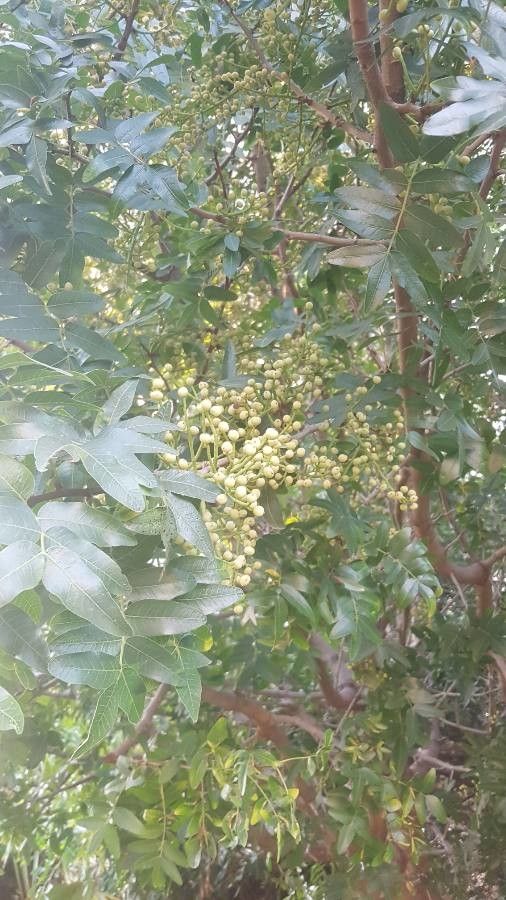
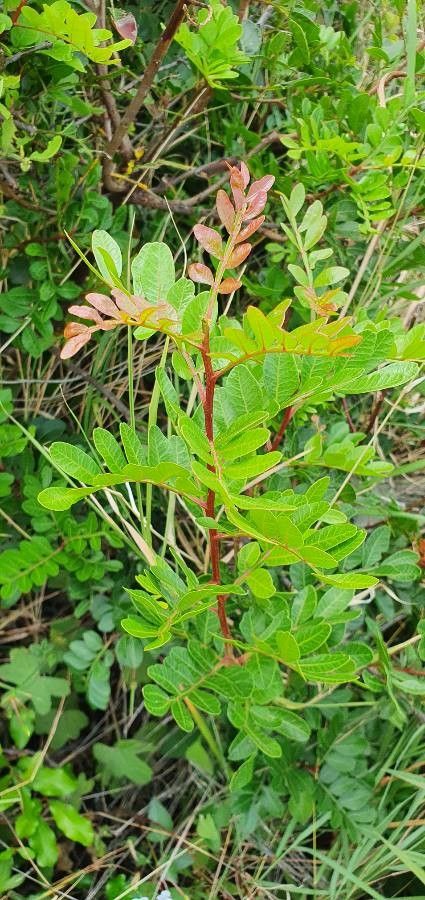
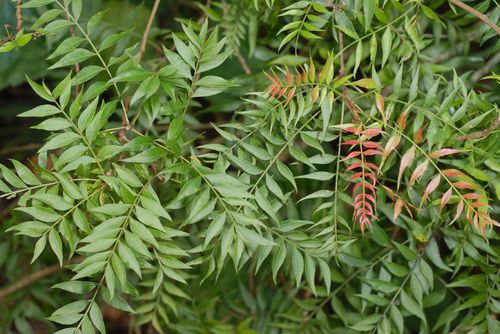
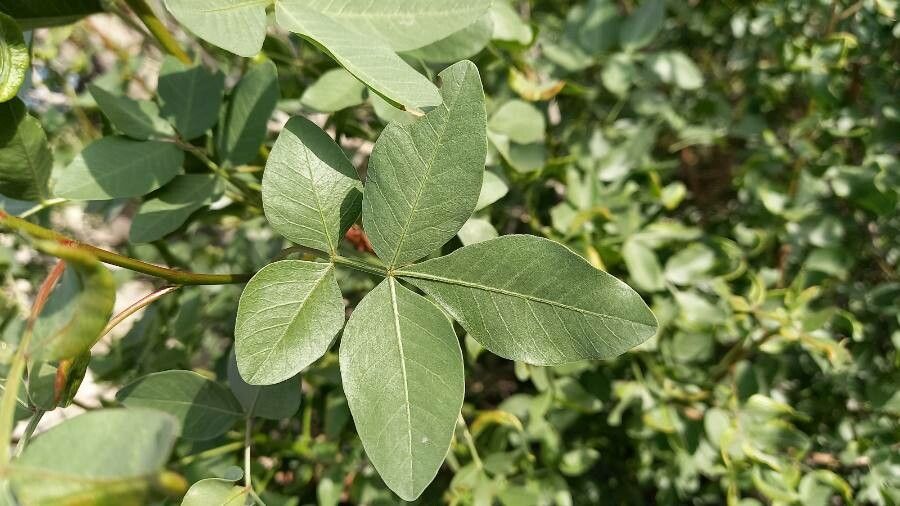
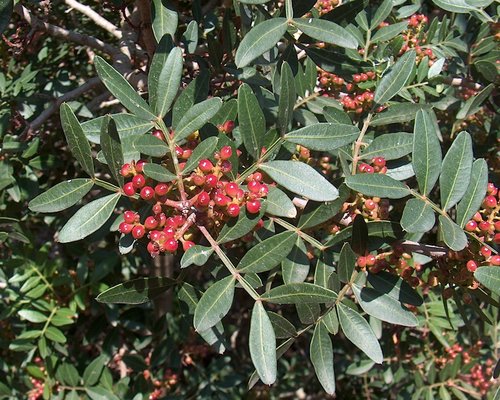
Pistacia atlantica, commonly known as the Mt. Atlas mastic tree, is a deciduous species from the Anacardiaceae family. Native to the Middle East and North Africa, this tree can reach a height of up to 10 meters. It features a broad crown, a thick trunk, and spreading branches. The leaves of Pistacia atlantica are pinnate, comprising 5 to 9 dark green leaflets. Its small, greenish-yellow flowers bloom in clusters during the spring. The fruit of this tree is an edible drupe with a hard shell that encloses an edible seed or nut, often referred to as pistachio nuts or mastic gum. These nuts have been valued for centuries for their medicinal properties due to their high antioxidant content. Pistacia atlantica thrives in well-drained soils but can also tolerate poor soils and drought conditions once established. It is often used for ornamental purposes because of its attractive foliage and unique fruiting habit. This tree holds cultural significance in the regions where it grows. Some communities consider it sacred, while others utilize its resinous sap (mastic gum) for medicinal purposes or as chewable gum. Overall, Pistacia atlantica is a fascinating plant species with diverse uses, ranging from ornamental to medicinal. It is valued both ecologically and culturally in its native North African and Middle Eastern habitats.
Mt. atlas mastic tree shows good resistance to disease and is usually not susceptible to illnesses. In terms of care, this plant is fairly low-maintenance. When grown outdoors it needs only minimal watering, and larger plants typically do not require pruning. Smaller plants, however, should be pruned after they finish blooming. Mt. atlas mastic tree is suitable for anyone with outdoor space, such as a garden or deck, and does not demand extensive plant care experience.
How to keep Pistacia Atlantica.
Light
Mt. atlas mastic tree prefers an environment with abundant sunlight throughout the day, since this most closely matches its native growing habitat. Excessive or insufficient sunlight can disrupt its healthy development. However, minor variations in light exposure wouldn't significantly affect the plant's growth stages.
Water
Native to arid regions, the Atlas mastic tree is highly drought-tolerant and thrives in dry conditions. Watering every 2-3 weeks is ideal, allowing the soil to dry out between waterings. Often cultivated outdoors, this tree is perfect for xeriscaping—a landscaping technique that reduces or eliminates the need for additional irrigation.
Temperature
The Mt. atlas mastic tree is a temperate species, commonly found in habitats with temperatures ranging from 50 to 95 °F (10 to 35 ℃). It can, however, acclimate to colder or warmer conditions when needed. Seasonal temperature changes should be monitored to ensure optimal growth.
Fertilizer
Fertilize your Mt. atlas mastic tree in early spring to encourage healthy growth. Regular feeding improves its overall health, producing vigorous growth, greater tolerance of harsh conditions, and stronger resistance to pests and diseases. Keep to a set fertilization schedule for your Mt. atlas mastic tree to maintain foliage that is vibrant, deeply colored, and lush.
Pruning
The Mt. Atlas Mastic tree benefits from pruning in early spring, which helps to shape the tree and remove any dead wood. This process improves air circulation and sunlight access. To ensure precise cuts, use sharp tools and make cuts just above outward-facing buds. Regular pruning encourages healthier growth and can potentially increase resin production. It is important to align pruning with the tree's active growth phases for optimal results.
Botanical profile.
- Plant Type
- Tree
- Life Cycle
- Perennial
- Genus
- Pistacia
- Family
- Anacardiaceae
- Hardiness Zone
- 6-9
- Mature Height
- 7.01 m
- Mature Spread
- 14.94 m to 29.87 m
- Leaf Color
- Dark Green, Olive Drab
- Leaf Type
- Deciduous
- Flower Color
- Green, Red
- Flower Size
- 0.20 cm to 0.25 cm
- Bloom Time
- Early spring, Mid spring
- Planting Time
- Autumn, Winter
- Harvest Time
- Late summer, Early fall, Mid fall
- Native Area
- Libya, Tajikistan, Turkey, Tunisia, India, Cyprus, Armenia, Pakistan, Greece, Morocco, Ukraine, Russia, Afghanistan, Iran, Azerbaijan, Algeria
Other names.
Reader questions.
How should I water my Mt. atlas mastic tree?
To ensure excellent root development for your plants, consider these watering tips. Place a garden hose at the base of each plant to water them, avoiding direct spraying on the leaves. If your plants are outdoors, especially in direct sunlight, the leaves may need more water. You can also use bubblers or soaker hoses to moisten the roots. When adding or removing plants, use soaker hoses that cover the entire garden or bed to help the roots go deep. After watering, make sure to drain any excess water and wait for the soil to dry before watering again. Watering at ground level will help prevent diseases. On a sunny day, you can spray the entire bush with water. Whether your plants are in pots or in the ground, remember that the Mt. atlas mastic tree prefers deep watering rather than light sprinkling.
What are the sunlight requirements for a Mt. atlas mastic tree?
The Mt. atlas mastic tree requires full sun, meaning it should receive above 6 hours of sunlight daily. It's crucial to observe the movement of sunlight through your garden to ensure spots chosen for your plants offer the perfect balance of light and shade. This balance ensures the plants' health and happiness. The tree thrives in an environment with plentiful sunlight throughout the day, closely mirroring its natural growth habitat. However, it can withstand slight variations in light exposure without significant effects on its growth stages.
What are the essential care requirements for a Mt. atlas mastic tree?
The Mt. atlas mastic tree, botanically known as Pistacia atlantica, thrives in temperate climates, preferring environments within a temperature range of 50 to 95 °F (10 to 35 °C). It possesses strong cold resistance, implying that special frost protection measures are typically not needed during winter. However, in regions where winter temperatures are expected to fall below -25°C, protective measures such as wrapping the trunk and branches with materials like non-woven fabric or cloth are advisable. Additionally, to combat drought and water scarcity in winter and early spring, it's recommended to water the plant abundantly before the first freeze in autumn, ensuring the soil remains moist.
What should I do if I give the Mt. atlas mastic tree too much or too little water?
If you overwater a Mt. atlas mastic tree, its leaves can turn yellow, drop off, and wilt. The tree may also appear dull and unhealthy with mushy stems. When these signs start to show, it's best to adjust your watering schedule. Wilting can also be a sign of underwatering, which causes leaves to become crispy and dry. If the soil is dry and simply watering is not enough, give the tree a thorough watering. This will help the tree recover, but it may still have dry, yellow leaves for a few days due to damage to the root system. Once it returns to normal, the yellowing of the leaves will stop. When keeping a Mt. atlas mastic tree indoors, always check the moisture levels in the pot and avoid overwatering. Look for signs of black spots, and if present, allow the soil to dry by withholding water for a few days. Overwatering can lead to root rot, which can be detected by discolored and slimy roots. Prevent root rot by avoiding overly soggy soil and, if necessary, transferring the tree to a different pot. When planting a Mt. atlas mastic tree outdoors, dig a little deeper and check the soil's moisture level with your fingers. If it's too dry, it may be a sign of underwatering, and adequate watering is necessary for the tree to recover.
How do I use artificial lighting for my indoor Mt. atlas mastic tree?
For indoor Mt. atlas mastic trees, adequate lighting is essential for optimal growth, especially when natural sunlight is insufficient. Artificial lights, such as LED lights, provide a viable solution and can mimic natural sunlight by offering specific wavelengths required for the plant's growth. Full sun plants need 30-50W/sq ft of artificial light, partial sun plants need 20-30W/sq ft, and full shade plants need 10-20W/sq ft. The light source should be placed 12-36 inches above the plant and turned on for 8-12 hours per day to mimic natural daylight hours and promote healthy growth.
What should I do if my Mt. atlas mastic tree experiences extremely low temperatures?
The Mt. atlas mastic tree tolerates cold well and is best suited to temperatures above 10°C. In the face of extremely low temperatures, particularly below -25°C, while the tree might not show immediate signs of distress during winter, come spring, the branches might turn brittle and dry, failing to produce new shoots. In this scenario, it's advised to prune away any dead branches that have not produced new leaves in the spring to support the tree's recovery and encourage new growth.
How frequently should I water my Mt. atlas mastic tree?
The Mt. atlas mastic tree prefers deep and infrequent watering. For potted plants, it is important to soak them in a gallon of water each time to account for limited water storage and faster soil drying. In colder regions, water every 3 to 5 days, preferably in the morning when the soil is dry. Check the soil moisture by feeling the top 2-3 inches of soil – if dry, it's time to water. During hot days, monitor moisture daily as high temperatures quickly evaporate water from the pot. Gardens also need irrigation, with hot climate gardens requiring watering once a week. Only water when the top 2-3 inches of soil is too dry. If rainfall is abundant, additional watering may not be necessary to avoid root rot. When planting the tree outdoors, add a 3-4 inch mulch layer to conserve water. Sandy soil requires more frequent watering due to faster drainage, while clay soil can go 2-3 days without water to prevent root rot. Keep track of watering dates and watch for drooping leaves as a sign of potential delay in watering.
What symptoms indicate a Mt. atlas mastic tree is not receiving enough light?
A Mt. atlas mastic tree not receiving sufficient light may exhibit several symptoms, including smaller new leaves, leggy or sparse growth, faster leaf drop, slower or no new growth, lighter-colored new leaves, chlorosis (leaves turning yellow), sunscald, leaf curling, wilting, and leaf scorching. These symptoms suggest that the tree is struggling with inadequate sunlight exposure, impacting its overall health and development.
How should I care for my Mt. atlas mastic tree during high temperatures?
During the summer months, it's crucial to keep the Mt. atlas mastic tree below 35°C to prevent heat stress. Exposure to temperatures above 38°C can cause the leaves to lighten in color and the tips to dry out and wither, making the plant more prone to sunburn. To mitigate these effects, trim away sunburned and dried parts, and move the plant to a shaded location or utilize shade cloth to protect it from the midday and afternoon sun. Additionally, ensure the soil is kept moist by watering the plant in the morning and evening.
How much water should I give to my Mt. atlas mastic tree?
The Mt. atlas mastic tree generally needs about a gallon of water on a regular basis. For potted plants, water them deeply until the water is dripping from the bottom of the pot, then wait for the soil to dry before watering again. You can use a water calculator or moisture meter to track how much water you've given your plant each week. During the flowering period, provide plenty of water but let it evaporate afterwards to prevent root rot. If the Mt. atlas mastic tree is planted outdoors and receives sufficient rainfall, it may not need additional watering. However, when the tree is young or newly planted, make sure it gets 1-2 inches of rain per week. As the tree grows, it can rely solely on rainfall, but in hot weather or if there is no rain for 2-3 weeks, consider watering it fully during cooler times to prevent heat damage. Additional watering will be necessary during prolonged dry periods.
What are the solutions for Mt. atlas mastic trees not getting enough sunlight?
To address insufficient sunlight for Mt. atlas mastic trees, gradually move the plants to sunnier locations each week until they receive at least 6 hours of direct sunlight daily. For indoor plants, use a south-facing window for maximum sunlight or consider artificial lighting options like desk or ceiling lamps, or invest in professional plant grow lights for at least 8 hours daily. For outdoor plants, ensure a gradual transition to avoid sunburn. If physical obstructions block sunlight, consider pruning or transplanting the plant to a more suitable location with better sunlight and drainage. It's important to note that while parts of the plant that have already been affected may not recover, new growth will be healthy with improved light exposure.
Should I change how often I water my Mt. atlas mastic tree depending on the time of year or the weather?
The Mt. atlas mastic tree requires outdoor conditions with rain, but only needs watering during persistent dry weather. In the spring and fall, the soil should be kept moist but not soggy, while alternating dry and moist soil conditions are beneficial for growth. During hot summer weather or a lack of rainfall, more frequent watering is needed to keep the tree moist. In winter, less water is generally required as the tree goes dormant. For potted trees, good drainage is important to prevent ponding or drought. Deep soaking the roots once or twice a week, depending on the weather, is recommended instead of shallow sprinkles. Avoid drying out the tree in fall or winter, even during dormancy. Proper drainage is crucial as sitting in water for too long can be harmful. Using mulch can help conserve water and promote healthy blooms.