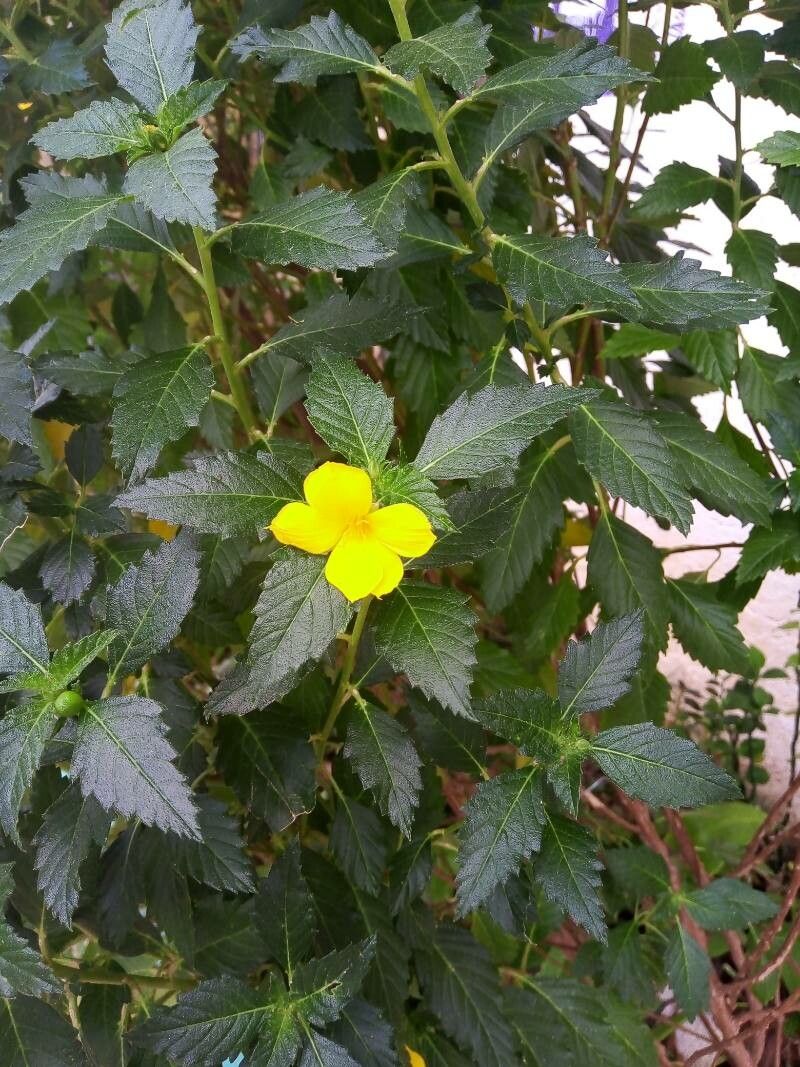
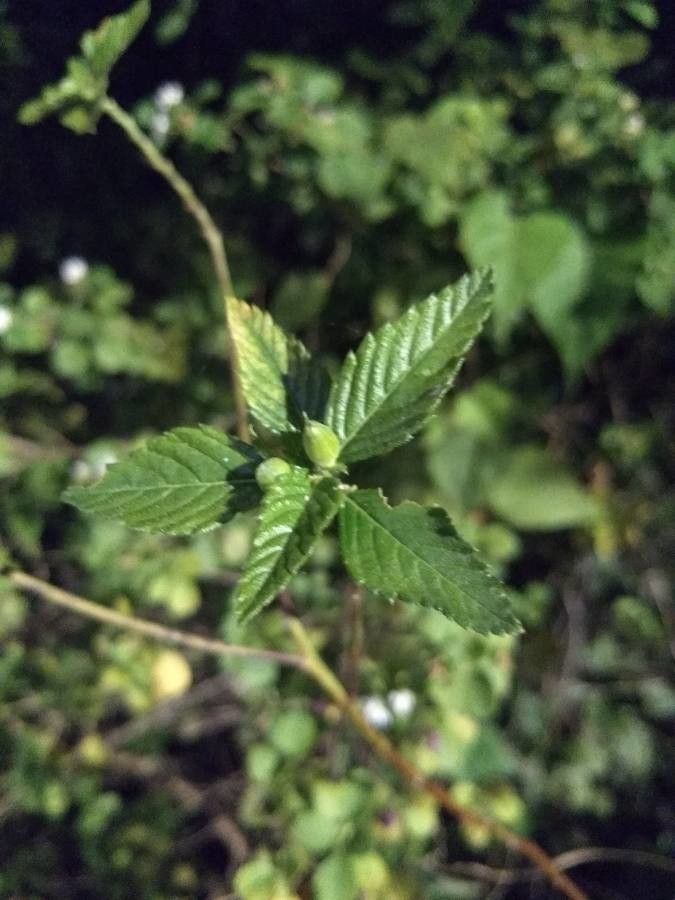
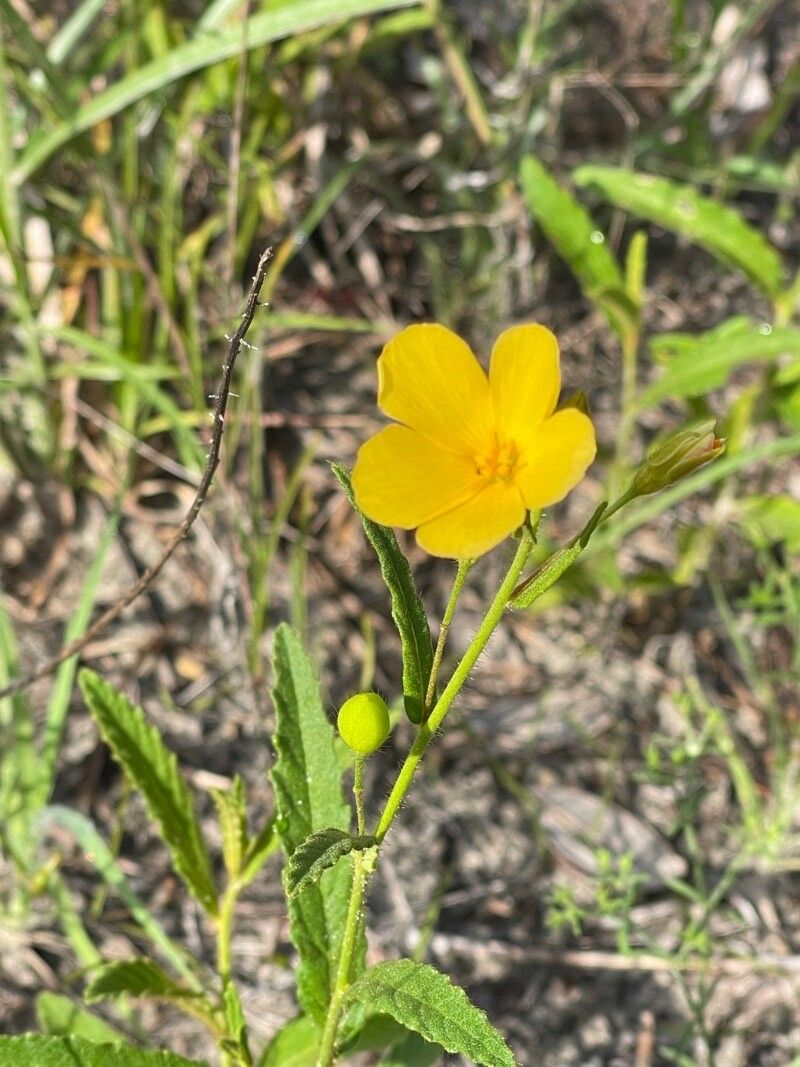
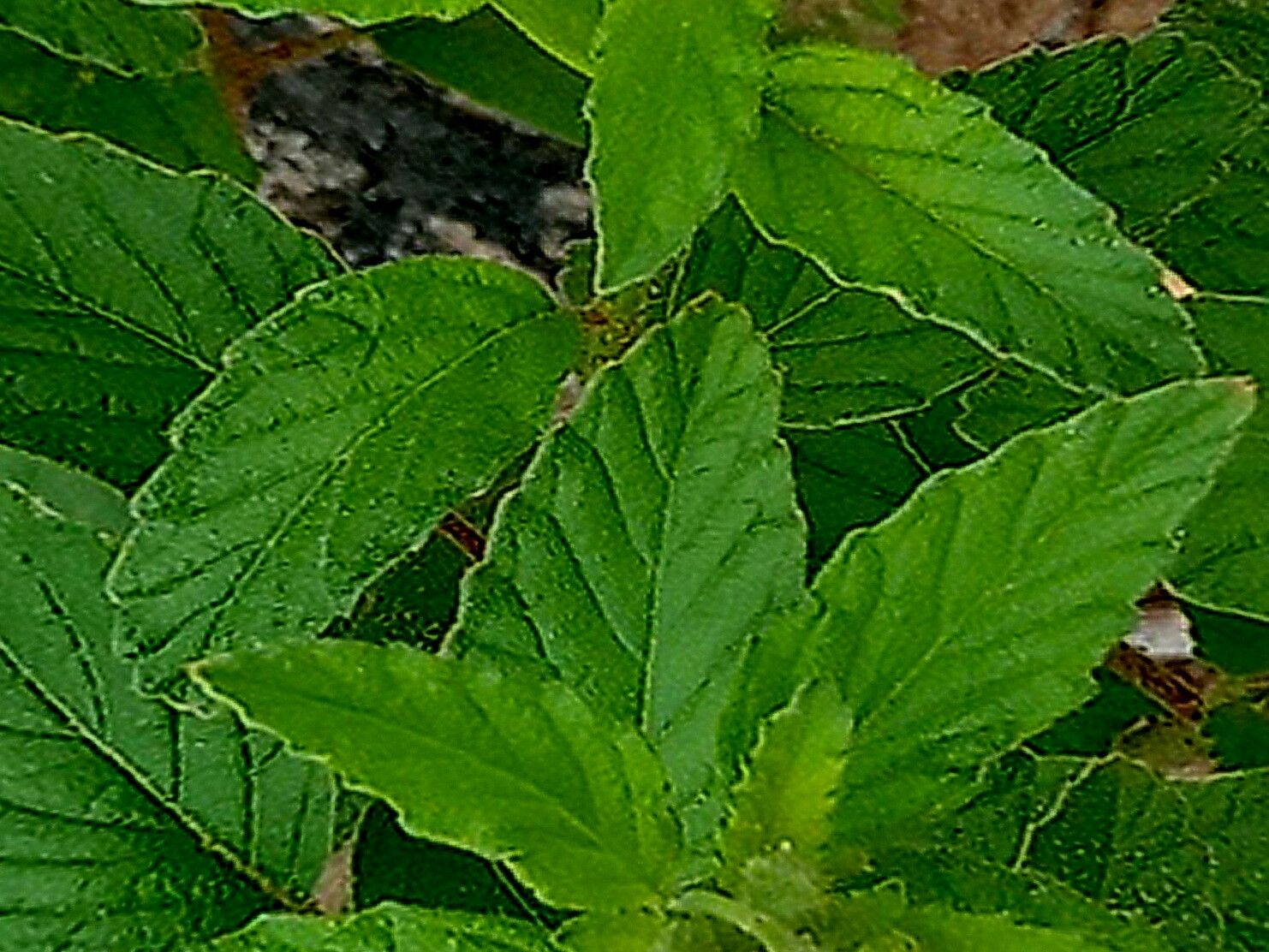
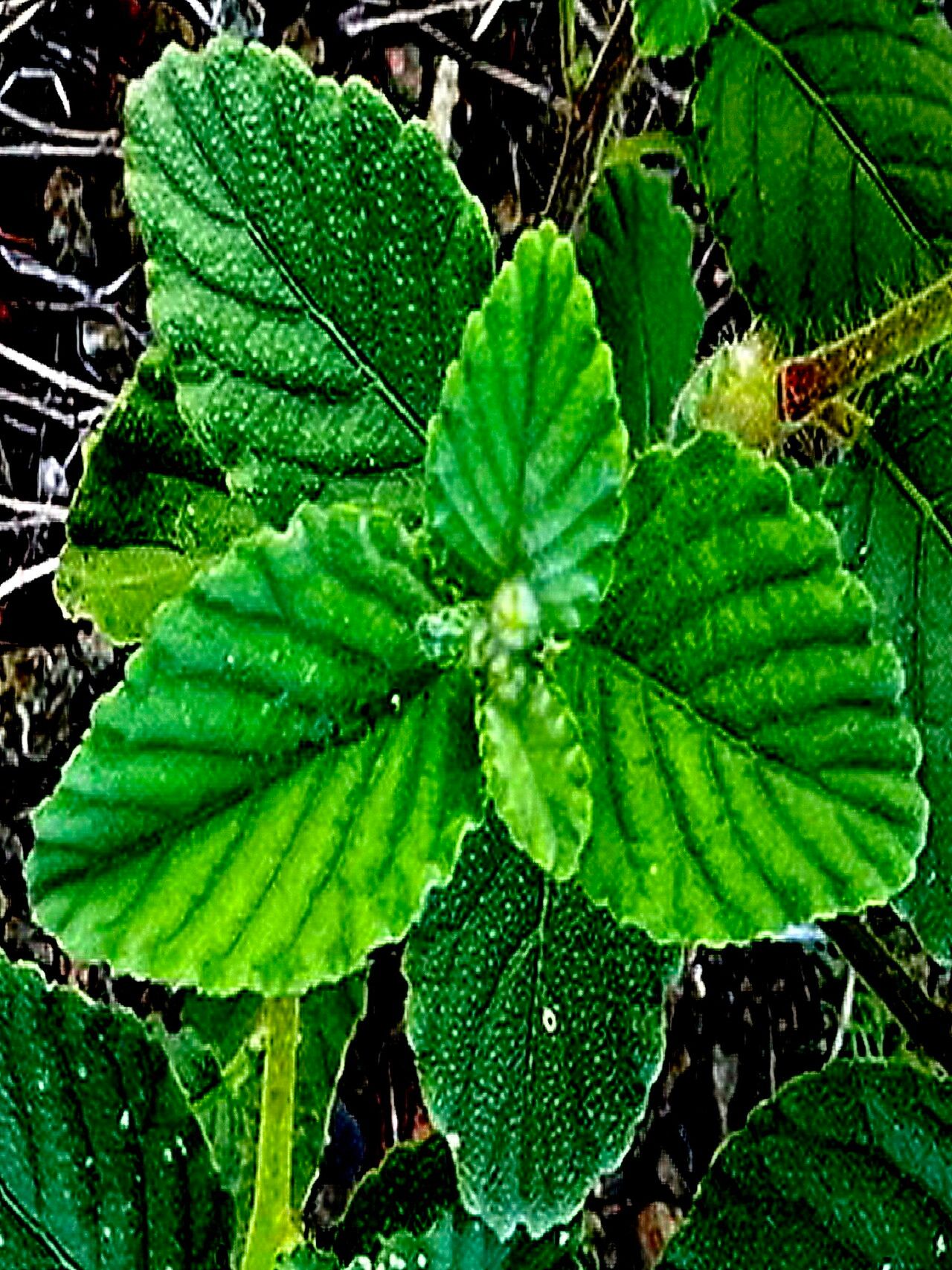
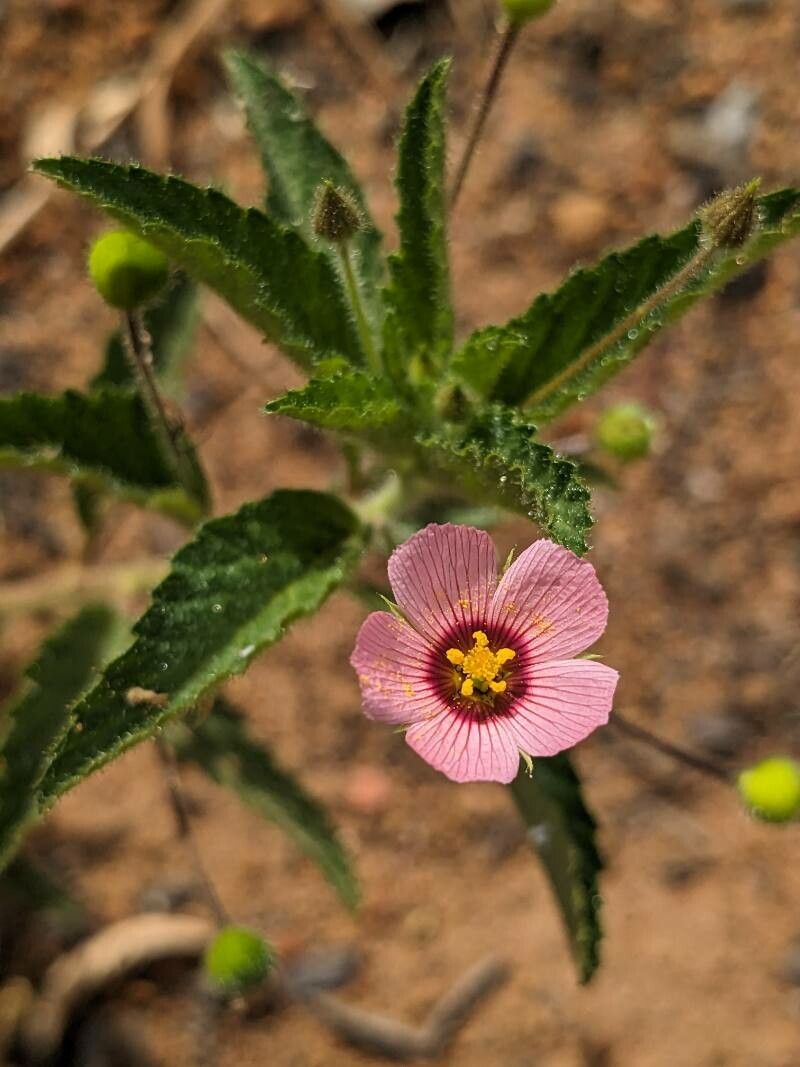
Piriqueta cistoides, also known as pitted stripeseed or morning buttercup, is a species of perennial flower found in the southeastern region of the United States.
Pitted stripeseed is generally disease-resistant and not highly prone to illnesses. However, it can be affected by pests and diseases present in its environment. These issues are typically minor. For care, the plant requires moderate maintenance. It should be pruned regularly to maintain appearance and support healthy growth. Fertilizing can also encourage flowering. Pitted stripeseed is a good choice for those with outdoor spaces like a garden or patio and does not demand extensive gardening experience. It may need more attention when grown indoors.
How to keep Piriqueta Cistoides.
Light
Pitted stripeseed is native to bright, open habitats and does best in full sun. It can tolerate partial sun but prefers direct sunlight for the best growth. This plant, which may be annual or biennial, is noted for its sun-loving habit.
Water
The pitted stripeseed is a tropical plant that thrives with consistent moisture and regular weekly watering while avoiding waterlogging. As an evergreen species, it requires adequate soil moisture to maintain its lush foliage year-round and grows best in high humidity environments.
Temperature
Pitted stripeseed comes from tropical areas, where the climate is usually warm and humid. Consequently, it is adapted to high temperatures and humidity. It does not tolerate abrupt temperature changes and prefers a steady temperature, so indoor temperature fluctuations should be avoided. It generally cannot endure cold and requires relatively high temperatures for growth. If the surrounding temperature falls too low, the plant may stop growing or even perish.
Fertilizer
When most of Pitted stripeseed's blooms have opened to full size, resume fertilizing. Around the peak of bloom production, begin fertilizing again every three to four weeks, weather permitting. Then, once Pitted stripeseed starts producing fewer new blooms, stop fertilizing; there is no need to feed the plant when it can no longer produce additional blooms.
Pruning
The pitted stripeseed plant is known for its vibrant yellow flowers and resilience. Effective pruning is essential to its care. Be sure to remove dead stems and pinch back new growth to encourage a bushier shape. It is best to prune from early to late spring to improve air circulation, reduce the risk of disease, and enhance the plant's blooms. Always use clean tools to prevent infection.
Botanical profile.
- Plant Type
- Herb, Shrub
- Life Cycle
- Annual, Perennial
- Genus
- Piriqueta
- Family
- Passifloraceae
- Hardiness Zone
- 9-11
- Mature Height
- 30 cm to 61 cm
- Mature Spread
- 20 cm to 40 cm
- Leaf Color
- Green, Blue
- Leaf Type
- Evergreen
- Flower Color
- Yellow
- Flower Size
- 2.03 cm to 3.05 cm
- Bloom Time
- Late spring, Summer, Early fall, Mid fall
- Planting Time
- Spring, Autumn
- Harvest Time
- Mid summer, Late summer, Fall
Other names.
Reader questions.
What are the sunlight requirements for Pitted stripeseed?
Pitted stripeseed, botanically known as Piriqueta cistoides, thrives in environments with full sun, requiring above 6 hours of sunlight daily for optimal growth. It can tolerate partial sun, which amounts to about 3-6 hours of sunlight. This plant's preference for bright, open environments is a testament to its sun-loving nature. Watch how sunlight moves through your garden, selecting spots that provide a balance of light and shade to ensure your plants' happiness.
How does artificial lighting support plant growth indoors?
Indoor plants, including Pitted stripeseed, require adequate lighting for optimal growth, especially when natural sunlight is insufficient, such as in winter or less sunny spaces. Artificial lighting offers a vital solution, promoting faster, healthier growth. LED lights are a popular choice because they can provide the specific wavelengths of light your plants need. Full sun plants need 30-50W per square foot, partial sun plants require 20-30W per square foot, and full shade plants need 10-20W per square foot. The light source should be placed 12-36 inches above the plant to mimic natural sunlight, and most plants benefit from 8-12 hours of artificial light daily.
What are the symptoms of inadequate light for Pitted stripeseed?
Pitted stripeseed shows several symptoms when cultivated indoors under insufficient light. These include small or pale leaves indicating a struggle with photosynthesis, leggy or sparse growth as the plant stretches towards the light, early leaf drop to conserve resources, and a halt in new growth signifying survival mode. Other symptoms include chlorosis where leaves lose their green color, sunscald from intense exposure, leaf curling as a defense mechanism, wilting from water loss, and leaf scorching characterized by brown, dry edges on leaves due to excessive light.
What strategies can improve light exposure for indoor and outdoor Pitted stripeseed plants?
To optimize light exposure for Pitted stripeseed, gradual adjustment to sunlight is key both indoors and outdoors. Indoors, move plants to sunnier locations weekly until they achieve at least 6 hours of direct sunlight daily, use south-facing windows for maximum exposure, and consider artificial light sources like plant grow lights for additional illumination. Outdoors, also gradually introduce plants to sunnier spots to avoid sunburn. For ground plants, reduce obstructions like tree branches that block sunlight, or consider transplanting smaller plants during their dormant period to areas with better light and drainage. Remember, while parts of the plant damaged by insufficient light may not recover, new growth after adjusting light exposure will be healthy.