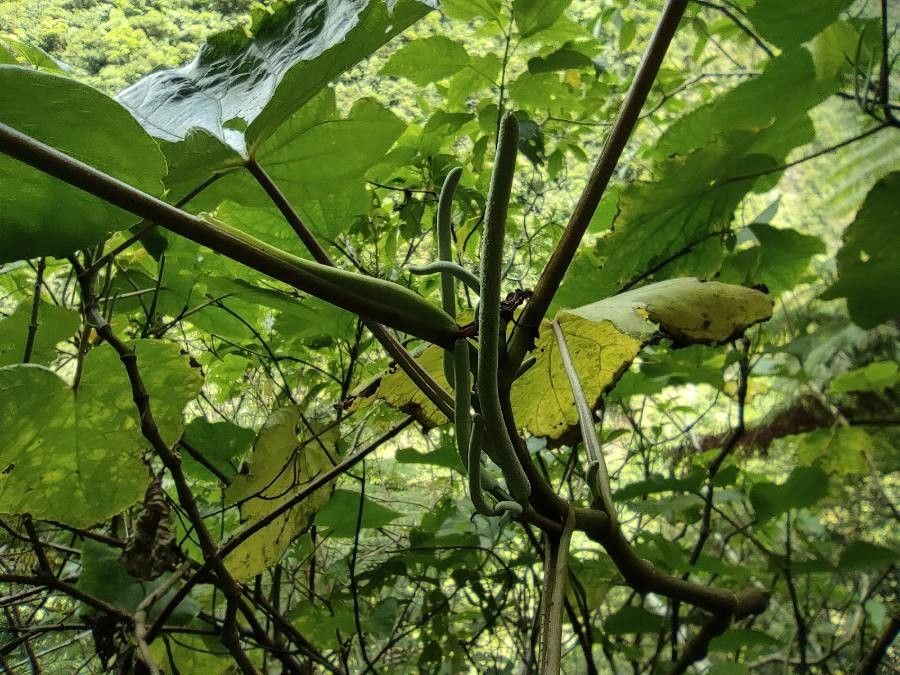
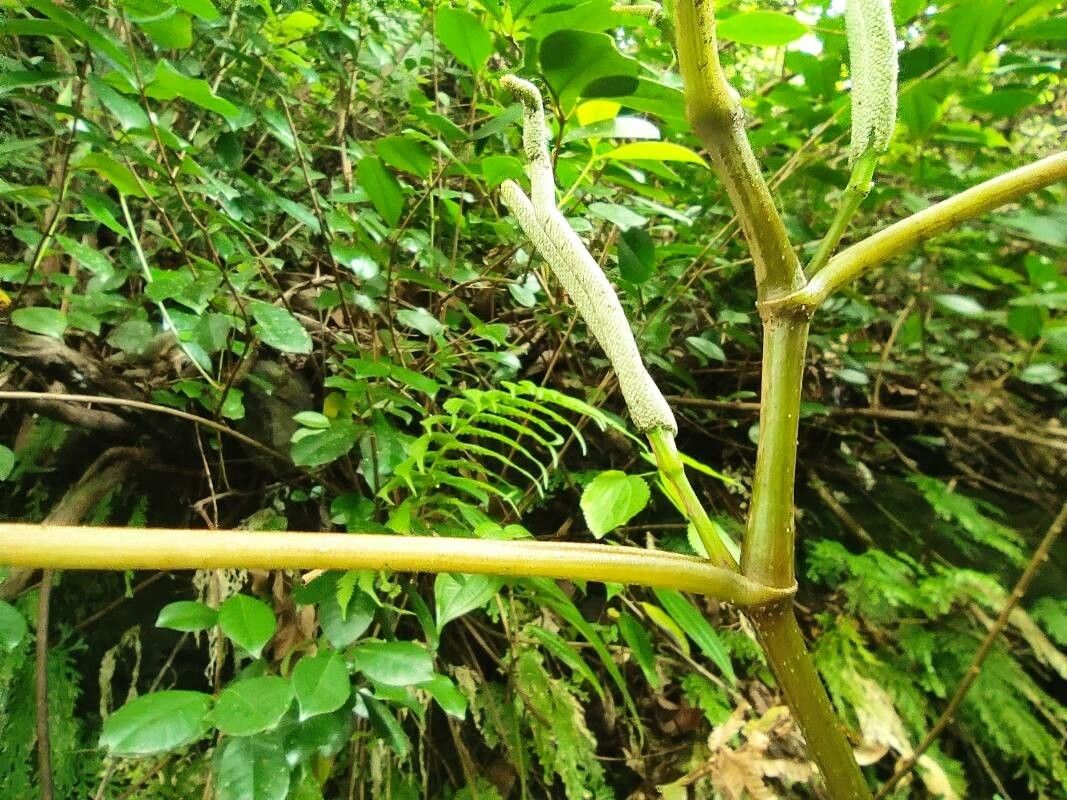
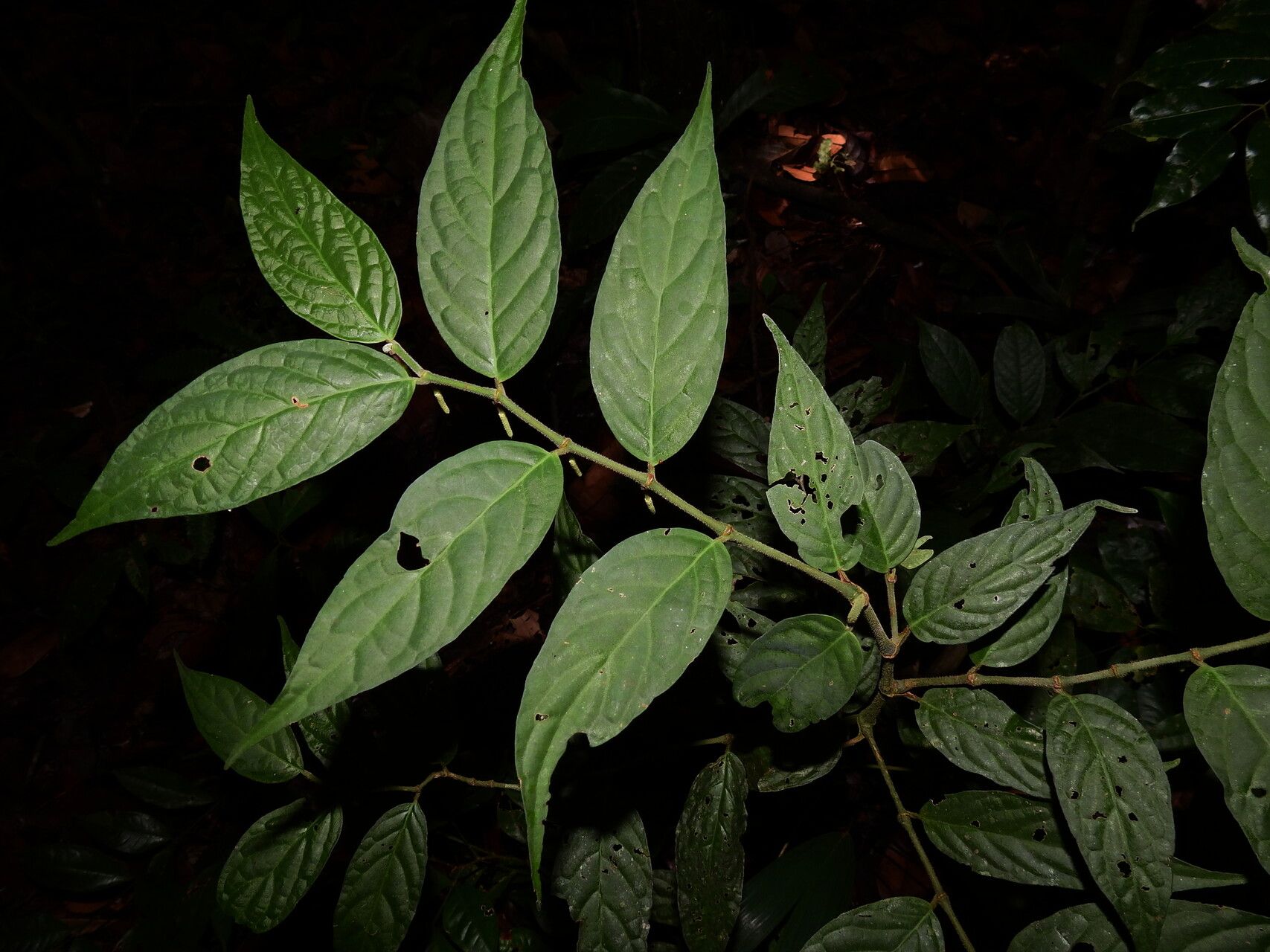
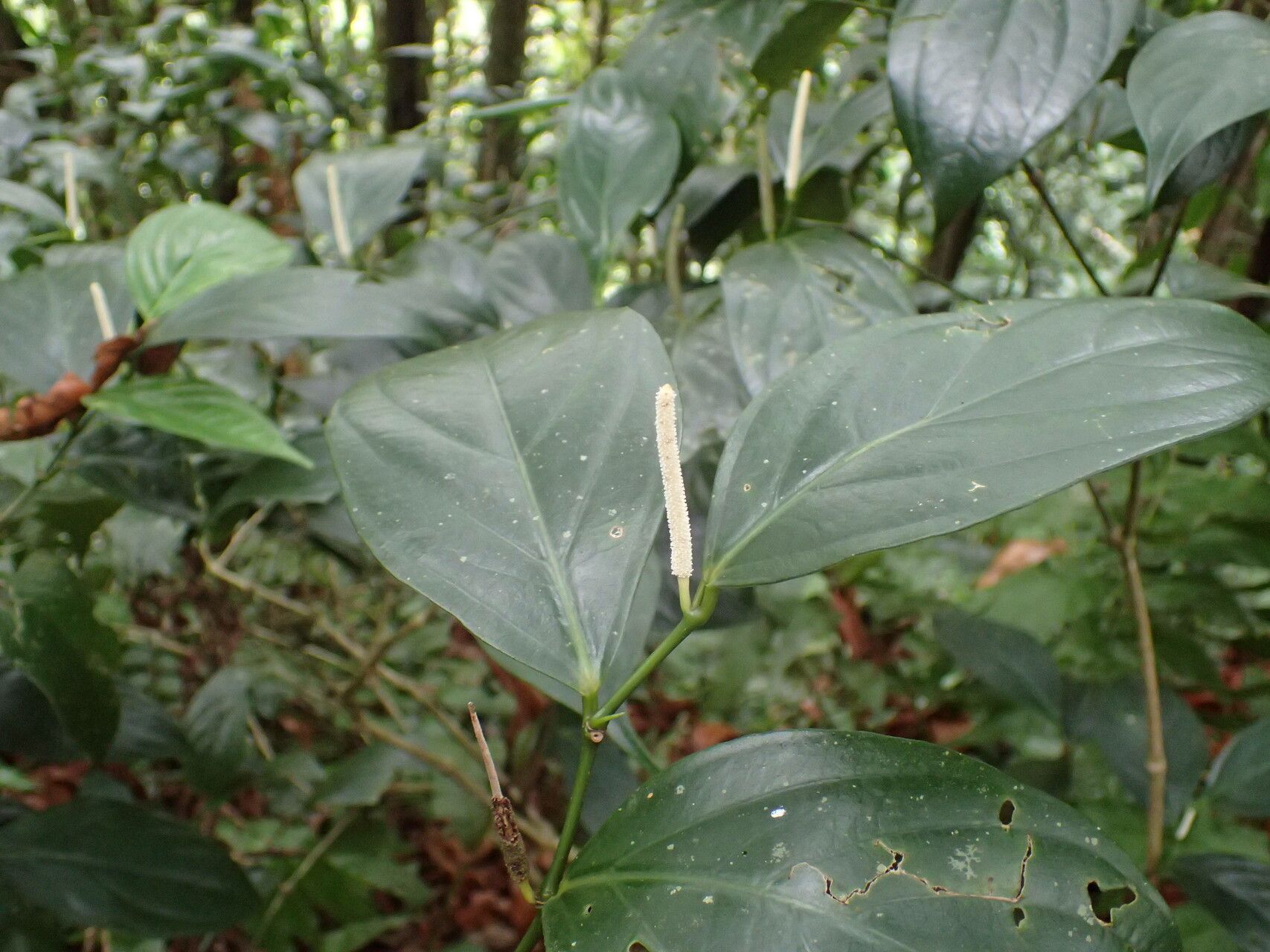
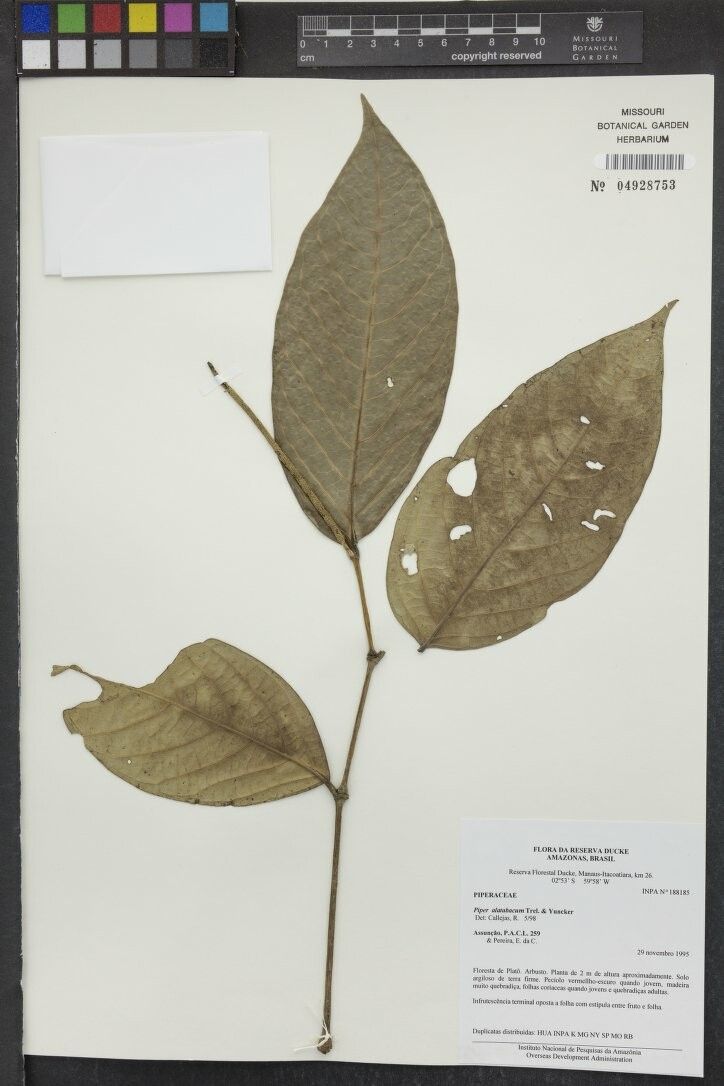
Pothomorphe umbellatum, or pariparoba, is a plant of Brazilian origin (atlantic wood)that has been traditionally used in folk remedies for digestive and liver-related maladies. In 2002, a research group based at the Tokyo Medical and Dental University discovered antibacterial properties of the plant specific to Helicobacter pylori. Two years later in laboratory testing at the Pharmaceutical Sciences College (FCF) of the University of São Paulo, molecules found within the plant were demonstrated to have UVB-protective properties. For its medicinal and cosmetic promise, the Brazilian pharmaceutical company Natura obtained exclusive marketing rights to products developed from the plant.
Pariparoba shows good disease resistance and is generally not prone to illnesses. Still, it can be vulnerable to pests and diseases present in its surroundings. Such infections are typically not serious. For care, this plant requires a medium level of maintenance. It needs regular pruning to keep a neat appearance and support healthy growth. Fertilizing can also help encourage flowering. Pariparoba is well suited for anyone with outdoor space, like a garden or patio, and does not demand extensive experience in plant care. It may need more attention when grown indoors.
How to keep Piper Umbellatum.
Light
Pariparoba prospers with abundant light and favors environments where that light is provided consistently. It can also tolerate locations that receive only partial light. Both excessive and insufficient light can harm its health. Its growth stages and natural habitats are generally linked to a plentiful supply of light.
Water
Pariparoba, a plant native to humid environments, thrives when its moisture levels are consistently maintained. To ensure its optimal health, it needs to be watered weekly. While it can tolerate moderate drought, pariparoba retains its foliage throughout the year. This means it's important to regularly monitor the soil moisture, especially during cooler months when indoor humidity tends to decrease.
Temperature
Pariparoba comes from tropical areas, where the climate is generally warm and humid. Consequently, it is well suited to high temperatures and humidity. It does not respond well to abrupt temperature shifts and favors a steady thermal environment, so preventing indoor temperature swings is important. It typically cannot withstand cold and needs warmer conditions to grow. If ambient temperatures fall too low, the plant may stop growing or even perish.
Fertilizer
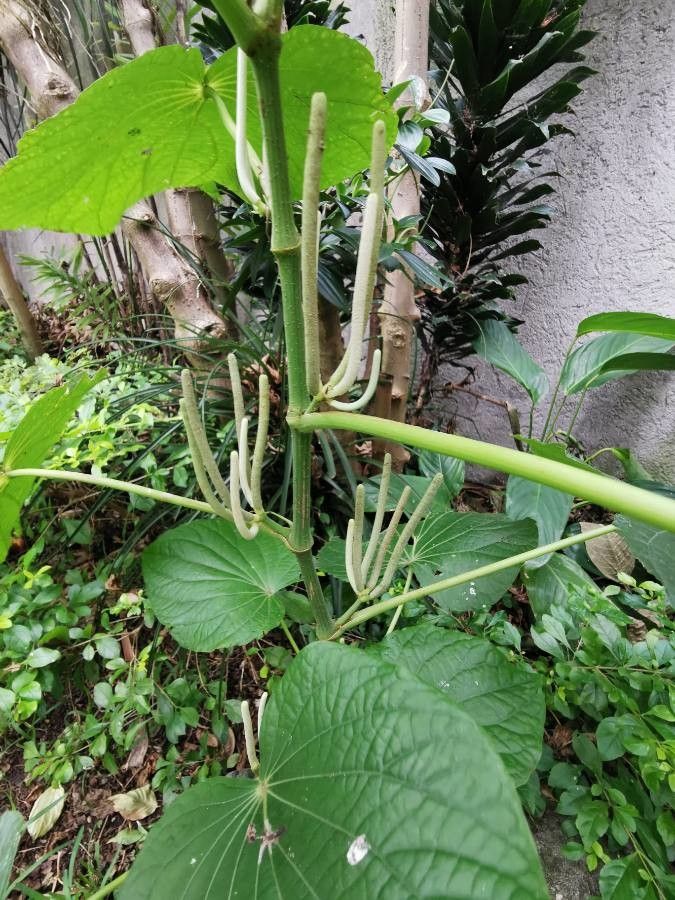
Correct fertilization is essential for Pariparoba's health and appearance. Fertilize Pariparoba during the summer, repeating the application monthly throughout the season. Nutrients drive growth and support the plant's parts. Fertilization improves Pariparoba's flower display, ensuring the best blooms.
Pruning
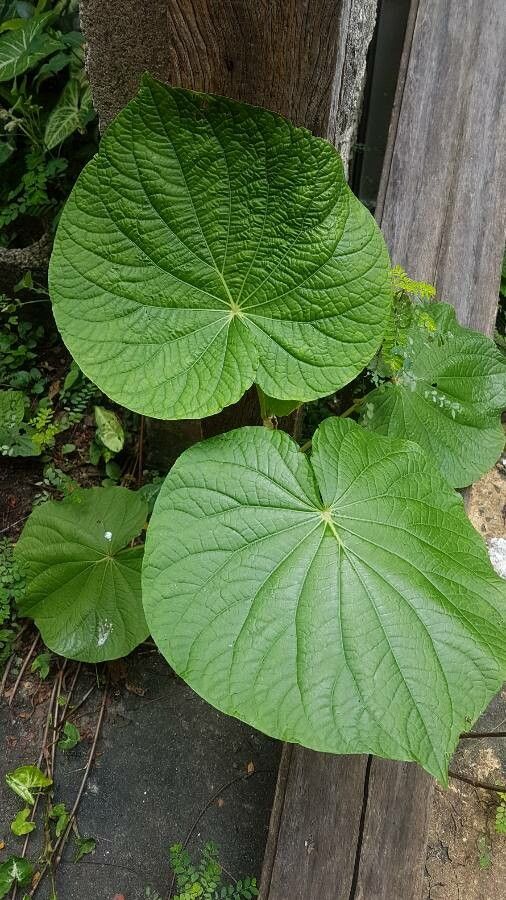
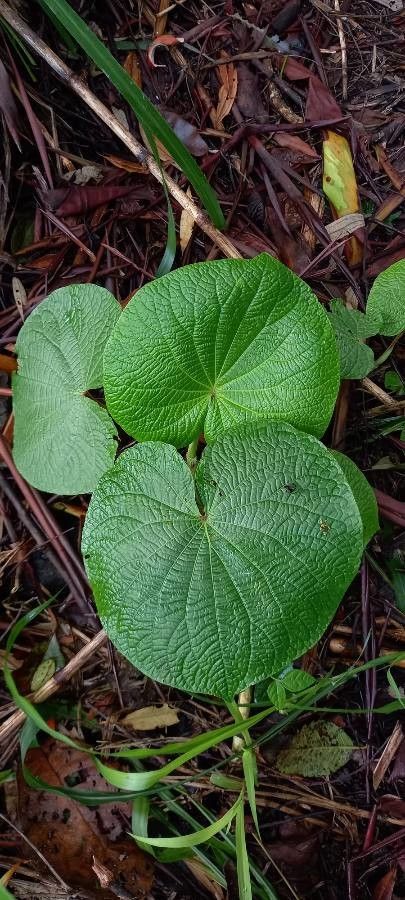
Pariparoba has broad, heart-shaped leaves and benefits from pruning between early and late spring. Key techniques include removing damaged branches and thinning crowded areas to improve air circulation. This practice promotes the plant's health, enhances its blooms or fruit, and improves its overall resilience and shape.
Botanical profile.
- Plant Type
- Herb, Shrub
- Life Cycle
- Perennial
- Genus
- Piper
- Family
- Piperaceae
- Hardiness Zone
- 10-12
- Mature Height
- 0.91 m to 2.13 m
- Mature Spread
- 0.91 m to 2.13 m
- Leaf Color
- Green, Dark Green
- Leaf Type
- Evergreen
- Flower Color
- White
- Flower Size
- 6.35 cm to 11.43 cm
- Bloom Time
- All year round
- Planting Time
- Spring, Summer, Autumn
- Harvest Time
- All year round
- Native Area
- Colombia, Belize, Cuba, Honduras, Mexico, Guatemala, Bolivia, Venezuela, Brazil, El Salvador, Nicaragua, Costa Rica, Panama, Jamaica
Other names.
Reader questions.
How should I water my Pariparoba plant?
To care for the Pariparoba plant, follow these guidelines: Use filtered water at room temperature or slightly warmer to avoid harm from particles in tap water. The Pariparoba plant prefers warm water as it is accustomed to a warm climate. Avoid overhead watering to prevent issues with foliage. Instead, thoroughly soak the soil using filtered room temperature water. This helps moisten the roots and enables them to spread through the soil to gather essential nutrients.
What are the sunlight requirements for Pariparoba?
Pariparoba requires full sun or partial sun conditions to thrive optimally. Full sun means the plant should receive above 6 hours of sunlight daily, while partial sun refers to about 3-6 hours of sunlight each day. It's important to observe the movement of sunlight through your garden to choose the best spots that provide a balance of light and shade, ensuring the plant's well-being.
What is Pariparoba?
Pariparoba, known botanically as Piper umbellatum, is a plant recognized for its significance in various contexts, although specific details about its uses, essentials, and symptoms it addresses were not provided in the provided data.
What should I do if I give too much or too little water to my Pariparoba plant?
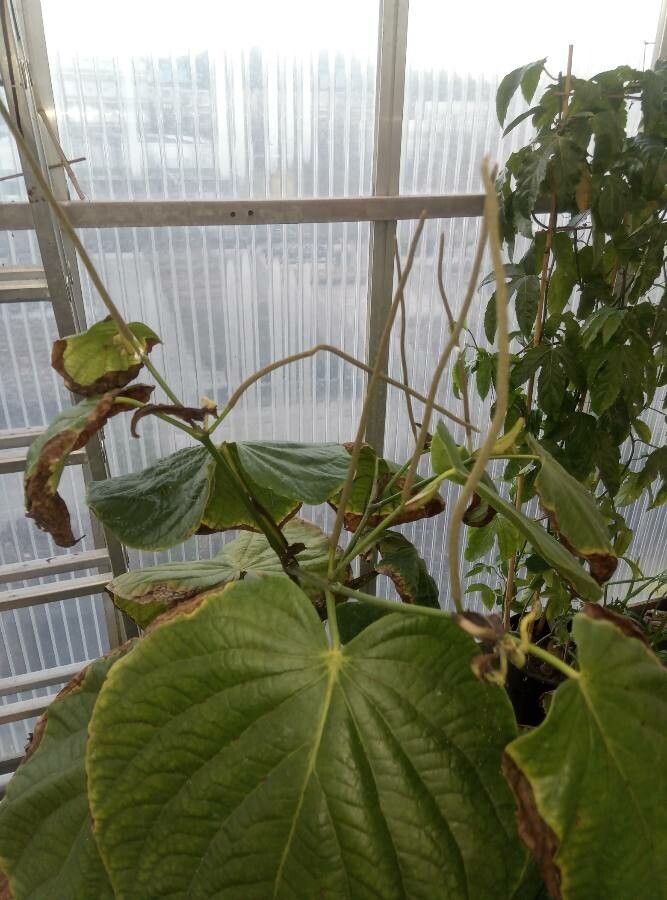
Both overwatering and underwatering can harm your Pariparoba plant, but overwatering is more commonly encountered. When the Pariparoba receives excessive water, its stems and leaves may wilt and turn yellow. Overwatering for an extended period can also cause diseases like root rot, mold, and mildew, which can be fatal for the plant. While underwatering is less likely for the Pariparoba due to its decent drought tolerance, it can still occur, causing the leaves to become brittle and brown. Therefore, it is crucial to quickly detect signs of overwatering to prevent irreversible damage. If you notice early signs, reduce your watering schedule immediately. Additionally, check the quality of the soil and replace it with a well-draining potting mix if it doesn't drain well. Conversely, if you observe signs of underwatering, simply water your plant more frequently until the signs subside.
How important is lighting for the growth of Pariparoba?
Lighting is crucial for the growth and health of Pariparoba. It thrives under plentiful light exposure and can adapt to areas where light is partially available. However, both insufficient and excessive light can negatively affect its health. The growth stages and native habitats of Pariparoba are closely linked to generous light conditions. Indoor plants may require artificial lights, especially in less sunny spaces or during winter, to ensure optimal growth. LED lights are recommended for their ability to provide specific wavelengths needed by plants. The amount of artificial light, its placement, and duration should mimic natural sunlight conditions as closely as possible.
How often do I need to water my Pariparoba plant?
If your Pariparoba plant is in a pot, you can check if it needs water by sticking your finger into the soil. If the top two to three inches of soil are dry, it's time to water it. If you have your Pariparoba planted outdoors, you can also test the soil by checking if the first few inches are dry. Generally, during the spring and early fall, you'll need to water the plant about once a week using this method. In extremely hot weather, increasing the watering frequency to twice or more per week may be necessary. However, mature and well-established Pariparoba plants have a good tolerance for drought.
What are the symptoms of improper lighting for Pariparoba?
Improper lighting can lead to several symptoms in Pariparoba, including small leaves, leggy or sparse growth, faster leaf drop, slower or no new growth, and changes in leaf color such as lighter-colored new leaves or chlorosis. Excessive light exposure can cause symptoms like sunscald, leaf curling, wilting, and leaf scorching. These symptoms highlight the plant's struggle to adapt to its lighting conditions, either seeking to conserve resources under low light or protect itself from damage under intense light.
How much water does my Pariparoba plant require?
When you water your Pariparoba plant, don't be shy about giving it enough water. Make sure the first two to three inches of soil are dry before watering, and then give it a thorough watering that completely soaks the soil. You should add enough water that excess water flows out through the drainage holes at the bottom of the pot. If you don't see any excess water draining, it means you've likely not given enough water. However, be careful not to let the water accumulate in the soil, as this can be harmful to the plant. On the other hand, if there is no water draining through the pot, it could mean that the soil doesn't drain well, which is not good for the plant's health. If the plant is outside, it will be sufficient to have 1 inch of rain per week.
What solutions can help improve lighting conditions for Pariparoba?
To improve lighting conditions for Pariparoba, consider gradually relocating the plant to areas with more suitable sunlight, such as a south-facing window for indoor plants, ensuring at least 6 hours of direct sunlight per day. Artificial lighting can supplement natural light, especially for large or immobile plants. Outdoors, gradually adapting plants to brighter conditions can help prevent sunburn. Pruning nearby trees or vegetation that blocks sunlight and transplanting smaller plants to sunnier locations during their dormant period can significantly improve light exposure. It's important to note that parts of the plant damaged by inadequate light may not recover, but new growth should be healthy with proper light adjustments.
How do I water my Pariparoba plant at different stages of growth?
The water needs of the Pariparoba vary depending on its growth stages. When it is in the early years or has been recently transplanted, it requires more water. During these stages, the Pariparoba focuses on developing new roots to support future growth, so they need more moisture. However, as the plant matures over a few seasons, it will require less water. Additionally, during the bloom period, the flower development requires a significant amount of moisture, so you may need to provide more water at this time.
How do I water my Pariparoba plant during different seasons?
The Pariparoba has different water needs depending on the season. During the hottest months of the year, it requires the most water. In summer, you may need to water it more than once a week, depending on how quickly the soil dries. On the other hand, during winter, the plant enters a dormant phase and needs much less water. In fact, you may not need to water it at all during this time. If you choose to water it in winter, make sure to do so only once a month. Overwatering during winter can increase the risk of disease for your Pariparoba.
How is watering my Pariparoba plant inside different from watering it outside?
Growing Pariparoba indoors is the ideal choice for gardeners living outside of temperate and tropical regions. However, it's important to note that soil in containers can dry out faster than ground soil. Factors like air conditioning units can further accelerate the drying process, meaning your Pariparoba may require more frequent watering compared to if it were planted outdoors. In outdoor scenarios, where rainfall is regular, watering needs may be minimal as the rain can suffice. On the other hand, if you choose to grow Pariparoba indoors, you will need to water it more frequently as relying on rainwater to moisten the soil is not an option.