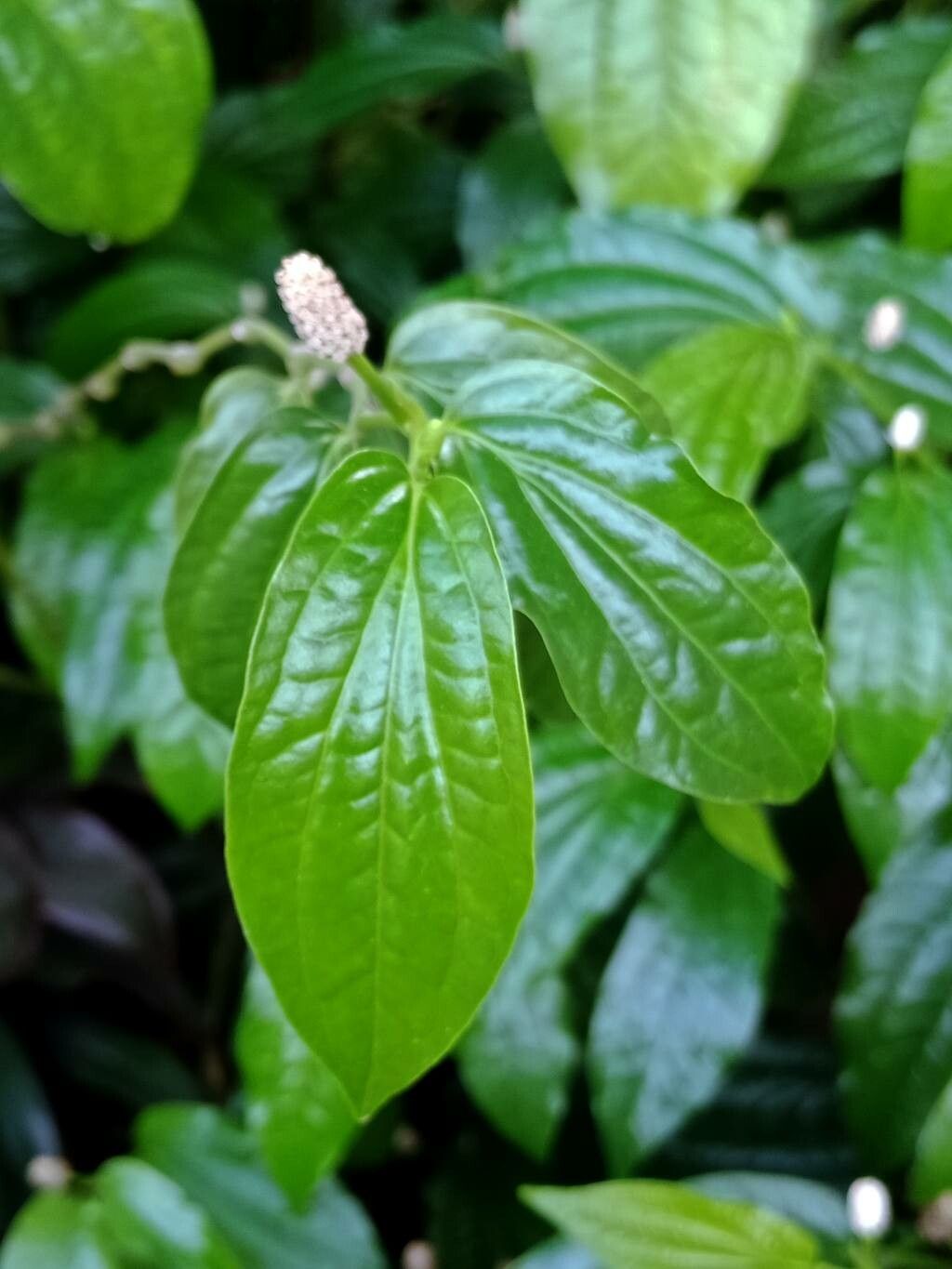
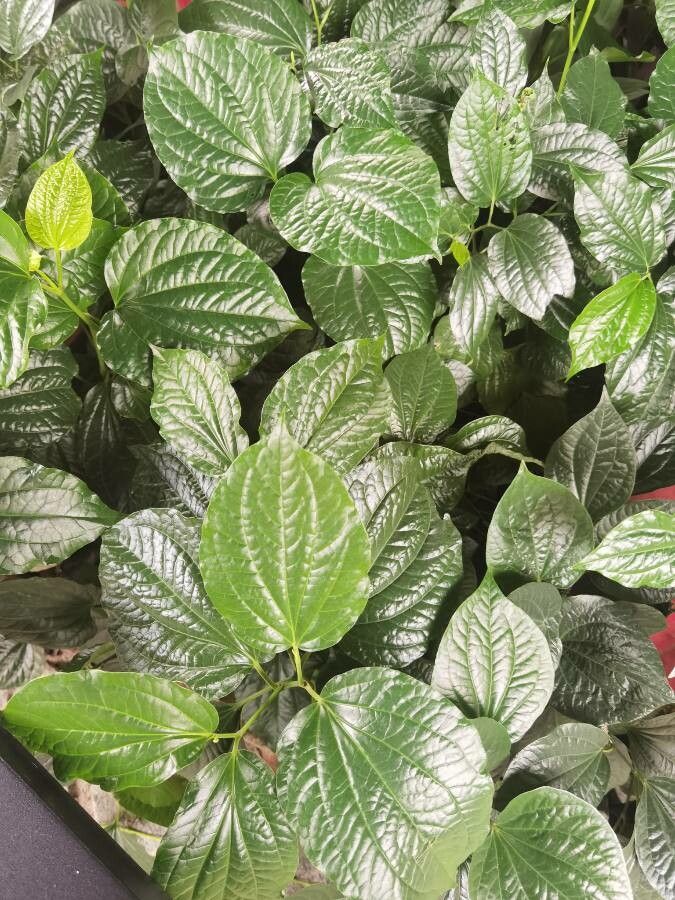
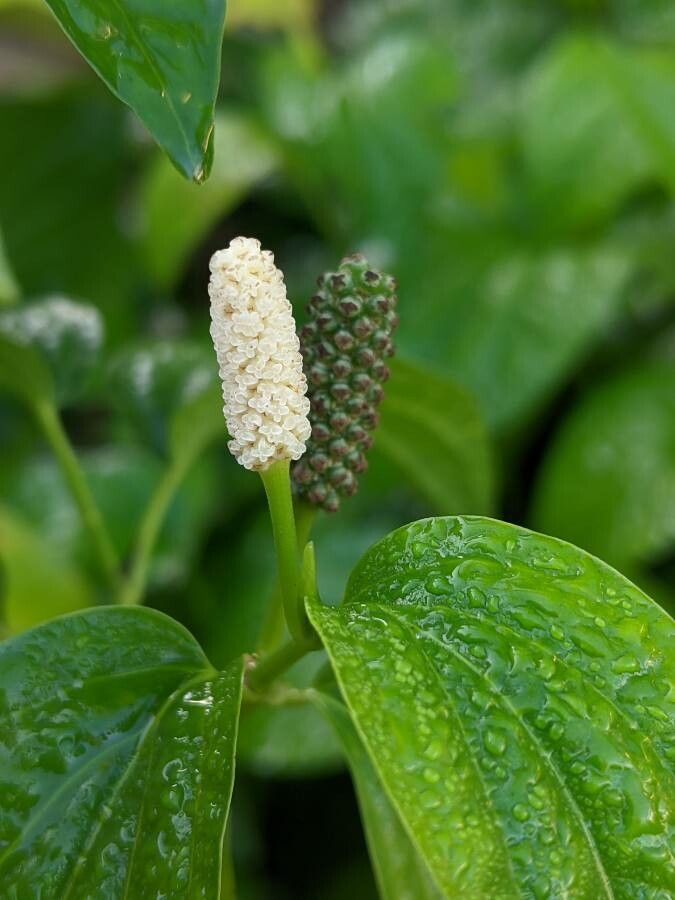
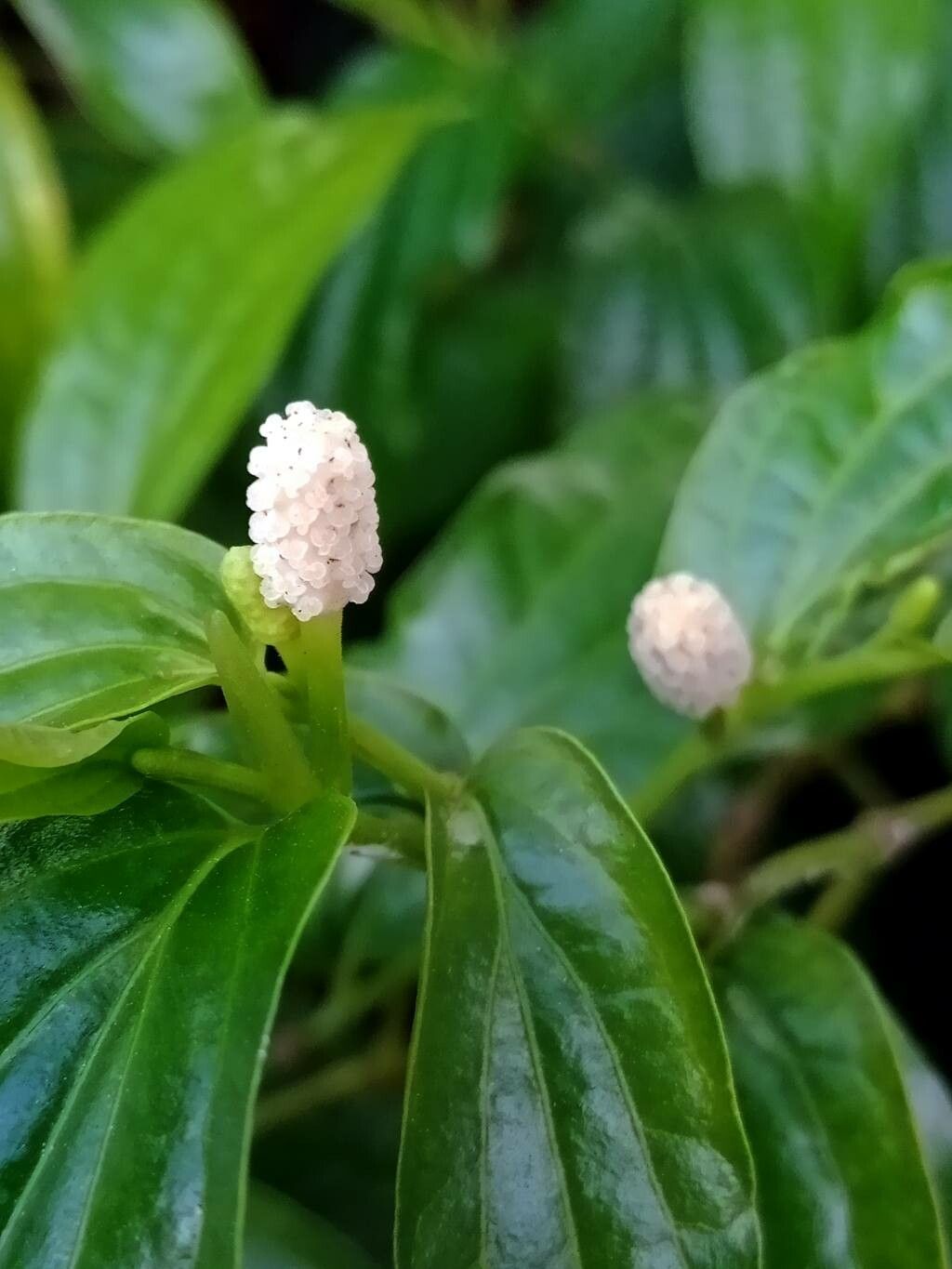
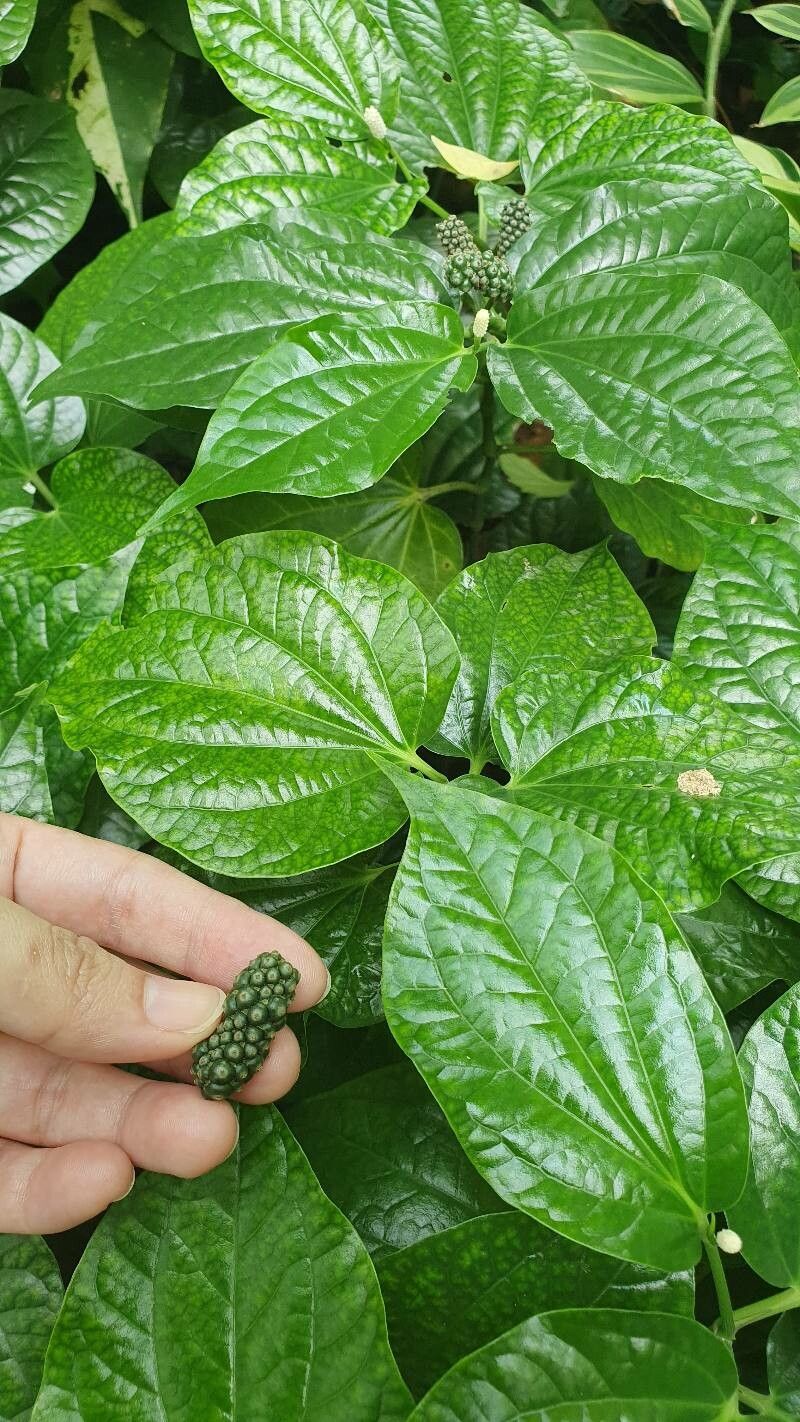
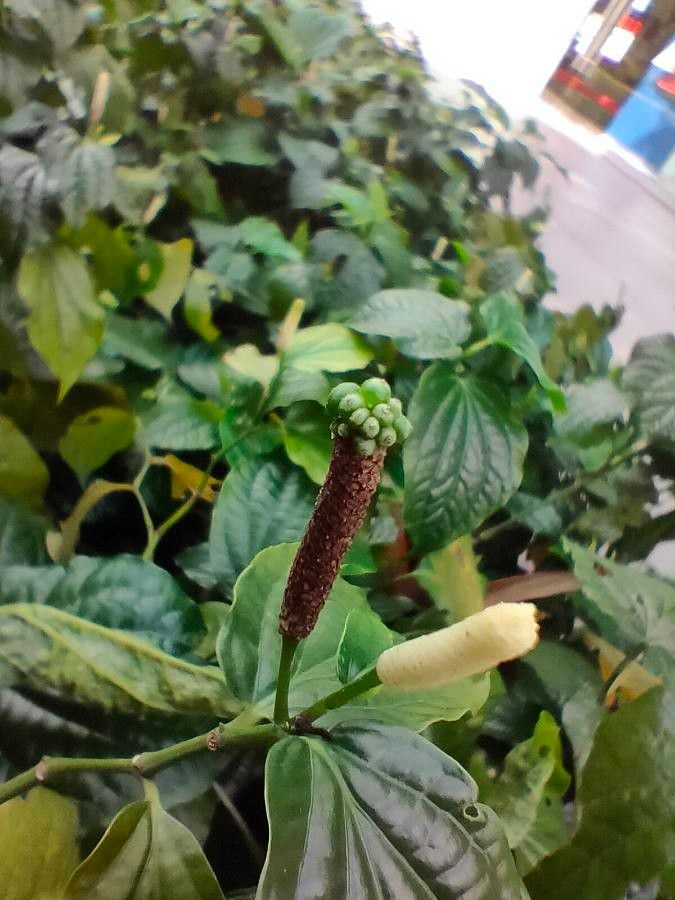
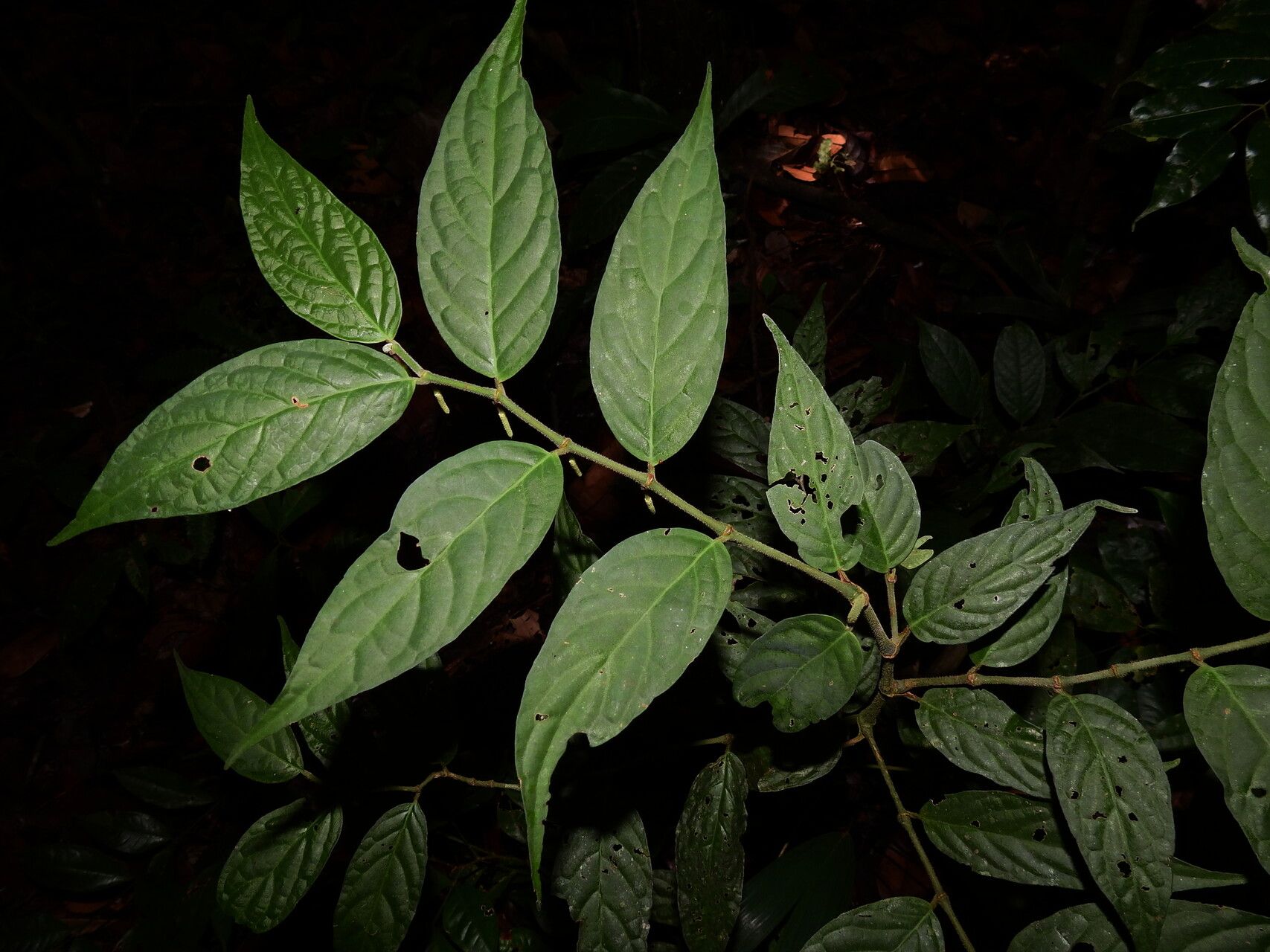
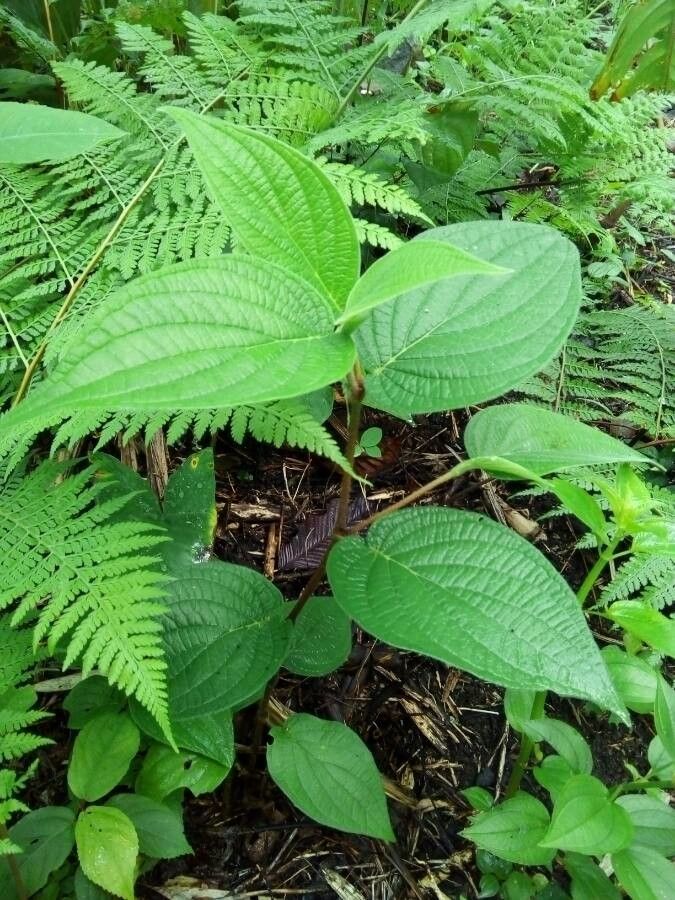
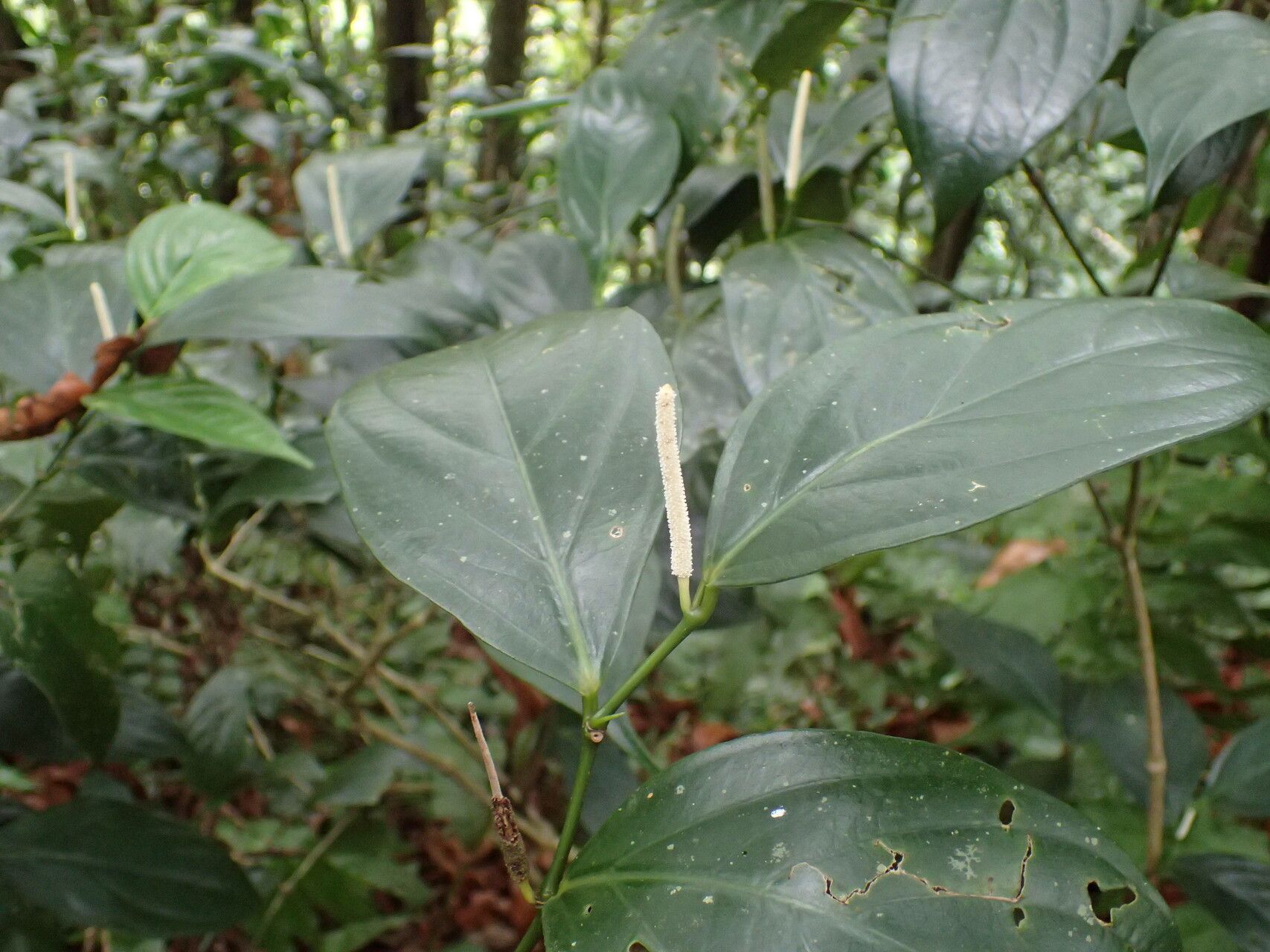
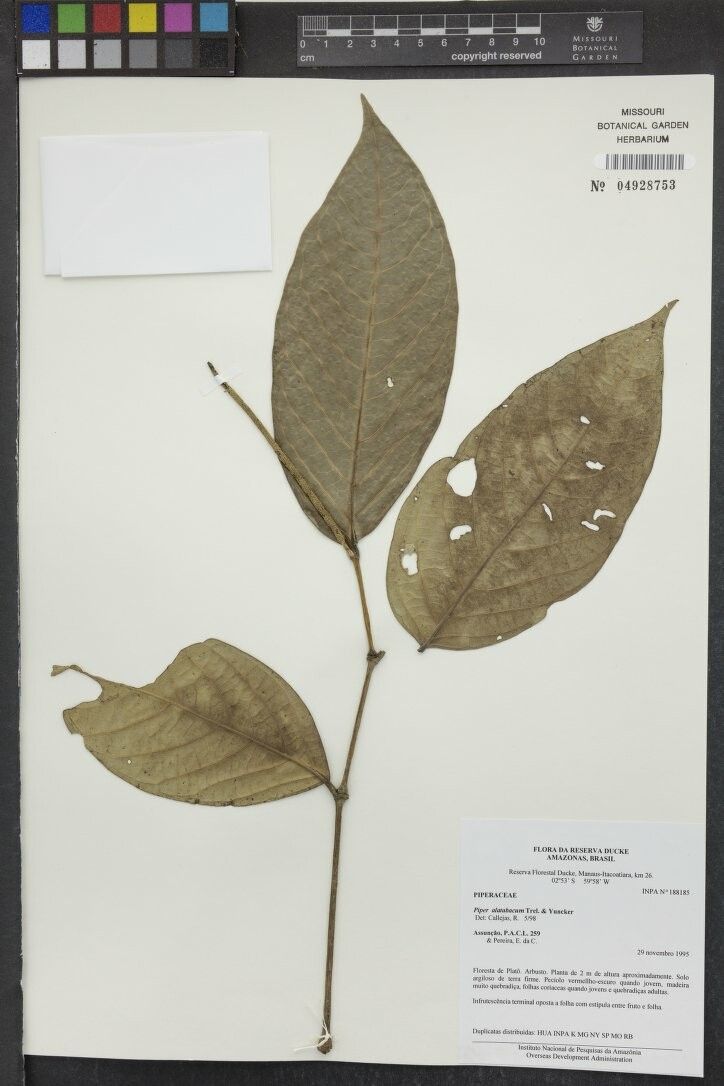
Piper sarmentosum, commonly known as wild betel leaf or kaduk, is a tropical plant native to Southeast Asia. This perennial herb belongs to the Piperaceae family and can grow up to 1.5 meters in height. The plant features heart-shaped, glossy, dark green leaves with prominent veins.
For centuries, Piper sarmentosum has been utilized in traditional medicine for its numerous health benefits. It contains several bioactive compounds including alkaloids, flavonoids, and essential oils, which possess anti-inflammatory, antioxidant, and antimicrobial properties.
The leaves of Piper sarmentosum are frequently used as a culinary herb in Southeast Asian cuisine due to their unique flavor, which is slightly bitter with hints of pepper and mint. They are commonly used fresh or dried as an ingredient in salads and soups.
Besides its culinary applications, Piper sarmentosum has several medicinal uses. It is known for treating fever, coughs, and colds due to its antipyretic properties. Additionally, the leaves can be crushed into a paste and applied topically on wounds or insect bites for their antiseptic effects.
Overall, Piper sarmentosum is a significant tropical herb with various health benefits recognized by traditional medicine practitioners for centuries. It holds an important place in Southeast Asian culture both medicinally and culinarily.
Wild pepper has moderate disease resistance and can be vulnerable to conditions like leaf spot. Its vulnerability to insect pests differs by variety, though most tend to have lower pest resistance. For care, Wild pepper requires regular watering and feeding, along with frequent removal of yellow leaves. It is important to manage pests and diseases as they occur and to harvest the plant promptly. Wild pepper is appropriate for people who can commit some time and energy to regular maintenance.
How to keep Piper Sarmentosum.
Light
Wild pepper prefers moderate sunlight but can also do well in lower light. Coming from habitats where sunlight is softened by dense canopies, these plants are adapted to succeed in dimmer daylight. Excessive, intense sunlight can possibly impede their growth, while too little light will not significantly hinder their development.
Water
Wild pepper, native to tropical rainforest understories, thrives in consistently moist and well-draining soil with high humidity. To keep it hydrated, it should be watered weekly. As an evergreen commonly grown indoors, wild pepper benefits from a humid environment, which helps maintain its lush foliage all year round.
Temperature
Wild pepper originates from temperate environments and thrives at temperatures of 68 to 100 °F (20 to 38 ℃). When cultivated outside its native range, seasonal adjustments may be needed to recreate those conditions.
Fertilizer
To feed Wild pepper, use natural or commercial fertilizer high in nitrogen for leaf growth, phosphorus for roots and blossoms, and potassium for photosynthesis and maximum fruit production. Plant in spring, enrich the soil with compost or manure, and fertilize seedlings when they are 2-4 inches tall. Insufficient macronutrients cause slow growth, wilting, and fruit quality problems.
Pruning
Wild pepper has heart-shaped leaves and a distinct aromatic quality. For best results, prune the plant in early spring. Focus on trimming leggy stems and removing dead wood to encourage bushier growth and improve air circulation. Be sure to sanitize your tools before use to prevent the spread of disease.
Botanical profile.
- Plant Type
- Herb, Vine
- Life Cycle
- Perennial
- Genus
- Piper
- Family
- Piperaceae
- Hardiness Zone
- 10-11
- Mature Height
- 40 cm
- Mature Spread
- 30 cm to 61 cm
- Leaf Color
- Green, Blue
- Leaf Type
- Evergreen
- Flower Color
- White
- Flower Size
- 2.54 cm
- Bloom Time
- All year round
- Planting Time
- Spring, Summer, Autumn
- Harvest Time
- All year round
- Native Area
- India, Malaysia, Indonesia, Cambodia, Vietnam, Philippines, Singapore, Laos, China
Other names.
Reader questions.
How should I water my Wild pepper plant?
The Wild pepper has specific preferences for both the amount and method of watering. Incorrect watering can harm your tomatoes. The recommended approach is to water the Wild pepper slowly and gently, directing the water to the soil. Avoid pouring all the water at once or using overhead watering. It is important to water deeply to ensure the entire soil is moist.
Why should I put fertilizer on my Wild pepper plant?
Naturally, all plants need nutrients to grow properly. However, when it comes to growing Wild pepper for its fruit, the best harvest can be achieved by supplementing the soil with additional nutrients that plants require. The main macronutrients each provide different benefits to plants. Phosphorus, in particular, plays a crucial role in promoting the formation of flowers and fruit. It's important to note that a plant cannot produce flowers and fruit without a healthy root system and leaves that can effectively absorb sunlight. Therefore, the nutrients that support these parts of the plant are also necessary. Insufficient macronutrients can result in plants lacking vitality, slower growth, and potential wilting. Since flowering and fruiting require a significant amount of energy from plants, a deficiency in these essential components will also affect the resulting fruits.
What are the sunlight requirements for Wild Pepper (Piper sarmentosum)?
Wild Pepper (Piper sarmentosum) flourishes in sunlight conditions that range from partial sun, requiring about 3-6 hours of sunlight, to full shade, with less than 3 hours of sunlight daily. Originating from environments where sunlight is often filtered through dense canopies, it can adapt to varying levels of light, although it exhibits optimal growth under moderate sunlight. Overexposure to intense sunlight might hinder its growth, while it remains tolerant of lower light conditions. When natural light is insufficient, especially indoors, supplementing with artificial lighting such as LED lights, which can be adjusted to simulate specific sunlight wavelengths, is beneficial. For proper growth, the artificial light intensity should match the plant's sunlight needs based on its categorization: full sun, partial sun, or full shade.
What are the optimal temperature conditions for growing Wild Pepper?
Wild Pepper (Piper sarmentosum) thrives in temperate climates and prefers a temperature range of 68 to 100 °F (20 to 38 °C). To ensure healthy growth, especially in non-native settings, it's essential to replicate these conditions, adjusting seasonally if necessary. During winter, it's beneficial to maintain temperatures above 20°C, avoiding exposure to temperatures below the freezing point to prevent damage. If the outdoor temperature drops near -5°C (25°F) during winter, consider bringing the Wild Pepper indoors or protecting it with a temporary greenhouse or wrapping materials like plastic film or fabric.
What should I do if I give my Wild pepper too much or too little water?
If you realize that you have overwatered your Wild pepper and are worried about the risk of disease, the first step is to act quickly. The recommended approach for an overwatered Wild pepper is to remove it from its current location. Once removed, give the plant's roots time to dry out a little before replanting it in a new spot. Make sure the new location has well-draining soil. If you are growing your Wild pepper in pots, consider moving it to a pot with more or larger drainage holes. On the other hand, if you are underwatering your plant, simply increase the frequency of watering.
When should I put fertilizer on my Wild pepper?
To successfully grow wild pepper, it's important to plant it in the spring for a summer harvest. Check the specific variety for the recommended planting time. This crop thrives in nutrient-rich soil, so before planting, incorporate a 2-inch layer of compost or well-rotted manure into the soil. These additions provide essential nutrients and improve drainage. For transplants, you can fertilize right after planting, but for seedlings, wait until they reach a height of 2 to 4 inches before fertilizing for the first time. Once the plants are established, fertilize every 3 to 4 weeks during the growing season until the first frost or when the plant stops producing. Make sure to choose the appropriate fertilizer type and take into consideration the specific variety of wild pepper you are growing. If unsure, it's better to use less fertilizer.
What symptoms indicate that Wild Pepper is receiving inappropriate light?
Wild Pepper may show several symptoms when it isn't receiving suitable light conditions, regardless of being a versatile plant adaptable to various lighting. Symptoms of inadequate light include smaller new leaves, leggy growth, faster leaf drop, slower or ceased growth, and lighter-colored or pale new leaves. Excessive sunlight exposure can lead to chlorosis, sunscald, leaf curling to minimize water loss, wilting due to increased transpiration, and leaf scorching. These signs indicate the plant's struggle with either too little or too much light, affecting its health and growth.
How does Wild Pepper react to low temperatures, and what are the recommended solutions?
Wild Pepper has a moderate tolerance to low temperatures, thriving best between 20°C and 38°C. During winter months, the temperature should be kept above 5°C to avoid damage. Exposure to temperatures below 1°C can result in the leaves darkening, and in severe cases, lead to water-soaked necrosis, wilting, and drooping with leaves gradually turning brown. To address frost damage, trim away affected parts and move the plant to a warmer environment or set up a makeshift greenhouse. Ensure the plant receives ample sunlight by placing it near a south-facing window or use supplemental lighting if natural light is insufficient.
How frequently do I need to water my Wild pepper plant?
Wild pepper needs a lot of water during the growing season. To meet this water requirement, you should water it frequently in spring and summer. At the beginning of the growing season, water your Wild pepper once or twice per week. As the season goes on, increase the frequency of watering. In summer, you may need to water it twice a day or even more depending on the weather. Once your Wild pepper has finished its major growth phases, you can reduce watering to once per week until the end of the growing season.
When is the best time to not use fertilizer on my Wild pepper plant?
To ensure optimal growth and yield of Wild pepper, it is important to avoid using fertilizers with excessive nitrogen. Although this may result in abundant foliage, it can hinder the development of blooms and fruits. When choosing a fertilizer, opt for one with a lower nitrogen content relative to other nutrients. Additionally, it is advisable not to fertilize Wild pepper during periods of high temperatures or dry conditions. This is because the fertilizer may simply wash away without being absorbed by the soil. Moreover, during hot weather, plants have reduced capacity to absorb nutrients, which can lead to the fertilizer remaining in the soil and interfering with water uptake by the plants. This situation can be particularly hazardous during droughts or heatwaves.
How can I manage light conditions for indoor and outdoor Wild Pepper plants?
For indoor Wild Pepper plants experiencing inadequate light, gradually shifting them to progressively sunnier spots each week until they receive 3-6 hours of direct sunlight daily can optimize growth. If moving the plant isn't feasible due to its size, consider using desk, ceiling lamps, or professional grow lights for at least 8 hours daily. For outdoor plants, a similar gradual adaptation strategy by moving them to sunnier locations each week can prevent sunburn and facilitate adjustment to light changes. Reducing obstructions like overhanging branches and, for smaller plants, transplanting during their dormant periods to sunnier spots can significantly improve their light exposure.
What should be done if Wild Pepper is exposed to high temperatures?
During the summer, it's crucial to keep Wild Pepper below 38°C as temperatures above 43°C can slow down its growth, lighten the color of its leaves, and increase susceptibility to sunburn. To mitigate damage from high temperatures, trim away sunburned and dried-up parts. Relocate the plant to an area with afternoon shade and water it in the morning and evening to keep the soil moist, helping the plant to stay cool and hydrated.