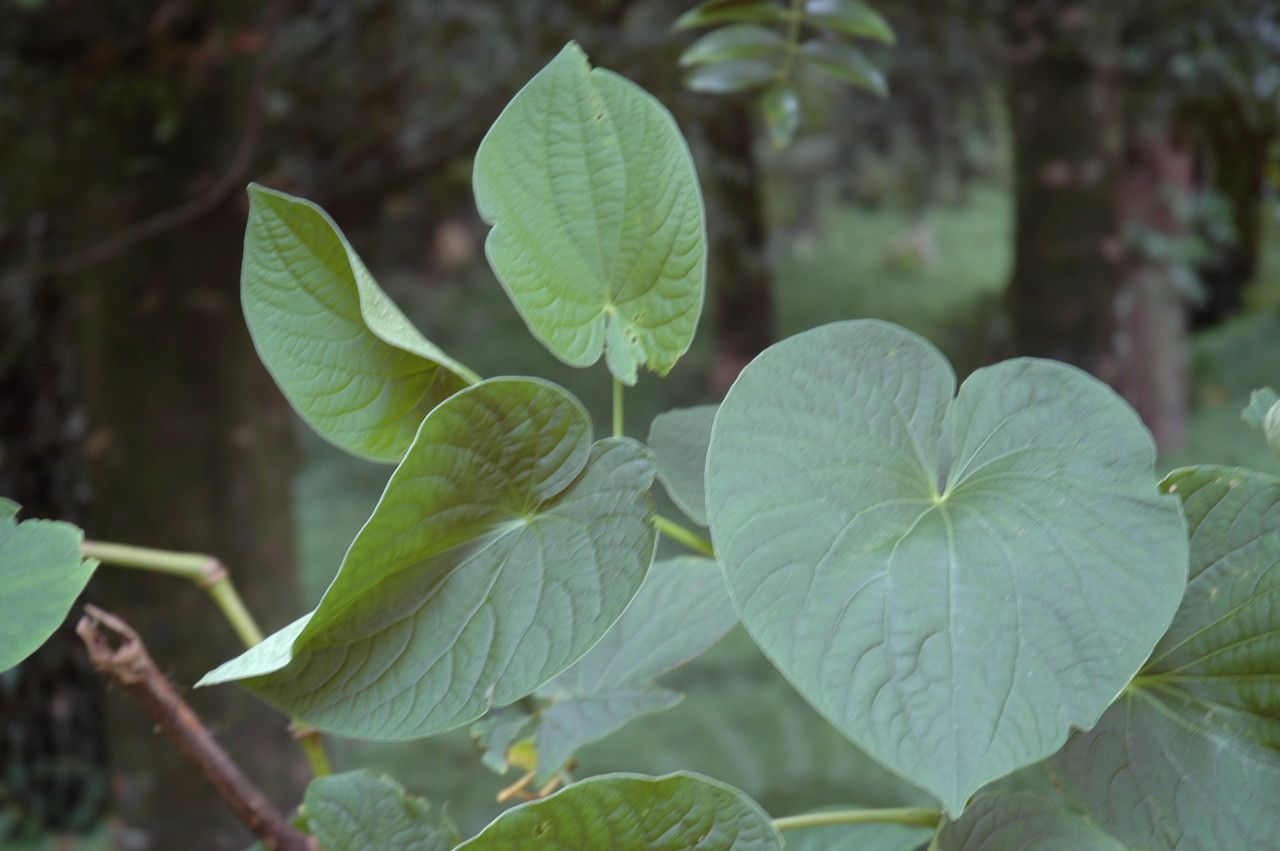
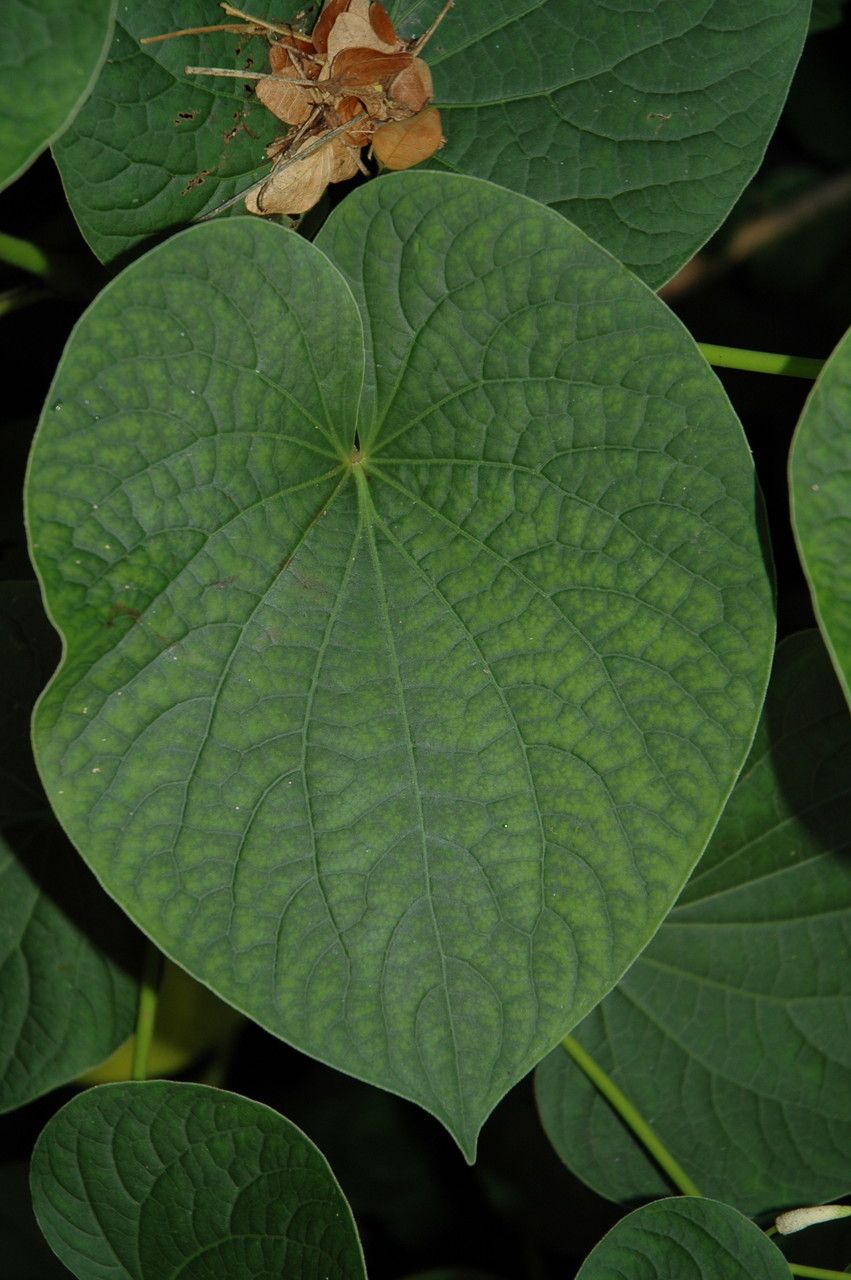
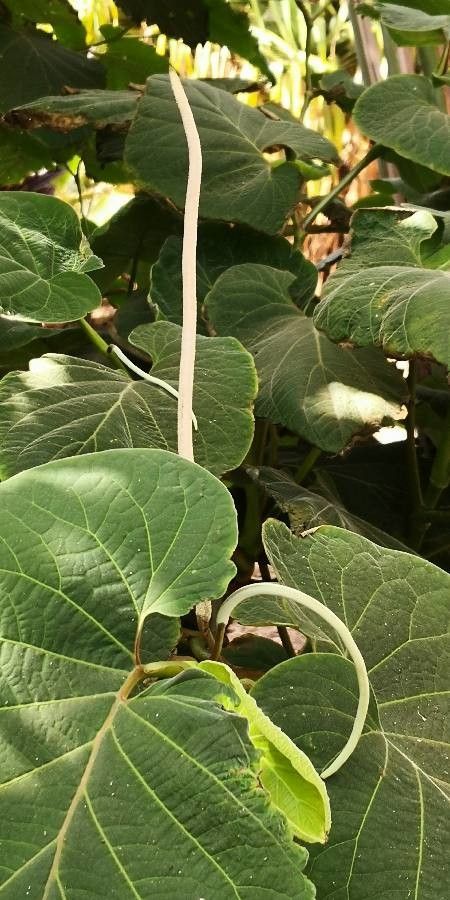
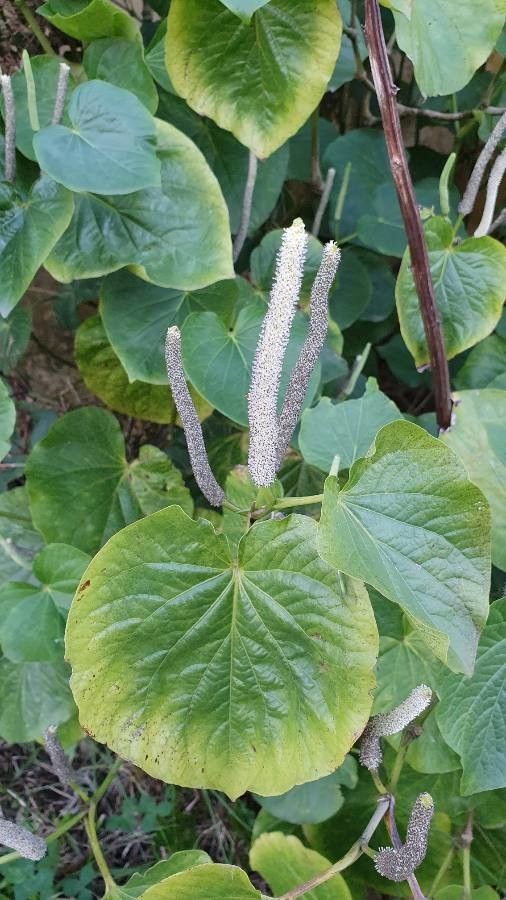
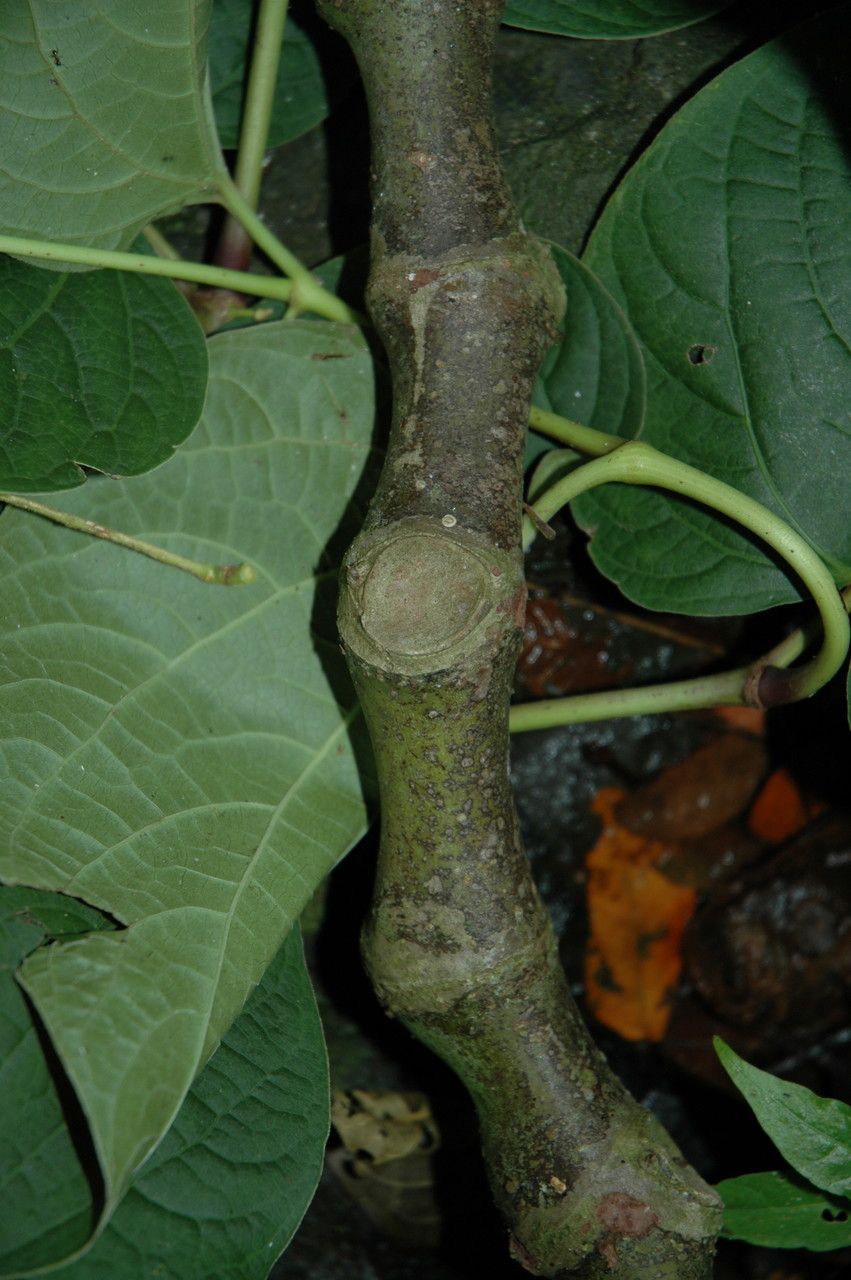
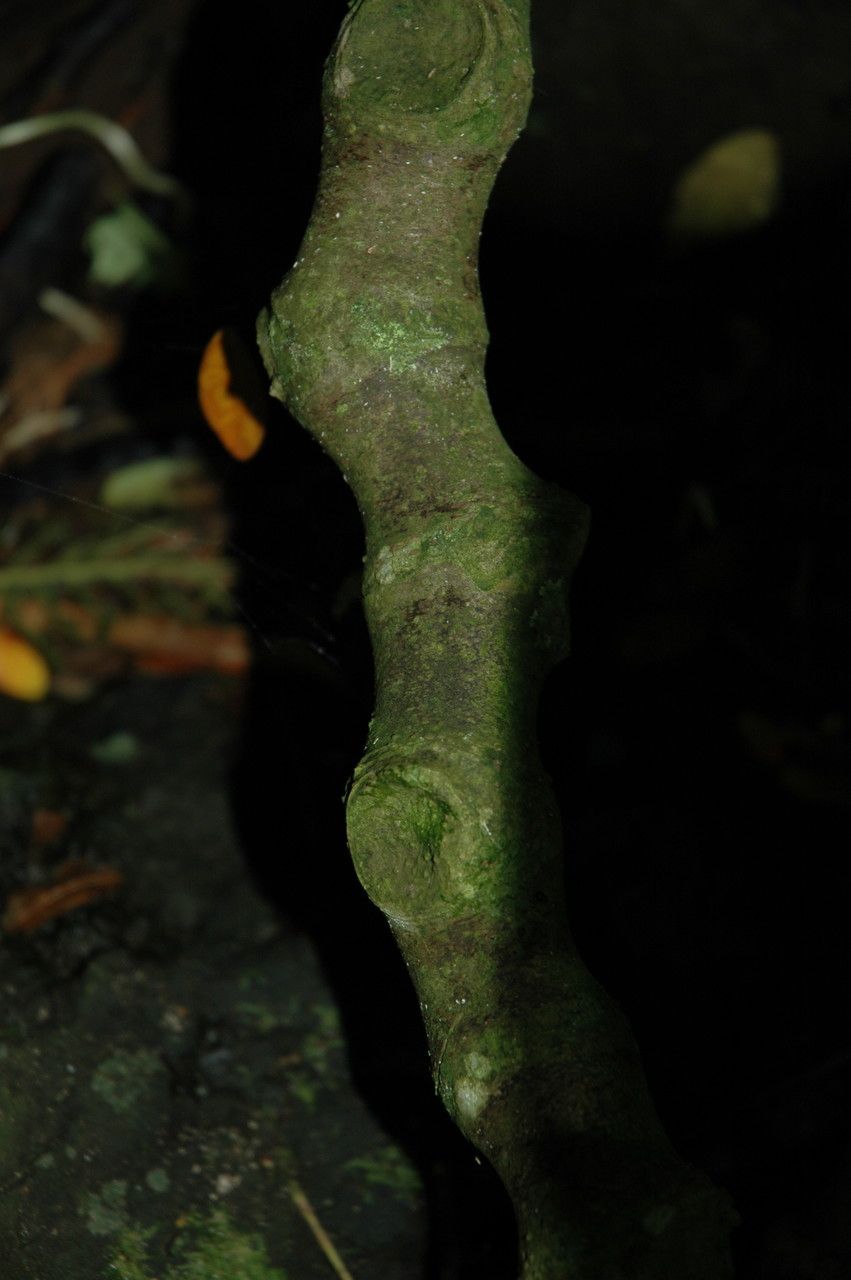
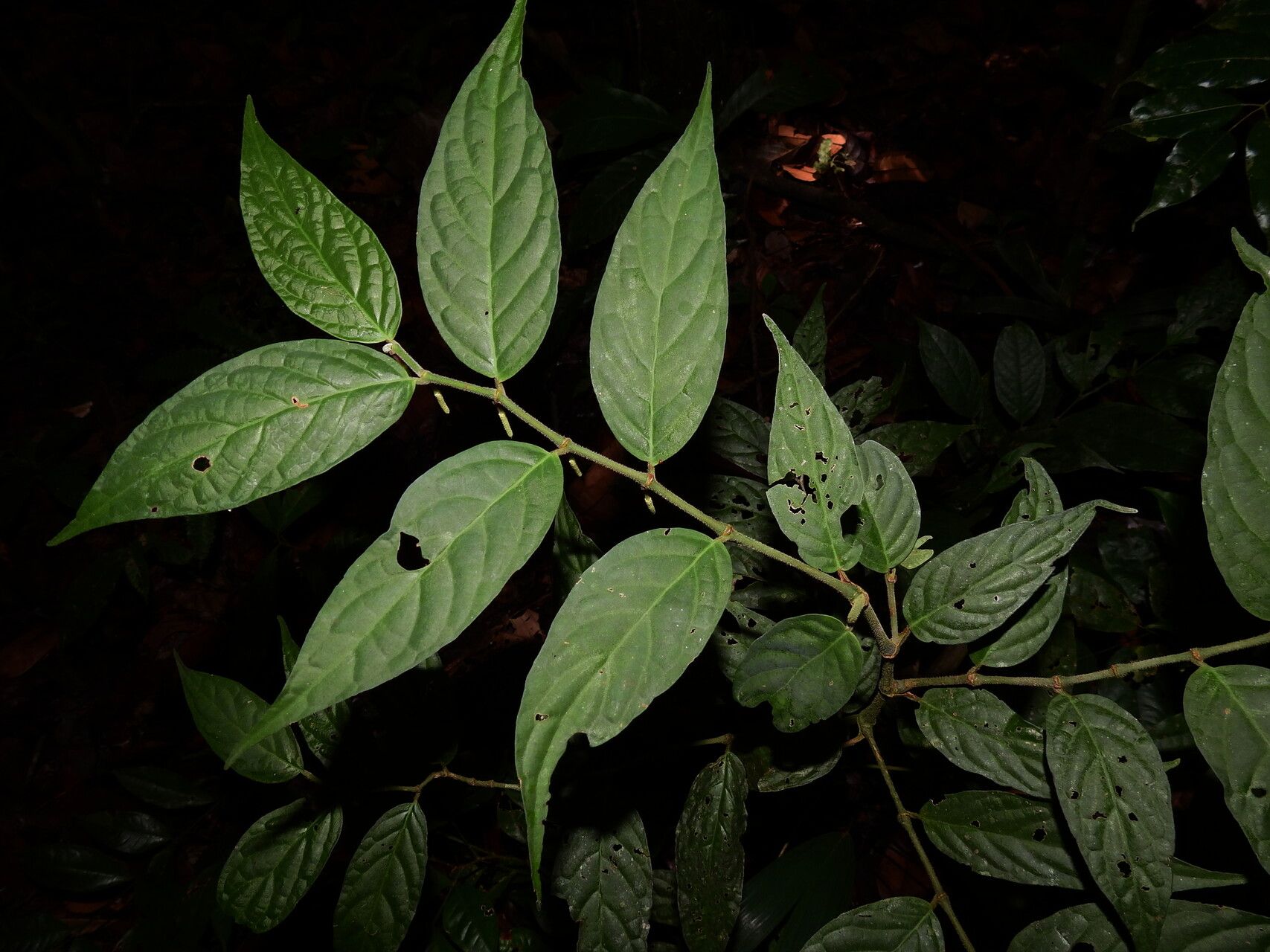
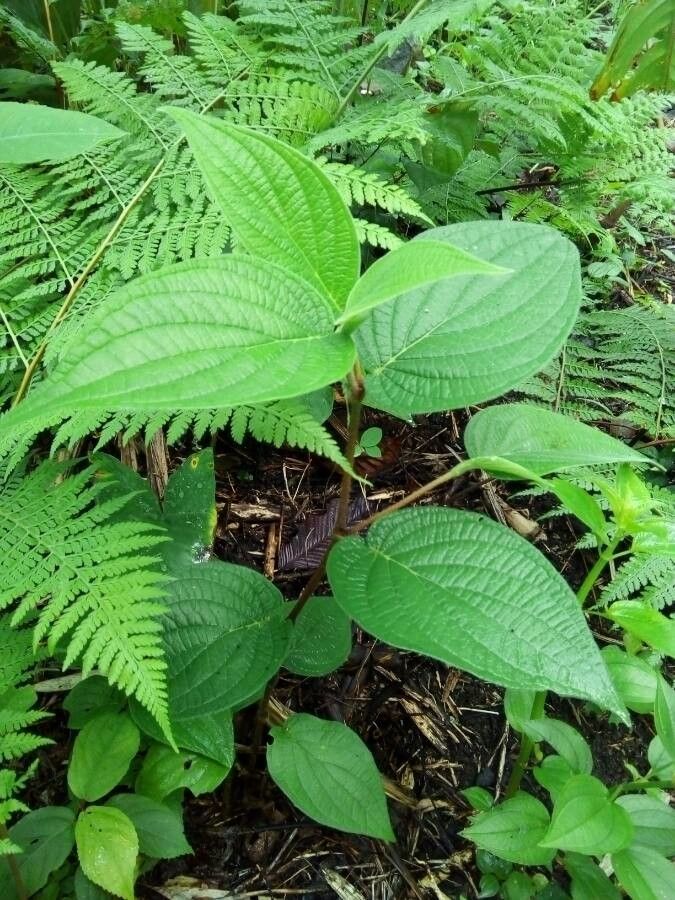
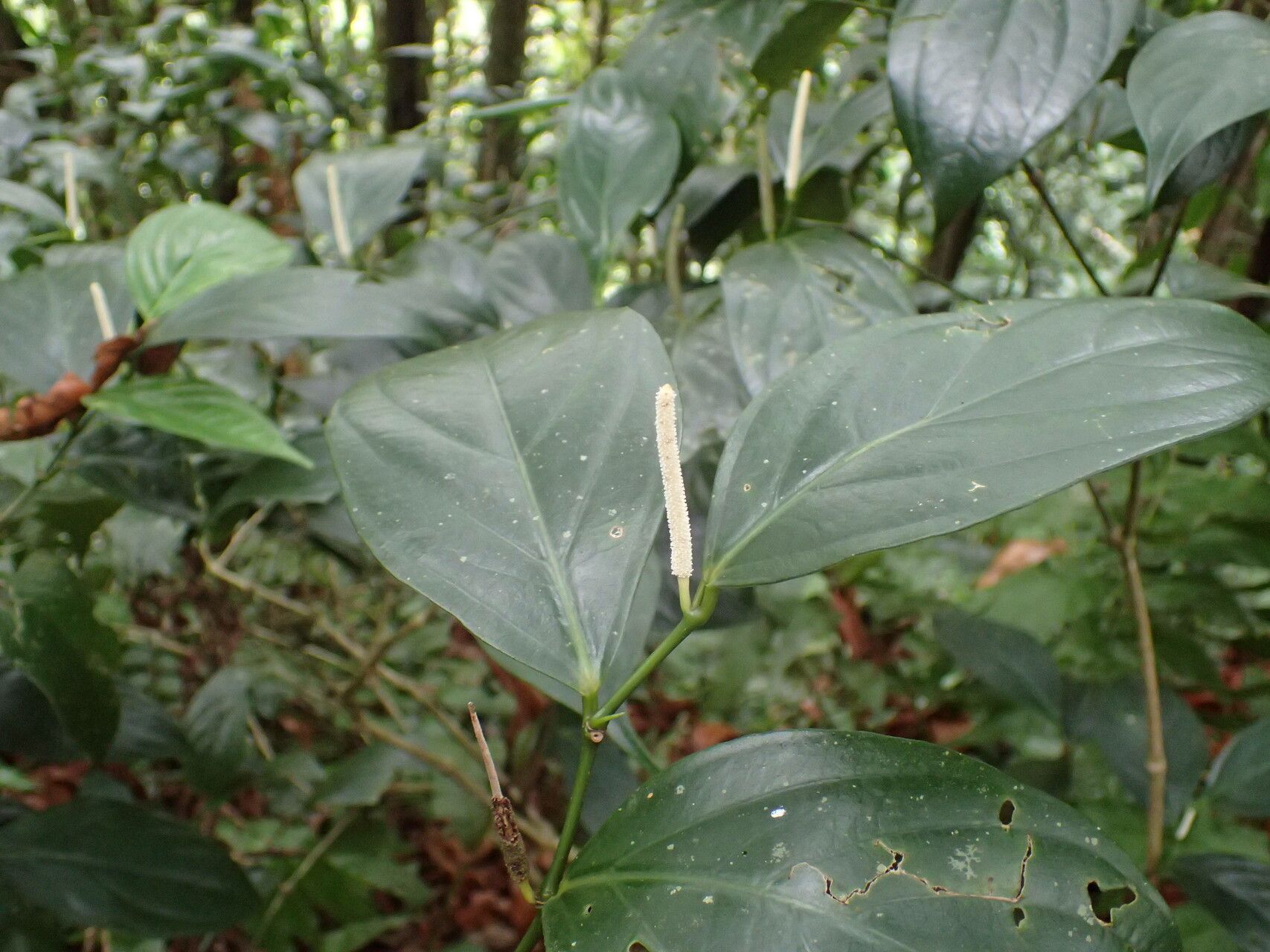
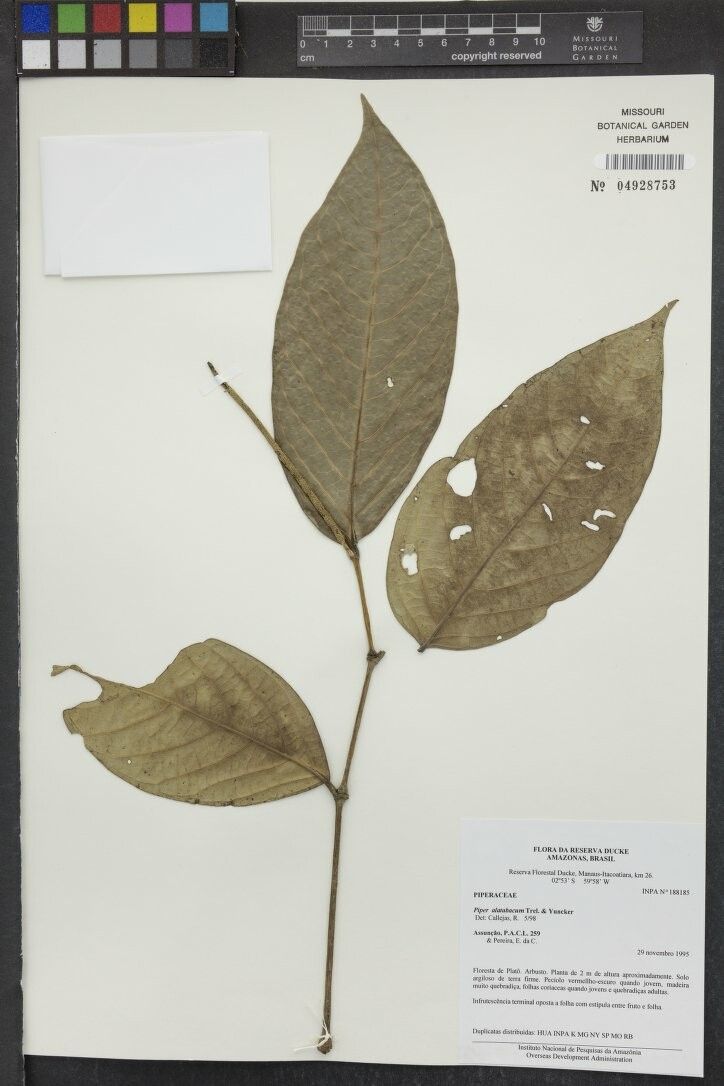
Piper methysticum, commonly known as kava, is a plant native to the South Pacific islands. It belongs to the pepper family and has been utilized for centuries by Pacific islanders for both its medicinal and ceremonial properties. The plant features large, heart-shaped leaves and produces small, inconspicuous flowers.
The root of the kava plant contains compounds called kavalactones, which are responsible for its psychoactive effects. When consumed in moderation, kava can induce feelings of relaxation and euphoria without impairing cognitive function or causing addiction.
Traditionally, kava has been used to treat anxiety, insomnia, muscle tension, and other conditions. It is also commonly consumed as a social beverage during ceremonies or gatherings in many Pacific island cultures.
However, excessive consumption of kava can lead to liver damage and other health problems. Therefore, it should be used with caution and under medical supervision.
Overall, Piper methysticum remains an important cultural symbol with potential medicinal benefits but should be approached with care due to the health risks associated with excessive consumption.
Kava kava has strong disease resistance and is generally not prone to illnesses. Still, it can be affected by pests and diseases present in its environment. These infections are usually mild. In terms of care, this plant requires moderate maintenance. It should be pruned regularly to keep a neat appearance and support healthy growth. Fertilizing can also help encourage flowering. Kava kava is suitable for anyone with outdoor space, such as a garden or patio, and does not demand extensive plant-care experience. It may need more attention when kept indoors.
How to keep Piper Methysticum.
Light
Kava kava naturally occurs in habitats like forest understories or rocky areas, where it grows under natural shade. It prefers partial sun but can tolerate full sun or full shade, showing its hardy and adaptable nature.
Temperature
Kava kava comes from tropical areas where the climate is generally warm and humid. Consequently, it is well adapted to high heat and moisture. It is sensitive to sudden temperature changes and prefers a stable temperature, so avoiding indoor temperature fluctuations is important. It typically cannot tolerate cold and needs warmer conditions to grow. If temperatures fall too low, the plant may stop growing or even die.
Fertilizer
Kava kava needs the most fertilizer during its active growth period, which is mainly in spring, summer, and early fall. Fertilizing is required to supply essential nutrients the soil may lack, supporting healthy root and stem growth and maintaining attractive foliage, a key characteristic of this plant.
Botanical profile.
- Plant Type
- Herb, Shrub
- Life Cycle
- Perennial
- Genus
- Piper
- Family
- Piperaceae
- Hardiness Zone
- 10-12
- Mature Height
- 2.13 m to 3.05 m
- Mature Spread
- 0.91 m to 2.13 m
- Leaf Color
- Dark Green
- Leaf Type
- Evergreen
- Flower Size
- 5.08 cm to 10.16 cm
- Bloom Time
- Summer, Early fall, Mid fall
- Planting Time
- Spring, Summer, Autumn
- Harvest Time
- Late summer, Fall, Early winter
- Native Area
- Vanuatu, Indonesia
Other names.