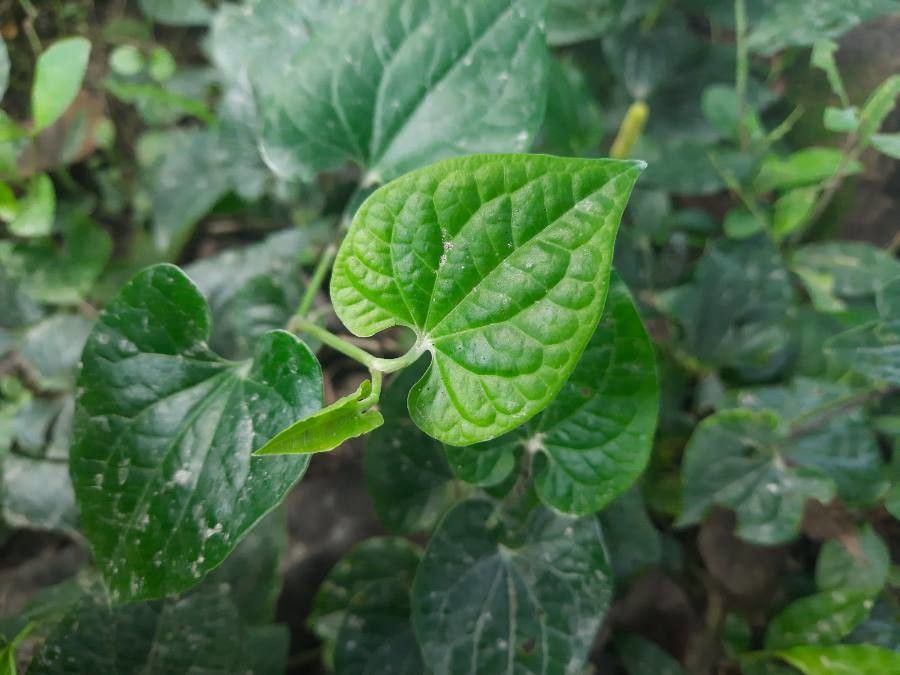
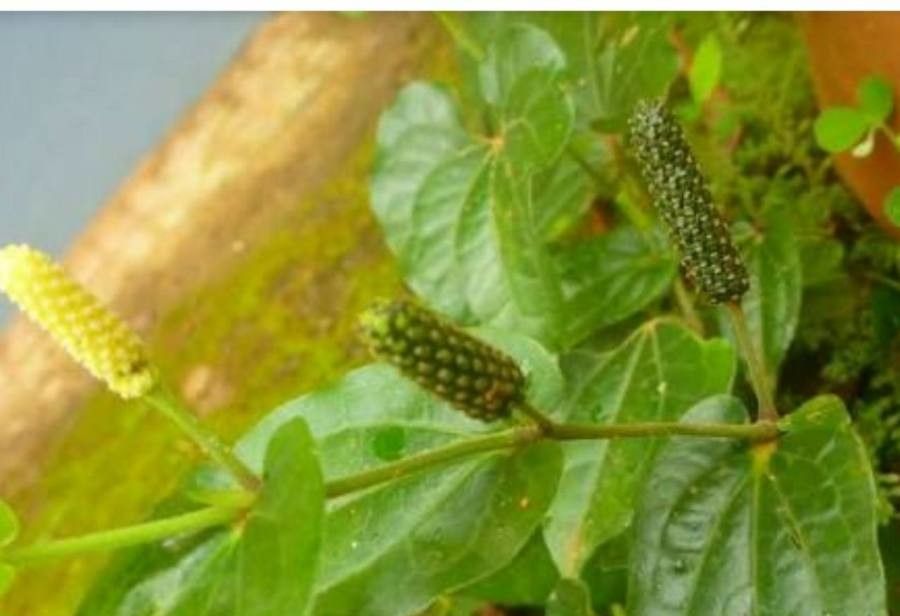
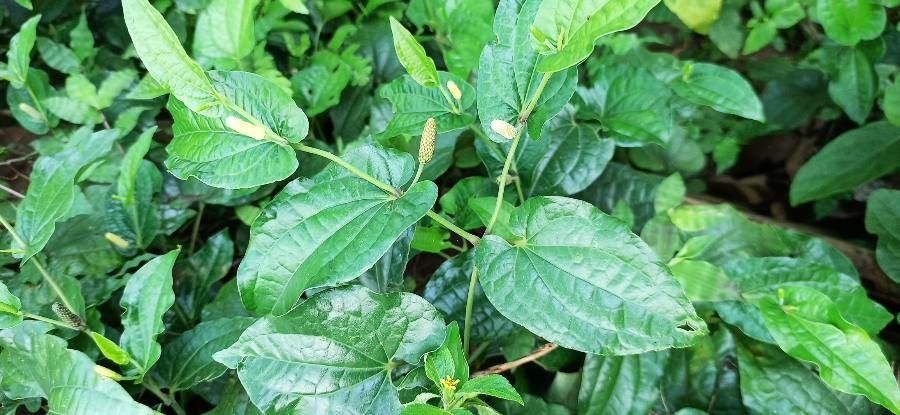
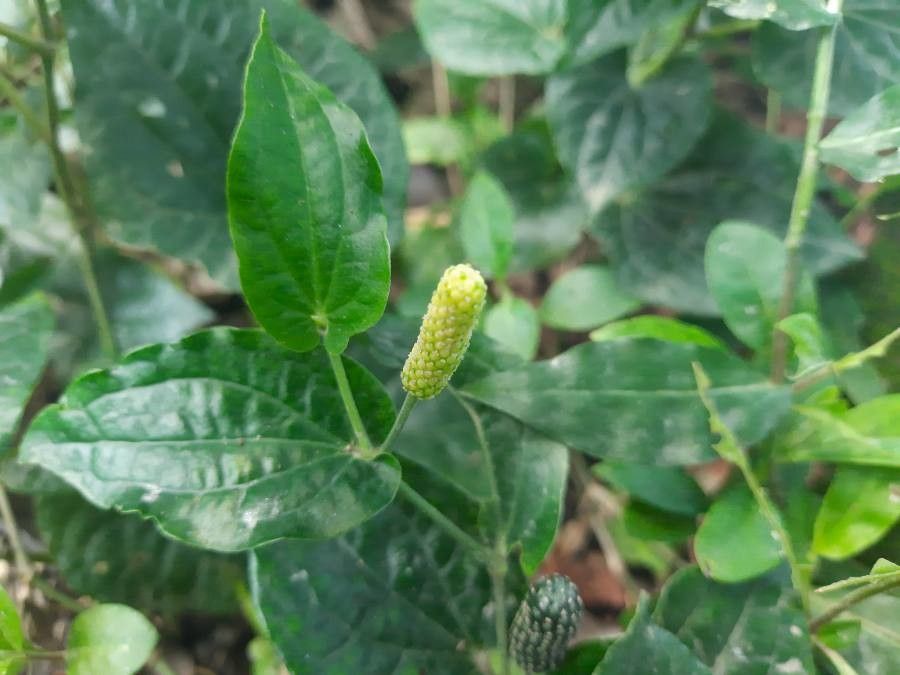
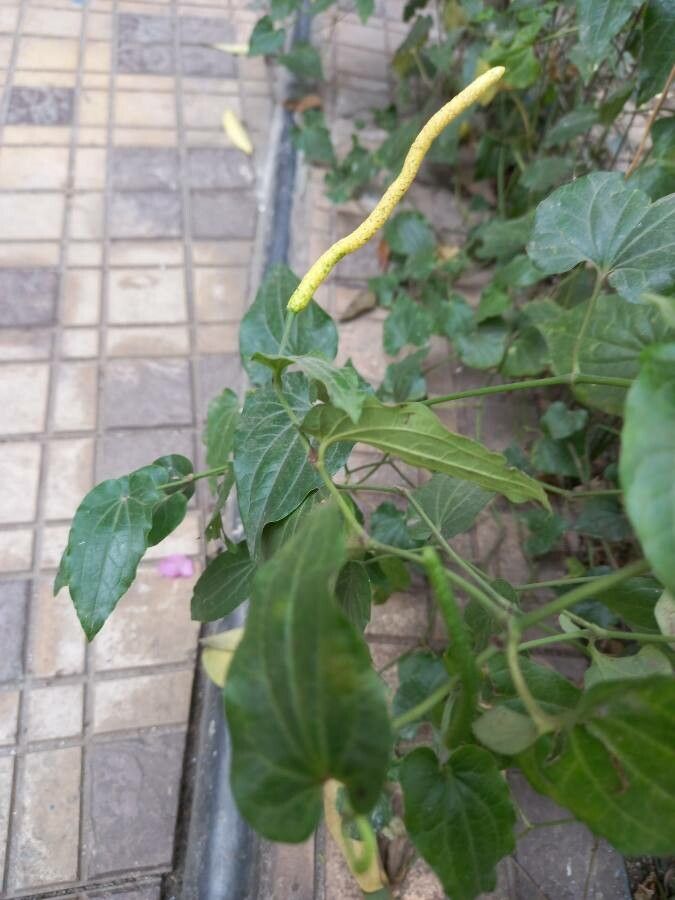
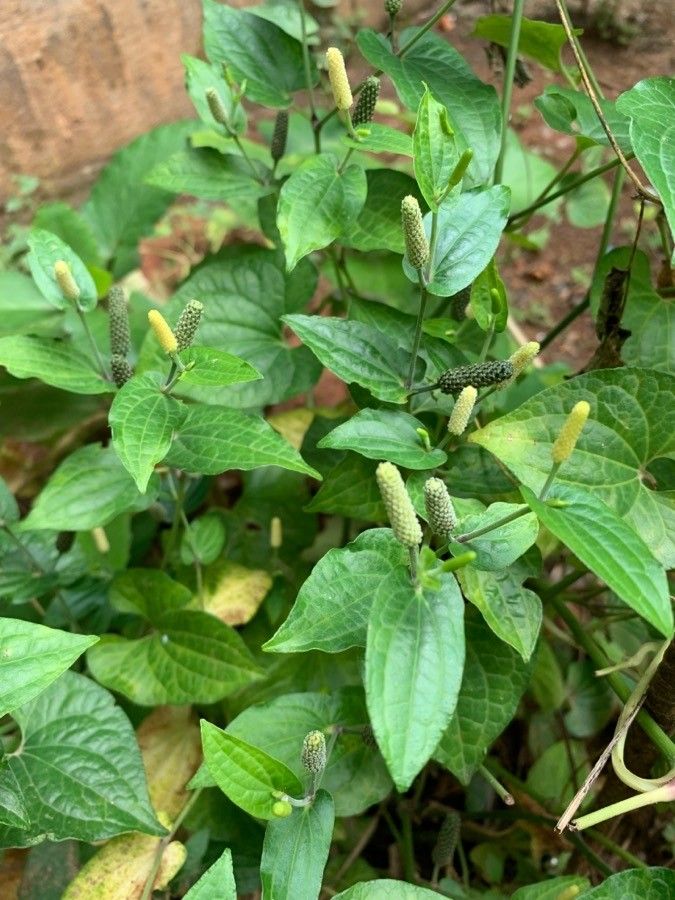
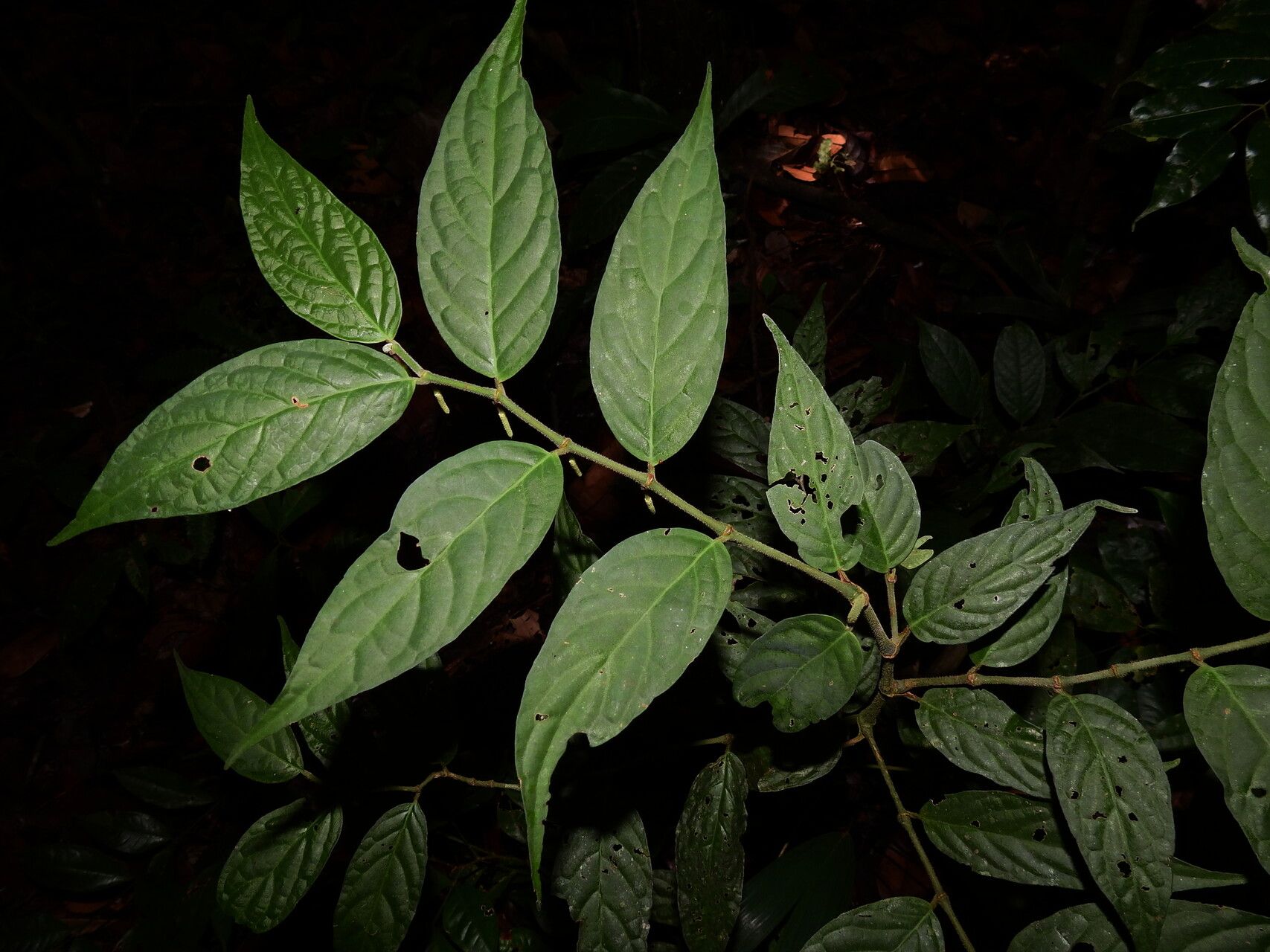
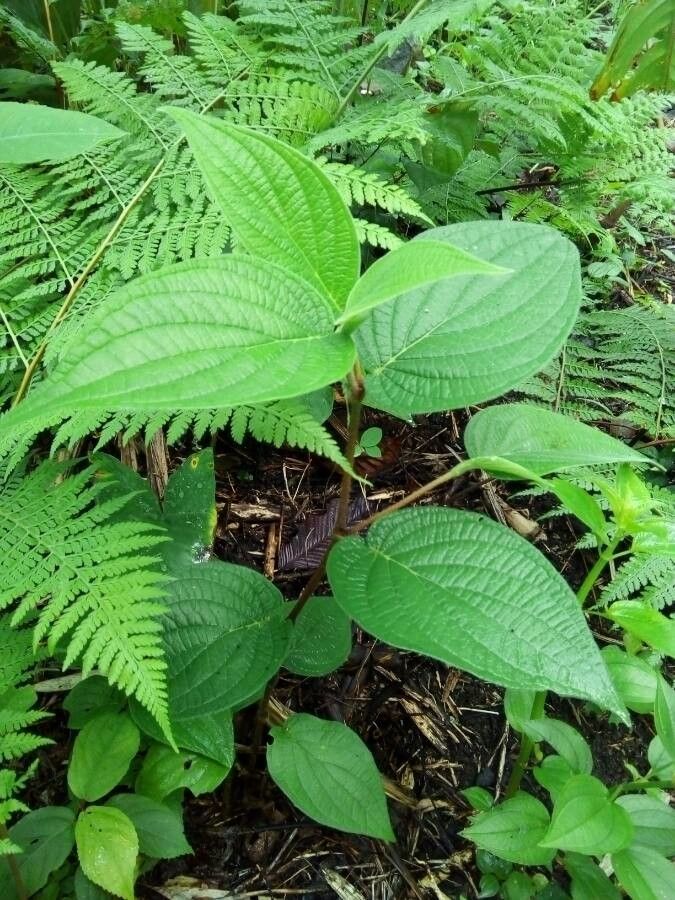
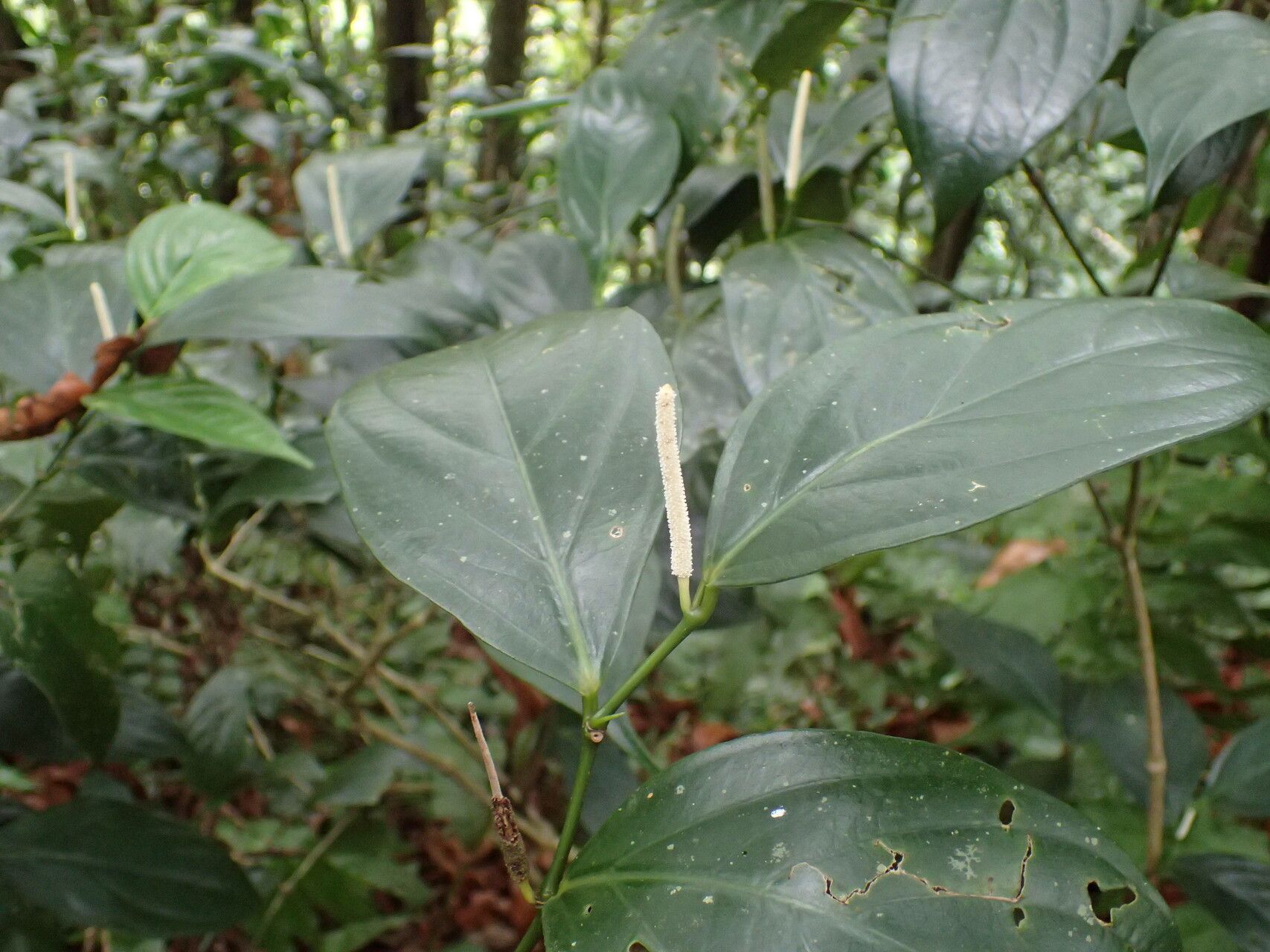
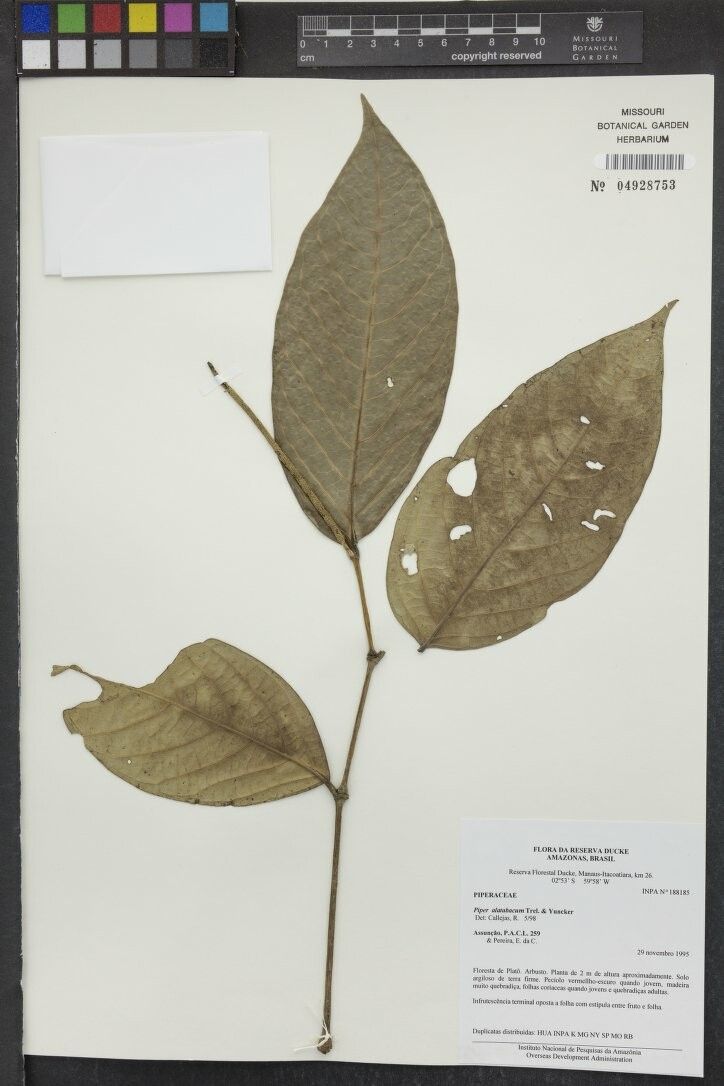
Long pepper, sometimes called Indian long pepper or pippali, is a flowering vine in the family Piperaceae, cultivated for its fruit, which is usually dried and used as a spice and seasoning. Long pepper has a taste similar to, but sweeter and more pungent than, that of its close relative Piper nigrum – from which black, green and white pepper are obtained.
Indian long pepper shows good resistance to disease and is generally not susceptible to illnesses. Regarding care, this plant is relatively low maintenance. When grown outdoors it needs little watering, and larger plants typically do not require pruning. Smaller plants, however, should be pruned after they have finished blooming. Indian long pepper is suitable for anyone with an outdoor area, such as a garden or deck, and does not need a great deal of experience in plant care.
How to keep Piper Longum.
Light
Indian long pepper requires plenty of sun to grow vigorously, though it can tolerate moderate shade. Excessive shade can hinder growth, while too much sun exposure may cause damage. Native to regions with abundant sunshine, its natural habitat goes through alternating periods of intense and milder sunlight.
Water
Indian long pepper thrives in humid environments, preferring consistent moisture but able to withstand moderate drought. To care for Indian long pepper, water it every three weeks to keep the soil moist, and regularly mist its leaves to maintain humidity. This plant is typically grown indoors, where it benefits from conditions that resemble its natural tropical understory habitat.
Temperature
Indian long pepper comes from tropical areas where the climate is generally warm and humid. Consequently, it is adapted to high temperatures and moisture. It is sensitive to sudden temperature shifts and prefers a steady thermal environment, so avoiding indoor temperature fluctuations is important. It usually cannot tolerate cold and needs higher temperatures to grow. If the surrounding temperature falls too low, the plant may stop growing or even die.
Fertilizer
Fertilizing is essential for the care of Indian long pepper. Consistent feeding during the growing season preserves the energy required for attractive leaves and supports overall growth. Failing to fertilize can lead to unhealthy foliage, reduced ornamental appeal, and stunted or weak growth that is more likely to break.
Pruning
Indian long pepper is known for its spicy fruits and aromatic leaves. To maintain a healthy and vigorous plant, prune it in early spring. This helps remove dead branches and encourages new growth, while also improving air circulation. Regular pruning is essential to maintain the plant's size and shape. Be sure to use clean tools to prevent infection.
Botanical profile.
- Plant Type
- Vine
- Life Cycle
- Perennial
- Genus
- Piper
- Family
- Piperaceae
- Hardiness Zone
- 10-11
- Mature Height
- 3.05 m to 10.06 m
- Mature Spread
- 2.13 m to 3.96 m
- Leaf Color
- Dark Green
- Leaf Type
- Evergreen
- Flower Color
- Green, Red
- Flower Size
- 4.06 cm to 5.08 cm
- Bloom Time
- Summer, Early fall, Mid fall
- Planting Time
- Spring, Summer, Autumn
- Harvest Time
- Late summer, Fall, Early winter
- Native Area
- Bangladesh, India
Other names.
Reader questions.
What are the sunlight requirements for Indian long pepper?
Indian long pepper requires full sun exposure, meaning above 6 hours of sunlight daily, to ensure vigorous growth. It can also tolerate partial sun, which refers to about 3-6 hours of sunlight. However, it is important to choose planting locations that provide the perfect balance of light and shade, observing how sunlight moves through your garden to ensure the plants' happiness. The right amount of sunlight is essential, as too much sun can harm the plant, while too little sunlight may impede its growth. Originally, Indian long pepper thrives under abundant sunshine in its native habitat, which experiences alternating periods of intense and milder sunlight.
How does artificial lighting support Indian long pepper growth indoors?
When natural sunlight is insufficient, especially during winter or in less sunny spaces, artificial lighting becomes crucial for the growth of Indian long pepper. Indoor plants require adequate lighting for optimal growth. LED lights are recommended because they can be customized to provide specific wavelengths needed by plants. For full sun plants, it's suggested to have 30-50W/sq ft of artificial light, partial sun plants need 20-30W/sq ft, and full shade plants should have 10-20W/sq ft. The light source should be placed 12-36 inches above the plant to mimic natural sunlight, and most plants need 8-12 hours of light per day to thrive.
What are the symptoms of inadequate lighting in Indian long pepper?
Indian long pepper may show several symptoms when suffering from light deficiency, including smaller new leaves, leggy or sparse growth, early leaf drop, halted or no new growth, lighter-colored new leaves indicating a lack of chlorophyll, and chlorosis where leaves lose their green color and turn yellow. Other symptoms include sunscald, resulting from too much sun exposure, leaf curling as a defense against excessive sunlight, wilting due to increased water loss from overexposure, and leaf scorching characterized by brown, dry edges on leaves due to excessive sunlight.
What solutions can help improve lighting conditions for Indian long pepper?
To optimize growth, gradually increase sunlight exposure for Indian long pepper, aiming for at least 6 hours of direct sunlight daily. Use a south-facing window or keep curtains open during the day for maximum exposure. If necessary, use artificial light sources, like desk lamps or professional grow lights, for at least 8 hours daily. When transitioning plants outdoors, move them progressively to sunnier spots to avoid sunburn. If sunlight is obstructed, consider pruning or transplanting to a location with ample sunlight and good drainage. Note that parts of the plant affected by insufficient light may not recover, but new growth should be healthy with improved light conditions.