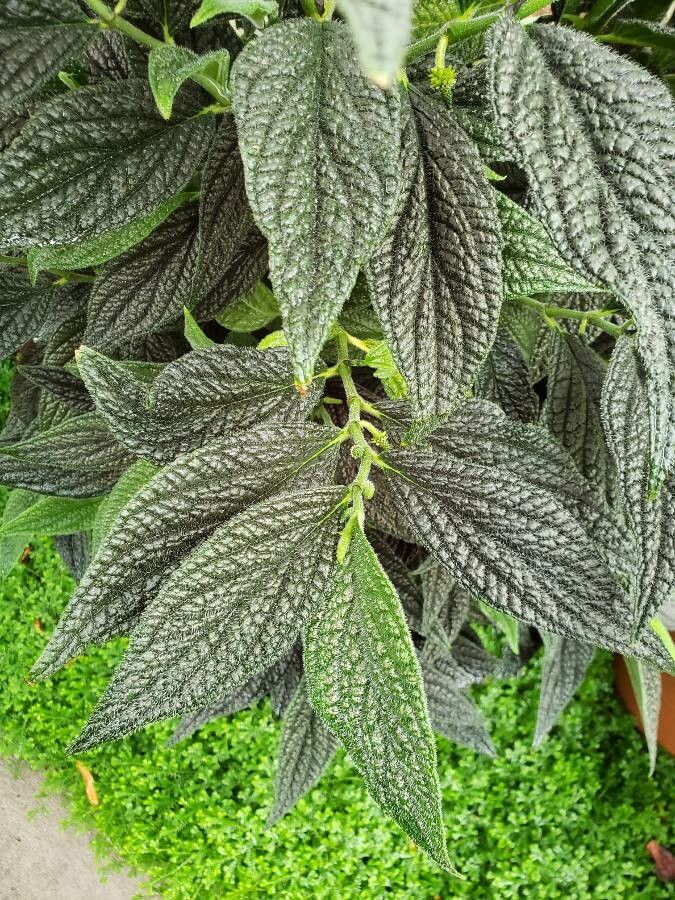
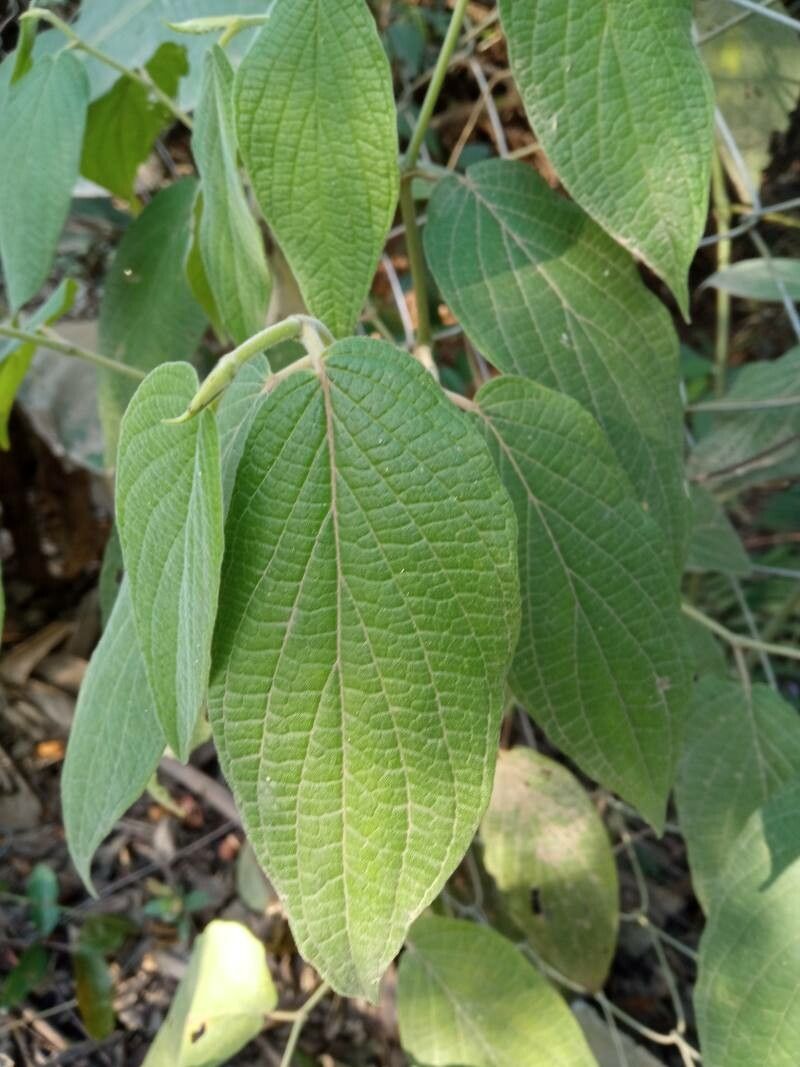
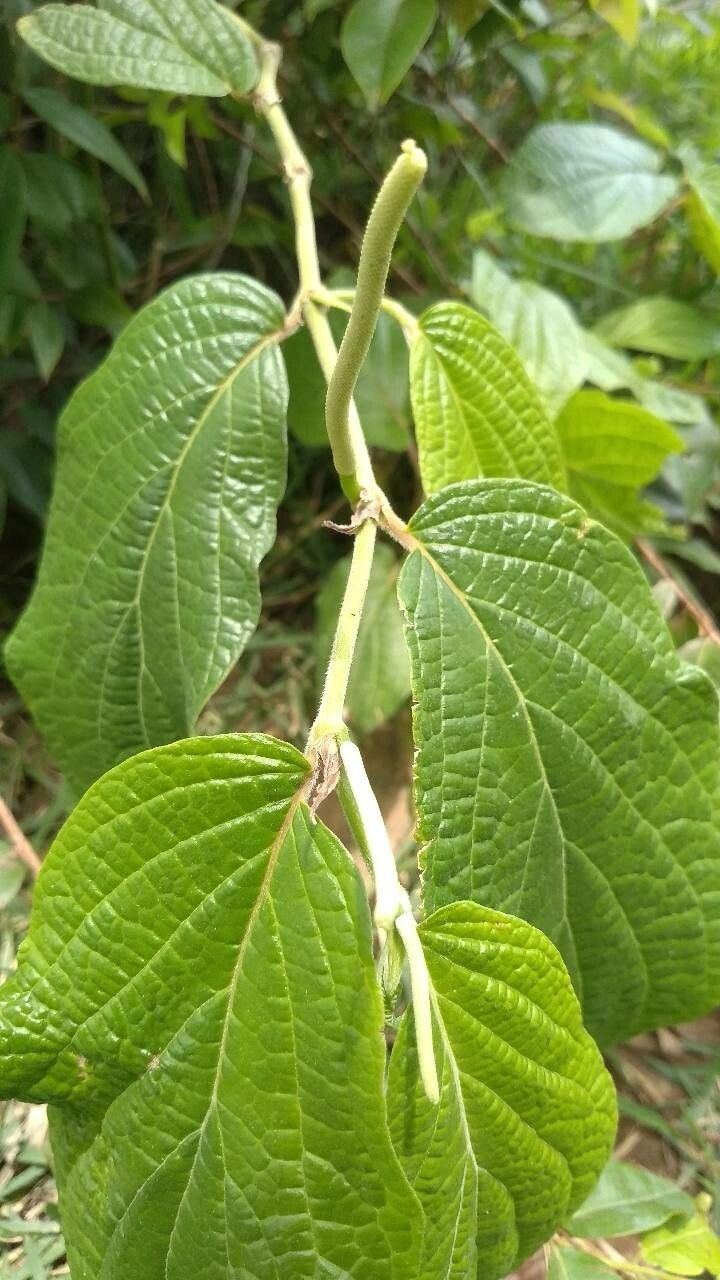
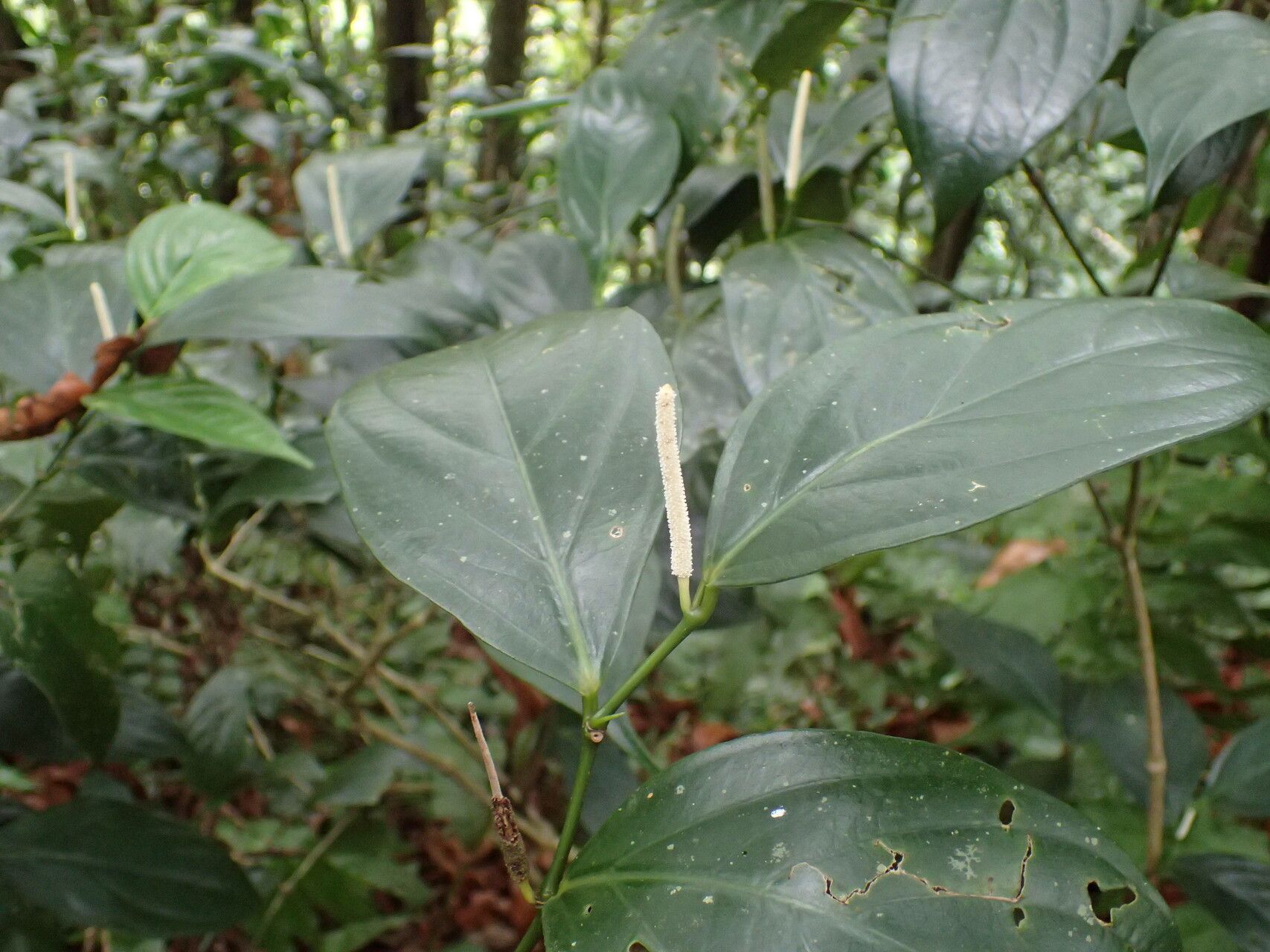
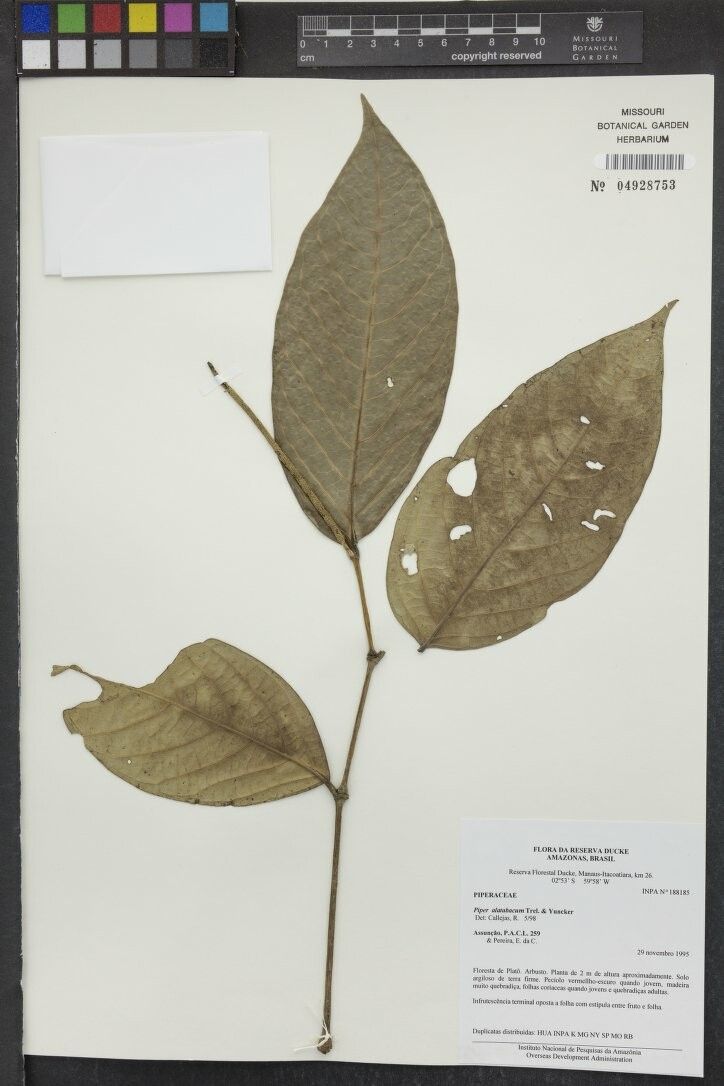
Jamaican pepper shows strong resistance to disease and is usually not susceptible to illnesses. Regarding care, the plant is fairly low-maintenance. When grown outdoors it needs only light watering, and larger plants typically do not require pruning. Smaller plants, however, should be pruned after they have finished blooming. Jamaican pepper is appropriate for anyone who has an outdoor area, such as a garden or deck, and it does not call for extensive care experience.
How to keep Piper Hispidum.
Light
The Jamaican pepper flourishes with plenty of light but can also tolerate moderate illumination. Because of the habitat it comes from, it is accustomed to a substantial amount of sunlight. Still, both excessive and inadequate light can make the plant unhealthy, impairing its growth and productivity.
Water
Jamaican pepper flourishes in humid environments and needs moderate watering. Water every 2-3 weeks, as it can handle short periods of drought. Ideally grown outdoors, it benefits from natural rainfall, which boosts foliage growth during the growing season and supports its drought-resistant qualities.
Temperature
Jamaican pepper comes from tropical areas, where conditions are generally warm and humid. Consequently, it is adapted to high temperatures and moisture. It dislikes abrupt temperature shifts and prefers a steady thermal environment, so avoiding indoor temperature fluctuations is important. It normally cannot tolerate cold and needs warmer conditions to grow. If the surrounding temperature falls too low, the plant may stop growing or even die.
Fertilizer
The best time to fertilize a Jamaican pepper is in early spring when it breaks dormancy. This encourages overall growth and flower development. Fertilizing improves foliage, stems, and branches, and supports large, vibrant, long-lasting flowers. It helps move nutrients from the roots to the flowers and strengthens the plant’s health and disease resistance.
Pruning
Jamaican pepper is characterized by its aromatic leaves and dense growth habit. To promote healthy development and increase fruit production, it's important to prune the plant between early and late winter. During this time, remove any dead wood and overgrown branches to improve airflow. Regular pruning helps maintain an open structure, reducing the risk of pests and diseases, which leads to a thriving Jamaican pepper plant.
Botanical profile.
- Plant Type
- Shrub
- Life Cycle
- Perennial
- Genus
- Piper
- Family
- Piperaceae
- Hardiness Zone
- 10-12
- Mature Height
- 3.05 m
- Mature Spread
- 0.91 m to 2.13 m
- Leaf Color
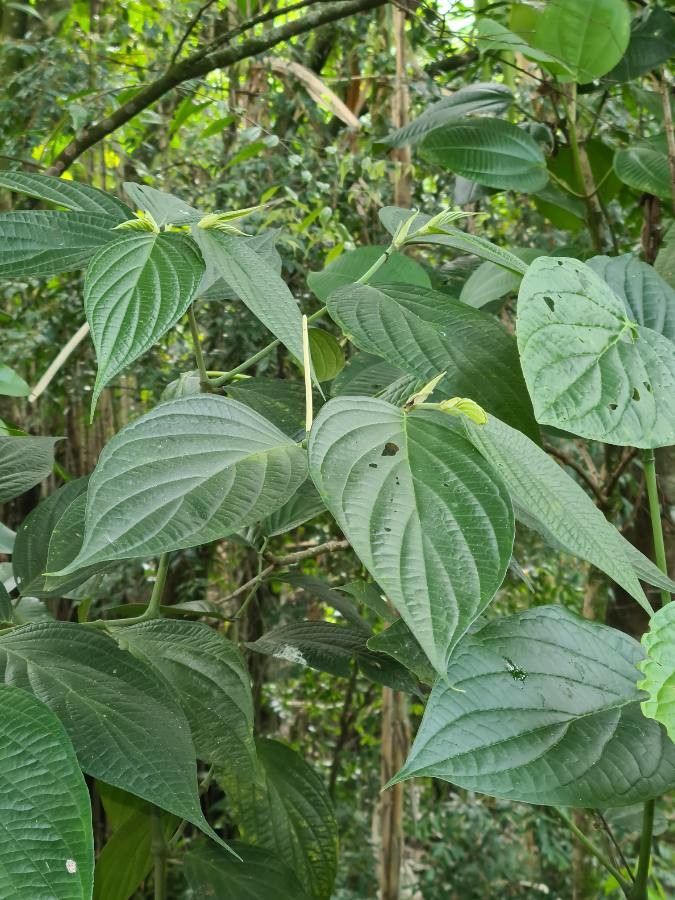
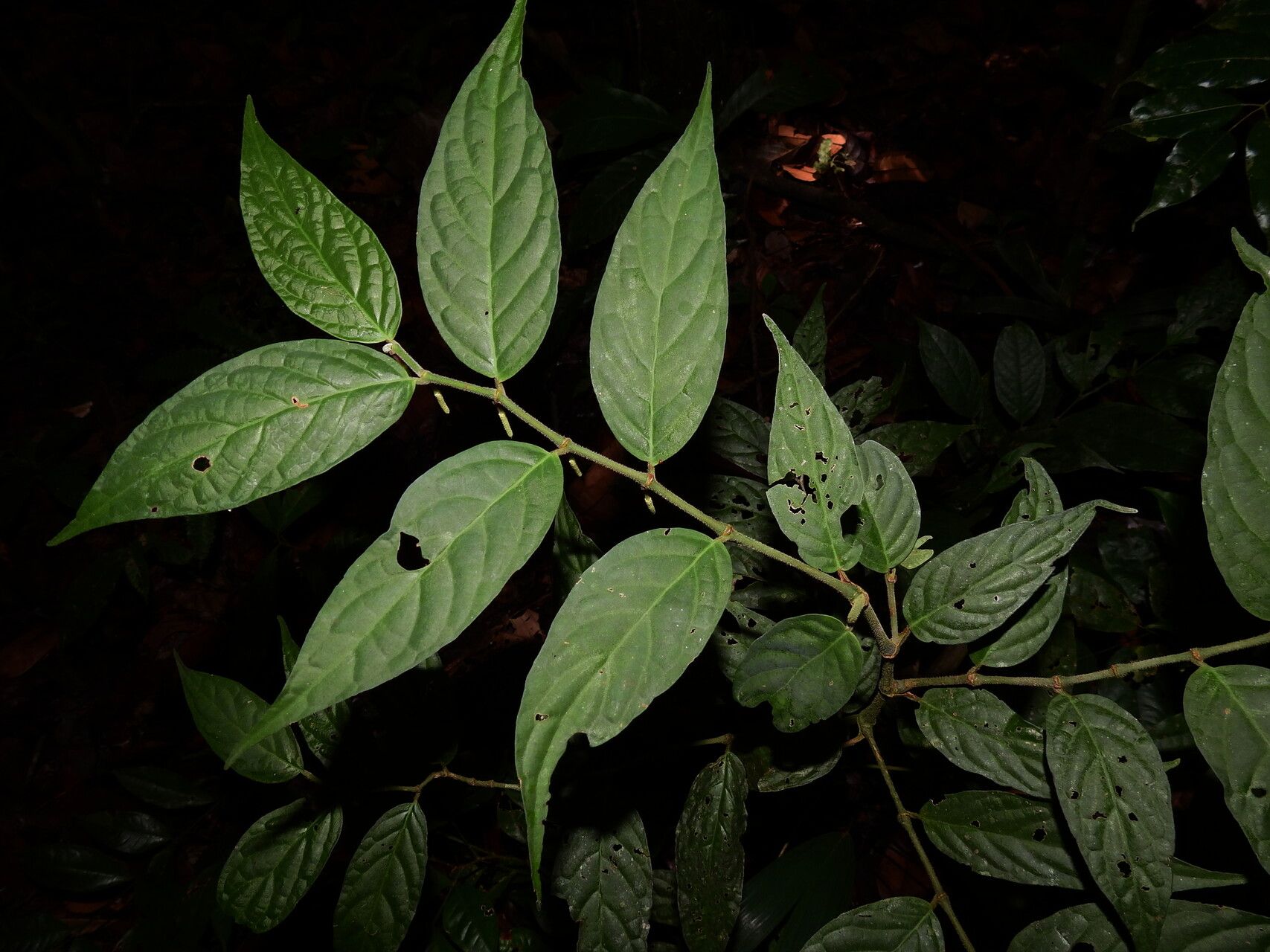
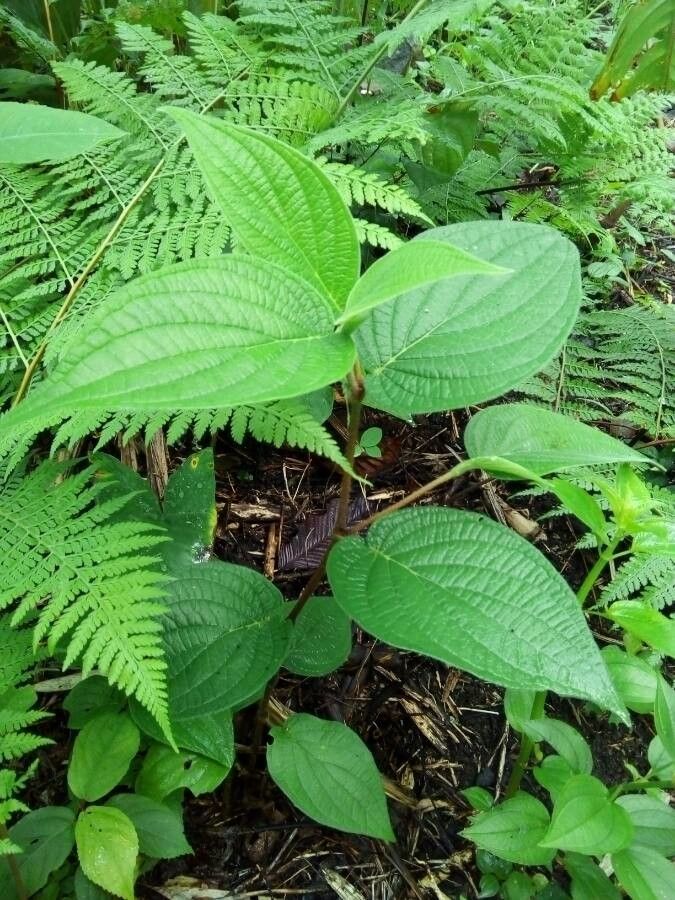
- Dark Green, Forest Green
- Leaf Type
- Evergreen
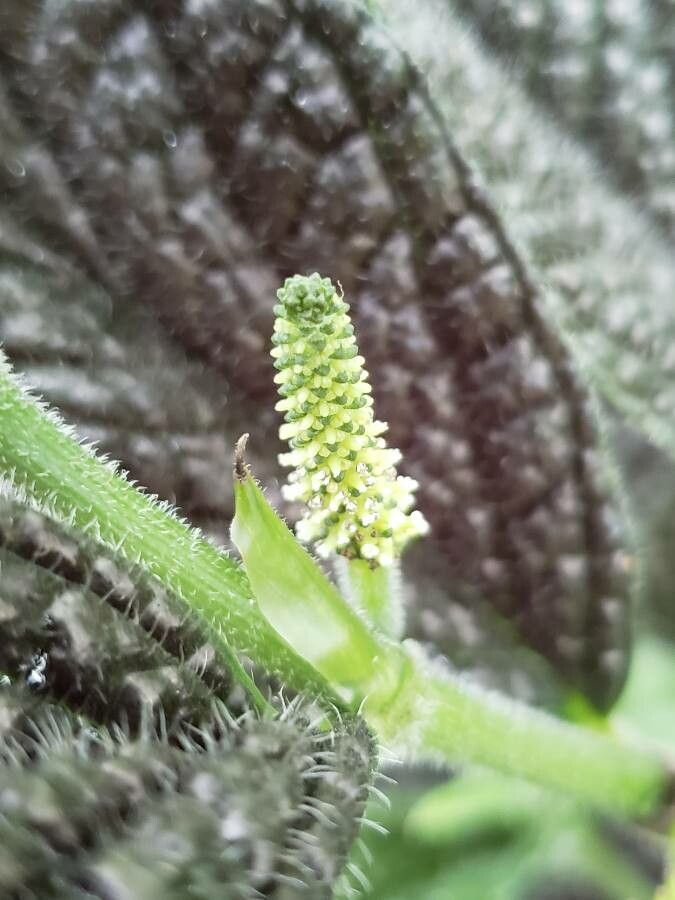
- Flower Color
- Green
- Flower Size
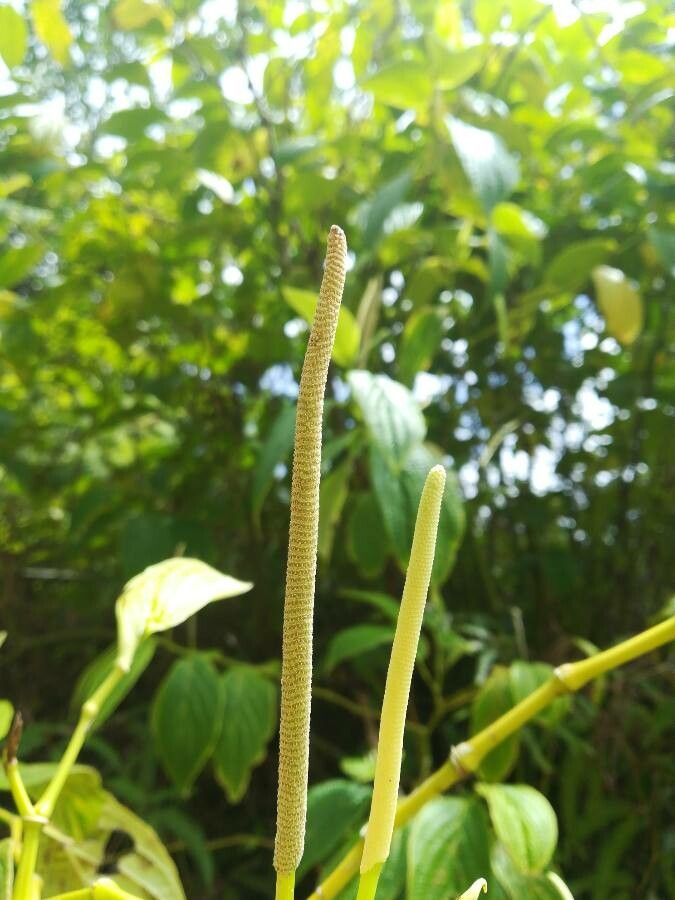
- 0.20 cm to 0.25 cm
- Bloom Time
- All year round
- Planting Time
- Spring, Summer, Autumn
- Harvest Time
- All year round
- Native Area
- Colombia, Cuba, Mexico, Venezuela, Peru, Guyana, Brazil, Ecuador, Jamaica
Other names.
Reader questions.
How should I water my Jamaican pepper plant?
Your Jamaican pepper plant doesn't have specific preferences for how you water it. You can use various common watering tools like watering cans, hoses, or even cups. Just make sure to water the soil directly, and ensure that all areas of the soil receive equal moisture to supply water to all parts of the root system. It's better to use filtered water to avoid harmful particles found in tap water. Also, using water at or slightly above room temperature is ideal, as extremely cold or hot water can shock the plant. However, the Jamaican pepper usually responds well to any type of water you provide.
What are the sunlight requirements for Jamaican pepper plants?
Jamaican pepper plants thrive in full sun, which means they require above 6 hours of sunlight daily. However, they can also manage in partial sun, getting about 3-6 hours of sunlight. It's essential to observe how sunlight moves through your garden to find the optimal balance of light and shade, ensuring your plants' health and happiness.
What is the botanical name of Jamaican pepper?
The botanical name of Jamaican pepper is Piper hispidum. This name helps in scientifically identifying the plant, distinguishing it from other varieties of pepper and ensuring clarity in communication among botanists and enthusiasts.
What do I do if I give too much or too little water to my Jamaican pepper plant?
Outdoor plants, especially newly planted ones or seedlings, are prone to lack of watering. To prevent this, make sure to water them sufficiently for a few months during their initial growth. Once the roots are established, Jamaican pepper plants can mostly rely on rainwater. However, overwatering is a common issue when the plant is in pots. If you accidentally overwater your Jamaican pepper, take immediate action. Stop watering it right away to minimize the impact. Then, carefully remove the plant from its pot and inspect the roots. If no root rot is present, you can return the plant to its container. But if you find signs of root rot, trim the affected roots and consider applying a fungicide. Repot the plant in well-draining soil. On the other hand, if your Jamaican pepper is underwatered, simply water it more frequently. You can easily identify underwatering if the leaves start drooping, drying out, and falling off. Once the plant is properly watered, the leaves will quickly return to their full state. Adjust your watering routine promptly when you notice signs of underwatering.
What essentials should be considered for growing Jamaican pepper plants?
The Jamaican pepper plant, due to its native environment, thrives in an abundance of light but can also sustain in moderate illumination. Both too much and too little sunlight can affect the plant's growth and health negatively. For indoor plants where natural light is insufficient, especially in winter or less sunny locations, artificial lighting can be a vital solution. It's advisable to use LED lights for their ability to provide specific wavelengths needed by plants. The required artificial light intensity varies depending on the plant's need for full sun (30-50W/sq ft) to partial sun (20-30W/sq ft), and proper light placement and duration are crucial for simulating natural lighting conditions.
How regularly should I give water to my Jamaican pepper plant?
Most plants can grow naturally outdoors with rainfall. However, if your area doesn't get much rain, you should water your plants every 2 weeks in the spring and fall. In the summer, you'll need to water them more often. But in the winter, when growth slows down, you can water them less frequently or not at all. Young or newly planted Jamaican pepper plants need more frequent watering to help them establish and become more drought tolerant. For potted plants, there are two ways to determine how often to water your Jamaican pepper. One way is to set a schedule to water once a week or every other week. However, this may not work if the growing conditions for your plant are unique. The other option is to base your watering frequency on the moisture level of the soil. Generally, it's best to wait until the top two to four inches of soil in the pot have completely dried out before watering again.
What are the important symptoms to look for in Jamaican pepper plants regarding sunlight exposure?
Symptoms of inappropriate light exposure in Jamaican pepper include small leaves indicating light deficiency, leggy or sparse growth, faster leaf drop, and slower or no new growth. The plant may also exhibit lighter-colored new leaves or chlorosis, where leaves lose their green color and turn yellow due to excessive sunlight, leading to a breakdown of chlorophyll and affecting photosynthesis. Sunscald, leaf curling, wilting, and leaf scorching are other symptoms to watch for, indicating the plant is receiving too much sunlight. These symptoms demonstrate the plant's struggle with its environment, highlighting the need for balanced sunlight exposure.
How much water does my Jamaican pepper plant need?
When it's time to water your Jamaican pepper plant, you might be surprised to learn that it doesn't always require a lot of water. Instead, if only a few inches of soil have dried since the last watering, you can promote healthy growth by giving it about five to ten ounces of water each time. You can also judge the amount of water needed by checking the soil moisture. Remember to note how many inches of soil have dried out between waterings. To ensure your Jamaican pepper gets enough moisture, water it until all the dry soil layers have been moistened since the previous watering. If over half of the soil has become dry, consider giving more water than usual. In such cases, keep adding water until you see excess water draining from the pot's holes. If your Jamaican pepper is planted in a place that receives sufficient rainfall, it may not need additional watering. In the plant's early stages or while it's establishing, make sure it gets 1-2 inches of rain per week. As it grows and establishes, it can survive solely on rainwater. In periods of hot weather without any rainfall for 2-3 weeks, consider giving your Jamaican pepper a thorough watering to prevent stress.
How can I address and prevent sunlight exposure issues for my Jamaican pepper plant?
To address sunlight exposure issues, gradually acclimate your plant to its ideal sunlight conditions. For indoor plants, move them weekly to a sunnier spot until they receive at least 6 hours of sunlight, utilize a south-facing window, or consider artificial lighting solutions like desk lamps or professional grow lights for at least 8 hours daily. For outdoor plants, also move them gradually to prevent sunburn. If sunlight is blocked by obstacles like trees, consider pruning to improve exposure. For plants in the ground that need more light, transplanting them during their dormant period to a better-lit location can greatly benefit their growth and health. Ensuring proper sunlight exposure is key to preventing and addressing health issues in Jamaican pepper plants.
How can I know if I'm giving enough water to my Jamaican pepper plant?
Overwatering is a common issue for Jamaican pepper plants. There are several signs to watch for if your plant is being overwatered. Typically, an overwatered plant will have yellowing leaves and may even drop some leaves. Additionally, overwatering can cause the overall structure of the plant to shrink and may lead to root rot. On the other hand, an underwatered Jamaican pepper will also start to wilt, and its leaves may turn brown or become brittle. If you notice signs of either overwatering or underwatering, it's important to take action and restore your Jamaican pepper plant to good health.
How do I water my Jamaican pepper plant as it grows?
When the Jamaican pepper is young, especially as a seedling, it requires more water compared to when it is mature. It is crucial to keep the soil consistently moist in order to promote root development during the early stages of the plant's life. This also applies to transplanted Jamaican peppers in new growing locations. Additionally, providing proper care for the plant can result in the development of vibrant flowers and fruits. If your Jamaican pepper is in the flowering or fruiting phase, it may require slightly more water than usual to support these plant structures.
How do I water my Jamaican pepper plant all year round?
The frequency of watering your Jamaican pepper plant will be influenced by the seasons. In hot summer months, especially if the plant is in a sunny location, you will need to water it more often. The intense sunlight can cause the soil to dry out faster, so frequent watering will be necessary. Conversely, during the winter when the plant is not actively growing, it will require less water. You can water it once every 2 to 3 weeks, or even skip watering altogether. If you are growing the plant indoors, be aware that appliances like air conditioners can dry it out quicker, so you may need to water more frequently.