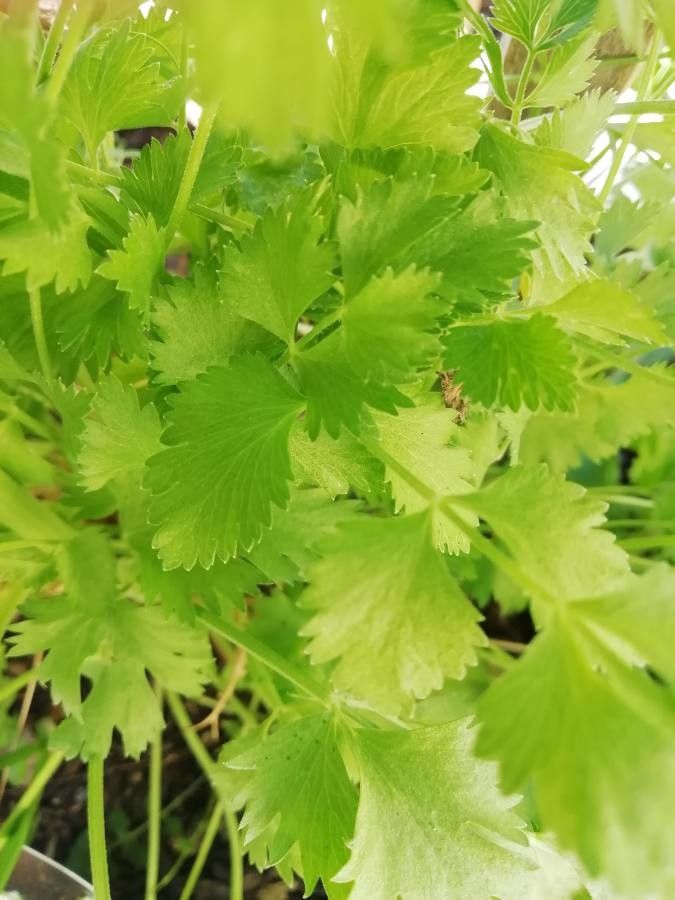
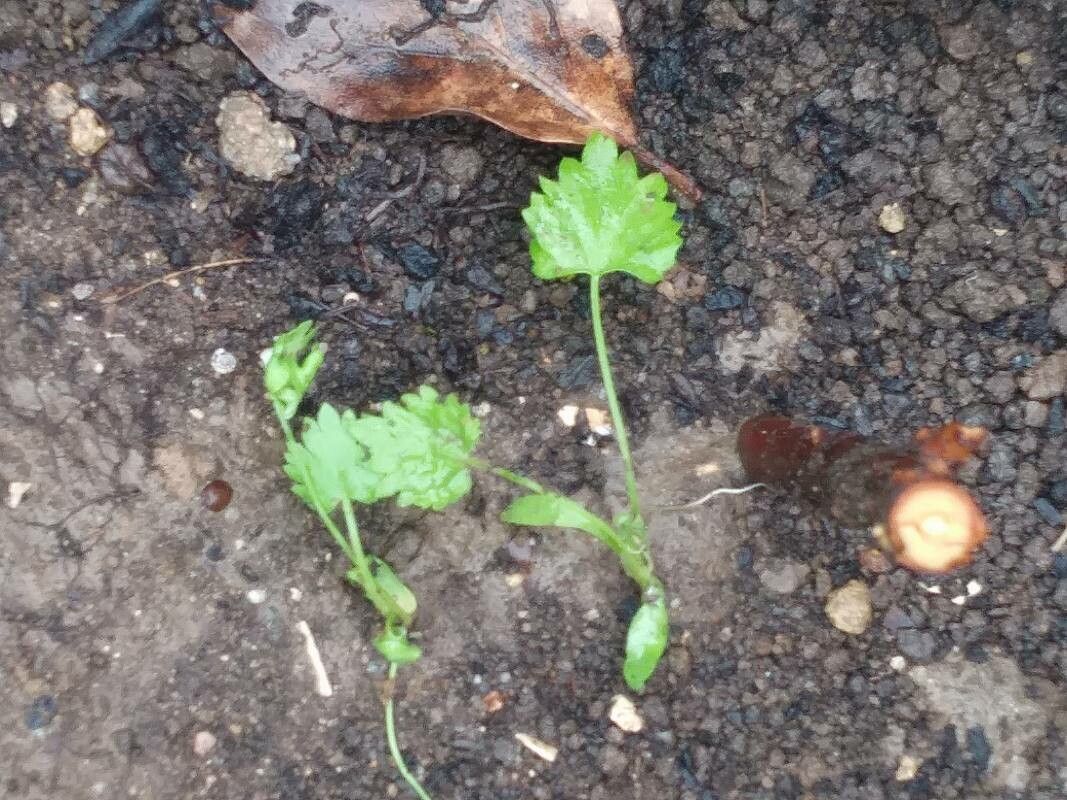
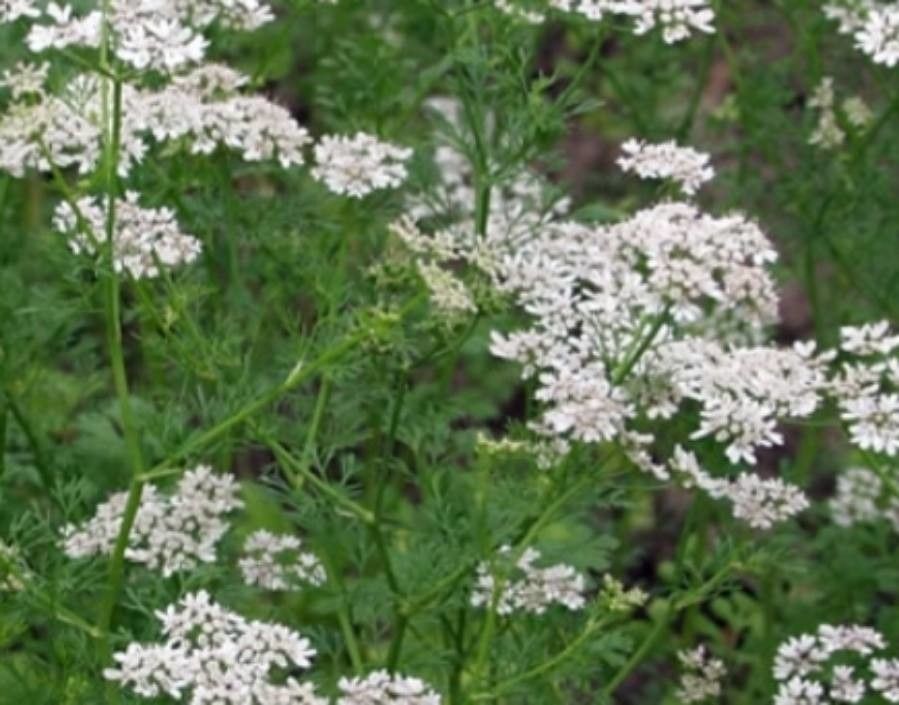
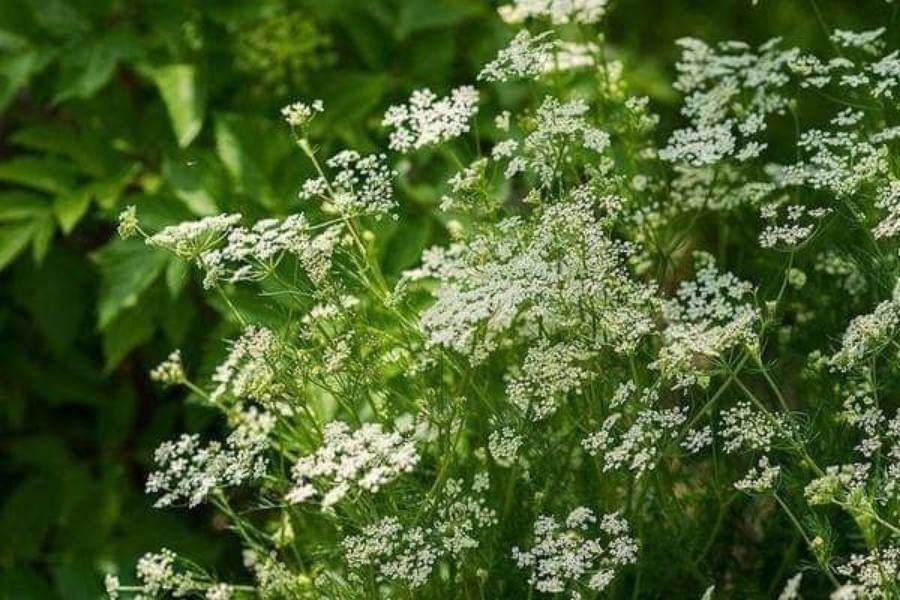
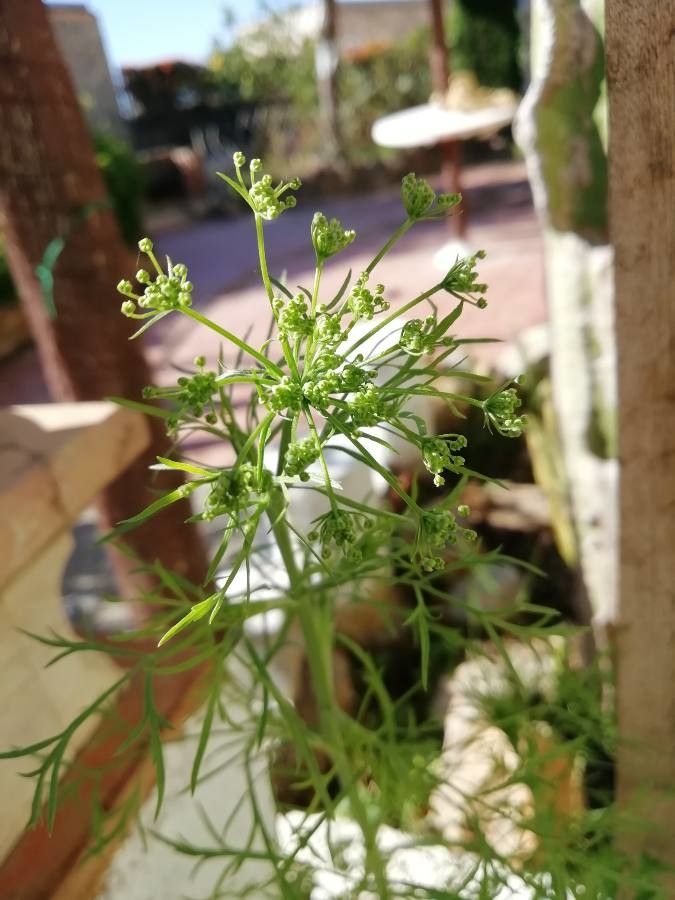
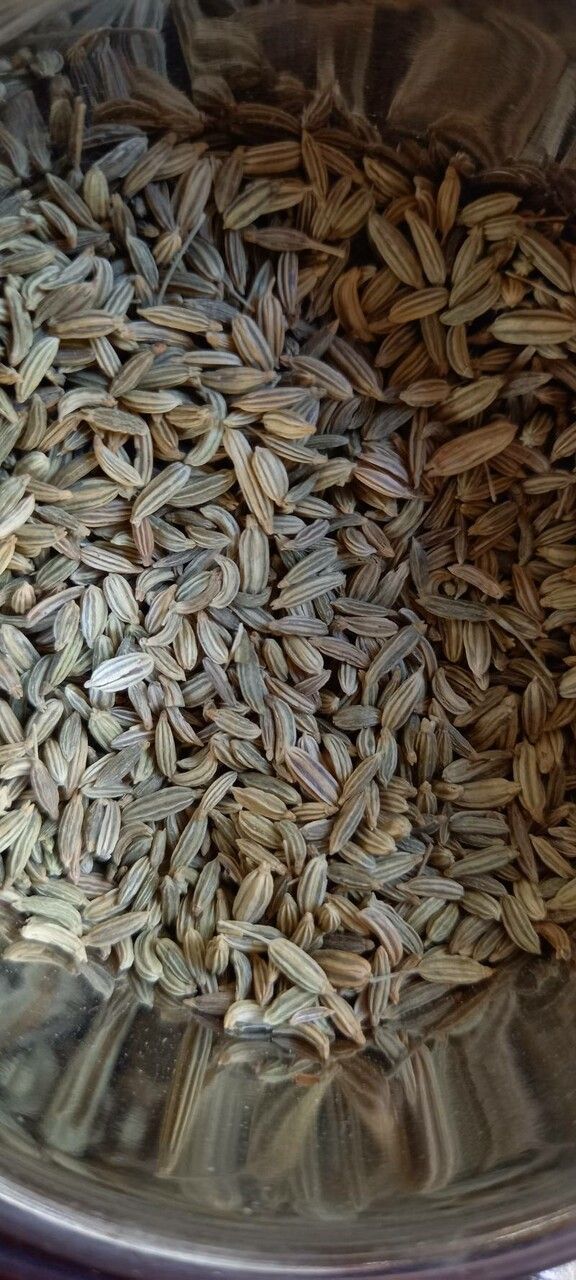
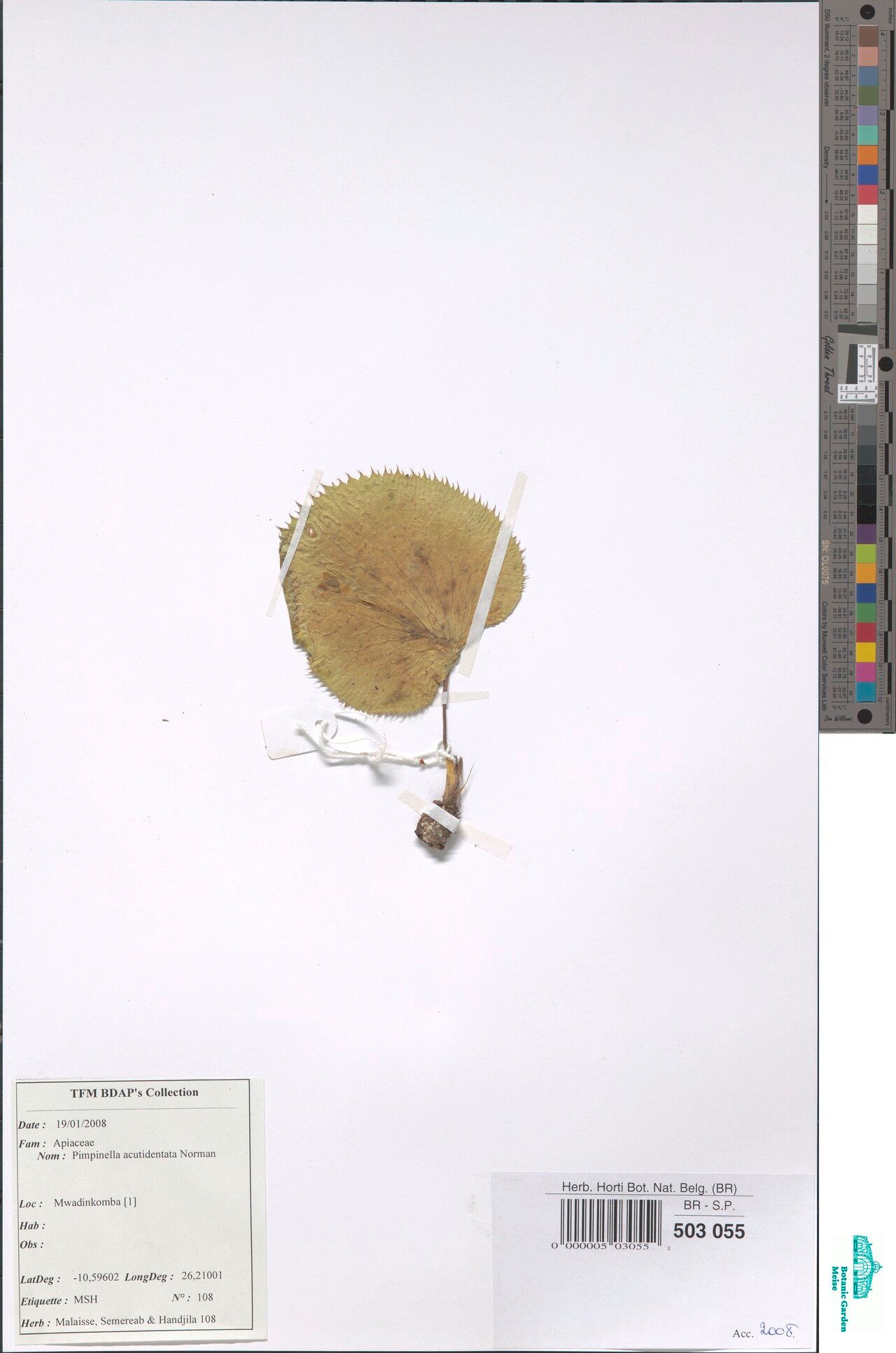
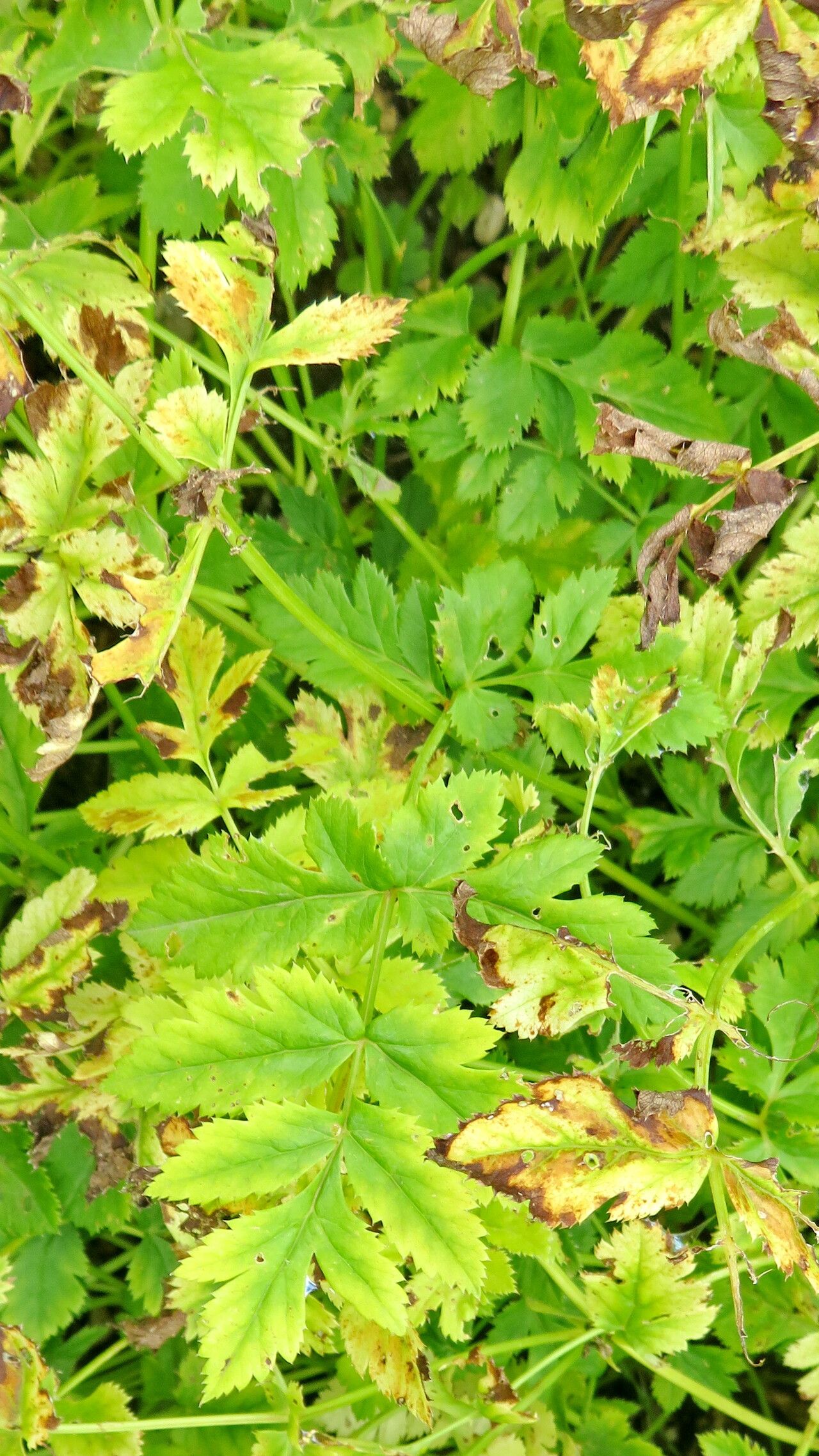
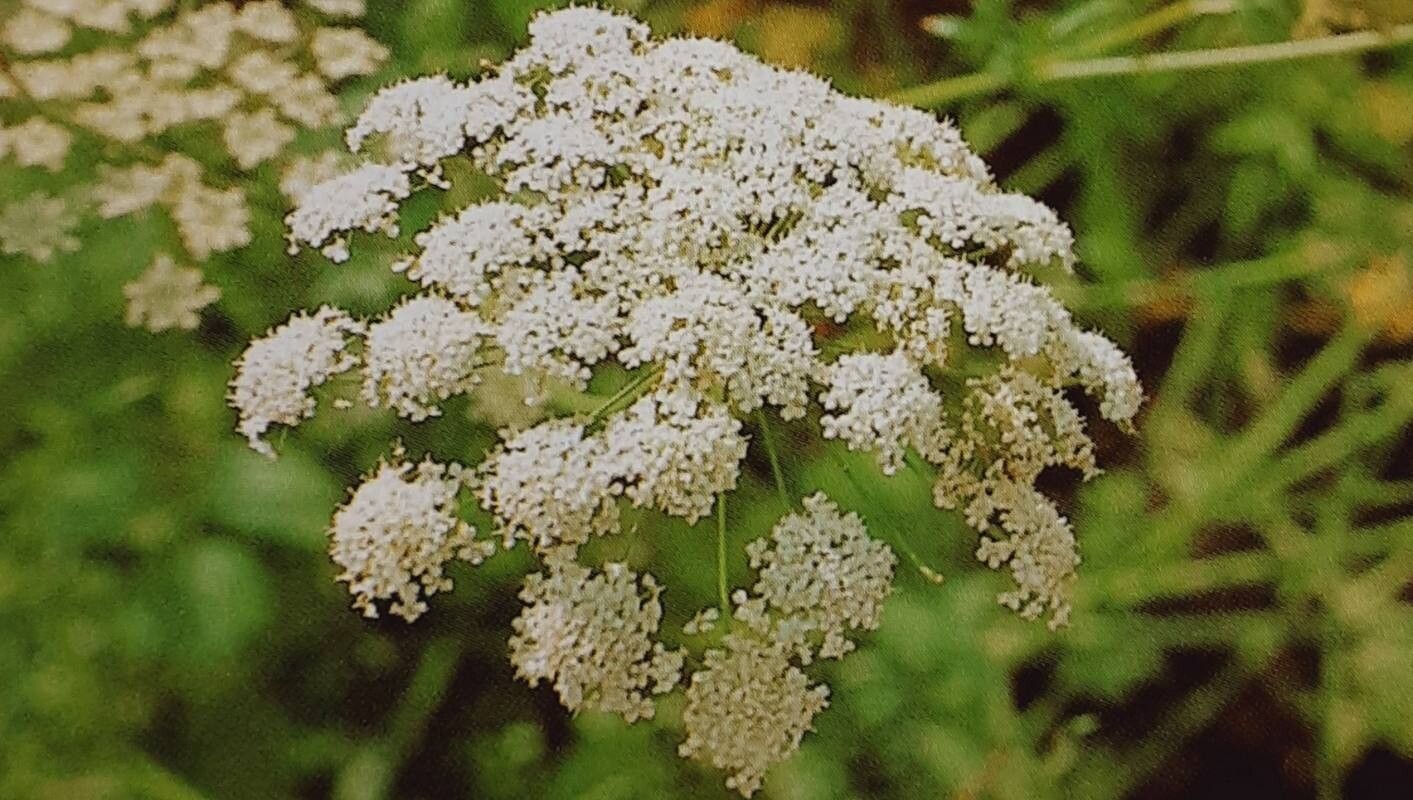
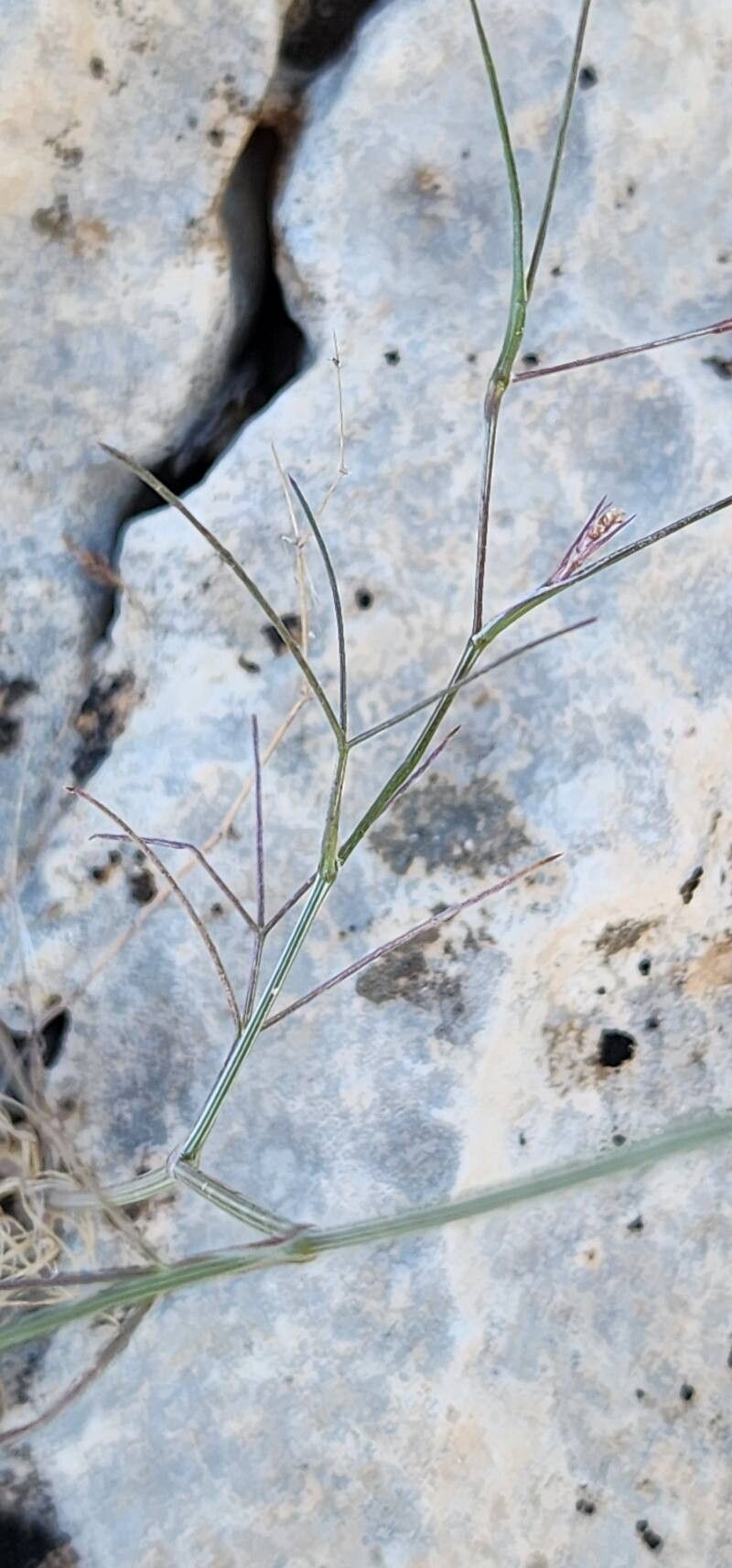
Anise (; Pimpinella anisum), also called aniseed or rarely anix, is a flowering plant in the family Apiaceae native to Eurasia. The flavor and aroma of its seeds have similarities with some other spices and herbs, such as star anise, fennel, licorice, and tarragon. It is widely cultivated and used to flavor food, candy, and alcoholic drinks, especially around the Mediterranean.
Anise burnet saxifrage is fairly resistant to disease and typically does not easily contract illnesses. Still, it can be affected by pests and diseases present in its environment, though such infections are generally mild. Regarding care, the plant demands a moderate level of attention. It should be pruned on a regular basis to preserve an attractive appearance and encourage healthy growth. Applying fertilizer can also support better flowering. This species is well suited for anyone who has outdoor areas like a garden or patio and does not require extensive gardening experience. When cultivated indoors, it may need additional care.
How to keep Pimpinella Anisum.
Light
Anise burnet saxifrage comes from bright, open habitats where it flourishes in full sun. It can tolerate partial sun but prefers direct sunlight for the best growth. This plant, which can be annual or biennial, is known for its sun-loving nature.
Water
Anise burnet saxifrage thrives in well-drained soils with moderate moisture. To maintain optimal health, it requires weekly watering. Although it can withstand some drought, additional watering is necessary during dry periods to support its growth, particularly when cultivated outdoors.
Temperature
Anise burnet saxifrage demonstrates strong temperature adaptability, able to endure higher heat and wider temperature swings. In hot conditions, attention should be paid to irrigation and providing suitable shade to prevent sunburn. Conversely, it is less tolerant of cold; while it can handle some chill, extremely low temperatures can cause frost damage.
Fertilizer
When Anise burnet saxifrage has opened most of its blooms to full size, resume fertilizing. At the peak bloom period, fertilize once every three to four weeks, as the weather allows. Then, when the plant begins to produce fewer new blooms, stop fertilizing; there is no need to fertilize when it can no longer produce additional blooms.
Pruning
Prune anise burnet saxifrage between early and late spring for optimal growth. Start by removing any dead stems to encourage new growth. Thinning the plant will improve air circulation and help maintain its shape. Always use clean tools to prevent the spread of disease. Regular pruning not only boosts the plant's vitality but also enhances its appearance, ensuring a healthy plant overall.
Pot & Repot
When repotting Anise burnet saxifrage, choose a pot that's 1-2 inches (2.5–5.1 cm) larger in diameter and that has good drainage. Use a well-draining potting mix, and consider adding perlite for extra drainage. Repot in spring or early summer, water thoroughly afterward, and place it in a shady spot at first.
Botanical profile.
- Plant Type
- Herb
- Life Cycle
- Annual, Perennial
- Genus
- Pimpinella
- Family
- Apiaceae
- Hardiness Zone
- 4-11
- Mature Height
- 61 cm
- Mature Spread
- 61 cm
- Leaf Color
- Green
- Leaf Type
- Evergreen
- Flower Color
- White
- Flower Size
- 0.20 cm to 0.25 cm
- Bloom Time
- Early summer, Mid summer
- Planting Time
- Spring
- Harvest Time
- Late summer, Early fall
- Native Area
- Croatia, Albania
Other names.
Reader questions.
How should I water my Anise burnet saxifrage plant in the best way?
To water Anise burnet saxifrage, you have several options for watering tools such as a garden hose with a spray nozzle or a watering can. This plant does not have strict requirements for water type, so you can use rainwater, tap water, or filtered water. However, it's important to avoid watering from above to prevent damage to leaves and flowers, as well as potential disease. A drip irrigation system is often the best method for watering this plant since it provides even and direct water to the soil. If you have a container-grown Anise burnet saxifrage, you can use a cup, watering can, or tap to apply water directly to the soil in a similar manner.
Why should I put fertilizer on my Anise burnet saxifrage?
Plants need nutrients to grow, but not all plants require additional fertilizers as they can obtain what they need naturally. Anise burnet saxifrage, like other plants, uses nutrients for growth and internal processes. The primary nutrients for plants (nitrogen, phosphorus, and potassium) contribute to essential functions, with nitrogen being most important for foliage development. However, Anise burnet saxifrage can struggle to obtain enough nitrogen from soil alone, so many gardeners choose to provide nitrogen supplements to ensure its growth.
How much sunlight is required for optimal growth?
Anise burnet saxifrage thrives in environments of full sun, requiring above 6 hours of sunlight for optimal growth. It's essential to observe how sunlight moves through your garden and select areas that offer a perfect balance of light and shade, ensuring the well-being of your plants. Although it can tolerate partial sun, direct sunlight is preferred to promote its sun-loving nature.
What is Anise burnet saxifrage?
Anise burnet saxifrage is also known as Pimpinella anisum in the botanical community. Unfortunately, there is no further specific information provided regarding its characteristics, uses, or any related essential data or symptoms linked to it.
What should I do if I give my Anise burnet saxifrage too much or too little water?
The solution for underwatering Anise burnet saxifrage is straightforward. If you notice your plant is lacking moisture, simply water it more regularly. Overwatering can be a more serious issue, as it can lead to diseases and the decline of your plant. To prevent this, choose a suitable location for your plant with ample sunlight to dry the soil and good drainage to prevent water pooling. If your Anise burnet saxifrage is in a pot and you have overwatered it, consider changing it to a new pot with better drainage. When repotting, ensure the use of loose soil and an efficiently draining pot.
When should I fertilize my Anise burnet saxifrage?
Anise burnet saxifrage generally grows well. To give it a boost during active growth, apply fertilizer about once a month. Fertilize only during the spring and summer months, and not during fall and winter when the plant is less active and requires fewer nutrients. Look for signs of new growth to determine when to start fertilizing. Whether grown outdoors or indoors in a container, the fertilization schedule remains the same. However, if your Anise burnet saxifrage is in a container, you may not need to fertilize for the first one to two months. Container plant soil usually contains enough nutrients. Only start fertilizing after your plant has been in the same soil for a while.
What are the lighting requirements for indoor plants?
Indoor plants require adequate lighting to grow optimally. During periods when natural sunlight is insufficient, especially in winter or less sunny spaces, artificial lights become crucial. LED lights are recommended for indoor plant lighting due to their ability to provide specific wavelengths needed by the plants. Full sun plants need 30-50W/sq ft of artificial light, partial sun plants need 20-30W/sq ft, and full shade plants require 10-20W/sq ft. The light source should be placed 12-36 inches above the plant, imitating natural sunlight conditions, and most plants need 8-12 hours of light per day.
How much should I water my Anise burnet saxifrage?
Anise burnet saxifrage requires regular watering throughout the growing season. In the spring, you should water it once a week. As the weather gets warmer, you may need to increase watering to two or three times a week. It's important not to overwater, as this can harm the plant. Regardless of frequency, the soil should be kept consistently moist but not overly wet. When watering Anise burnet saxifrage in a pot, it's necessary to water more frequently due to the soil heating up and drying out faster. Generally, you'll need to water container-grown plants a few times per week, compared to just once a week for plants in the ground.
When is a bad time to fertilize my Anise burnet saxifrage?
To maintain the health of your Anise burnet saxifrage, avoid fertilizing it when it's not in good condition, such as when it's affected by disease or pests or if it's dehydrated. Only apply fertilizer to healthy plants. When watering, be cautious not to splash fertilizer onto the leaves or stem, as this can cause burn spots. Refrain from direct contact with the plant unless you are using a specialized foliage fertilizer.
What symptoms indicate inadequate light for Anise burnet saxifrage when grown indoors?
Indoor cultivation of Anise burnet saxifrage with insufficient light can lead to symptoms such as smaller new leaves, leggy or sparse growth, faster leaf drop, slower or no new growth, lighter-colored new leaves, chlorosis, sunscald, leaf curling, wilting, and leaf scorching. These symptoms highlight the plant's struggle in inadequate light conditions, showing its need for more sunlight or artificial lighting.
How much water does my Anise burnet saxifrage require?
Determining how much water to give your Anise burnet saxifrage can be done in a few different ways. Some gardeners prefer to feel the soil for moisture and water until the top six inches feel moist. Another method involves using a set measurement, such as two gallons per week, depending on factors like heat and soil dryness. However, it's important to be cautious with strict guidelines to avoid overwatering. When growing in a container, you'll need a different approach. Ensure all layers of soil are moist by testing with your finger or until you see a slight trickle of excess water from the drainage holes.
What kind of fertilizer does my Anise burnet saxifrage need?
Fertilizers play a crucial role in promoting growth in Anise burnet saxifrage. They contain valuable nutrients like nitrogen, potassium, phosphorus, iron, manganese, and zinc. For optimal results, a balanced fertilizer with a 10-10-10 NPK number, or natural alternatives like blood meal or worm castings, can be used. If your main goal is to enhance leaf growth, choosing a fertilizer higher in nitrogen, like fish fertilizer, is recommended. However, if your focus is not on flowers or seeds, it may be unnecessary to provide excessive nutrient supplements for those specific purposes.