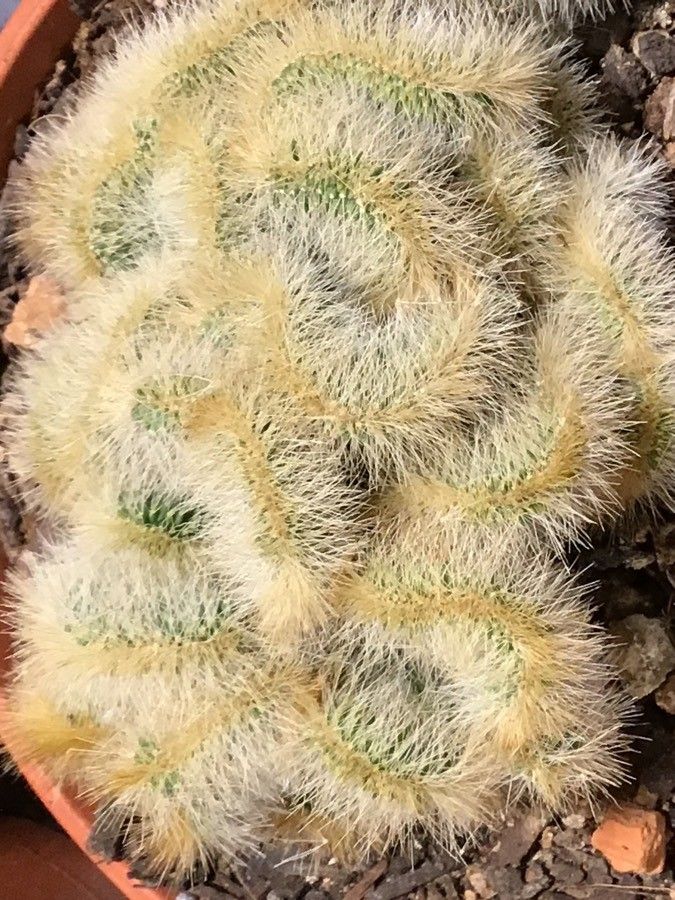
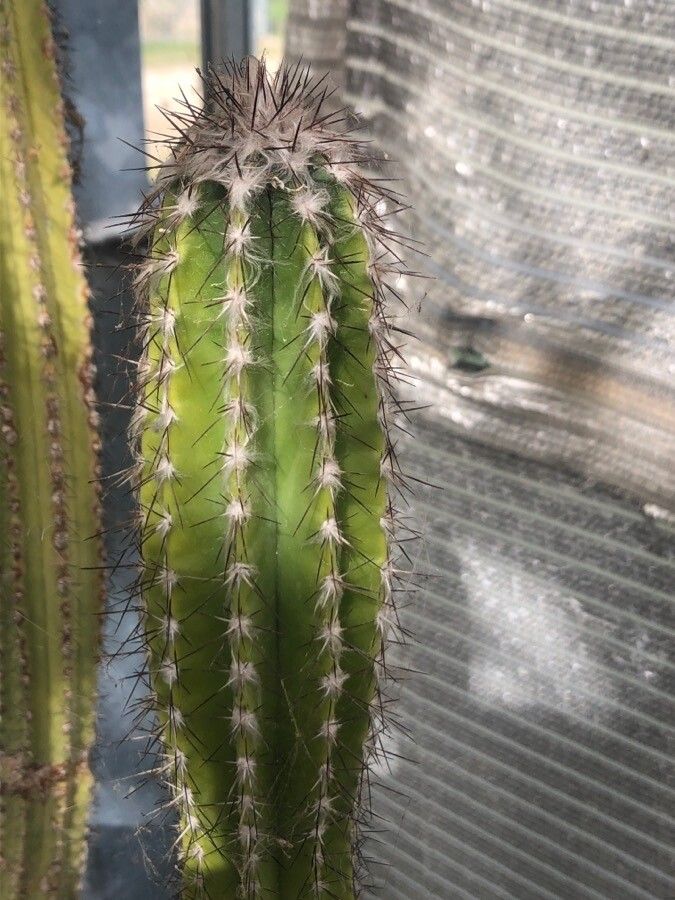
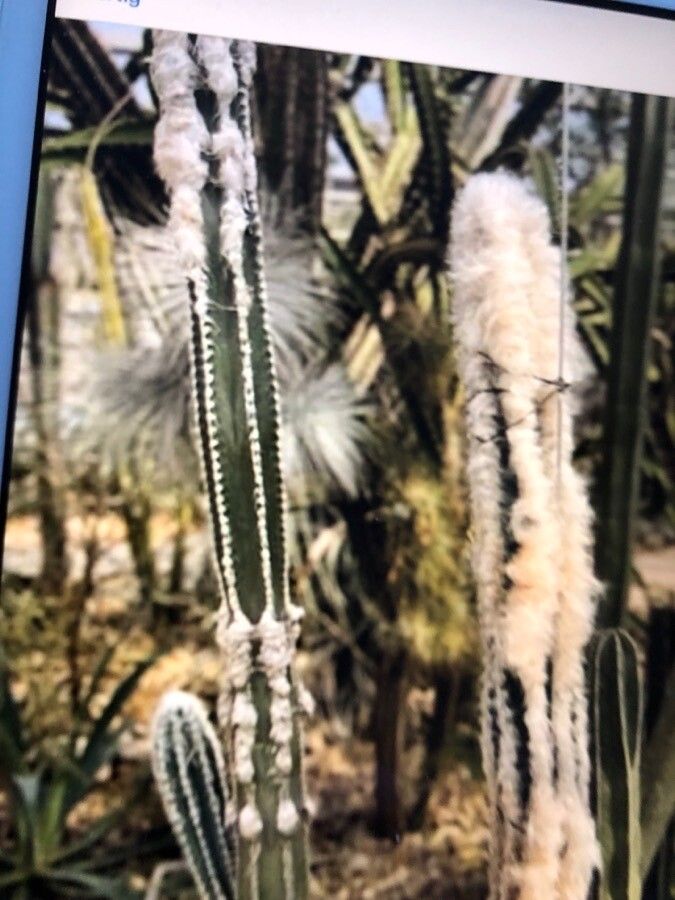
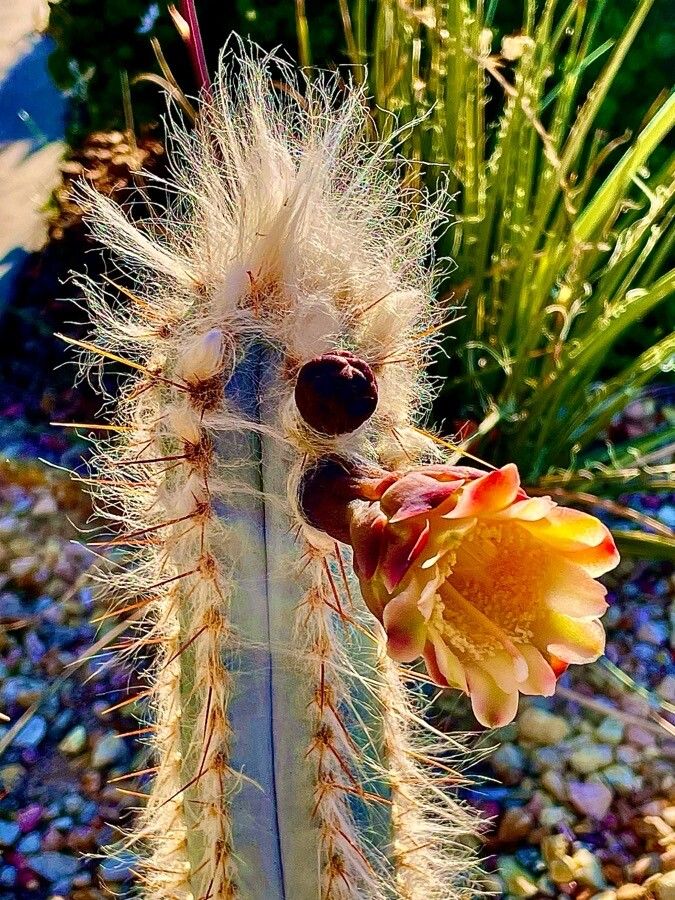
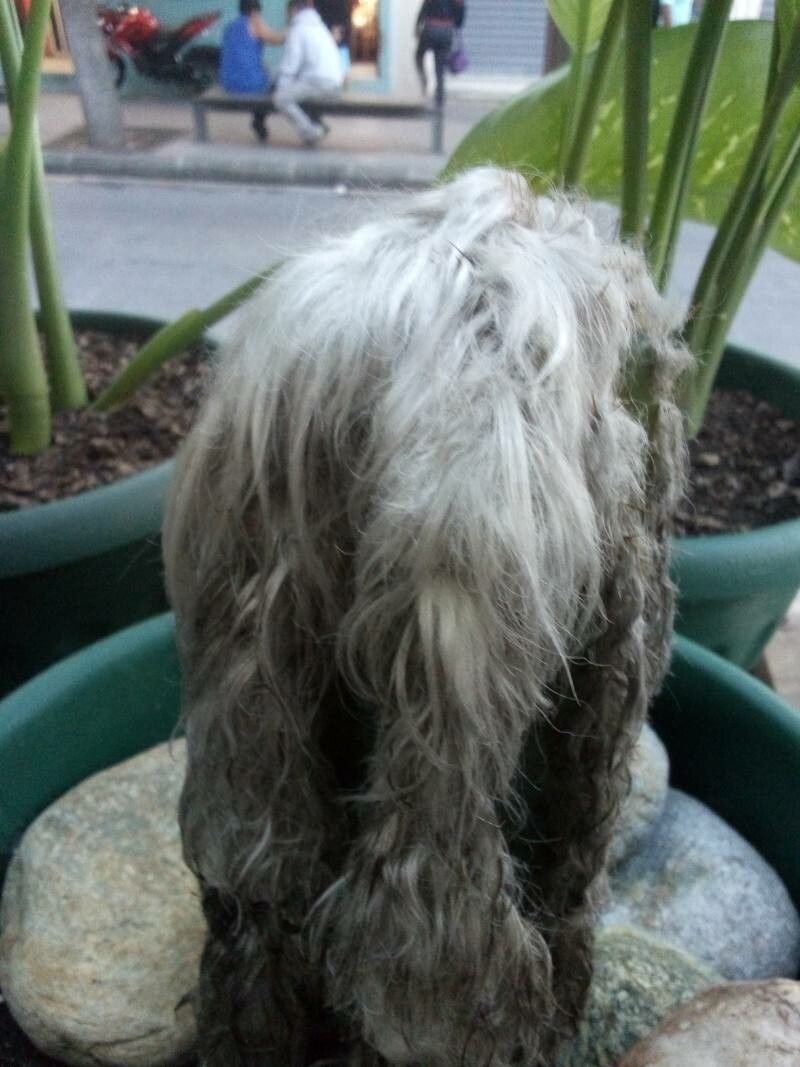
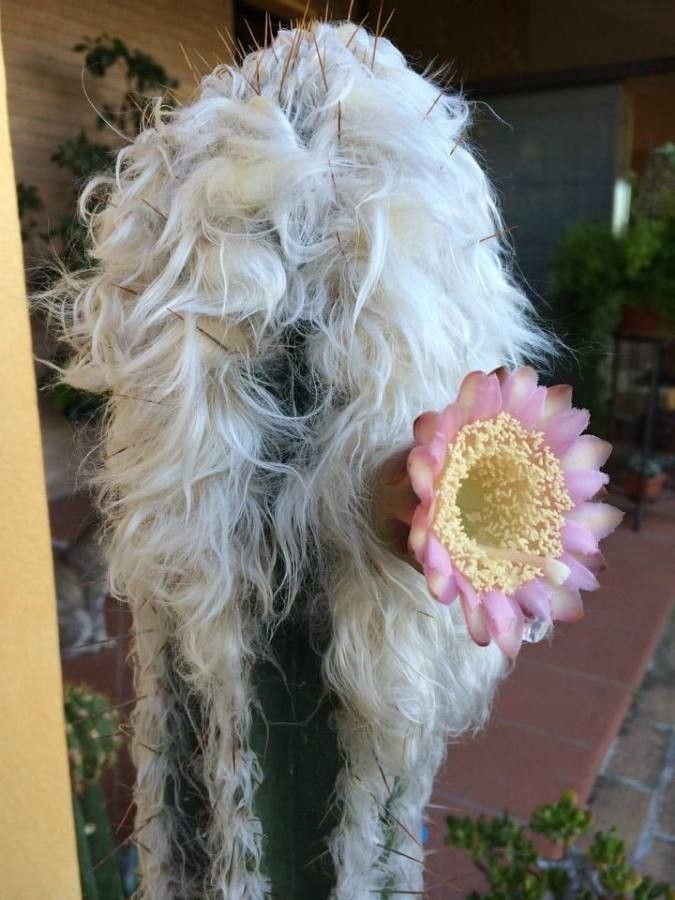
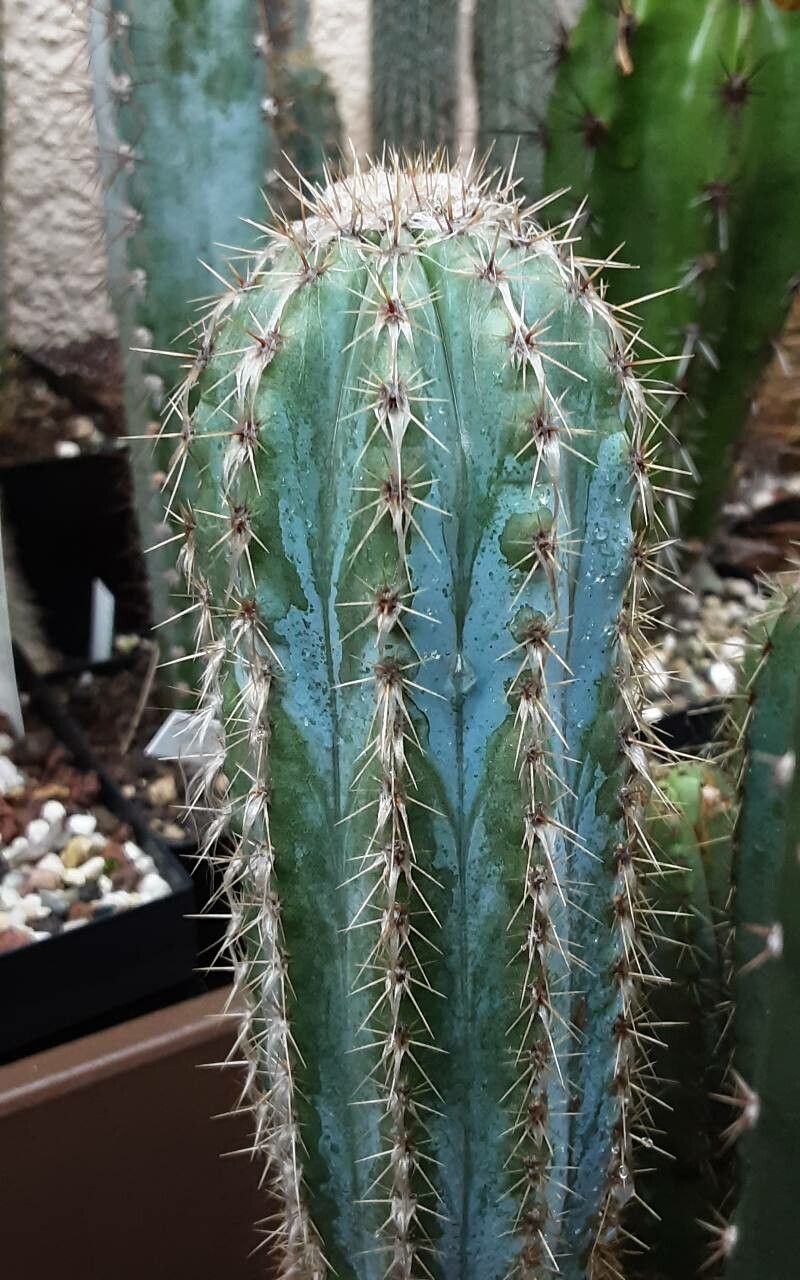
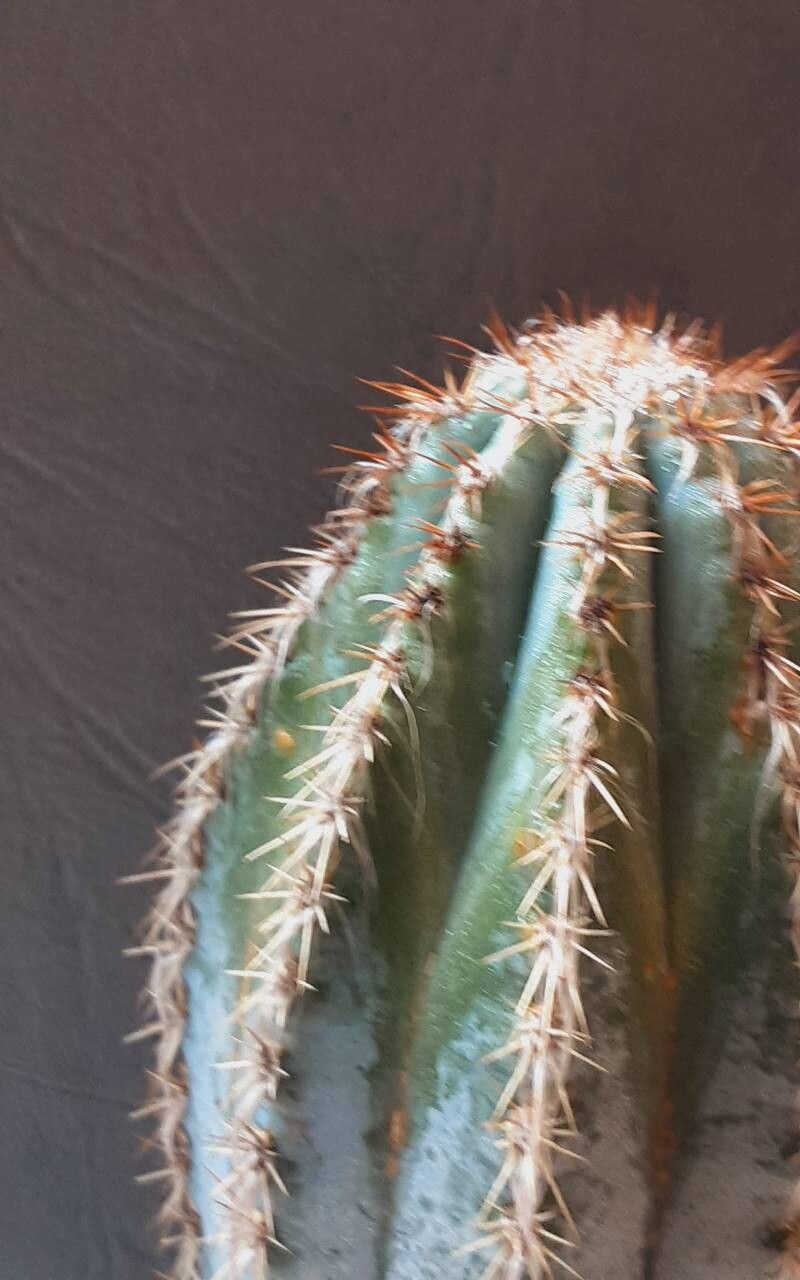
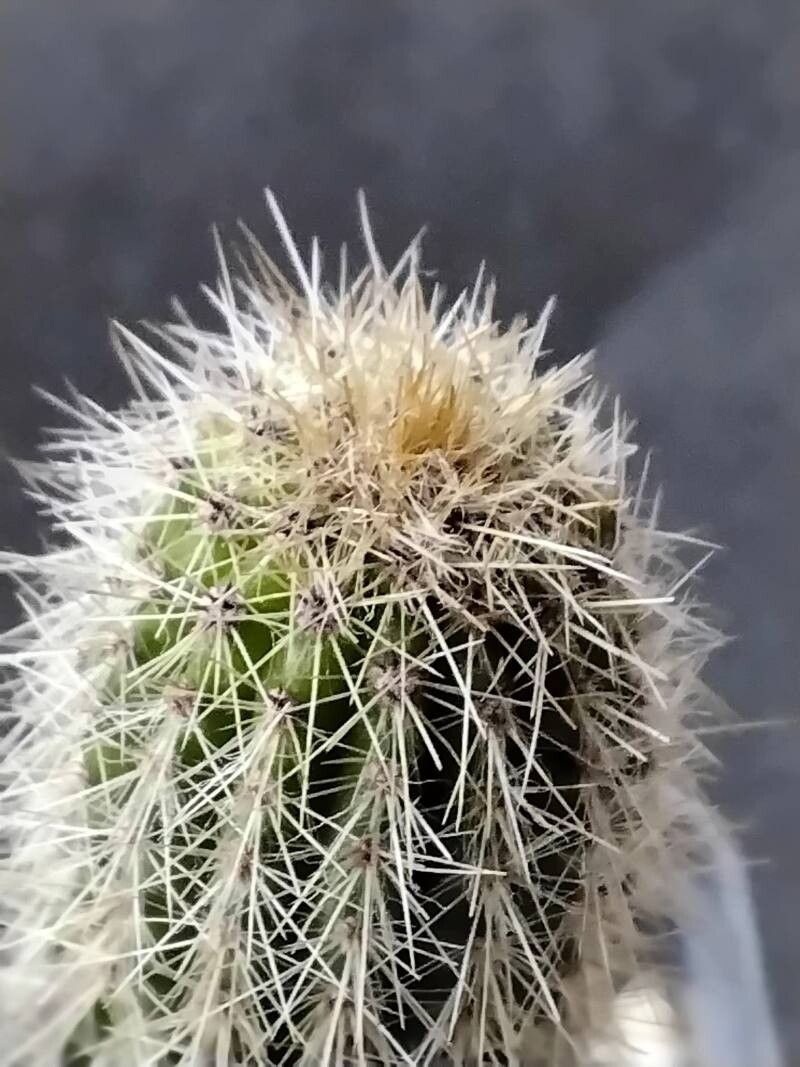
Pilosocereus leucocephalus, called old man cactus (along with a number of similar species), old man of Mexico, tuno, and woolly torch, is a species of cactus in the genus Pilosocereus, native to Mexico and Central America. It has gained the Royal Horticultural Society's Award of Garden Merit. Pilosocereus leucocephalus functions as a keystone species in dry landscapes found in Mesoamerica. The fruit this cactus produces is relied upon as a source of hydration and sugar in arid areas by frugivores such as birds, bats, and even some reptiles.
Old man cactus has good disease resistance and tolerates normal care without becoming ill easily. It can, however, be vulnerable to mealybugs; these pests may cause some harm but are usually not a major problem. Regarding care, Old man cactus is drought-tolerant and does not need frequent watering. It can withstand long stretches without water and requires little fertilizer. That said, it is highly prone to root rot if kept in poor lighting and is overwatered. Overall, Old man cactus is well suited to people who prefer to spend less time on plant care, but it remains important to know and provide its basic needs. It is especially appropriate for those who are away for long periods and might forget to water their plants regularly.
How to keep Pilosocereus Leucocephalus.
Light
The old man cactus performs best in bright, intense sunlight, reflecting the mostly unshaded conditions of its natural environment. Too little light can restrict its growth and diminish its vitality. Though uncommon, excessive sun exposure can be harmful. Its sunlight needs remain largely the same throughout different growth stages.
Water
The Old Man Cactus is highly drought-tolerant and well-suited to arid climates. It only needs to be watered once every four weeks, and it thrives in well-draining sandy soil, which helps prevent root rot. This plant does particularly well outdoors in warm regions because it has minimal moisture requirements.
Temperature
Old man cactus comes from habitats where temperatures run from 68 to 100 °F (20 to 38 ℃). It prefers warmer conditions, so those temperatures are ideal. Depending on the location, seasonal adjustments might be needed.
Fertilizer
For Old man cactus, small amounts of fertilizer once or twice a year during the growing season are sufficient. Avoid feeding in winter and during summer dormancy. Cut back on fertilizer for plants that have been repotted, and wait a couple of months after repotting before applying fertilizer. Fertilizing helps maintain healthy growth and encourages blooms.
Pruning
The Old Man Cactus doesn't need much pruning. It's a good idea to remove any withered flowers and branches to help the plant use nutrients more effectively for healthy growth.
Pot & Repot
To keep your Old Man Cactus healthy, repot it every 2 to 3 years during the spring to early summer. Choose a deep pot that is one size larger than the current one, and use a well-draining cactus mix for the soil. After repotting, water the cactus sparingly and place it in a location with bright light. This will help the plant recover and prevent root rot.
Botanical profile.
- Plant Type
- Succulent
- Life Cycle
- Perennial
- Genus
- Pilosocereus
- Family
- Cactaceae
- Hardiness Zone
- 9-11
- Mature Height
- 2.13 m to 6.1 m
- Mature Spread
- 91 cm
- Leaf Color
- Dark Green, Gray
- Leaf Type
- Evergreen
- Flower Color
- Pink
- Flower Size
- 7.62 cm
- Bloom Time
- Summer, Early fall
- Planting Time
- Spring, Summer, Autumn, Winter
- Harvest Time
- Late summer, Fall
- Native Area
- Honduras, Mexico, Guatemala
Other names.
Reader questions.
What are the sunlight requirements for an old man cactus?
The old man cactus requires above 6 hours of sunlight daily to thrive, mirroring its natural desert habitat where there is little shade. Observing how sunlight moves through your garden will help you find the ideal balance of light and shade, ensuring the plant's health. Too little light exposure can impede its growth and vibrancy, while extreme exposure can cause damage, although it's rare. Its sun requirements don't significantly change across different growth stages. Additionally, when natural sunlight is insufficient, especially in less sunny spaces or during winter, artificial lights can provide a vital solution. LED lights are recommended for indoor plant lighting, needing 30-50W/sq ft for full sun plants. The light source should be placed 12-36 inches above the plant for 8-12 hours per day to mimic natural sunlight.
What are the ideal temperature conditions for the Old man cactus?
The Old man cactus, known botanically as Pilosocereus leucocephalus, thrives in environments where the temperature ranges from 68°F to 100°F (20°C to 38°C). These conditions are indicative of its preference for warmer climates. Seasonal adjustments in care may be necessary depending on your locality to accommodate its growth patterns. During winter, as it enters a dormant state, it's imperative to move it indoors if outdoor temperatures drop below 32°F (0°C) to prevent the plant from stopping its growth. For optimal growth, positioning the Old man cactus near a south-facing window ensures it receives ample sunlight, and supplemental lighting can be used if natural light is insufficient. When temperatures fall below 68°F (20°C), its growth slows, necessitating a reduction or complete stop in watering to avoid root rot. This care approach helps maintain its health and vigor in varying temperatures.
What symptoms indicate insufficient sunlight for an old man cactus?
When an old man cactus is placed in an area with insufficient lighting, it may exhibit several symptoms signaling light deficiency. These include smaller new leaves, leggy or sparse growth, premature leaf drop, slowed or halted growth, and lighter-colored or yellowing leaves (chlorosis). Extreme sunlight exposure can lead to sunscald, characterized by pale, bleached areas on the plant, leaf curling as a defense mechanism against water loss, wilting due to excessive water loss, and leaf scorching marked by brown, dry edges on the leaves.
How do you care for Old man cactus in low temperatures?
Old man cactus requires special care during low temperatures as it is not tolerant of cold conditions and thrives best when temperatures are above 68°F (20°C). During winter, or when temperatures are forecasted to drop below 32°F (0°C), the cactus should be kept indoors to protect it from freezing conditions. In scenarios where temperatures fall below -5°C, the cactus may exhibit signs of weakness, wilting, and become prone to root rot. In the event of mild frost damage, symptoms may not appear immediately but will manifest over a week as gradual withering. To address this, frostbitten areas and any rotten roots should be trimmed away. If necessary, the plant can be propagated through cuttings. It's crucial to move the cactus to a warm indoor environment promptly and place it near a south-facing window to ensure it gets enough sunlight. Supplemental lighting is recommended if natural sunlight is inadequate during this recovery period.
How can I address light deficiency in an old man cactus?
To address light deficiency in an old man cactus, gradually move the plant to a sunnier location each week until it receives at least 6 hours of direct sunlight daily. A south-facing window with curtains open during the day is ideal for maximum sunlight exposure. If the plant is large or hard to move, consider providing additional light with a desk or ceiling lamp on for at least 8 hours daily or invest in professional plant grow lights. For outdoor plants, ensure a gradual transition to sunnier spots to prevent sunburn. Note that while parts of the plant affected by insufficient sunlight may not recover, new growth should be healthy with proper light exposure. Also, consider reducing obstructions to sunlight, such as pruning trees, or transplanting smaller plants to sunnier locations with good drainage.
What should you do if the Old man cactus experiences high temperatures?
During the summer, when temperatures tend to escalate, it's vital to ensure that the Old man cactus is not exposed to temperatures above 100°F (38°C). Exposure to temperatures exceeding 109°F (43°C) can halt the plant's growth, leading to water loss, wilting, and an increased risk of sunburn. If the cactus suffers from sunburn or root rot due to excessive heat, the damaged parts should be promptly removed. To aid in recovery, it's advised to shield the cactus from direct afternoon sunlight until it shows signs of recovery and resumes growth. Should root rot be an issue, watering should cease until new roots develop, facilitating the plant's recovery from heat stress.