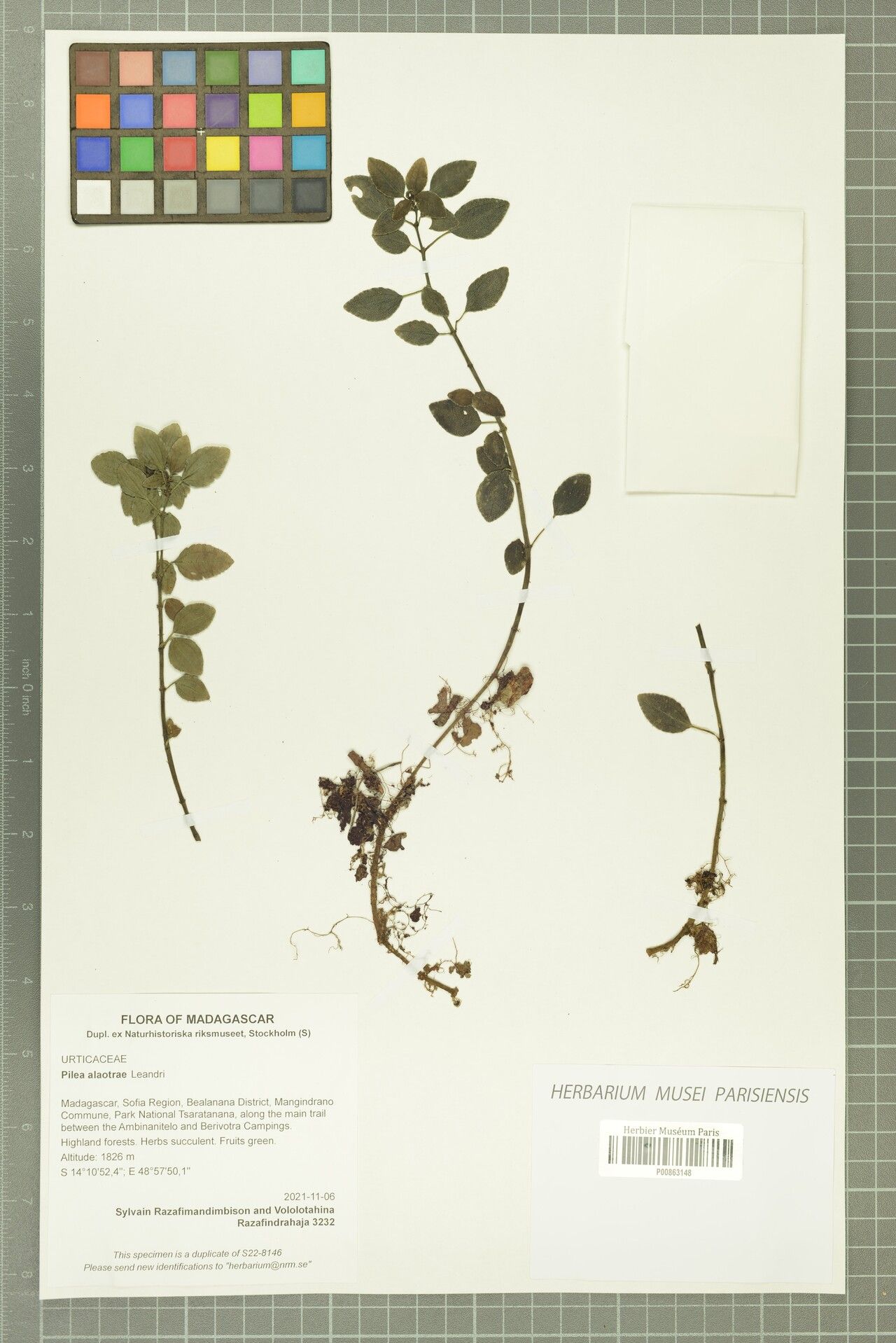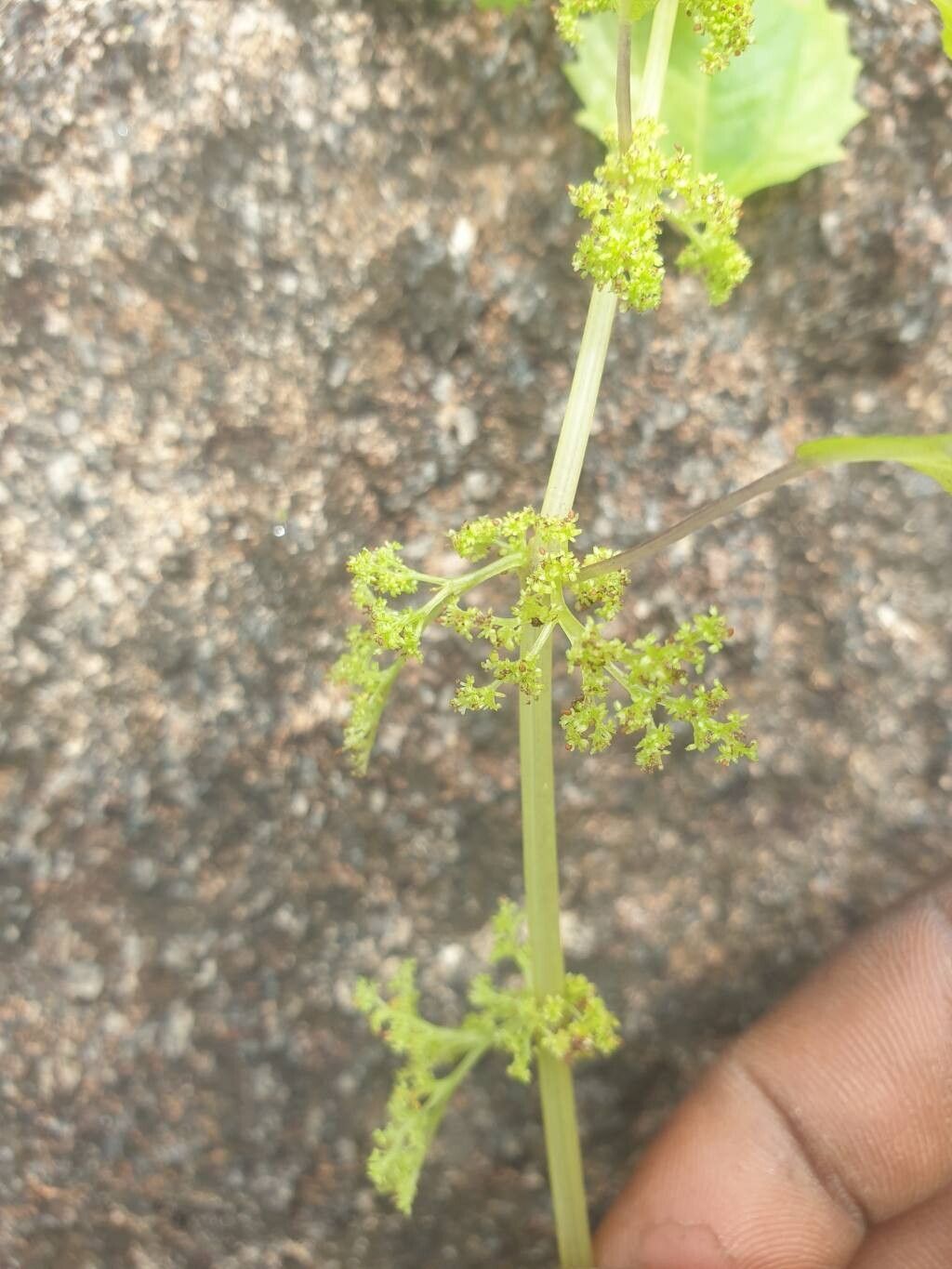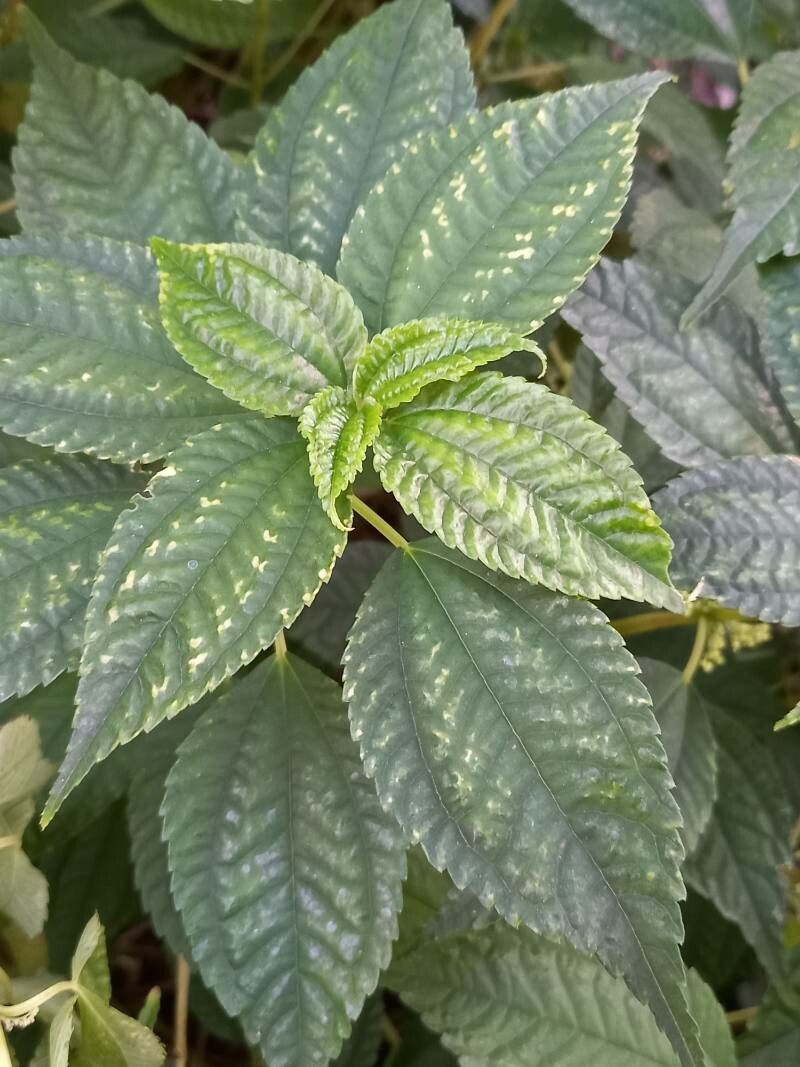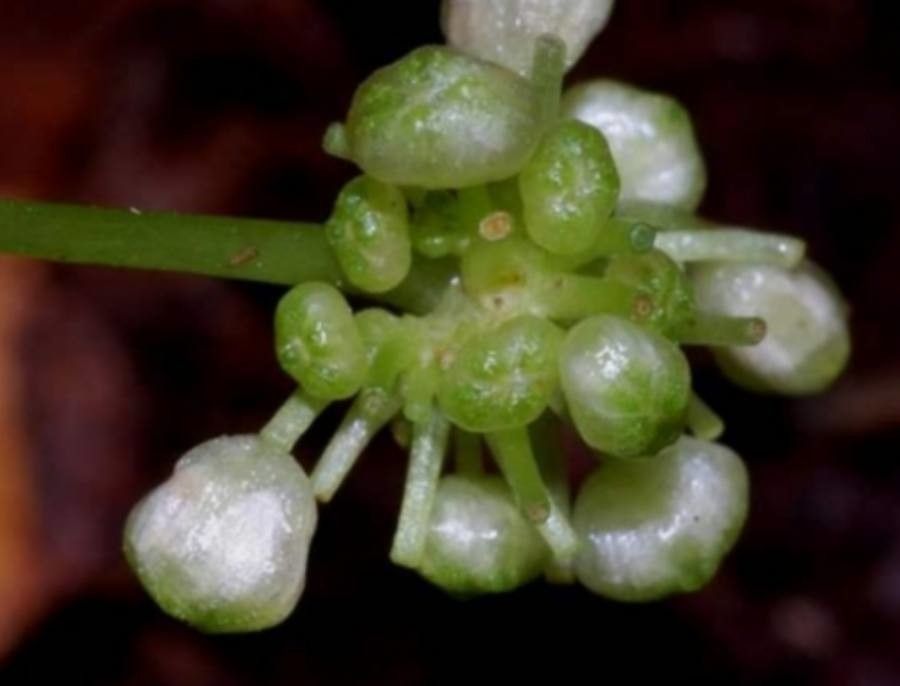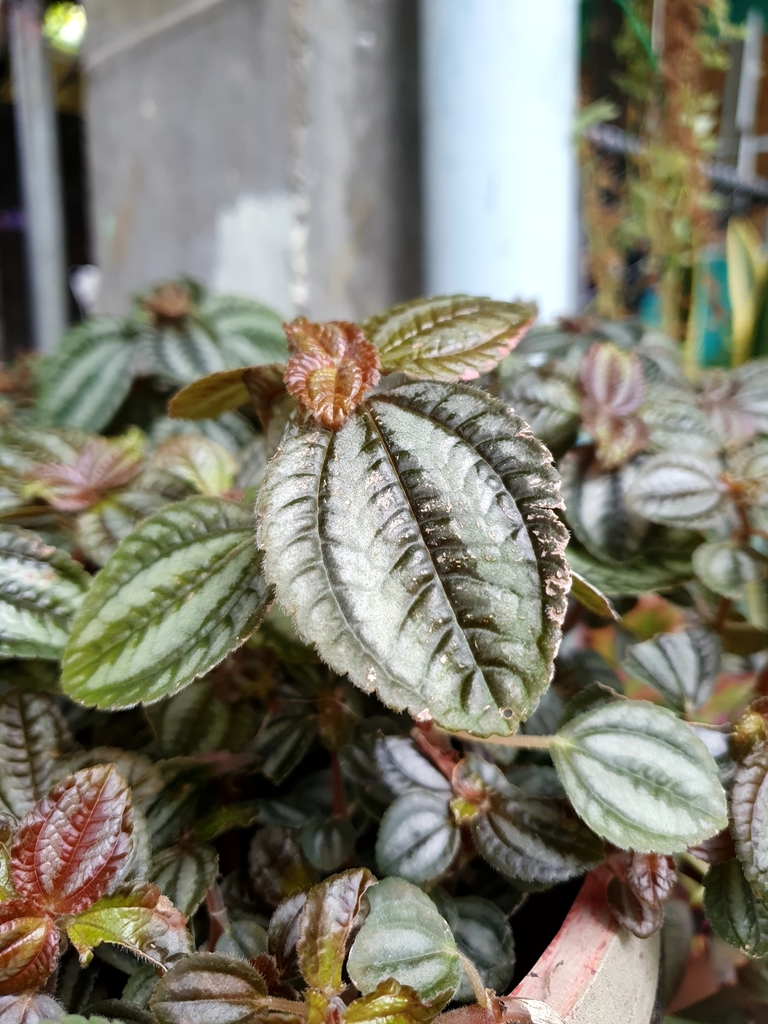
Pilea spruceana (silver tree) is a species of evergreen plant in the family Urticaceae, which grows up to 1 foot in height, with a spread of up to 1.5 feet.
Silver Tree is fairly resistant to disease and typically not prone to illness. However, it can be vulnerable to leaf spots if light and ventilation are inadequate and watering is excessive. Its care level is regarded as easy, since it mainly needs routine watering and little additional attention. Silver Tree is well suited to people who lack the time and energy for regular plant care.
How to keep Pilea Spruceana.
Light
The Silver Tree occurs naturally in habitats like forest understories and rocky sites, where it grows in natural shade. It prefers partial sun but can tolerate full sun or full shade, illustrating its versatile and hardy character.
Water
The Silver Tree thrives in consistently humid conditions, needing weekly watering and benefiting from regular misting. Native to moist forest floors, it exhibits moderate drought tolerance but flourishes best indoors. This environment enhances its vibrant evergreen foliage and supports its growth cycles.
Humidity
This plant will thrive in moderate humidity, which is probably the level in your home. However, misting it a few times a week can be very beneficial. Make sure the room has good ventilation.
Temperature
Silver Tree comes from tropical regions where the climate is generally warm and humid. Consequently, it is adapted to high heat and humidity. It is sensitive to sudden temperature shifts and favors a steady temperature, so avoiding indoor temperature fluctuations is important. It typically cannot tolerate cold and needs warmer conditions to grow. If the surrounding temperature falls too low, the plant may stop growing or even die.
Fertilizer
The Silver Tree needs the most fertilizer during its active growth phase, which occurs mainly in spring, summer, and early fall. Fertilizing is required to supply essential nutrients the soil may lack, promoting healthy root and stem development as well as attractive foliage, a key feature of this particular plant.
Pruning
This plant does not need pruning or trimming for good development. If you choose to cultivate this plant in a certain manner or form, you may cut its leaves yourself. The beginning of the growth season is the optimal period for pruning.
Pot & Repot
When repotting Silver Tree, pick a pot 1-2 inches (2.5–5.1 cm) larger that has good drainage. Use a well-draining potting mix. Repot in spring or fall, making sure the root ball sits slightly lower than the rim of the flower pot. Water thoroughly after repotting and place it in a warm location with indirect sunlight.
Toxicity
This gorgeous tropical vine has the bonus of being non-toxic to cats, dogs, horses, and people. It may be grown indoors without the risk of an allergic or harmful reaction.
Further reading →
The toxicity and danger assessments provided are for reference only. We do not assure their accuracy, so it's crucial not to depend on them. Seek professional advice when necessary for accurate guidance.
Botanical profile.
- Plant Type
- Herb
- Life Cycle
- Perennial
- Genus
- Pilea
- Family
- Urticaceae
- Hardiness Zone
- 11
- Mature Height
- 25 cm
- Mature Spread
- 25 cm
- Leaf Color
- Green
- Leaf Type
- Evergreen
- Flower Color
- Green, White
- Flower Size
- 0.20 cm to 0.25 cm
- Bloom Time
- All year round
- Planting Time
- Spring
- Harvest Time
- All year round
- Native Area
- Ecuador, Venezuela, Peru