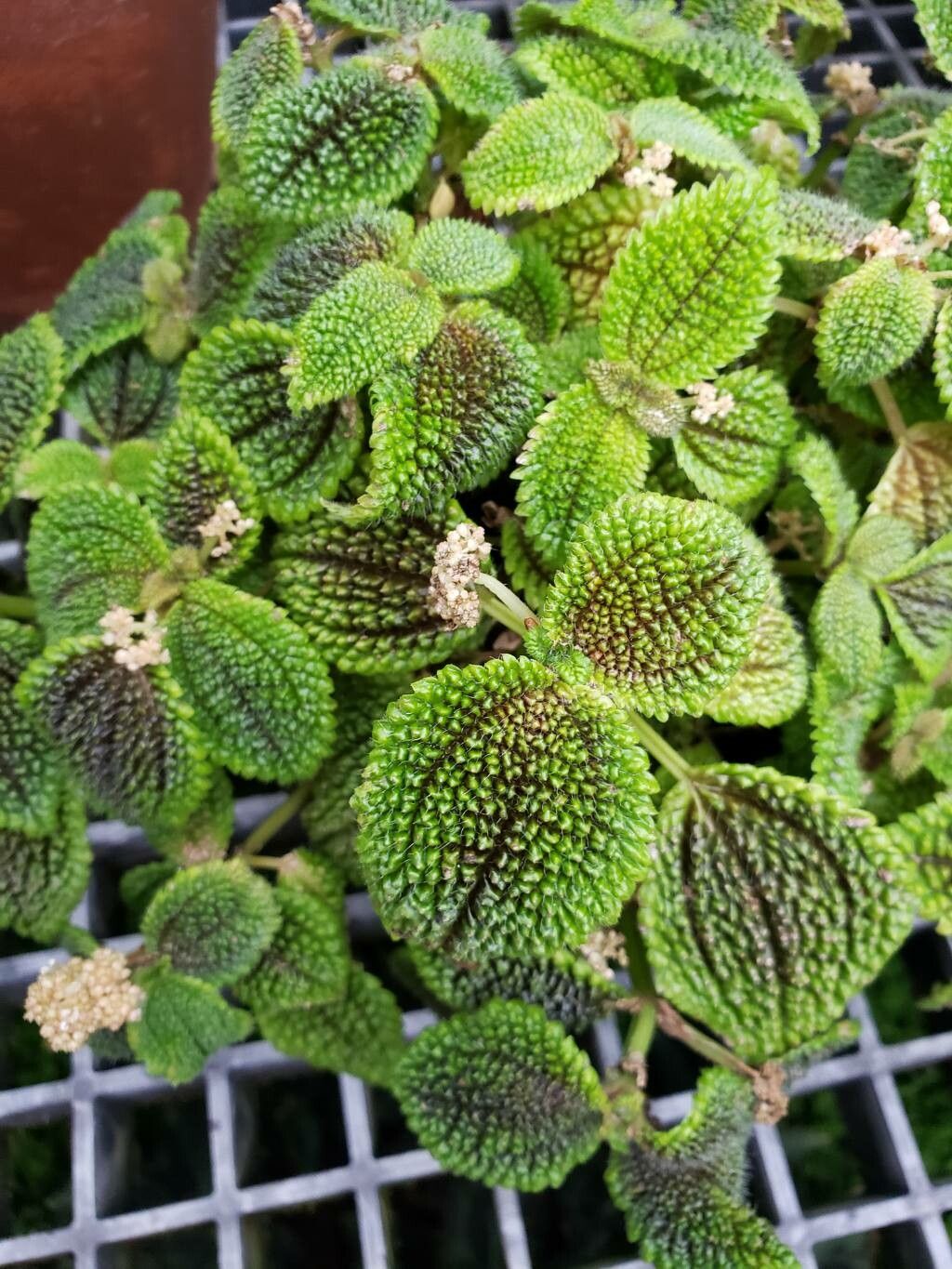
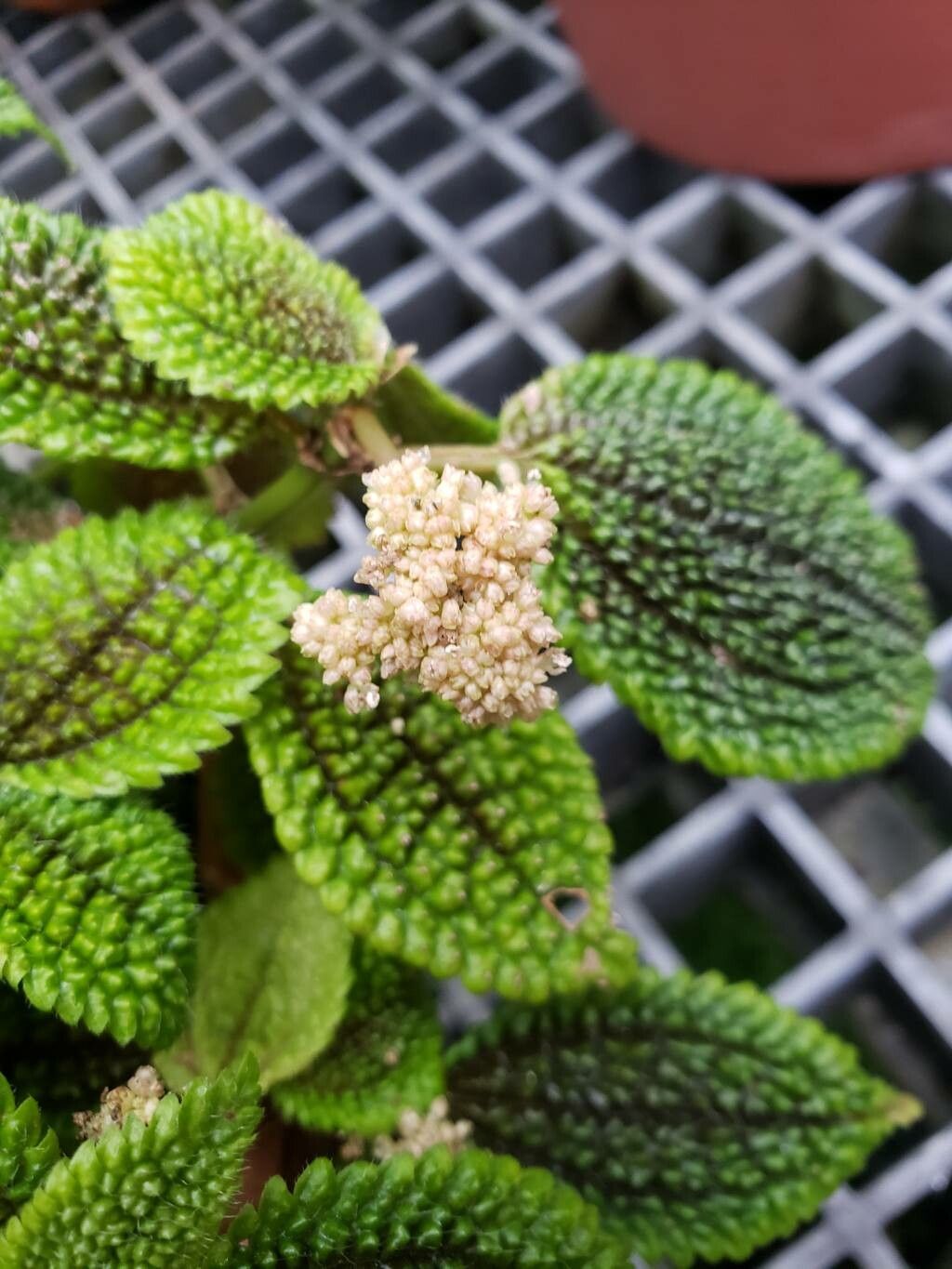
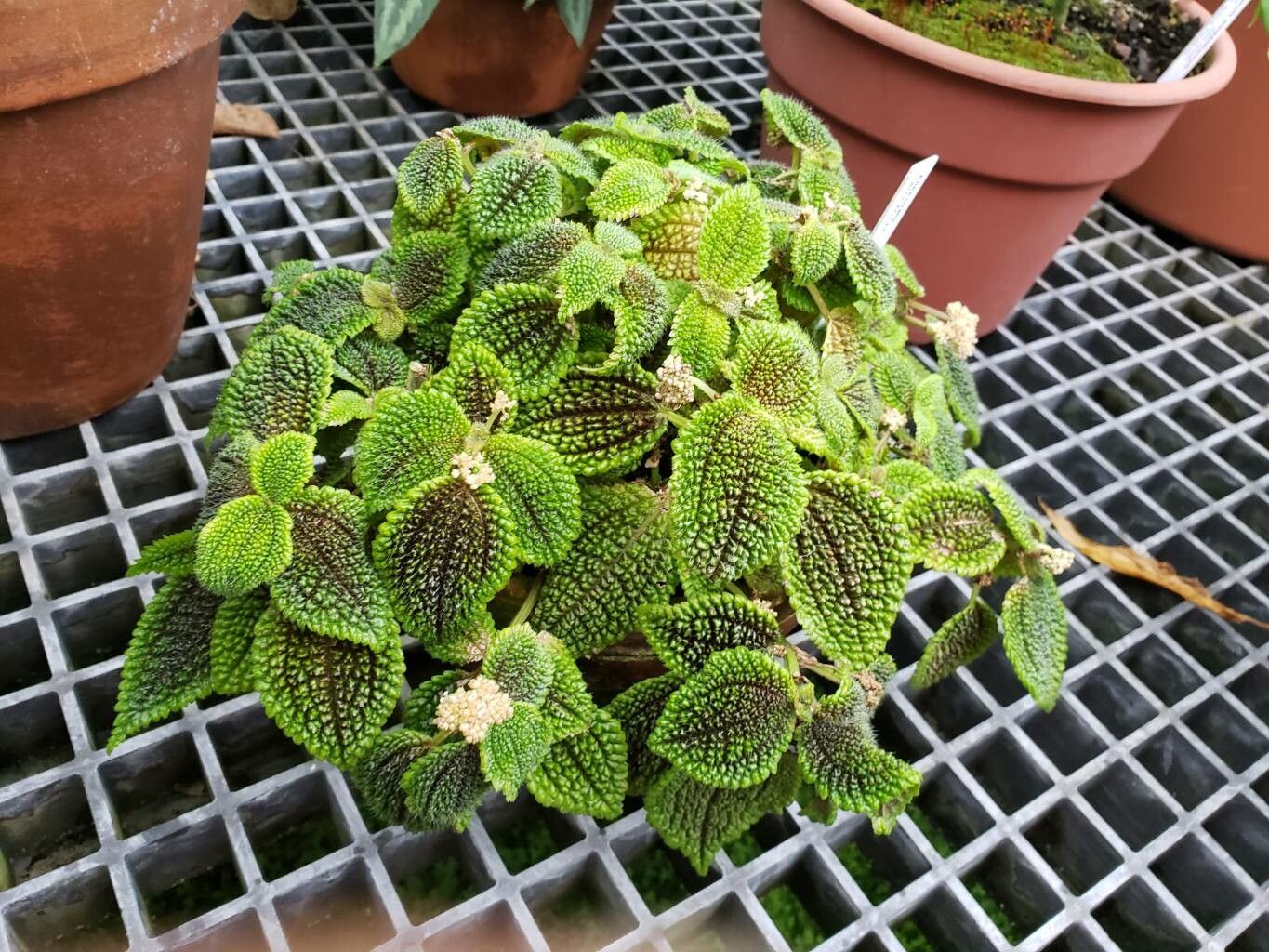
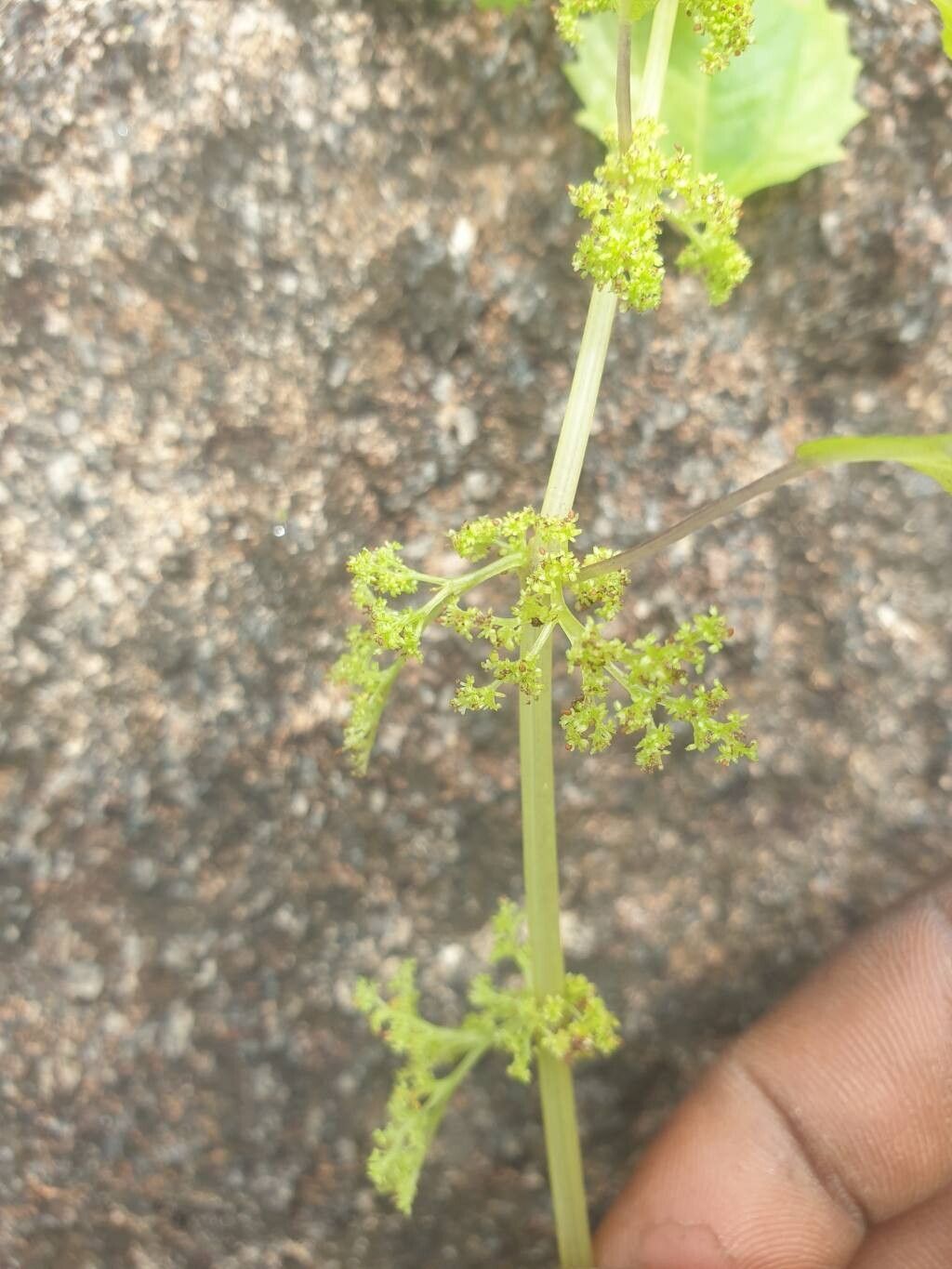
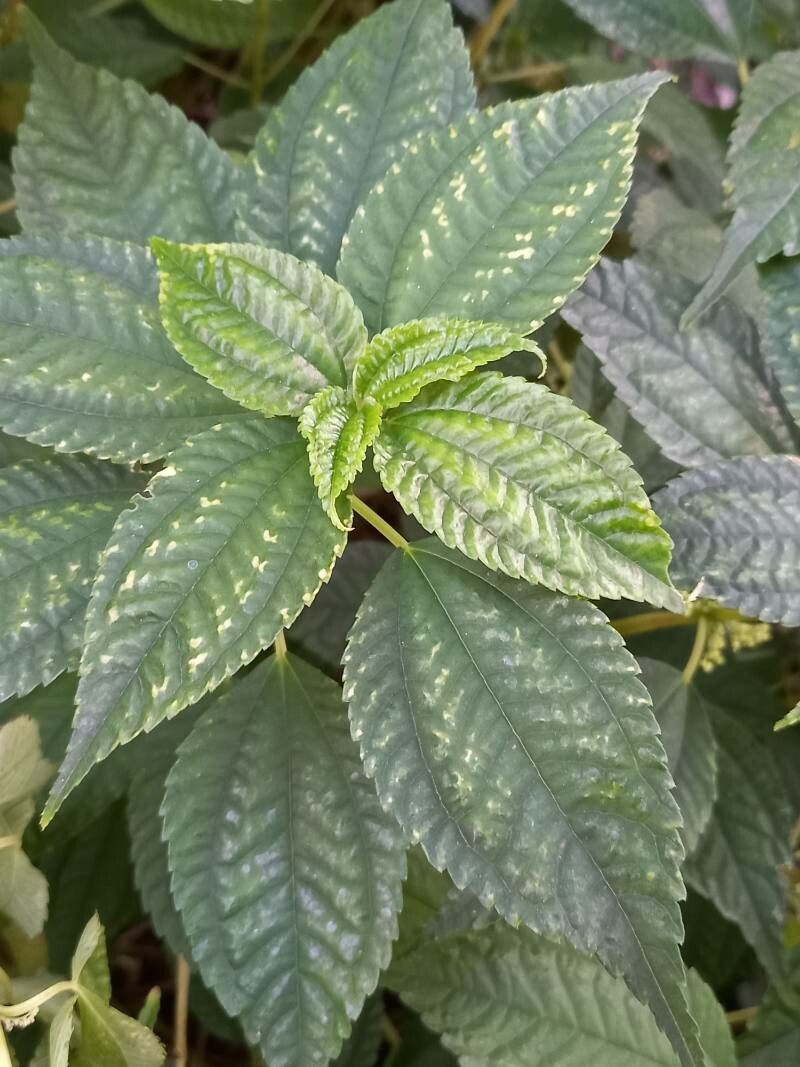
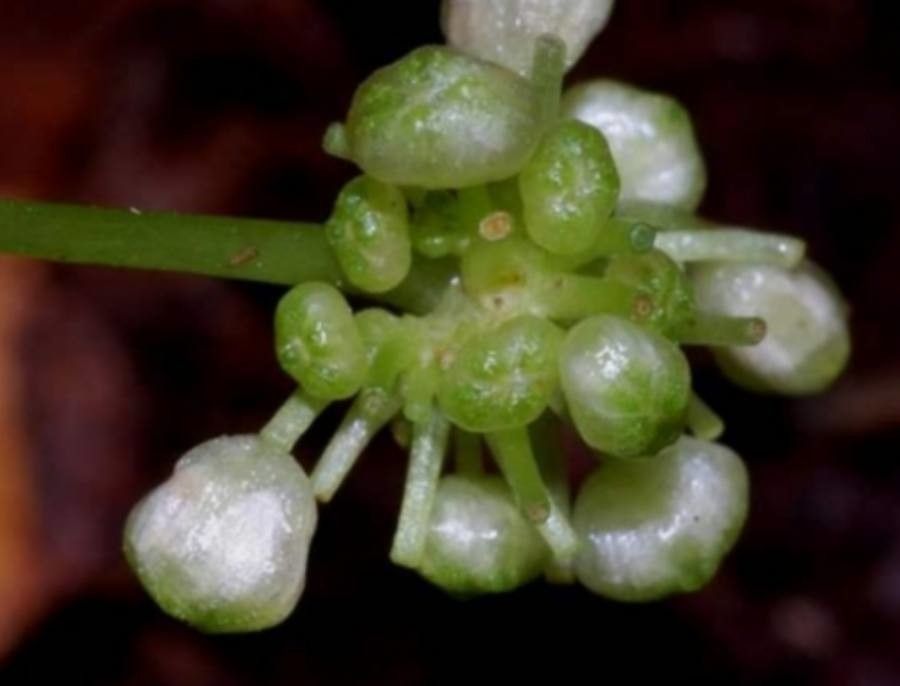
The Friendship Plant is generally resistant to disease and is typically not prone to illnesses. However, it can develop leaf spots if light and airflow are inadequate and if it is overwatered. Its care requirements are considered easy, since it mainly needs regular watering and little else. This plant is well suited to people who lack the time and energy to provide frequent care.
How to keep Pilea Ovalis.
Light
The Friendship Plant originates from habitats like forest understories or rocky terrain, where it is accustomed to natural shade. It favors partial sun but can also tolerate full sun or full shade, which shows how versatile and hardy it is.
Water
The Friendship Plant flourishes best in environments with high humidity and consistent moisture. To keep its lush foliage healthy, it needs watering every week. Regular misting also helps to mimic its natural habitat. During the growing season, providing enough water is essential to support its delicate leaves.
Temperature
Friendship Plant comes from tropical regions where the climate is usually warm and humid. Consequently, it is well adapted to high temperatures and humidity. It is sensitive to sudden temperature changes and prefers a stable temperature, so avoiding indoor temperature fluctuations is important. It typically does not tolerate cold and needs higher temperatures to grow. If the ambient temperature falls too low, the plant may stop growing or even die.
Fertilizer
Appropriate feeding is essential for the Friendship Plant's health and appearance. Feed the Friendship Plant in summer, applying fertilizer once a month throughout the season. Nutrients provide the energy for growth and support the plant's structures. Fertilizing improves the Friendship Plant's floral display, guaranteeing the best blooms.
Pot & Repot
When repotting a Friendship Plant, choose a pot 1-2 inches (2.5–5.1 cm) larger with ample drainage. Use a well-draining potting mix. Repot in spring or fall, ensuring that the root ball is slightly lower than the rim of the flower pot. Water thoroughly after repotting and place in a warm spot with indirect sunlight.
Botanical profile.
- Plant Type
- Herb
- Life Cycle
- Perennial
- Genus
- Pilea
- Family
- Urticaceae
- Hardiness Zone
- 10-12
- Mature Height
- 15 cm to 30 cm
- Mature Spread
- 8 cm to 30 cm
- Leaf Color
- Dark Green, Forest Green
- Leaf Type
- Semi-evergreen
- Flower Size
- 2.54 cm
- Bloom Time
- Mid spring, Late spring, Summer, Early fall, Mid fall
- Planting Time
- Spring, Summer, Autumn
- Harvest Time
- Summer, Fall, Early winter
- Native Area
- Colombia, Venezuela, El Salvador, Ecuador, Costa Rica, Panama
Other names.