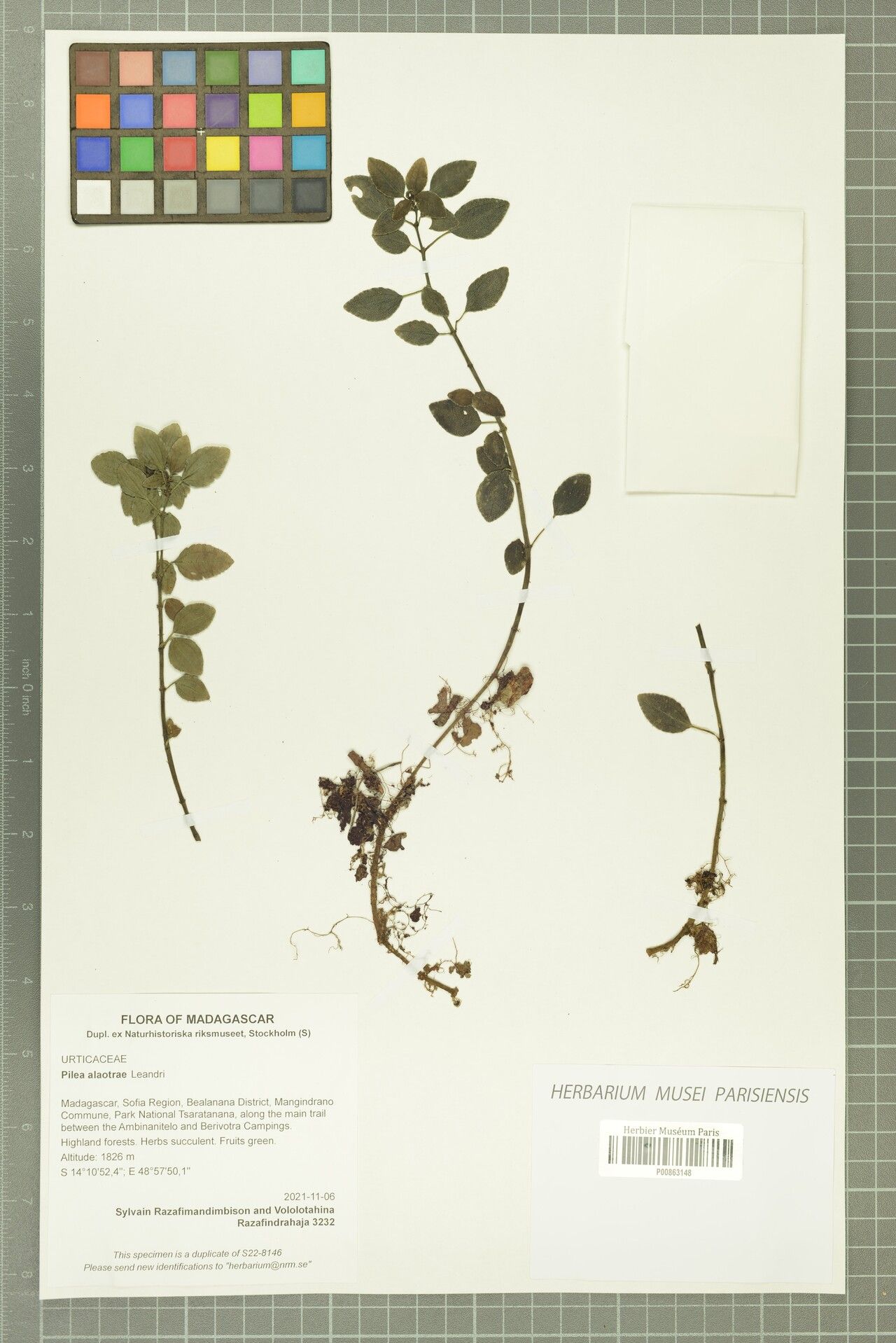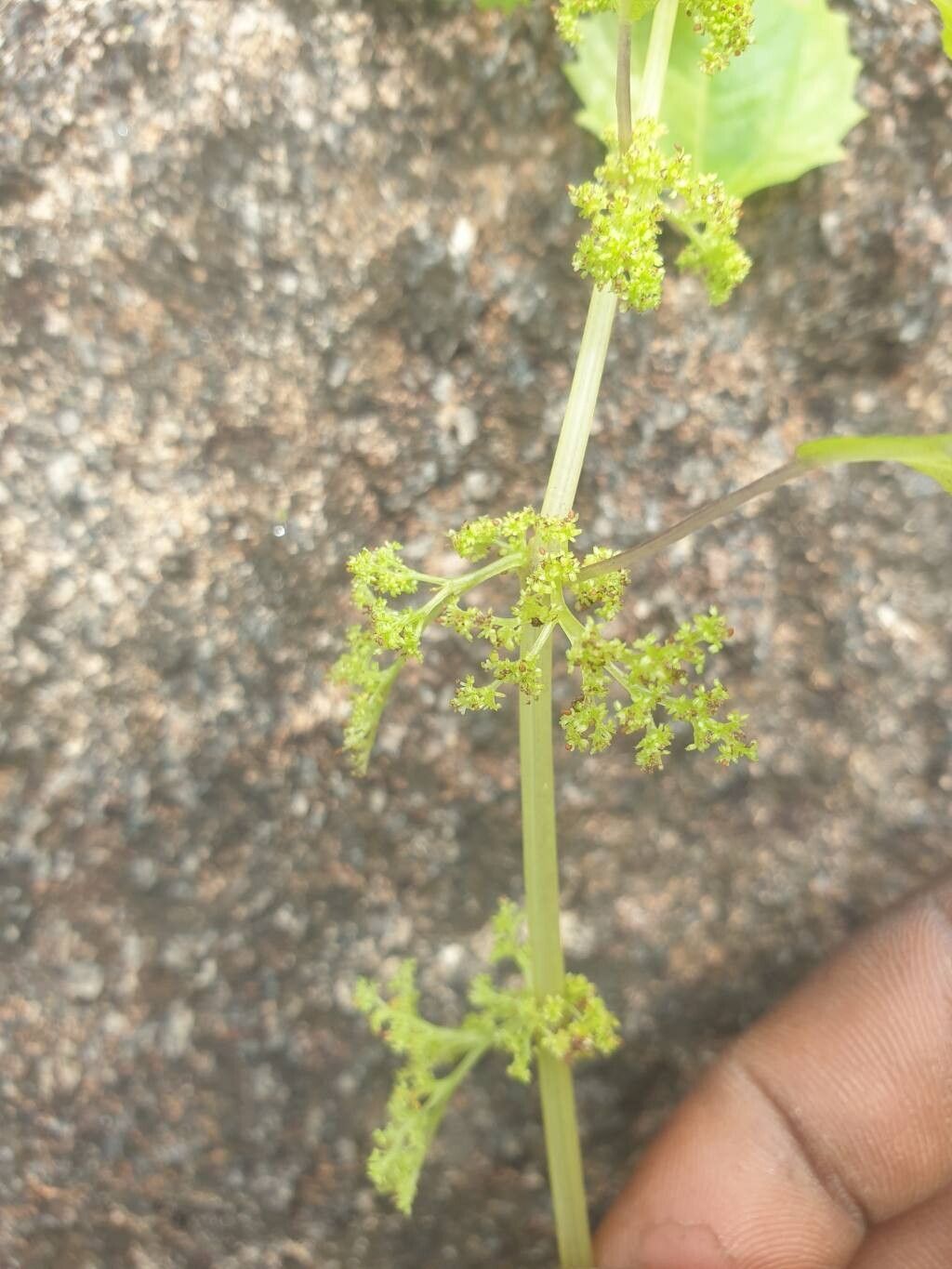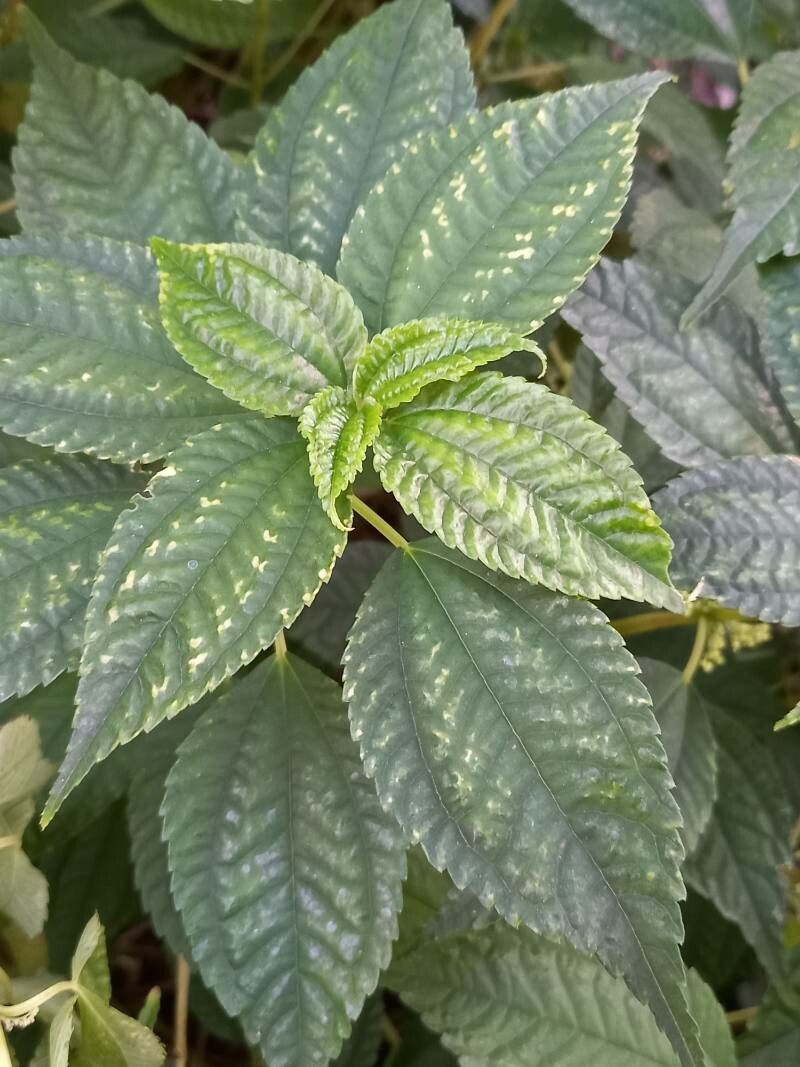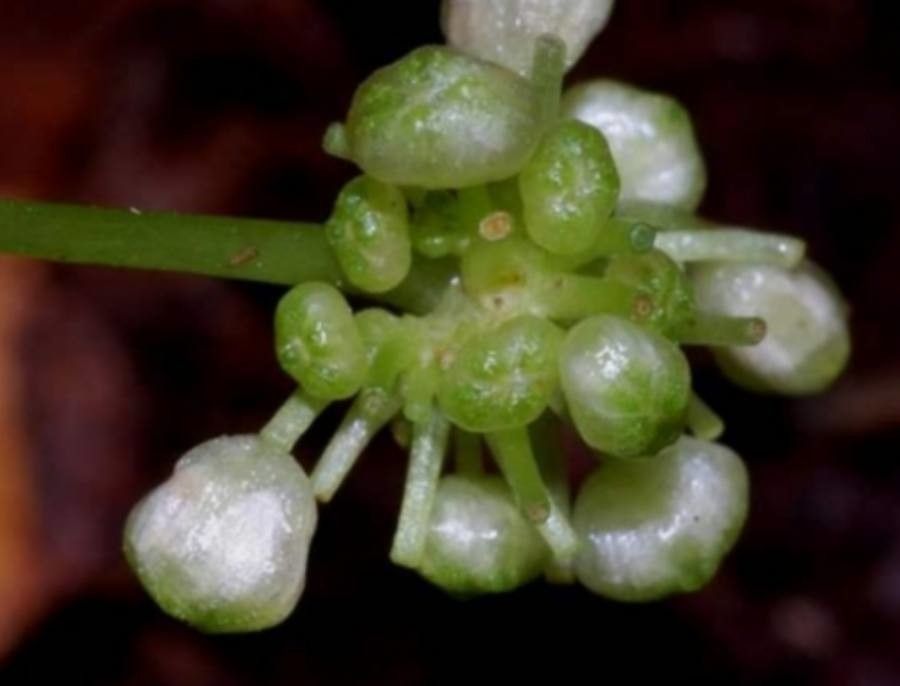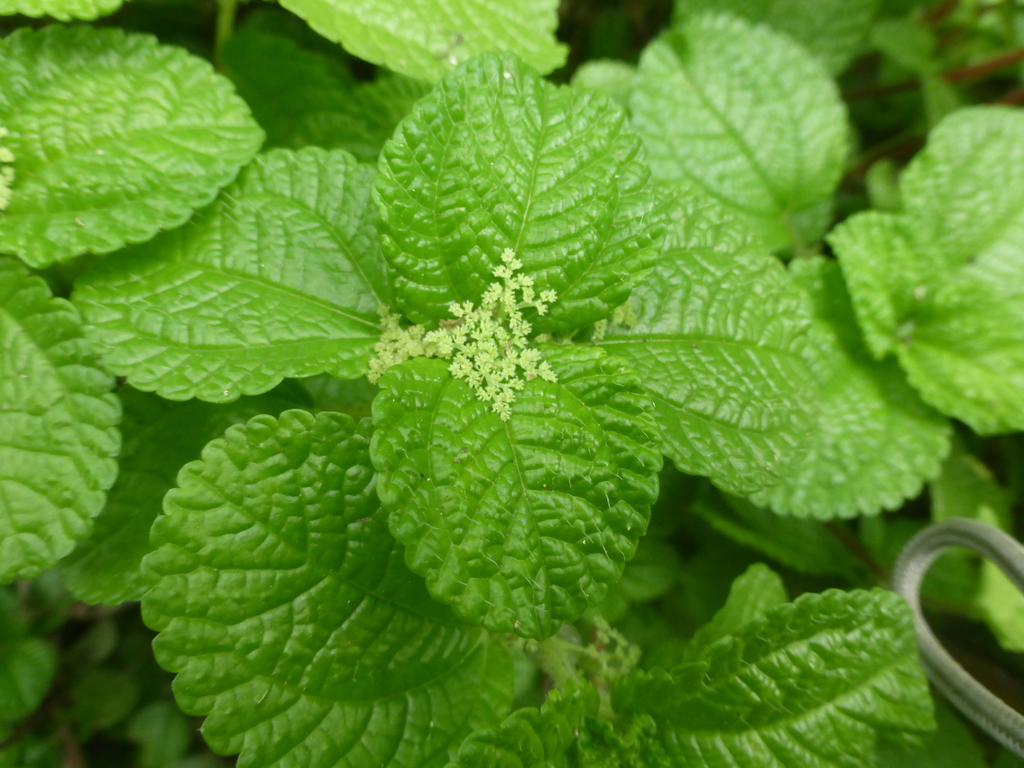
Pilea nummulariifolia, commonly known as creeping Charlie or the coin leaf plant, is a low-growing perennial from the Urticaceae family. Native to Central and South America, this plant thrives in tropical regions. It features small, round, green leaves adorned with a silver stripe down the center, each roughly 1 inch in diameter. These leaves grow on thin stems that can extend up to 12 inches in length.
This plant prefers bright, indirect light and well-draining soil. It can be cultivated indoors as a houseplant or outdoors in warm climates where temperatures do not fall below 50°F (10°C). Regular watering is necessary, but overwatering should be avoided to prevent root rot.
The coin leaf plant is easy to propagate through stem cuttings or by dividing the root ball of an established plant. Its unique appearance and ease of care have made it a favorite among houseplant enthusiasts.
Additionally, Pilea nummulariifolia has been used medicinally by indigenous people to treat various ailments such as fevers, headaches, stomach issues, and skin conditions, thanks to its anti-inflammatory properties.
Creeping charlie is generally disease-resistant and is usually not prone to illnesses. However, it can be vulnerable to leaf spots when light and ventilation are poor and when it is overwatered. The care level for this plant is regarded as easy, since it mainly needs regular watering. Apart from that, it requires little additional attention. Creeping charlie is suitable for people who lack the time and energy to commit to regular care.
How to keep Pilea Nummulariifolia.
Light
Creeping Charlie does best with a moderate amount of sunlight, but exposure to full sun can cause damage. Too much or too little light can seriously affect its growth and health. Because it comes from places where light is often low, it can tolerate dim conditions, although those are not ideal for its development.
Water
Creeping Charlie thrives in high humidity and consistently moist conditions, preferring soil that is evenly saturated. To simulate its natural environment, it's important to water the plant twice a week and regularly mist it when kept indoors. Maintaining adequate moisture levels helps keep its leaves vibrant throughout the year, even during its dormant season.
Humidity
This plant needs special care because it loves high humidity levels of 60-80% or more. The best way to achieve this is by placing a humidifier near the plant. Daily misting is also essential! Make sure the room has good ventilation.
Temperature
Creeping charlie is native to temperate regions, preferring temperatures of 68 to 100 °F (20 to 38 ℃). While it is adaptable, its development can be slowed in colder areas. To promote growth year-round, aim to maintain a warm environment.
Fertilizer
Creeping charlie needs the most fertilizer during its active growth period, which mainly takes place in spring, summer, and early fall. Fertilizing is needed to supply essential nutrients that the soil might lack, encouraging healthy root and stem growth and producing attractive foliage, which is a key feature of this particular plant.
Pruning
Creeping Charlie is a fast-growing plant with trailing stems and scalloped leaves. To encourage bushier growth, remove dead leaves, and maintain its shape, prune it regularly from early to late spring. Use clean, sharp shears and make cuts just above the leaf nodes to promote healthier foliage.
Pot & Repot
When repotting Creeping charlie, select a pot 1-2 inches (2.5–5.1 cm) larger that has good drainage. Use a well-draining potting mix. Repot in spring or fall, making sure the root ball sits slightly below the rim of the flower pot. Water thoroughly after repotting, then place in a warm location with indirect sunlight.
Toxicity
Although creeping Charlie, or ground ivy, is poisonous, most of the time horses need to ingest considerable amounts for an adverse reaction to happen. Creeping Charlie, a prominent and frequently despised weed of turfgrass and other landscape regions, is native to Europe and southern Asia but was introduced to North America for therapeutic purposes.
Further reading →
The toxicity and danger assessments provided are for reference only. We do not assure their accuracy, so it's crucial not to depend on them. Seek professional advice when necessary for accurate guidance.
Botanical profile.
- Plant Type
- Herb
- Life Cycle
- Perennial
- Genus
- Pilea
- Family
- Urticaceae
- Hardiness Zone
- 10-11
- Mature Height
- 10 cm to 15 cm
- Mature Spread
- 30 cm
- Leaf Color
- Green
- Leaf Type
- Evergreen, Semi-evergreen
- Flower Color
- White, Green
- Flower Size
- 2.54 cm
- Bloom Time
- All year round
- Planting Time
- Spring, Summer, Autumn
- Harvest Time
- All year round
- Native Area
- Colombia, Cuba, Honduras, Guatemala, Venezuela, Peru, Brazil, El Salvador, Costa Rica, Panama, Jamaica
Other names.
Reader questions.
How should I water my Creeping charlie plants?
When watering the Creeping charlie, it is important to use filtered water at room temperature. Tap water may have harmful particles, so filtered water is better. The plant prefers warm water because it comes from a warm environment, and cold water can be a shock. Avoid overhead watering, as it can cause problems with the foliage. Instead, carefully pour the filtered room temperature water onto the soil until it is completely soaked. This helps the plant by moisturizing the roots and allowing them to spread and absorb nutrients.
Why should I use fertilizer on my Creeping charlie?
All plants, including Creeping charlie, need soil nutrients for growth. However, it's not always guaranteed that the soil will have all the necessary nutrients. To ensure your garden plants have the required nutrients, fertilization and soil amendments are important. For Creeping charlie, fertilizer is especially crucial to support healthy root and stem growth throughout the growing season. Fertilization also enhances the plant's foliage, which is its main ornamental feature.
What are the sunlight requirements for Creeping Charlie?
Creeping Charlie grows best when it receives about 3-6 hours of sunlight daily, classified as partial sun exposure. It's essential to watch how sunlight moves through your garden and choose spots that offer a good balance of light and shade. This ensures the plants' happiness, as both excessive and inadequate light can harm its growth and health. Creeping Charlie is adaptable to low light conditions but thrives in environments with substantial sunlight.
What is the optimal temperature range for Creeping charlie?
Creeping charlie, also known as Pilea nummulariifolia, thrives in temperate environments, preferring temperatures between 68°F (20°C) and 100°F (38°C). It is extremely heat-loving, and cold temperatures can harm it. During the autumn, it's advisable to move outdoor-grown Creeping charlie indoors and place it near a bright window, albeit away from heaters, to maintain temperatures above 20°C, especially during winter. This is because temperatures close to 5°C or lower are detrimental to the plant's health.
What do I do if I give too much or too little water to my Creeping charlie?
Overwatering and underwatering both harm Creeping charlie, but overwatering is more common. Excessive watering can cause the stems and leaves to wilt and turn yellow. It can also lead to diseases like root rot, mold, and mildew, which can kill the plant. Underwatering is less common because Creeping charlie can tolerate drought. However, it can still happen, resulting in brittle, brown leaves. Recognizing signs of overwatering is crucial. Some diseases caused by overwatering, like root rot, may become irreversible if not addressed promptly. Reduce watering immediately if you notice early signs of overwatering. Check the soil quality; if it doesn't drain well, replace it with a loose, well-draining potting mix. If you observe signs of underwatering, increase watering until the signs subside.
When should I fertilize my Creeping Charlie in order for it to grow the best?
The Creeping charlie requires the most fertilizer when it is actively growing, which happens during spring, summer, and early fall. After winter, feed the Creeping charlie every two to four weeks until fall. In fall, gradually decrease the amount of fertilizer until you stop feeding completely, as the Creeping charlie will have less growth during winter.
How can artificial lighting benefit indoor Creeping Charlie plants?
Artificial lighting is crucial for Creeping Charlie's growth indoors, especially when natural sunlight is insufficient. This is common in winter or less sunny spaces. LED lights are preferred for their ability to provide specific wavelengths needed by plants. The requirements for artificial light are 30-50W/sq ft for full sun plants, 20-30W/sq ft for partial sun plants, and 10-20W/sq ft for full shade plants. The light source should be placed 12-36 inches above the plant and switched on for 8-12 hours daily to mimic natural daylight hours, promoting healthier, faster growth.
How does low temperature affect Creeping charlie and how can it be managed?
Creeping charlie is not tolerant of low temperatures and thrives best when the temperature is kept above 20°C. In winter, the temperature should be maintained above 5°C to prevent damage. Exposure to temperatures below 1°C can cause the leaves to lighten in color, and frost damage may turn the leaves brown or black, leading to wilting and drooping. To manage frost damage, trim off the frost-damaged parts and move the plant to a warm environment indoors. Placing the plant near a south-facing window is ideal for ensuring ample sunlight, but it should not be placed near heaters or air conditioning vents to avoid excessive dryness.
How frequently should I give water to my Creeping charlie plant?
If your Creeping charlie is in a pot, the most precise way to determine if it needs water is to stick your finger into the soil. If the top two to three inches of soil are dry, it's time to water. The same method can be used for Creeping charlie grown outdoors in the ground. When the first few inches of soil have dried out, water should be added. Typically, during spring and early fall, watering once a week is sufficient. However, during extremely hot weather, watering may need to be increased to about twice or more per week. It should be noted that mature, well-established Creeping charlie plants can tolerate drought well.
When is the best time to not fertilize my Creeping charlie?
For most of the year, including spring, summer, and most of fall, it's important to regularly feed your Creeping charlie. However, if you notice that it has received too much fertilizer or if you have fertilized it incorrectly, causing fertilizer burn or other issues, you should address those before continuing with regular feeding. The only time you should avoid fertilizing your Creeping charlie is during winter. If you grow it indoors in a cold winter area, it will become dormant during this time. Feeding it during dormancy is unnecessary and harmful, as it can lead to fertilizer burn.
What are some symptoms of inadequate lighting in Creeping Charlie?
Symptoms of inadequate lighting in Creeping Charlie include small, new leaves growing smaller than mature ones, leggy or sparse growth, faster leaf drop, slowed or halted growth, and lighter-colored new leaves. These symptoms indicate insufficient sunlight, which affects the plant's chlorophyll and nutrient levels. Conditions such as chlorosis, sunscald, leaf curling, wilting, and leaf scorching can also occur either due to too much sunlight or as defense mechanisms against extreme sunlight exposure.
How does high temperature affect Creeping charlie and what are the solutions?
During summer, it's important to keep Creeping charlie below 38°C (100°F) to avoid overheating. Temperatures surpassing 43°C (109°F) can cause the leaves to become lighter and increase susceptibility to sunburn. To manage high temperature effects, trim away the sunburned and dried-up parts of the plant. Relocate the plant to a shaded area protected from the midday and afternoon sun. Watering the plant in the morning and evening helps keep the soil moist, providing a cooler environment for the plant.