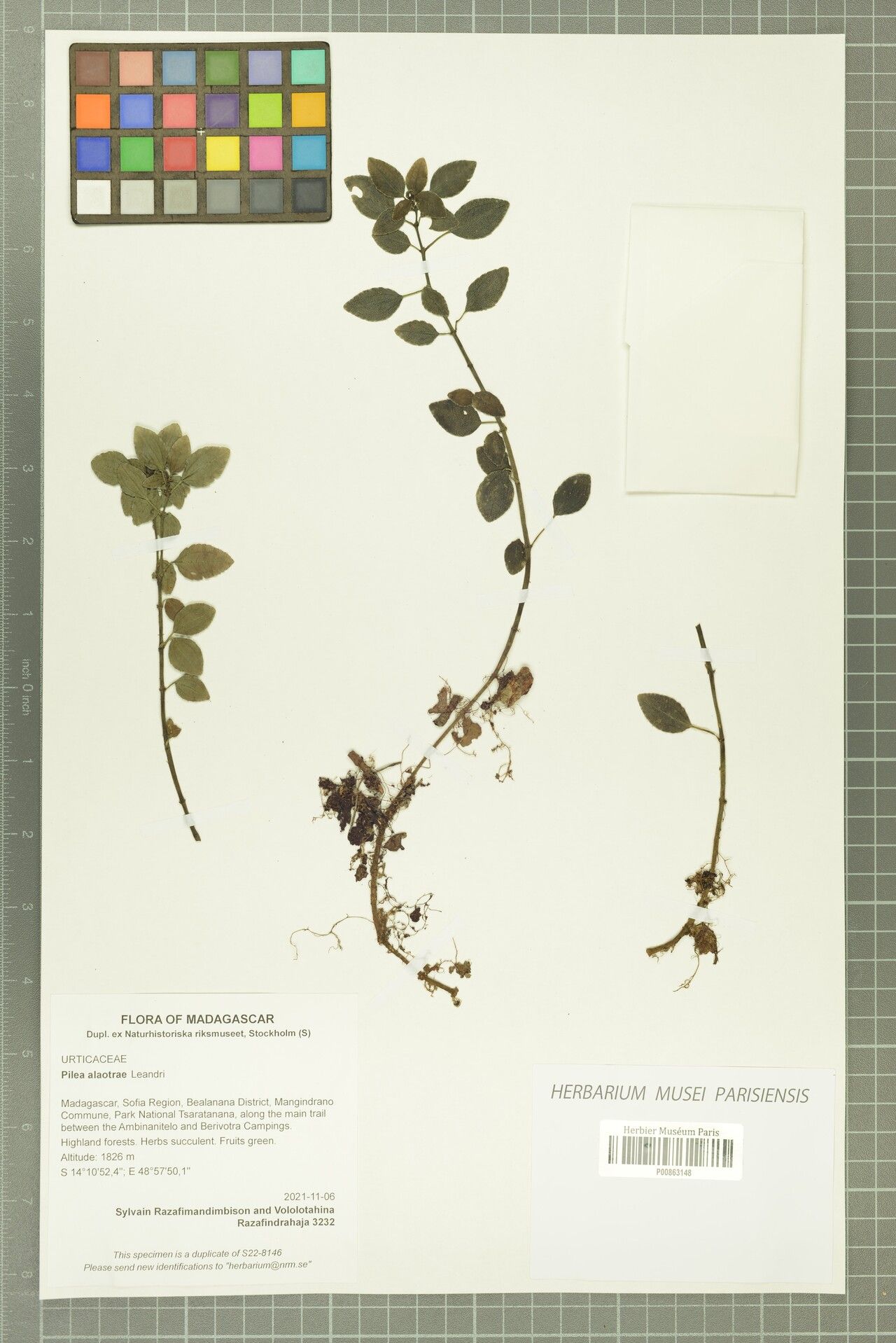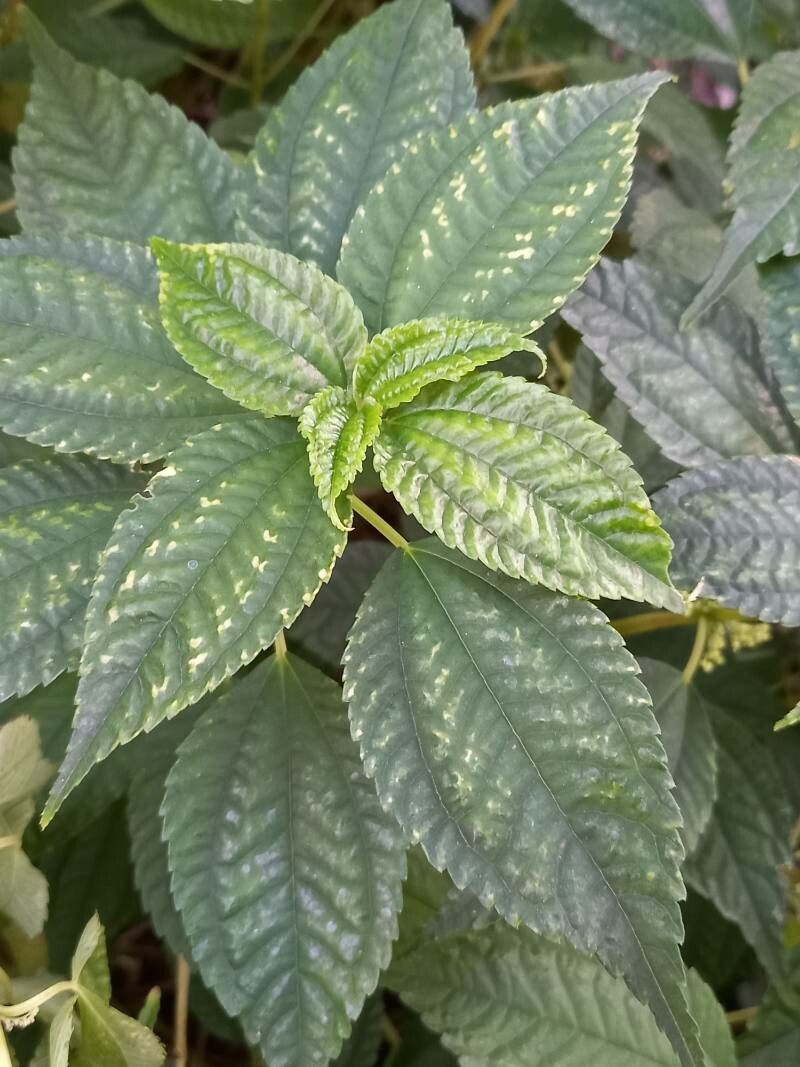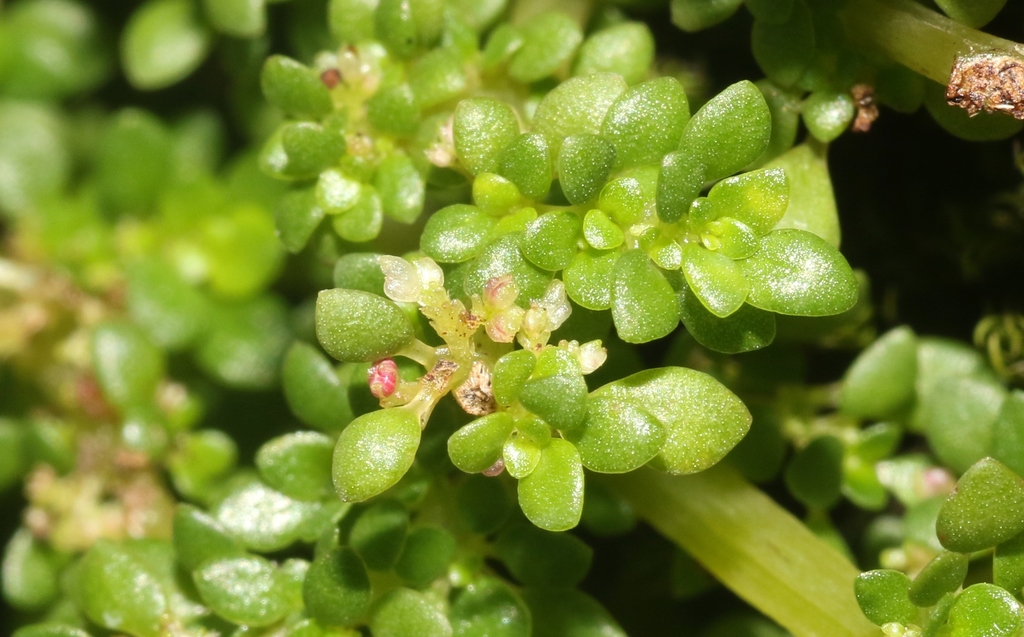
Pilea microphylla, commonly known as Artillery Plant or Rockweed, is a small perennial herbaceous plant in the Urticaceae family. Native to Central and South America, it has spread to many parts of the world due to its ornamental appeal. The plant reaches up to 30 cm in height and features small, round, bright green leaves with a slightly succulent texture, arranged alternately on the stem.
The Artillery Plant earns its name from its unique seed dispersal method: when ripe, the seed capsules explode with a popping sound, scattering seeds several feet from the parent plant. This distinctive trait makes it a fascinating addition to any garden or indoor space.
Pilea microphylla thrives in bright but indirect light and well-draining soil, requiring regular watering during the growing season (spring-summer). It can be easily propagated through stem cuttings or by dividing mature plants.
The artillery plant tends to be somewhat invasive, often becoming a weed in warm climates. It spreads rapidly and can thrive in a variety of conditions and habitats, including the cracks of driveways and walkways. FUN FACT · FROM THE LIBRARY
In addition to its ornamental value and low maintenance requirements, making it ideal for indoor spaces such as offices and homes, Pilea microphylla also possesses medicinal properties. It can be used topically to treat skin conditions like eczema and psoriasis.
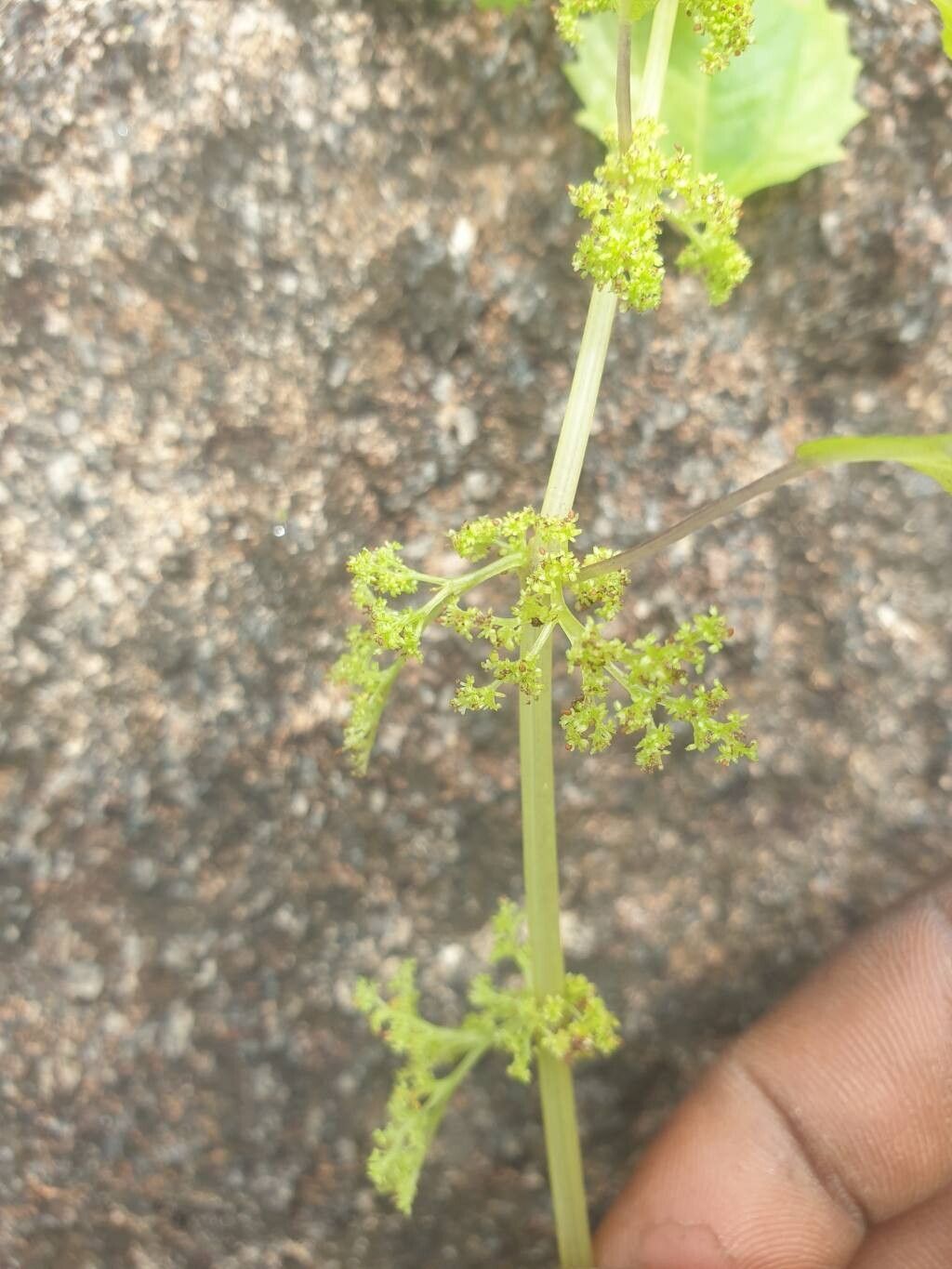
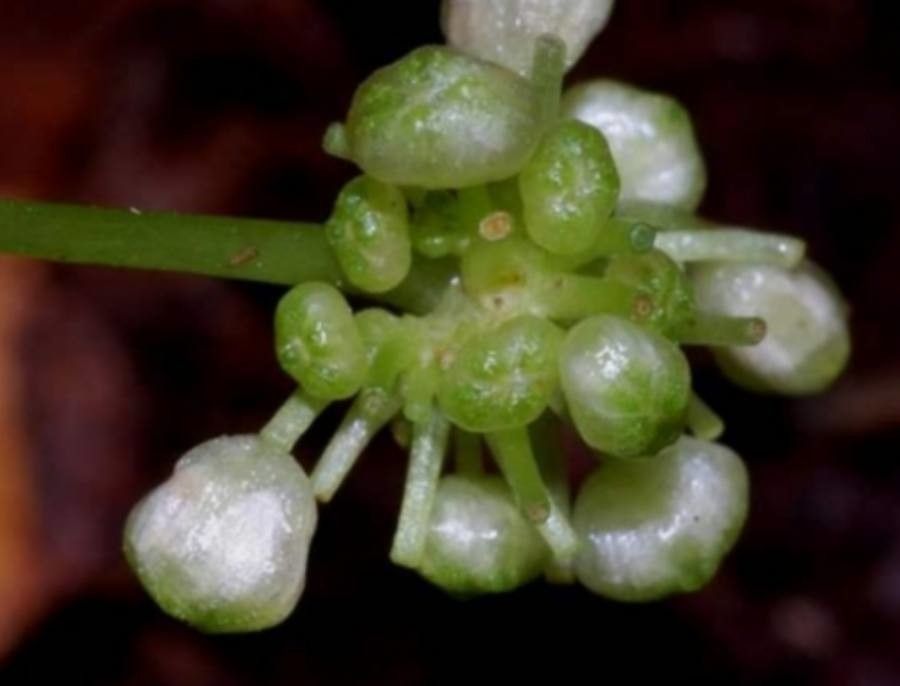
The Artillery plant, also known as Artillery clearweed, Artilleryweed, Gunpowder plant, or Rockweed, earned its name due to its remarkable ability to grow in challenging environments such as rocks, walls, and cracks in walkways and driveways. These names also reference the plant's unique characteristic of forcefully propelling pollen into the air from its flowers, a phenomenon that is easily visible to the naked eye.
Artillery plant has strong resistance to disease and is generally unlikely to suffer from illnesses. Still, it can be vulnerable to pests and diseases that exist nearby. These outbreaks are typically mild. Regarding care, this plant demands a moderate amount of attention. It should be pruned regularly to preserve a tidy appearance and support healthy growth. Applying fertilizer can also encourage blooming. Artillery plant is appropriate for anyone who has outdoor space, such as a garden or a patio, and does not need extensive care experience. It may need more attentive care if kept indoors.
How to keep Pilea Microphylla.
Light
The artillery plant prefers abundant light, yet it can thrive in both ample and limited lighting. It is adaptable and tolerates conditions ranging from full sun to complete shade. In its natural habitat it experiences a variety of light levels. However, overexposure can cause scorching and underexposure can hinder its robust growth.
Water
The artillery plant thrives in environments with high humidity and consistently moist conditions. It prefers soil that is evenly moist yet well-drained. To care for this plant, water it weekly to avoid waterlogging and mist it regularly to maintain the humidity needed for its delicate foliage.
Humidity
This plant will thrive in moderate humidity, which is probably the level in your home. However, misting it a few times a week can be very beneficial. Make sure the room has good ventilation.
Temperature
The artillery plant plant grows best in a temperature range of 20 to 38 ℃ (68 to 100.4 ℉). It favors a warm setting with moderately high humidity. In summer, keep the temperature near 24 to 27 ℃ (75.2 to 80.6 ℉), and in winter, maintain it around 18 to 21 ℃ (64.4 to 69.8 ℉).
Fertilizer
The artillery plant needs the most fertilizer during its active growth period, which occurs mainly in spring, summer, and early fall. Fertilizing supplies essential nutrients the soil may lack, supporting healthy root and stem development and encouraging the attractive foliage that is a defining feature of this plant.
Pruning
You may prune leggy growths and pinch off a few inches for growing tips to encourage a denser, more compact growth. Cut any damaged stems back to just above a leaf node to stimulate regeneration.
Pot & Repot
When repotting an Artillery plant, choose a pot 1–2 inches (2.5–5.1 cm) larger with ample drainage. Use a well-draining potting mix. Repot in spring or fall, ensuring the root ball sits slightly below the rim of the flower pot. Water thoroughly after repotting and place it in a warm spot with indirect sunlight.
Toxicity
The Artillery fern is non-toxic to people and pets. It is even considered edible in some regions, though we do not recommend consuming it in large quantities.
Further reading →
The toxicity and danger assessments provided are for reference only. We do not assure their accuracy, so it's crucial not to depend on them. Seek professional advice when necessary for accurate guidance.
Botanical profile.
- Plant Type
- Herb
- Life Cycle
- Perennial, Annual
- Genus
- Pilea
- Family
- Urticaceae
- Hardiness Zone
- 9-12
- Mature Height
- 18 cm
- Mature Spread
- 30 cm to 61 cm
- Leaf Color
- Green
- Leaf Type
- Evergreen
- Flower Color
- White, Yellow, Pink, Green
- Flower Size
- 0.10 cm
- Bloom Time
- All year round
- Planting Time
- Spring
- Harvest Time
- All year round
- Native Area
- Colombia, Bahamas, Belize, Cuba, Honduras, Mexico, Guatemala, Bolivia, Venezuela, Peru, Brazil, Guyana, El Salvador, Nicaragua, Ecuador, Costa Rica, Panama, Jamaica
Other names.
Reader questions.
How should I water my Artillery plant?
To properly water the Artillery plant, it is best to use filtered water at room temperature. Tap water may contain harmful particles, so filtered water is preferred. Additionally, the water should not be cold, as the Artillery plant is accustomed to warmer conditions and cold water can be a bit of a shock to its system. It is also recommended to avoid overhead watering, as this can cause issues with the leaves. Instead, it is advised to thoroughly soak the soil with filtered room temperature water. This helps to moisten the roots and support their spread throughout the soil, aiding in the collection of necessary nutrients.
What are the sunlight requirements for artillery plants?
Artillery plants prefer generous lighting and can thrive in various conditions, from full sun to full shade. They can survive in partial sun, which is about 3-6 hours of sunlight, or in full sun and full shade, which is more than 6 hours of sunlight. It's important to observe your garden's sunlight patterns to choose the best spots with a perfect light and shade balance to ensure the plants' happiness.
What are the ideal temperature conditions for the Artillery plant?
The Artillery plant, also known by its botanic name Pilea microphylla, flourishes in temperatures ranging from 20 to 38°C (68 to 100.4°F). It enjoys warm surroundings and moderately high humidity. To optimize its growth, maintain temperatures around 24 to 27°C (75.2 to 80.6°F) during summer and around 18 to 21°C (64.4 to 69.8°F) in winter. It is crucial to keep it away from cold temperatures, as they can cause damage. In autumn, when maintaining indoor conditions, ensure the plant is near a bright window but not too close to heaters, with temperatures ideally above 20°C to encourage growth. Exposure to temperatures nearing 0°C can be harmful.
What do I do if I give my Artillery plant too much or too little water?
Both overwatering and underwatering can harm your Artillery plant, but overwatering is more common. Too much water can cause the stems and leaves to wilt and turn yellow. It can also lead to diseases like root rot, mold, and mildew, which can be fatal for your plant. Underwatering is less likely for the Artillery plant because it can tolerate drought. However, it is still possible, and in that case, the leaves will become brittle and brown. It is essential to recognize the signs of overwatering early when caring for your Artillery plant. Some diseases caused by overwatering, such as root rot, cannot be reversed if you wait too long. If you notice early signs of overwatering, reduce your watering schedule immediately. Also, check the soil quality of your Artillery plant. If the soil drains poorly, replace it with a loose, well-draining potting mix. Conversely, if you see signs of underwatering, simply water more regularly until the signs disappear.
Can artillery plants grow with artificial lighting?
Yes, artillery plants can grow with artificial lighting, which is beneficial in conditions where natural sunlight is insufficient, like during winter or in less sunny spaces. LED lights are recommended for indoor plants because they can be customized to provide specific wavelengths needed by the plants. The amount of artificial light required varies by plant type: full sun plants need 30-50W/sq ft, partial sun plants require 20-30W/sq ft, and full shade plants should get 10-20W/sq ft. It's crucial to place the light source 12-36 inches above the plant, simulating natural sunlight duration, typically 8-12 hours per day.
How does low temperature affect the Artillery plant and what are the solutions?
The Artillery plant prefers warm temperatures and does not tolerate cold well. It thrives when the temperature is maintained above 20°C, especially during winter, ensuring it remains above 0°C. Exposure to temperatures below -5°C can cause the leaves to lighten in color, and after frost damage, they may turn brown or black. Symptoms such as wilting and drooping might also appear. To manage frost damage, trim off the frost-damaged parts and move the plant indoors to a warmer setting for protection. Positioning it near a south-facing window ensures ample sunlight, but avoid placing the plant too close to heaters or air conditioning vents to prevent air dryness.
How frequently do I need to water my Artillery plant?
If your Artillery plant is in a pot, the best way to check if it needs water is to stick your finger into the soil. If the top two to three inches of soil are dry, it's time to water it. If you have your Artillery plant planted outdoors in the ground, you can use the same method to test the soil. If the top few inches of soil are dry, it's time to water it. Typically, during the spring and early fall, watering once a week is enough. However, during extremely hot weather, you may need to water it twice a week or even more. It's worth mentioning that mature, well-established Artillery plants can handle dry conditions quite well.
What are some common symptoms of inadequate lighting for artillery plants?
When artillery plants are exposed to inadequate lighting, several symptoms may manifest. These include smaller new leaves, leggy or sparse growth, faster leaf drop, slowed or halted growth, lighter-colored new leaves, chlorosis (yellowing of leaves), sunscald, leaf curling, wilting, and leaf scorching. Each of these symptoms indicates issues with light exposure, affecting the plant's overall health and ability to grow properly.
What should be done if the Artillery plant is exposed to high temperatures?
During the summer, it's important to ensure that the Artillery plant is kept in conditions below 38°C, as exposure to temperatures above 43°C can lead to leaf discoloration and increased susceptibility to sunburn. To address heat stress, remove sunburned and dried parts of the plant. Relocate it to a spot that offers shade during the most intense sunlight hours of midday and afternoon. Keeping the soil moist by watering in the morning and evening will also help mitigate the effects of high temperatures.
How much water does my Artillery plant require?
When watering your Artillery plant, don't hesitate to give it a generous amount of water. It's best to wait until the top two to three inches of soil are dry before watering. Make sure to thoroughly soak the soil, allowing excess water to drain out from the bottom of the pot. If you're not seeing any excess water draining, it means you haven't provided enough water. However, be cautious not to let water accumulate in the soil, as this can harm the plant. On the other hand, if water isn't draining properly from the pot, it may indicate a problem with the soil's drainage, which should be addressed as it can affect the plant's health. If the plant is outdoors, around 1 inch of rainfall per week should be enough.
How can I address light-related issues for my artillery plants?
To address light-related issues for artillery plants, gradually acclimate them to optimal sunlight by shifting them to sunnier spots each week until they receive 3-6 hours of direct sunlight daily. If moving the plant is not feasible, consider using artificial light sources like desk or ceiling lamps for at least 8 hours daily, or invest in professional plant grow lights. For outdoor plants, avoid sudden changes in light exposure to prevent sunburn. If plants are blocked by obstructions like trees, consider pruning to improve sunlight accessibility. For smaller plants, transplanting during the dormant period to a location with better sunlight and drainage might be beneficial. Remember, parts of the plant damaged by insufficient light may not recover, but new growth should be healthy with improved light conditions.
How do I water my Artillery plant when it is small and when it is bigger?
The water needs of the Artillery plant change depending on its growth stages. In the first few years or after transplanting, the plant requires more water as it focuses on sprouting new roots for future growth. These roots perform best when they have slightly more moisture. As the plant matures, it needs less water. Additionally, during the bloom period, the Artillery plant may need more water to support flower development.