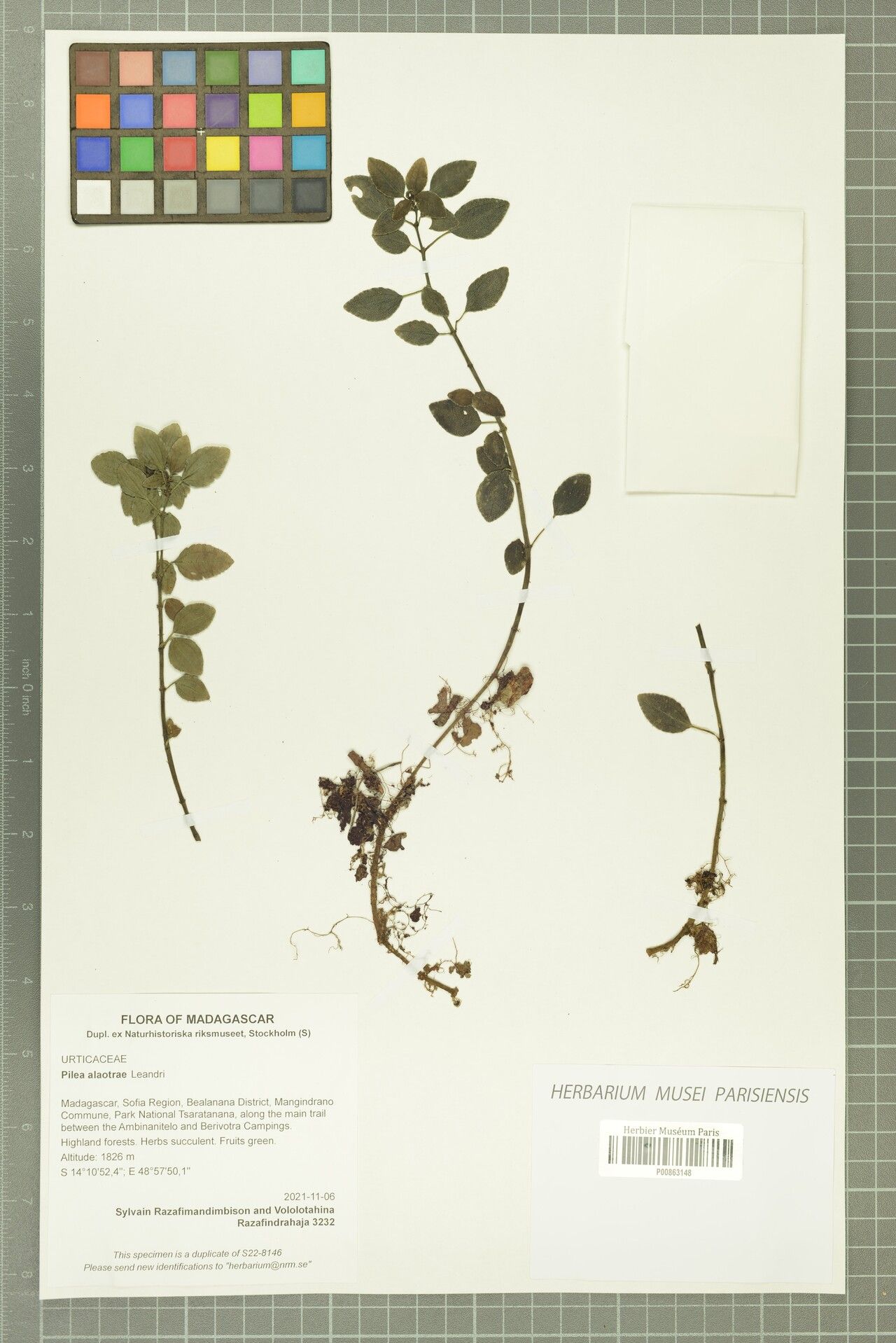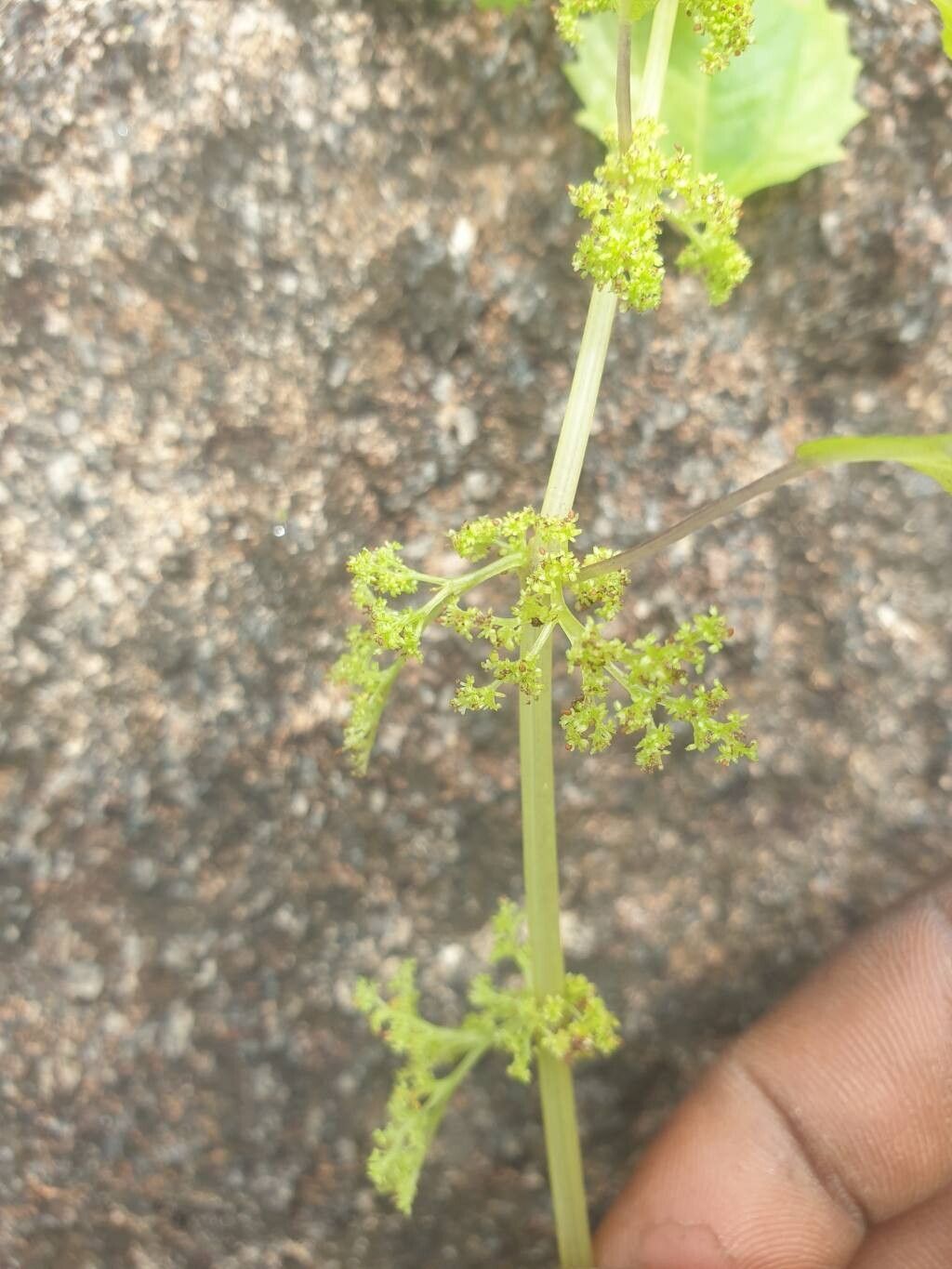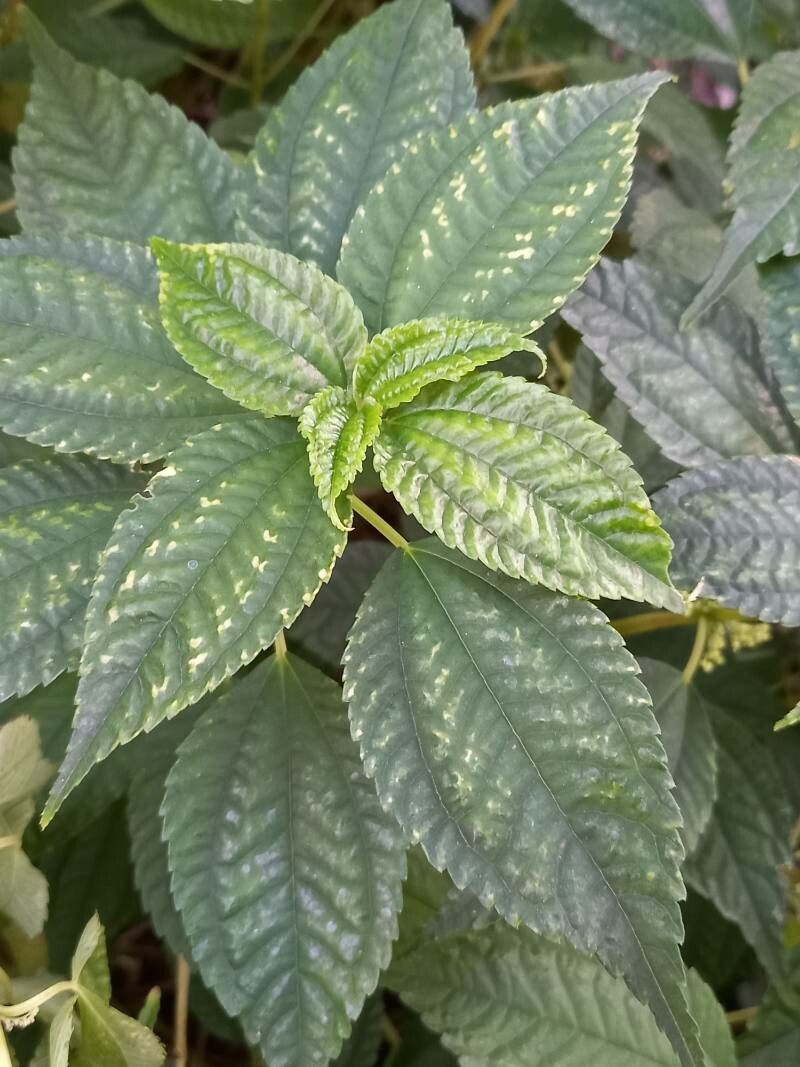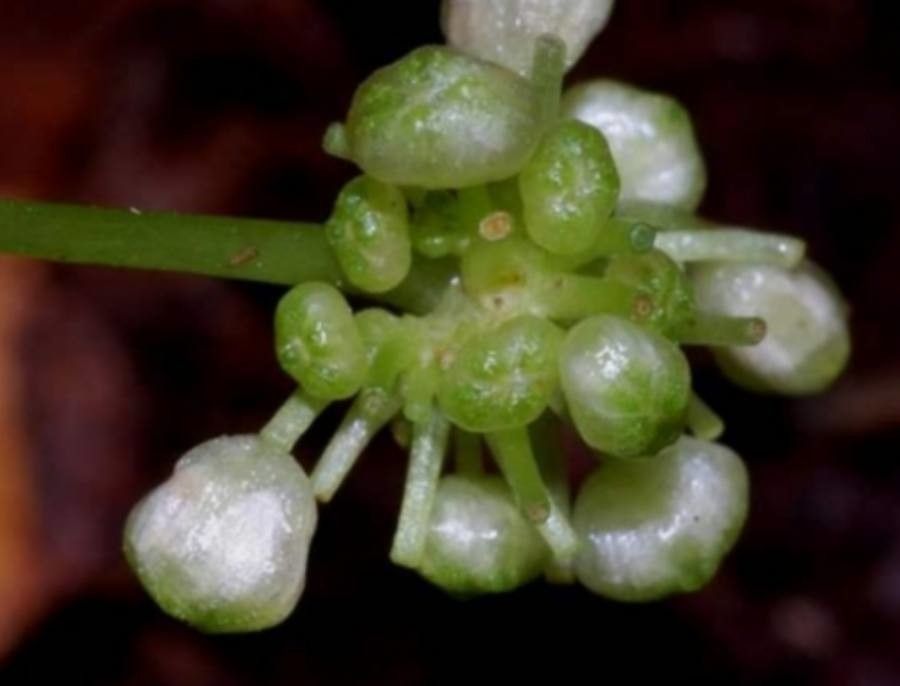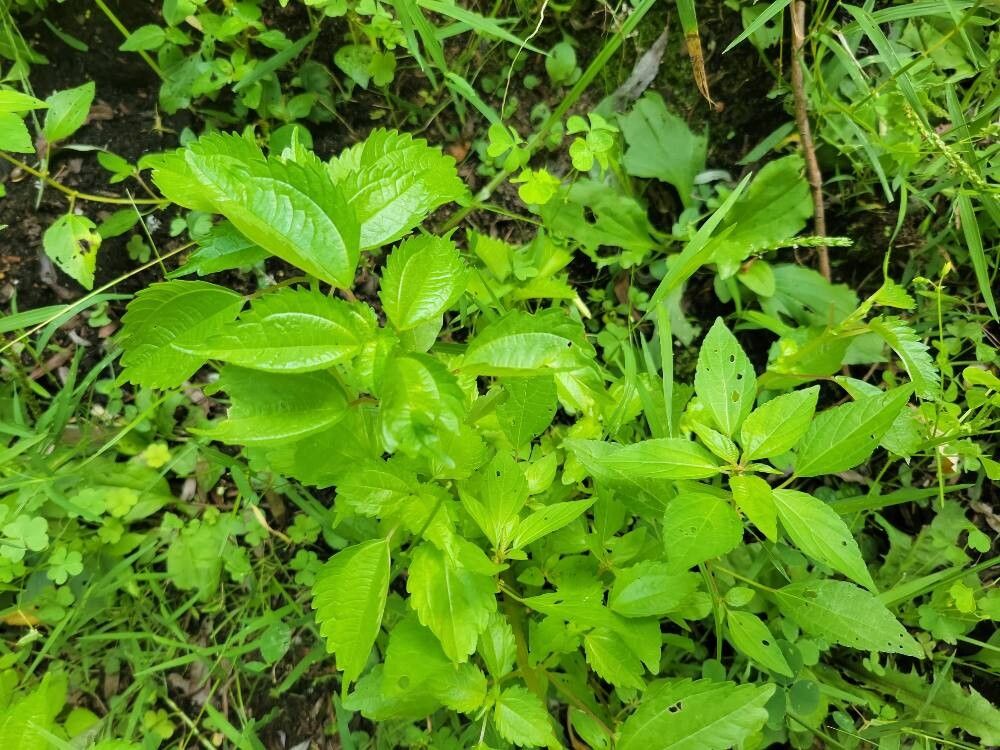
Pilea fontana, the lesser clearweed, is an herbaceous plant which is very similar to Pilea pumila (both occupying an almost identical range covering most of North America east of the Rocky Mountains). They can be distinguished by the appearance of the mature achenes. The bloom season runs from July to September and the plant can be seen throughout the Northeastern US and Canada. The fruit is a flattened, teardrop-shaped up to 1/6 inch long and 75-85% as wide.
Lesser clearweed has strong resistance to disease and is generally not frequently affected by illnesses. However, it can be vulnerable to pests and diseases present in its environment. Such infections are typically mild. Regarding care, this plant needs moderate maintenance. It should be pruned regularly to preserve a good appearance and encourage healthy growth. Applying fertilizer can also assist in promoting flowering. Lesser clearweed is appropriate for anyone who has outdoor space, like a garden or patio, and does not require extensive experience in plant care. It may demand more attention when cultivated indoors.
How to keep Pilea Fontana.
Light
Lesser clearweed is found in habitats with dappled sunlight, such as forest understories or rocky spots that offer natural shade. It does well in partial sun but can also tolerate full sun conditions.
Water
Lesser clearweed, a plant native to moist woodlands, thrives in high humidity and requires regular watering. It does best with weekly hydration. Although it can tolerate some drought, it truly flourishes in consistently moist conditions, which makes it perfect for indoor cultivation. Adequate water uptake is essential to maintaining its lush foliage, especially during periods of active growth.
Temperature
Lesser clearweed can tolerate a broad range of temperatures, though its occurrence may still be restricted by particular combinations of moisture and heat. It performs best in warm summer climates with sufficient rainfall or irrigation. Extended periods of cloudy, rainy weather or prolonged high temperatures can raise the likelihood of Lesser clearweed dying. In winter, adequate protection from cold can improve the plant’s chances of survival.
Fertilizer
Lesser clearweed benefits from regular, low-strength fertilizer applications to encourage healthy leaf development. You should fertilize Lesser clearweed about once a month during the summer. Nitrogen is essential for foliage, and supplying nitrogen-rich sources helps Lesser clearweed thrive.
Pruning
Regular pruning is essential for the health and shape of lesser clearweed. This practice is best performed from early to late spring, as it enhances air circulation and sunlight exposure. By reducing the risk of disease, pruning helps keep lesser clearweed vibrant and manageable.
Botanical profile.
- Plant Type
- Herb
- Life Cycle
- Annual
- Genus
- Pilea
- Family
- Urticaceae
- Hardiness Zone
- 8-11
- Mature Height
- 10 cm to 52 cm
- Mature Spread
- 10 cm to 20 cm
- Leaf Color
- Light Green, Green
- Leaf Type
- Evergreen
- Flower Size
- 0.10 cm to 0.20 cm
- Bloom Time
- Summer, Early fall, Mid fall
- Planting Time
- Spring, Summer, Autumn
- Harvest Time
- Late summer, Fall, Early winter
Other names.
Reader questions.
What are the sunlight requirements for Lesser clearweed?
Lesser clearweed thrives in environments that mimic its natural habitat with dappled sunlight, such as forest understories or areas providing natural shade. It prefers partial sun, requiring about 3-6 hours of sunlight daily but can also adapt to full shade conditions, where it receives less than 3 hours of sunlight. Observing how sunlight moves through your garden will help in choosing spots that balance light and shade, ensuring the plants' well-being.
How important is artificial lighting for indoor plants?
Indoor plants, including Lesser clearweed, require adequate lighting for optimal growth, especially when natural sunlight is insufficient, like in winter or in less sunny spaces. Artificial lights, such as LED lights which can be customized to provide specific wavelengths of light necessary for the plants, are a vital solution. Full sun plants need 30-50W/sq ft, partial sun plants need 20-30W/sq ft, and full shade plants need 10-20W/sq ft. The light source should be placed 12-36 inches above the plant to mimic natural sunlight and should be left on for 8-12 hours per day to emulate natural daylight hours.
What are the symptoms of light deficiency in Lesser clearweed?
When Lesser clearweed is cultivated indoors with inadequate light, symptoms may include smaller new leaves, leggy or sparse growth, faster leaf drop, slower or halted growth, lighter-colored new leaves, chlorosis (leaves turning yellow), sunscald (damage from intense sunlight), leaf curling, wilting, and leaf scorching. These symptoms indicate a lack of appropriate light exposure, affecting the plant's growth and health.
What solutions can counteract light deficiency in Lesser clearweed?
To optimize plant growth and counteract light deficiency, gradually increase sunlight exposure by moving the plants to sunnier spots each week until they receive the required 3-6 hours of direct sunlight daily. For indoor plants that are large or not easily movable, using artificial light sources like desk or ceiling lamps for at least 8 hours daily or investing in professional plant grow lights can provide ample light. Outdoor plants should be moved to optimal sunlight spots gradually to avoid sunburn. If needed, reduce obstructions by pruning or relocate smaller plants to more sunlit areas during their dormant period for better sunlight access.