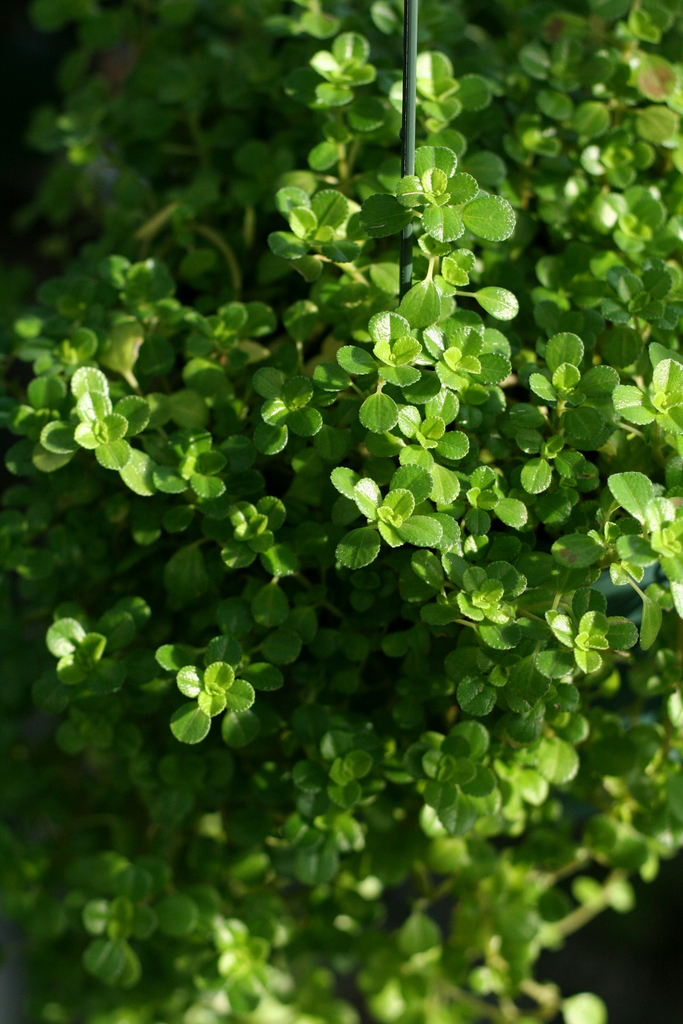
Pilea depressa, commonly known as creeping Charlie or baby tears, is a low-growing plant native to Central and South America. Belonging to the Urticaceae family, it is a popular houseplant due to its appealing appearance and ease of care.
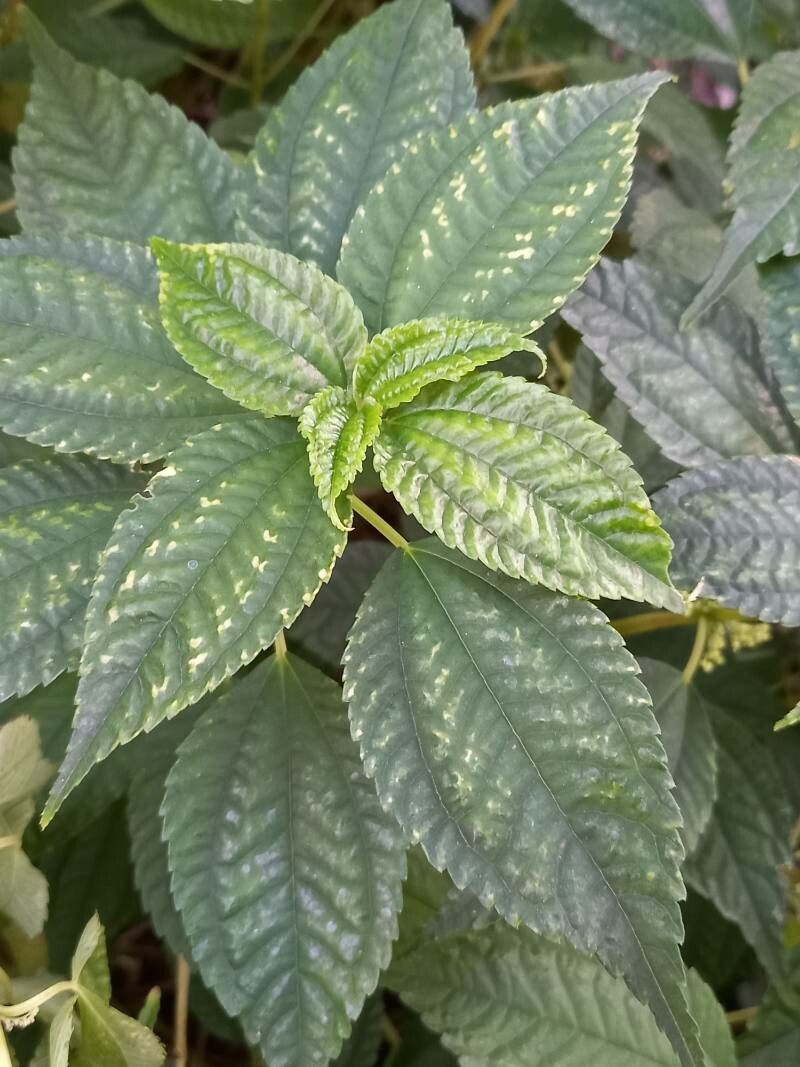
The plant features small, round, bright green leaves that are slightly succulent and have a glossy texture. Pilea depressa grows quickly, spreading outwards up to 12 inches in length.
This plant prefers bright, indirect light, making it an ideal choice for indoor spaces such as offices or homes with limited natural light. It also requires well-draining soil that should be kept moist but not waterlogged.
Pilea depressa can be easily propagated through stem cuttings, which root quickly in either water or soil. The plant does not require frequent fertilization but benefits from occasional feeding with a balanced fertilizer during the growing season.
Overall, Pilea depressa is an attractive, low-maintenance houseplant that enhances any indoor space with minimal care required from its owner.
Depressed Clearweed has strong resistance to disease and is generally not susceptible to illness. However, it can be prone to leaf spots if light and ventilation are poor and watering is excessive. Its care level is considered easy, since it only needs regular watering and not much else. Depressed Clearweed is suitable for those who don't have the time and energy to devote to regular care.
How to keep Pilea Depressa.
Light
Native to areas with filtered sunlight, depressed Clearweed has adapted to do well in muted daylight. It can tolerate complete darkness surprisingly, though that may slow its growth. Excessive sunlight increases the risk of leaf scorch and plant dehydration.
Water
Depressed Clearweed flourishes in the understory of tropical rainforests, where it depends on consistent moisture and high humidity. It thrives in evenly moist soil, necessitating watering twice a week, but make sure not to overwater. Often grown indoors, it benefits from regular misting to mimic its natural humid habitat.
Humidity
This plant will thrive in moderate humidity, which is probably the level in your home. However, misting it a few times a week can be very beneficial. Make sure the room has good ventilation.
Temperature
Depressed Clearweed is native to habitats where temperatures generally range from 68 to 100°F (20 to 38℃). It does well within that range, but should be moved to a cooler location if temperatures climb above it.
Fertilizer
Depressed Clearweed requires the most fertilizer during its active growth period, which occurs mainly in spring, summer, and early fall. Fertilization is necessary to supply essential nutrients the soil may lack, encouraging healthy root and stem development and producing attractive foliage, a key characteristic of this plant.
Pruning
Depressed Clearweed features small, trailing leaves and thrives best in moist conditions. For optimal growth, prune the plant in early to late spring using sterilized scissors. This promotes dense growth, helps control its spread, and improves air circulation. Be sure to avoid heavy pruning during its dormant period, and make even cuts to maintain a compact shape.
Pot & Repot
When repotting Depressed Clearweed, select a pot 1–2 inches (2.5–5.1 cm) larger with ample drainage. Use a well-draining potting mix. Repot in spring or fall, ensuring the root ball is slightly lower than the rim of the flower pot. Water thoroughly after repotting and place in a warm spot with indirect sunlight.
Toxicity
Although it is generally non-toxic to both dogs and humans, occasional consumption may cause a minor digestive upset. Despite the fact that certain plants are pet-friendly, we recommend keeping your gorgeous houseplants out of reach of curious little children and dogs in case someone feels like having a snack.
Further reading →
The toxicity and danger assessments provided are for reference only. We do not assure their accuracy, so it's crucial not to depend on them. Seek professional advice when necessary for accurate guidance.
Botanical profile.
- Plant Type
- Herb
- Life Cycle
- Perennial
- Genus
- Pilea
- Family
- Urticaceae
- Hardiness Zone
- 9-11
- Mature Height
- 3 cm to 8 cm
- Mature Spread
- 15 cm to 30 cm
- Leaf Color
- Green
- Leaf Type
- Evergreen
- Flower Color
- Cream
- Flower Size
- 0.10 cm to 0.20 cm
- Bloom Time
- All year round
- Planting Time
- Spring
- Harvest Time
- All year round
- Native Area
- Cuba, Jamaica
Other names.
Reader questions.
How should I water my Depressed Clearweed plant?
To keep the Depressed Clearweed healthy, it's best to water it with filtered water that is at room temperature. Tap water may have harmful particles, so filtered water is preferred. The Depressed Clearweed is used to warm environments, so using cold water may shock it. Avoid watering from above since it can cause problems with the leaves. Instead, water the soil directly until it is completely saturated. This helps the roots absorb water and nutrients, supporting their growth.
Why should I put fertilizer on my Depressed Clearweed plant?
All plants, including the Depressed Clearweed, need soil nutrients to grow. However, it's not always guaranteed that the soil will have all the nutrients they require. To address this, fertilization and soil amendments are important. These techniques ensure that plants in your garden not only receive the basic nutrients they need, but also the specific nutrients necessary for their growth. In the case of the Depressed Clearweed, fertilizer is essential to promote healthy root and stem development throughout the growing season. Additionally, fertilization helps enhance the plant's ornamental appeal by producing fantastic-looking leaves, which are its main attraction.
What are the sunlight requirements for Depressed Clearweed?
Depressed Clearweed thrives in partial sunlight, needing about 3-6 hours of sunlight daily. It's vital to observe how sunlight moves through your garden to choose spots that offer a balance of light and shade, ensuring the plants' well-being. Despite its preference for filtered sun, this plant can adapt to various lighting conditions, even tolerating no-light situations for some time, although this may slow its growth. Excessive sunlight, however, increases the risk of leaf scorch and plant dehydration.
What is the ideal temperature range for growing Depressed Clearweed?
Depressed Clearweed thrives in temperatures ranging from 68 to 100°F (20 to 38°C). It is very heat-loving, but exposure to temperatures above this range can be harmful. During winter, it is beneficial to keep the plant indoors where temperatures remain above 20°C, and care should be taken to maintain this temperature to support its growth. Any exposure to temperatures near 0°C can be detrimental to Depressed Clearweed.
What should I do if I give too much or too little water to my Depressed Clearweed?
Overwatering is a common issue for Depressed Clearweed plants and can lead to wilted, yellowing stems and leaves. It can also cause diseases like root rot, mold, and mildew that can be fatal for the plant. While underwatering is less likely to occur due to the plant's drought tolerance, it can still happen and result in brittle, brown leaves. It's important to quickly recognize signs of overwatering and take action. If you notice early signs, reduce watering immediately and consider using well-draining soil. If the plant is lacking water, simply increase your watering frequency until the signs improve.
When should I fertilize my Depressed Clearweed?
The Depressed Clearweed requires the most fertilizer when it is actively growing, mainly during spring, summer, and early fall. After winter, you should feed it every two to four weeks until fall. When fall arrives, you can gradually decrease the amount of fertilizer you give until you stop completely in preparation for the slower growth period in winter.
How important is artificial lighting for indoor Depressed Clearweed plants?
Artificial lighting plays a crucial role in the growth of indoor Depressed Clearweed plants, especially in conditions where natural sunlight is insufficient, such as during winter or in less sunny spaces. Artificial lights can help promote faster, healthier plant growth. LED lights are recommended due to their ability to mimic the specific wavelengths needed by plants. Full sun plants require 30-50W per square foot of light, partial sun plants need 20-30W, and full shade plants 10-20W. The light source should be placed 12-36 inches above the plant to simulate natural sunlight effectively, and most plants benefit from 8-12 hours of light per day.
How do I care for Depressed Clearweed in the winter?
In winter, it is important to bring Depressed Clearweed indoors to protect it from cold temperatures. Position it near a bright window to ensure it receives enough light, but keep it away from direct heat sources such as heaters. Maintaining indoor temperatures above 20°C is crucial for the plant's health during these colder months, as temperatures approaching 0°C can harm the plant.
How frequently do I need to water my Depressed Clearweed plant?
If your plant is in a pot, the most precise way to determine if your Depressed Clearweed needs water is to stick your finger into the soil. If the top two to three inches of soil are dry, then it's time to water it. If you grow your Depressed Clearweed outdoors in the ground, you can use a similar method to test the soil. Once again, if the top few inches of soil have dried out, it's time to add water. During the spring and early fall, this method will typically require watering the plant about once a week. However, when very hot weather arrives, you may need to increase watering to every two or more times per week. Nevertheless, mature and well-established Depressed Clearweeds have an impressive ability to withstand drought.
When is it not a good idea to fertilize my Depressed Clearweed?
For most of the year, which includes spring, summer, and most of the fall, continue regularly feeding your Depressed Clearweed. However, there are a couple of exceptions. If you notice that your Depressed Clearweed has received too much fertilizer or if you have fertilized it incorrectly, resulting in fertilizer burn or other problems, you'll need to fix those issues before resuming regular feeding. During winter, you should not fertilize a Depressed Clearweed. If you're growing this plant indoors in a cold winter area, it will go into a dormant phase. Feeding the plant during this phase is unnecessary and actually harmful to its growth. It's highly likely to cause fertilizer burn.
What are the symptoms of inadequate light on Depressed Clearweed?
Symptoms of light deficiency in Depressed Clearweed include small, new leaves growing in size compared to older ones, leggy or sparse growth, faster leaf drop, slower or halted new growth, and lighter-colored or yellowing leaves. Excessive sunlight can lead to chlorosis (losing green leaf color), sunscald (damage from intense light), leaf curling (to minimize water loss), wilting (from loss of turgor pressure), and leaf scorching (dry, crispy edges). Such conditions reflect the plant's struggle with maintaining its health and growth when the lighting is not optimal.
What should I do if my Depressed Clearweed is exposed to low temperatures?
If your Depressed Clearweed suffers from exposure to low temperatures, showing symptoms like lightening of leaves or wilting and drooping after frost damage, it's important to take immediate action. Trim off the frost-damaged parts of the plant and move it to a warmer indoor environment to protect it from the cold. Placing the plant near a south-facing window can ensure it receives ample sunlight, but keep it away from direct heat sources to avoid air dryness.