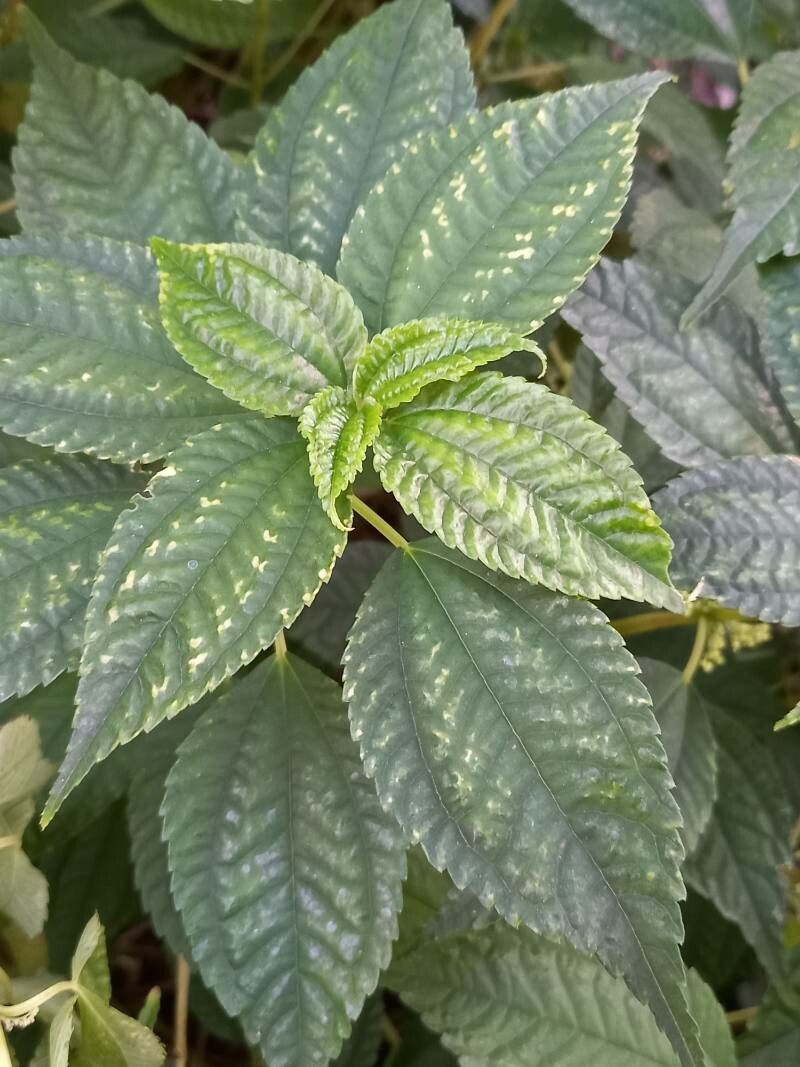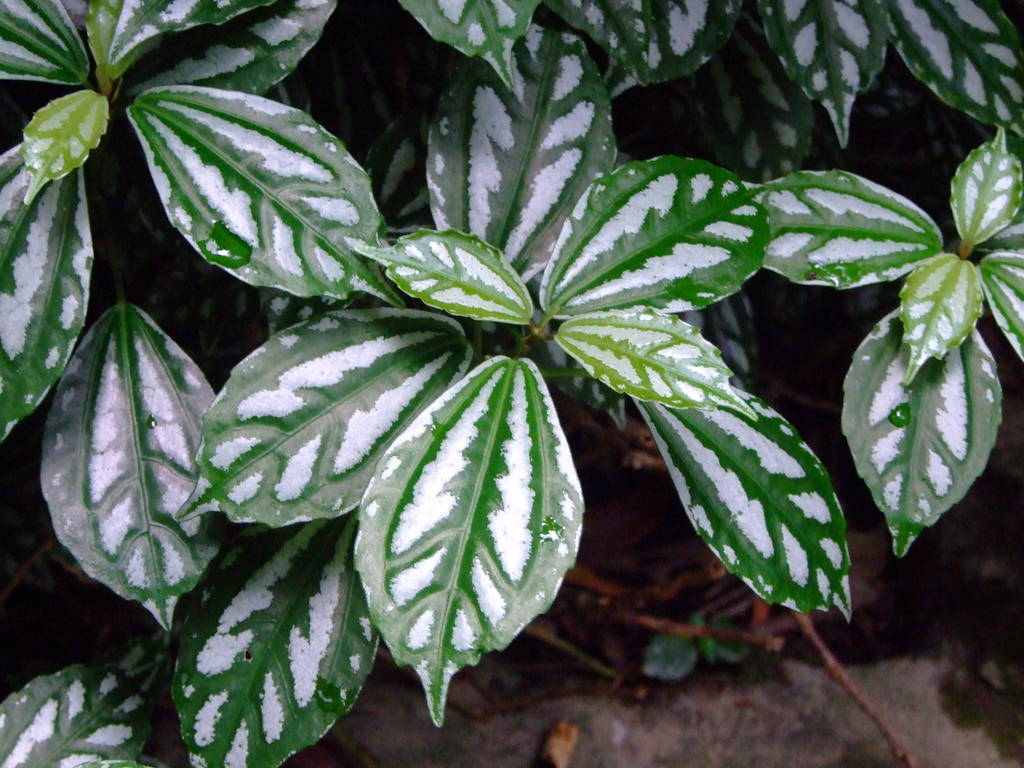
Pilea cadierei, commonly known as the Aluminum Plant, is a popular houseplant native to Vietnam and China. It belongs to the Urticaceae family and is recognized for its appealing foliage, featuring dark green leaves with striking silver markings. The plant typically grows up to 12 inches in height and can spread up to 24 inches in width.
The Aluminum Plant thrives in bright, indirect light but can also tolerate low-light conditions. It prefers well-draining soil and requires regular watering, though it can withstand brief periods of drought. Ideal temperatures for this plant range between 60-75°F (15-24°C), and it flourishes in moderate humidity levels.
Pilea cadierei is a low-maintenance plant that does not demand frequent fertilization or pruning. However, the plant may benefit from occasional misting or wiping of its leaves with a damp cloth to maintain cleanliness.
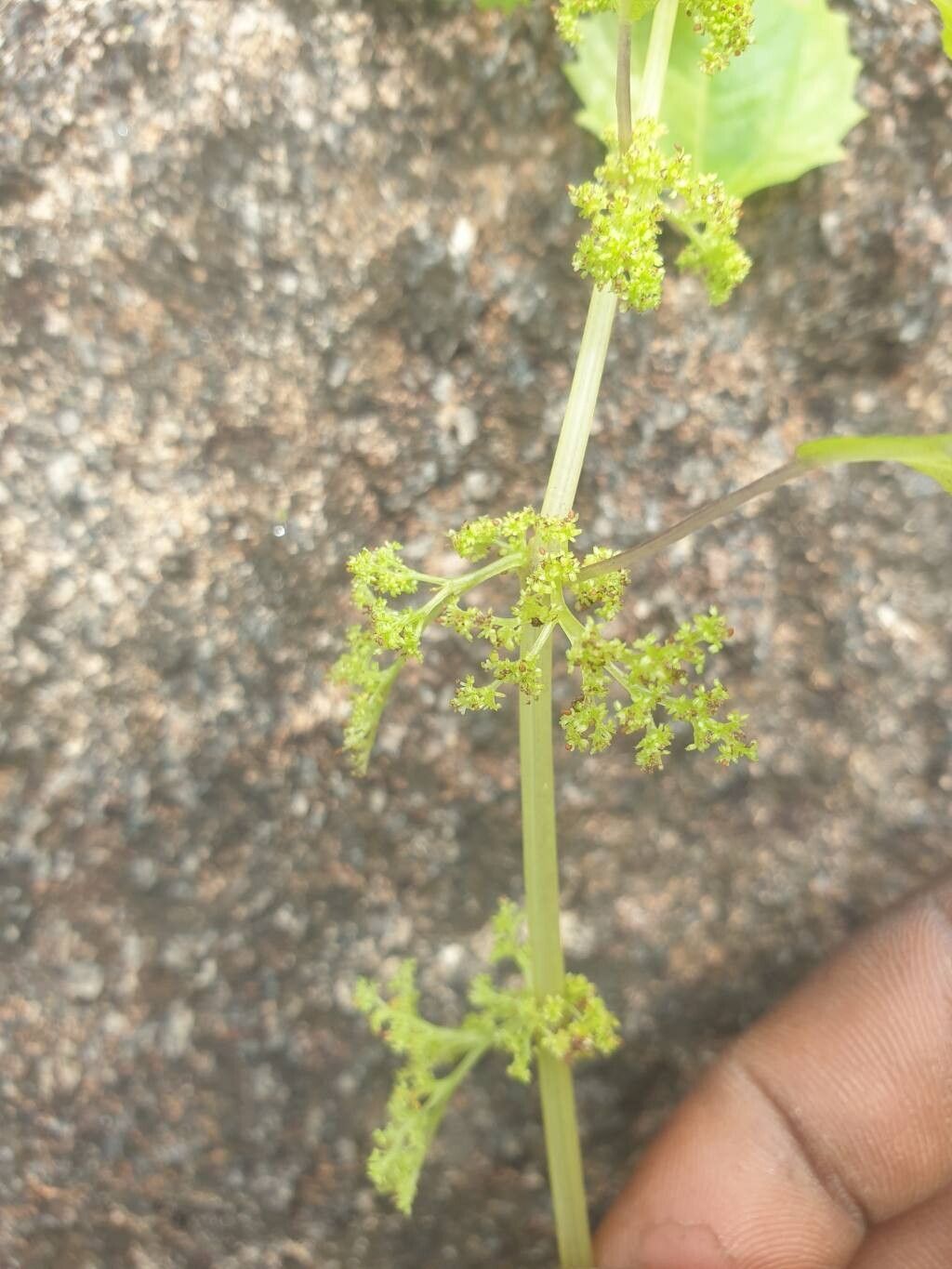
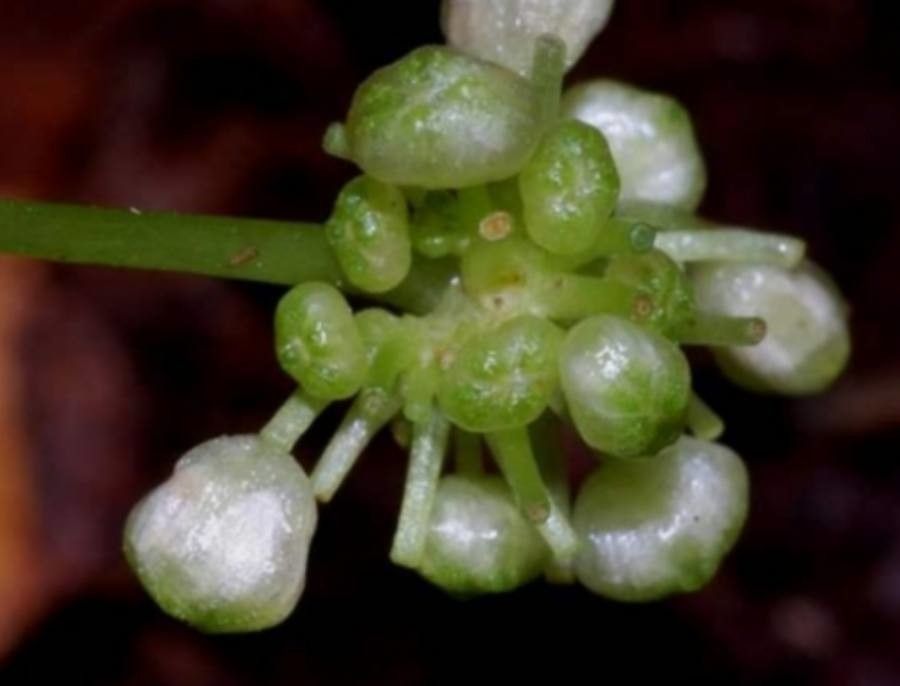
The aluminum plant is an evergreen perennial in tropical regions, but it also makes an excellent houseplant in more temperate areas. In the wild, it flowers and produces seeds. However, be cautious, as the plant contains alkaloids that are toxic to both people and pets. FUN FACT · FROM THE LIBRARY
In addition to its visual appeal, the Aluminum Plant offers air-purifying properties, making it a great choice for indoor environments such as homes or offices where air quality might be compromised by pollutants like formaldehyde or benzene.
Overall, Pilea cadierei is an attractive and easy-to-care-for houseplant that enhances the beauty and freshness of any indoor space while also providing health benefits for its owners.
The Aluminum Plant: This plant earns its common name from the silvery markings on its leaves, which make it look as if it has been painted with aluminum. Scientifically known as Pilea cadierei, this species belongs to the nettle family. The specific epithet, cadierei, honors the botanist R.P. Cadiere.
The aluminum plant is generally disease-resistant and typically not prone to illness. However, it can develop leaf spots when light and ventilation are inadequate and when it is overwatered. Its care level is considered easy, since it mainly requires regular watering and little else. The aluminum plant is suitable for people who do not have time or energy to devote to regular care.
How to keep Pilea Cadierei.
Light
The aluminum plant does well in sheltered light and can tolerate some sun exposure. It comes from habitats with dense tree canopies that limit sunlight. Too much sun can scorch its leaves, while too little light can stunt its growth.
Water
The aluminum plant, which originates from tropical underbrush, thrives in consistently moist environments. To keep it healthy, water it weekly, but be careful not to overwater and cause waterlogging. As an evergreen plant grown indoors, it also benefits from regular misting. This helps maintain high humidity, promoting vibrant growth throughout the year.
Humidity
This plant will thrive in moderate humidity, which is probably the level in your home. However, misting it a few times a week can be very beneficial. Make sure the room has good ventilation.
Temperature
The native growing environment of the aluminum plant thrives at temperatures ranging from 20 to 38 ℃ (68 to 100.4 ℉). As a temperate woody species, it prefers warm, humid conditions. In winter the plant favors temperatures between 16 and 20 ℃ (60.8 to 68 ℉), whereas in summer it requires 24 to 27 ℃ (75.2 to 80.6 ℉).
Fertilizer
The aluminum plant needs the most fertilizer during its active growth period, which occurs mainly in spring, summer, and early fall. Fertilizing supplies essential nutrients the soil may lack, supporting healthy root and stem development as well as the attractive foliage that is a key characteristic of this plant.
Pruning
The aluminum plant, known for its striking silver-patterned leaves, thrives with regular pruning in the spring. To encourage bushier growth, trim back leggy stems to their base and remove any dead leaves. This will improve air circulation and give the plant a fuller, healthier appearance.
Pot & Repot
When repotting an Aluminum plant, select a pot 1–2 inches (2.5–5.1 cm) larger with good drainage. Use a well-draining potting mix. Repot in spring or fall, making sure the root ball sits just below the rim of the flower pot. Water thoroughly after repotting and place the pot in a warm spot with indirect sunlight.
Toxicity
This plant is nontoxic. It is completely safe on animals especially on pets like cats, dogs, and horses. It is also completely safe for humans.
Further reading →
The toxicity and danger assessments provided are for reference only. We do not assure their accuracy, so it's crucial not to depend on them. Seek professional advice when necessary for accurate guidance.
Botanical profile.
- Plant Type
- Herb
- Life Cycle
- Perennial
- Genus
- Pilea
- Family
- Urticaceae
- Hardiness Zone
- 10-12
- Mature Height
- 30 cm
- Mature Spread
- 20 cm
- Leaf Color
- Green, Silver, Gray
- Leaf Type
- Evergreen
- Flower Color
- Silver, Gray, Green, Pink, White
- Flower Size
- 0.18 cm to 0.20 cm
- Bloom Time
- All year round
- Planting Time
- Spring
- Harvest Time
- All year round
- Native Area
- Vietnam, China
Other names.
Reader questions.
How should I water my Aluminum plant in the best way?
When watering the Aluminum plant, it is important to use filtered water at room temperature. Tap water may contain harmful particles. The plant prefers warm water because it is used to a warm environment. Cold water can be a shock. It is recommended to avoid overhead watering as it can cause foliage issues. Instead, water the soil directly until it is fully soaked. This benefits the plant by moistening the roots and helping them spread and collect nutrients.
Why do I have to put fertilizer on my Aluminum plant?
All plants, including the Aluminum plant, need soil nutrients to grow properly. However, it is not always guaranteed that the soil where your plants grow will have all the necessary nutrients. By using fertilization and soil amendments, you can ensure that your garden plants have the basic nutrients they need and the specific nutrients required for their growth. To ensure a healthy and attractive Aluminum plant, it needs fertilizer throughout the growing season. This will help its roots and stems develop properly, and it will also enhance the appearance of its foliage, which is the main source of its ornamental appeal.
What are the sunlight requirements for an aluminum plant?
The aluminum plant, or Pilea cadierei, flourishes in conditions where sunlight is sheltered, making it well-suited for environments with limited sun exposure. Originating from habitats with substantial tree canopies, the aluminum plant requires careful placement to avoid leaf scorching from excessive sunlight and to prevent stunted growth due to insufficient light. It's important to observe the sunlight movement in your garden to ensure spots provide a balance of light and shade, catering to the plant's needs for less than 3 hours of sunlight (full shade) or about 3-6 hours of sunlight (partial sun).
What is the ideal growth environment for an Aluminum plant?
The Aluminum plant (Pilea cadierei) thrives in a native growth environment with temperatures ranging from 20 to 38 \u2103 (68 to 100.4 \u2109), favoring warm and humid climates typical of temperate woody plants. During winter, it prefers temperatures between 16 to 20 \u2103 (60.8 to 68 \u2109), and in summer, the plant enjoys cooler conditions in the range of 24 to 27 \u2103 (75.2 to 80.6 \u2109). As an extremely heat-loving species, the Aluminum plant is sensitive to cold, requiring indoor relocation in autumn to a bright window, away from direct heat sources, and maintaining temperatures above 20\u00b0C during winter for optimal growth. Exposure to temperatures near or below 5\u00b0C is harmful.
What should I do if I give my Aluminum plant too much or too little water?
Overwatering is a common issue for Aluminum plants and can cause wilting, yellowing leaves, and diseases like root rot, mold, and mildew. Underwatering is less common but can result in brittle, brown leaves. It's important to notice and address signs of overwatering promptly, as some diseases may be irreversible if you wait too long. Reduce watering immediately if you see early signs and check the soil's drainage. Replace poorly draining soil with a loose, well-draining potting mix. If you suspect underwatering, simply increase watering until the signs improve.
When should I put fertilizer on my Aluminum plant?
An aluminum plant requires the highest amount of fertilizer when it is actively growing, which is usually during spring, summer, and early fall. Once winter ends, you should feed your aluminum plant every two to four weeks until fall comes. During fall, you can gradually reduce the fertilization rate until you stop feeding the plant completely in preparation for the winter months with less active growth.
How can artificial lighting benefit indoor aluminum plants?
Indoor aluminum plants benefit significantly from artificial lighting, especially when natural sunlight is inadequate, such as during winter or in spaces with less sun. Artificial lights, like LED lights that can be customized to emit specific wavelengths, support optimal growth. For plants, the required artificial light intensity ranges based on their sunlight needs: full sun plants should get 30-50W/sq ft, partial sun plants 20-30W/sq ft, and full shade plants 10-20W/sq ft. Placement should be 12-36 inches away from the plant, mimicking natural light conditions, with duration matching natural daylight hours, typically 8-12 hours per day.
How does low temperature affect the Aluminum plant and what are the solutions?
The Aluminum plant prefers warm temperatures and does not tolerate cold well, requiring temperatures above 20\u00b0C for optimal health. Exposure to temperatures below 5\u00b0C can lead to lighter leaf coloration, and frost can cause the leaves to turn brown or black, leading to wilting and drooping. In case of frost damage, it is advisable to trim off the damaged parts and move the plant to a warmer indoor environment, placing it near a south-facing window for ample sunlight but away from heaters or air conditioning vents to avoid air dryness.
How frequently should I give water to my Aluminum plant?
If your Aluminum plant is in a pot, you can easily tell if it needs water by sticking your finger into the soil. If the top two to three inches of soil feel dry, then it's time to water it. The same method can be used if you have your Aluminum plant planted outdoors in the ground. If the first few inches of soil are dry, it's a sign that you should water it. Generally, during the spring and early fall, watering once a week should suffice. However, when it's extremely hot, you might need to water it two or more times a week. Keep in mind that mature, well-established Aluminum plants can tolerate drought conditions well.
When is it not a good idea to fertilize my Aluminum plant?
For most of the year, including spring, summer, and most of fall, it's important to regularly feed your Aluminum plant. However, there are exceptions. If you notice that your plant has received too much fertilizer or has been incorrectly fertilized, you'll need to address the issue before resuming the regular feeding schedule. It's important to note that you should not fertilize the Aluminum plant during winter. If you're growing the plant indoors in a cold winter climate, it will go into a dormant phase. Feeding the plant during this phase is unnecessary and can cause fertilizer burn.
What are the symptoms of inadequate light in aluminum plants?
When aluminum plants receive insufficient light, they might show several symptoms, including slower or halted growth as the plant enters survival mode with no new leaf production. The plant might appear leggy or sparse due to longer spaces between leaves or stems, and new leaves may develop lighter in color or exhibit irregular patterns, signaling a lack of chlorophyll. In cases of overexposure to sunlight, symptoms like chlorosis (yellowing leaves), sunscald, leaf curling, wilting, and leaf scorching can occur, each impeding the plant's health and growth.
What should be done if an Aluminum plant experiences high temperature?
During summer, it's crucial to keep the Aluminum plant's environment below 38\u00b0C to prevent stress. Temperatures exceeding 43\u00b0C can lighten the leaves' color and increase susceptibility to sunburn. To combat this, trim away sunburned or dried parts of the plant and move it to a shaded location, especially from the midday and afternoon sun. Additionally, ensure the soil stays moist by watering the plant in the morning and evening.