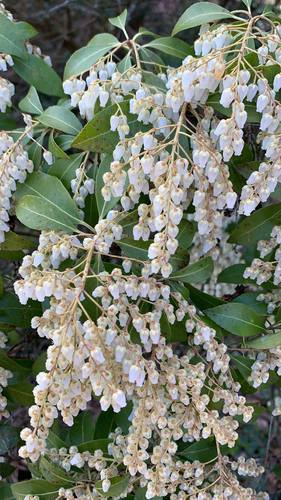
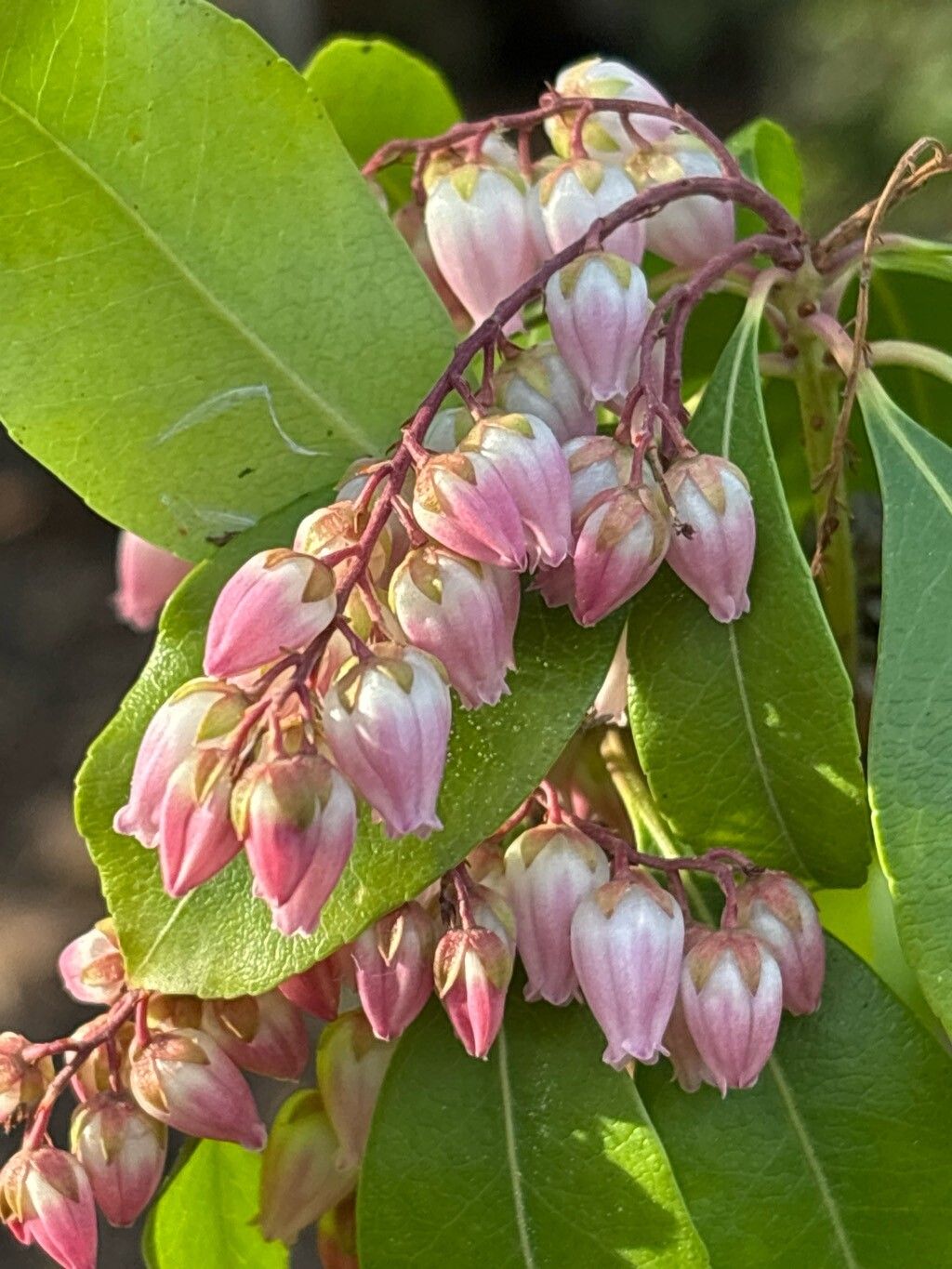
Japanese pieris has strong disease resistance and is generally not susceptible to illnesses. In terms of care, this plant is fairly low-maintenance. When grown outdoors it requires only light watering, and larger specimens usually do not need pruning. Smaller plants, however, should be pruned after they have finished blooming. Japanese pieris is suitable for anyone with outdoor space, such as a garden or deck, and does not require extensive care experience.
How to keep Pieris Nana.
Light
Japanese pieris prefers a place that gets plenty of sun each day, but it can also thrive in areas with either more or less light. Excessive sun can cause sunburn, while too little light can hinder growth. It comes from an environment with varied light conditions.
Temperature
Japanese pieris grows best at temperatures from 41 to 90 ℉ (5 to 32 ℃) and is a temperate woody plant. It needs a cold dormant period during winter, making it suitable for outdoor cultivation in regions with mild winters.
Fertilizer
To encourage healthy growth, feed your Japanese pieris in early spring. Regular feeding boosts overall health, producing robust growth, better tolerance of harsh conditions, and increased resistance to pests and diseases. Follow a consistent fertilizing routine for your Japanese pieris to maintain lively, deeply colored foliage and a full, lush look.
Pot & Repot
When repotting Japanese pieris, select a pot 1–2 inches (2.5–5.1 cm) larger with ample drainage. Use a well-draining potting mix. Repot in spring or fall, making sure the root ball sits slightly lower than the rim of the flower pot. Water thoroughly after repotting and place in a warm spot with indirect sunlight.
Botanical profile.
- Plant Type
- Shrub
- Life Cycle
- Perennial
- Hardiness Zone
- 5-8
- Mature Height
- 0.91 m to 3.96 m
- Mature Spread
- 3.96 m
- Leaf Color
- Green, Red, White, Variegated
- Leaf Type
- Evergreen
- Flower Color
- White, Pink
- Flower Size
- 0.51 cm to 0.76 cm
- Bloom Time
- Spring
- Planting Time
- Spring, Autumn
- Harvest Time
- Early summer, Mid summer
- Native Area
- Japan, China