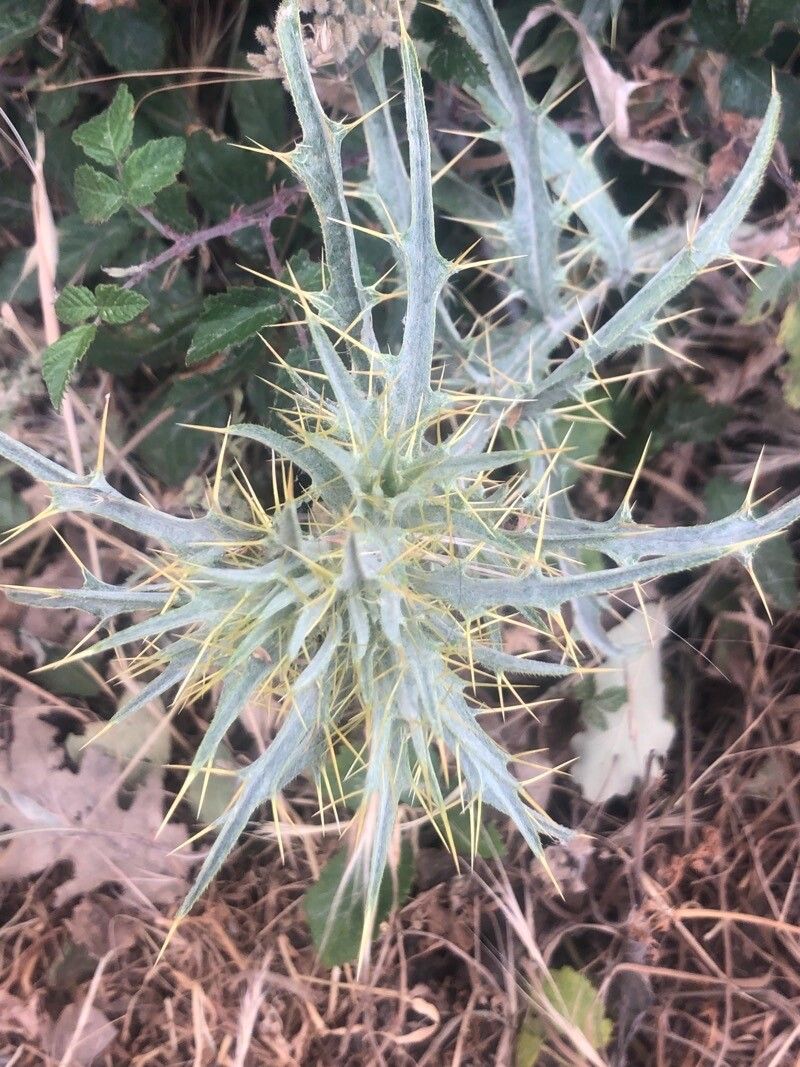
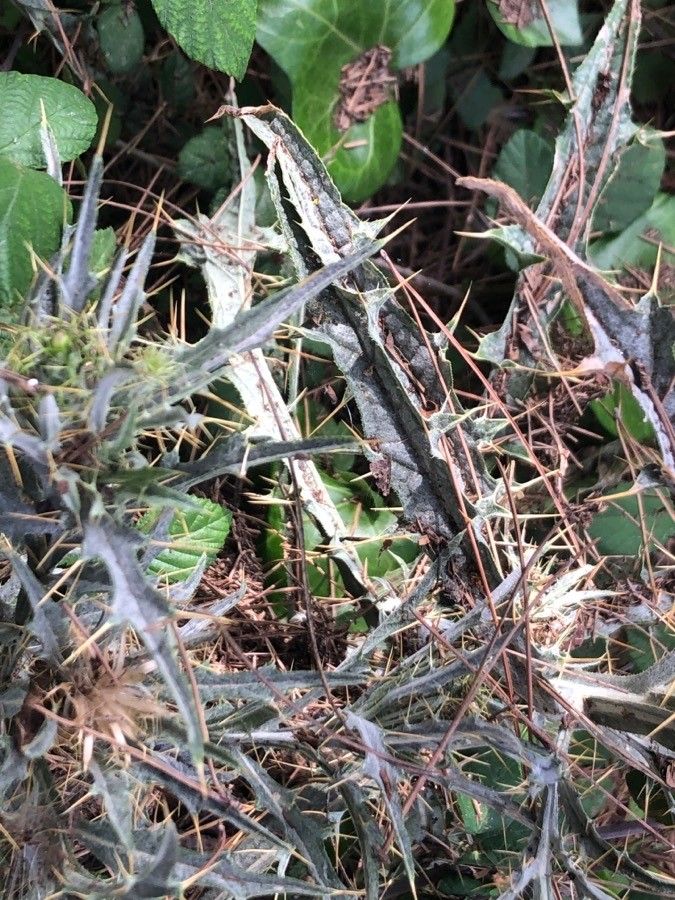
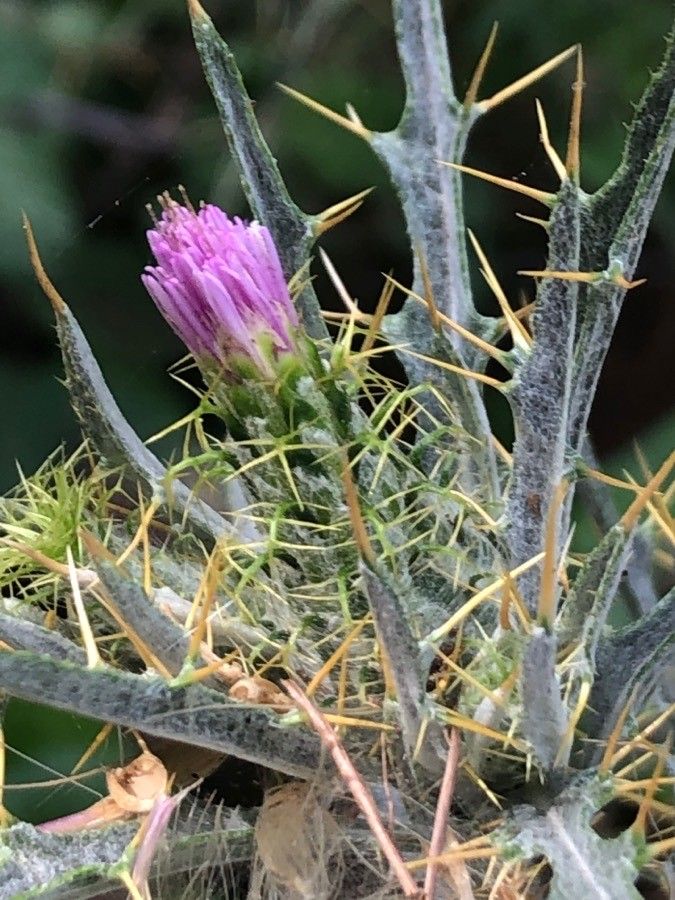
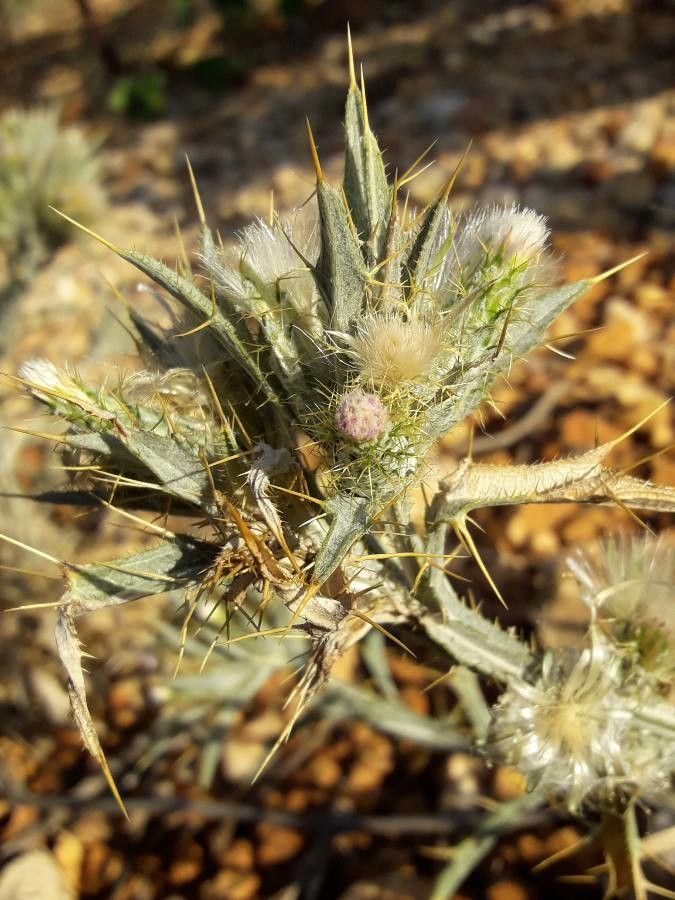
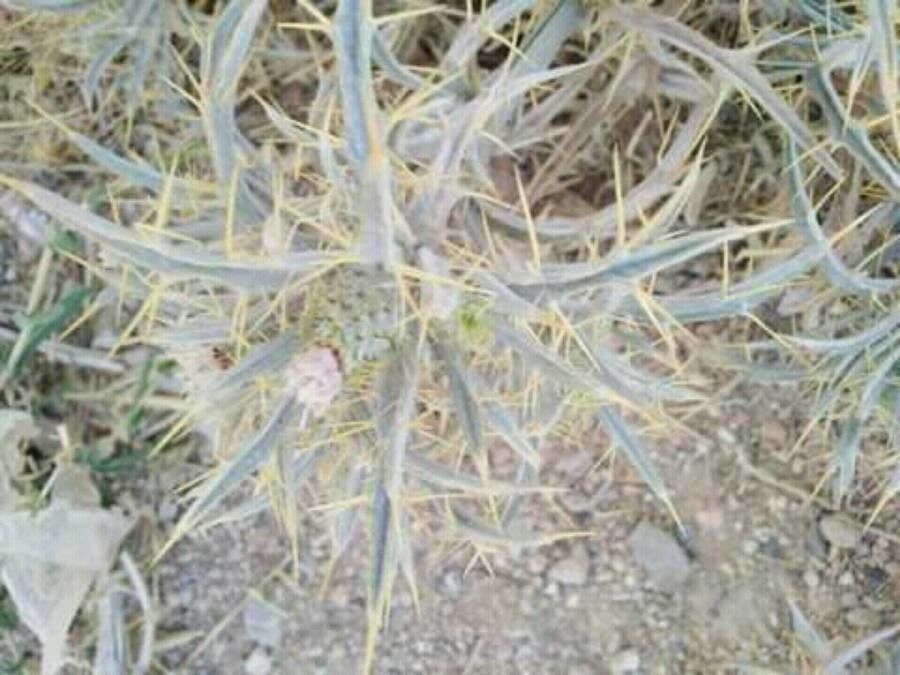
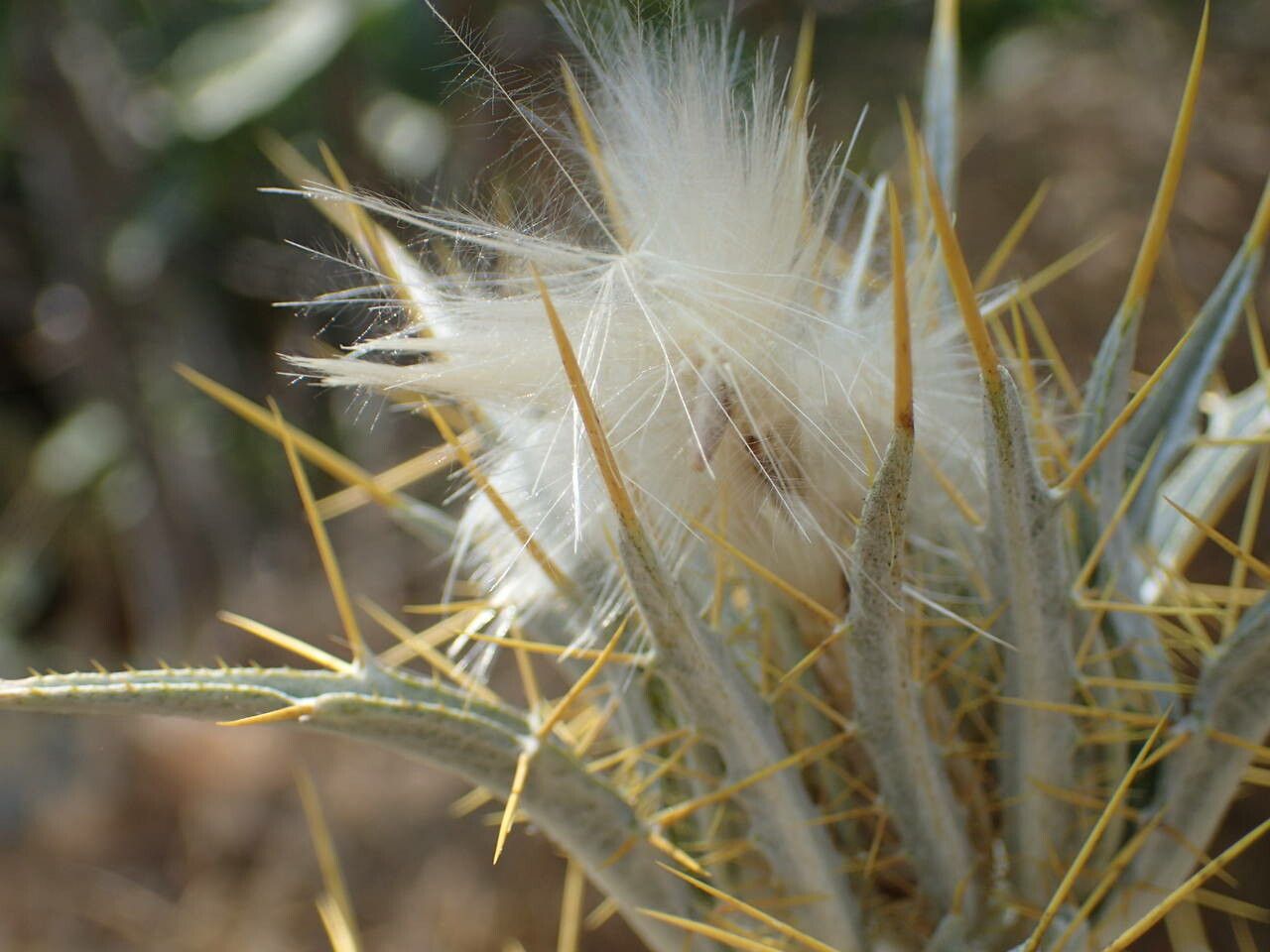
Picnomon is a genus of flowering plants in the tribe Cardueae within the family Asteraceae.
Soldier thistle is fairly disease-resistant and generally not vulnerable to illnesses. However, it can be affected by pests and diseases present in its environment. These problems are typically not severe. Regarding care, this plant needs moderate maintenance. Regular pruning is required to keep a good appearance and encourage healthy growth. Applying fertilizer can also help stimulate flowering. Soldier thistle is appropriate for anyone with an outdoor area, like a garden or patio, and does not demand extensive care experience. It may need more attention when cultivated indoors.
How to keep Picnomon Acarna.
Light
Soldier thistle comes from bright, open habitats where it does best in full sun. It can tolerate partial sun but favors direct sunlight for optimal growth. This annual or biennial plant is noted for its sun-loving habit.
Water
Soldier thistle flourishes in arid environments due to its high drought tolerance. To keep it healthy, water it once a week, but be careful not to saturate the soil. Typically found in outdoor dry climates, soldier thistle needs well-draining soil to replicate its natural habitat. This helps reduce the risk of root rot and conserves water.
Temperature
Soldier thistle comes from tropical areas where the climate is generally warm and humid. Therefore it is adapted to high temperatures and humidity. It is sensitive to abrupt temperature changes and prefers a stable temperature environment, so avoiding temperature fluctuations indoors is important. It usually cannot tolerate cold and needs higher temperatures for growth. If the ambient temperature drops too low, the plant may stop growing or even die.
Fertilizer
Soldier thistle does well with regular, light applications of fertilizer to encourage healthy leaf growth. You should fertilize Soldier thistle about once a month during the summer. Nitrogen is essential for foliage, and supplying nitrogen-rich sources helps Soldier thistle thrive.
Pruning
Soldier thistle has a spiky appearance and grows vigorously. To maintain its shape and health, it should be pruned between early and late spring. Remove dead stems and trim back any overly vigorous shoots. This not only improves air circulation but also encourages a more compact form. Be sure to use clean, sharp tools to prevent any damage.
Botanical profile.
- Plant Type
- Herb
- Life Cycle
- Annual
- Genus
- Picnomon
- Family
- Asteraceae
- Hardiness Zone
- 7-10
- Mature Height
- 15 cm to 55 cm
- Mature Spread
- 20 cm to 49 cm
- Leaf Color
- Green, Light Green
- Leaf Type
- Deciduous
- Flower Color
- Purple
- Flower Size
- 1.52 cm to 2.03 cm
- Bloom Time
- Early summer, Mid summer
- Planting Time
- Winter
- Harvest Time
- Late summer, Early fall
- Native Area
- Turkey, Sweden, Montenegro, Croatia, Slovenia, Morocco, Uzbekistan, Russia, Iraq, Romania, France, Portugal, Tajikistan, Tunisia, Cyprus, Bulgaria, Armenia, Greece, Ukraine, Lebanon, Serbia, Afghanistan, Syria, Kyrgyzstan, Kazakhstan, Italy, Spain, Iran, Albania, Azerbaijan, Algeria, Turkmenistan
Other names.
Reader questions.
How should I water my Soldier thistle plant?
Soldier thistle can be watered using various tools such as a garden hose with a spray nozzle or a watering can. This plant is not too particular about its water source, whether it's rainwater, tap water, or filtered water. It's advisable to avoid watering the plant from above because it can harm the leaves and flowers and potentially cause disease. Instead, a drip irrigation system is often the best watering method, as it evenly and directly applies water to the soil. When it comes to a container-grown Soldier thistle, use a cup, watering can, or tap water to irrigate the soil.
What are the sunlight requirements for Soldier thistle?
Soldier thistle, known by its botanical name Picnomon acarna, thrives in environments with full sun, requiring above 6 hours of sunlight daily for optimal growth. It can also tolerate partial sun, which amounts to about 3-6 hours of sunlight. It's essential to observe how sunlight moves through your garden, selecting locations that offer a perfect balance of light and shade, ensuring the plants' happiness and health.
What should I do if I give my Soldier thistle too much or too little water?
To solve the problem of underwatering Soldier thistle, you simply need to water it more often when you notice it lacks moisture. Overwatering, on the other hand, can lead to more serious issues like diseases and even death for the plant. To prevent this, it's crucial to choose a growing location with plenty of sunlight and good drainage to avoid waterlogged soil. If you overwatered a potted Soldier thistle, it might be necessary to transfer it to a new pot with proper drainage and loose soil.
Can Soldier thistle grow with artificial lighting?
Yes, Soldier thistle can grow under artificial lighting, particularly when natural sunlight is insufficient, such as during winter or in less sunny indoors spaces. Artificial lights, like LEDs, can be customized to provide specific wavelengths needed by plants, supporting healthier growth. Full sun plants, including Soldier thistle, need 30-50W/sq ft of artificial light. Placement of the light source should be 12-36 inches above the plant to mimic natural sunlight effectively, with a duration mimicking natural daylight hours, typically 8-12 hours per day.
How many times should I water my Soldier thistle?
Soldier thistle requires regular watering throughout the growing season. In spring, water the plant once per week. As the season progresses and it gets warmer, increase watering to two or three times per week. However, be careful not to exceed this rate as it can harm the plant. Regardless of watering frequency, make sure the soil remains relatively moist but not wet. When watering Soldier thistle in a pot, you may need to water more frequently as the soil in a pot can dry out faster. Usually, watering a container-grown Soldier thistle a few times per week is recommended, compared to just once per week for a plant in the ground.
What are the symptoms of light deficiency in Soldier thistle?
Symptoms of light deficiency in Soldier thistle include smaller new leaves, leggy or sparse growth resulting in a stretched-out appearance, faster leaf drop to conserve resources, delayed or halted growth, lighter-colored new leaves indicating insufficient chlorophyll, and conditions like chlorosis where leaves turn yellow. Additionally, intense sunlight exposure can cause sunscald, leaf curling as a defense mechanism, wilting from increased water loss, and leaf scorching, displaying brown, dry edges on leaves.
How much water does my Soldier thistle plant need?
Determining how much water to give your Soldier thistle can be done in a few different ways. Some gardeners prefer to gauge the moisture of the soil by feeling it. In this method, you would water until the first six inches of soil feels moist. Another option is to use a set measurement for watering. Generally, two gallons of water per week is recommended, but factors like temperature and soil dryness can affect this amount. However, following strict guidelines can cause overwatering if your plant doesn't actually need that much water. When growing Soldier thistle in a container, a different approach is necessary. You should water enough to moisten all the dry layers of soil. To check for moisture, you can feel the soil with your finger or observe if excess water trickles out through the pot's drainage holes.
How can I improve light conditions for indoor Soldier thistle plants?
To enhance growth for indoor Soldier thistle plants, gradually relocate them to sunnier spots until they achieve at least 6 hours of direct sunlight daily, utilizing south-facing windows for maximum exposure. If the plant is large or difficult to move, consider supplemental artificial lighting. Keeping a desk or ceiling lamp on for at least 8 hours daily or investing in professional plant grow lights can significantly benefit the plant's health and growth.
How do I know if I'm giving enough water to my Soldier thistle plant?
Avoiding overwatering your Soldier thistle can be quite tricky. On one hand, the deep roots of these plants require weekly soil moistening. However, Soldier thistles are extremely vulnerable to root rot, which can cause browning. Underwatering is less likely to occur as these plants can survive without additional watering for some time. However, prolonged absence of water may lead to wilting and dry leaves.
What steps should I take for outdoor Soldier thistle plants lacking sunlight?
For outdoor Soldier thistle plants experiencing insufficient sunlight, begin by gradually moving them to sunnier locations each week to prevent sunburn from sudden light intensity changes. Notably, parts of the plant already affected by low light may not recover, but new growth following increased light exposure will be healthy. Additionally, minimizing obstructions like pruning tree branches or relocating smaller plants can significantly improve sunlight access, ensuring better growth and plant health.
How do I water my Soldier thistle at different times of the year?
As the season progresses, the water needs of your Soldier thistle will increase. In spring, watering once a week should suffice. However, when the summer heat arrives, you may need to water your Soldier thistle more frequently, potentially up to three times a week. This is particularly important for Soldier thistle grown in containers, as the soil in containers tends to dry out faster in warm weather. In autumn, as the temperature drops and the sun is less intense, your blooming Soldier thistle may require less water.
How should I water my Soldier thistle at different stages of growth?
Throughout the year, Soldier thistle goes through different growth stages, each with varying water requirements. Starting as a seed, it's important to give extra water during germination to ensure consistent soil moisture. Once the seedling emerges, slightly less water is needed. Once the plant is mature, watering once per week is sufficient. During flower development, a little extra water may be necessary to support the process.