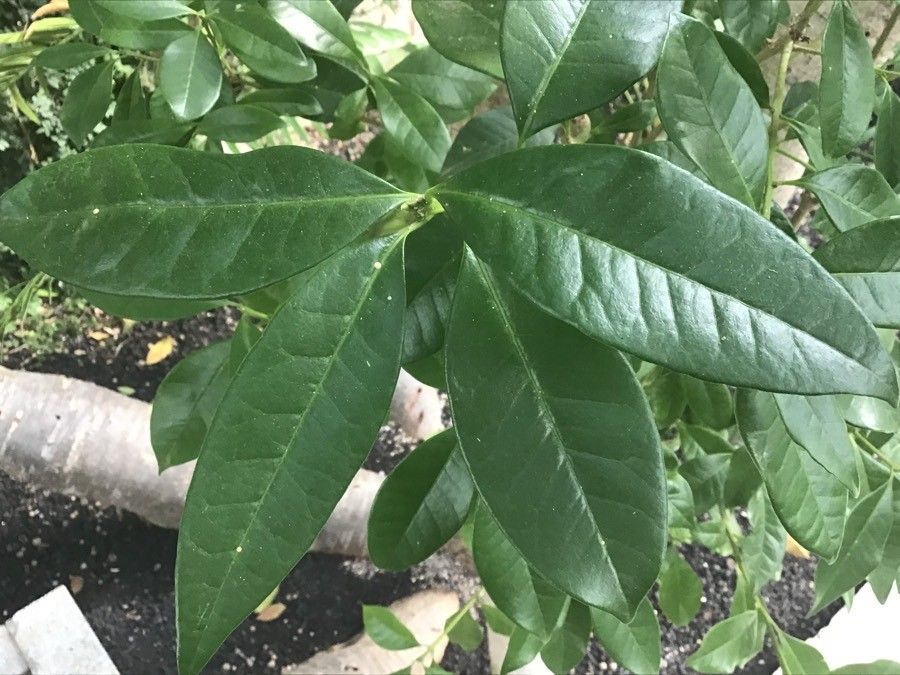
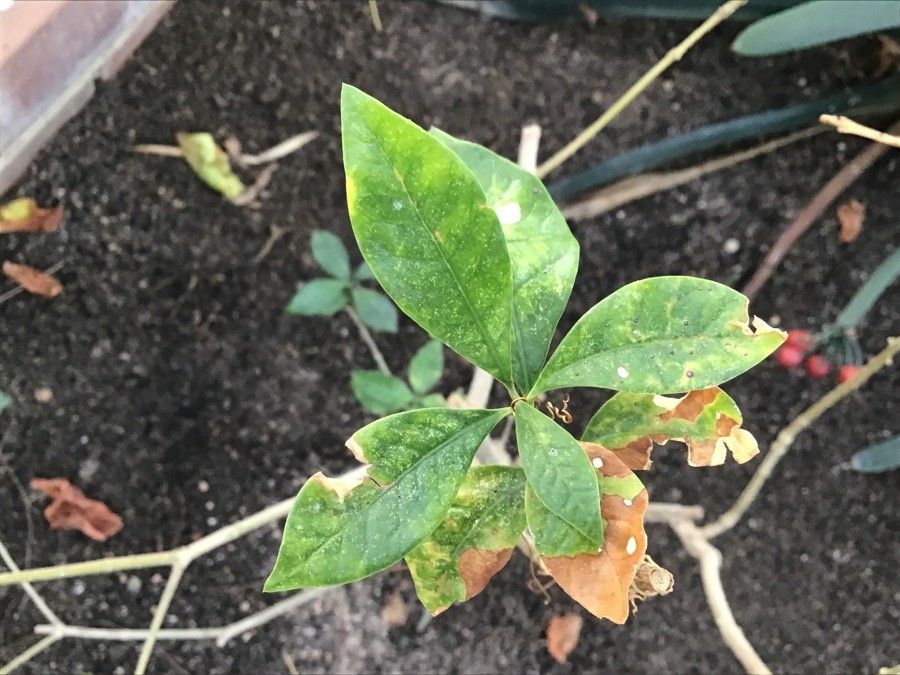
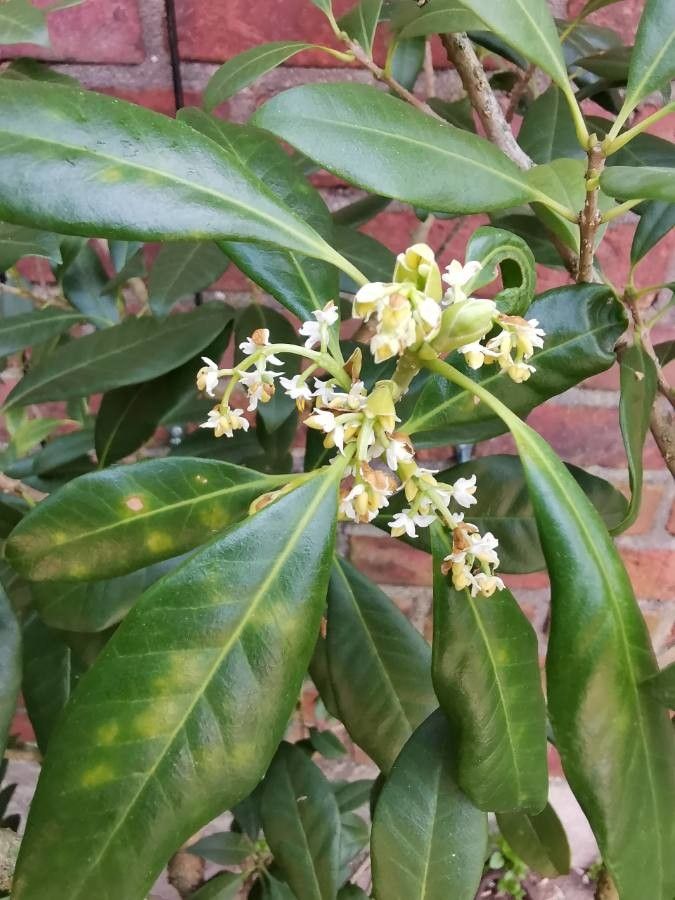
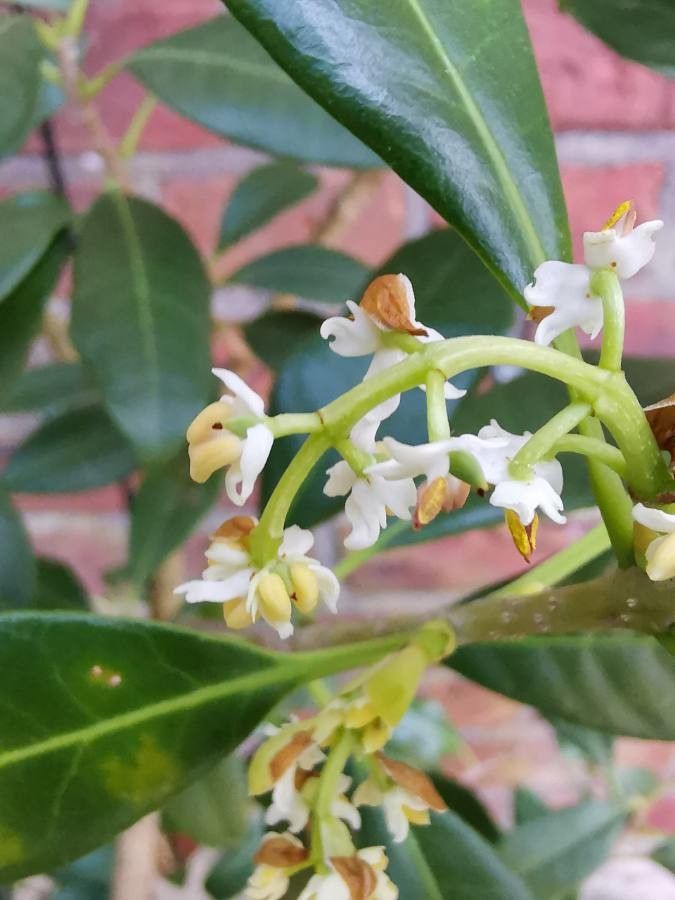
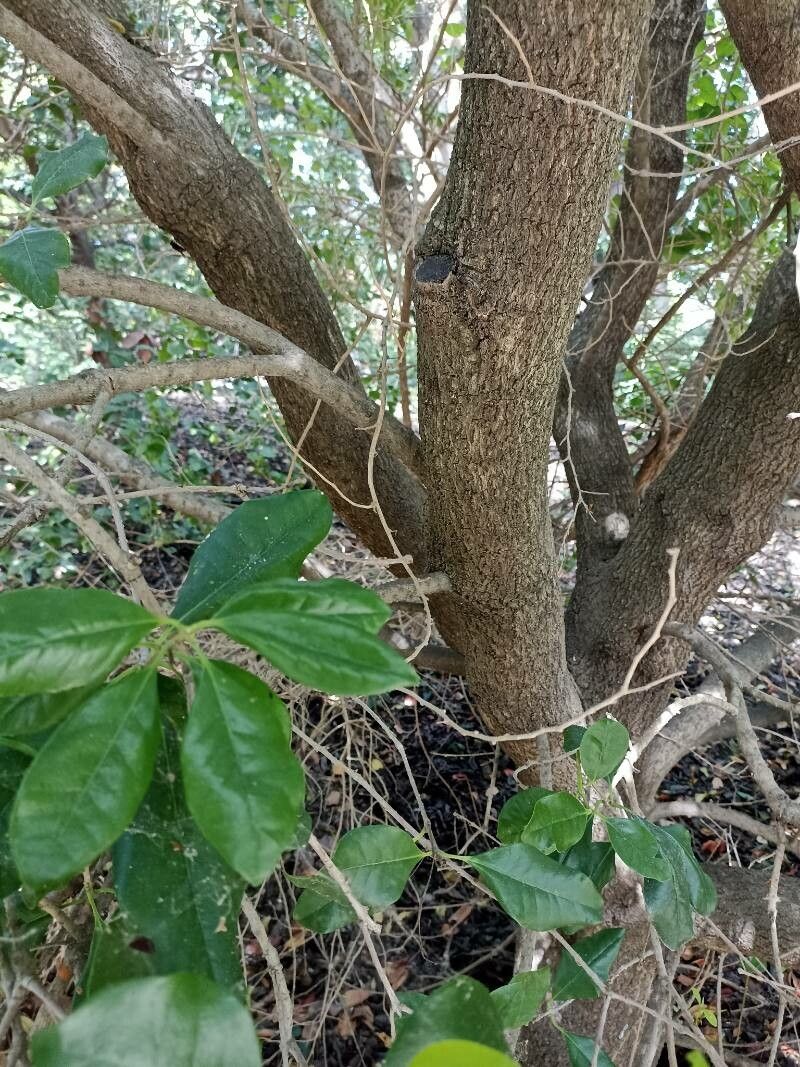
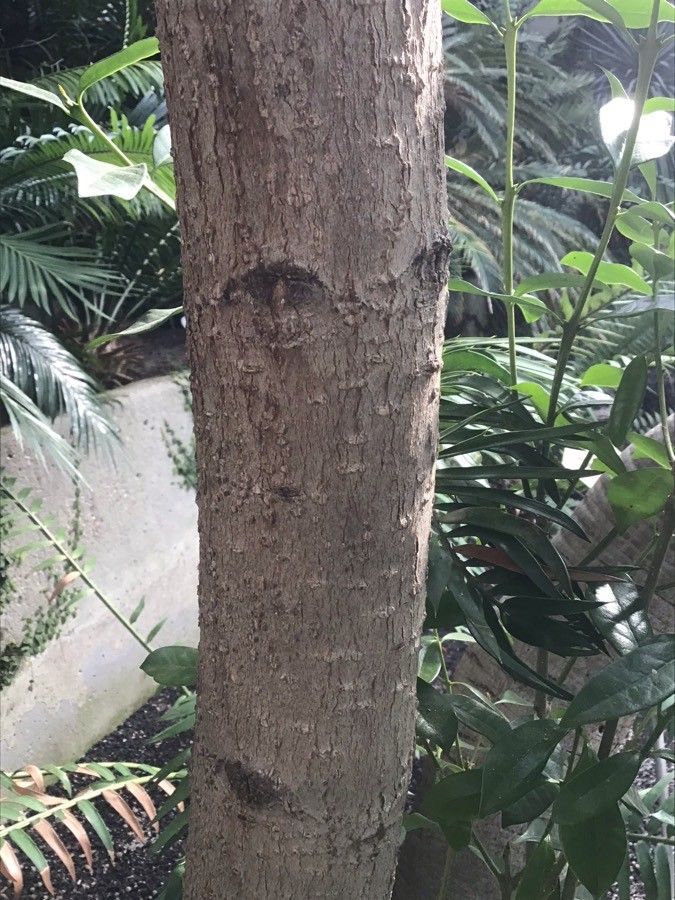
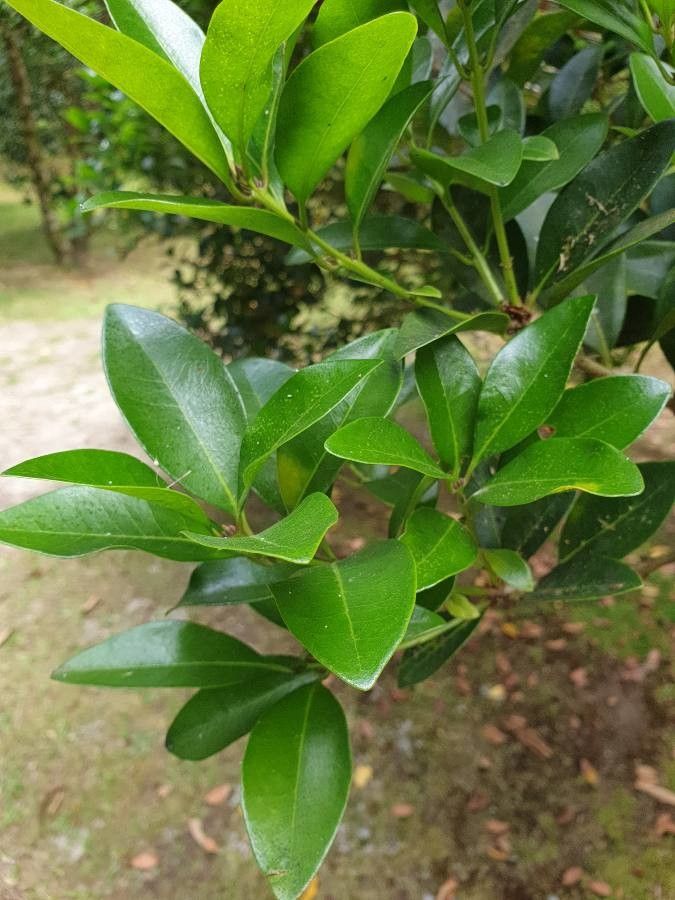
Picconia excelsa is a species of Picconia, endemic to Macaronesia, occurring on the Canary Islands (Spain) and Madeira (Portugal).
Canary islands olive has strong resistance to disease and is generally unlikely to be affected by illnesses. In terms of maintenance, this plant is fairly low-maintenance. When grown outdoors it needs little watering, and larger specimens typically do not need pruning. Smaller plants should be pruned after they have finished blooming. Canary islands olivet is suitable for anyone with outdoor space, such as a garden or a deck, and does not require much gardening experience.
How to keep Picconia Excelsa.
Light
The Canary Islands olive is native to habitats such as forest understories or rocky areas, where it grows in natural shade. Its preferred light condition is partial sun, but it can tolerate full sun or full shade, demonstrating its versatile, hardy nature.
Temperature
Canary islands olive is fairly adaptable to temperature, able to endure higher heat and significant temperature swings. When temperatures are elevated, care should be taken with watering and offering adequate shade to avoid sunburn. However, Canary islands olive has relatively low tolerance for cold. While it can handle some chill, excessively cold conditions can result in frost damage.
Fertilizer
Fertilize your Canary islands olive in early spring to encourage healthy growth. Routine feeding improves its overall health, producing robust growth, increased tolerance of harsh conditions, and better resistance to diseases and pests. Keep a consistent fertilization schedule for your Canary islands olive to maintain vibrant, deeply colored foliage and a full, lush appearance.
Pruning
The Canary Islands olive tree is characterized by its evergreen foliage and resilience. For optimal growth, it is best to prune the tree from early to late winter. Focus on removing dead branches to stimulate new growth, and thin out dense areas to improve air circulation. Be sure to use clean, sharp tools to prevent disease. According to horticultural experts, proper pruning promotes a strong structure and enhances flowering.
Botanical profile.
- Plant Type
- Tree
- Life Cycle
- Perennial
- Genus
- Picconia
- Family
- Oleaceae
- Hardiness Zone
- 9-11
- Mature Height
- 10.06 m to 14.94 m
- Mature Spread
- 4.88 m to 7.92 m
- Leaf Color
- Dark Green
- Leaf Type
- Evergreen
- Flower Color
- White
- Flower Size
- 0.51 cm to 1.02 cm
- Bloom Time
- Early spring, Mid spring
- Planting Time
- Spring, Summer, Autumn
- Harvest Time
- Late summer, Early fall, Mid fall