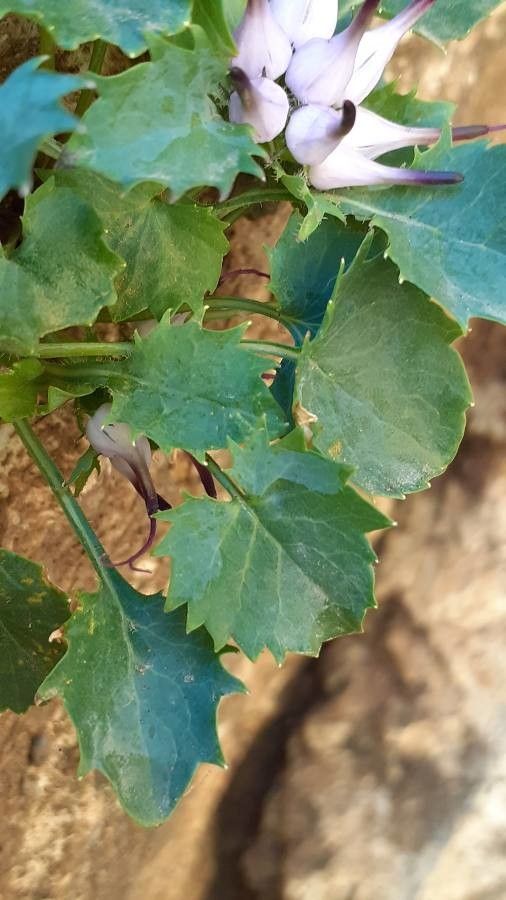
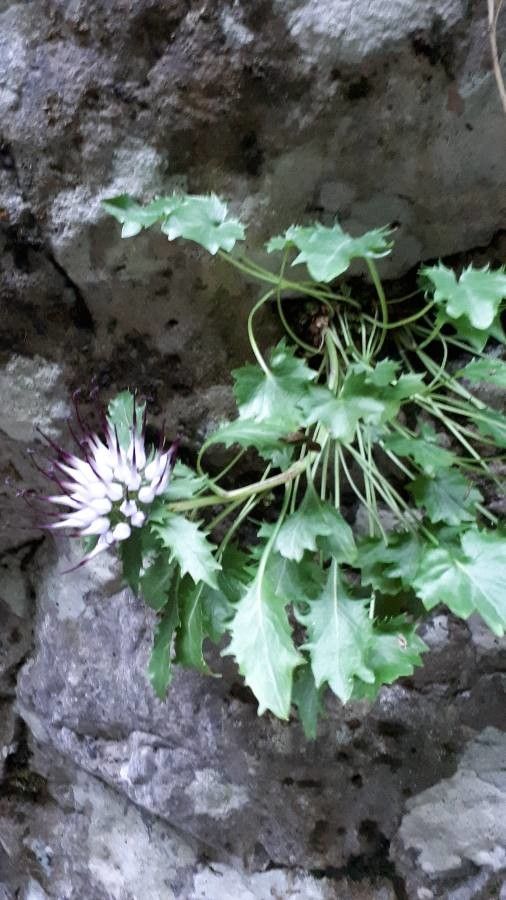
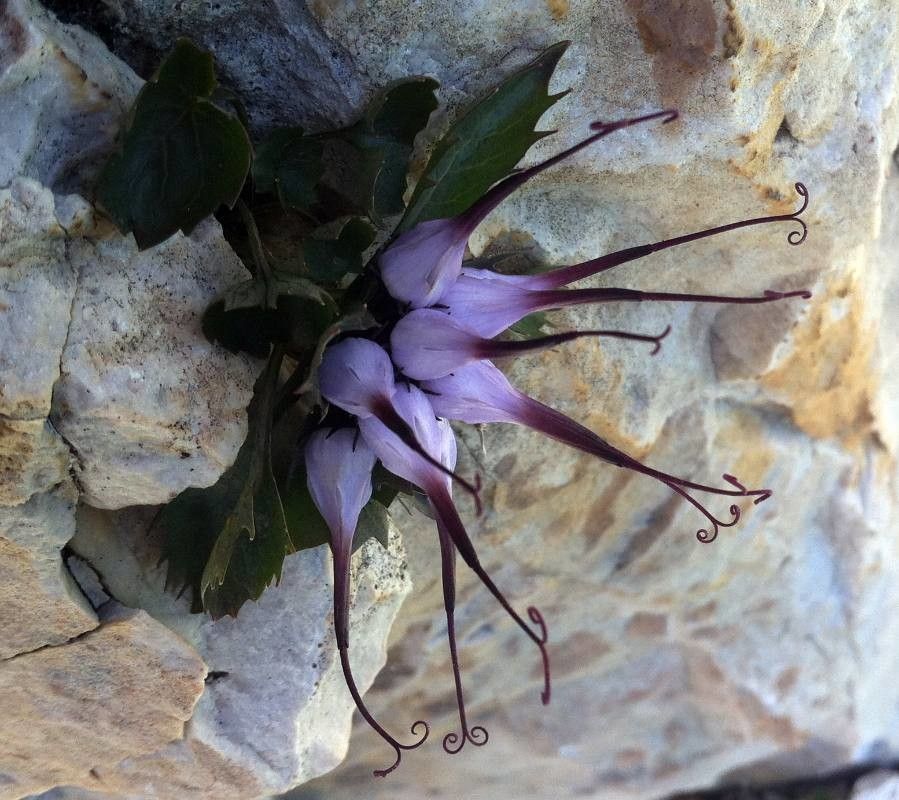
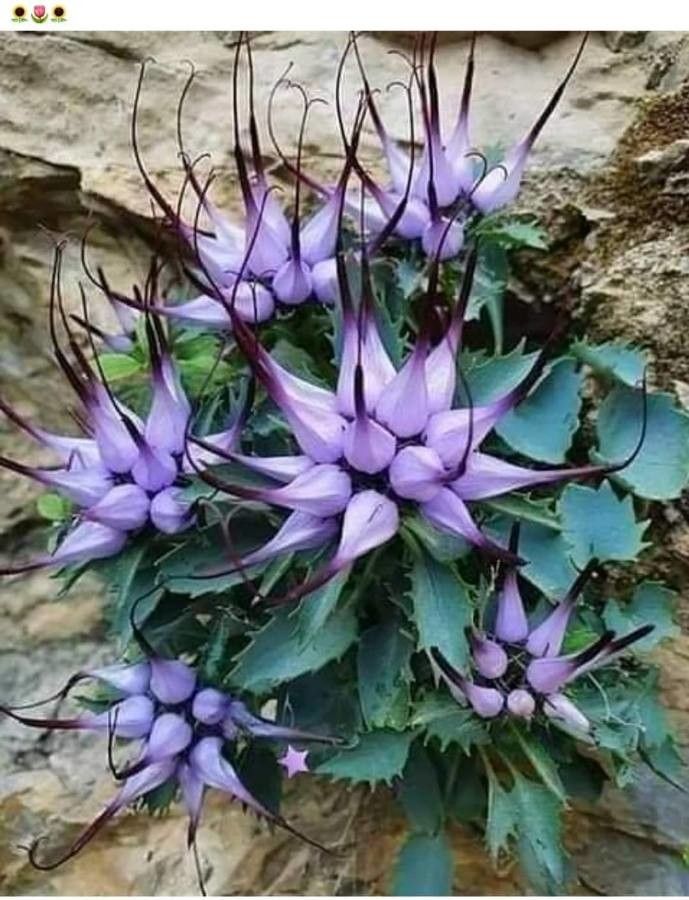
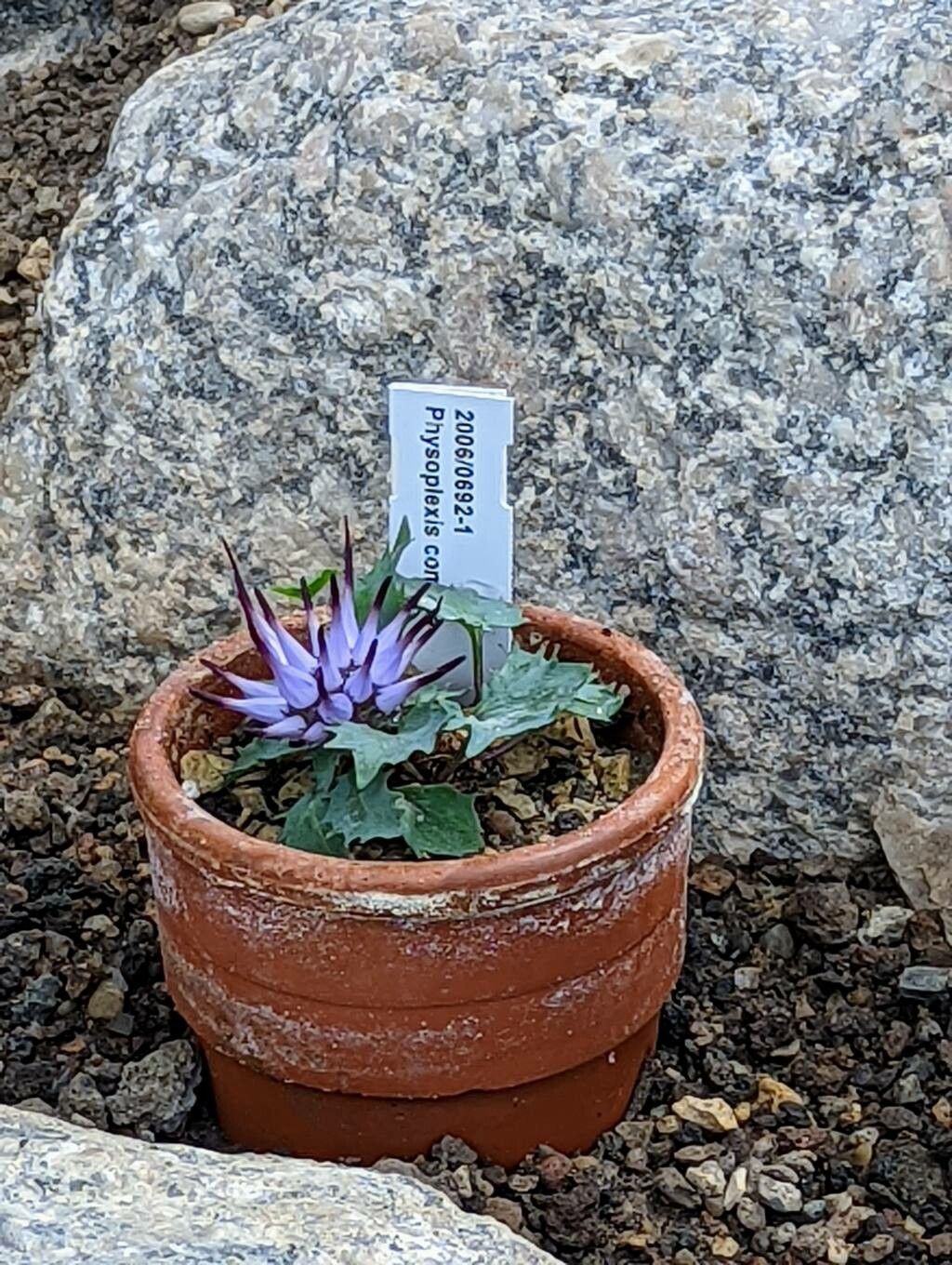
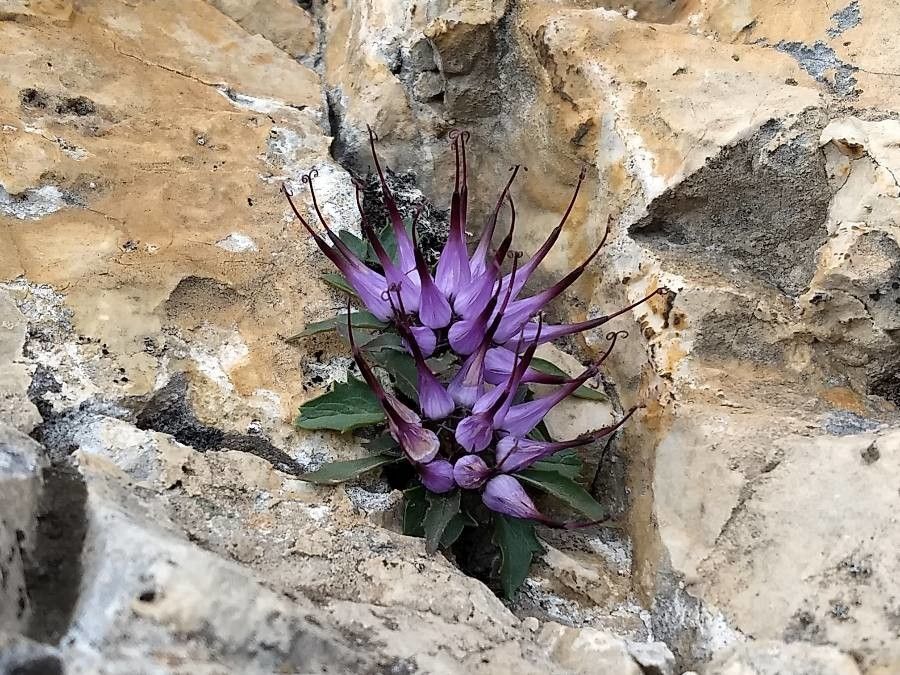
Physoplexis comosa, the tufted horned rampion, is a species of flowering plant in the family Campanulaceae, native to alpine Europe. It is the only species in its genus, and was formerly included in Phyteuma.It is an herbaceous perennial growing to 8 cm (3 in) tall by 10 cm (4 in) wide, with glossy toothed narrow oval leaves, and dense umbels of necked, pale mauve flowers with prominent purple tips (tufts) in summer. It is found in the Alps at altitudes of 300–2,000 m (984–6,562 ft).The specific epithet comosa means "tufted".In cultivation it is suitable for the rockery or alpine garden, and has gained the Royal Horticultural Society's Award of Garden Merit.
Devil's claw has good resistance to disease and generally is not prone to illnesses. However, it can be affected by pests and diseases present in its surroundings. Such infections are usually not serious. In terms of care, this plant requires moderate maintenance. It should be pruned regularly to maintain a pleasing appearance and healthy growth. Fertilizing can also help encourage flowering. Devil's claw is suitable for anyone with an outdoor area, such as a garden or patio, and does not need extensive care experience. It may demand more attention when kept indoors.
How to keep Physoplexis Comosa.
Light
Devil's claw needs abundant sunlight to thrive, though it can tolerate less intense light. In its native range it receives plenty of sun. Excessive shade may hinder its growth, while too much sun can potentially stress the plant. Ample sunshine is beneficial at every stage of growth.
Water
Devil's claw, native to rocky alpine slopes, thrives in well-drained conditions with moderate moisture. For optimal growth, water it weekly. This plant prefers cooler temperatures, which allows it to benefit from dew without the risk of root rot commonly seen in warmer, wetter soils.
Fertilizer
The best time to fertilize a Devil's claw is in early spring, as it comes out of dormancy and begins active growth. Fertilizing supplies essential nutrients needed for healthy growth. Although Devil's claw has relatively low fertilizer requirements, applying fertilizer annually can improve its survival and encourage better, longer-lasting flowers.
Pruning
Devil's claw is known for its distinctive, claw-like flowers. To keep the plant healthy, it's best to prune it in early spring. Start by removing any dead stems and thinning out old growth to improve air circulation. Be careful not to prune too heavily, as this can reduce flowering. Instead, opt for regular, light pruning, which helps maintain a strong structure and enhances flower production, ensuring the plant remains healthy and attractive.
Pot & Repot
Repot the devil's claw every two years in the spring to accommodate its growth. Choose shallow, wide pots that complement its clumping form. Use a light, well-draining soil, and water it moderately after repotting. Handle the devil's claw with care to prevent damage and ensure strong growth without the risk of root rot.
Botanical profile.
- Plant Type
- Herb
- Life Cycle
- Perennial, Annual
- Genus
- Physoplexis
- Family
- Campanulaceae
- Hardiness Zone
- 5-8
- Mature Height
- 10 cm
- Mature Spread
- 10 cm
- Leaf Color
- Green
- Leaf Type
- Deciduous
- Flower Color
- Purple
- Flower Size
- 1.02 cm to 2.03 cm
- Bloom Time
- Early summer, Mid summer
- Planting Time
- Spring
- Harvest Time
- Late summer, Early fall
- Native Area
- Slovenia, Croatia, Austria, Italy
Other names.