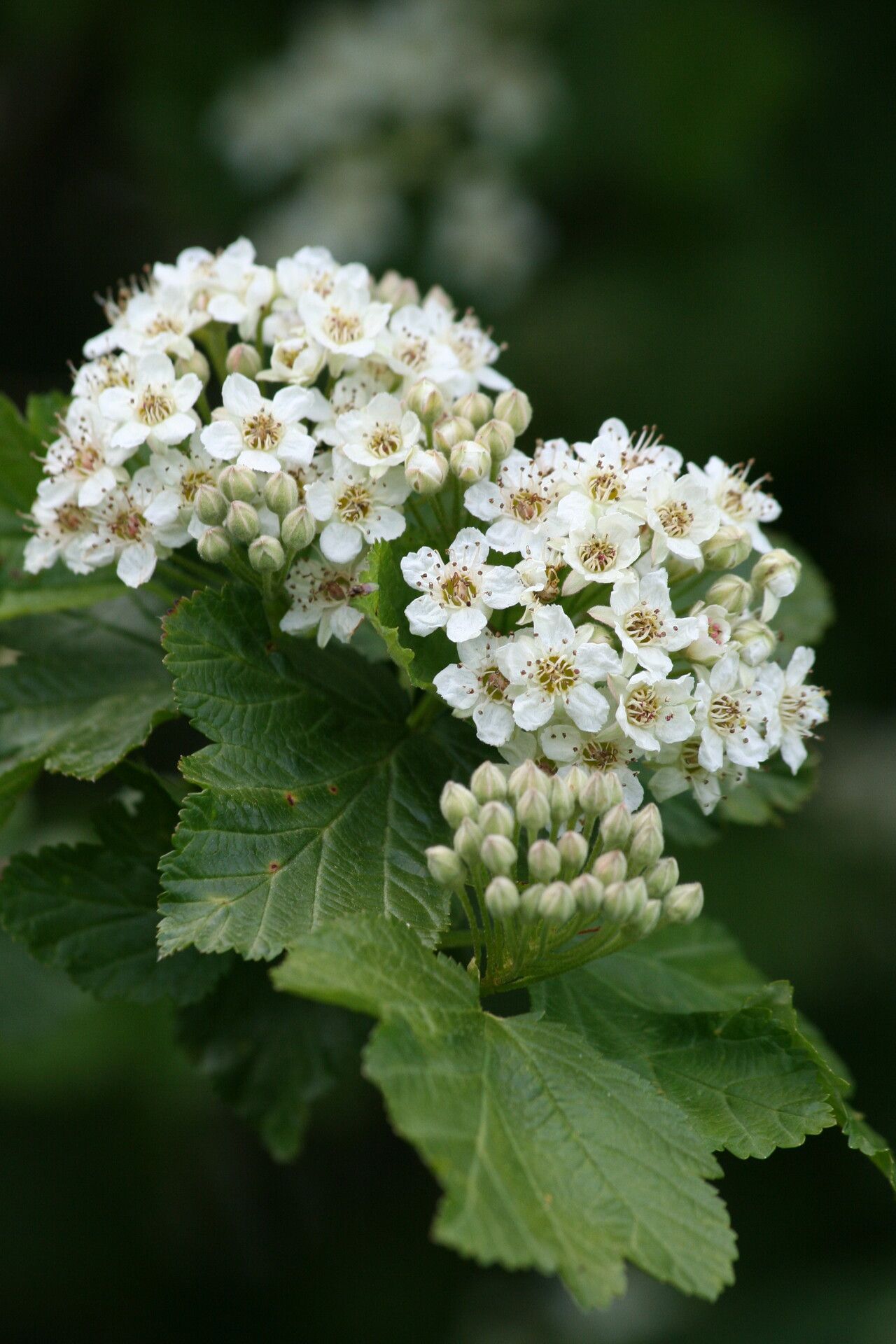
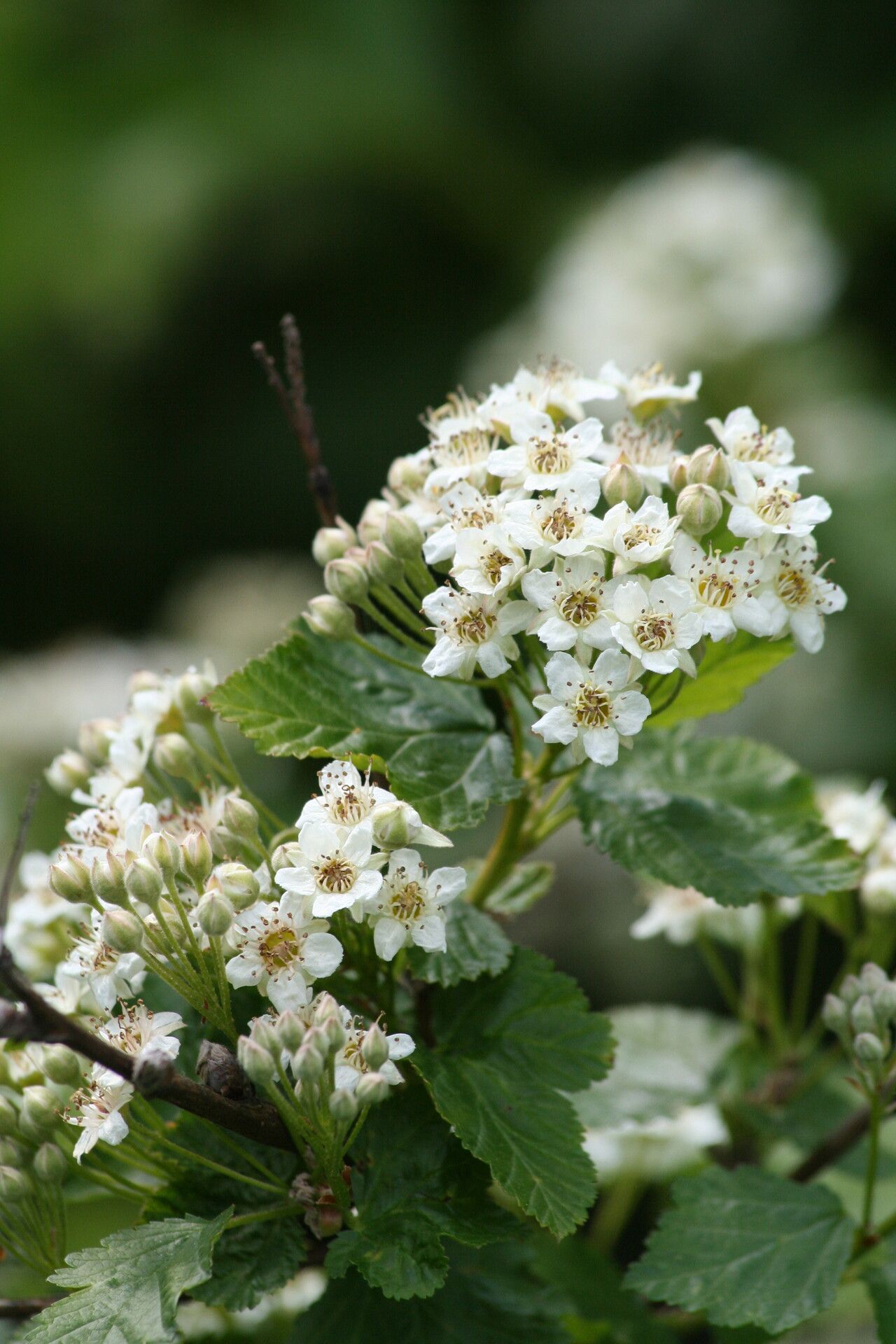
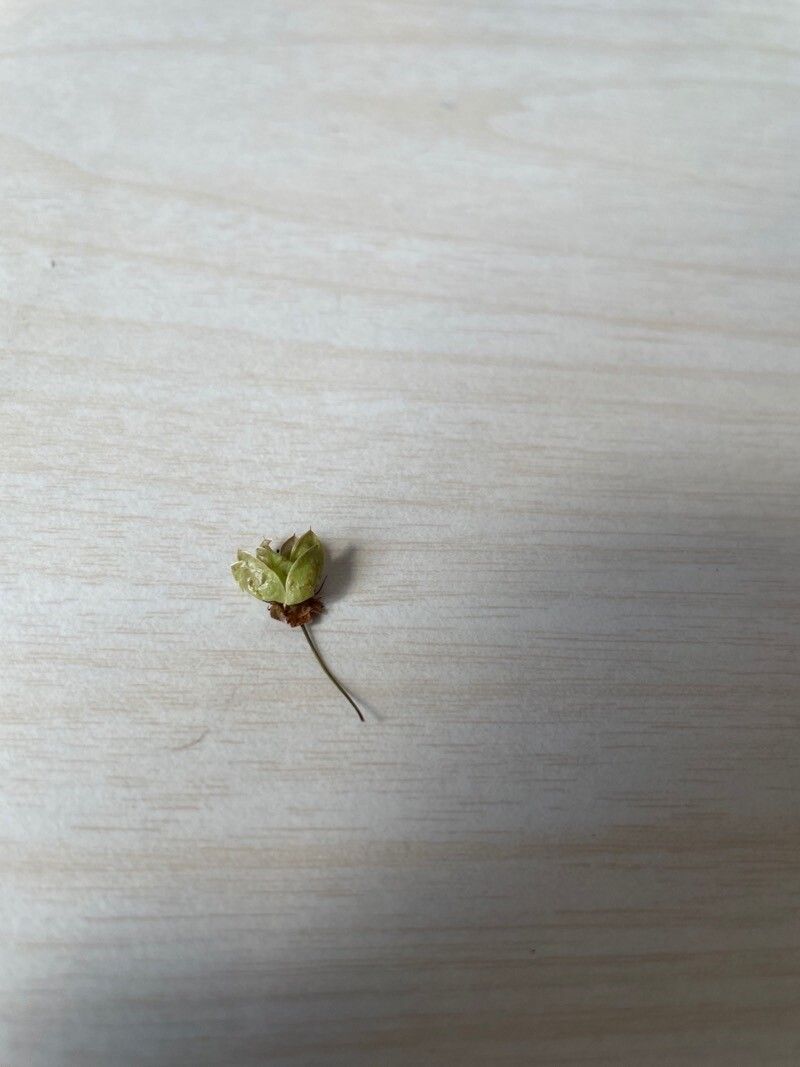
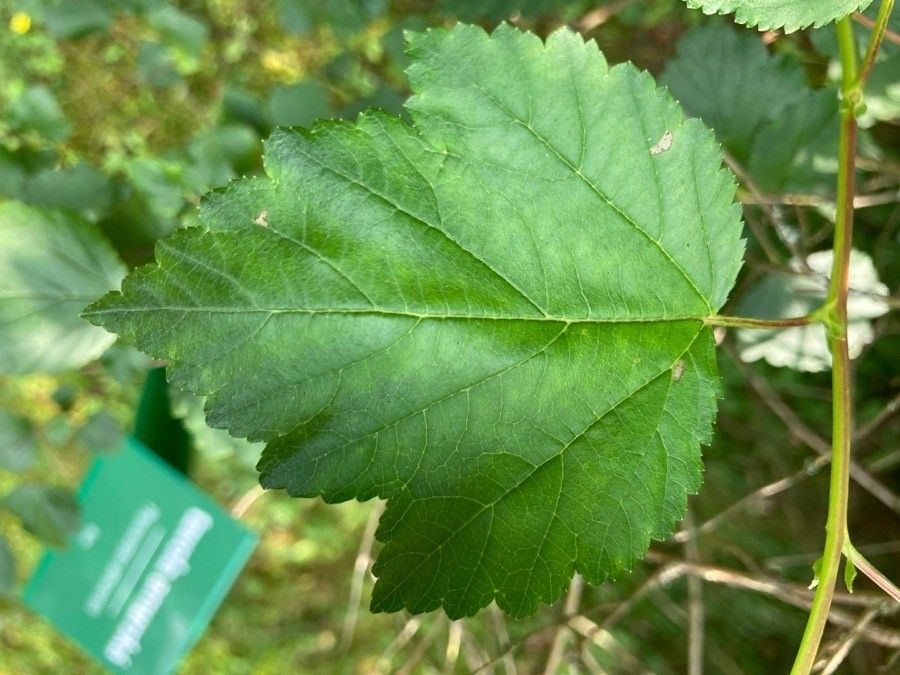
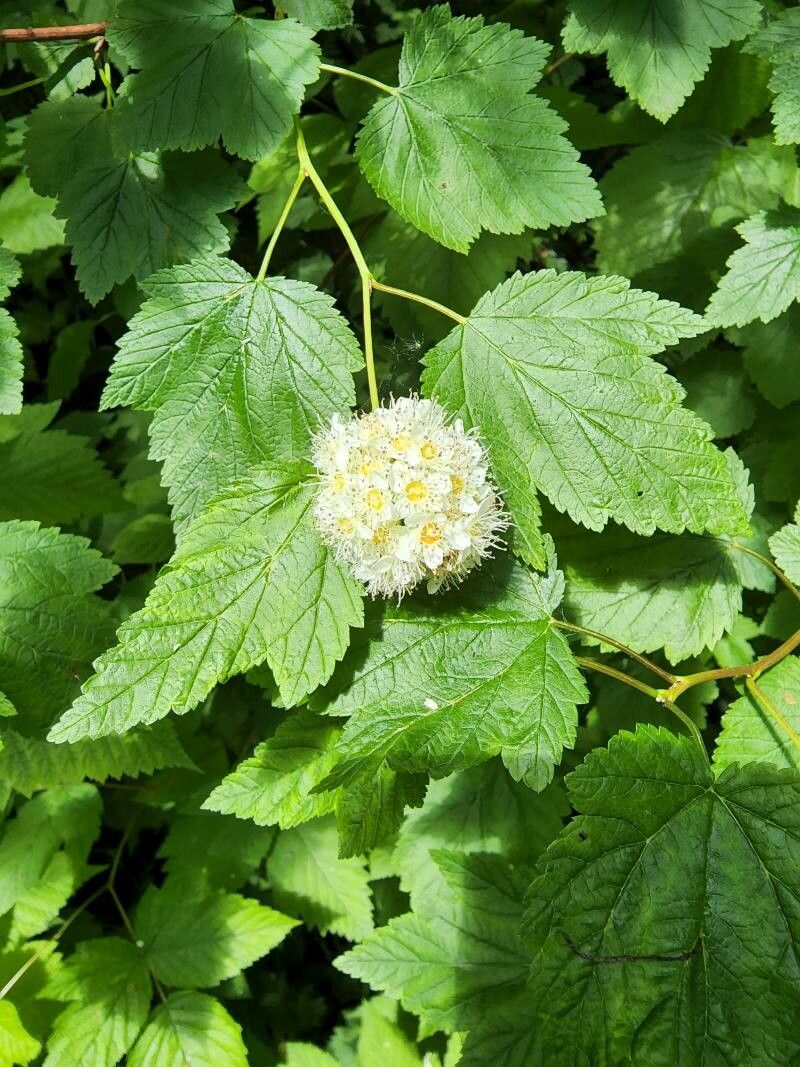
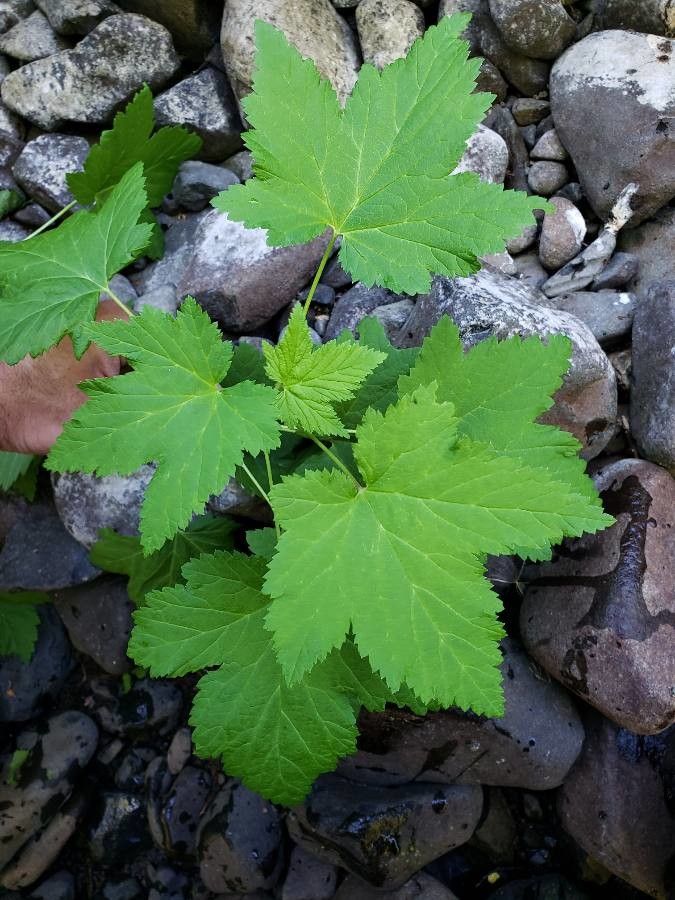
Physocarpus monogynus, the mountain ninebark or low ninebark, is a flowering shrub of western North America.
Mountain ninebark is resistant to disease and is generally not susceptible to illnesses. In terms of care, this plant is fairly low-maintenance. When grown outdoors it needs only minimal watering, and larger plants usually do not require pruning. Smaller plants, however, should be pruned after they finish blooming. Mountain ninebark is suitable for anyone with an outdoor area, such as a garden or deck, and does not demand much care experience.
How to keep Physocarpus Monogynus.
Light
The ninebark tree, indigenous to woodlands undergrowth or boulder-filled landscapes, thrives under natural shade. It is most suited to semi-sunlit locations, but can acclimatize to intense sunlight or complete darkness, showcasing its adaptive and resilient characteristics.
Temperature
Mountain ninebark is highly adaptable to a variety of weather conditions, from hot summers to cold winters. Nevertheless, there is a temperature range in which it thrives best. If temperatures become too high, the plant can suffer heat and humidity stress, potentially leading to its death. In areas where temperatures are close to the lower threshold of its cold tolerance, insulation measures are necessary to safeguard the plant.
Fertilizer
It's essential to time the fertilization of Mountain ninebark properly. Initiate fertilization in the early spring, and continue it on a monthly basis until the start of summer. The fertilizer contributes to the production of attractive blossoms and supplies energy during both dormant and active growth stages.
Pruning
Mountain ninebark is a plant known for its peeling bark and clusters of white or pinkish flowers. To maintain its health and appearance, it is best to prune this shrub in early spring, before new growth begins. Start by removing any dead or crossing branches to improve air circulation and maintain an attractive shape. Thinning the plant will also promote healthy blooms and overall vigor. Always use clean, sharp tools when pruning to minimize damage and reduce the risk of disease.
Botanical profile.
- Plant Type
- Shrub
- Life Cycle
- Perennial
- Genus
- Physocarpus
- Family
- Rosaceae
- Hardiness Zone
- 3-7
- Mature Height
- 0.91 m to 2.13 m
- Mature Spread
- 0.91 m to 1.52 m
- Leaf Color
- Green, Dark Green
- Leaf Type
- Deciduous
- Flower Color
- White
- Flower Size
- 0.51 cm to 1.02 cm
- Bloom Time
- Mid spring, Late spring
- Planting Time
- Spring, Summer, Autumn
- Harvest Time
- Mid summer, Late summer, Early fall
Other names.