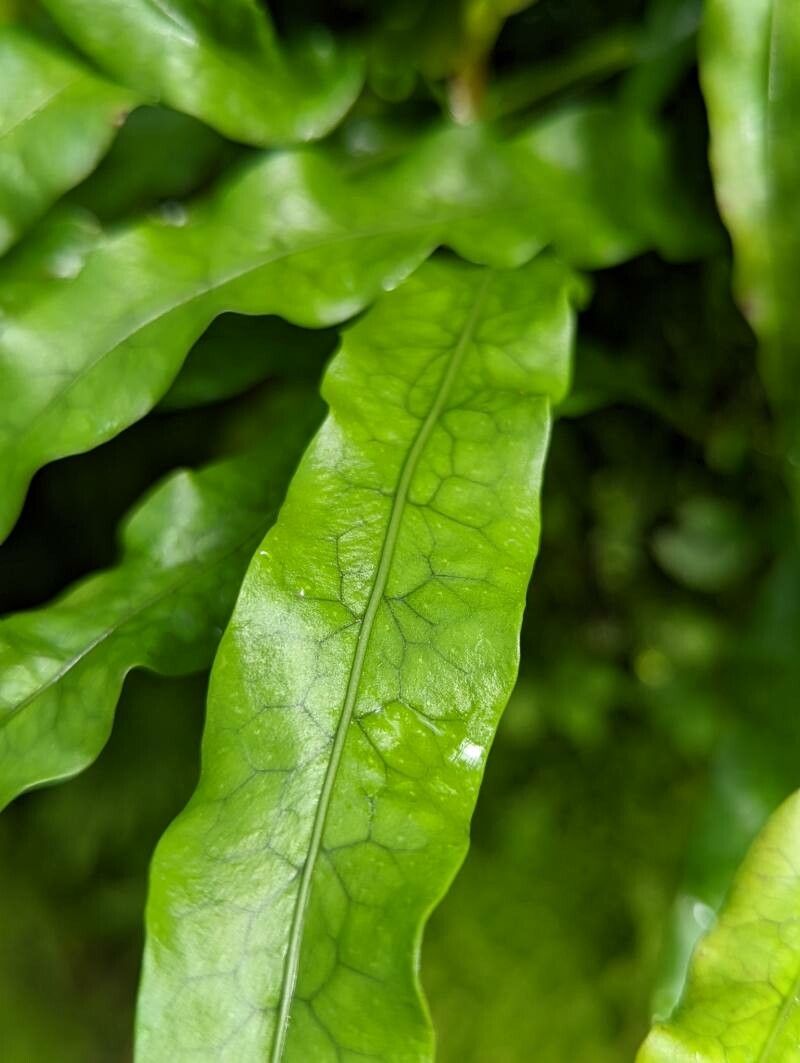
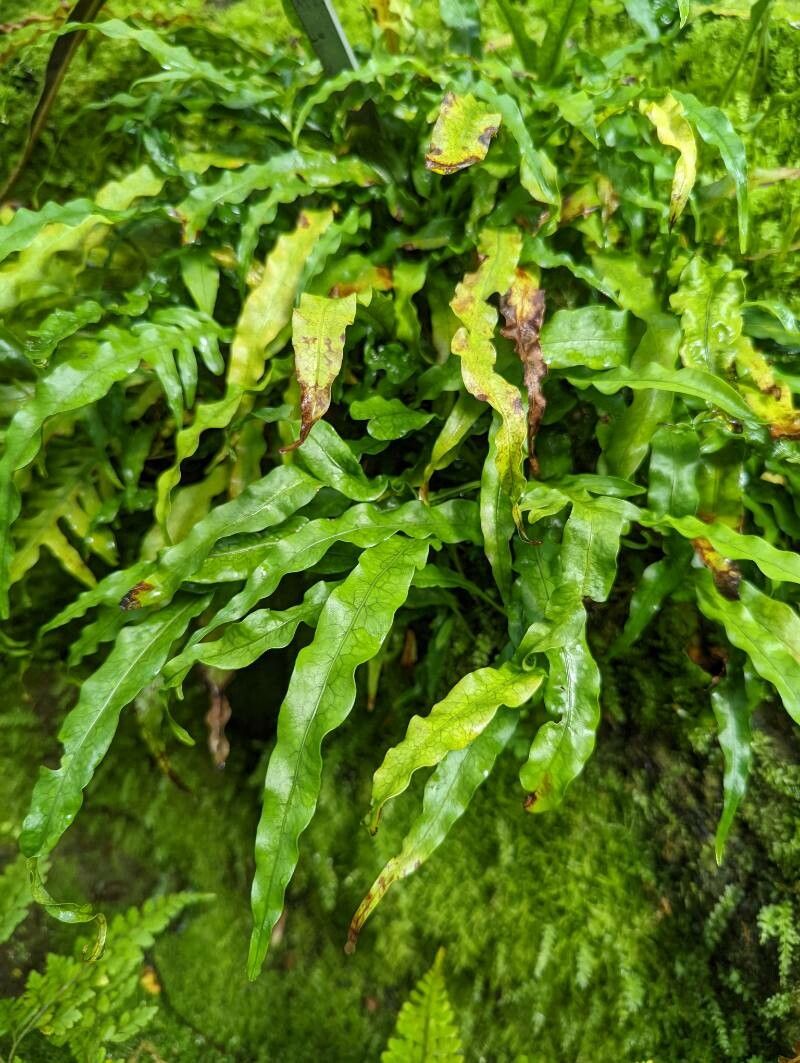
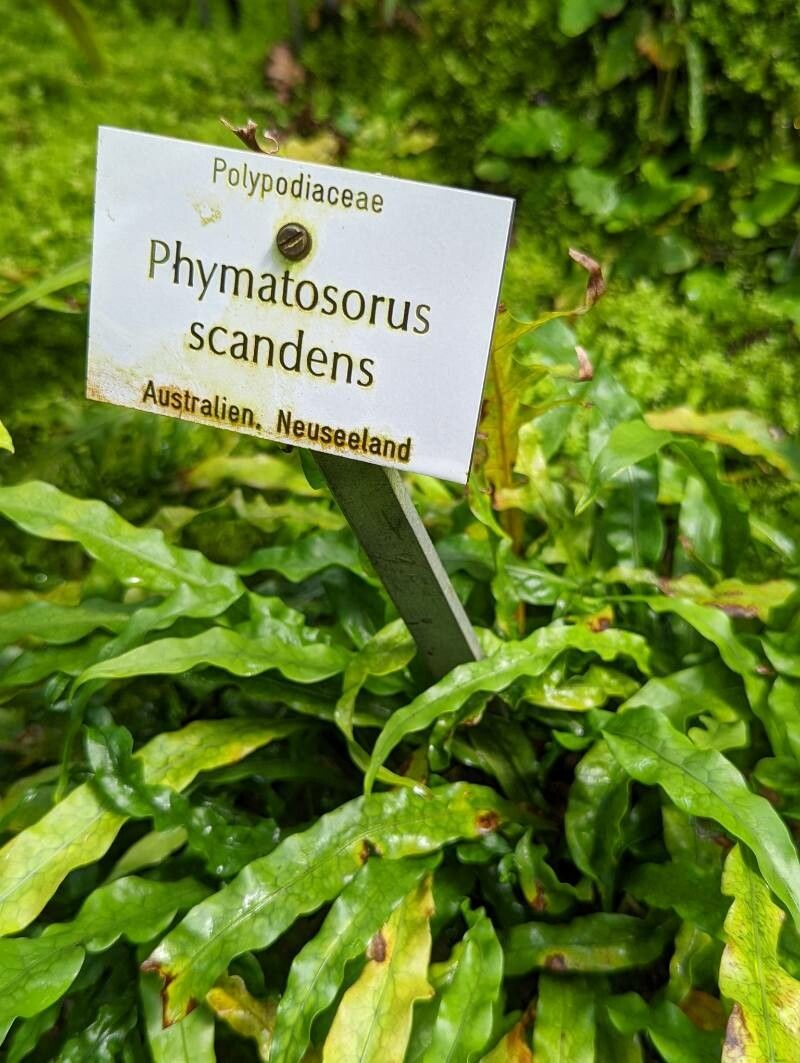
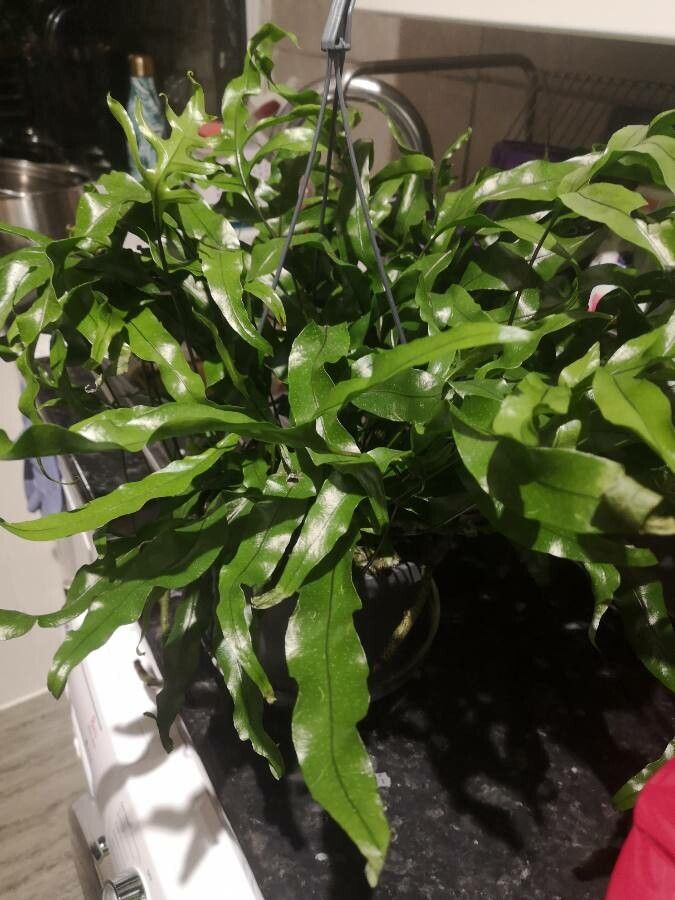
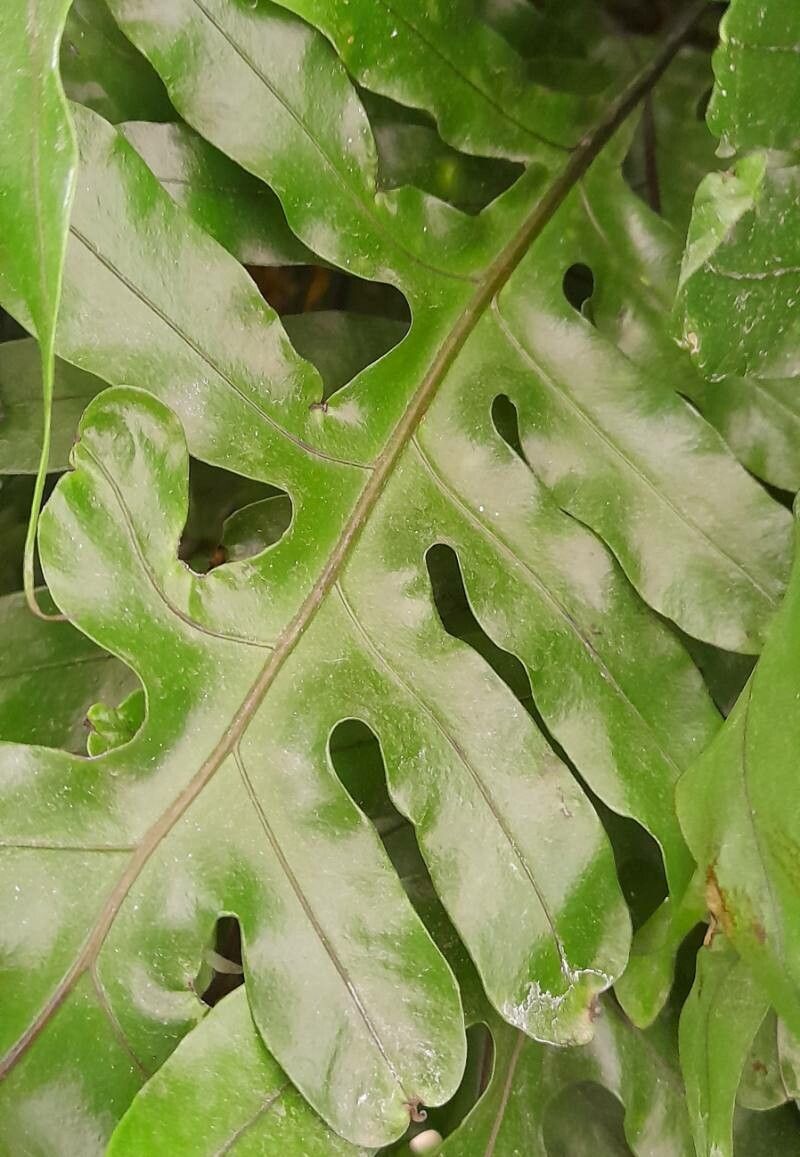
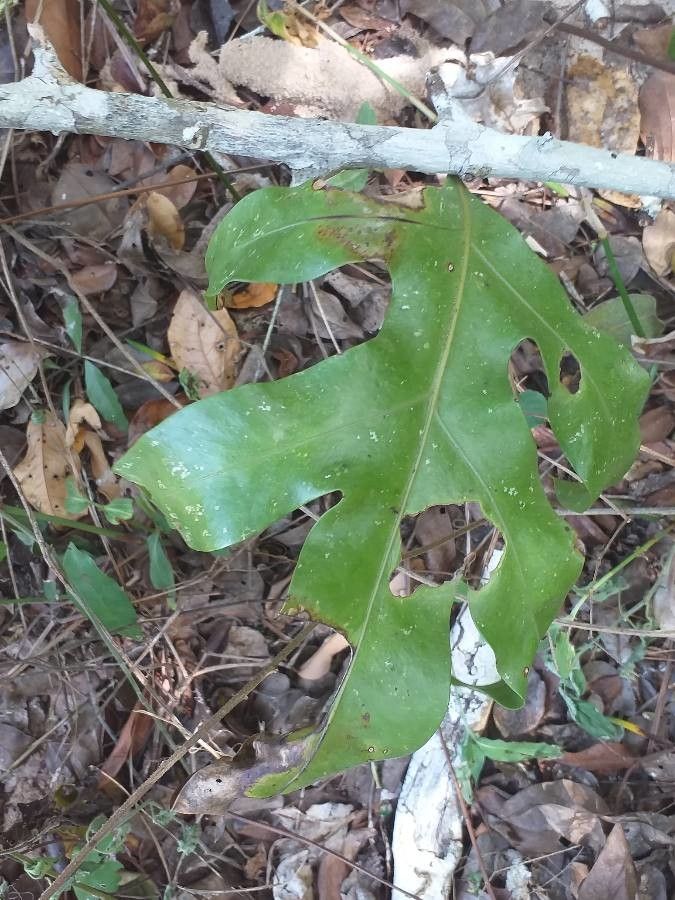
The fragrant fern has strong resistance to disease and is generally unlikely to develop illnesses. Still, it can be affected by pests and diseases present in its environment. Such infections are typically mild. Regarding care, this plant calls for moderate maintenance. It should be pruned on a regular basis to preserve a neat appearance and healthy growth. Applying fertilizer can also assist in encouraging blooms. The fragrant fern is appropriate for anyone with outdoor space, like a garden or patio, and does not demand extensive care experience. It may need additional attention if grown indoors.
How to keep Phymatosorus Scandens.
Light
Fragrant fern is native to habitats like forest understories and rocky sites, where it grows in natural shade. It prefers partial sun but can tolerate both full sun and full shade, reflecting its adaptable and hardy nature.
Water
Fragrant ferns flourish in environments with high humidity and regular rainfall. They require consistent moisture but can tolerate brief periods of dryness. To maintain healthy foliage, water the fern weekly, particularly during its growing season. Indoors, make sure to provide a humid environment to enhance the plant's air-purifying benefits.
Temperature
Fragrant fern hails from tropical areas, where the climate is typically warm and humid. Consequently, it is adapted to high temperatures and moisture. It dislikes sudden temperature shifts and favors a consistent thermal environment, so avoiding indoor temperature fluctuations is important. It generally cannot tolerate cold and needs relatively high temperatures to grow. If the ambient temperature falls too low, the plant may stop growing or even die.
Fertilizer
The fragrant fern needs the most fertilizer during its active growth period, which takes place mainly in spring, summer, and early fall. Fertilizing is required to supply essential nutrients that may be missing from the soil, encouraging healthy root and stem development as well as the attractive foliage that is a defining characteristic of this plant.
Pruning
Fragrant ferns thrive with regular pruning, which helps shape the plant and maintain its health. To ensure optimal growth and air circulation, focus on removing dead fronds and thinning out crowded areas. The best time for pruning is from early to late spring. This proper care encourages growth, prevents disease, and protects the plant's delicate structure.
Botanical profile.
- Plant Type
- Herb
- Life Cycle
- Perennial
- Genus
- Phymatosorus
- Family
- Polypodiaceae
- Hardiness Zone
- 10-12
- Mature Height
- 30 cm to 61 cm
- Mature Spread
- 49 cm to 91 cm
- Leaf Color
- Forest Green, Dark Green
- Leaf Type
- Evergreen
- Planting Time
- Spring, Summer
Reader questions.
What are the sunlight requirements for plants?
Plants have varying sunlight requirements ranging from partial sun, which is about 3-6 hours of sunlight per day, to full sun, needing more than 6 hours of sunlight daily. It's crucial to observe how sunlight moves through your garden to find spots that offer a balance of light and shade, ensuring your plants thrive in their ideal conditions.
What are the essential growing conditions for Fragrant Fern?
Fragrant Fern (Phymatosorus scandens) thrives in environments resembling forest understories or rocky regions with natural shade, favoring partial sun. However, it can also grow in full shade. For indoor plants lacking natural sunlight, especially in winter or darker rooms, artificial lighting is essential for optimal growth. LED lights are recommended because they can be customized to provide specific light wavelengths needed by the plants. Full sun plants require 30-50W/sq ft, partial sun plants 20-30W/sq ft, and full shade plants 10-20W/sq ft of artificial light. The light source should be placed 12-36 inches above the plants, mimicking natural sunlight for 8-12 hours per day.
What are the symptoms of light deficiency in Fragrant Fern?
When Fragrant Fern receives insufficient light, it may exhibit symptoms such as smaller new leaves, leggy or sparse growth, faster leaf drop, slower or no new growth, and lighter-colored new leaves. Conditions like chlorosis, where leaves turn yellow due to a breakdown of chlorophyll, sunscald with pale or necrotic patches from intense sunlight exposure, leaf curling as a defense against excessive sunlight, wilting from loss of turgidity, and leaf scorching characterized by brown or crispy leaf edges can also occur.
What solutions can address Fragrant Fern's light deficiency?
To address light deficiency in Fragrant Fern, gradually increase sunlight exposure by moving plants to sunnier spots each week until they receive the required 3-6 hours of direct sunlight daily. For indoor or large plants that are not easily moved, consider using artificial light, keeping a desk or ceiling lamp on for at least 8 hours a day, or investing in professional grow lights. For outdoor plants, move them gradually to avoid sunburn. If your plant is blocked from sunlight by obstructions like trees, consider pruning to improve light access. For plants with insufficient sunlight, consider transplanting them during their dormant period to a location with better sunlight and drainage. Note that parts of the plant affected by insufficient sunlight may not recover, but new growth should be healthy with improved light conditions.