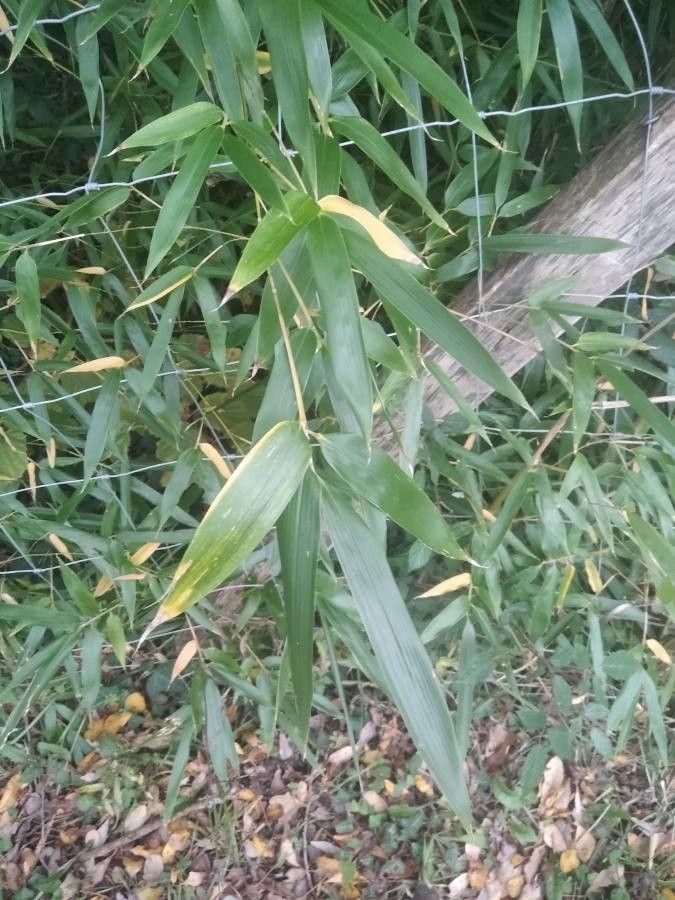
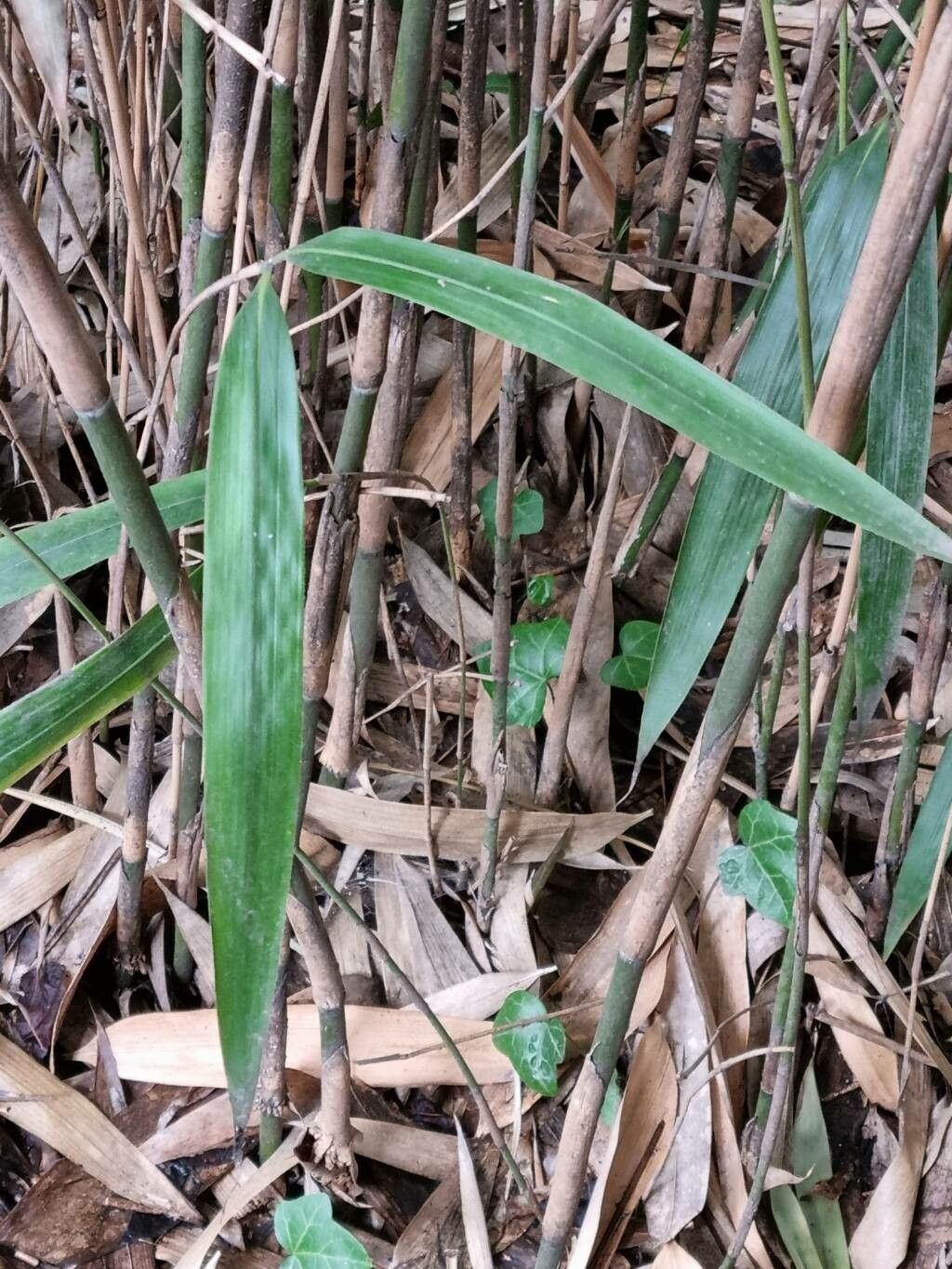
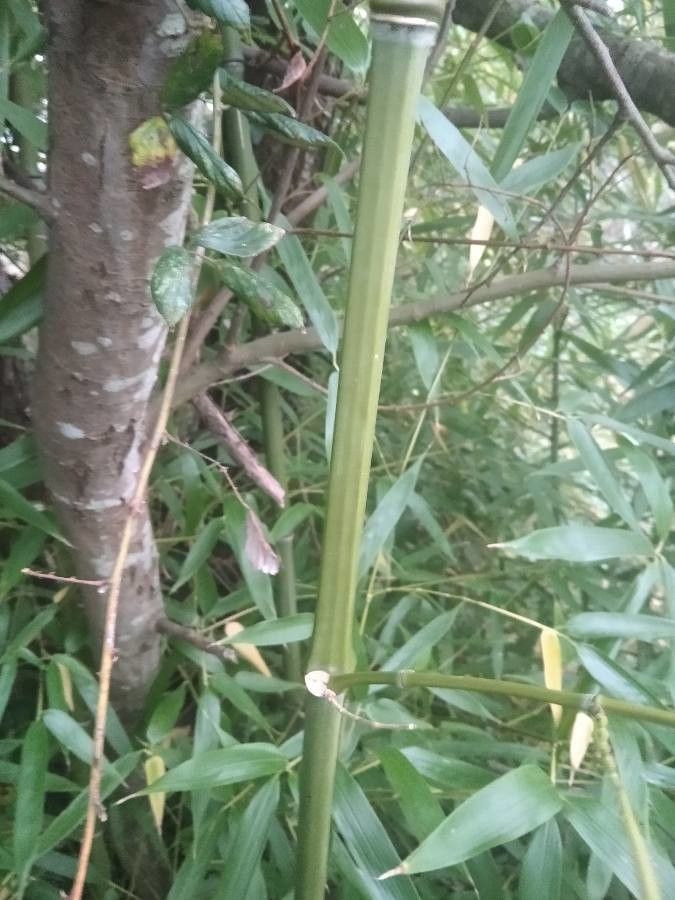
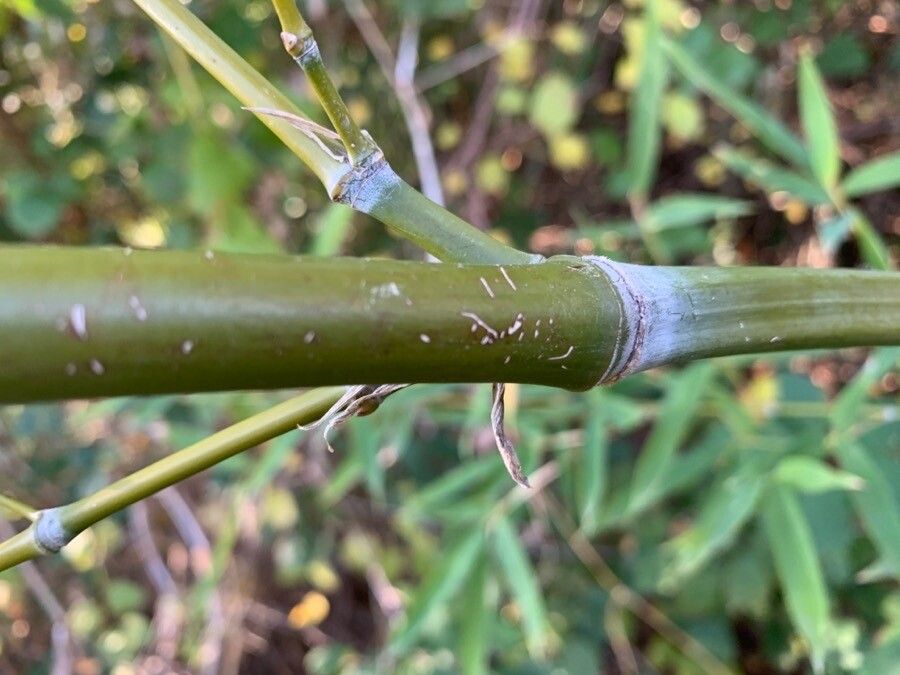
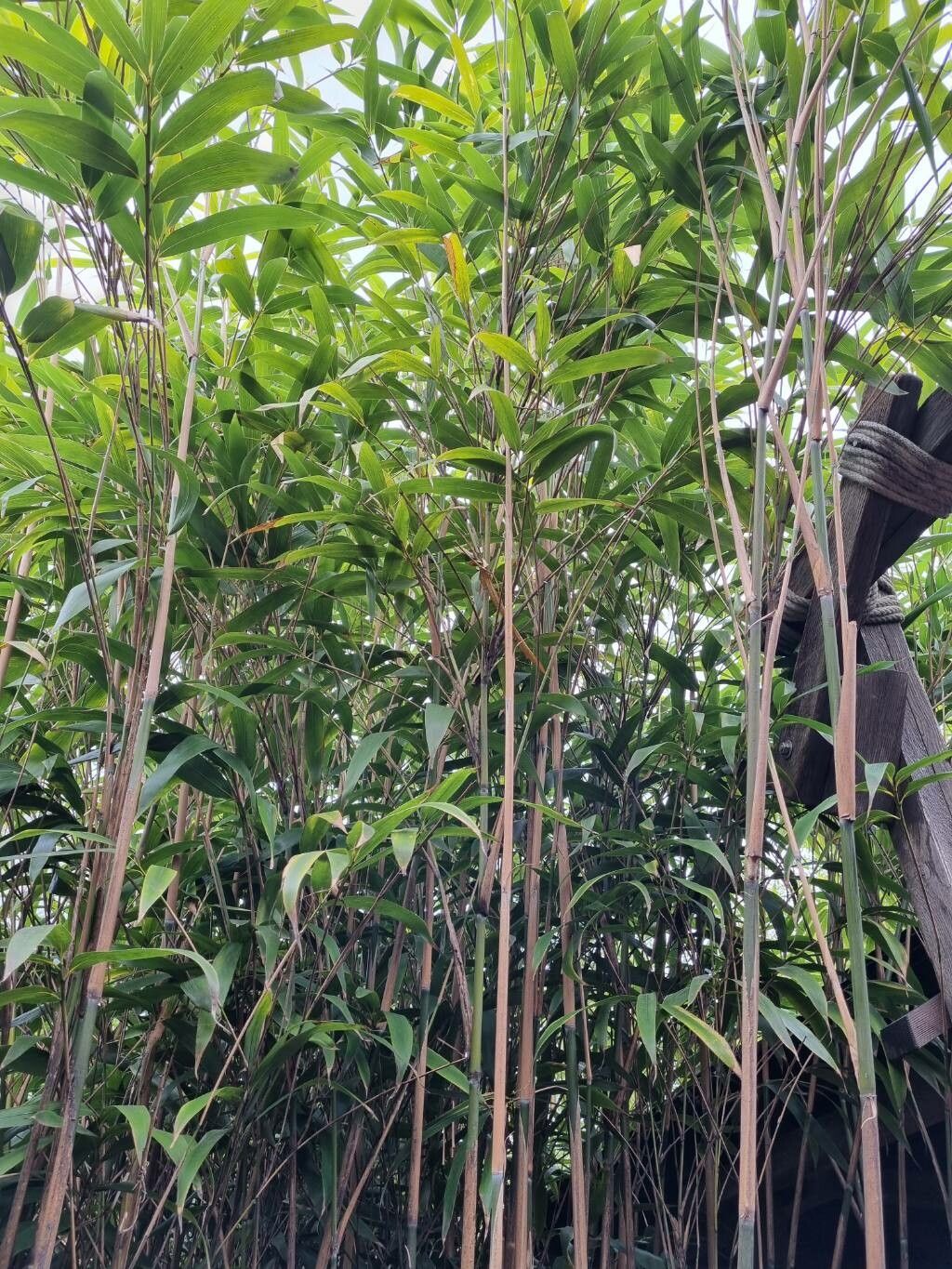
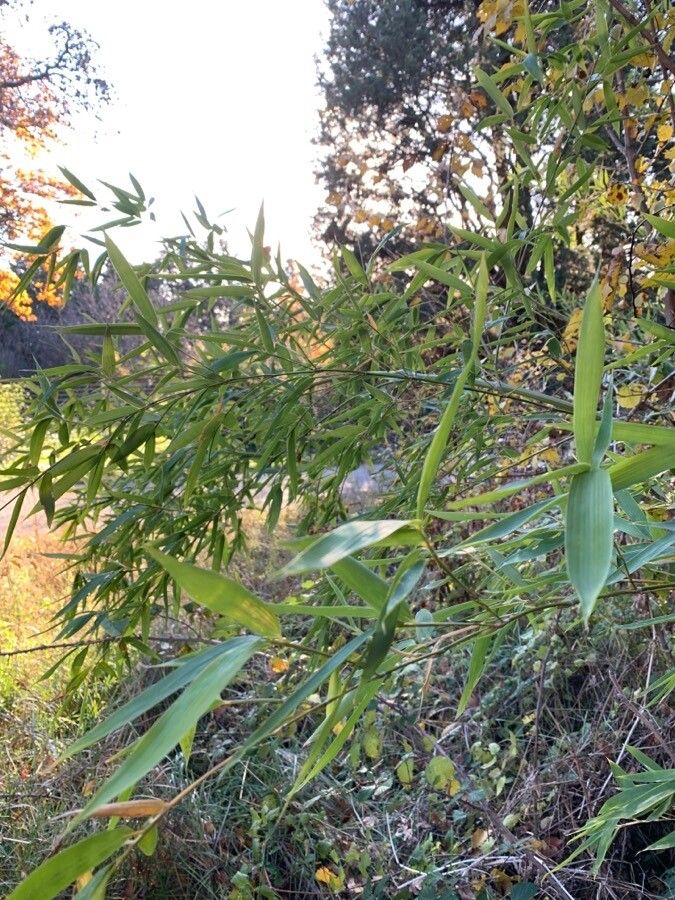
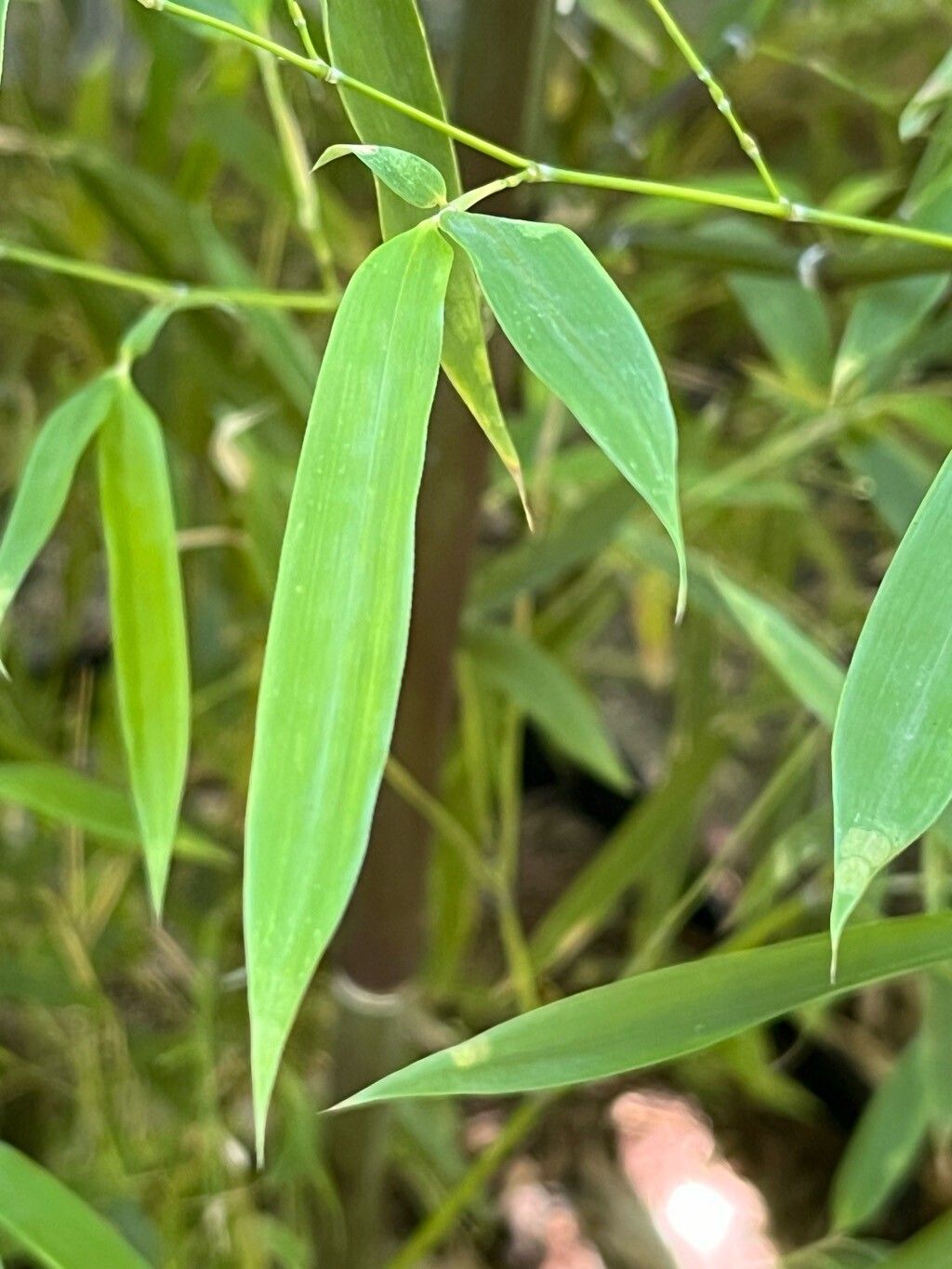
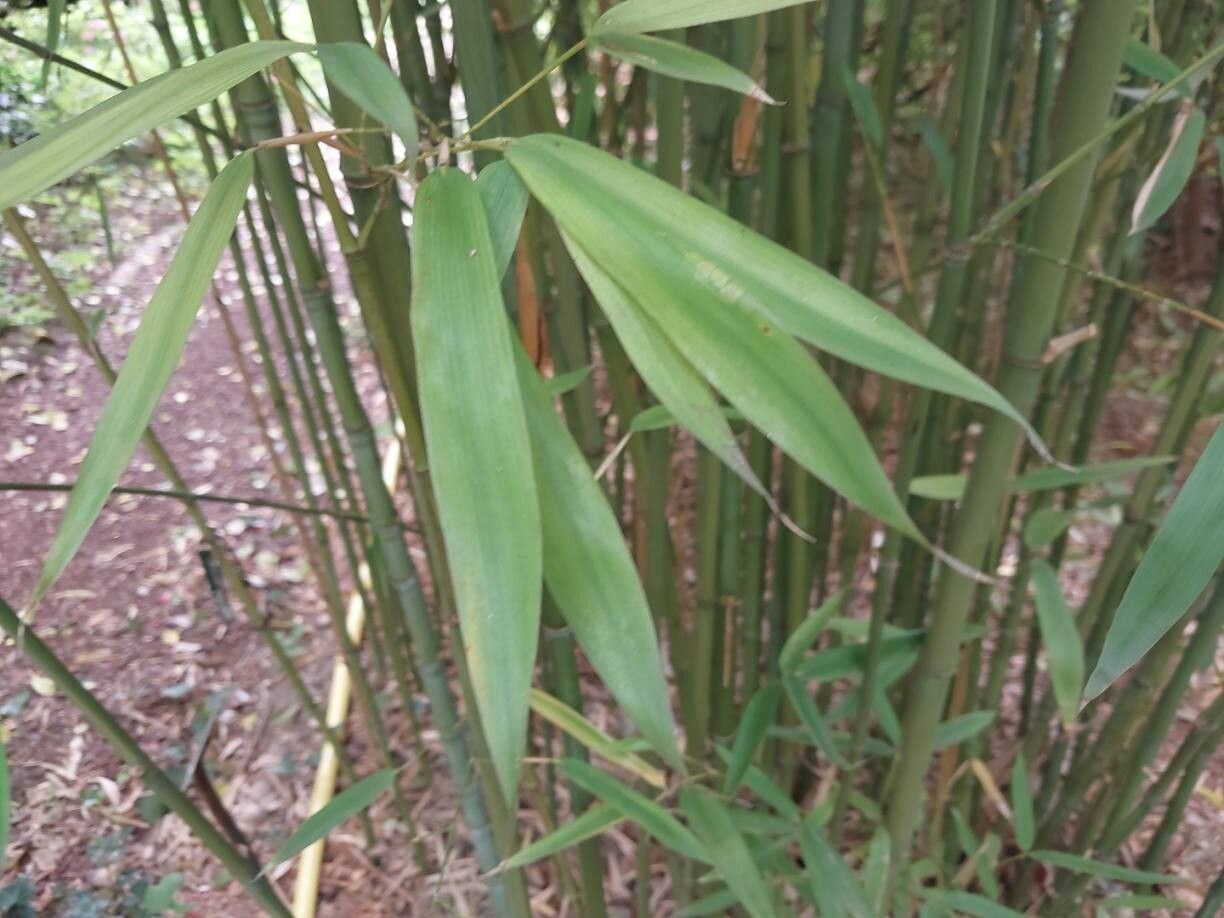
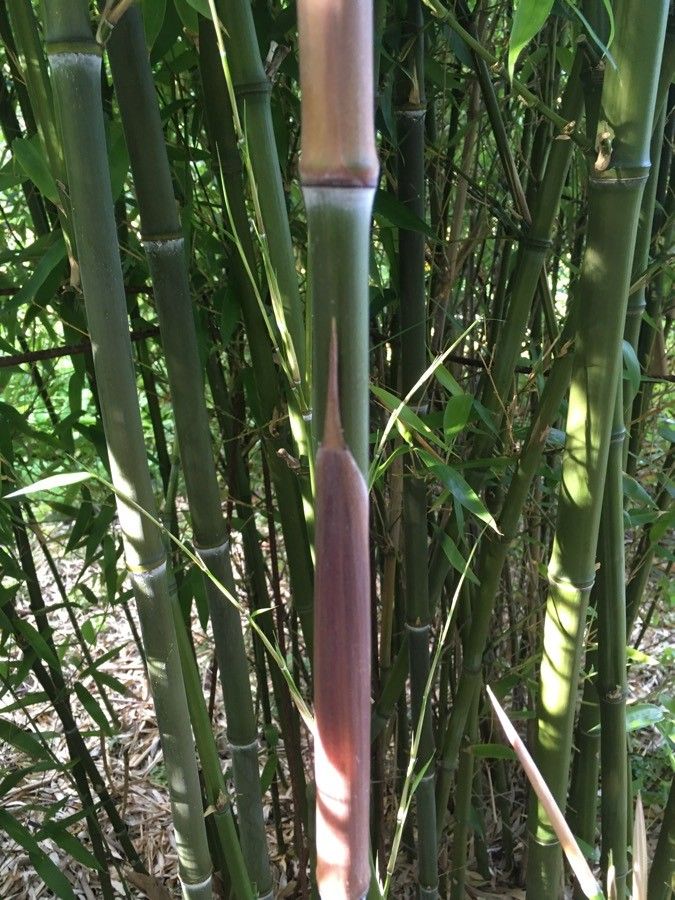
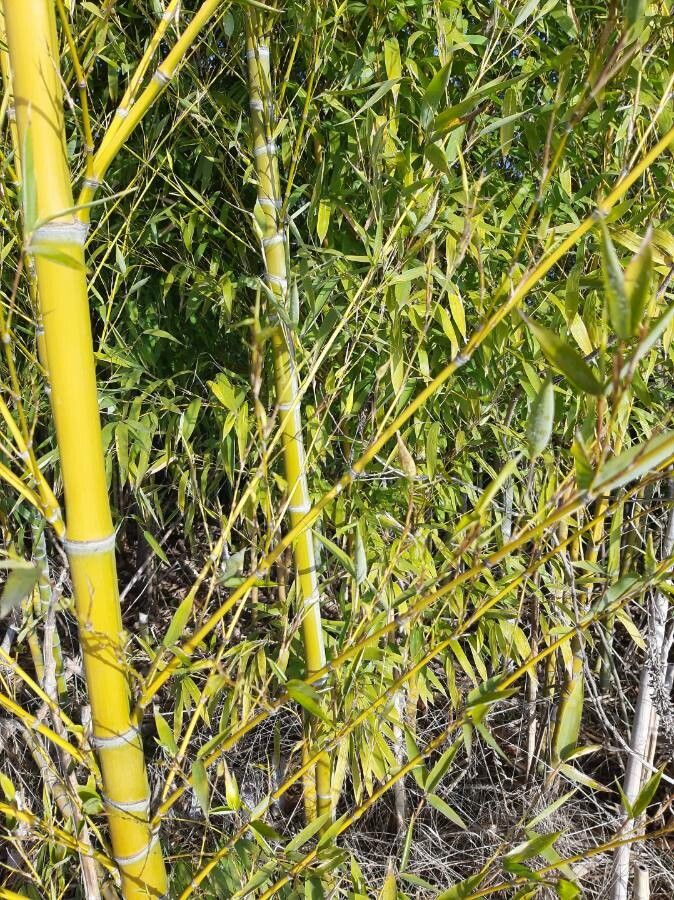
Phyllostachys sulphurea is a species of bamboo found in Anhui, Fujian, Henan, Hunan, Jiangsu, Jiangxi, Shaanxi, Shandong, Zhejiang provinces of China
Sulphur bamboo has strong resistance to disease and is generally not susceptible to illnesses. In terms of care, this plant is fairly low-maintenance. When planted outdoors it needs little watering, and larger specimens typically do not require pruning. Smaller plants, however, should be pruned after they have bloomed. Sulphur bamboo is suitable for anyone with an outdoor area, such as a garden or a deck, and does not demand much prior plant-care experience.
How to keep Phyllostachys Sulphurea.
Light
Sulphur bamboo naturally occurs in places like forest understories or rocky sites that are naturally shaded. Its preferred light exposure is partial sun, but it can also tolerate full sun or full shade, which demonstrates its adaptability and hardiness.
Water
Sulphur bamboo flourishes in humid environments and naturally originates from tropical rainforests. To maintain a balance between being too wet and too dry, it should be watered twice a week. Being an evergreen plant, sulphur bamboo keeps its leaves throughout the year, which means it needs a consistent water supply, even during the colder months.
Temperature
Sulphur bamboo can tolerate a wide range of temperatures, but its distribution may still be restricted by different combinations of moisture and heat. It performs best in warm summer climates with sufficient rainfall or watering. Extended spells of cloudy, rainy weather, as well as prolonged high temperatures, can raise the chance of Sulphur bamboo dying. In winter, adequate protection from cold can enhance the plant’s survival rate.
Fertilizer
Sulphur bamboo needs extra nutrients to encourage healthy new growth. In spring, spreading some compost around the base of the plant will effectively supply the necessary nutrition. Fertilizing supports vigorous growth and helps the plant resist diseases and pests.
Pruning
Sulphur bamboo is a fast-growing plant known for its bright yellow canes with green grooves. To maintain its health and appearance, prune it in early spring by removing any dead or weak canes. Thinning out dense clumps not only encourages new growth but also enhances the plant's aesthetics and overall health.
Botanical profile.
- Plant Type
- Grass
- Life Cycle
- Perennial
- Genus
- Phyllostachys
- Family
- Poaceae
- Hardiness Zone
- 7-10
- Mature Height
- 6.1 m to 10.06 m
- Mature Spread
- 3.05 m to 4.88 m
- Leaf Color
- Light Green, Yellow
- Leaf Type
- Evergreen
- Bloom Time
- Early summer, Mid summer
- Planting Time
- Spring, Summer, Autumn
- Harvest Time
- Late summer, Early fall, Mid fall
- Native Area
- China
Other names.
Reader questions.
What are the sunlight requirements for Sulphur Bamboo (Phyllostachys sulphurea)?
Sulphur Bamboo (Phyllostachys sulphurea) needs specific sunlight conditions to thrive. It requires full sun, meaning it should receive above 6 hours of sunlight daily, or partial sun, which is about 3-6 hours of sunlight daily. It's important to observe the patterns of sunlight moving through your garden to ensure spots provide the perfect balance of light and shade. This balance is crucial for the happiness and health of your Sulphur Bamboo.
What is Sulphur Bamboo?
Sulphur bamboo, known botanically as Phyllostachys sulphurea, is a species of bamboo recognized for its distinct characteristics.