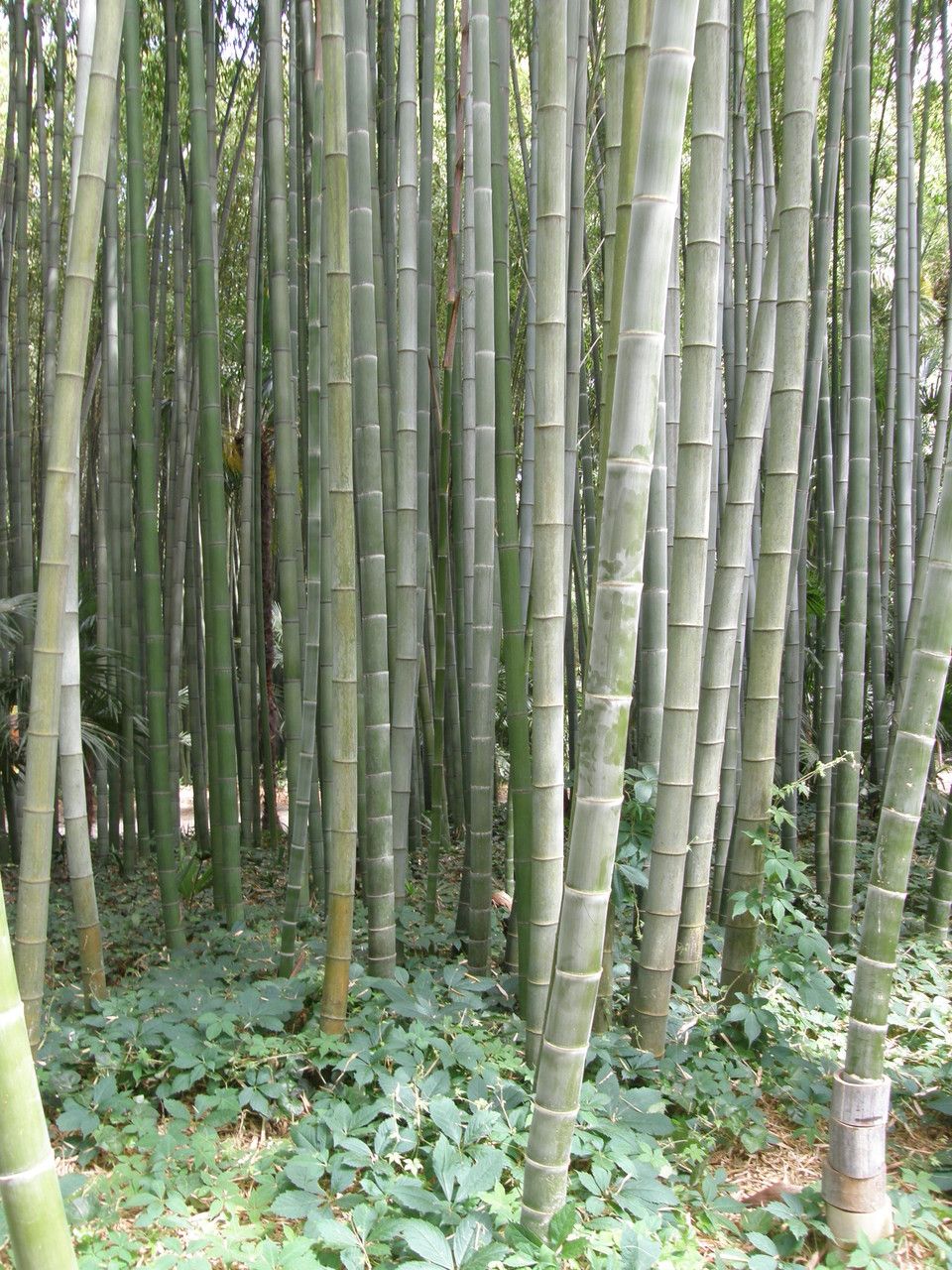
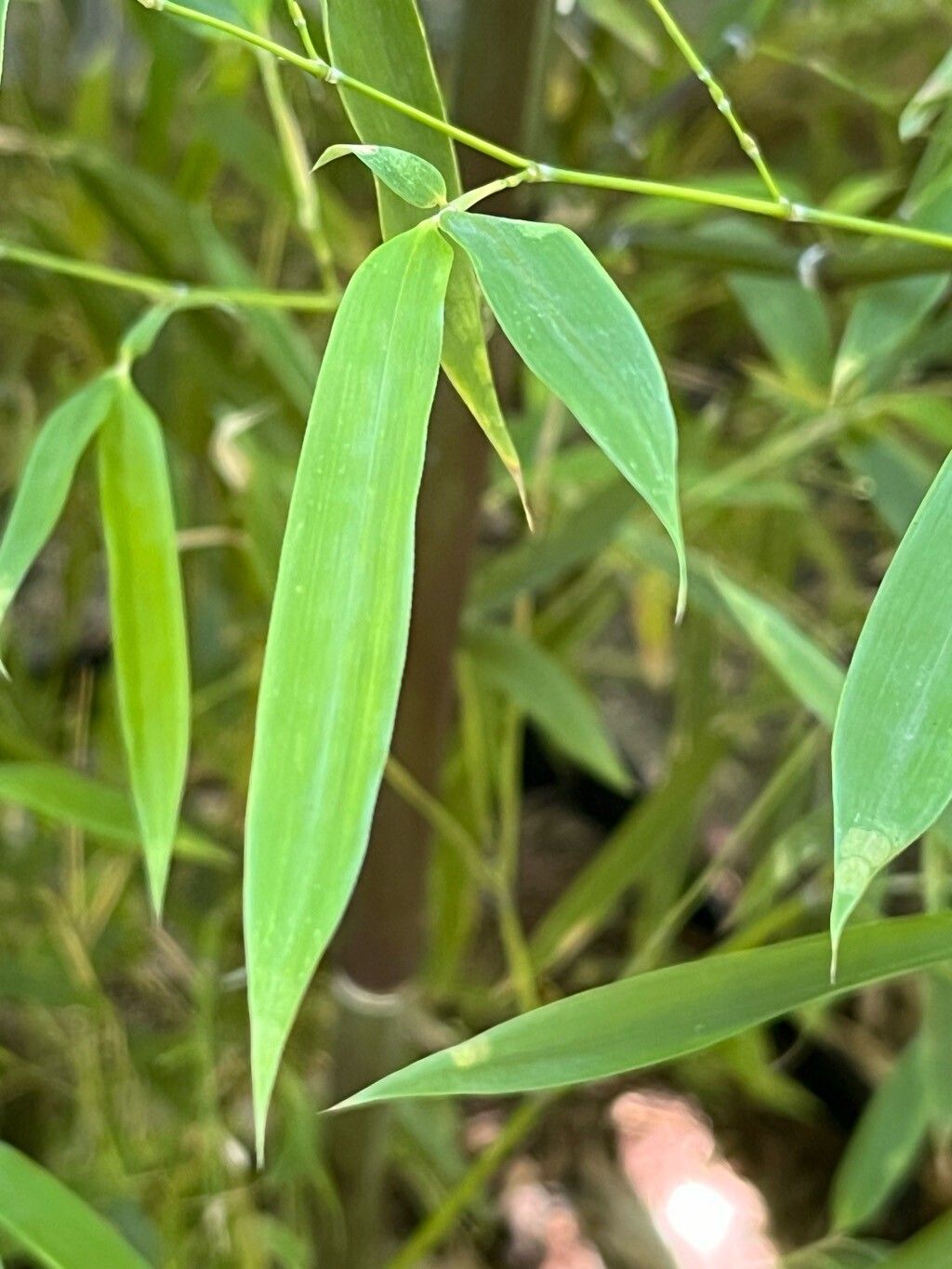
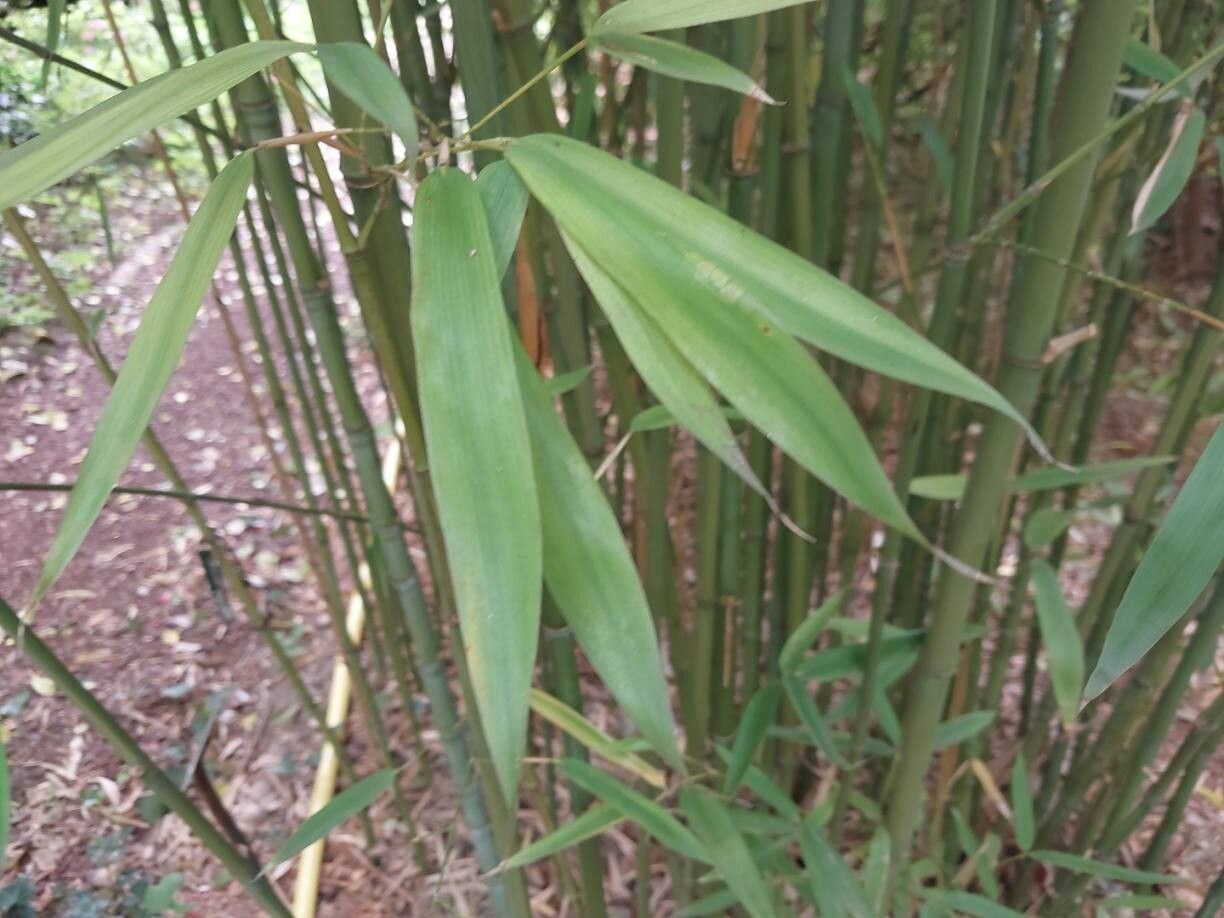
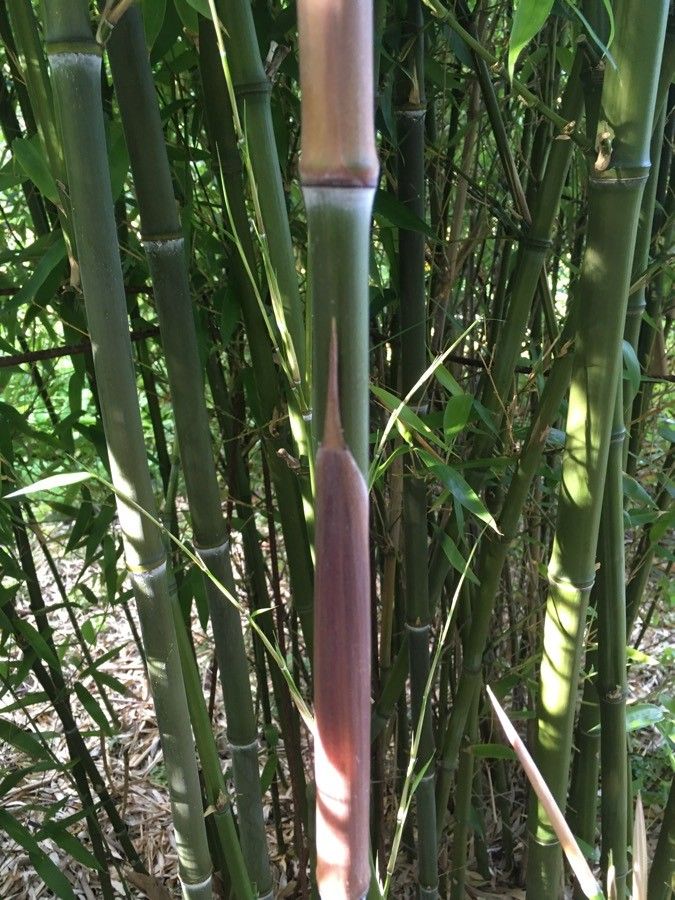
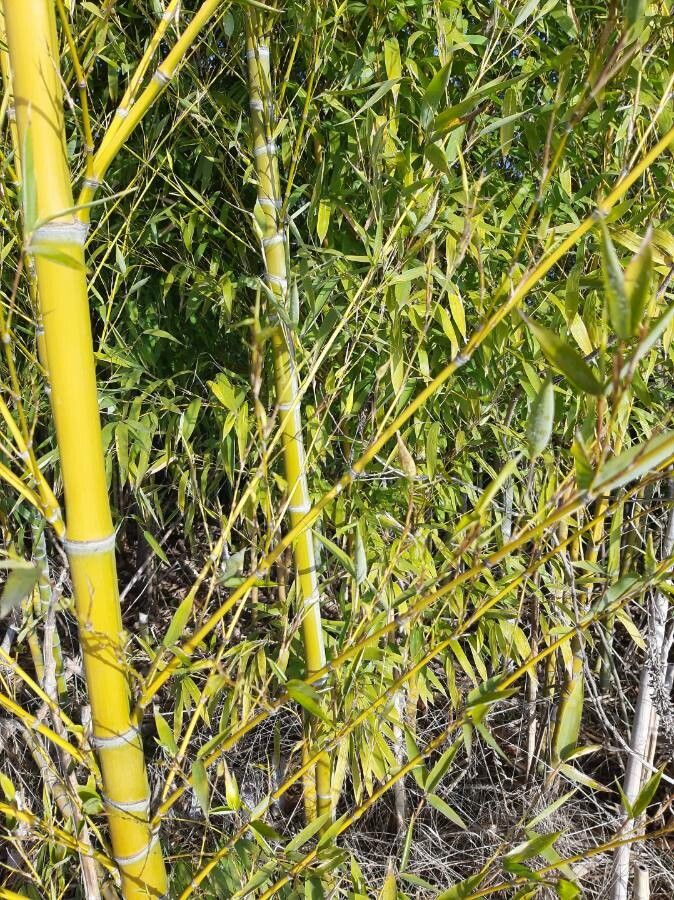
Phyllostachys edulis, commonly known as Moso bamboo, is a species of bamboo native to China and Taiwan. Renowned for its fast growth rate and versatility, it is one of the largest and most significant bamboo species in the world. Moso bamboo can reach heights of up to 92 feet and diameters of up to 7 inches. Its thick green stems feature distinctive nodes spaced approximately 12 inches apart.
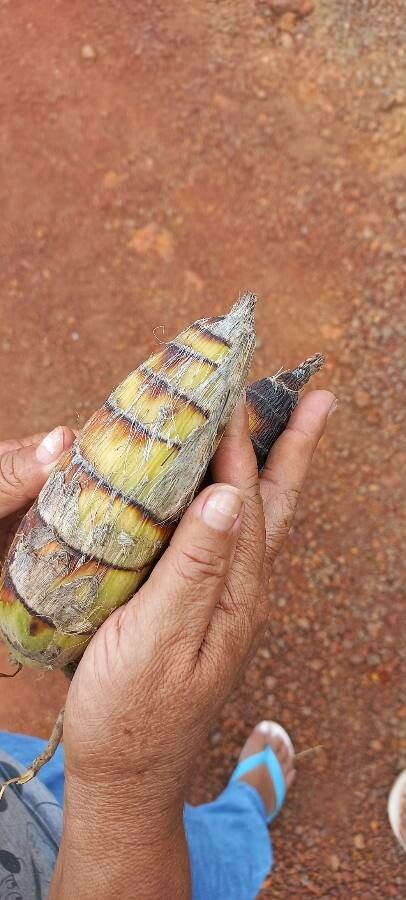
Moso bamboo is widely utilized in various industries, including construction, furniture making, and paper production. It also serves as a food source for both humans and animals. The young and tender shoots are edible, while the mature stems are prized in construction for their strength.
The plant thrives in well-drained soil with ample moisture but can tolerate drought conditions once established. It grows best in full sun or partial shade, but cannot withstand extreme temperatures below -5°C or above 35°C.
Moso bamboo is recognized as an important resource for its ability to absorb carbon dioxide from the atmosphere at an impressive rate, making it an excellent choice for carbon sequestration projects aimed at reducing greenhouse gas emissions from industrial activities.
Overall, Phyllostachys edulis is a versatile plant that provides numerous benefits, including environmental protection through carbon sequestration. It also serves as an essential resource for human consumption and various industries, such as food production and construction materials.
Moso bamboo is fairly disease-resistant and typically not prone to illnesses. It can, however, be affected by pests and diseases present nearby, but these problems are generally mild. Regarding care, the plant demands moderate upkeep. Regular pruning is needed to keep it looking good and to encourage healthy growth. Fertilizing can also help stimulate flowering. Moso bamboo is appropriate for anyone with an outdoor area, such as a garden or patio, and does not require extensive care experience. It may need more attention if grown indoors.
How to keep Phyllostachys Edulis.
Light
Moso bamboo grows best with moderate sunlight but can tolerate stronger light. Since it comes from environments where light is filtered by taller plants, excessive sun can lead to leaf burn. Conversely, inadequate light can impede its growth.
Water
Moso bamboo flourishes in humid settings with abundant rainfall and needs consistent moisture, requiring watering each week. As an evergreen plant, it keeps its leaves throughout the year and requires regular watering, even during colder months, to maintain its vibrant green foliage.
Humidity
This plant needs special care because it loves high humidity levels of 60-80% or more. The best way to achieve this is by placing a humidifier near the plant. Daily misting is also essential! Make sure the room has good ventilation.
Temperature
Moso bamboo is native to temperate regions and performs best at temperatures of 68 to 95 °F (20 to 35 ℃). Seasonal temperature adjustments may be necessary to keep the plant healthy.
Fertilizer
A single fertilizer application in spring is typically adequate for Moso bamboo, though several feedings can maximize growth. Feed every month to every month and a half. Fertilization improves the leaves' appearance and function, helping them retain uniform color and a healthy texture. It also promotes root development and nutrient uptake for the plant's long-term health.
Pruning
Moso bamboo is a tall, fast-growing plant with thick canes. To maintain its health and appearance, it is important to prune it in early spring. This helps remove any dead or weak canes. Thinning out overcrowded clumps also improves air circulation and allows more light to reach the plant. Regular pruning supports the bamboo's structural integrity and encourages healthy growth.
Pot & Repot
When repotting Moso bamboo, pick a container 1–2 inches (2.5–5.1 cm) larger with good drainage. Use a well-draining potting mix. Repot in spring or fall, making sure the root ball sits slightly below the pot rim. Water thoroughly after repotting and keep it in a warm place with indirect sunlight.
Botanical profile.
- Plant Type
- Herb
- Life Cycle
- Perennial, Annual
- Genus
- Phyllostachys
- Family
- Poaceae
- Hardiness Zone
- 6-10
- Mature Height
- 28.04 m
- Mature Spread
- 3.05 m to 7.92 m
- Leaf Color
- Green
- Leaf Type
- Evergreen
- Flower Color
- White, Green
- Bloom Time
- Late spring, Early summer
- Planting Time
- Spring, Summer, Autumn
- Harvest Time
- Mid summer, Late summer
- Native Area
- Cambodia, Vietnam, Thailand, China
Other names.
Reader questions.
What are the sunlight requirements for Moso bamboo?
Moso bamboo requires a moderate amount of sunlight, thriving in conditions of partial to full sun. Partial sun is defined as about 3-6 hours of sunlight, while full sun means receiving more than 6 hours of direct sunlight daily. Although it originates from areas where it would naturally receive filtered light, direct exposure to excessive sunlight can lead to leaf burn, indicating that a balance of light and shade is essential for the plant's health. It's important to watch how sunlight moves through your garden and choose spots that offer a good balance for your Moso bamboo.
What is the ideal temperature range for growing Moso bamboo?
Moso bamboo, known botanically as Phyllostachys edulis, thrives best in temperate conditions, with an optimal temperature range between 68 to 95 °F (20 to 35 °C). This plant has a strong resistance to cold and usually does not require special frost protection measures. However, if temperatures are expected to fall below -25°C, protective measures such as covering the plant with soil or straw should be taken. It is also beneficial to water the plant abundantly before the first freeze of autumn to ensure the soil remains moist through winter and early spring.
How can artificial lighting benefit indoor Moso bamboo plants?
Artificial lighting can be crucial for Moso bamboo and other indoor plants, especially when natural sunlight is insufficient. Indoor plants require adequate lighting for optimal growth, and in conditions where natural light is lacking, such as during winter or in less sunny spaces, artificial lights can provide the necessary illumination to promote healthy growth. LED lights are recommended due to their ability to be customized for specific plant needs, with full sun plants needing 30-50W/sq ft, partial sun plants 20-30W/sq ft, and full shade plants 10-20W/sq ft of artificial light. The light source should be placed 12-36 inches above the plant, mimicking natural sunlight, and most plants will benefit from 8-12 hours of light per day.
How does low temperature affect Moso bamboo and what are the solutions?
Moso bamboo is cold-tolerant and manages well in temperatures above 20°C. When winter temperatures drop below 0°C, the plant can still survive without noticeable changes. However, exposure to temperatures below -25°C can lead to decreased sprouting or even no sprouting during the spring. To address this, it's advised to remove any parts of the bamboo that have failed to sprout in the spring.
What are the symptoms of insufficient light in Moso bamboo?
Moso bamboo shows several symptoms when exposed to inadequate light levels, including smaller new leaves, leggy or sparse growth, quicker leaf drop, slower or ceased new growth, paler or irregularly colored new leaves, and conditions such as chlorosis, sunscald, leaf curling, wilting, and leaf scorching. These symptoms collectively indicate either too much or too little light exposure, impacting the plant's ability to photosynthesize and maintain overall health.
What should I do if my Moso bamboo suffers from high temperature?
During the summer, it's crucial to ensure that Moso bamboo does not exceed temperatures of 35°C. Exposure to temperatures above 41°C can cause the leaves to lighten in color, curl, become sunburned, and, in severe cases, the plant can wilt and dry out. If your bamboo experiences these symptoms, trim away the sunburned and dried-up parts. Relocate the plant to a shaded area, especially during the midday and afternoon sun, or use a shade cloth. Additionally, watering the plant in the morning and evening will help keep the soil moist and assist in the recovery of the bamboo.
How can I address light-related issues in Moso bamboo?
To optimize light exposure for Moso bamboo, gradually adapt your plants to changing light conditions. For indoor plants, move them to increasingly sunnier spots each week until they receive 3-6 hours of direct sunlight daily. If moving the plant isn't feasible, consider using artificial lighting, like desk or ceiling lamps, for a minimum of 8 hours a day, or invest in professional plant grow lights. For outdoor plants, also opt for gradual relocation to sunnier areas to avoid sunburn. Reducing obstructions such as branches or relocating the plant during its dormant period might also be necessary for outdoor and ground situations. However, remember that parts of the plant already affected by poor light exposure may not recover, but new growth should be healthy.