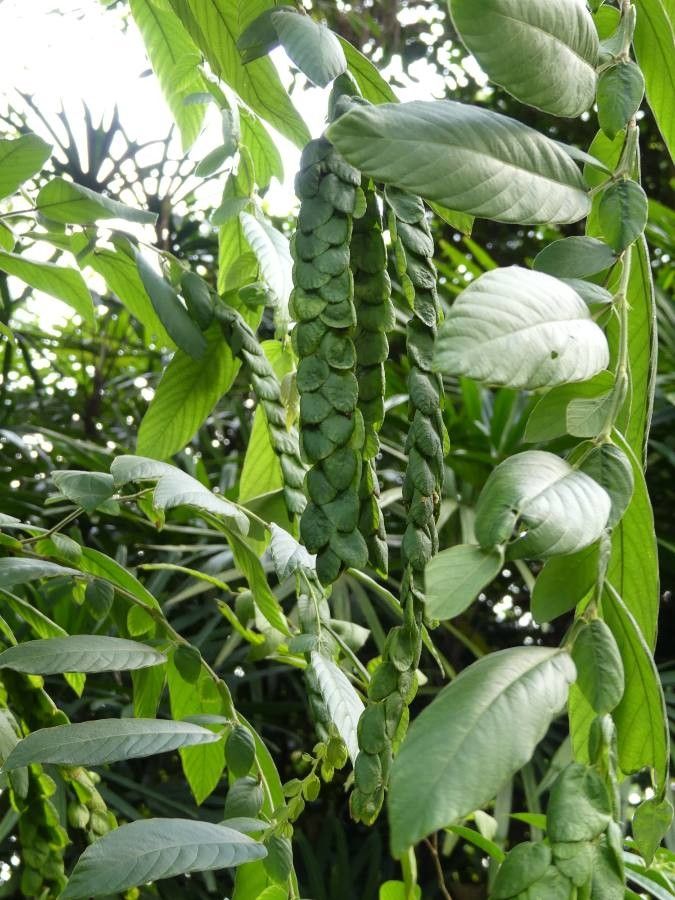
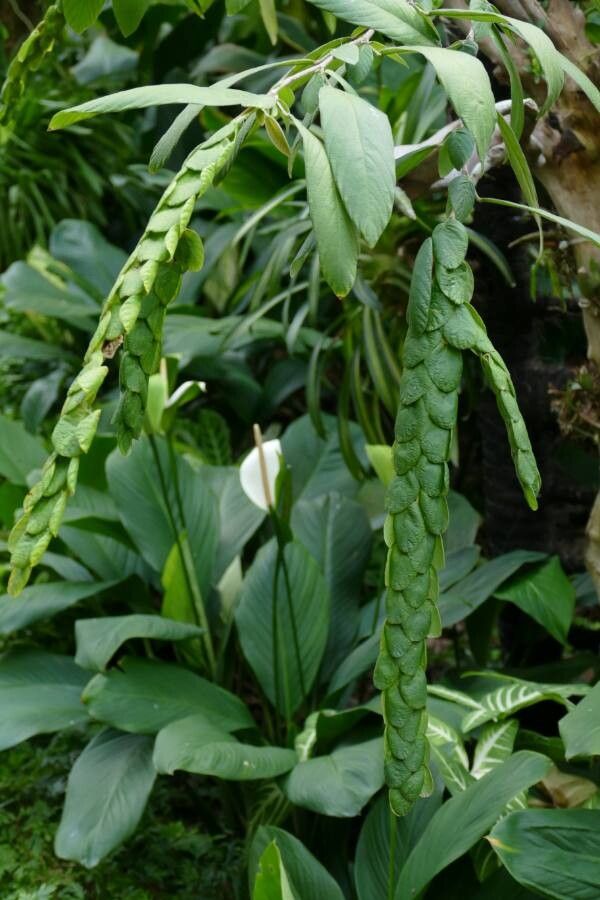
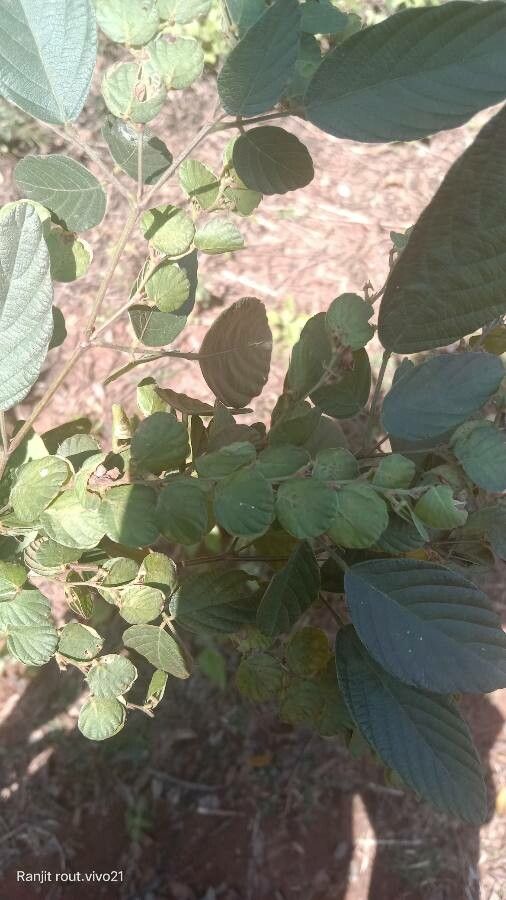
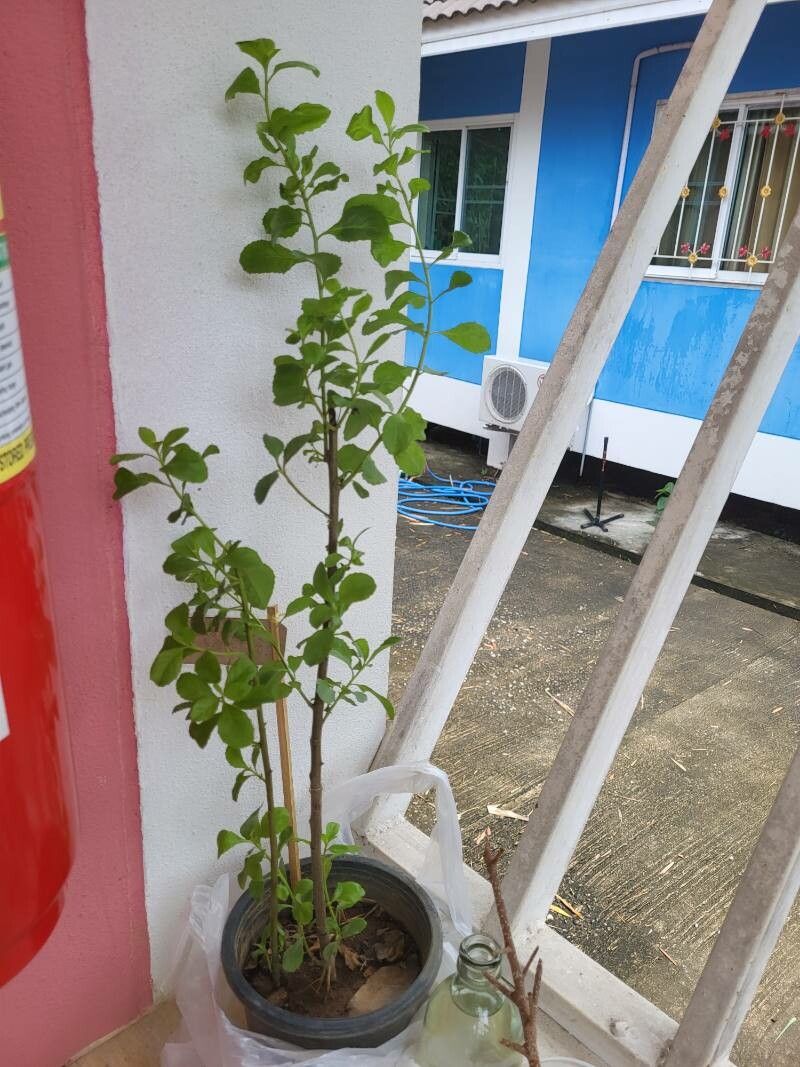
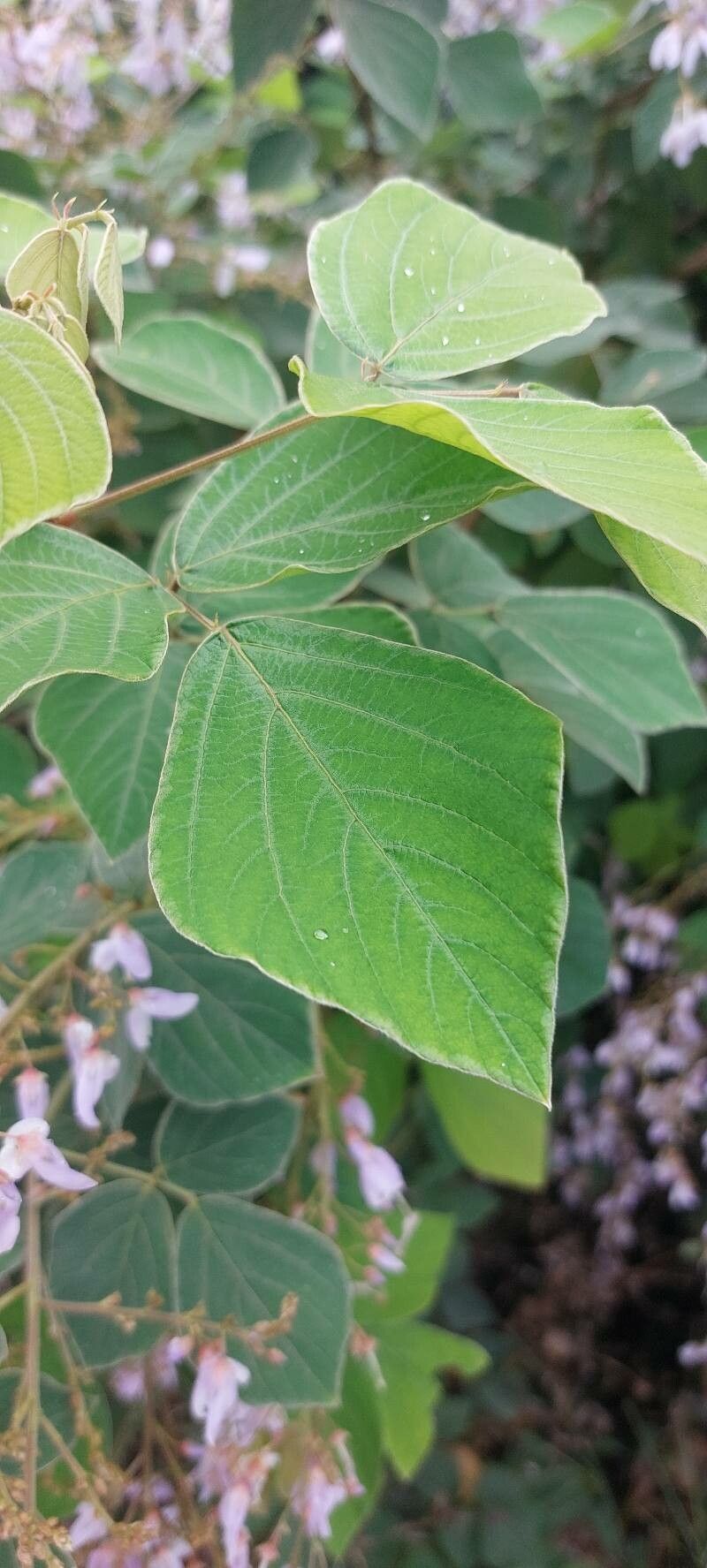
Phyllodium pulchellum is a plant in the family Fabaceae.
Phyllodium longipes has good resistance to disease and is generally not prone to disease. Regarding care, this plant is fairly low-maintenance. When grown outdoors it needs little watering, and larger plants typically do not require pruning. However, smaller plants should be pruned after they have finished blooming. Phyllodium longipest is suitable for anyone with an outdoor area, such as a garden or deck, and does not demand much gardening experience.
How to keep Phyllodium Pulchellum.
Light
Phyllodium longipes prefers unobstructed sunlight all day but can cope if sunlight is only intermittent. Locations similar to its native habitat with abundant sun best support its healthy growth. Excessive light or insufficient light can impede the plant's growth.
Water
Phyllodium longipes, a plant native to humid tropical areas, effectively absorbs moisture and thrives in consistently moist soil. To support its drought-tolerant nature, water it every 2-3 weeks. Ideally grown indoors, this plant flourishes in humid conditions, making it perfect for terrariums or well-lit bathrooms.
Temperature
Phyllodium longipes comes from tropical areas, where the climate is typically warm and humid. Therefore it is adapted to high temperatures and moisture. It does not tolerate sudden temperature changes and prefers a steady temperature, so avoiding indoor temperature fluctuations is important. It generally cannot withstand cold and needs warmer conditions to grow. If the surrounding temperature falls too low, the plant may stop growing or even die.
Fertilizer
Fertilization is essential for the care of Phyllodium longipes. Regular feeding during the growing season helps maintain the energy required for its showy leaves and supports overall growth. Ignoring fertilization can cause unhealthy leaves, reduced ornamental appeal, and stunted or weakened growth that is prone to breaking.
Pruning
Routine pruning of Phyllodium longipes is essential for promoting healthy growth. The best time to prune is during its dormant phase, from early to late winter. Focus on removing dead or diseased branches, as this will improve airflow, help the plant maintain its natural shape, and encourage blooming. Pruning in this manner will also reduce stress on the plant and minimize the risk of pest infestations.
Botanical profile.
- Plant Type
- Shrub
- Life Cycle
- Perennial
- Genus
- Phyllodium
- Family
- Fabaceae
- Hardiness Zone
- 9-11
- Mature Height
- 0.49 m to 2.13 m
- Mature Spread
- 49 cm to 91 cm
- Leaf Color
- Green
- Leaf Type
- Evergreen
- Flower Color
- Pink, White
- Flower Size
- 7.62 cm to 30.48 cm
- Bloom Time
- Summer, Early fall, Mid fall
- Planting Time
- Spring, Summer, Autumn
- Harvest Time
- Late summer, Fall, Early winter
- Native Area
- Nepal, Sri Lanka, India, Malaysia, Philippines, Bangladesh, Laos, China, Indonesia, Cambodia, Vietnam, Myanmar, Japan, Bhutan, Thailand
Other names.
Reader questions.
What are the sun requirements for Phyllodium longipes?
Phyllodium longipes, also known as Phyllodium pulchellum, requires full sun for optimal growth. This means the plant should receive above 6 hours of direct sunlight each day. However, it can also tolerate partial sun, which is about 3-6 hours of sunlight. It's crucial to observe how sunlight moves through your garden to find spots that offer a balance of light and shade, ensuring the well-being of your plants.
What are the essential conditions for growing Phyllodium longipes successfully?
To grow Phyllodium longipes successfully, it's important to provide an environment where the sun is predominant throughout the day, similar to its native habitat. This ensures healthy growth. The plant can adapt to intermittent sun exposure, but proper light conditions are critical. In scenarios where natural sunlight is insufficient, especially during winter or in less sunny spaces, artificial lighting can be a great alternative. Indoor plants benefit from LED lights which can be adjusted to offer specific wavelengths needed by the plants. Full sun plants require 30-50 Watts per square foot, partial sun plants need 20-30 Watts per square foot, and full shade plants require 10-20 Watts per square foot of artificial light.
What are the signs of light deficiency in Phyllodium longipes?
When Phyllodium longipes experiences light deficiency, it may show several symptoms indicating it's not receiving enough sunlight. These symptoms include smaller new leaves, leggy or sparse growth, premature leaf drop, halted or slowed new growth, pale new leaves, chlorosis (losing green color), sunscald, leaf curling, wilting, and leaf scorching. These symptoms highlight the plant's struggle in suboptimal lighting conditions.
How can I alleviate symptoms of light deficiency in Phyllodium longipes?
To address light deficiency in Phyllodium longipes, follow these solutions based on the planting location: Indoor solution involves gradually moving the plant to a sunnier spot each week until it receives at least 6 hours of sunlight, keeping curtains open during the day, or using artificial lights for 8+ hours. For outdoor plants, similarly, acclimate them to sunnier spots gradually to avoid sunburn. Ground plants benefit from reducing obstructions like pruning trees or transplanting to sunnier locations with good drainage. Note that parts of the plant damaged by insufficient light may not recover, but new growth will be healthy after improving light exposure.