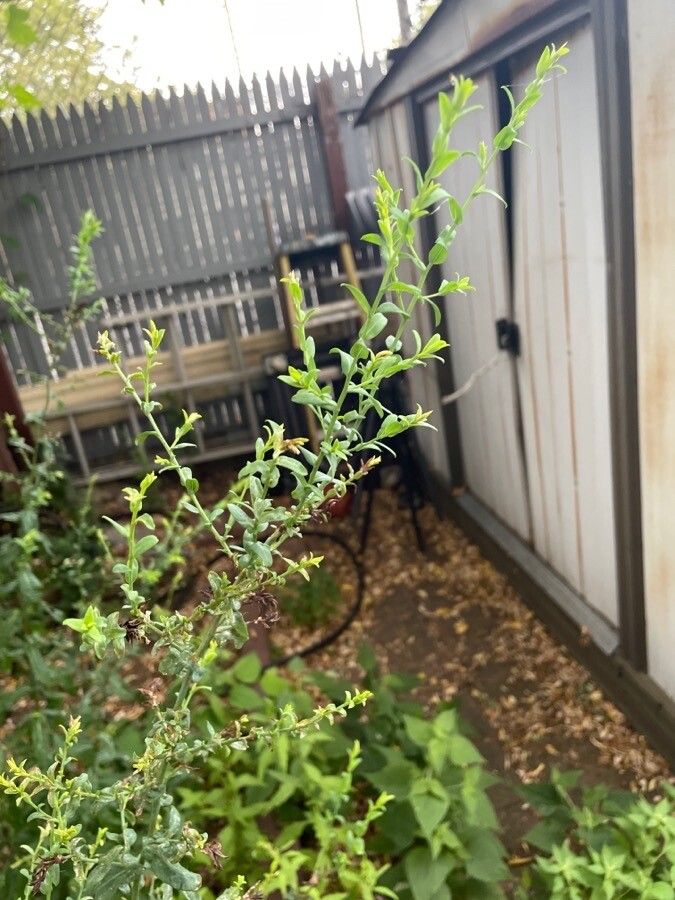
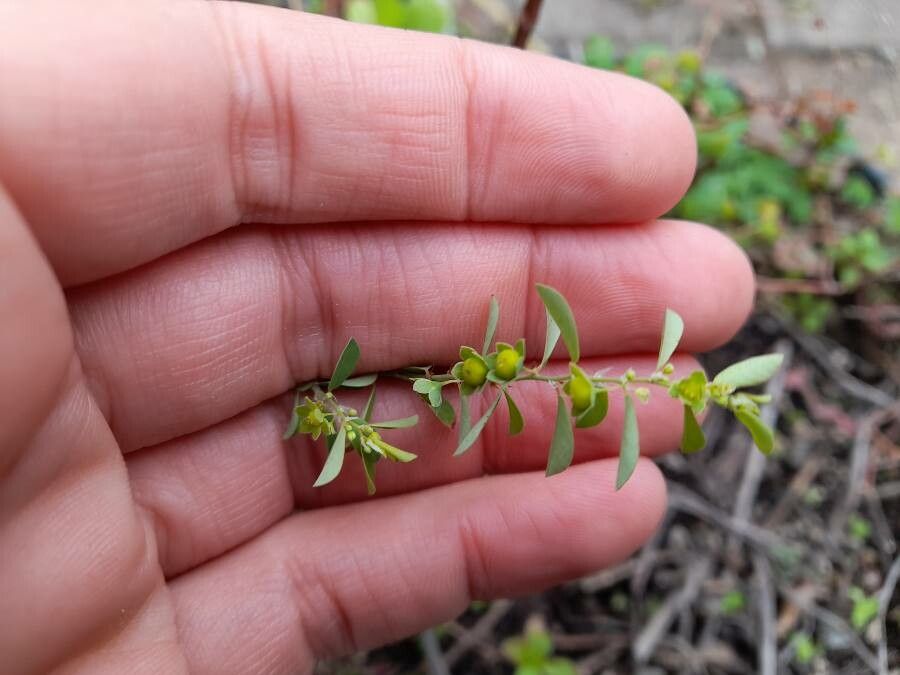
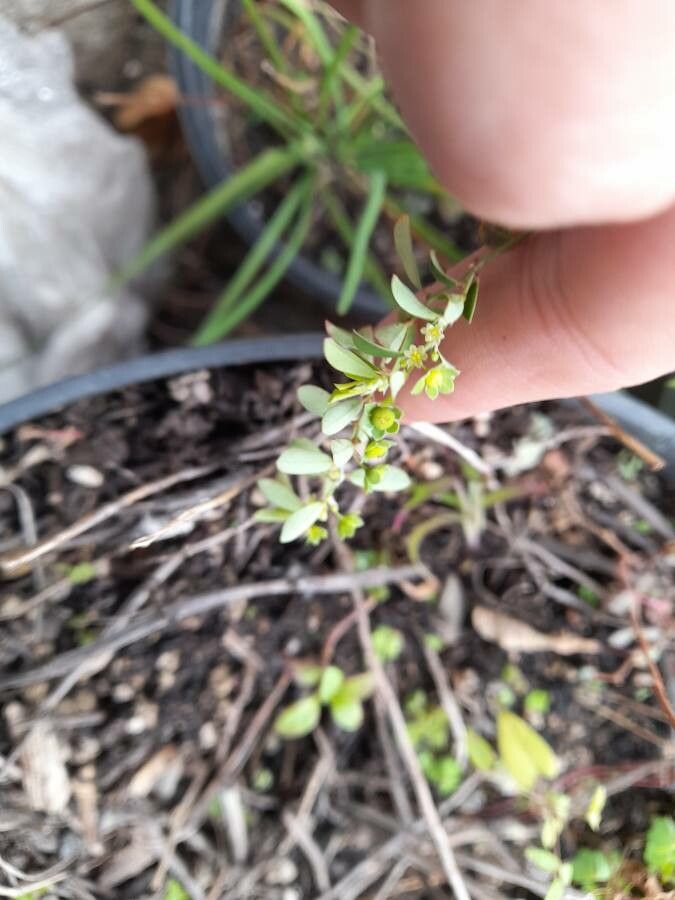
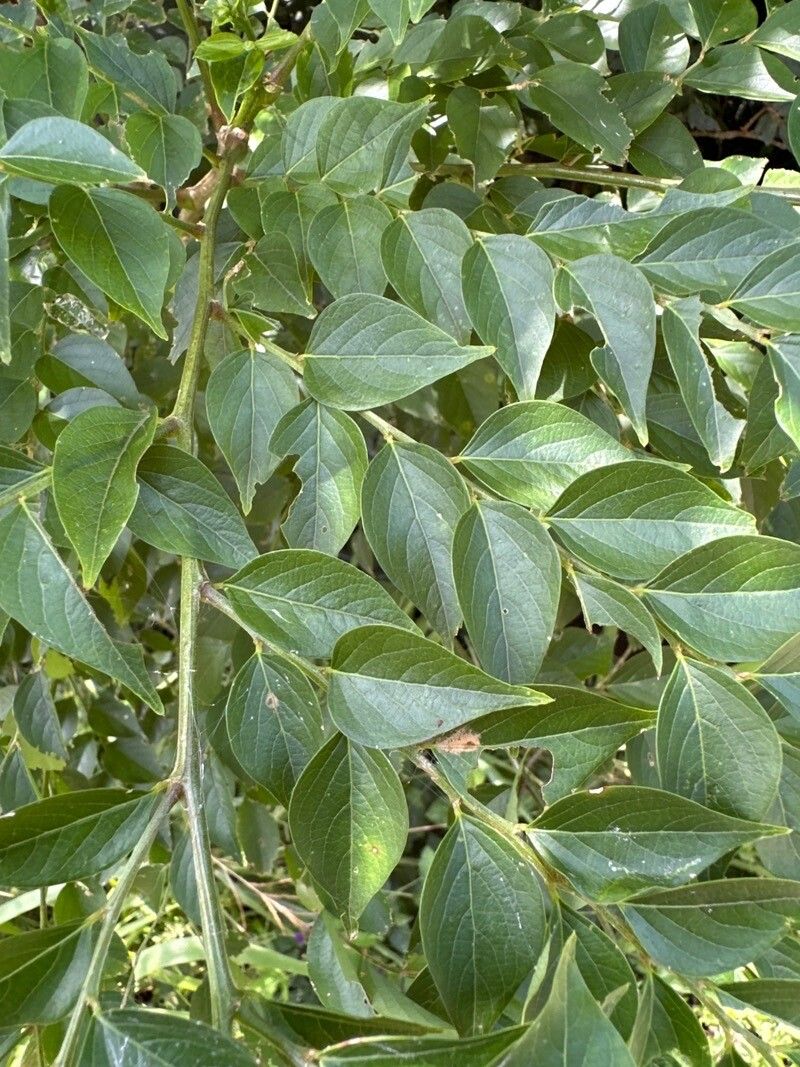
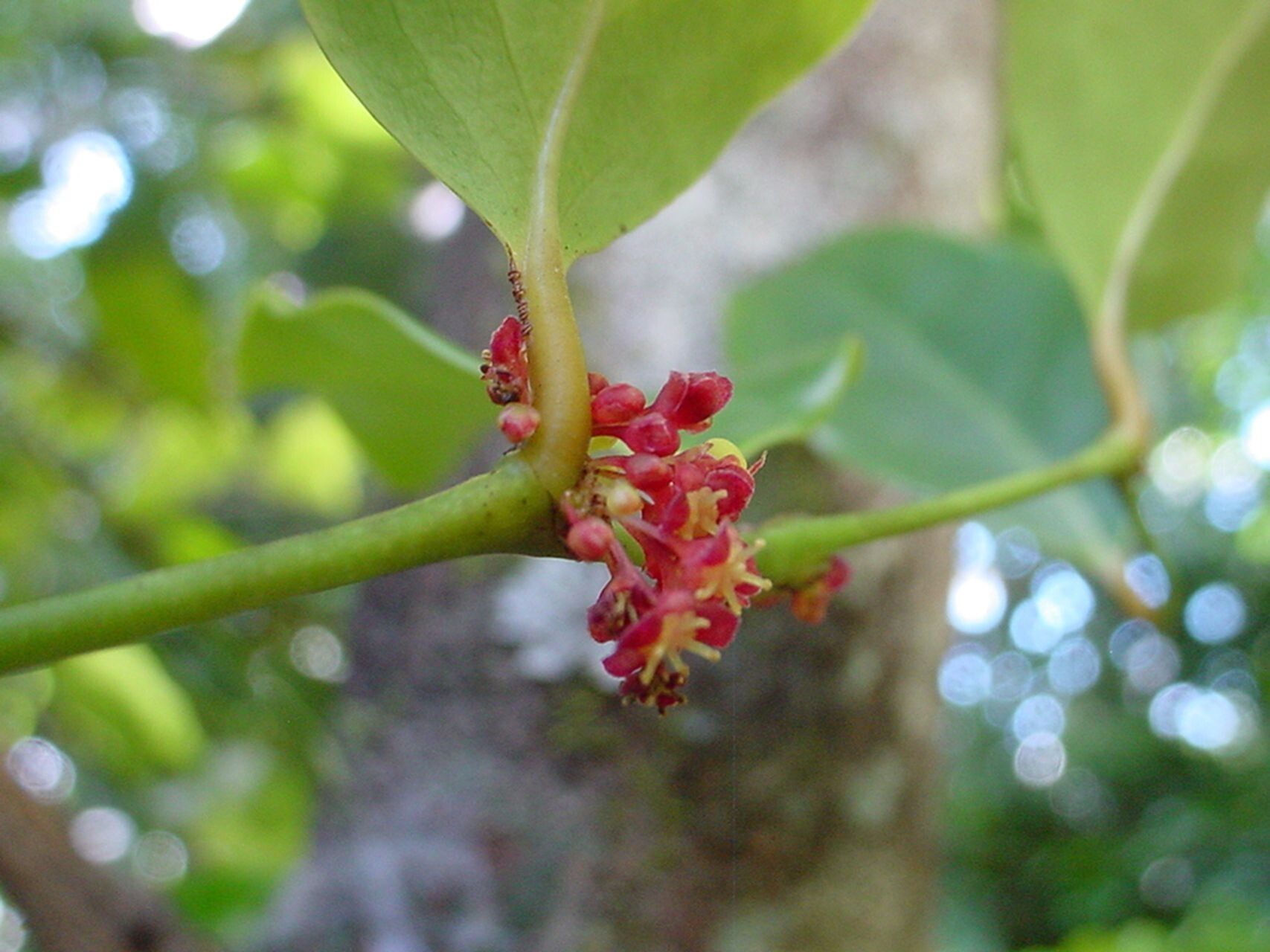
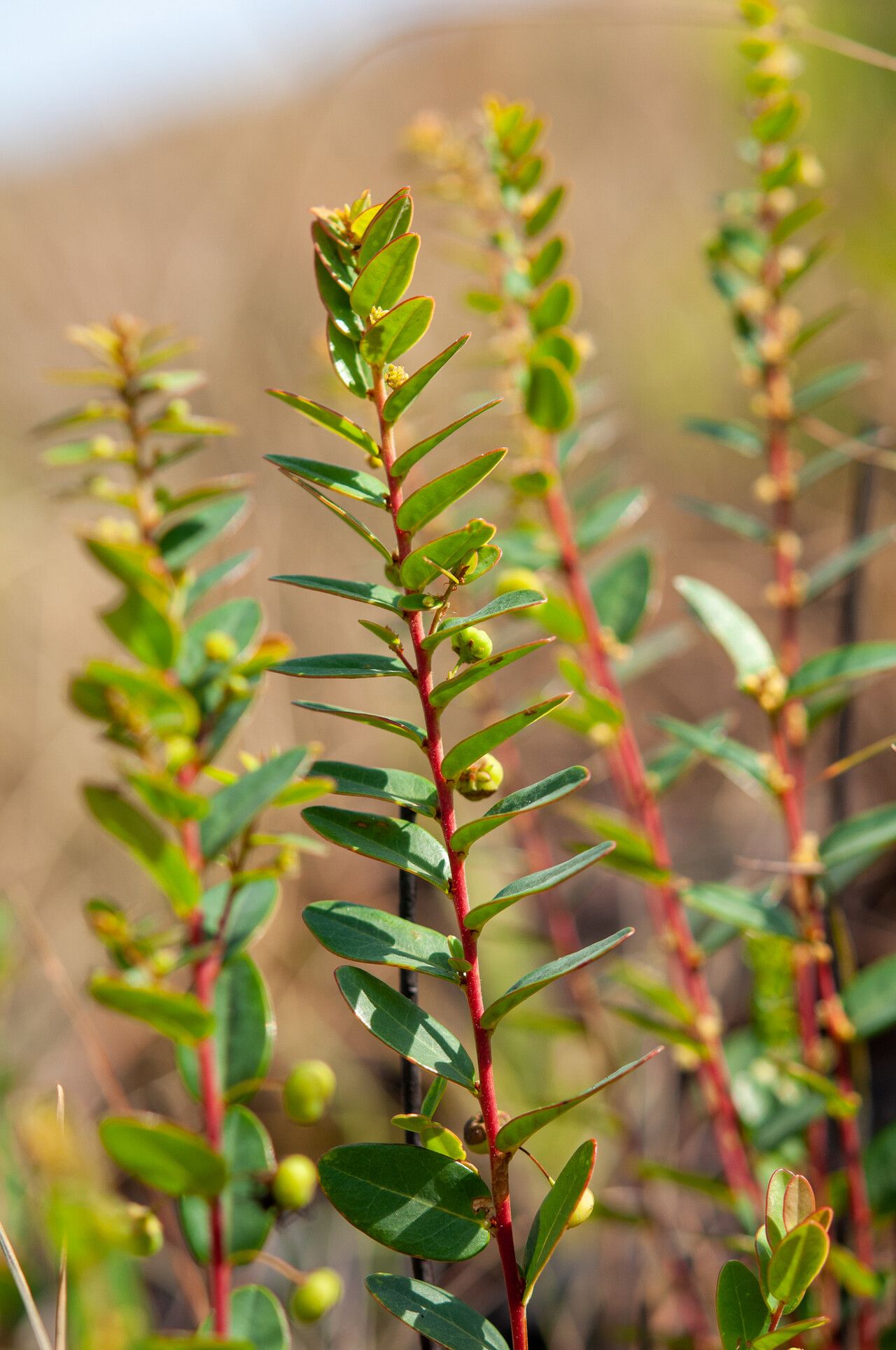
Phyllanthus polygonoides, known as smartweed leaf-flower or knotweed leafflower, is an herbaceous perennial plant in the family Phyllanthaceae. It grows from 10 to 50 centimeters in height. It is native to the United States (Arizona, New Mexico, Texas, Oklahoma, Arkansas, Missouri, and Louisiana) and northern and central Mexico.Smartweed leaf-flower grows in a variety of habitats throughout its range, including grasslands, shrublands (including the Chihuahuan Desert), and glades in forests. It is often associated with limestone and calcareous soils.It is morphologically similar to the closely related species, pinewoods dainties (Phyllanthus liebmannianus). In the United States these species are allopatrically distributed, but there is a zone of overlap in the ranges of the two species in central Mexico.
Smartweed leaf-flower is fairly disease-resistant and generally not prone to illnesses. However, it can be affected by pests and diseases present in its environment. Such infections are typically mild. Regarding care, this plant needs moderate maintenance. It should be pruned regularly to keep a good appearance and support healthy growth. Applying fertilizer can also help encourage flowering. Smartweed leaf-flower is appropriate for anyone with outdoor space, like a garden or patio, and does not demand extensive care experience. It may need more attention when cultivated indoors.
How to keep Phyllanthus Polygonoides.
Light
Smartweed leaf-flower is a perennial herbaceous plant that favors sunny conditions and originates from open habitats, frequently growing in meadows and grasslands. It prefers full sun but can also tolerate partial sun.
Water
The smartweed leaf-flower is a tropical plant that thrives in consistently moist environments. It prefers to be watered weekly but can endure short periods of dryness. Rainwater helps enhance its growth, making it particularly suited for humid climates.
Temperature
Smartweed leaf-flower comes from tropical areas, where the weather is typically warm and humid. As a result, it is well suited to high temperatures and moisture. It does not tolerate sudden temperature changes and prefers a steady temperature, so indoor temperature fluctuations should be avoided. It generally won't endure cold and needs warmer conditions to grow. If the surrounding temperature falls too low, the plant may stop growing or even die.
Fertilizer
Smartweed leaf-flower needs the most fertilizer during its active growth period, which is mainly in spring, summer, and early fall. Fertilizing supplies essential nutrients the soil might lack, supporting healthy root and stem growth and maintaining the attractive foliage that is a notable trait of this plant.
Pruning
To improve the readability and correct any grammar errors, the text can be rewritten as follows: In early spring, lightly prune the smartweed leaf-flower to encourage new growth, and remove any dead or diseased branches to shape it aesthetically. Pruning again in late spring can help control the plant's size and improve the health of its foliage. Always use sterilized tools and make cuts just above a node to enhance air circulation and reduce the risk of pests.
Botanical profile.
- Plant Type
- Herb
- Life Cycle
- Perennial
- Genus
- Phyllanthus
- Family
- Phyllanthaceae
- Hardiness Zone
- 8-11
- Mature Height
- 10 cm to 49 cm
- Mature Spread
- 30 cm to 49 cm
- Leaf Color
- Green, Blue
- Leaf Type
- Evergreen
- Flower Color
- Yellow, Green
- Flower Size
- 0.20 cm to 0.25 cm
- Bloom Time
- Mid spring, Late spring, Early summer
- Planting Time
- Summer, Autumn
- Harvest Time
- Summer
Other names.
Reader questions.
What are the sunlight requirements for Smartweed leaf-flower?
Smartweed leaf-flower (Phyllanthus polygonoides) thrives best in full sun, requiring more than 6 hours of sunlight daily, but it can also grow well under partial sun conditions, which means about 3-6 hours of sunlight. It's essential to observe how sunlight moves through your garden to pick the perfect balance of light and shade for these plants, ensuring they grow happy and healthy.
What should I know about using artificial lighting for Smartweed leaf-flower?
In cases where natural sunlight is insufficient, especially during winter or in less sunny spaces, artificial lighting can be a crucial alternative for the growth of Smartweed leaf-flower. Opt for LED lights as they can be tailored to deliver specific wavelengths needed by the plants. Full sun plants require 30-50W/sq ft of artificial light, partial sun plants need 20-30W/sq ft, and placing the light source 12-36 inches above the plant will best mimic natural sunlight. Ensure the plants receive 8-12 hours of light per day to promote healthy growth.
What are the signs of light deficiency in Smartweed leaf-flower?
Symptoms of light deficiency in Smartweed leaf-flower include smaller new leaves, leggy or sparse growth, faster leaf drop, slower or no new growth, lighter-colored new leaves indicating a lack of chlorophyll, chlorosis leading to leaves turning yellow, sunscald causing damage from intense sunlight, curled leaves as a defense mechanism against excessive sunlight, wilting due to loss of water, and leaf scorching characterized by brown, dry edges on leaves.
How do I address light deficiency in Smartweed leaf-flower?
To combat light deficiency in Smartweed leaf-flower, gradually move plants to locations that receive at least 6 hours of direct sunlight daily. A south-facing window can provide maximum sunlight exposure. If the plant is large or not easily movable, consider using artificial light, keeping a lamp on for at least 8 hours a day or investing in grow lights. For outdoor plants, move them to sunnier spots weekly to avoid sunburn. If direct sunlight is obstructed, prune blocking branches or transplant smaller plants to sunnier locations, ensuring ample sunlight and good drainage. Do note that parts of the plant already affected by insufficient sunlight might not recover, but new growth should be healthy following these adjustments.