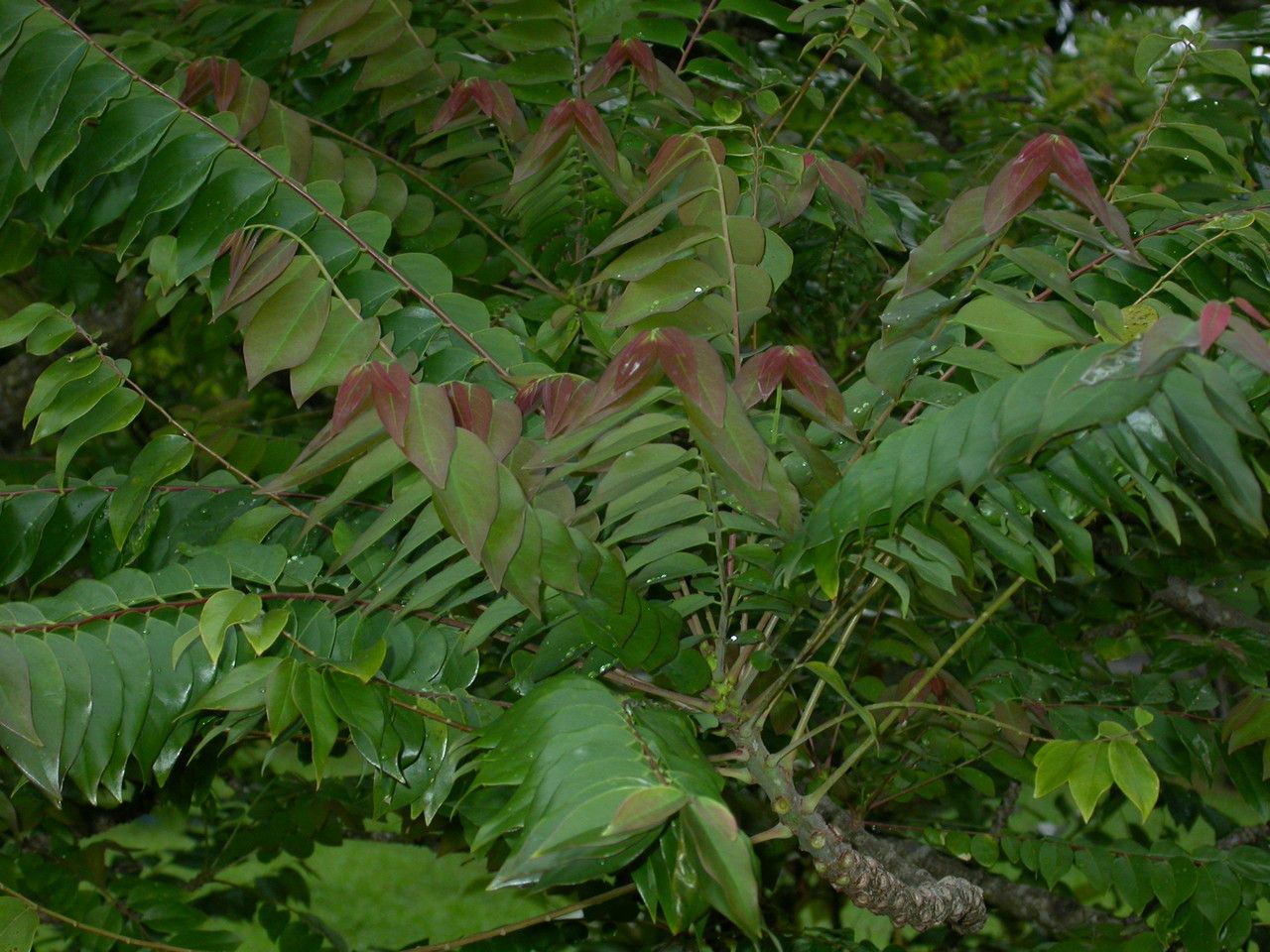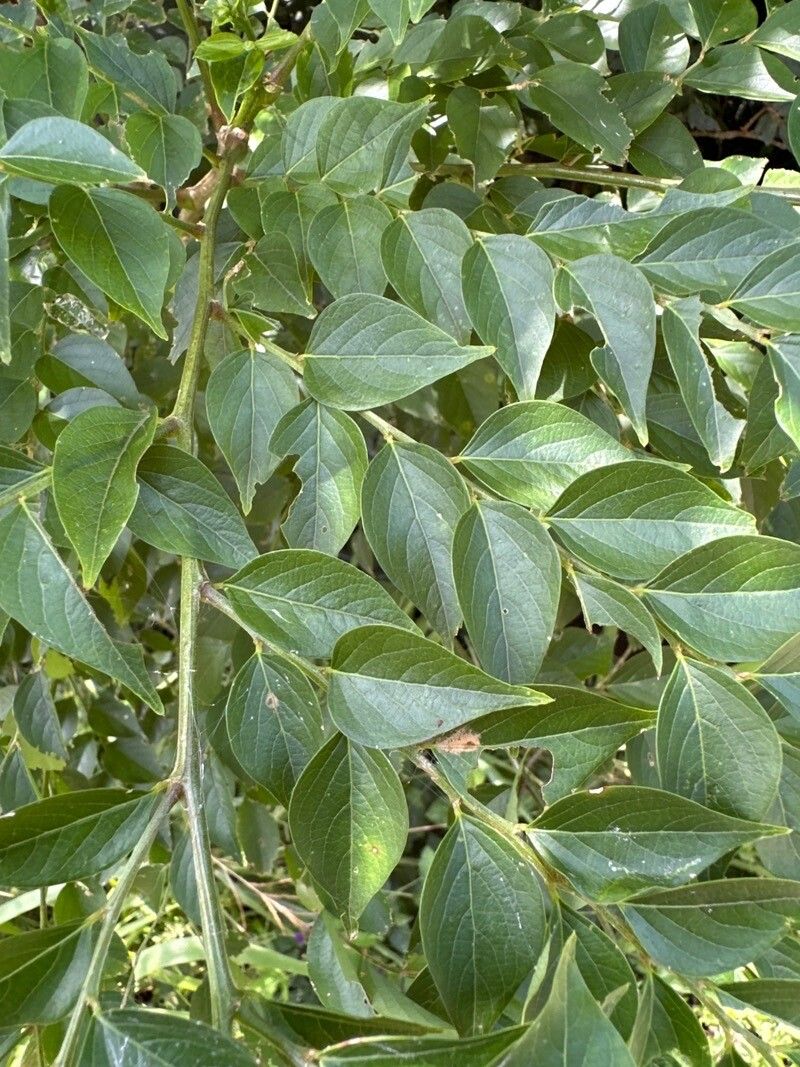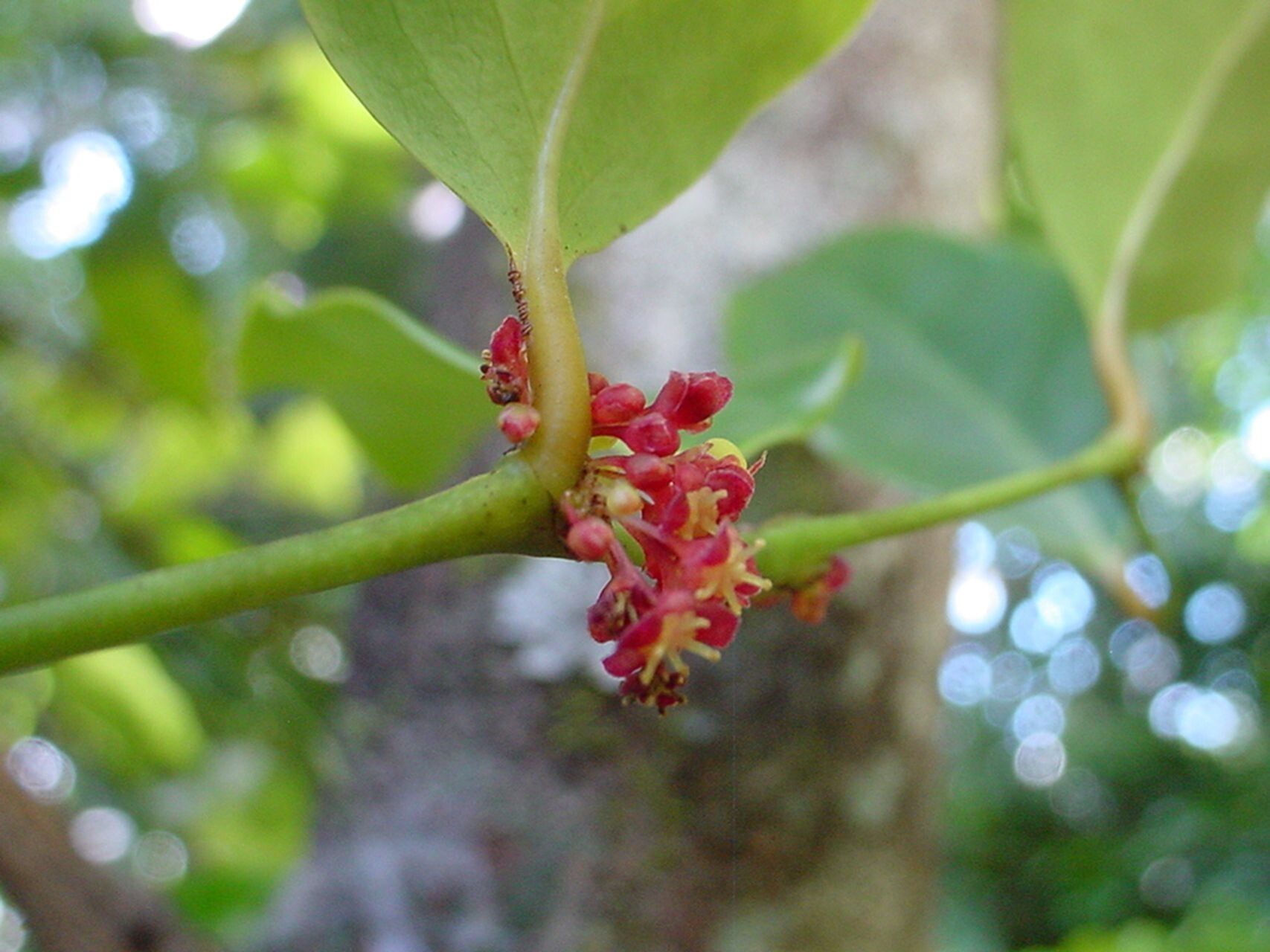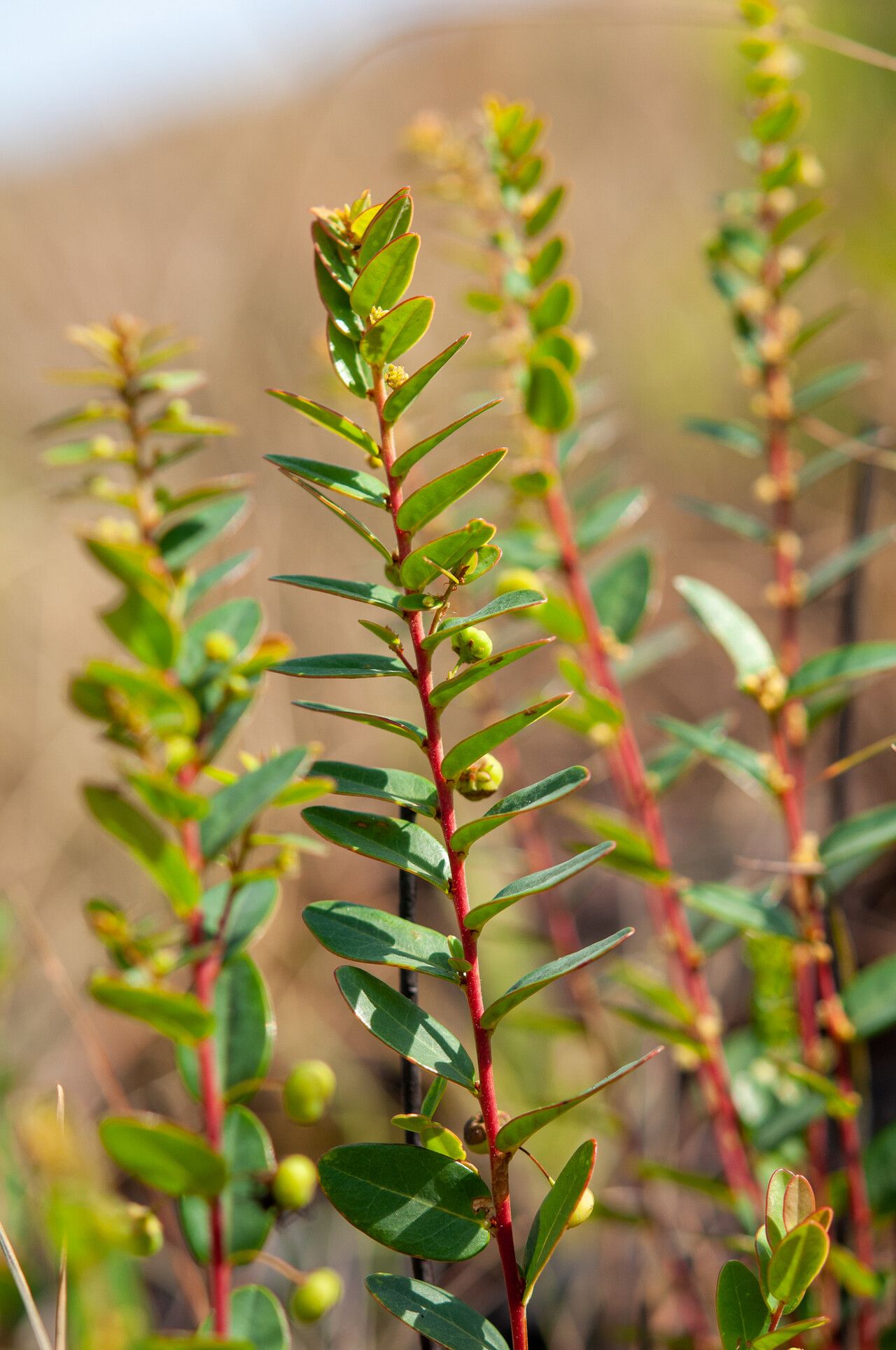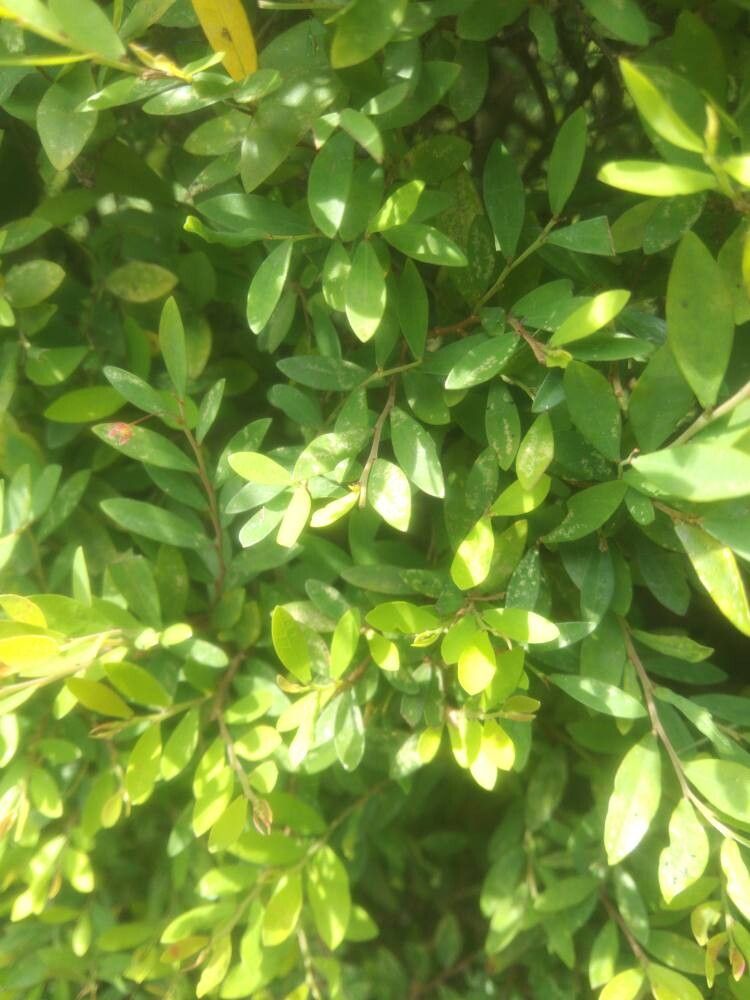
Phyllanthus myrtifolius, known as mousetail plant or myrtle-leaf leaf-flower, is a shrub belonging to the genus Phyllanthus of the family Phyllanthaceae endemic to island of Sri Lanka.
Myrtle-leaved Leaf-flower is resistant to disease and generally not susceptible to illnesses. In terms of care, this plant is fairly low-maintenance. When grown outdoors it needs only light watering, and larger plants typically do not require pruning. Smaller plants, however, should be trimmed after they finish blooming. Myrtle-leaved Leaf-flowert is suitable for anyone with an outdoor area, such as a garden or deck, and does not call for extensive gardening experience.
How to keep Phyllanthus Myrtifolius.
Light
Myrtle-leaved Leaf-flower occurs naturally in habitats like forest understories or rocky areas, where it is subject to natural shade. It prefers partial sun but can tolerate full sun or full shade, highlighting its adaptable, hardy nature.
Water
Phyllanthus myrtifolius thrives in tropical environments, where it prefers consistently moist and well-draining soil. Water the plant weekly to ensure it stays properly hydrated. Though typically an outdoor plant, it benefits from adequate rainfall, which supports lush foliage growth. Ensuring the right balance of light and moisture will promote robust growth during its active season.
Temperature
Myrtle-leaved Leaf-flower comes from tropical areas, where the climate is generally warm and humid. As a result, it is well suited to high temperatures and humidity. It does not tolerate sudden temperature changes and prefers a stable temperature environment, so it is important to avoid temperature fluctuations indoors. It usually cannot withstand cold and requires higher temperatures to grow. If the surrounding temperature falls too low, the plant may stop growing or even die.
Fertilizer
Fertilizing is essential for the care of the Myrtle-leaved Leaf-flower. Consistent feeding during the growing season maintains the energy needed for its showy foliage and supports overall development. Failing to fertilize can lead to unhealthy leaves, reduced ornamental value, and stunted or weak growth that is prone to breaking.
Pruning
Phyllanthus myrtifolius features delicate leaves and grows densely. To promote healthy growth and improve air circulation, prune the plant between early and late winter. Use clean tools to remove dead branches and thin out crowded areas. This will help maintain a balanced appearance and enhance its ornamental appeal.
Botanical profile.
- Plant Type
- Shrub
- Life Cycle
- Perennial
- Genus
- Phyllanthus
- Family
- Phyllanthaceae
- Hardiness Zone
- 9-10
- Mature Height
- 45 cm to 60 cm
- Mature Spread
- 61 cm to 91 cm
- Leaf Color
- Green
- Leaf Type
- Evergreen
- Flower Color
- Green
- Flower Size
- 0.20 cm to 0.25 cm
- Bloom Time
- Late spring, Summer, Early fall, Mid fall
- Planting Time
- Spring, Summer, Autumn
- Harvest Time
- Mid summer, Late summer, Fall