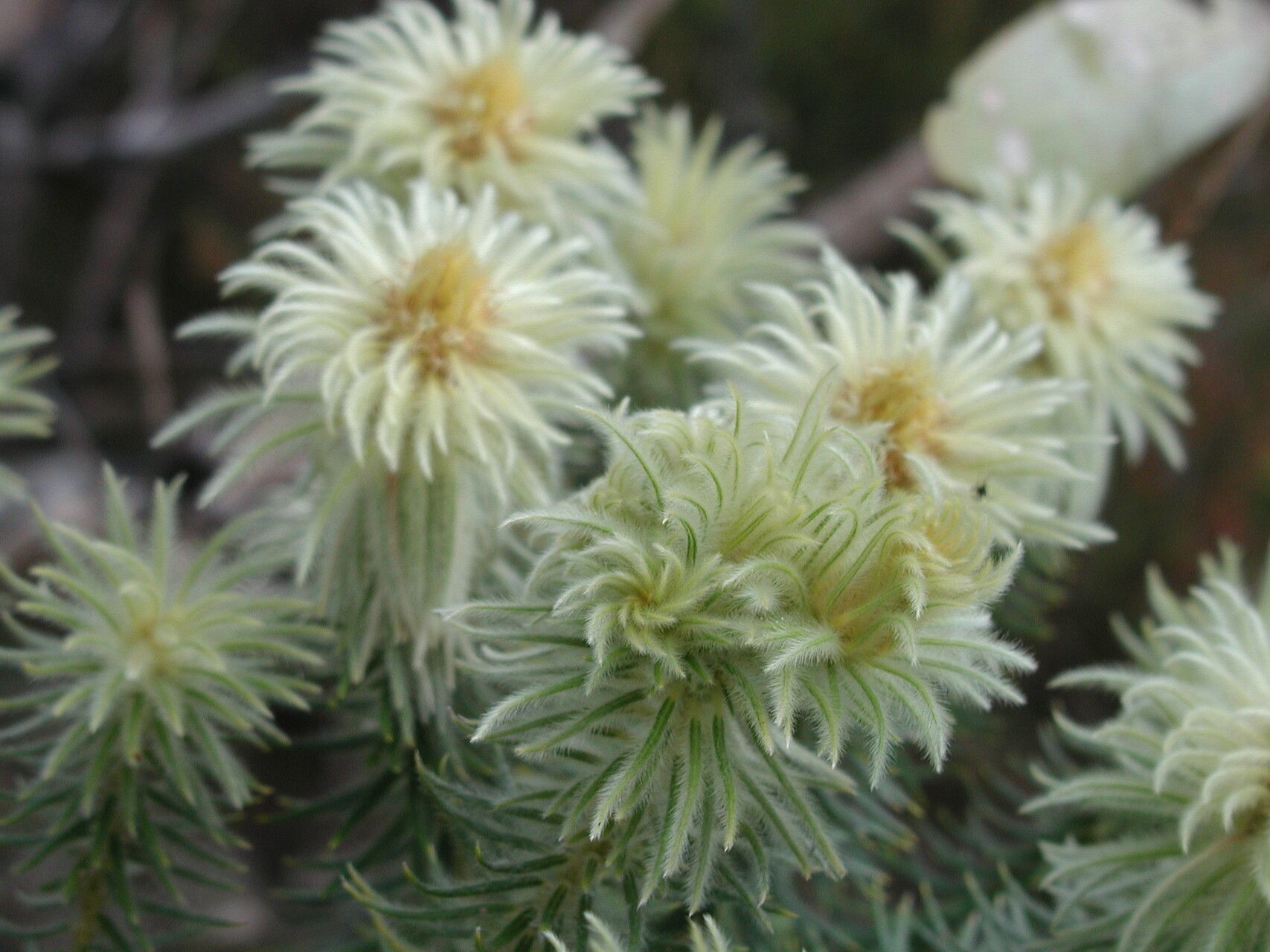
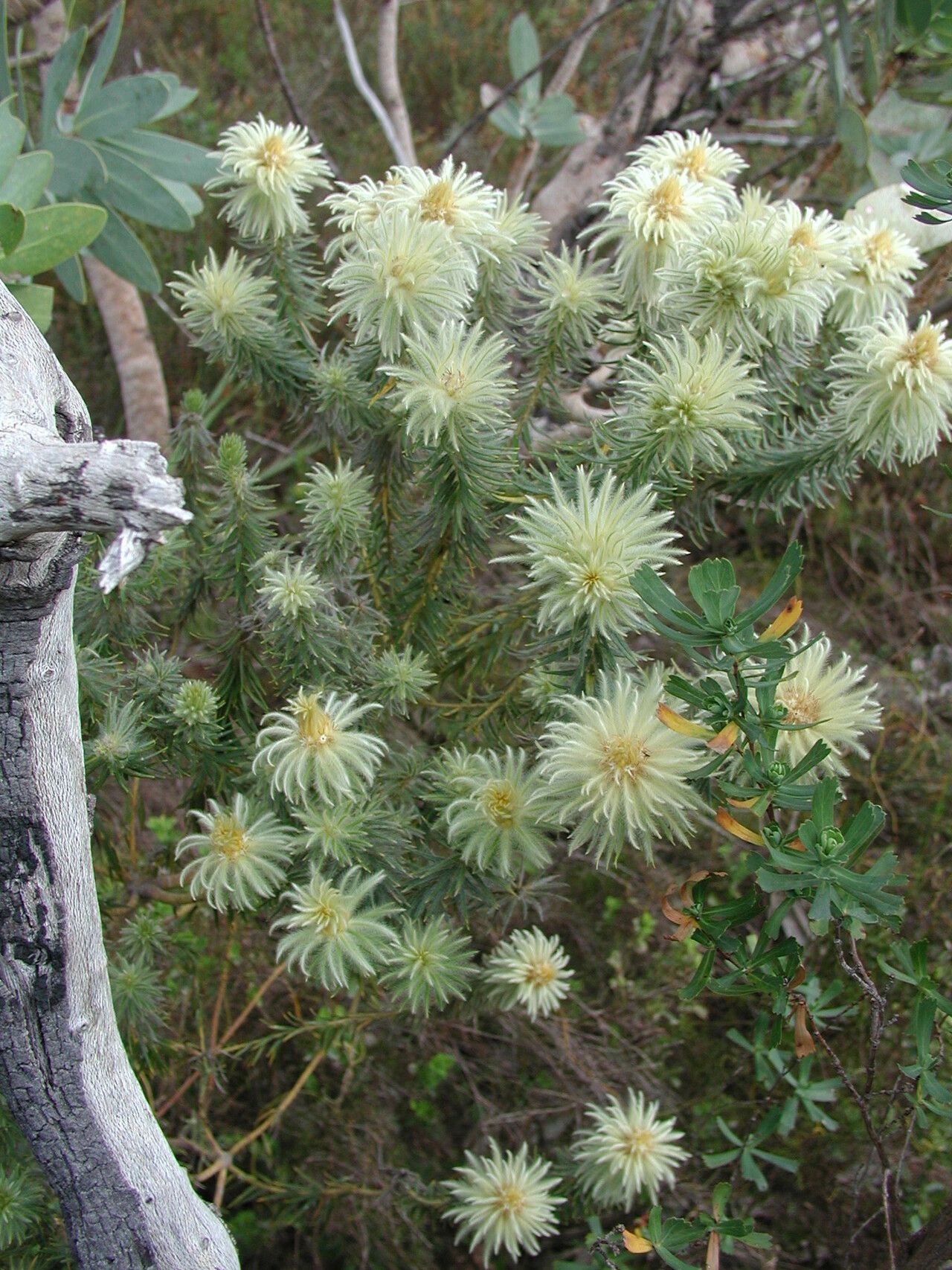
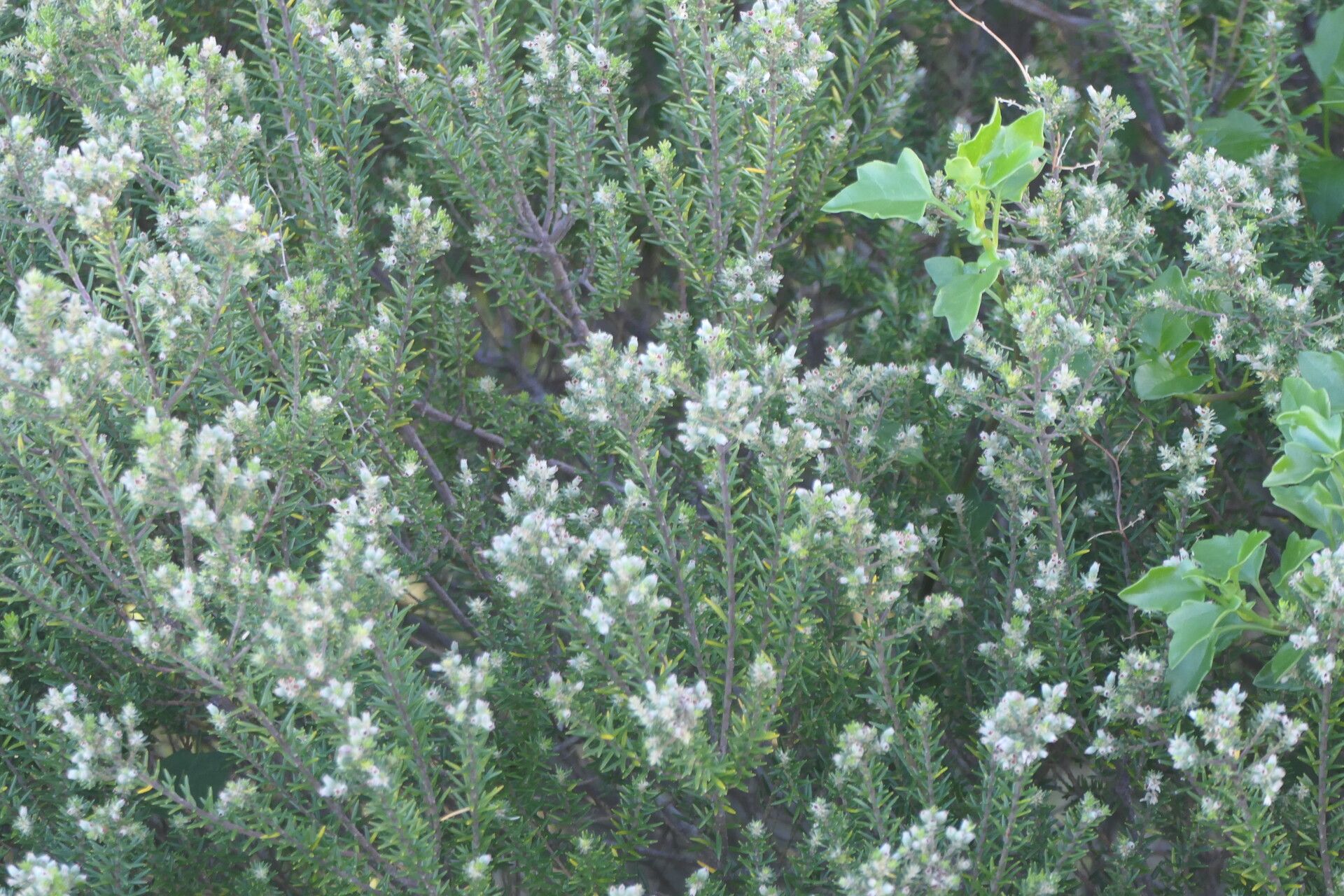
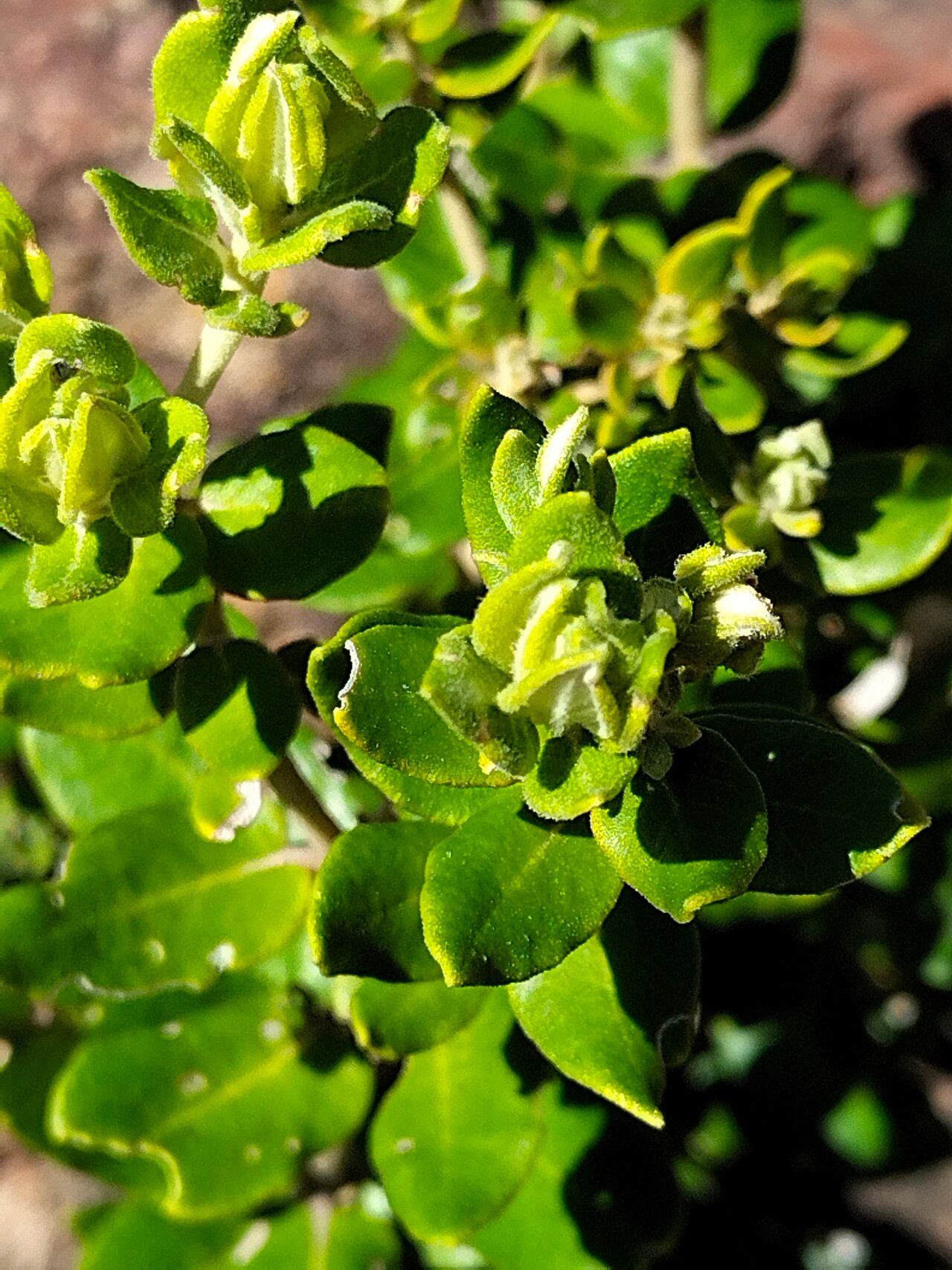
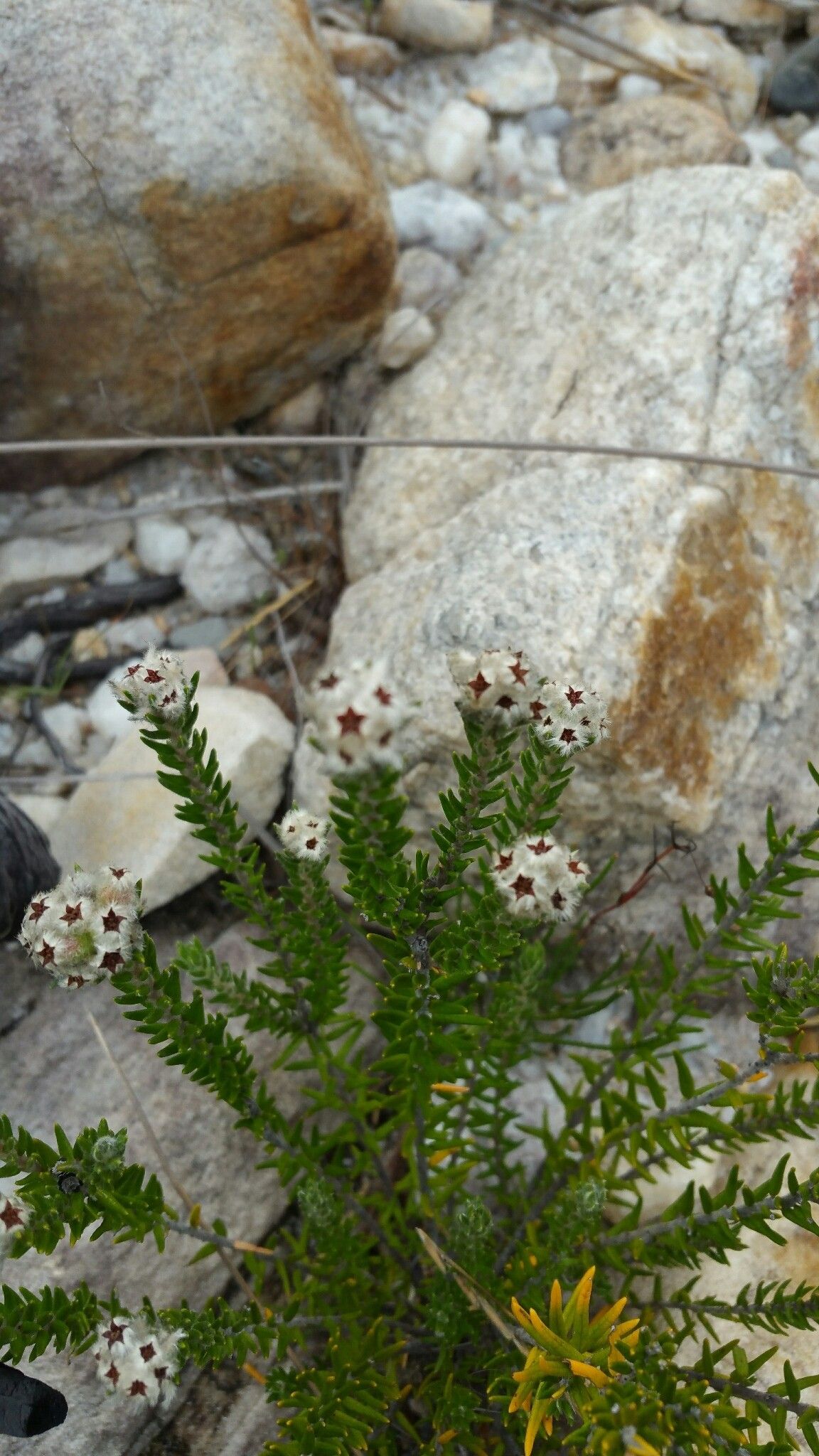
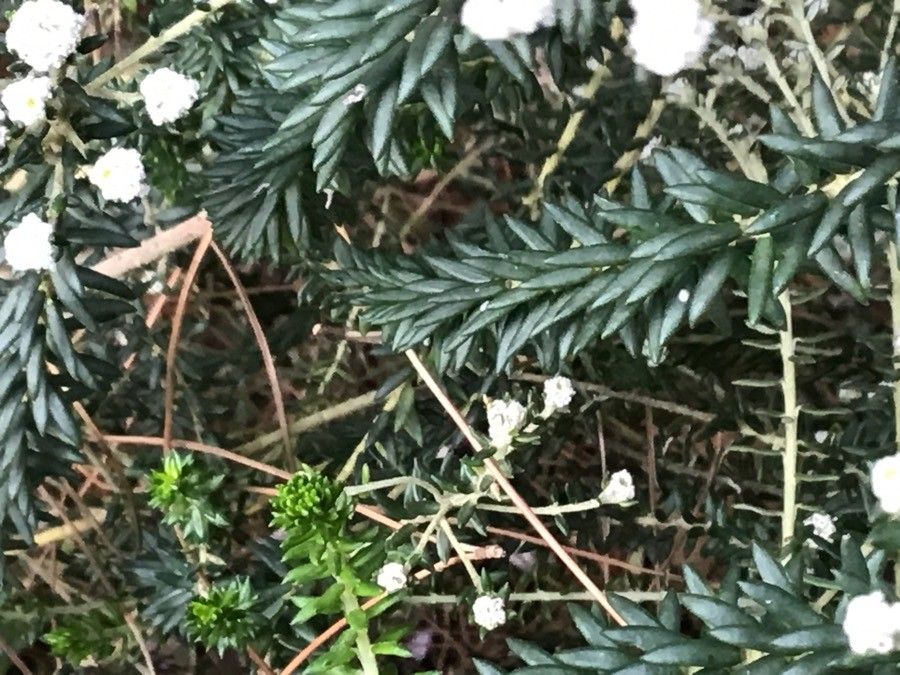
Featherhead shows strong disease resistance and is generally unlikely to suffer from illnesses. For care, this plant is fairly low-maintenance. Planted outdoors it needs little watering, and larger plants usually do not need pruning. Smaller plants, however, should be pruned after they finish blooming. Featherheadt is appropriate for anyone with an outdoor area, such as a garden or deck, and does not demand much prior care experience.
How to keep Phylica Pubescens.
Light
Featherhead does best when grown in full sun. It comes from environments that are regularly drenched in sunlight. Too little light can restrict its growth and productivity, and too much light can cause damage, although featherhead is not especially sensitive to extreme light. Different stages of growth do not require changes to the light conditions.
Water
Featherhead is a hardy plant that thrives with moderate watering. Due to its origins in arid regions, it has some drought tolerance. To keep it healthy, water it evenly every 2-3 weeks. As an evergreen plant, Featherhead requires consistent hydration throughout the year, as it continues to lose moisture through transpiration even during colder months.
Temperature
Featherhead adapts well to temperature, tolerating higher heat and wider temperature swings. In hot weather, care should be taken with watering and adequate shade provided to avoid sunburn. Conversely, Featherhead is fairly sensitive to low temperatures. It can endure some cold, but extremely cold conditions can result in frost damage.
Fertilizer
Timing is essential when fertilizing Featherhead. Begin fertilizing in early spring and continue on a monthly basis until early summer. Fertilizer promotes attractive blooms and supplies energy during both dormant and active growth phases.
Pruning
To improve the health and blooming of the featherhead plant, prune it in early spring. Start by removing any dead branches and shaping the plant. Be careful not to cut too close to the main stem to avoid causing damage. Pruning at the right time also helps improve air circulation, which can reduce the risk of disease.
Botanical profile.
- Plant Type
- Shrub
- Life Cycle
- Perennial
- Genus
- Phylica
- Family
- Rhamnaceae
- Hardiness Zone
- 9-10
- Mature Height
- 1.22 m to 1.52 m
- Mature Spread
- 1.22 m to 1.83 m
- Leaf Color
- Green, Gray, Silver
- Leaf Type
- Evergreen
- Flower Color
- White
- Flower Size
- 0.51 cm to 1.02 cm
- Bloom Time
- Late summer, Early fall, Mid fall
- Planting Time
- Spring, Summer
- Harvest Time
- Late fall, Early winter, Mid winter
- Native Area
- South Africa