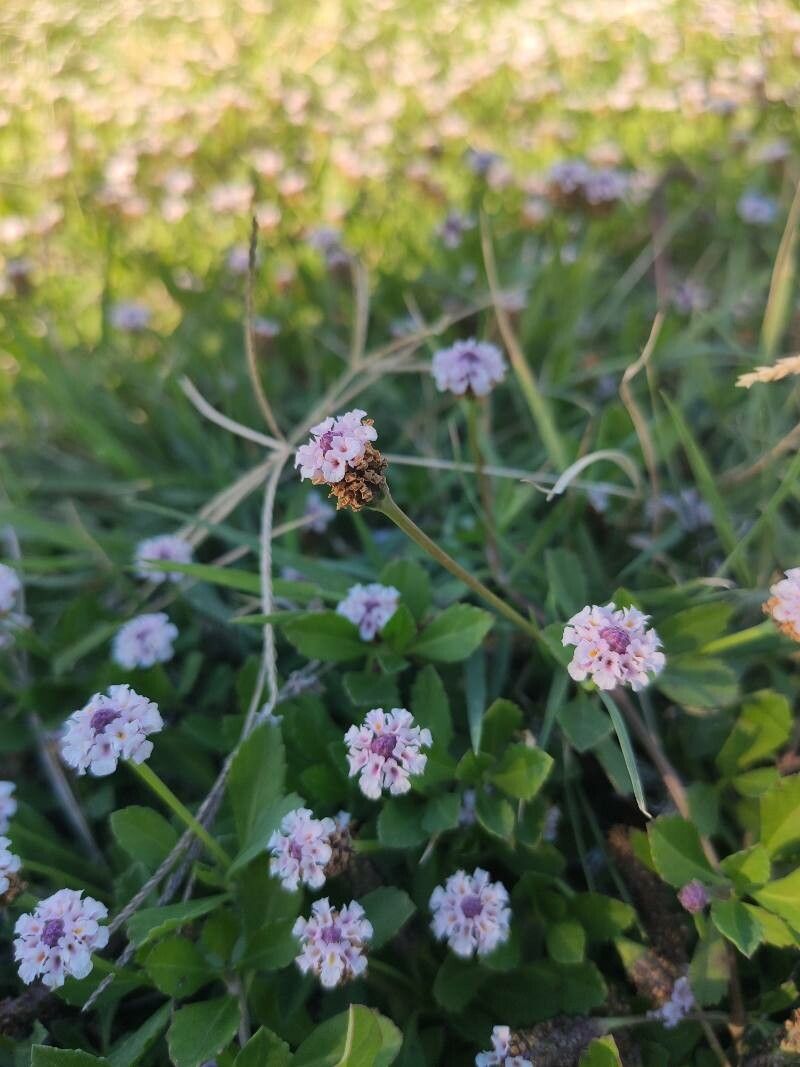
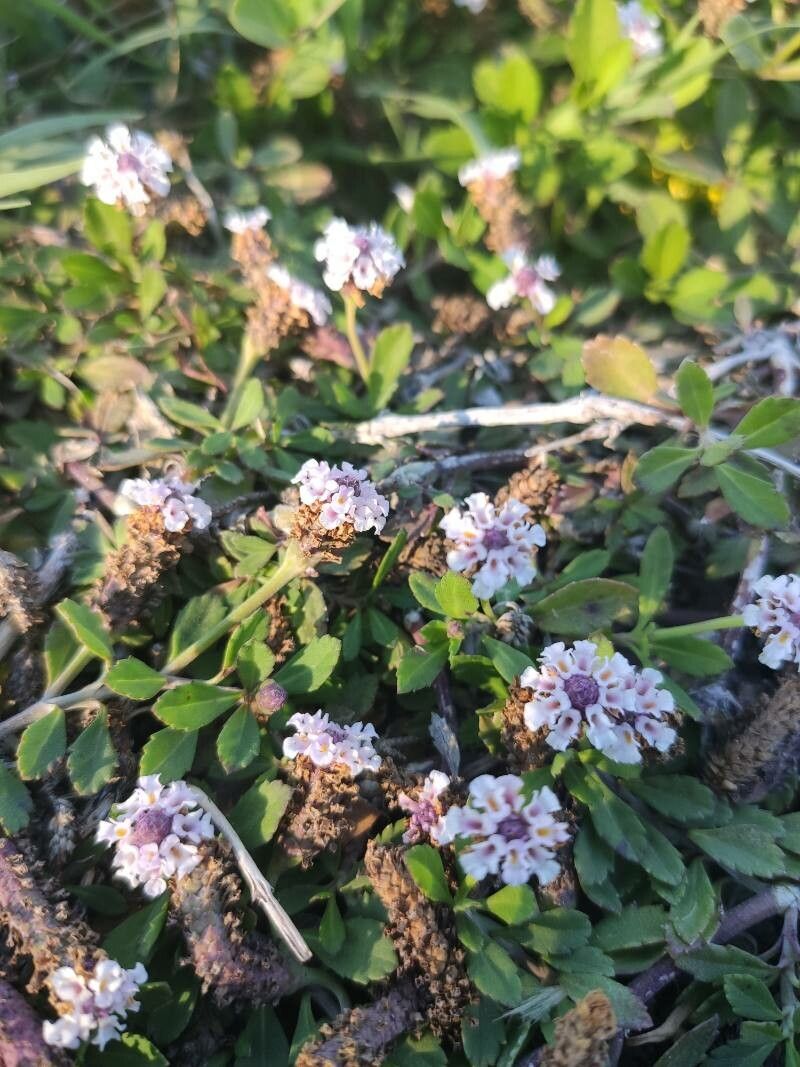
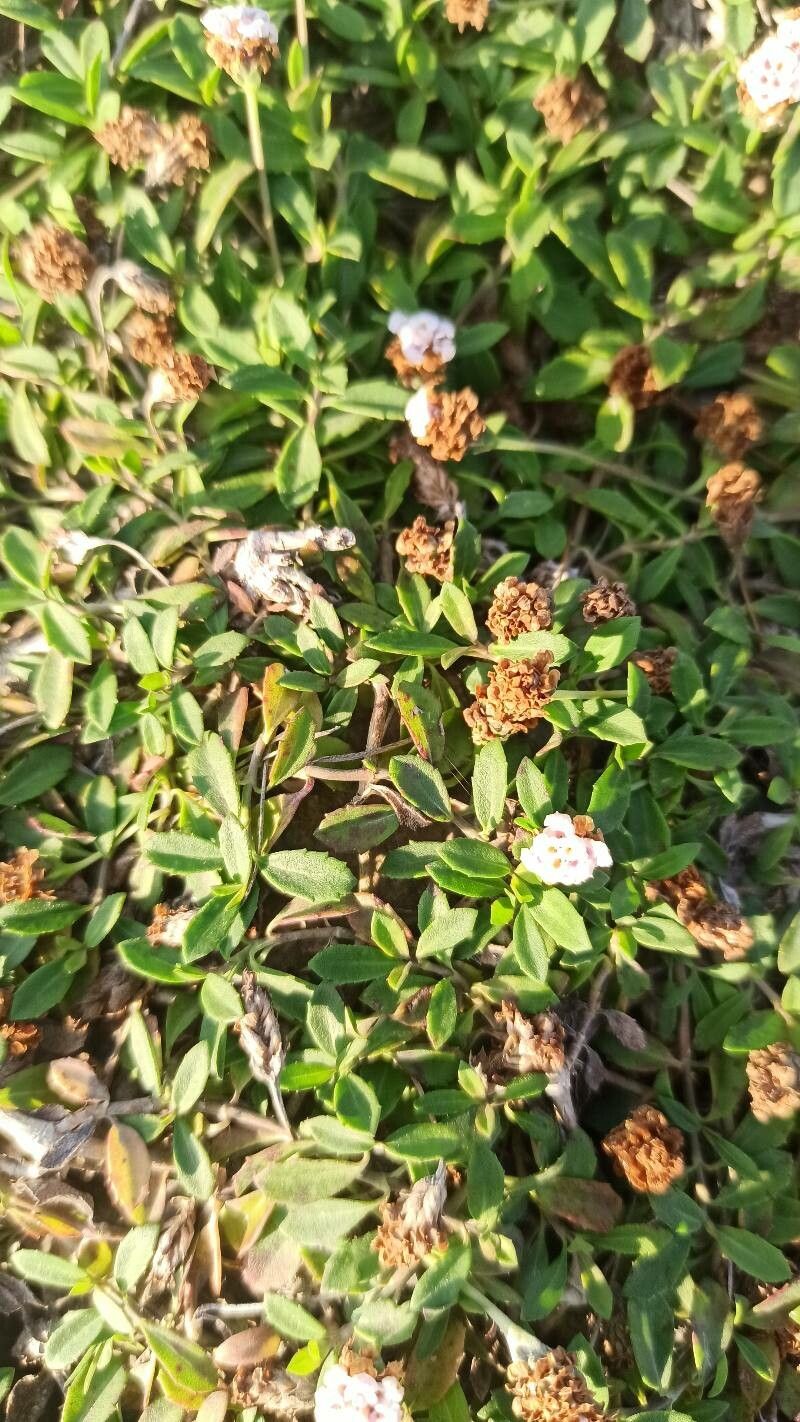
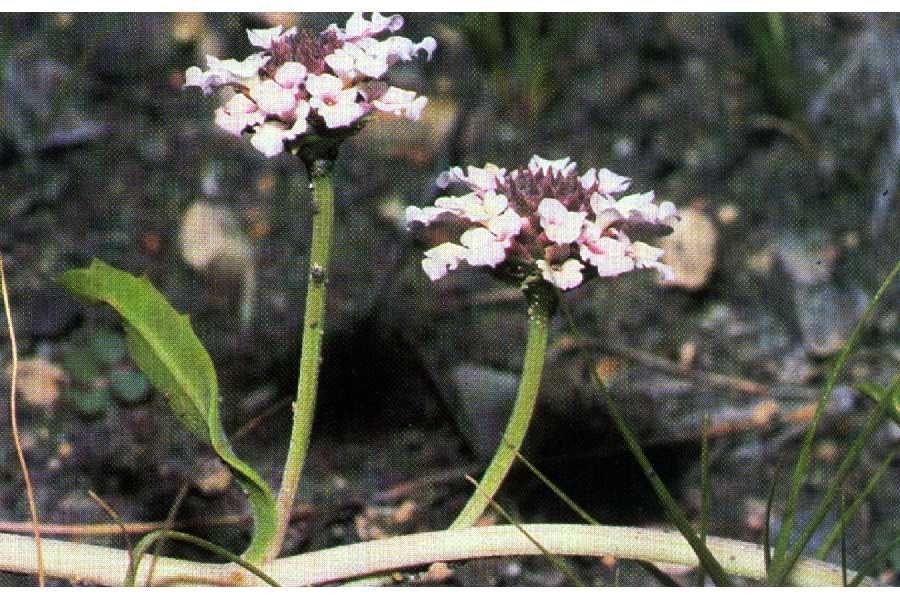
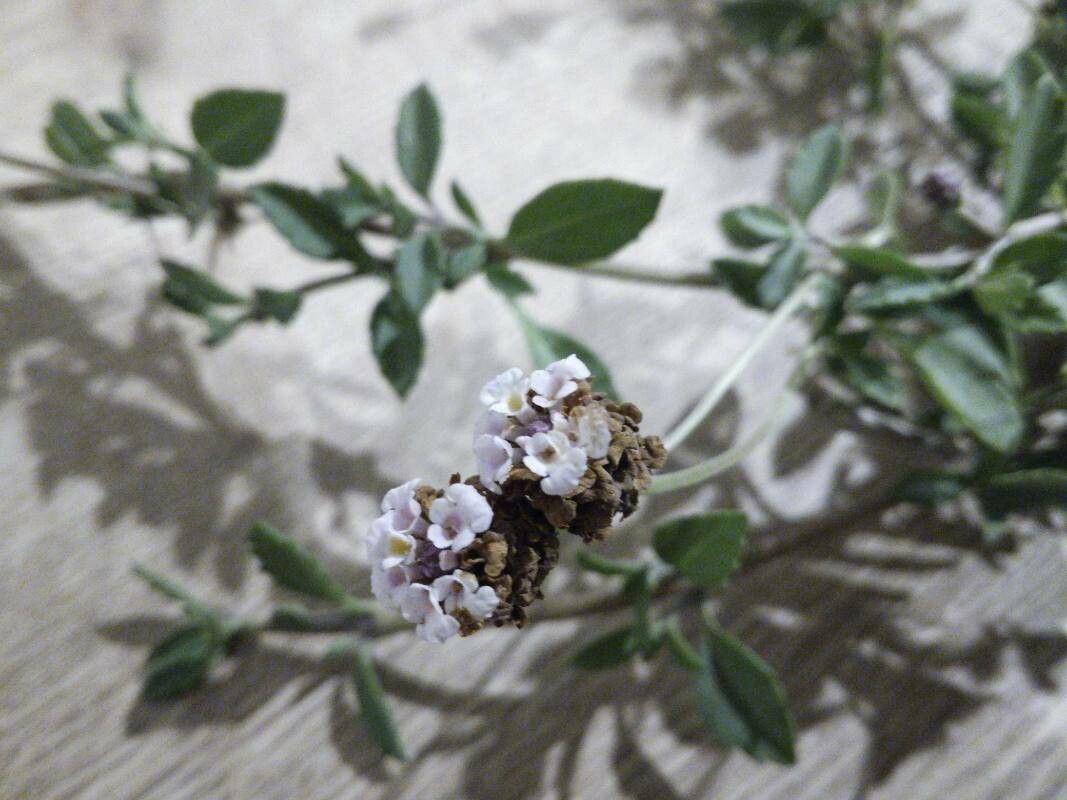
Phyla nodiflora, commonly known as frogfruit or turkey tangle, is a low-growing perennial plant in the Verbenaceae family. Native to North and South America, it thrives in various habitats such as meadows, prairies, savannas, and disturbed areas.
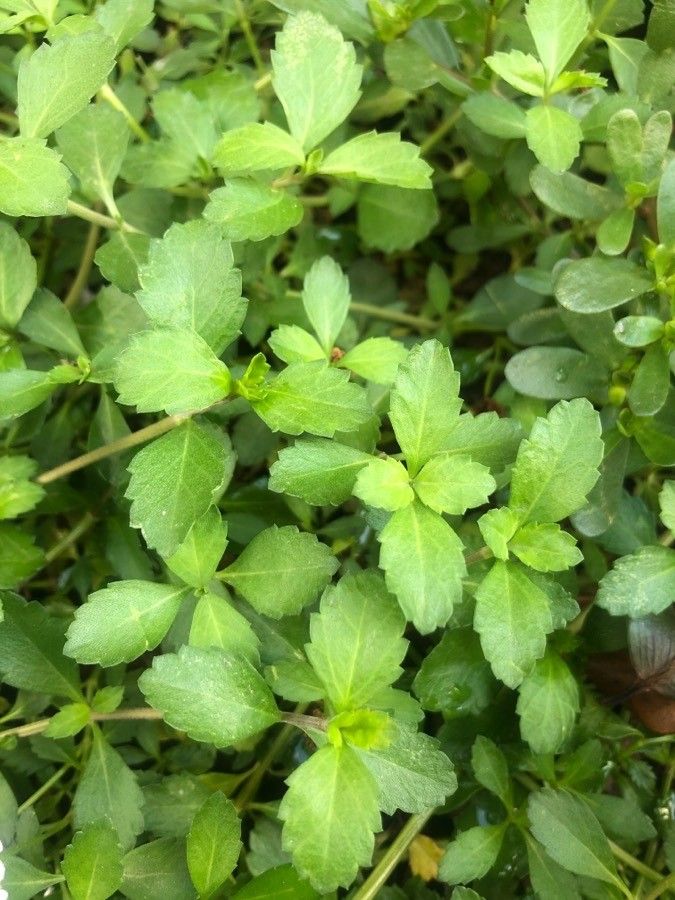
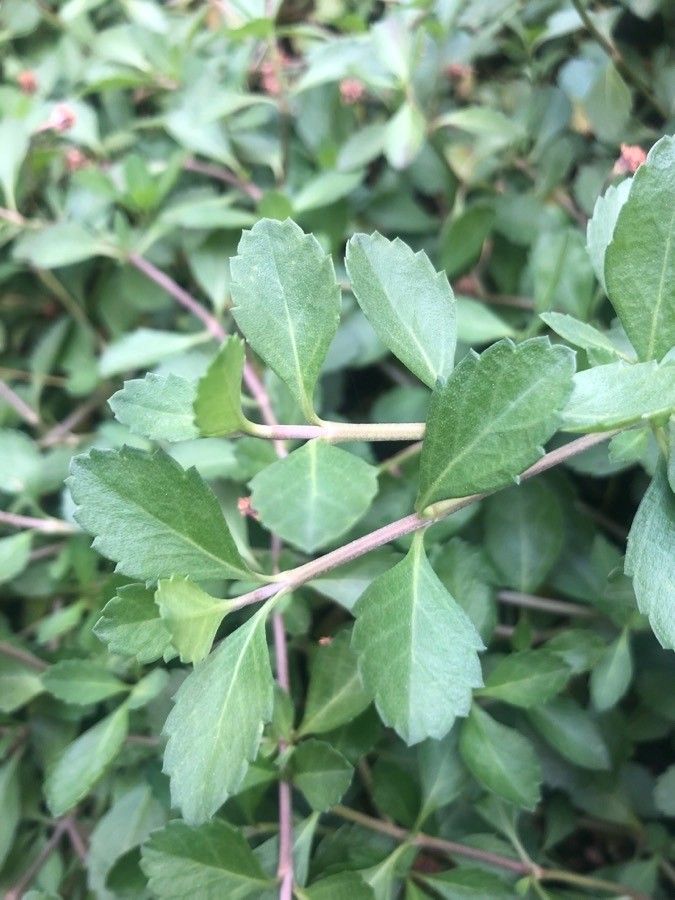
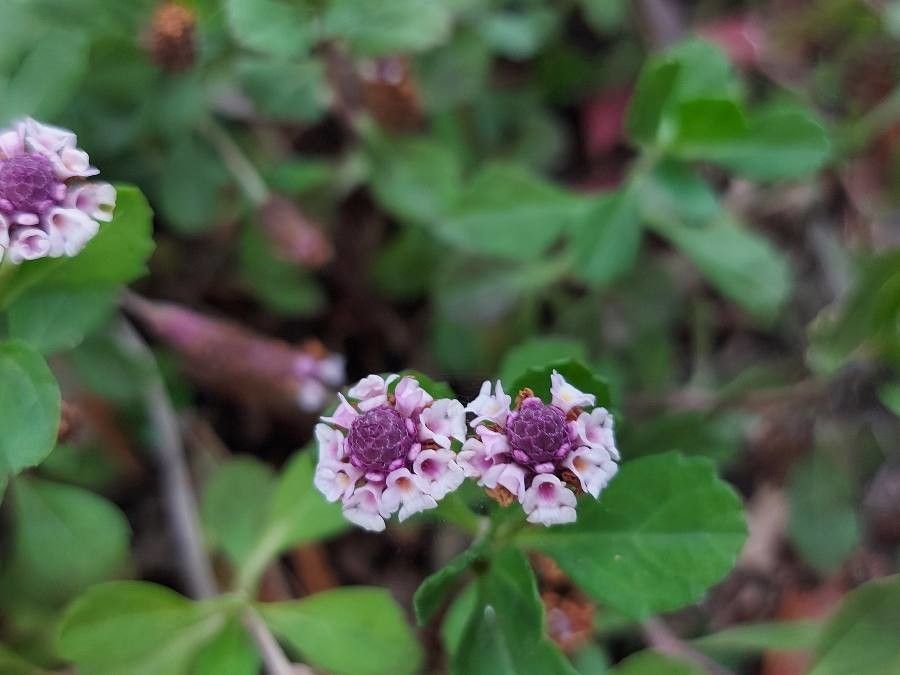
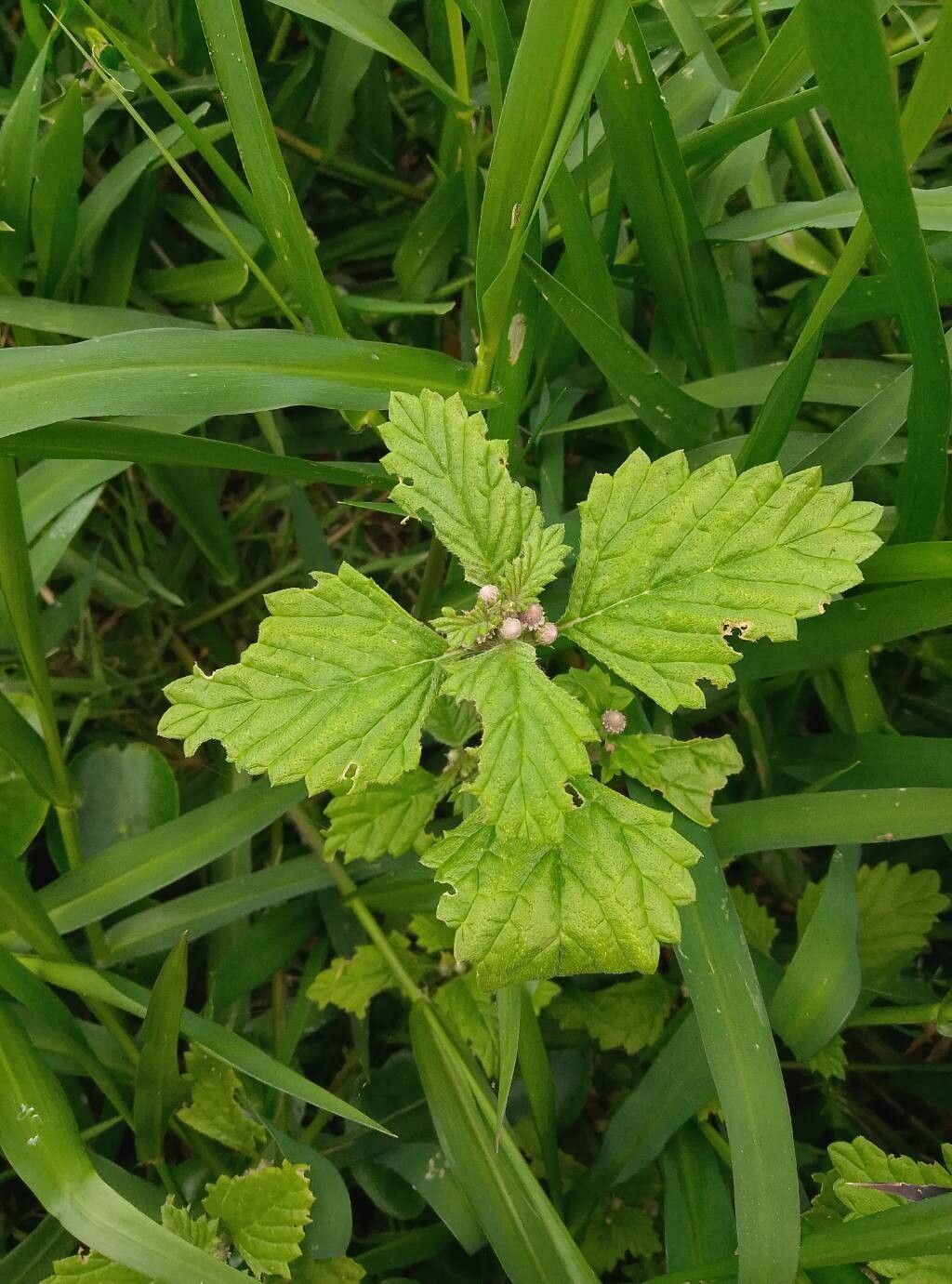
This plant exhibits a prostrate growth habit, with stems that can extend up to 30 centimeters in length. The leaves are small, oval-shaped, and have serrated edges. Its tiny flowers, which can be white or pinkish, feature five petals each.
Frogfruit plays a crucial role in supporting wildlife by providing food for insects like bees, butterflies, moths, and beetles. It also serves as a host plant for the larvae of certain butterfly species.
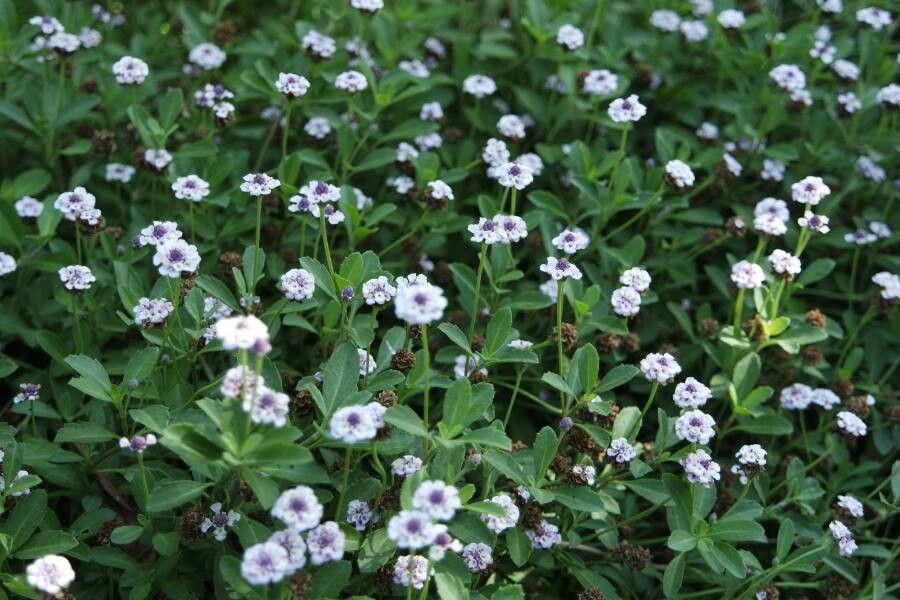
Turkey tangle is an evergreen plant that thrives in frost-free areas. It serves as an excellent ground cover and produces attractive flowers that provide nectar for butterflies. This plant is remarkably resilient, tolerating both drought and flood conditions. As it grows, it spreads to form dense mats across the ground. In the Philippines, the leaves are used to make tea. FUN FACT · FROM THE LIBRARY
In traditional medicine, notably among Native American cultures, frogfruit has been employed to treat various ailments such as reducing fever and promoting wound healing, largely due to its anti-inflammatory properties.
In landscaping, frogfruit is valued for its ability to form dense mats that help control erosion on slopes. It also serves as an attractive ground cover option for gardens and lawns.
Overall, Phyla nodiflora is an ecologically important species with practical uses both medicinally and aesthetically. Its conservation and further study are valuable for maintaining ecosystem balance and discovering additional benefits.
Turkey Tangle: Turkey tangle, scientifically known as Phyla nodiflora, goes by various names depending on the region. While commonly referred to as turkey tangle, it's also frequently called frogfruit or turkey tangle fogfruit—but interestingly, never turkey tangle frogfruit. The reason behind these naming conventions remains unclear. Despite the different names, turkey tangle is a member of the verbena family, which also includes a similar plant called lantana.
Botanical profile.
- Plant Type
- Herb
- Life Cycle
- Perennial, Annual
- Genus
- Phyla
- Family
- Verbenaceae
- Hardiness Zone
- 8-11
- Mature Height
- 20 cm
- Mature Spread
- 91 cm
- Leaf Color
- Green
- Leaf Type
- Evergreen
- Flower Color
- White, Pink
- Flower Size
- 0.51 cm to 3.05 cm
- Bloom Time
- Late spring, Summer, Early fall
- Planting Time
- Spring
- Harvest Time
- Summer, Fall
- Native Area
- Burkina Faso, Libya, Sri Lanka, Belize, India, Turkey, Mexico, Guatemala, Madagascar, Pakistan, Thailand, Nigeria, Morocco, Guinea-Bissau, Uganda, Tanzania, Benin, Indonesia, Mozambique, Ethiopia, Belgium, Saudi Arabia, Malawi, Tunisia, Honduras, Peru, Philippines, Cyprus, Bangladesh, Panama, New Zealand, Chad, China, Colombia, Afghanistan, Lebanon, Syria, Italy, Japan, Togo, El Salvador, Senegal, Iran, Ecuador, Azerbaijan, Costa Rica, Congo (DRC), Djibouti, Somalia, Egypt, Angola, Malaysia, Vanuatu, Namibia, Eritrea, Yemen, Jamaica, Zimbabwe, Mali, Iraq, Cuba, Cambodia, Burundi, Venezuela, Oman, Ghana, Qatar, France, Nepal, South Africa, Sudan, Mauritania, Greece, Bahamas, Spain, Bolivia, Vietnam, Myanmar, Nicaragua, Singapore, Albania, United Kingdom, Algeria, Turkmenistan
Other names.