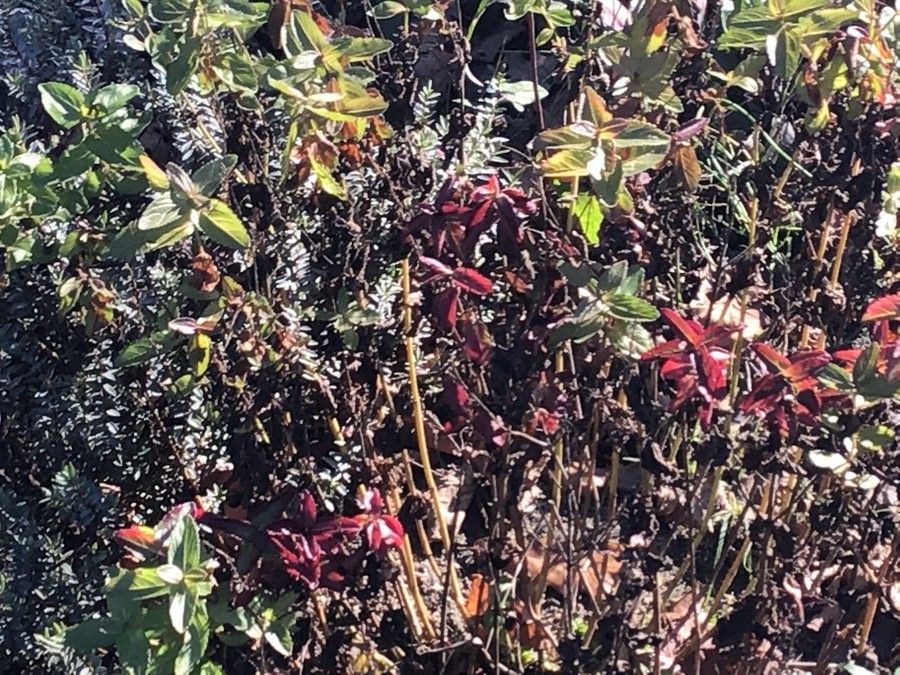
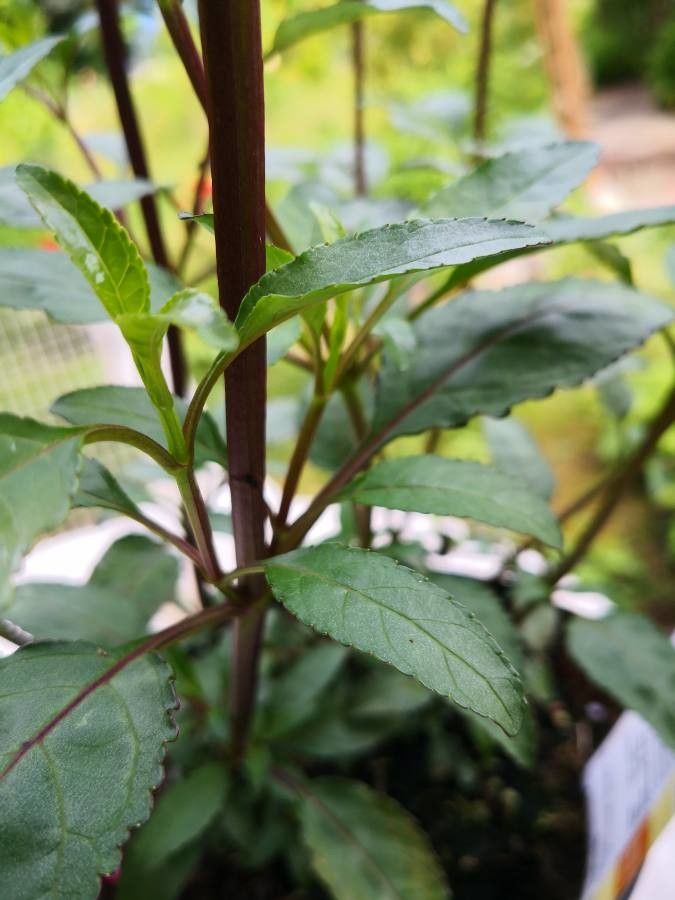
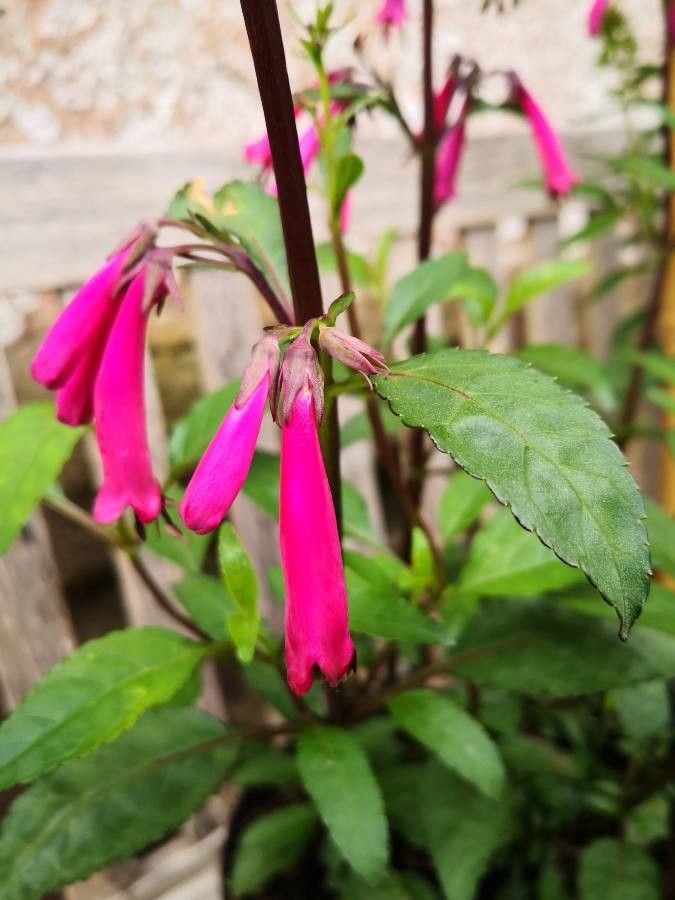
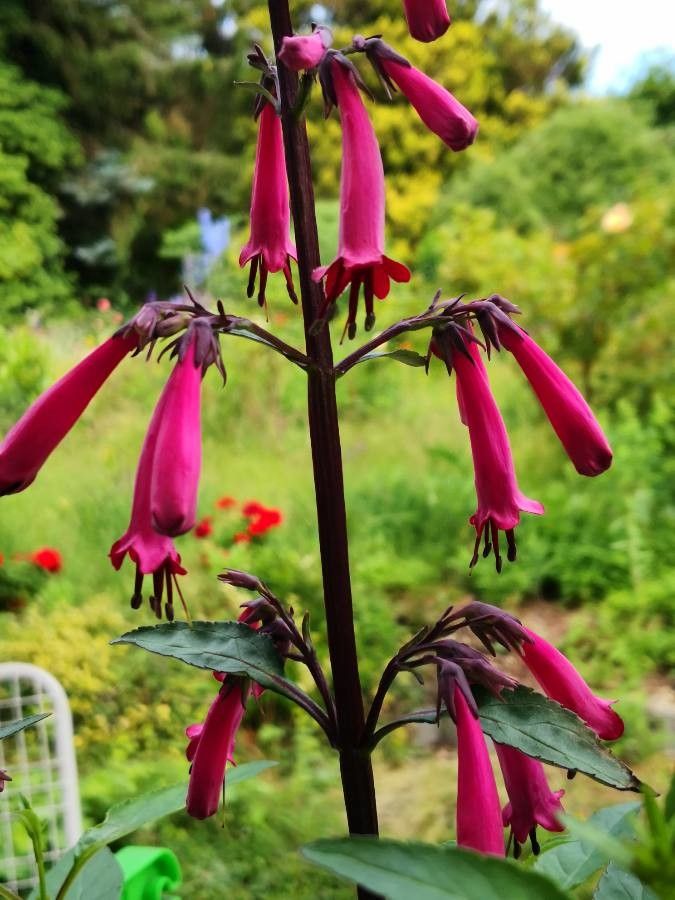
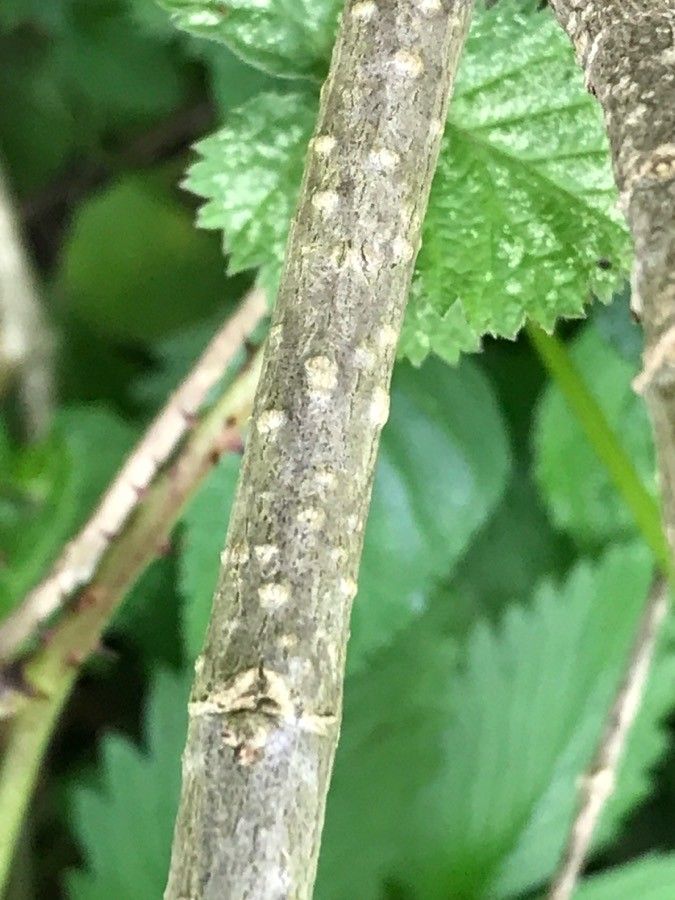
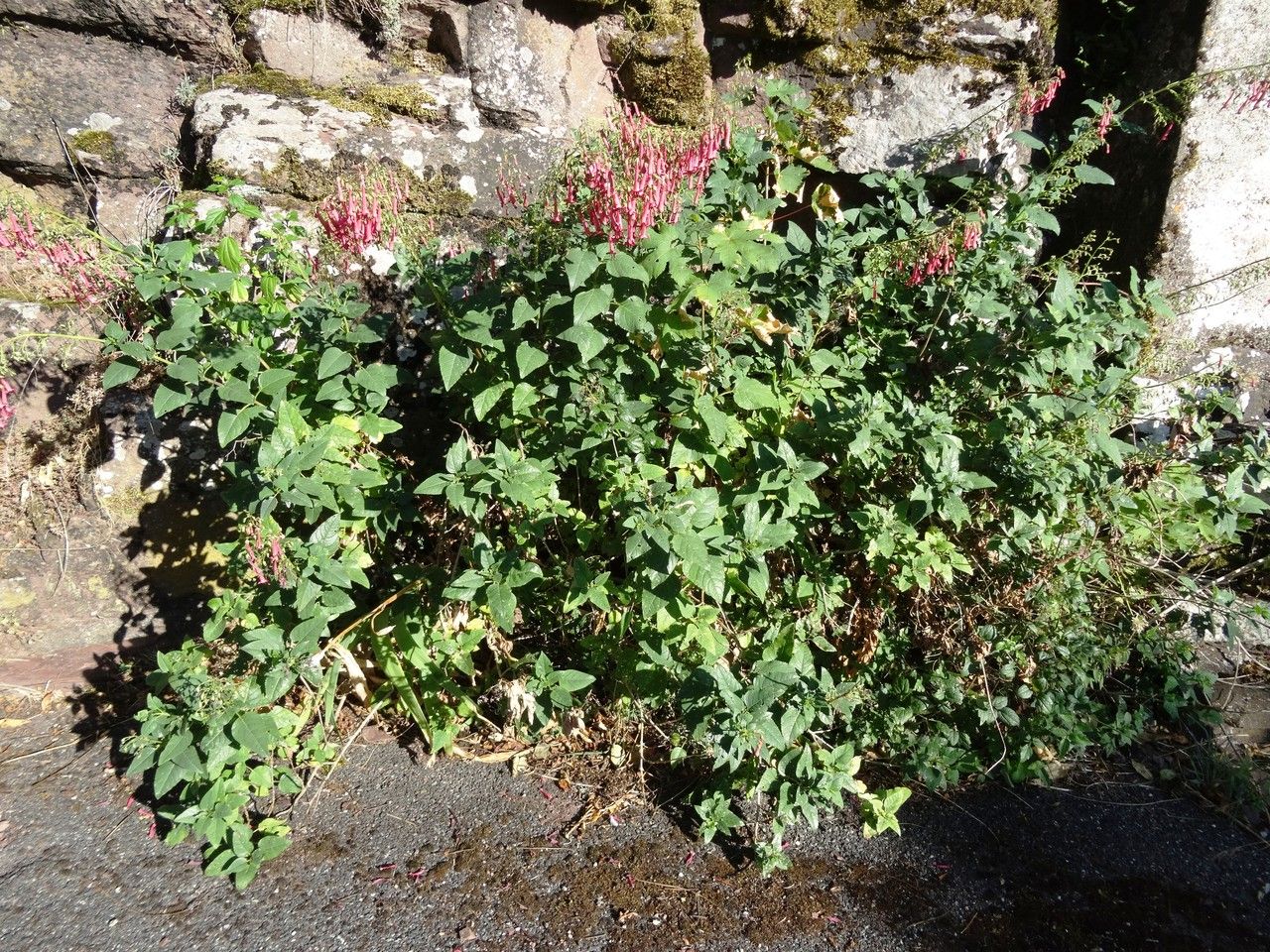
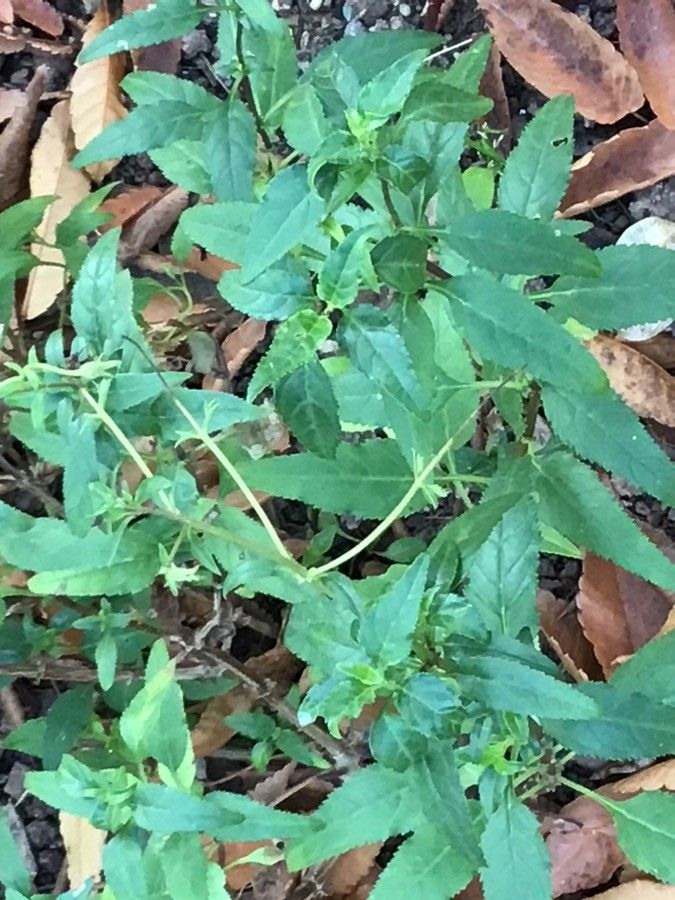
Phygelius aequalis is a species of flowering plant in the family Scrophulariaceae, native to South Africa. It is a semi-evergreen shrub growing to 1 m (3 ft) tall and wide, with 25 cm (10 in) long panicles of pink flowers with crimson lobes and yellow throats. This species may be distinguished from the closely related Phygelius capensis by the fact that the flowers grow in a single plane along one side of the stem. The narrowly tubular flowers are up to 6 cm (2 in) in length. The common names Cape fuchsia and Cape figwort attach to both P. aequalis and P. capensis, though they are not closely related to the true fuchsias, and "figwort" refers to several plants other than phygelius. Phygelius aequalis is valued as a garden plant with a particularly long flowering season throughout summer. Though a shrub, in cooler areas it grows as a perennial. It requires some winter protection. The cultivars 'Trewidden Pink' and 'Yellow Trumpet' have gained the Royal Horticultural Society's Award of Garden Merit.
Yellow cape fuchsia is resistant to disease and generally not susceptible to illnesses. With respect to care, this plant is fairly low-maintenance. When grown outdoors it needs only light watering, and larger plants normally do not require pruning. Smaller plants, though, should be trimmed after they bloom. Yellow cape fuchsiat is suitable for anyone who has an outdoor area, such as a garden or deck, and does not need much gardening experience.
How to keep Phygelius Aequalis.
Light
Yellow cape fuchsia is native to habitats like forest understories and rocky areas that provide natural shade. It prefers partial sun but can tolerate full sun or full shade, reflecting its versatile and hardy nature.
Water
The yellow cape fuchsia flourishes in humid environments, where it needs consistent moisture and weekly watering. It does not tolerate drought well and is usually grown outdoors. As an evergreen plant, it requires a balanced amount of water to keep its foliage vibrant throughout the year.
Temperature
Yellow cape fuchsia is highly adaptable to a variety of climate conditions, from blistering summers to freezing winters. However, it does have an optimal temperature range for healthy growth. If temperatures get too high, the plant is susceptible to heat and humidity stress, which can lead to its death. In areas where temperatures approach the lower limit of its cold tolerance, providing insulation is important to protect the plant.
Fertilizer
The timing of fertilizing Yellow cape fuchsia is important. Start fertilizing in early spring and continue once a month until early summer. Fertilizer encourages attractive blooms and supplies energy during both dormant and active growth stages.
Pruning
The yellow cape fuchsia is a perennial plant known for its tubular yellow flowers and semi-evergreen leaves. To encourage healthy and dense growth, as well as vibrant blooms, prune old stems and shape the plant in early spring. During the blooming season, remove dead flowers to enhance the plant's vitality and maintain a robust display of blooms.
Botanical profile.
- Plant Type
- Shrub
- Life Cycle
- Perennial
- Genus
- Phygelius
- Family
- Scrophulariaceae
- Hardiness Zone
- 8-10
- Mature Height
- 61 cm to 91 cm
- Mature Spread
- 61 cm to 91 cm
- Leaf Color
- Green
- Leaf Type
- Semi-evergreen, Deciduous
- Flower Color
- Yellow, Pink
- Flower Size
- 3.05 cm to 5.08 cm
- Bloom Time
- Summer, Fall
- Planting Time
- Spring, Summer, Autumn
- Harvest Time
- Late summer, Fall, Early winter
- Native Area
- South Africa, Eswatini, Lesotho
Other names.