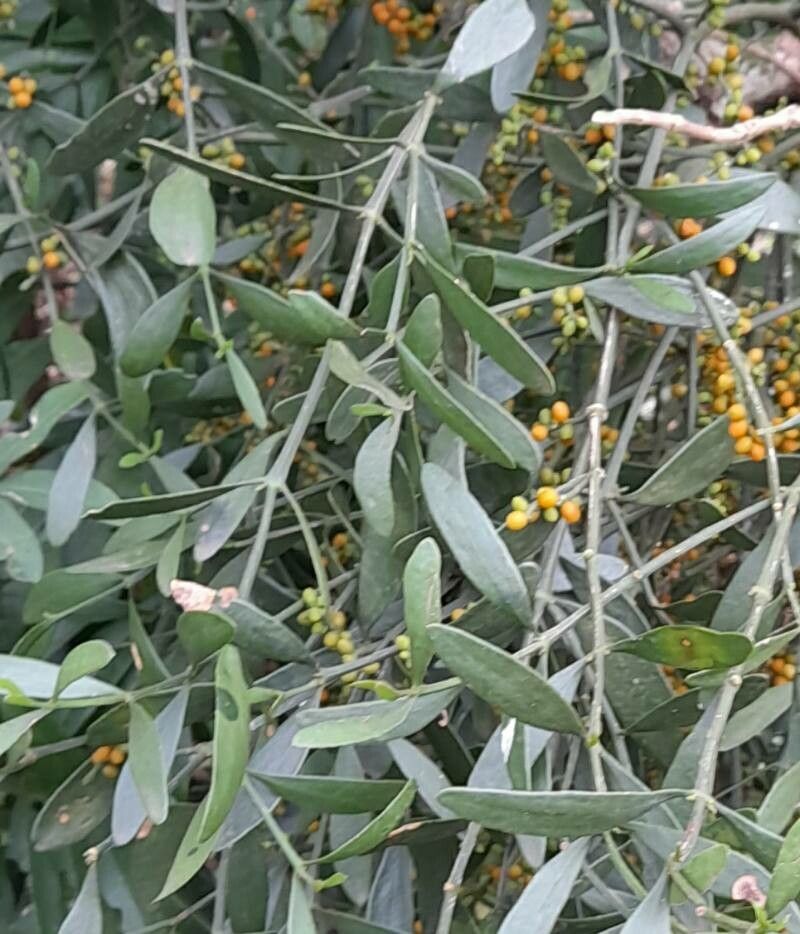
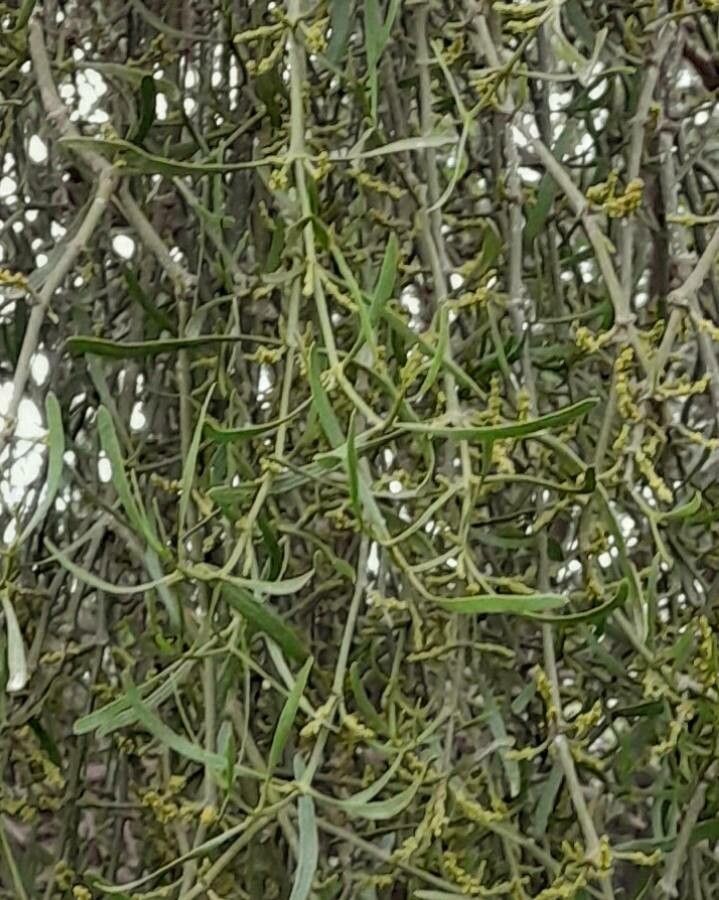
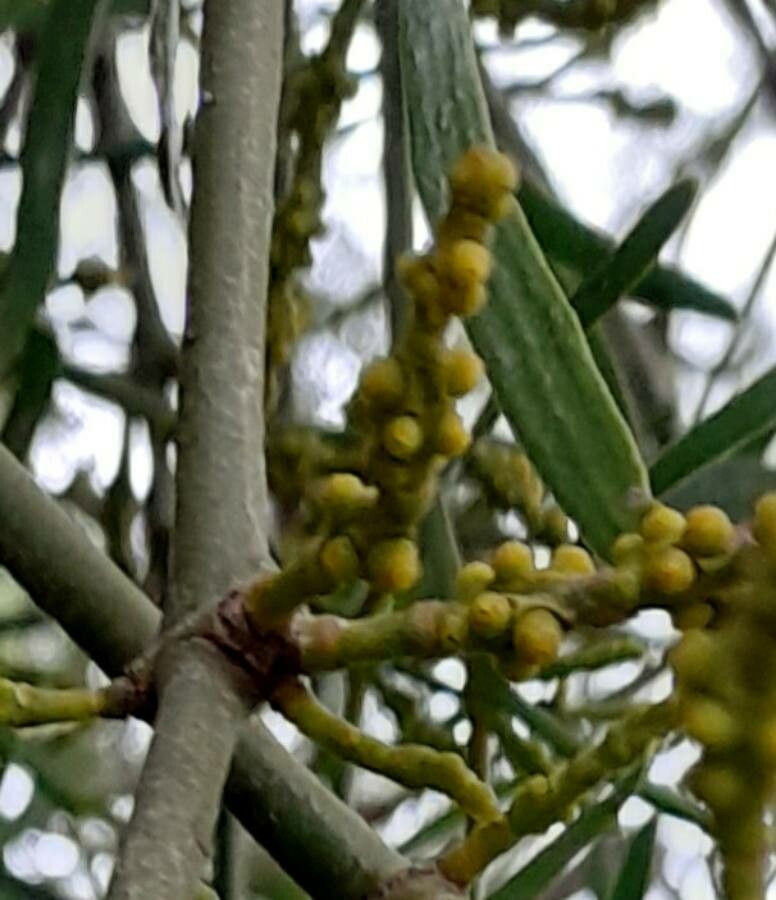
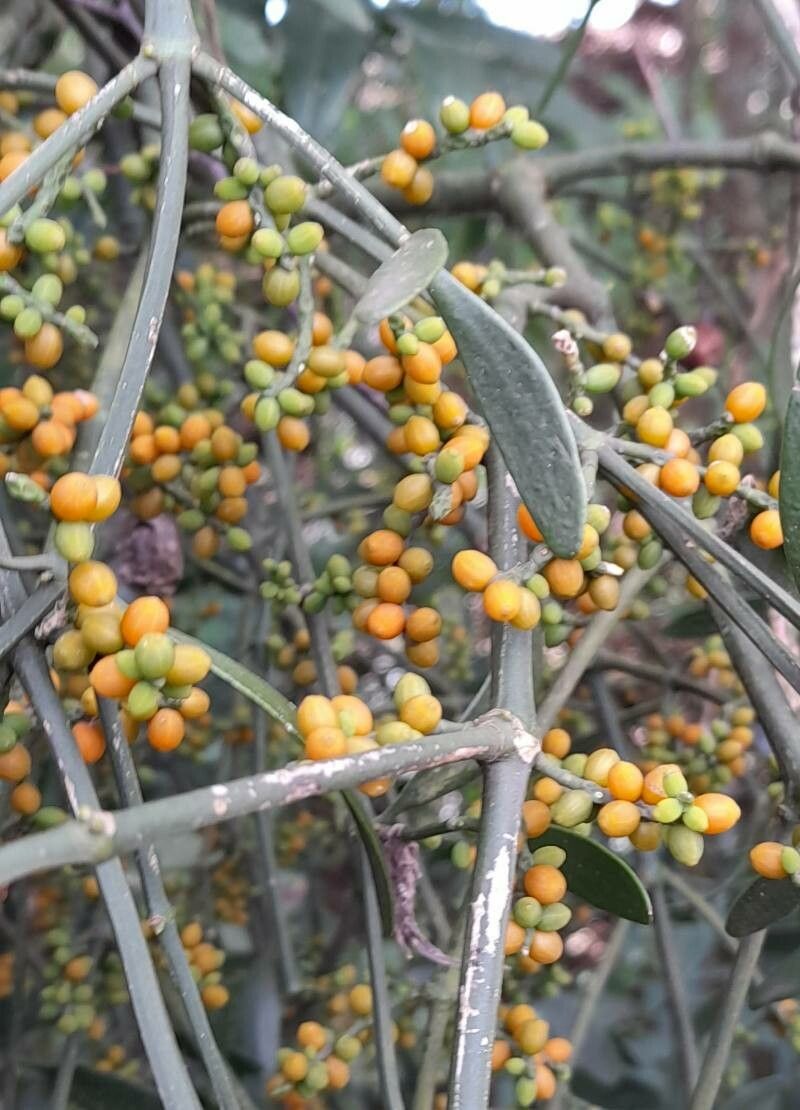
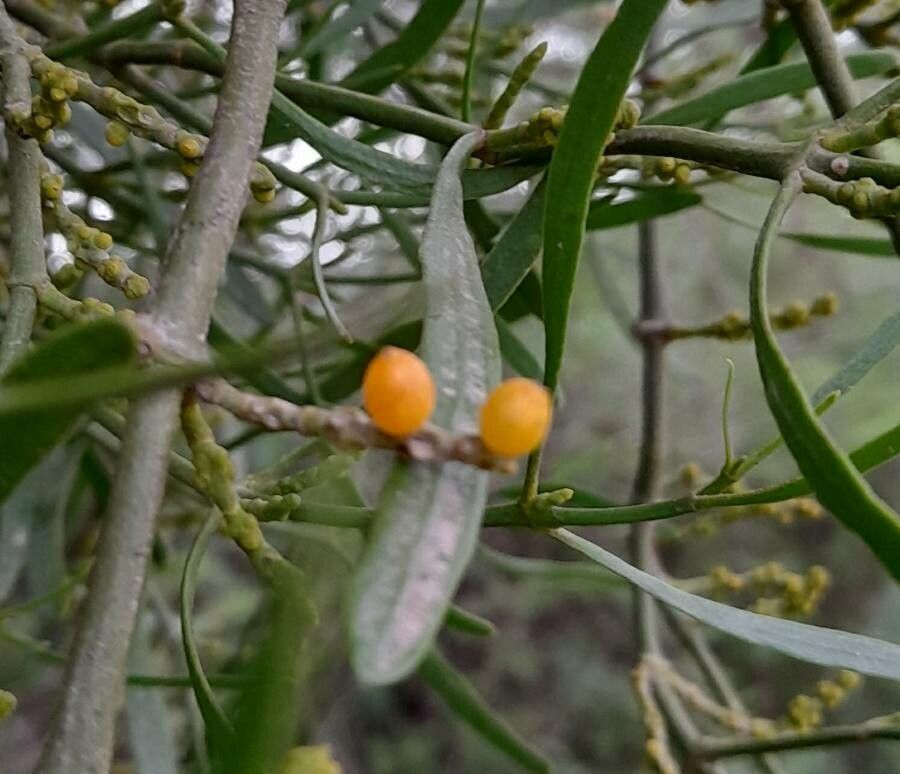
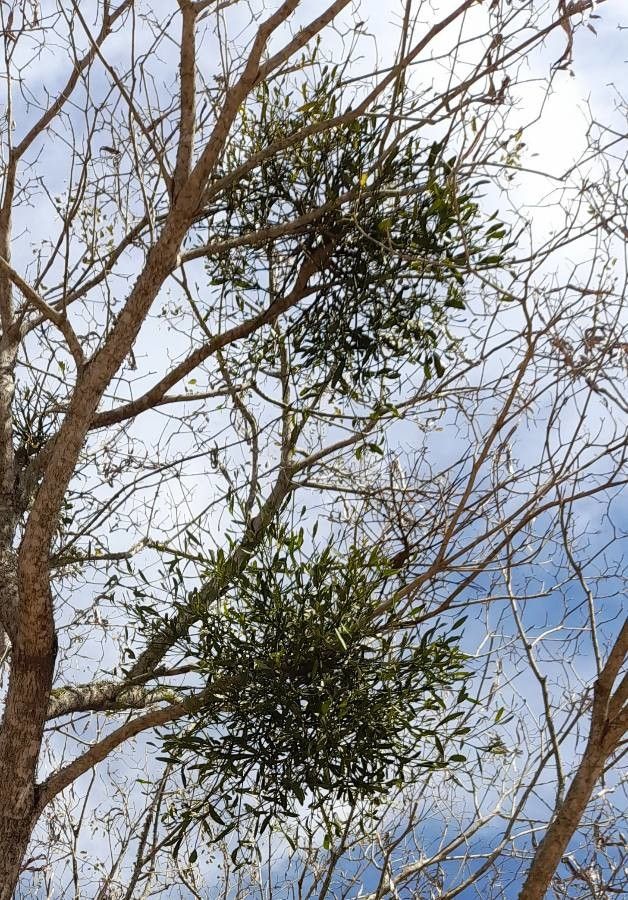
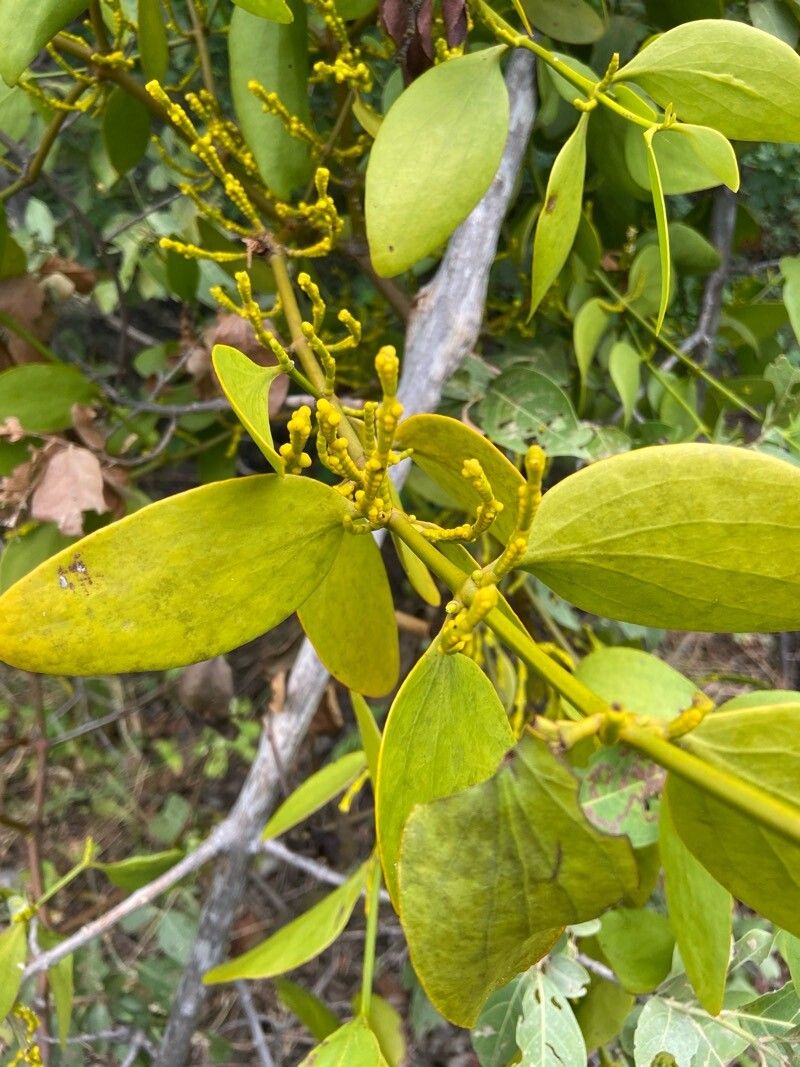
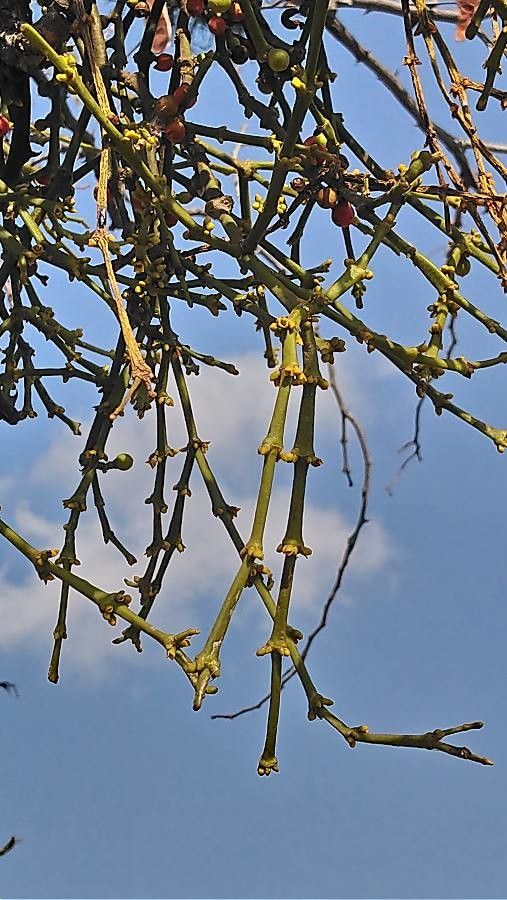
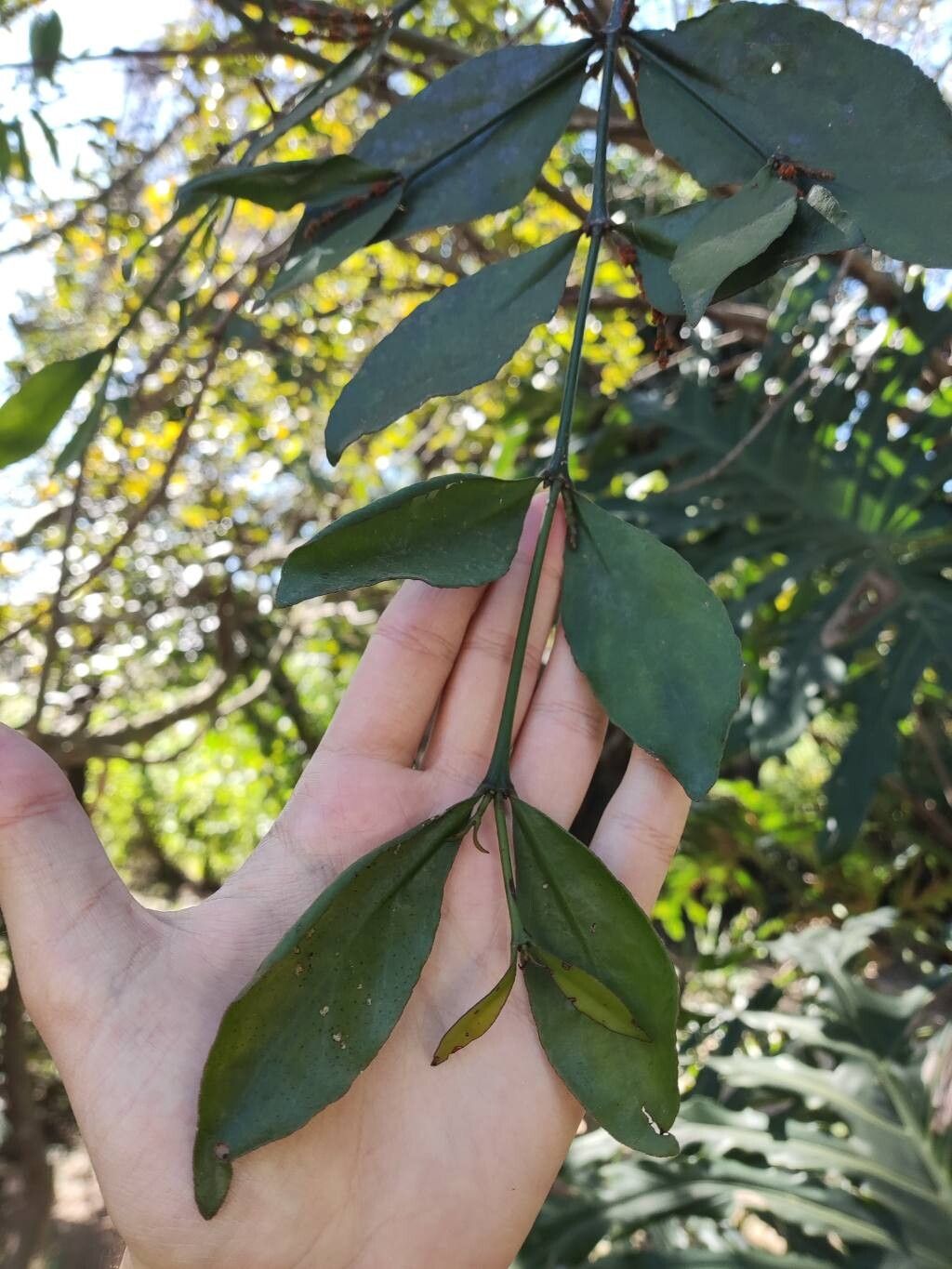
Phoradendron quadrangulare, commonly known as the four-angled mistletoe, is a parasitic plant in the family Santalaceae. Native to Central and South America, it thrives on various host trees such as oaks, pines, and cypresses. The plant features small green leaves arranged in opposite pairs along its stems. It produces small white flowers that eventually give way to berries, which are dispersed by birds. In traditional medicine, Phoradendron quadrangulare is recognized for its antitumor properties. However, it's important to note that mistletoe plants can be toxic if ingested in large quantities. Ecologically, the four-angled mistletoe plays a vital role by providing food for birds and other animals during the winter months when other food sources are scarce. Nonetheless, it can weaken host trees if not controlled. Overall, Phoradendron quadrangulare is a fascinating plant with notable medicinal properties and ecological significance.
How to keep Phoradendron Quadrangulare.
Pruning
Quacimmila de canario is known for its parasitic nature and quadrangular stems. To encourage growth and control its spread, it is best to prune in early spring, focusing on removing any dead or diseased branches. Key pruning techniques help to enhance air circulation, improve overall plant health, control its size, and promote vigorous growth. Always use clean, sharp tools to make precise cuts.
Botanical profile.
- Plant Type
- Vine
- Genus
- Phoradendron
- Family
- Santalaceae
Other names.