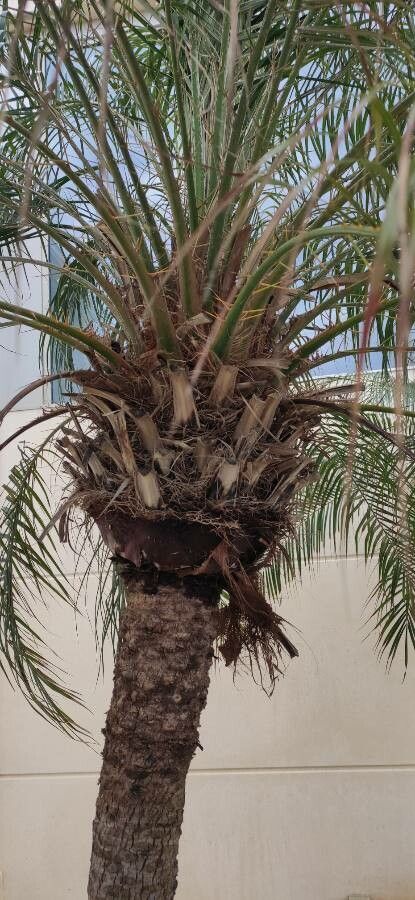
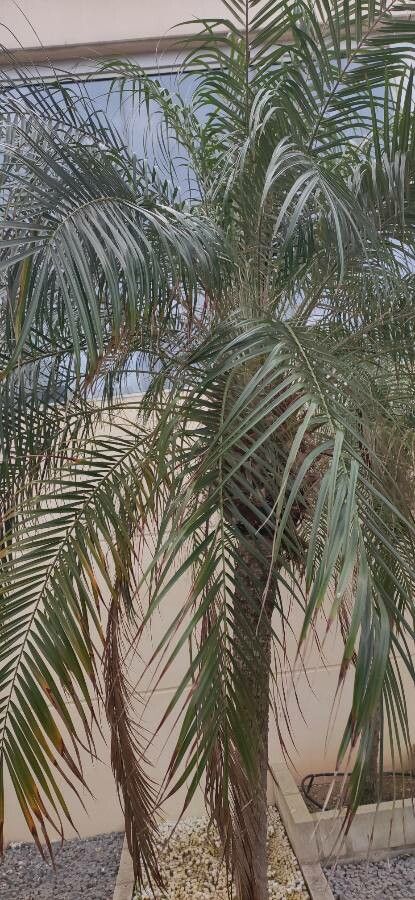
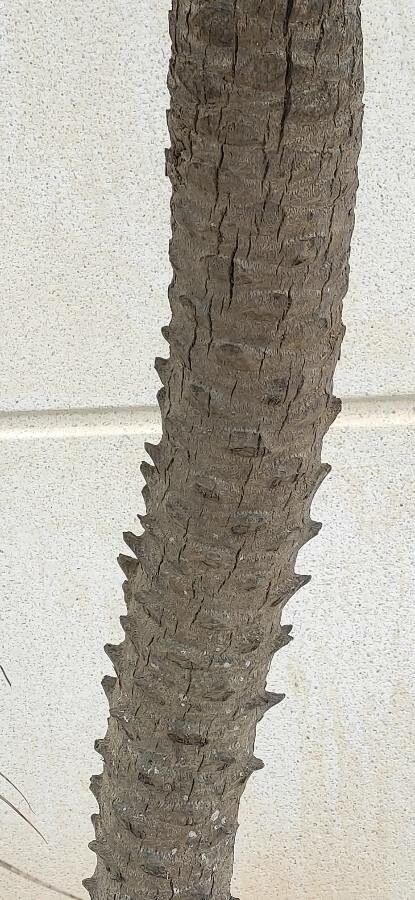
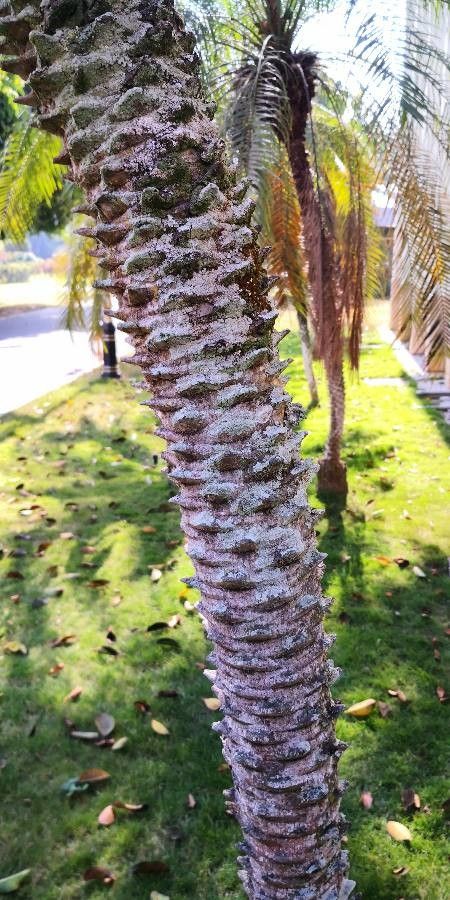
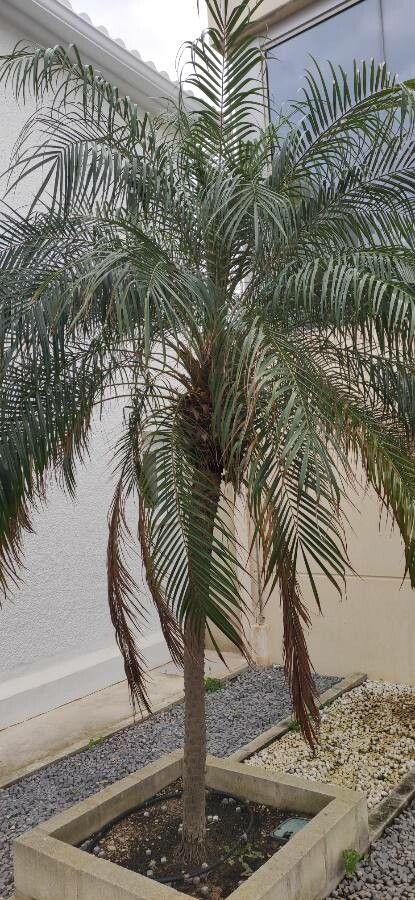
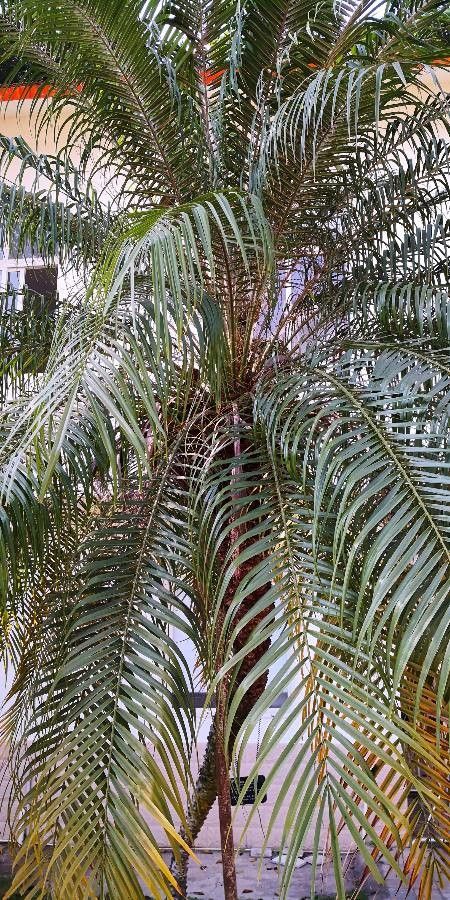
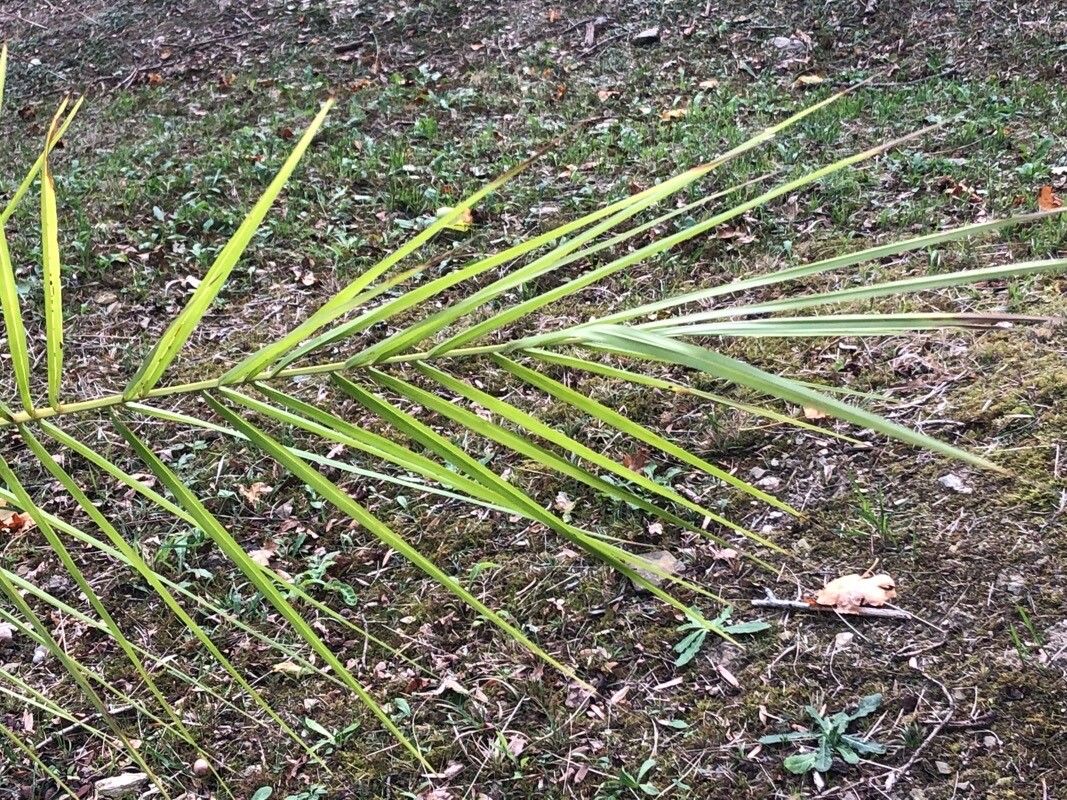
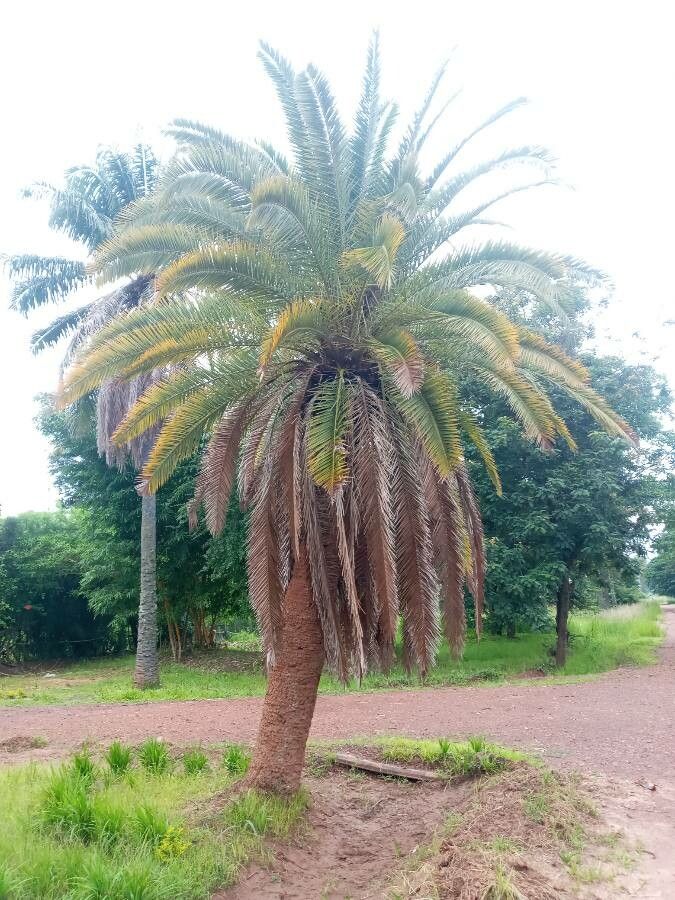
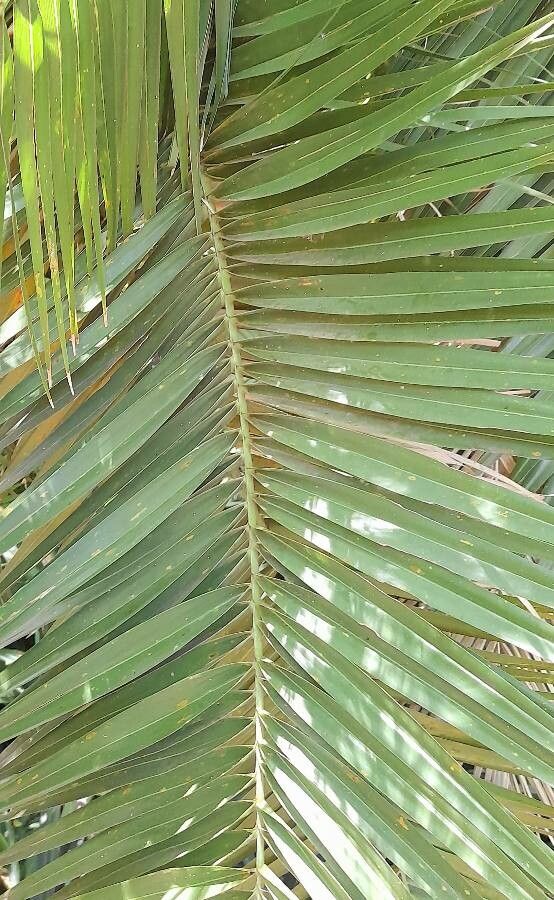
Phoenix loureiroi, commonly known as the Loureiro Palm or Vietnamese Fan Palm, is a species of palm tree native to Southeast Asia. This palm is slow-growing and can reach heights of up to 15 meters, boasting a slender trunk marked with distinctive leaf scars. Its large, fan-shaped leaves are visually striking, characterized by numerous segments.
The Loureiro Palm produces small yellow flowers in clusters, which are followed by small black fruits. Due to its ornamental appeal, it is frequently utilized in gardens and parks. The plant thrives in well-drained soil and can tolerate both full sun and partial shade conditions. Regular watering is necessary during the growing season, but it should be allowed to dry out between waterings.
For centuries, local communities have harnessed the Loureiro Palm for various purposes. Its fruits have been used as food, its leaves for medicinal purposes, its trunk as construction material, and its leaves for decorative purposes. However, over-harvesting has rendered this species endangered in certain regions.
Overall, Phoenix loureiroi is an impressive palm tree with significant ornamental value. Proper care is essential to ensure its survival, especially given its endangered status in some parts of Southeast Asia.
Mountain date palm possesses good disease resistance and is generally not prone to disease. In terms of care, this plant is fairly low-maintenance. When grown outdoors it needs minimal watering, and larger specimens typically do not require pruning. Smaller plants, however, should be pruned after they have finished blooming. Mountain date palm is suitable for anyone with an outdoor area, such as a garden or deck, and does not demand extensive care experience.
How to keep Phoenix Loureiroi.
Light
The mountain date palm is native to open habitats, for example sunny meadows and forest edges, which supply abundant light. It performs best in Full Sun but can tolerate Partial Sun, showing good adaptability to different light conditions.
Water
Originating from tropical climates, the mountain date palm prefers consistent moisture but can withstand short periods of dryness. It requires weekly watering and thrives outdoors, displaying its evergreen foliage, which retains moisture even with temperature changes.
Temperature
The mountain date palm tolerates a range of temperatures, growing best between 68 to 100 °F (20 to 38 ℃). Originally from an area with mild temperatures, it has become adapted to temperature fluctuations. Seasonally, make sure it is well protected from temperatures below 68 °F (20 ℃).
Fertilizer
Fertilization is essential for caring for the Mountain date palm. Regular feeding throughout the growing season keeps up the energy required for its showy leaves and supports overall growth. Ignoring fertilization can lead to unhealthy leaves, reduced ornamental value, and stunted or weak growth that is more prone to breakage.
Pruning
The mountain date palm is a hardy plant with slender trunks and delicate, feathery fronds. To keep your palm healthy and looking its best, follow these care tips: In early spring, prune any damaged fronds. Each year, remove old fruit stalks and trim the suckers at the base of the plant. These steps not only enhance the palm's appearance but also help reduce the risk of pests.
Botanical profile.
- Plant Type
- Tree
- Life Cycle
- Perennial
- Genus
- Phoenix
- Family
- Arecaceae
- Hardiness Zone
- 9-11
- Mature Height
- 0.91 m to 3.96 m
- Mature Spread
- 3.05 m to 4.27 m
- Leaf Color
- Green
- Leaf Type
- Evergreen
- Flower Color
- Yellow
- Flower Size
- 1.02 cm to 2.03 cm
- Bloom Time
- Mid spring, Late spring, Early summer
- Planting Time
- Spring, Summer, Autumn
- Harvest Time
- Late summer, Early fall, Mid fall
- Native Area
- Nepal, India, Cambodia, Vietnam, Myanmar, Philippines, Bangladesh, Laos, Thailand, China
Other names.
Reader questions.
What amount of sunlight is required for a Mountain Date Palm?
The Mountain Date Palm (Phoenix loureiroi) thrives under various sunlight conditions. For optimal growth, it requires 'Full sun,' which is defined as receiving over 6 hours of sunlight daily. It can also grow well under 'Partial sun,' meaning it gets about 3-6 hours of sunlight each day. When selecting a location, it's important to observe how sunlight moves through your garden throughout the day. Choosing spots that offer a good balance of light and shade will ensure the health and happiness of your Mountain Date Palm.
What temperature range is ideal for a Mountain date palm?
The Mountain date palm thrives in temperatures ranging from 68 to 100 °F (20 to 38 °C). It originates from environments with mild temperatures and has adapted to a wide range of temperatures. However, it is important to protect the plant from seasonal temperatures below 68 °F (20 °C) to ensure its health and growth.
What is the botanical name of the Mountain date palm?
The botanical name of the Mountain date palm is Phoenix loureiroi.