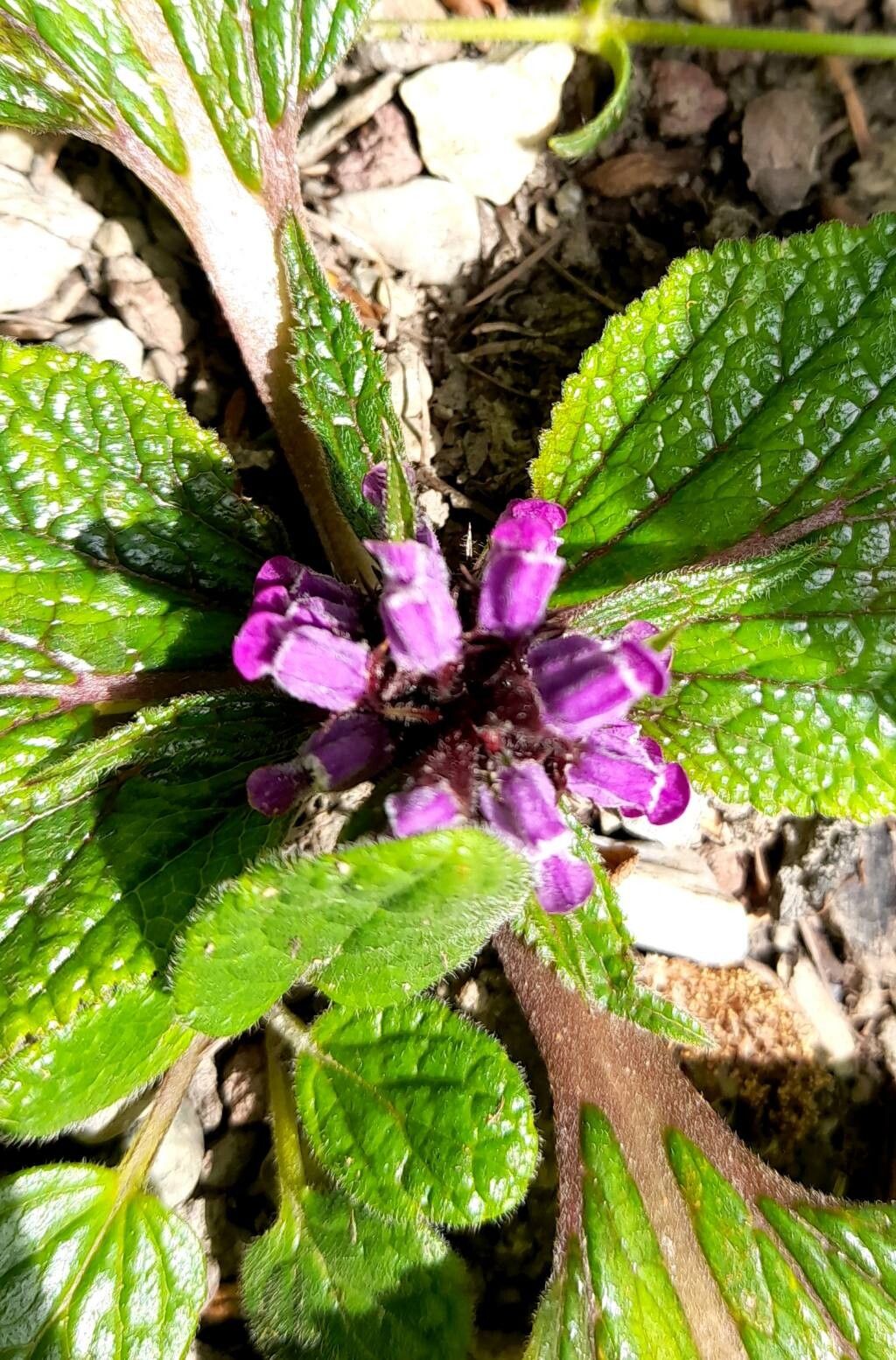
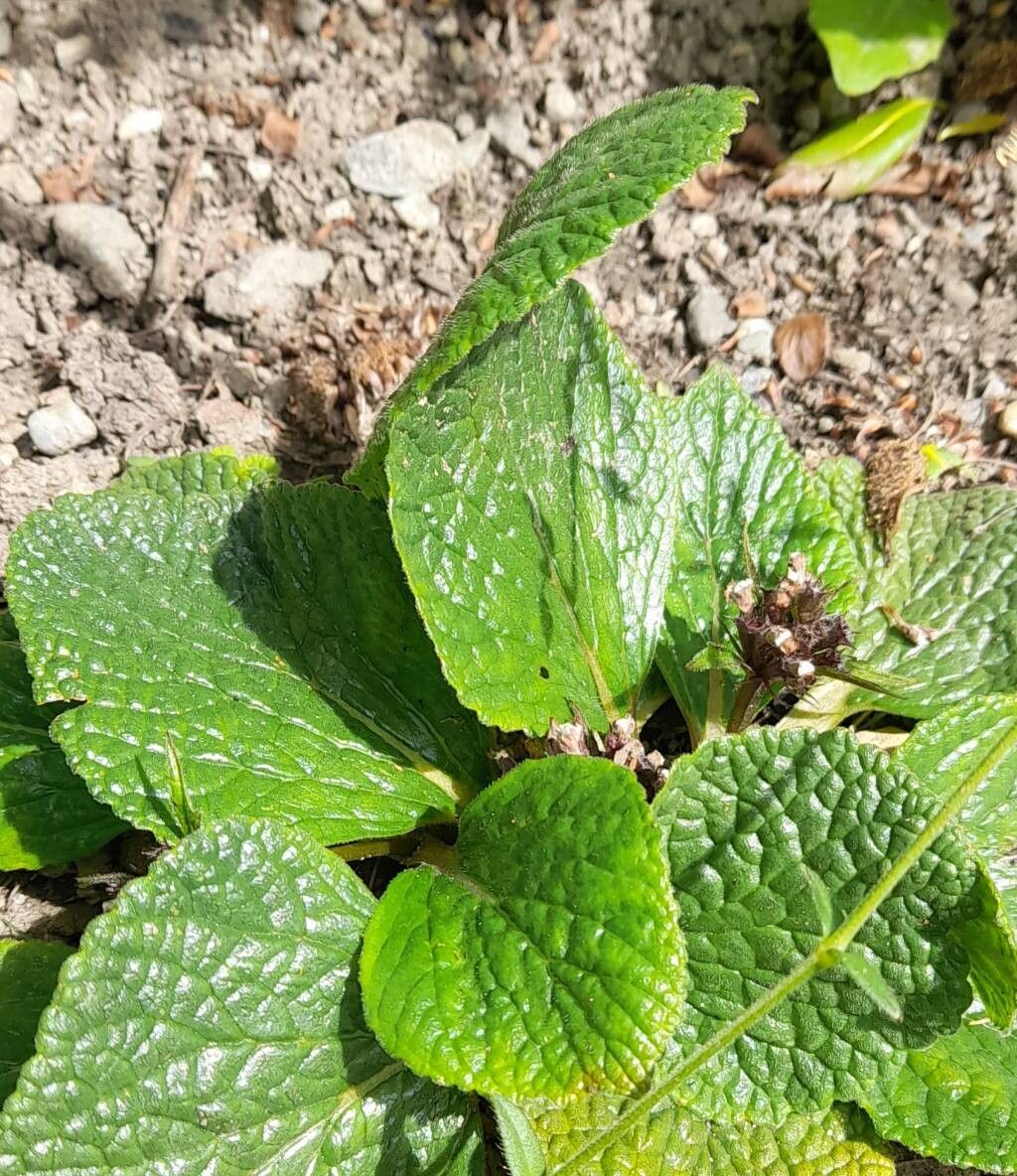
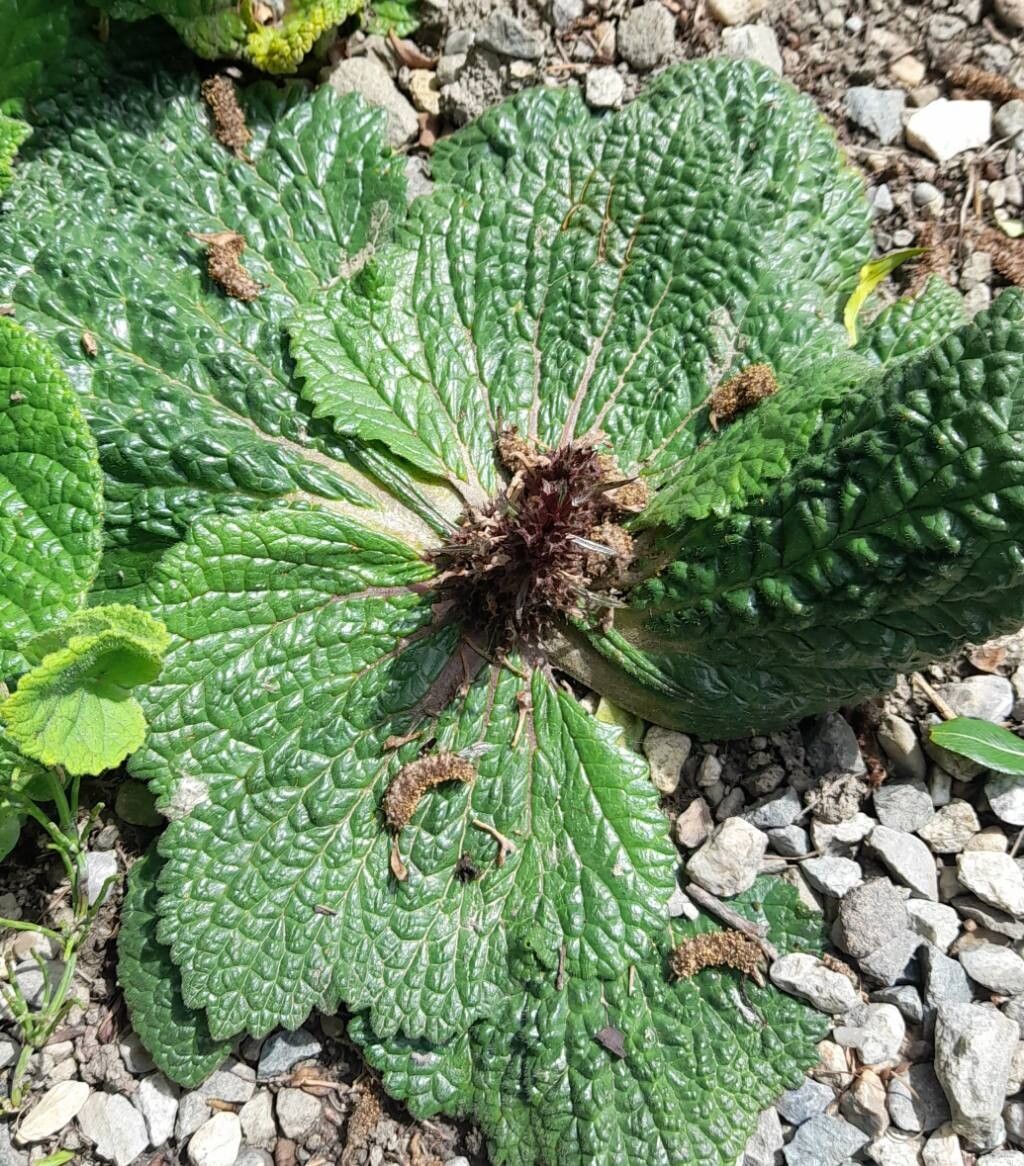
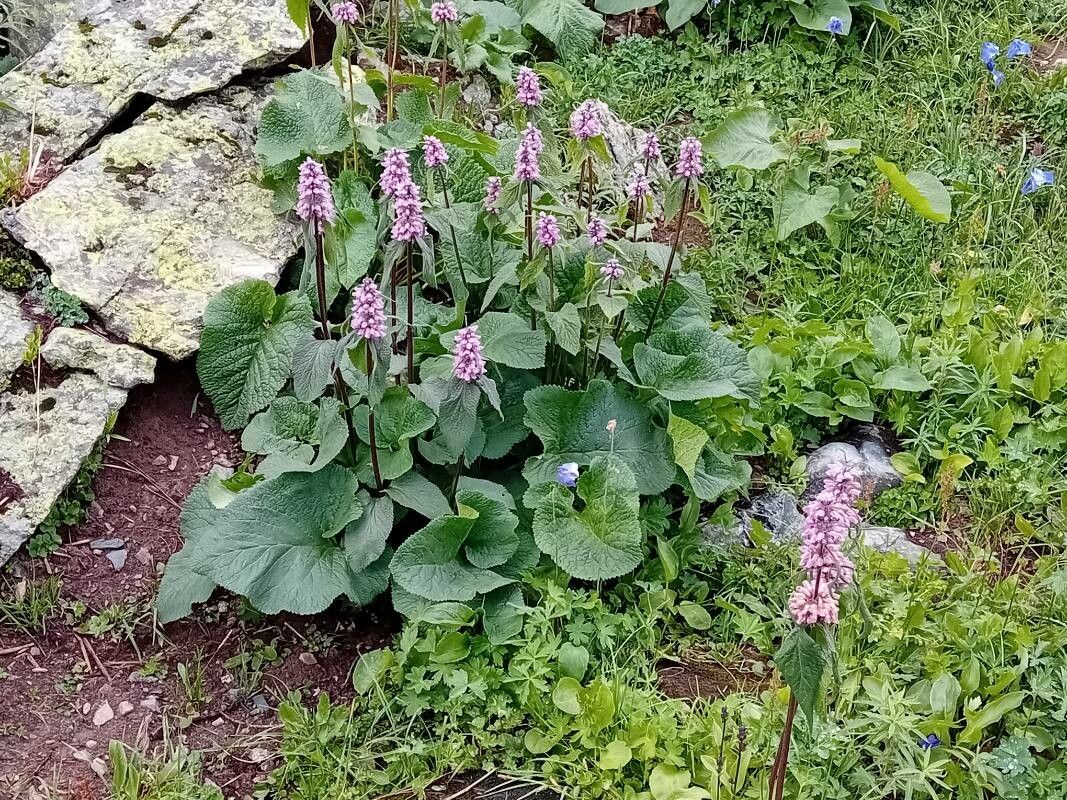
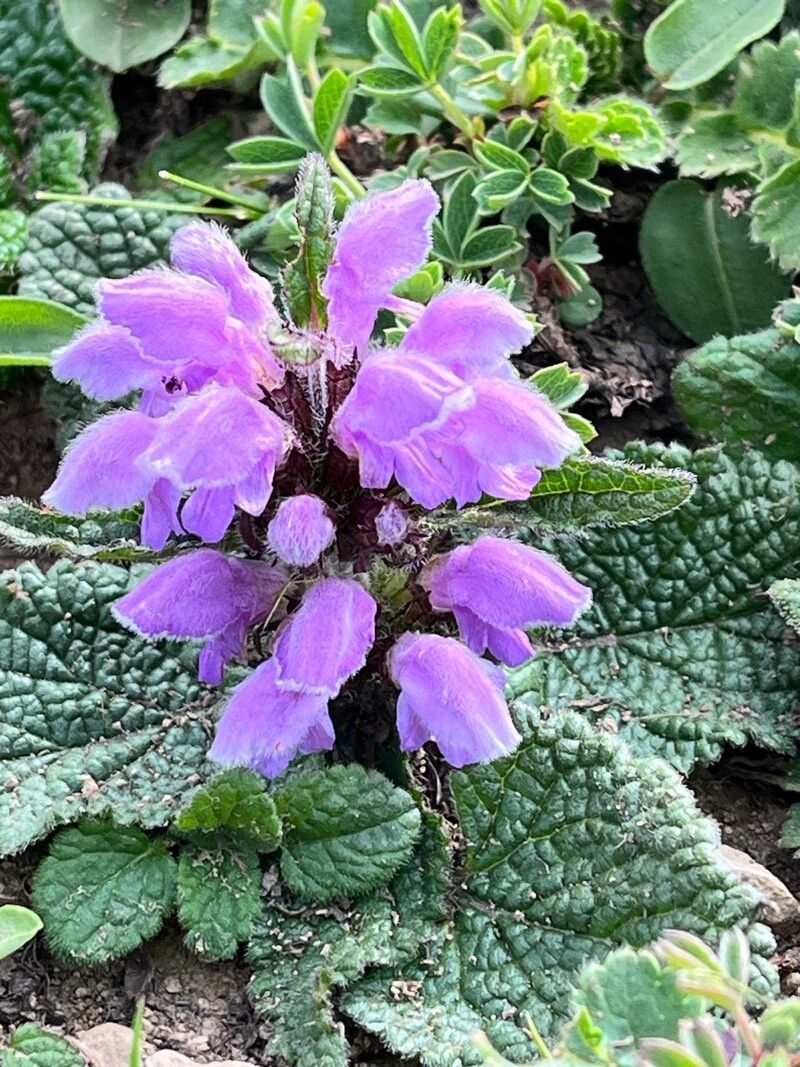
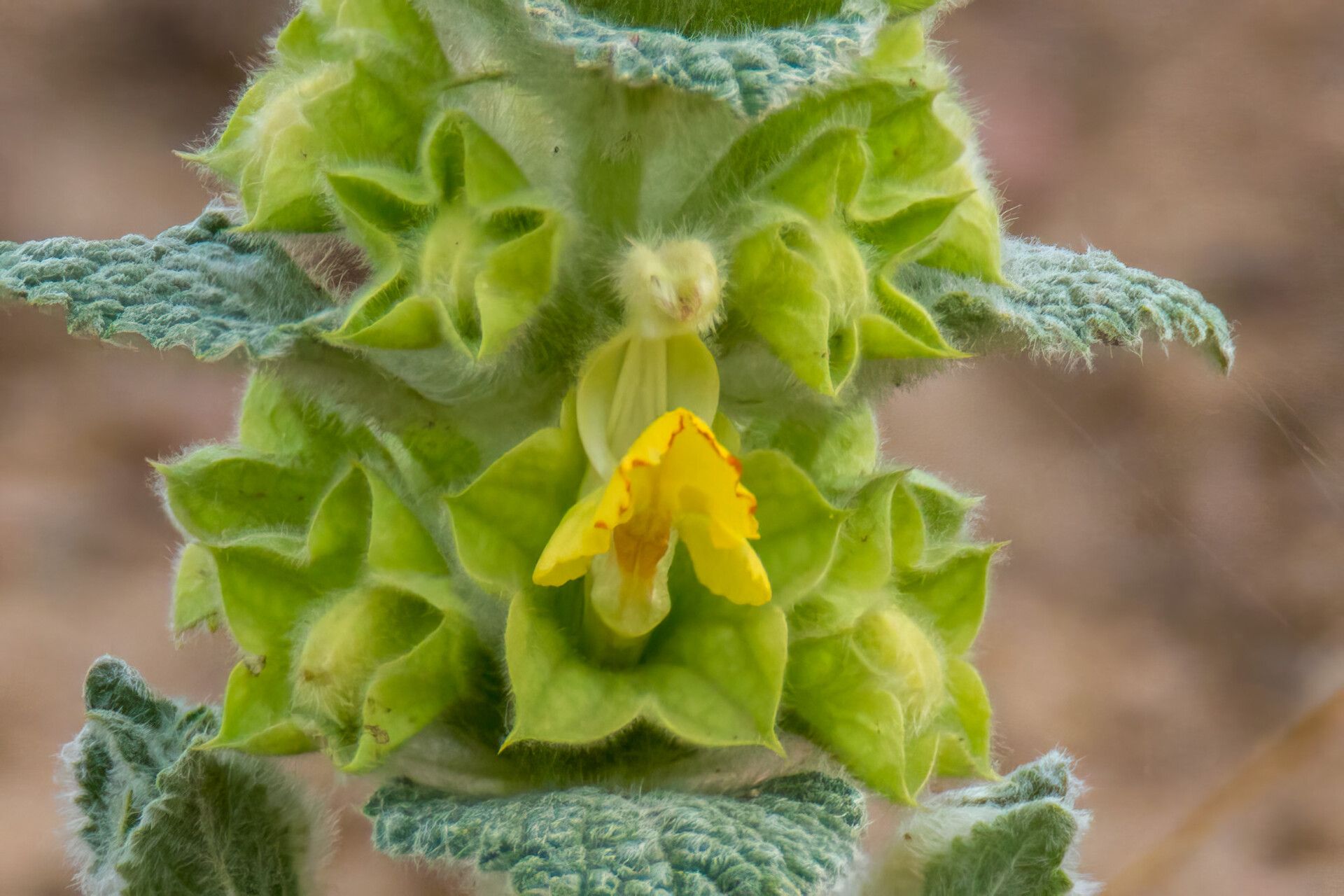
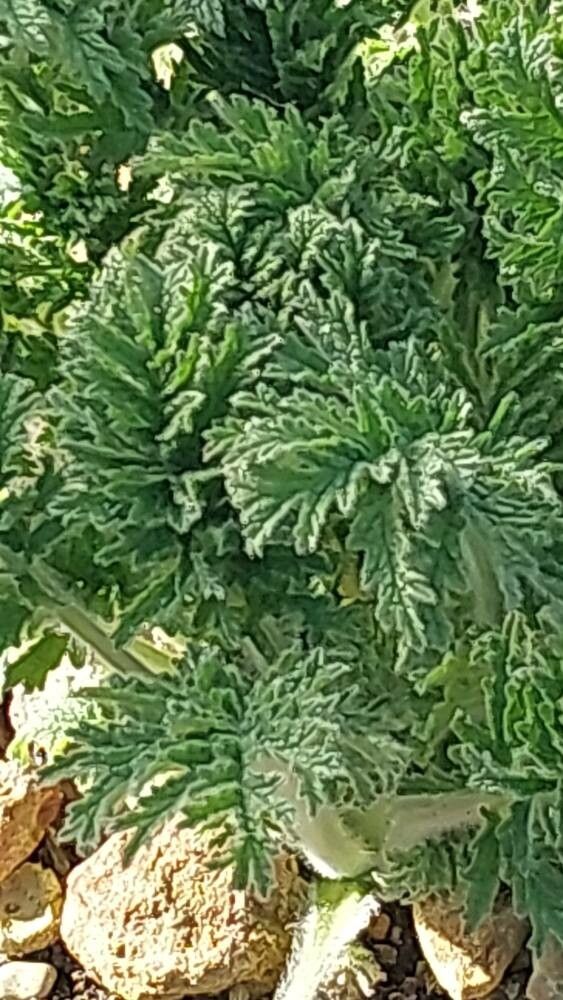
Rosette sage is fairly disease-resistant and is usually not prone to illnesses. Still, it can be vulnerable to pests and diseases present in its environment, though these problems are generally mild. As for upkeep, the plant needs moderate maintenance. It should be pruned regularly to preserve a neat appearance and encourage healthy growth. Fertilizing can also help to increase flowering. Rosette sage is a good choice for someone with outdoor space, like a garden or patio, and does not demand a great deal of gardening experience. It may need more attention if grown indoors.
How to keep Phlomoides Rotata.
Light
Originating from open habitats, often flourishing in meadows and grasslands, rosette sage is a perennial herbaceous plant that has a preference for the sun. It thrives best in conditions of full sunlight, though it can also withstand conditions of partial sunlight.
Fertilizer
The optimal period to provide nutrients to a Rosette sage is during early spring, as it transitions from dormancy to a phase of active growth. Supplying fertilizer plays a critical role in supporting vigorous growth. Even though the fertilization requirements of Rosette sage are comparatively minimal, fertilizing it once a year can improve its resilience and encourage superior, more durable blossoms.
Botanical profile.
- Plant Type
- Herb
- Life Cycle
- Perennial
- Hardiness Zone
- 5-9
- Mature Height
- 0.3 m to 2.13 m
- Mature Spread
- 10 cm
- Leaf Color
- Green, Gray
- Leaf Type
- Semi-evergreen
- Flower Color
- Pink, Purple
- Flower Size
- 2.03 cm to 3.05 cm
- Bloom Time
- Early summer, Mid summer
- Planting Time
- Spring, Summer, Autumn
- Harvest Time
- Late summer, Early fall
- Native Area
- Nepal, India, Kazakhstan, Bhutan, China