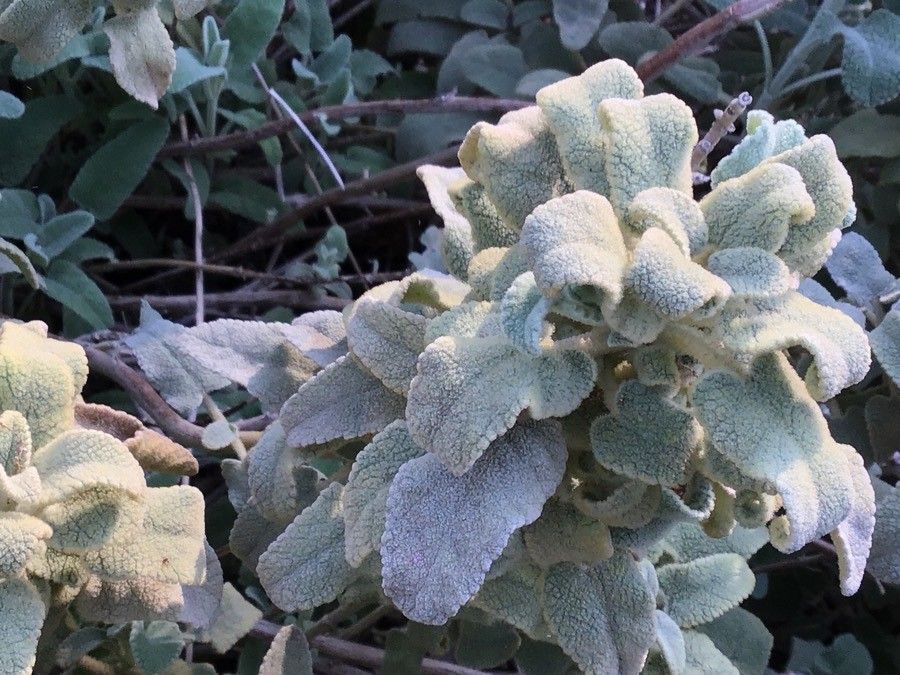
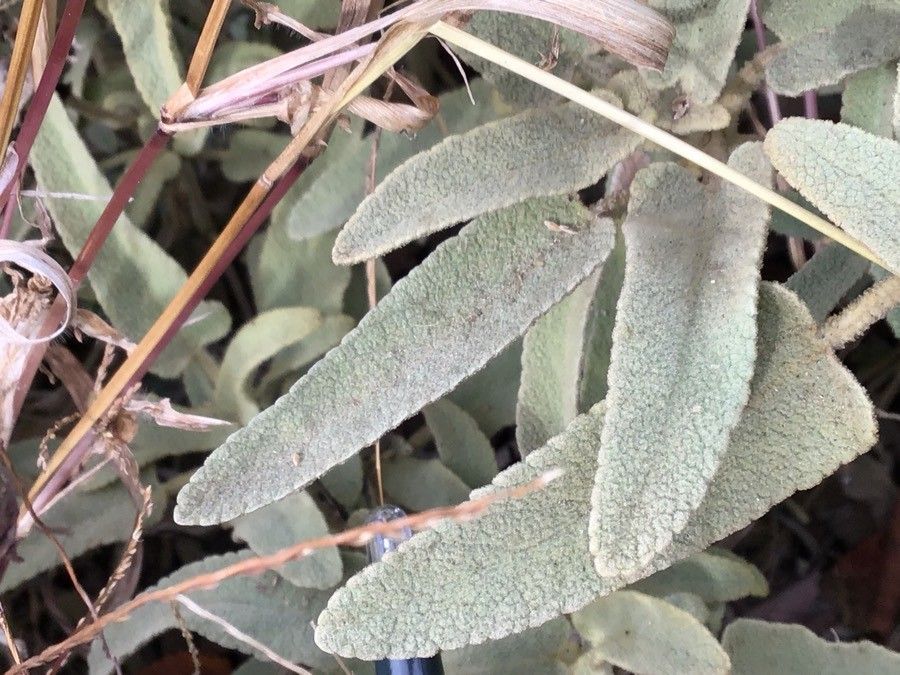
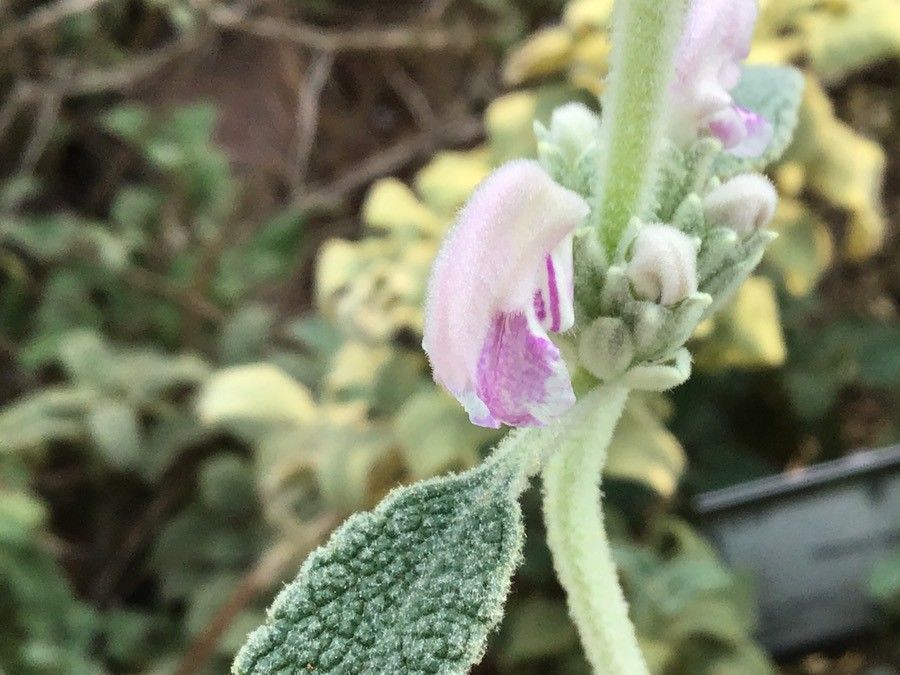
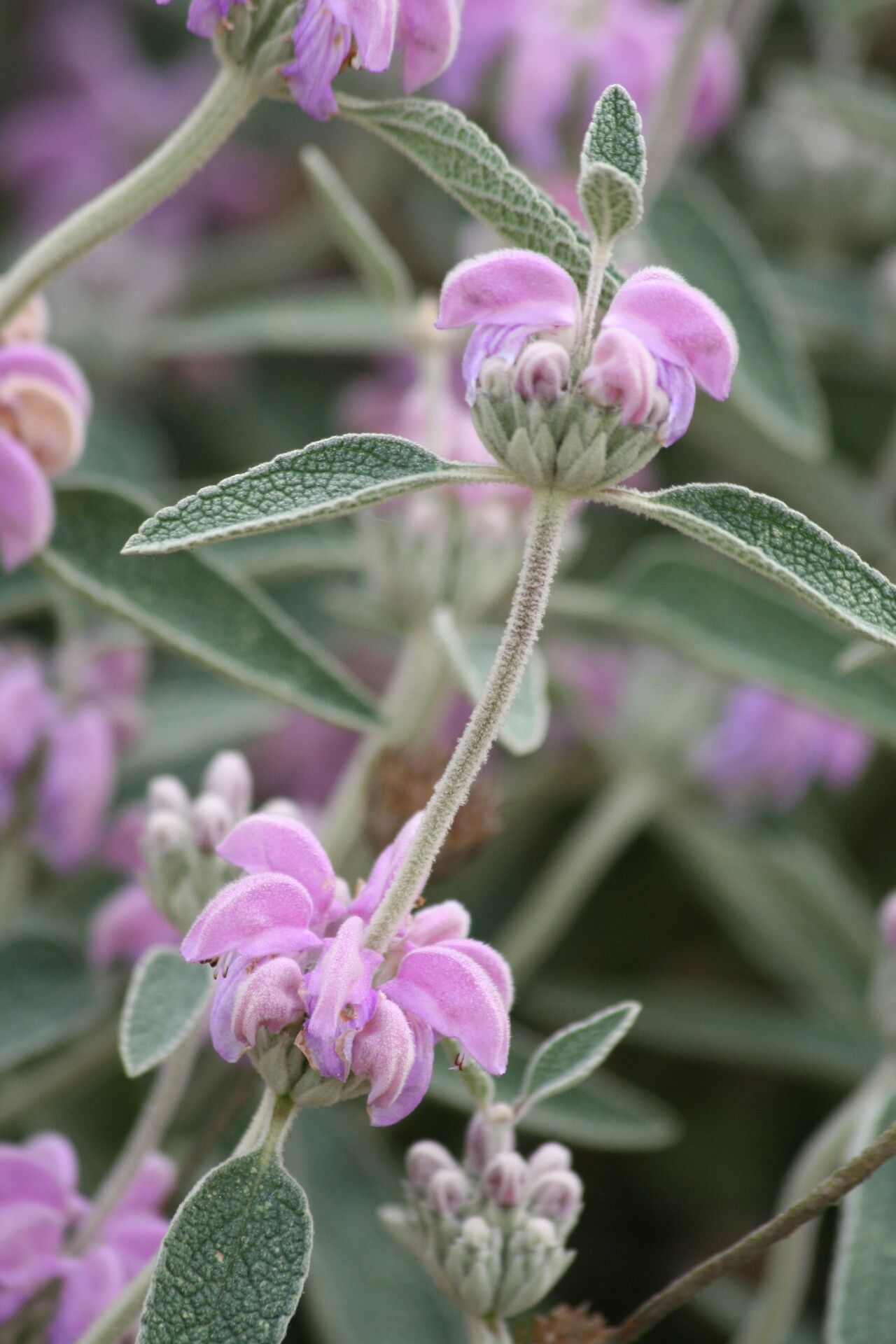
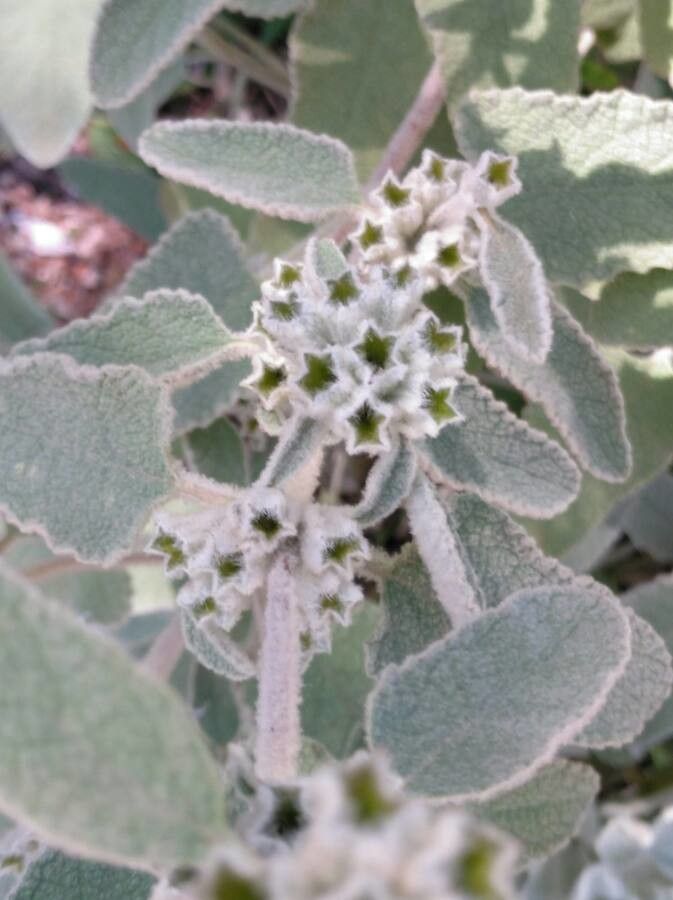
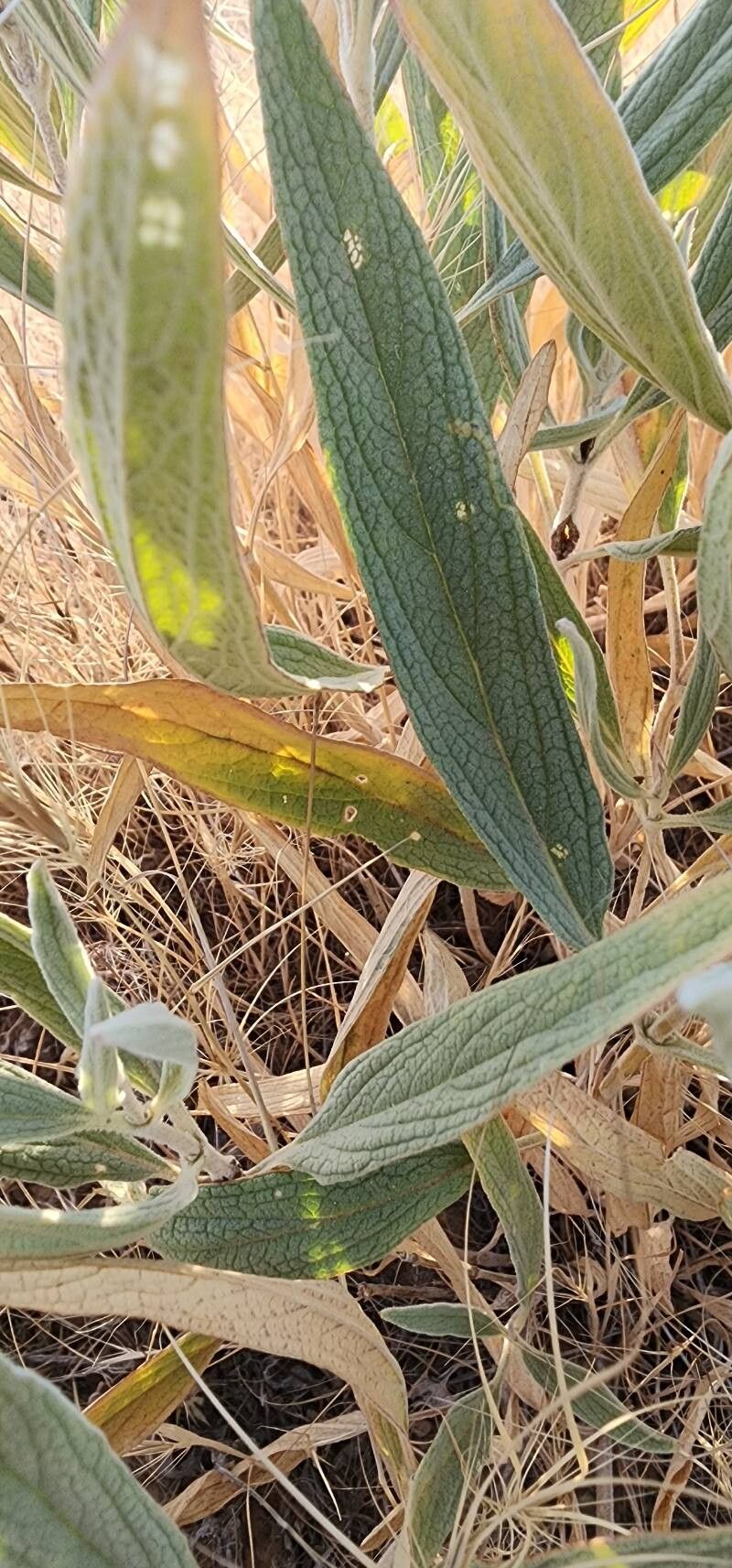
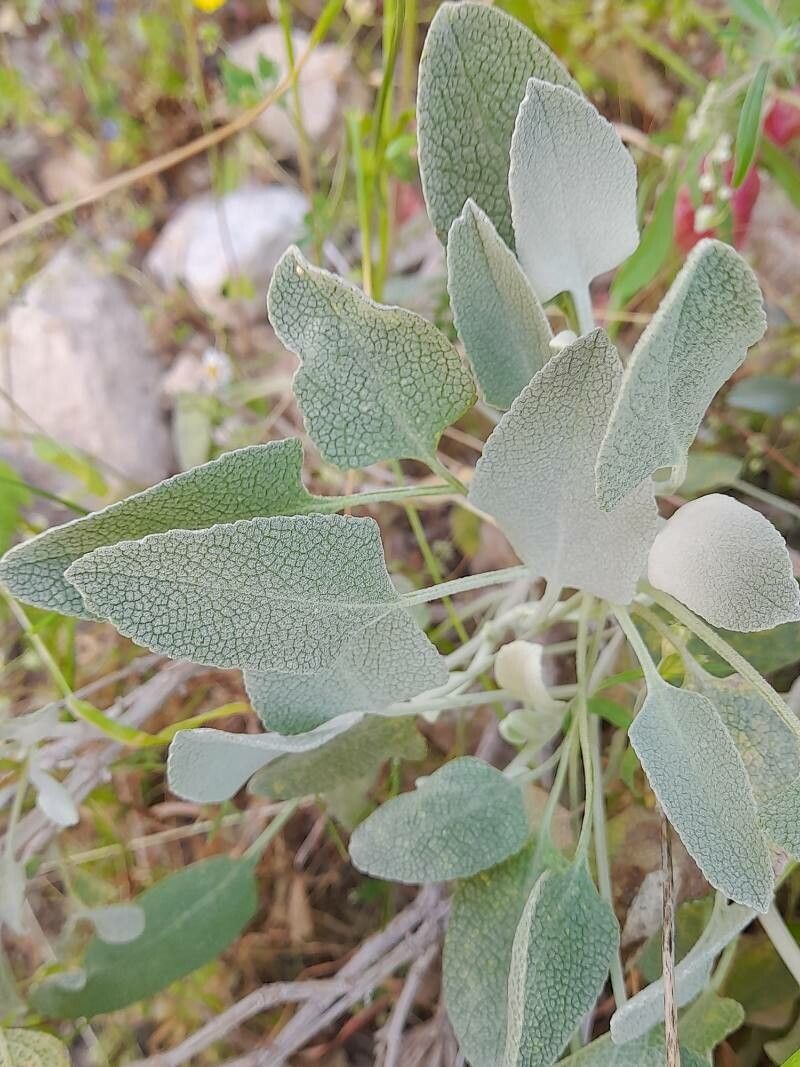
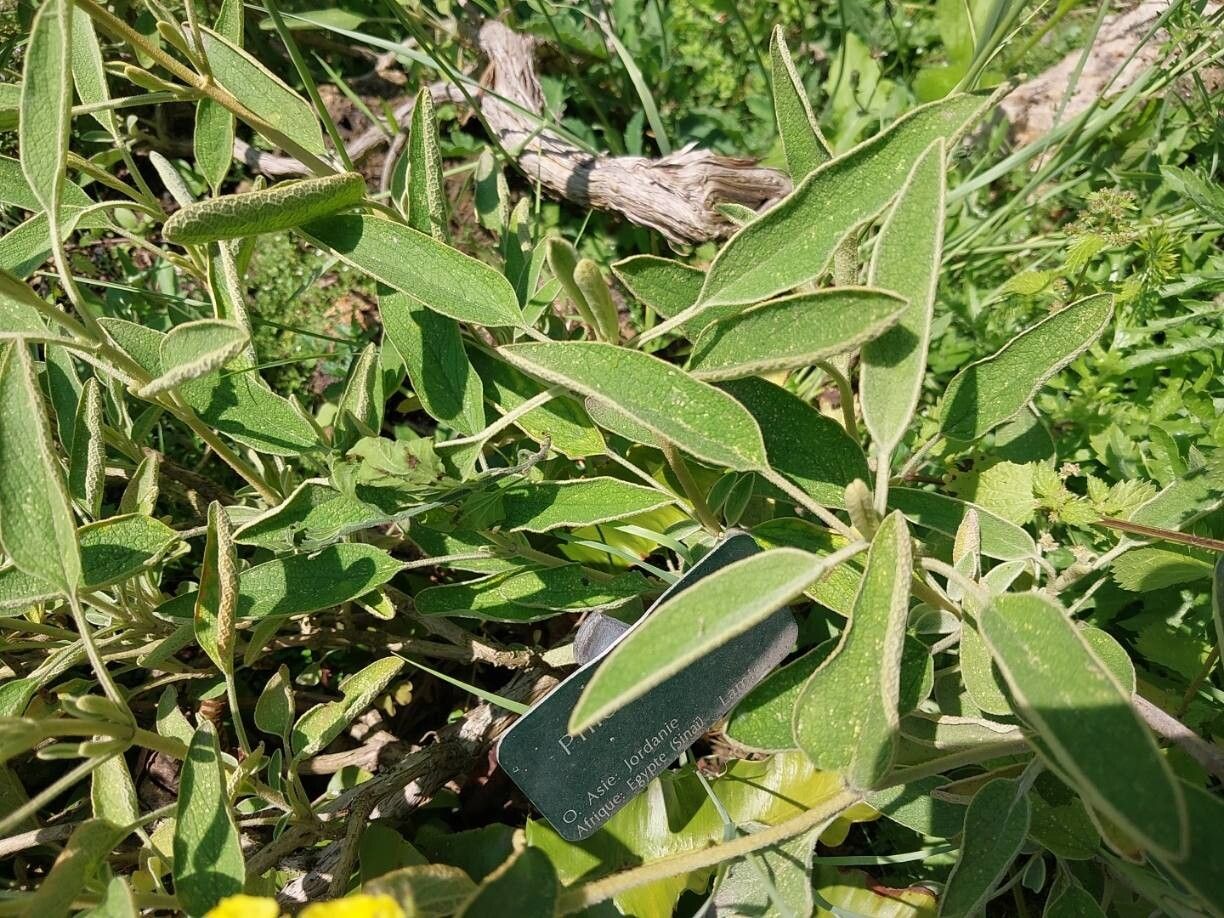
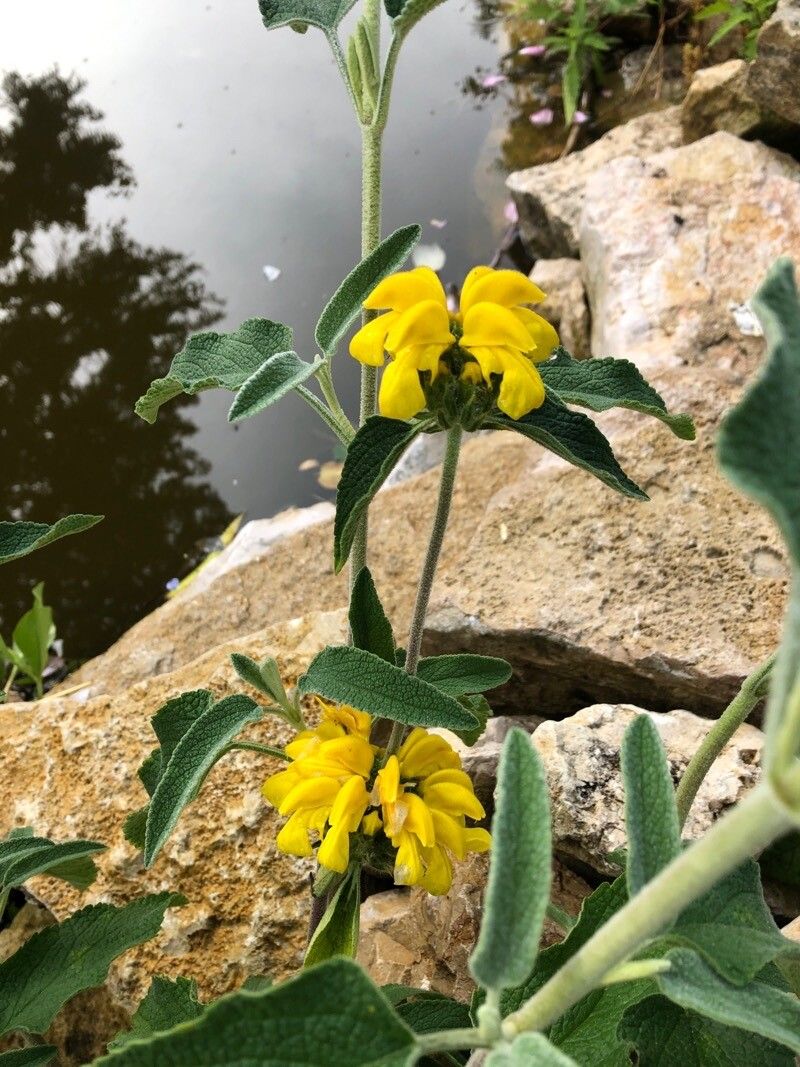
Phlomis italica, the Balearic Island sage, is a species of flowering plant in the mint and sage family Lamiaceae, native to the Balearic Islands of Spain, and cultivated as a temperate ornamental plant. It is an evergreen shrub with large, oval, woolly grey-green leaves. In summer, circles of pale pink flowers appear at intervals along the erect stems. The height and spread is 50–100 cm (20–39 in). Though hardy, it prefers a sheltered position in full sun.
Balearic island sage displays strong resistance to disease and is typically not susceptible to illnesses. Regarding care, this plant is relatively low-maintenance. When grown outdoors it needs only minimal watering, and larger plants generally do not need pruning. Smaller plants, however, should be pruned after they have finished blooming. Balearic island saget is suitable for anyone with an outdoor area, such as a garden or deck, and does not require a lot of care experience.
How to keep Phlomis Italica.
Light
Balearic island sage is native to open habitats, including sunny meadows and forest edges that provide abundant light. It flourishes in Full Sun but will also tolerate Partial Sun, showing good adaptability to different sunlight conditions.
Water
Balearic Island sage flourishes in a Mediterranean climate, where it prefers moderate moisture and well-drained soil. For optimal growth, water the plant every 1-2 weeks, allowing the soil to dry slightly between watering sessions. This sage is typically grown outdoors in full sun and benefits from occasional rainfall, which mimics the conditions of its native habitat.
Temperature
Balearic island sage is highly adaptable to a variety of climate conditions, from very hot summers to cold winters. Nevertheless, it has an optimal temperature range for growth. If temperatures become too high, the plant can suffer heat and humidity stress that may kill it. In areas where temperatures near the lower limit of its cold tolerance, insulating the plant is important for protection.
Fertilizer
Fertilize your Balearic island sage in early spring to encourage healthy growth. Regular feeding improves the plant’s overall health, leading to vigorous growth, increased resilience to harsh conditions, and better resistance to diseases and pests. Follow a specific fertilization schedule for your Balearic island sage to achieve vibrant, deeply colored foliage and a lush appearance.
Pruning
Balearic island sage is characterized by its silvery foliage and pink flowers. To maintain its shape and encourage bushiness, it's best to prune the plant between early and late winter. Be sure to remove any dead stems during this time to promote the plant's health, improve airflow, and reduce the risk of disease. This will lead to robust growth in the spring and result in a more resilient plant overall.
Botanical profile.
- Plant Type
- Shrub
- Life Cycle
- Perennial
- Genus
- Phlomis
- Family
- Lamiaceae
- Hardiness Zone
- 8-10
- Mature Height
- 61 cm to 91 cm
- Mature Spread
- 61 cm to 91 cm
- Leaf Color
- Gray, Light Gray
- Leaf Type
- Evergreen
- Flower Color
- Pink, Lavender
- Flower Size
- 2.03 cm to 3.05 cm
- Bloom Time
- Late spring, Early summer, Mid summer
- Planting Time
- Spring, Summer, Autumn
- Harvest Time
- Late summer, Early fall, Mid fall
Other names.