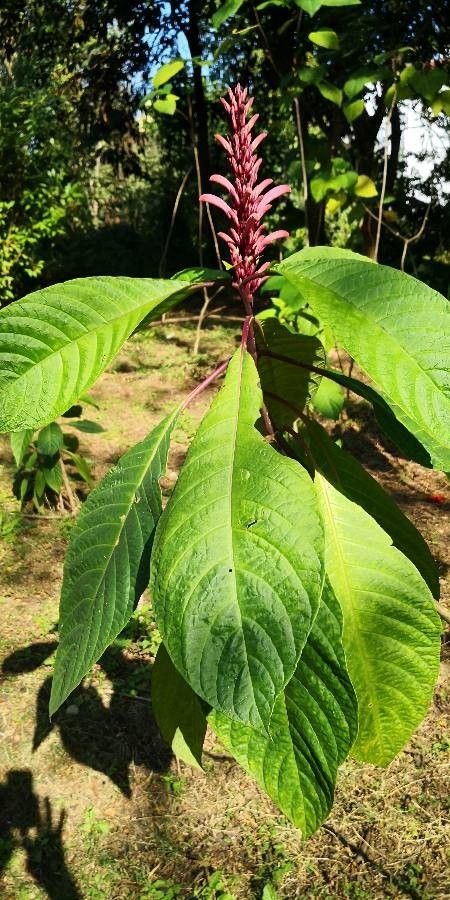
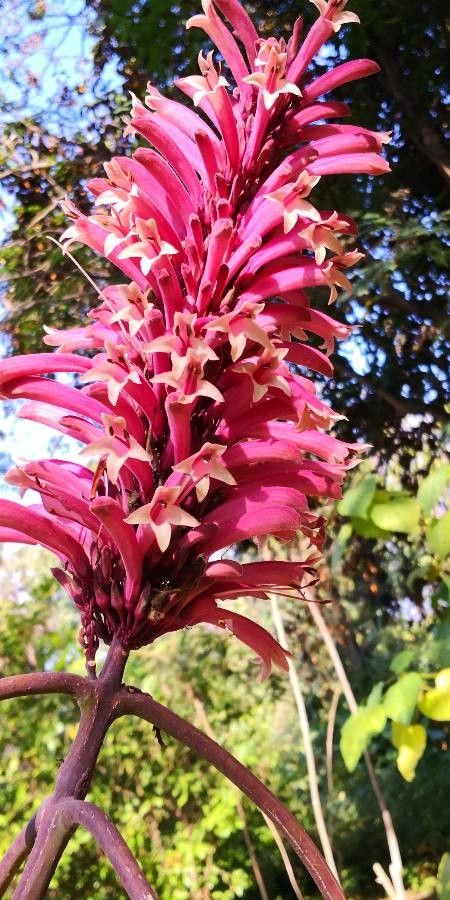
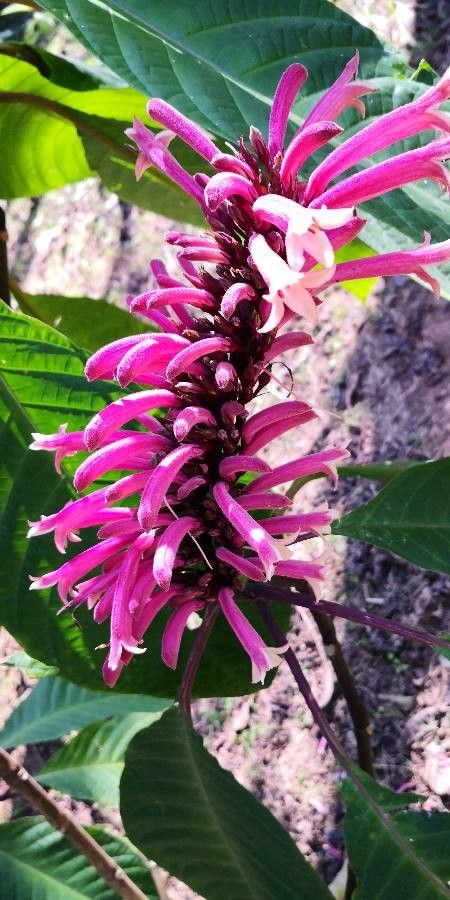
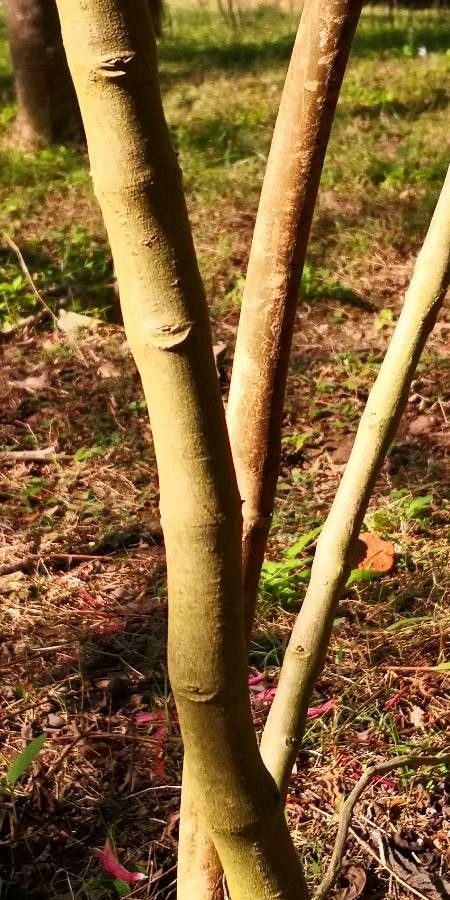
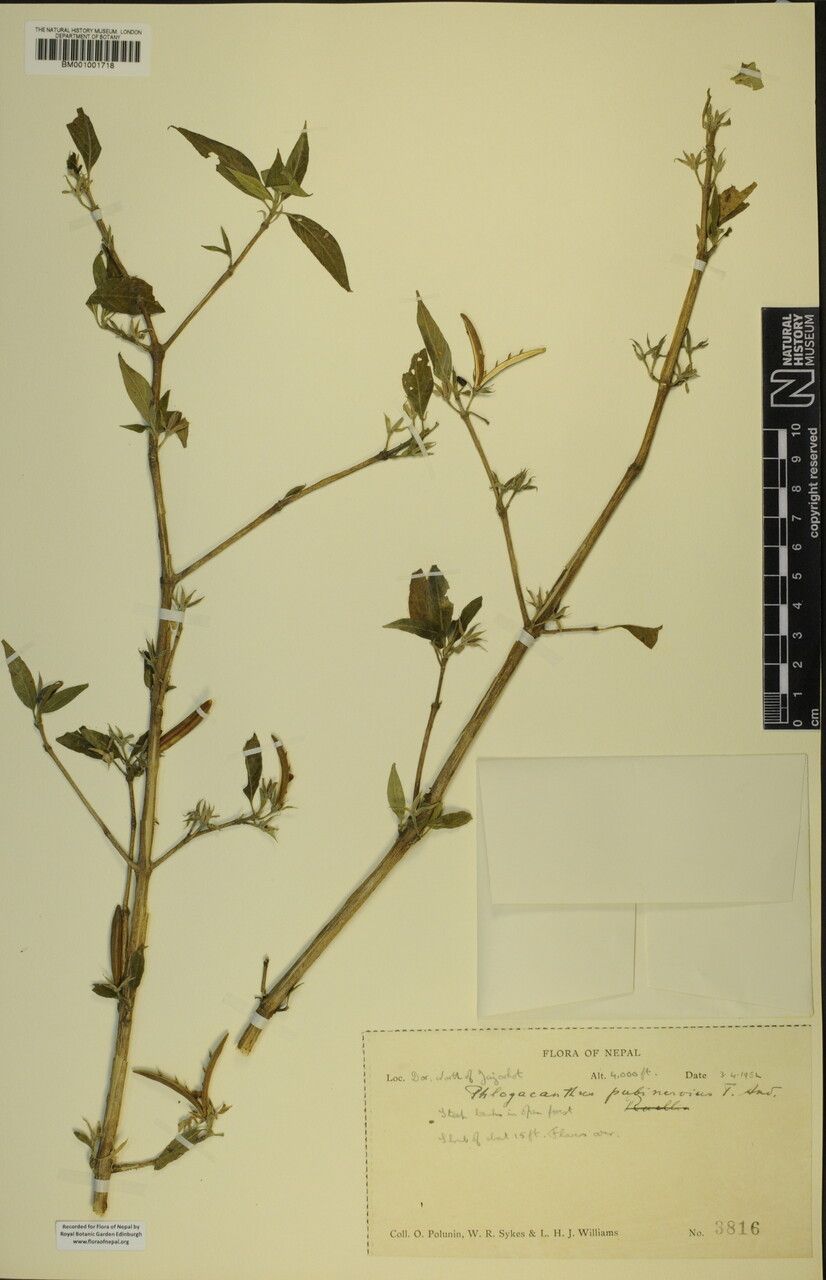
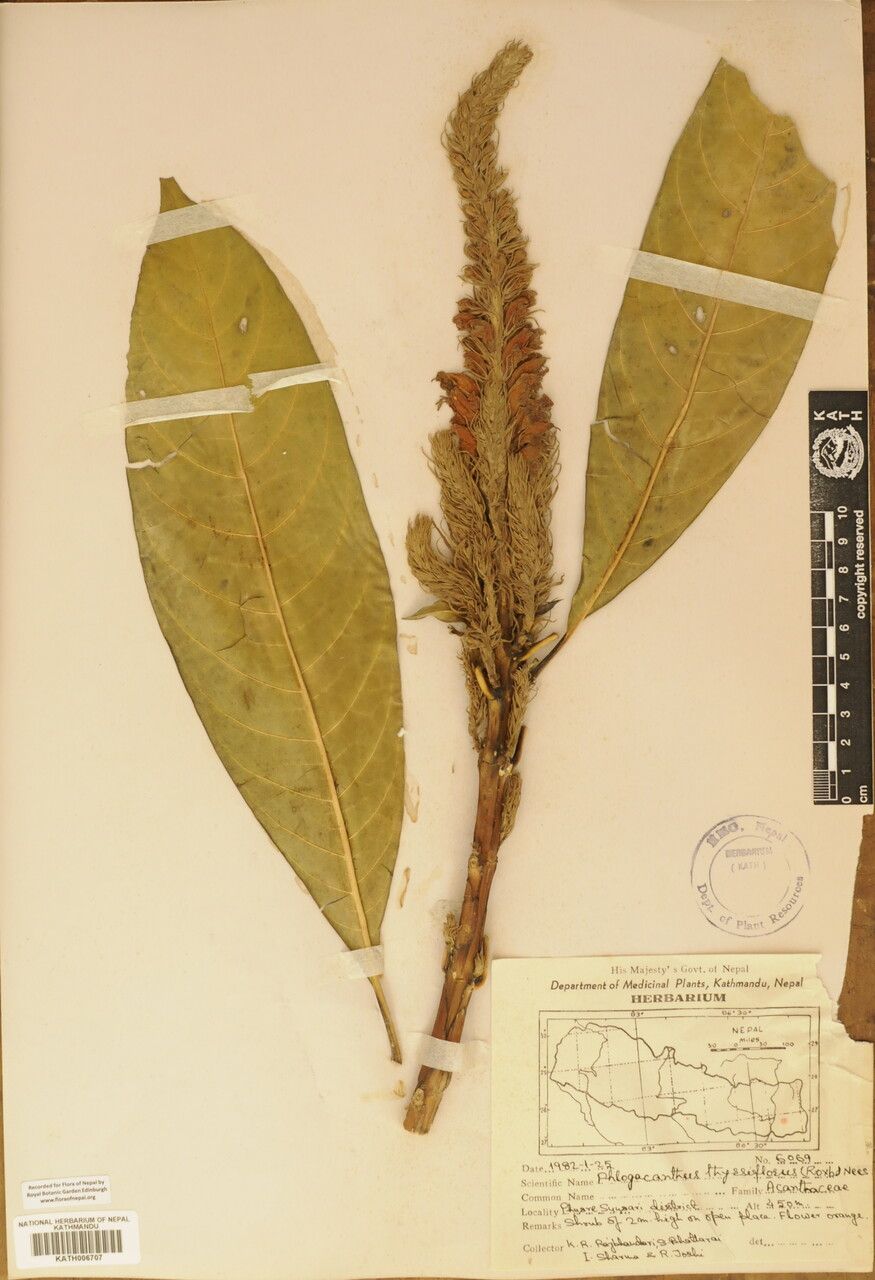
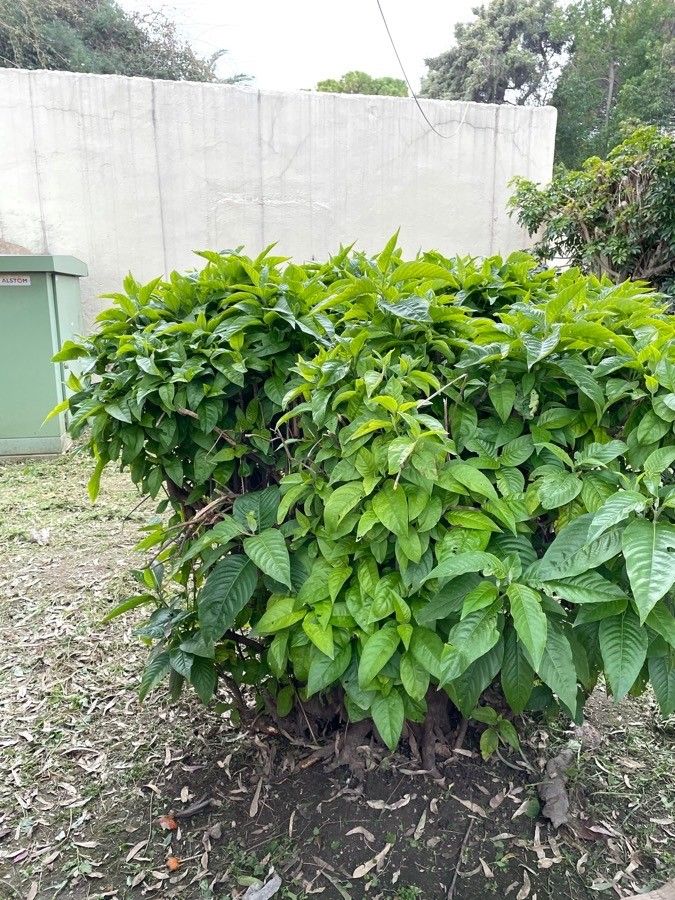
Wild nongmangkha is resistant to disease and is generally not susceptible to illnesses. As for care, this plant is fairly low-maintenance. When grown outdoors it needs only light watering, and larger specimens typically do not need pruning. Smaller plants, however, should be trimmed after they finish blooming. Wild nongmangkhat is well suited for anyone with an outdoor area, such as a garden or deck, and does not require extensive care experience.
How to keep Phlogacanthus Curviflorus.
Light
Wild nongmangkha is native to open habitats, such as sunlit meadows and forest margins, which provide plenty of light. It does best in full sun but can also tolerate partial sun, showing good adaptability to different light conditions.
Water
The wild nongmangkha plant is moderately drought-tolerant and well-adapted to dry conditions. It needs watering every two to three weeks. This plant thrives outdoors when the soil mimics its natural drying cycle, making it an excellent choice for xeriscaping and regions with irregular rainfall.
Temperature
Wild nongmangkha comes from tropical areas where the climate is generally warm and humid. Consequently, it is suited to high temperatures and humidity. It is sensitive to abrupt temperature changes and prefers a steady thermal environment, so indoor temperature swings should be avoided. It typically cannot tolerate cold and needs relatively high temperatures for growth. If the surrounding temperature falls too low, the plant may stop growing or even die.
Fertilizer
The best time to fertilize a Wild nongmangkha is in early spring, as it breaks dormancy. This encourages overall growth and the development of flowers. Fertilization improves foliage, stems, and branches, while encouraging flowers that are large, colorful, and long-lasting. It helps transport nutrients from the roots to the flowers and enhances the plant’s health and resistance to disease.
Pruning
Wild nongmangkha plants feature gracefully curved flowers and abundant foliage. To encourage growth and maintain plant health, prune them in early spring. Remove any dead stems to improve air circulation, and trim excessive growth back to a healthy bud. This practice promotes denser growth, enhances the appearance of the flowers, and aligns with the plant's natural growth cycle, helping to reduce the risk of disease.
Botanical profile.
- Plant Type
- Shrub
- Life Cycle
- Perennial
- Genus
- Phlogacanthus
- Family
- Acanthaceae
- Hardiness Zone
- 9-11
- Mature Height
- 3.05 m to 3.96 m
- Mature Spread
- 1 cm
- Leaf Color
- Dark Green
- Leaf Type
- Semi-evergreen
- Flower Color
- Pink, Purple
- Flower Size
- 15.24 cm to 17.78 cm
- Bloom Time
- Mid winter, Late winter, Early spring
- Planting Time
- Spring, Summer, Autumn
- Harvest Time
- Spring
- Native Area
- India, Vietnam, Myanmar, Bangladesh, Laos, Thailand, China
Reader questions.
What are the sunlight requirements for Wild nongmangkha?
Wild nongmangkha thrives best in full sun, requiring more than 6 hours of direct sunlight daily, but it can also grow well in partial sun with about 3-6 hours of sunlight. It's important to observe how sunlight moves through your garden to find the ideal location that offers the right balance of light and shade to ensure the plant's health.
Can artificial lighting be used for Wild nongmangkha and what should be considered?
Yes, artificial lighting can be a vital solution for Wild nongmangkha when natural sunlight is insufficient, especially indoors during winter or in less sunny spaces. Optimal growth under artificial lights involves selecting the right type of light, such as LED, which can be customized to provide specific wavelengths needed by the plant. The intensity of light should be 30-50W/sq ft for full sun plants, and the light source should be placed 12-36 inches above the plant. Additionally, mimicking natural daylight hours is crucial, with most plants requiring 8-12 hours of light per day.
What symptoms indicate Wild nongmangkha is not receiving enough light?
Poor light conditions can lead Wild nongmangkha to exhibit signs such as smaller new leaves, leggy or sparse growth, faster leaf drop, little to no new growth, lighter-colored or irregularly colored new leaves, and potential conditions like chlorosis (leaves turning yellow due to lack of chlorophyll), sunscald, leaf curling, wilting, and leaf scorching. These symptoms highlight the importance of adequate sunlight for the plant's overall health and growth.
What are the solutions for Wild nongmangkha experiencing insufficient sunlight?
For plants not receiving enough sunlight, gradually increasing exposure to direct sunlight is key. For indoor plants, moving them to a south-facing window or using artificial lights for at least 8 hours a day can help. Outdoors, position plants in locations where they'll get optimal sunlight, adjusting their location gradually to avoid shock. Minimizing obstructions like trees by pruning can also enhance sunlight access. For smaller plants, transplanting during their dormant period to a sunnier spot with good drainage is advisable. Remember, while affected parts may not recover, new growth will be healthy once the light situation improves.