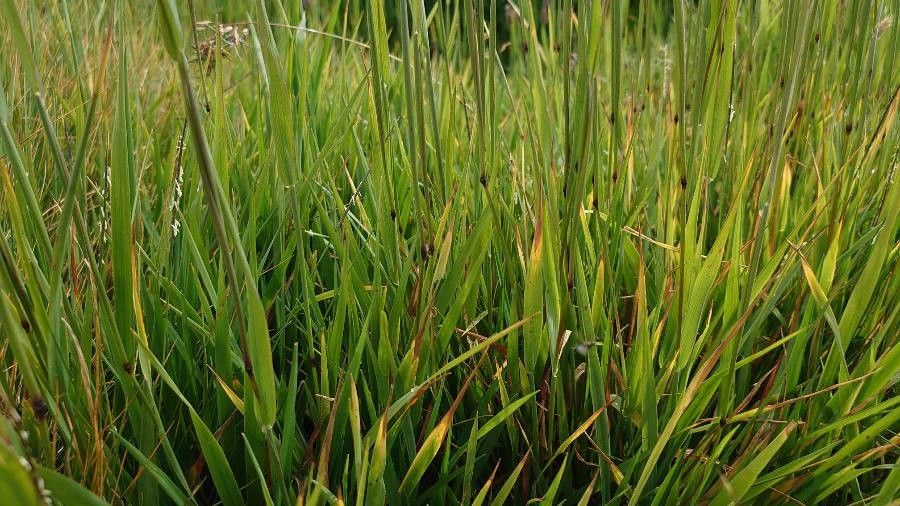
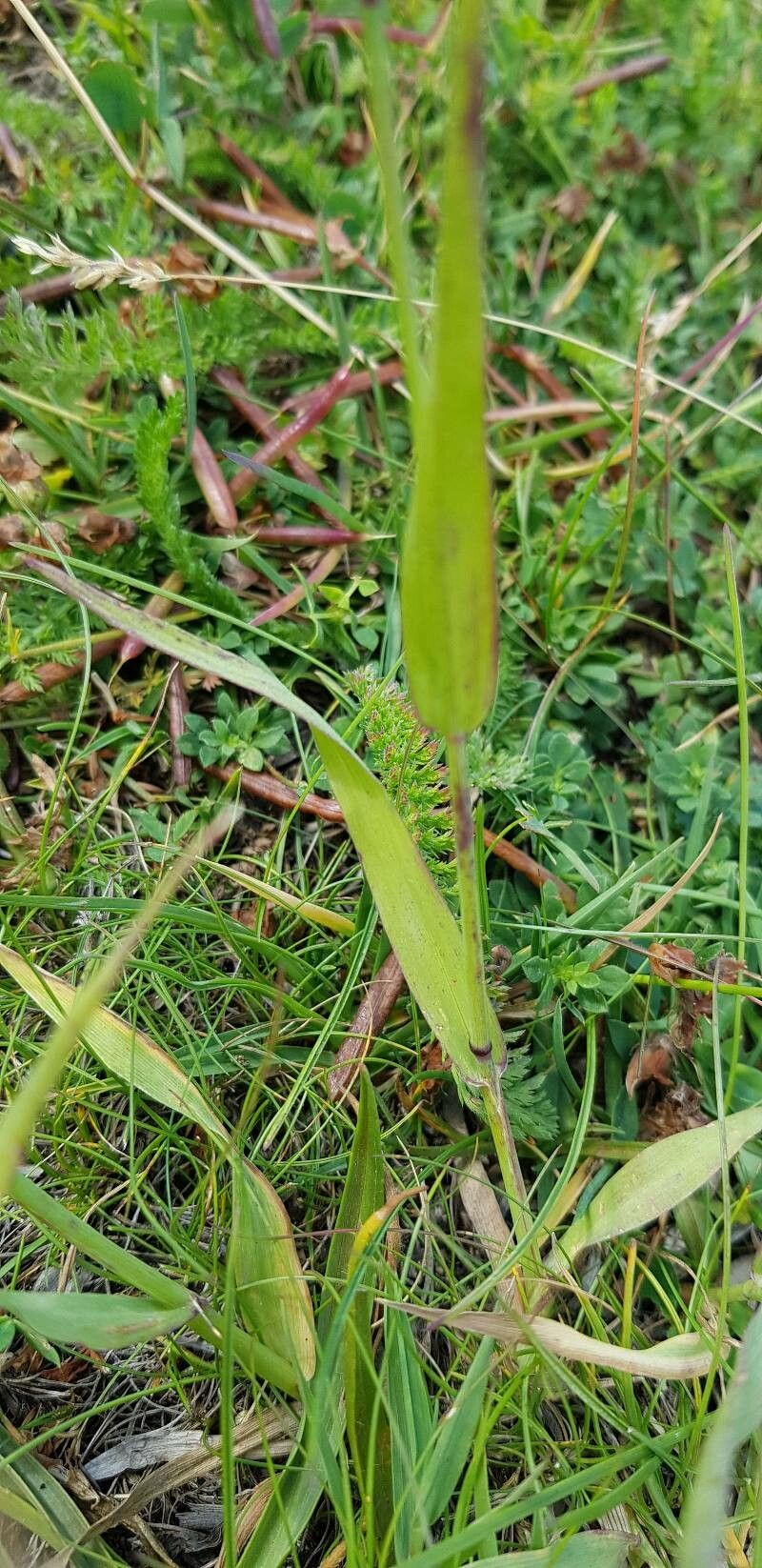
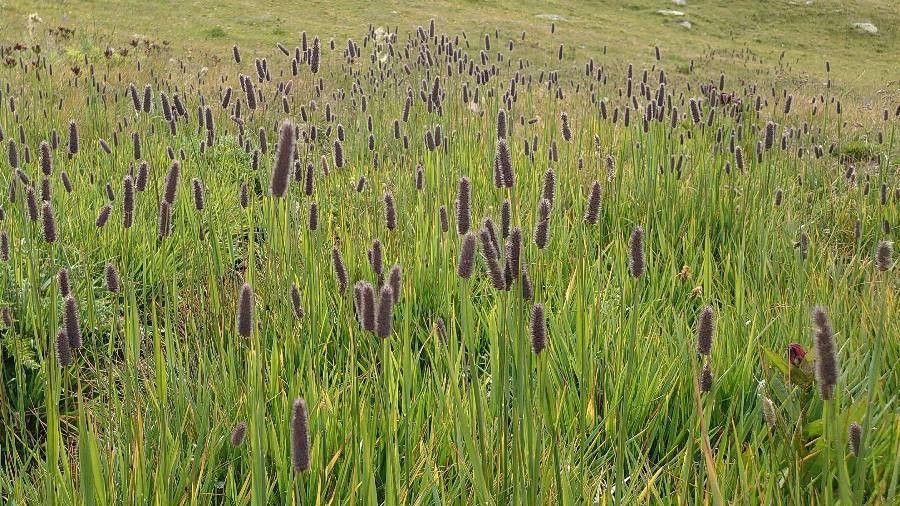
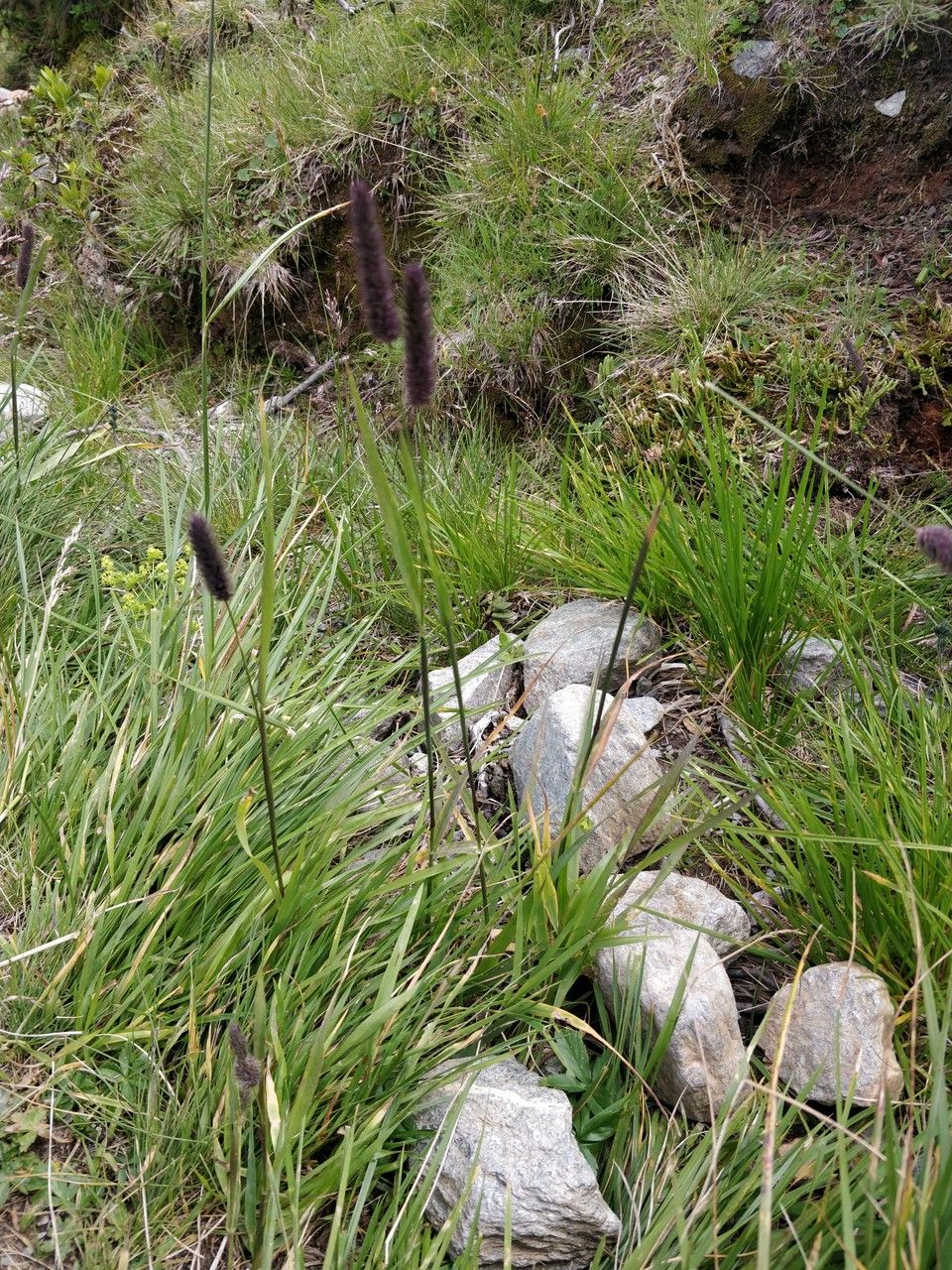
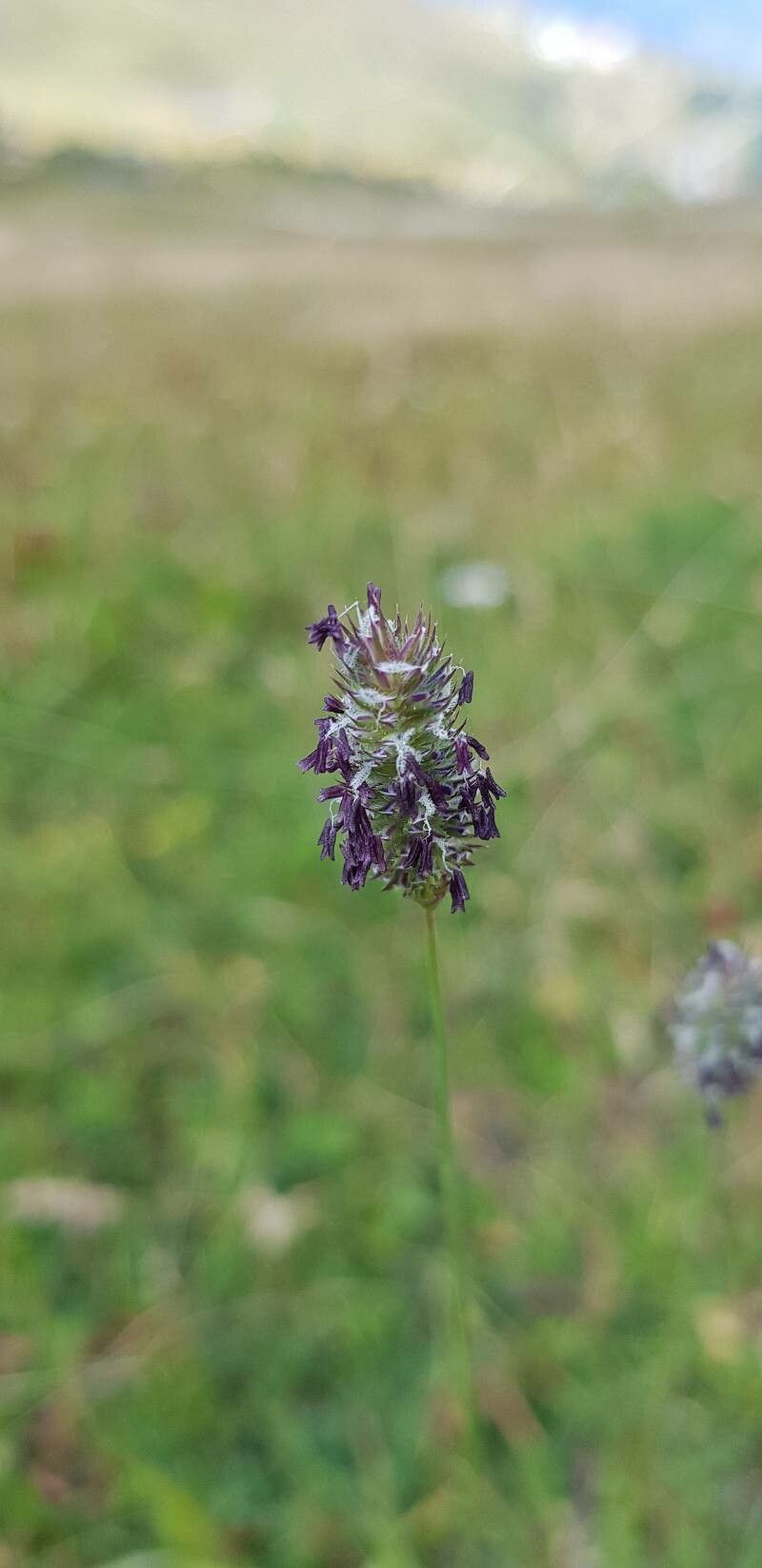
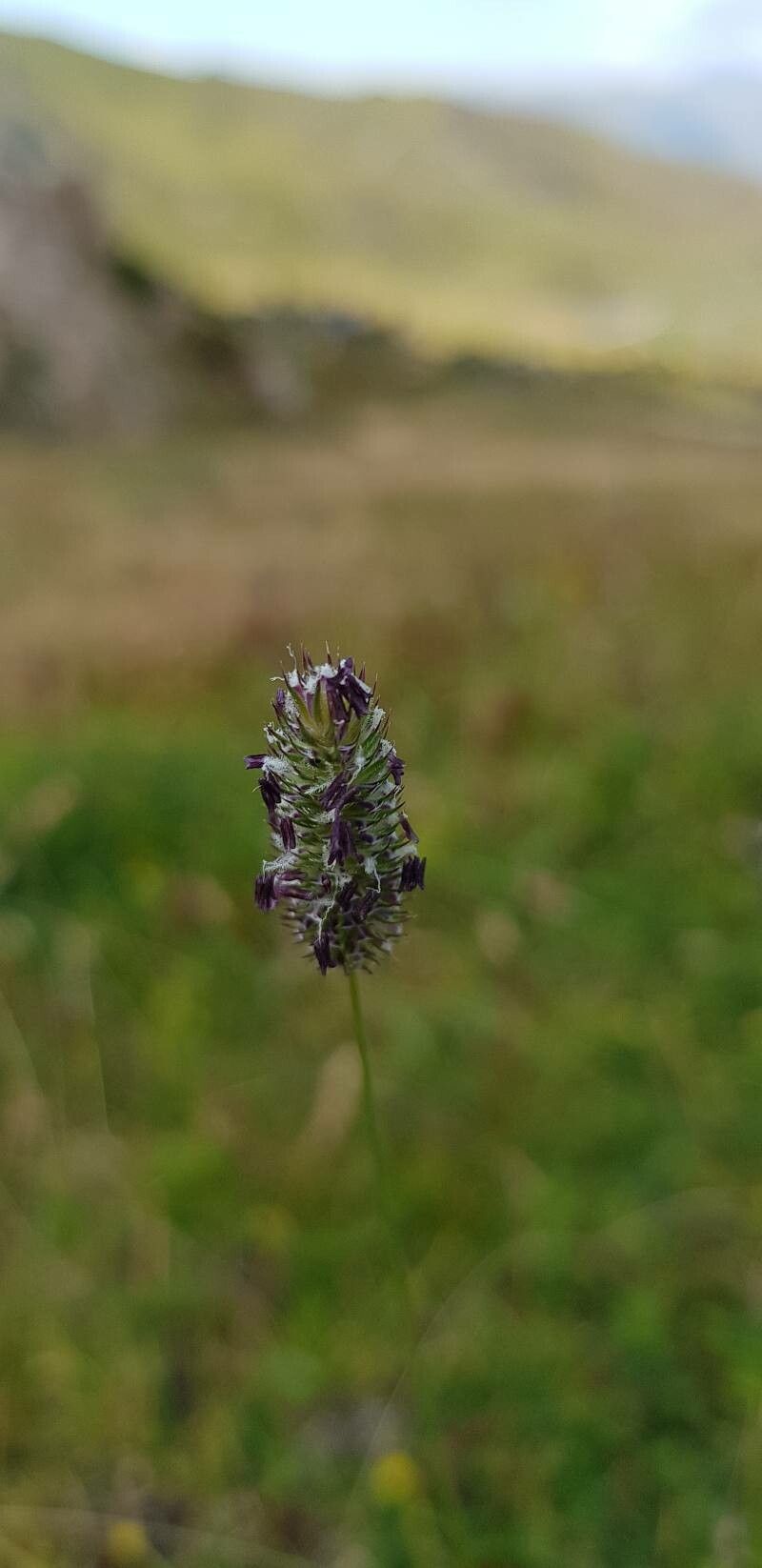
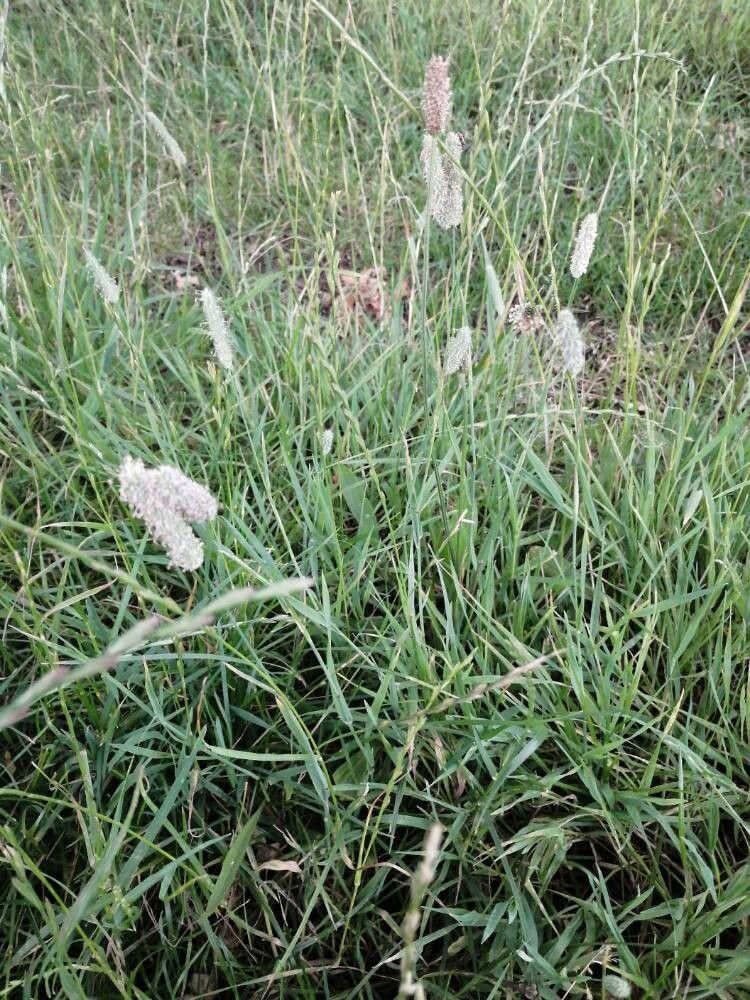
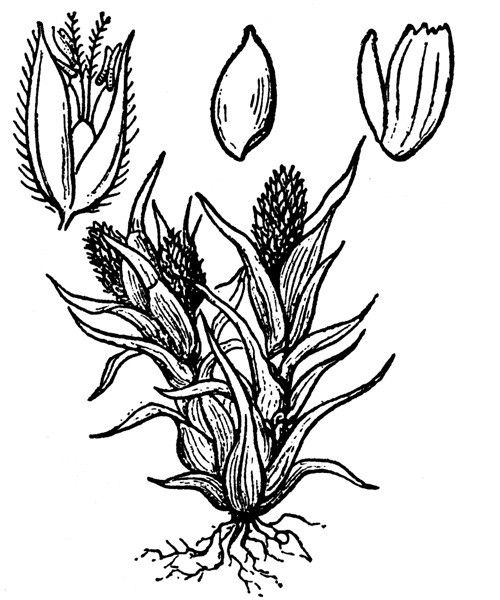
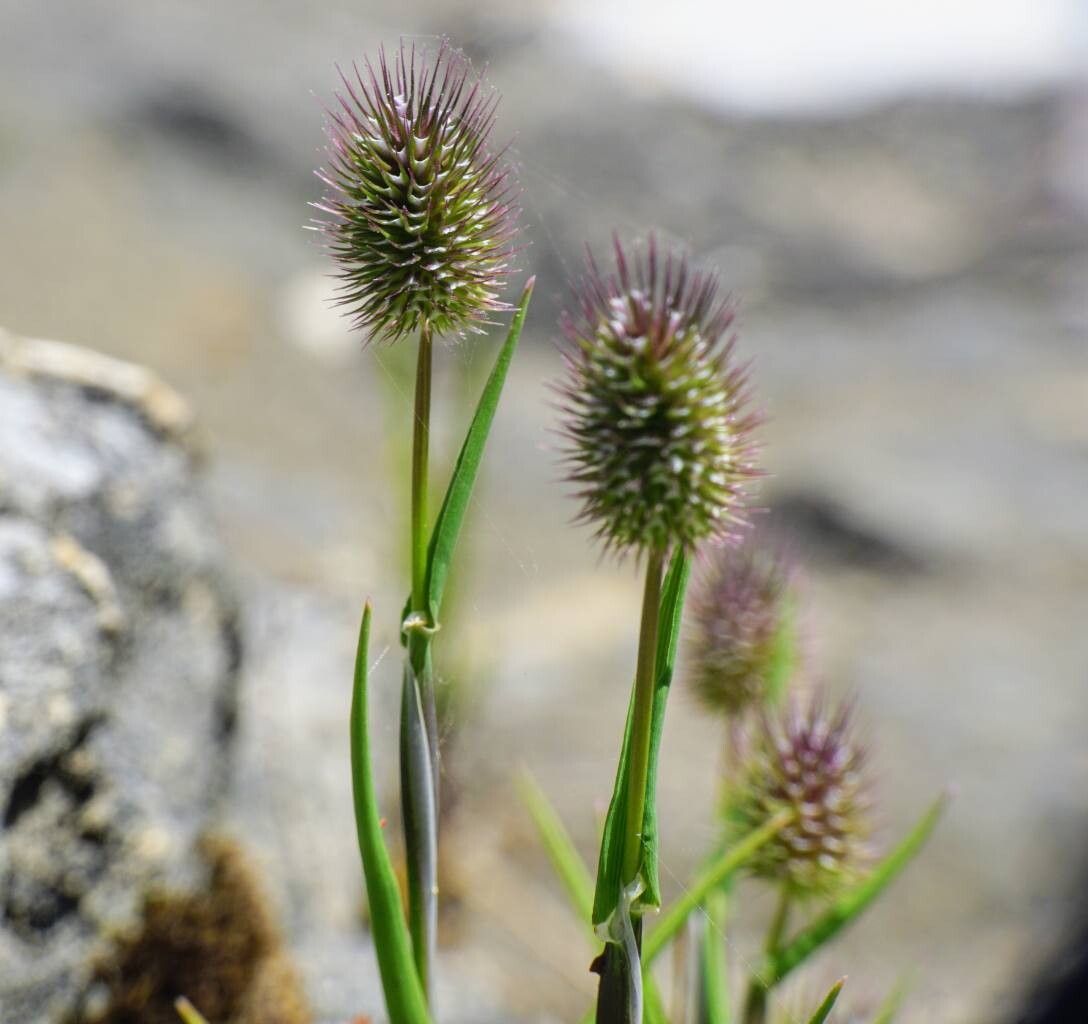
Phleum alpinum is a species of grass known by the common names alpine cat's-tail, alpine timothy and mountain timothy.
Alpine timothy demonstrates strong resistance to disease and is typically not susceptible to illnesses. In terms of care, this plant is fairly low-maintenance. When grown outdoors it needs only minimal watering, and larger specimens usually do not require pruning. Smaller plants, however, should be trimmed after they have finished blooming. Alpine timothy is suitable for anyone with an outdoor area, such as a garden or deck, and does not demand extensive care experience.
How to keep Phleum Alpinum.
Light
Alpine timothy flourishes optimally in the vast exposure of sunlight, mirroring its roots in broad open spaces. Nevertheless, it can tolerate places with a minimal amount of shade. Lack of adequate light might hinder its development, and excessive exposure could lead to withering leaves.
Water
Alpine timothy is well-suited for cooler, moist alpine climates and thrives when given consistent moisture, though it's important to avoid waterlogging. For best results, water the plants once a week to mimic their natural precipitation cycle. This is particularly important in high-elevation grasslands, where the plant's growth cycles are more influenced by natural outdoor conditions than by indoor environments.
Temperature
Alpine timothy originates from natural habitats with a temperature range of 32 to 70°F (0 to 21℃). It demonstrates the best growth within this temperature spectrum. Seasonal changes may require consideration for the plant's optimal health.
Fertilizer
Additional nutrients are required by alpine timothy to stimulate vigorous new growth. During springtime, adding compost to the plant's base can serve as an effective source of the essential nutrients it requires. The use of fertilizers assists in promoting strong growth and contributes to the plant's ability to fight off diseases and pests.
Pruning
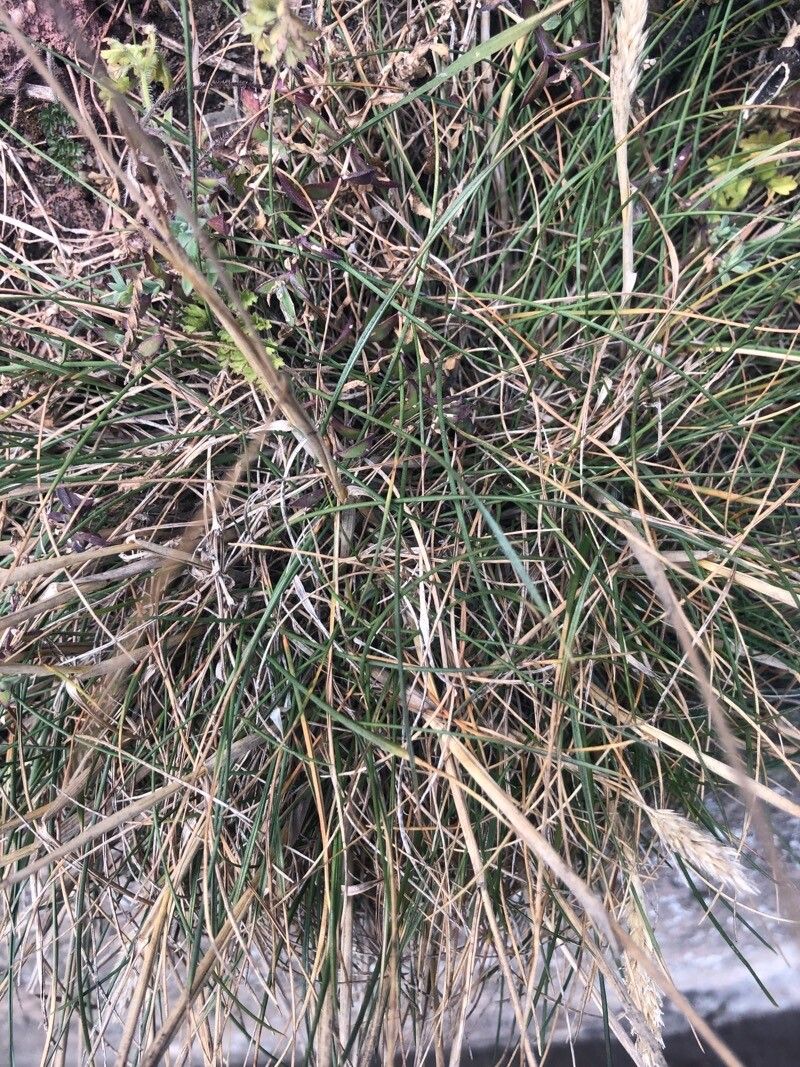
Alpine timothy has a dense, tufted appearance and benefits from early spring pruning to encourage growth. To enhance its density and visual appeal, remove any dead stems and trim older growth by one-third. This will help promote healthier foliage and prevent the plants from becoming leggy.
Botanical profile.
- Plant Type
- Grass
- Life Cycle
- Perennial
- Genus
- Phleum
- Family
- Poaceae
- Hardiness Zone
- 1
- Mature Height
- 15 cm to 61 cm
- Mature Spread
- 1 cm to 1 cm
- Leaf Color
- Light Green
- Leaf Type
- Semi-evergreen
- Flower Color
- White, Yellow, Green, Purple
- Flower Size
- 6.35 cm
- Bloom Time
- Early summer, Mid summer
- Planting Time
- Spring, Summer
- Harvest Time
- Mid summer, Late summer
- Native Area
- Turkey, Sweden, India, Pakistan, Uzbekistan, Russia, Iraq, Germany, Iceland, Koppen, Romania, France, Nepal, Tajikistan, Czech Republic, Bulgaria, Armenia, Poland, Greece, Ukraine, China, Norway, Afghanistan, Kyrgyzstan, Kazakhstan, Italy, Spain, Switzerland, Denmark, Japan, Mongolia, Finland, Bhutan, Iran, Albania, Azerbaijan, United Kingdom
Other names.
Reader questions.
What do I need to do if I give too much or too little water to my Alpine timothy?
If you want the beautiful ornamental grass to perform well, it is important to water it properly. When planted in the ground, any watering issues can be resolved. However, in a container, giving Alpine timothy too much or too little water will quickly lead to its death. Insufficient watering can cause the grass to stop growing while excessive watering can result in yellow leaves with brown tips. Underwatering may cause drooping leaves, weak seed head production, and browned leaves. If you suspect incorrect watering, the first step is to determine if there is too much or too little water. If there is excessive watering, stop watering immediately. It may take a few weeks for heavy soils to dry out, so patience is necessary. Once you observe new growth, test the soil for moisture to decide if more water is needed. On the other hand, if there is insufficient watering, simply give the grass a deep drink and see if it improves. Remember that it is always better to water deeply rather than frequently. This encourages the grass to grow deep roots, making it more resistant to drought and less susceptible to watering problems.
What are the sunlight requirements for Alpine Timothy?
Alpine Timothy (Phleum alpinum) requires full sun exposure, meaning it needs above 6 hours of sunlight daily, although it can also survive in partial sun, with about 3-6 hours of sunlight. It's essential to observe the movement of sunlight through your garden, aiming to find spots that offer a balance of light and shade to cater to the plant's needs and ensure its well-being.
What is the ideal temperature range for Alpine Timothy growth?
Alpine Timothy (Phleum alpinum) thrives in environments where the temperature ranges between 32 to 70°F (0 to 21°C). This temperature range promotes optimal growth for the plant, allowing it to develop healthily throughout its growing season. Seasonal adjustments should be considered to maintain the plant's health within this ideal temperature range.
How frequently should I water my Alpine timothy?
The watering needs of Alpine timothy depend on its planting location. Generally, watering once a week is recommended. In hot climates, watering once or twice a week during the summer may be necessary. In moderate climates, watering once every seven days or even less may suffice. However, grass in containers generally requires more frequent watering compared to grass planted in the ground. Additionally, the amount of shade the grass receives also affects its watering needs, with shaded grasses requiring less frequent watering than grasses planted in the ground. Alpine timothy should only be watered when the soil is dry. You can check if the soil is dry by pressing your finger a couple of inches into it. For potted grass, you can weigh the grass or simply feel the pot to see if it is light, indicating a lack of water. Insufficient water can cause the grass blades to appear folded along their centers and thinner than usual. Despite its ability to tolerate drought, regular and deep waterings will result in beautiful color. In its natural habitat, Alpine timothy grows in open scrubland with extreme heat, intense sun, and intermittent rain. Although this grass is drought-resistant, it still requires care and attention. Gardeners agree that consistent watering is beneficial for its thriving, despite its hardiness. When initially planted, Alpine timothy needs more frequent watering until it establishes deep roots. Potted Alpine timothy dries out quickly, especially when exposed to hot, direct sunlight for extended periods. It is advisable to check the soil every 3 to 4 days and water only when it feels dry. Alpine timothy planted in the ground generally requires less watering, but this also depends on the type of soil. Clay soil holds water longer and may feel dry on the surface while still retaining moisture beneath the ground. Sandy soils, on the other hand, drain quickly and will need more frequent watering.
What are the essential conditions for growing Alpine Timothy?
Alpine Timothy thrives best under extensive sunlight, reflective of its natural habitat in open, sunny areas. It can tolerate some shade, but insufficient light may lead to stunted growth, while too much direct sunlight can cause the leaves to wilt. For indoor plants, adequate lighting is crucial, especially during winter or in less sunny locations. Artificial lighting, such as LED lights, can be used to provide the necessary wavelengths of light. The right amount of artificial light ranges from 30-50W/sq ft for full sun plants, 20-30W/sq ft for partial sun plants, and 10-20W/sq ft for full shade plants. The artificial light source should be placed 12-36 inches above the plant for 8-12 hours per day to mimic natural sunlight conditions.
How does Alpine Timothy handle cold weather and frost?
Alpine Timothy is highly tolerant of cold temperatures and does not require additional protection against frost during winter. To prepare for the first freeze of autumn, it is advisable to water the plant generously. This ensures the soil around it remains moist as it freezes, preventing water scarcity and drought throughout the winter and early spring, thus supporting the plant's health during these colder months.
What do I need to be careful about when watering my Alpine timothy in different seasons, climates, or during different growth periods?
To determine if your grasses are getting enough water, pay attention to their growth rate. Alpine timothy, for example, can double in size in a year during the hottest months. So, if the weather is hot but the grass isn't growing vigorously, it may be a sign that you need to adjust your watering schedule. In the winter, you could potentially water only once a month, but it's a good idea to check the soil for moisture to be sure. During the peak growth cycle (warmest months), the grass will require more water than usual, while during winter and cooler months, water needs will be significantly lower. The key point to remember with Alpine timothy is that the soil should always be allowed to dry out completely before watering again.
What are the symptoms of improper lighting on Alpine Timothy?
Symptoms of insufficient lighting on Alpine Timothy include smaller new leaves, leggy or sparse growth, faster leaf drop, slower or no new growth, and lighter-colored or irregularly patterned new leaves indicating a lack of chlorophyll and nutrients. Excessive sunlight can cause chlorosis, sunscald, leaf curling, wilting, and leaf scorching. These conditions result from too much sunlight exposure, damaging the plant's tissues and affecting its ability to photosynthesize and maintain health.
What should be done if the temperature falls below -45°C?
Although Alpine Timothy is extremely cold-tolerant, temperatures below -45°C can be harmful. Such low temperatures might not show immediate damage during winter but can lead to decreased sprouting or even a lack of sprouting in the spring. If this occurs, the recommended solution is to remove any parts of the plant that have failed to sprout in the spring, to allow for new growth and recovery.
What solutions can improve the health of Alpine Timothy when affected by light conditions?
To address lighting issues with Alpine Timothy, gradually acclimate the plant to its ideal sunlight conditions. For indoor plants, ensure at least 6 hours of direct sunlight daily or use artificial lighting, such as a desk or ceiling lamp, for at least 8 hours daily. For outdoor plants, move them gradually to sunnier spots while avoiding sudden changes that might cause sunburn. Pruning obstacles like tree branches can enhance sunlight access. If necessary, transplant smaller plants during their dormant period to a location with better light and drainage. It's important to note that while parts of the plant affected by poor light may not recover, new growth should be healthy with improved lighting conditions.
How does high temperature affect Alpine Timothy and what are the solutions?
Alpine Timothy struggles with high temperatures, particularly those exceeding 21°C. When exposed to such conditions, its growth may halt, and the plant becomes vulnerable to rot. To mitigate the effects of high temperatures, one should trim away the sunburned and dried-up parts of the plant. Moving the plant to a shaded location or employing a shade cloth to reduce sun exposure, particularly during the midday and afternoon, is advisable. Additionally, watering the plant in the morning and evening can help keep the soil moist and support the plant's well-being in higher temperatures.