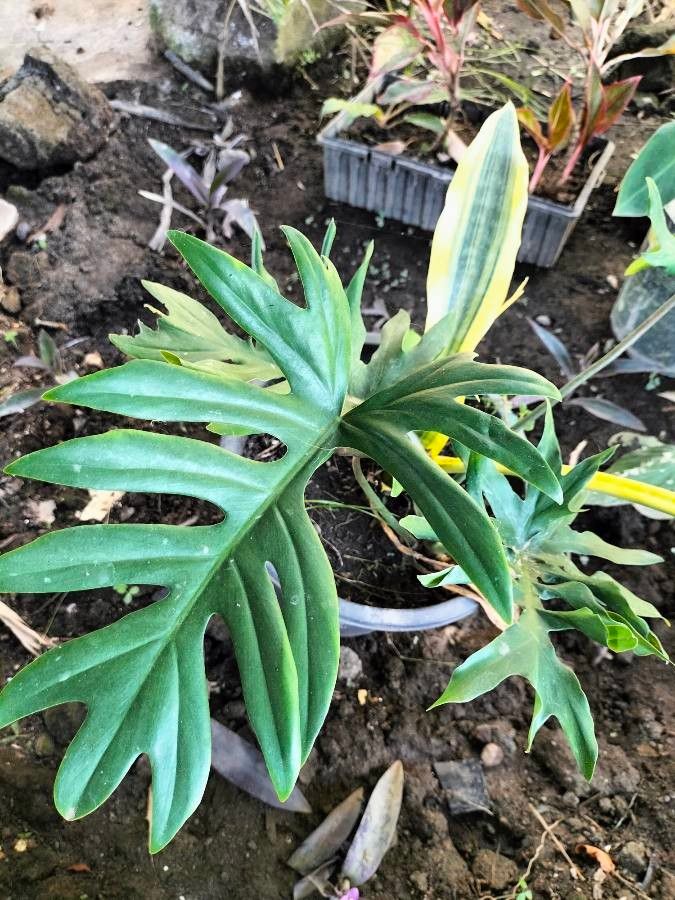
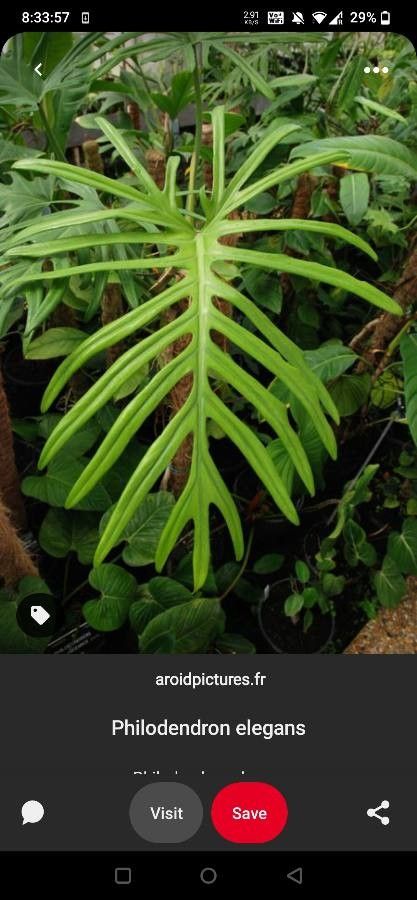
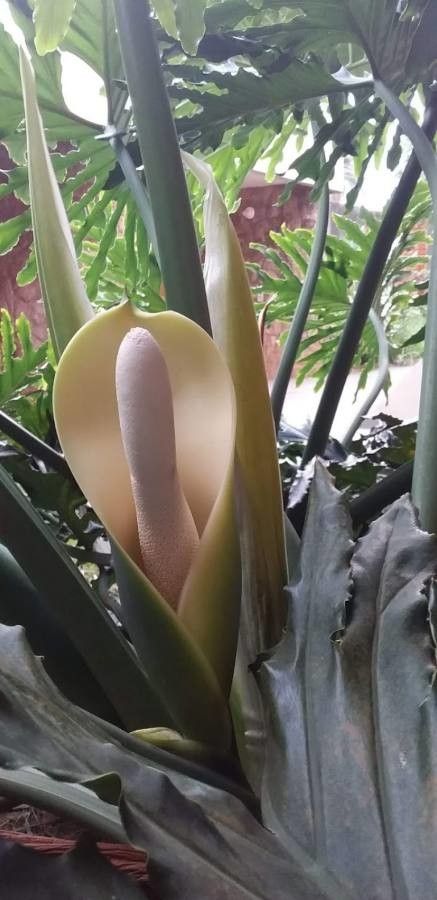
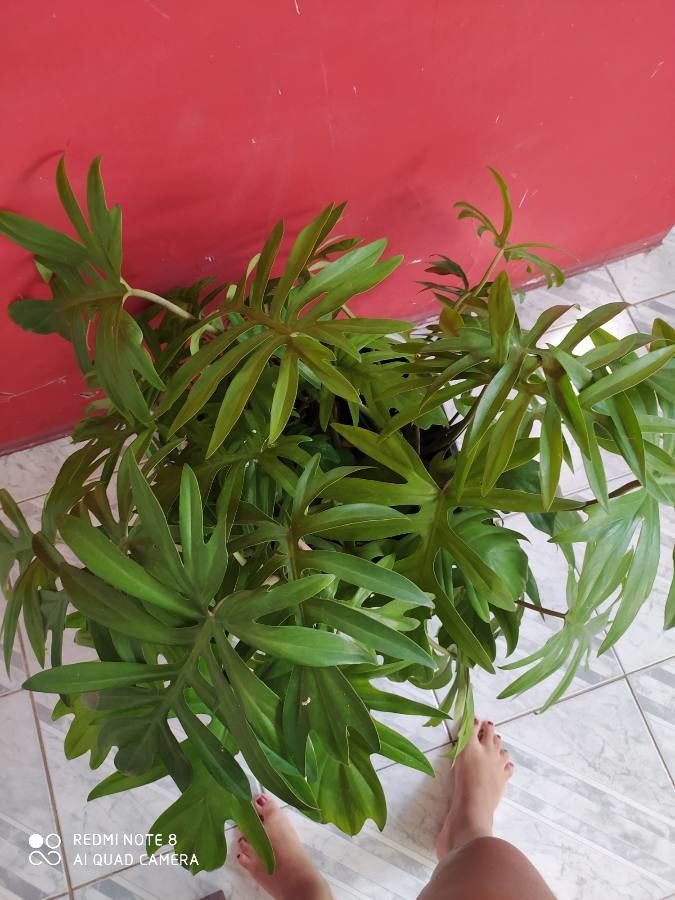
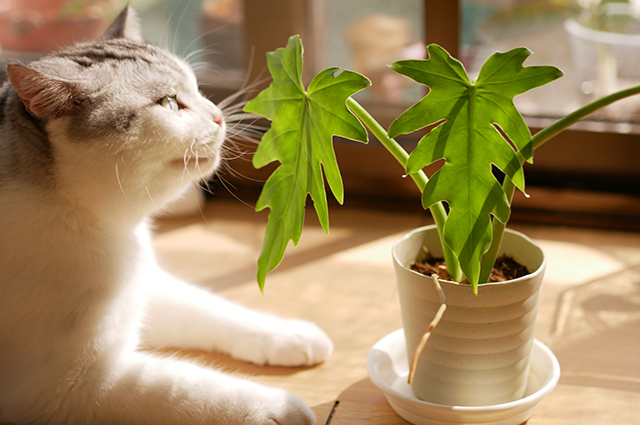
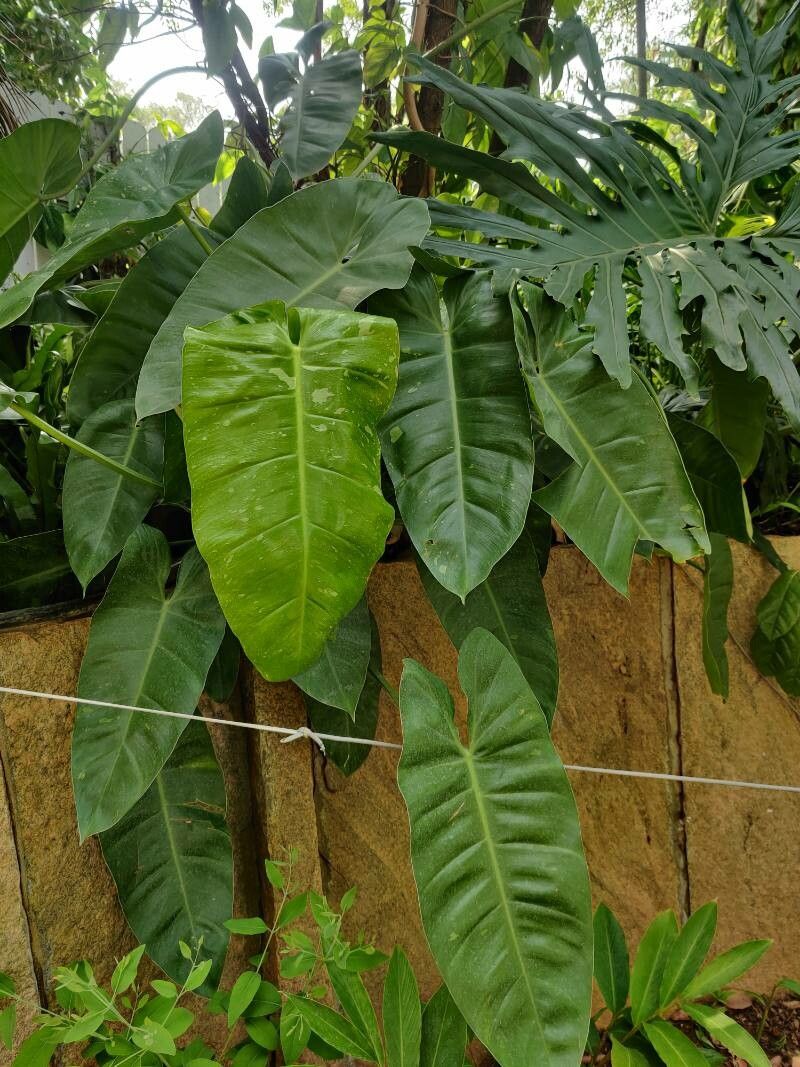
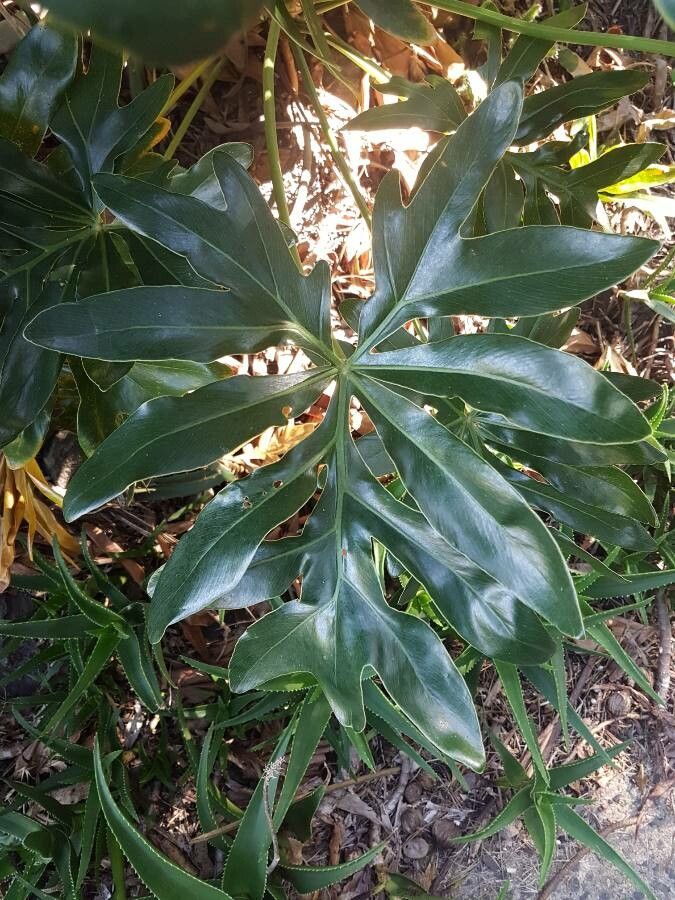
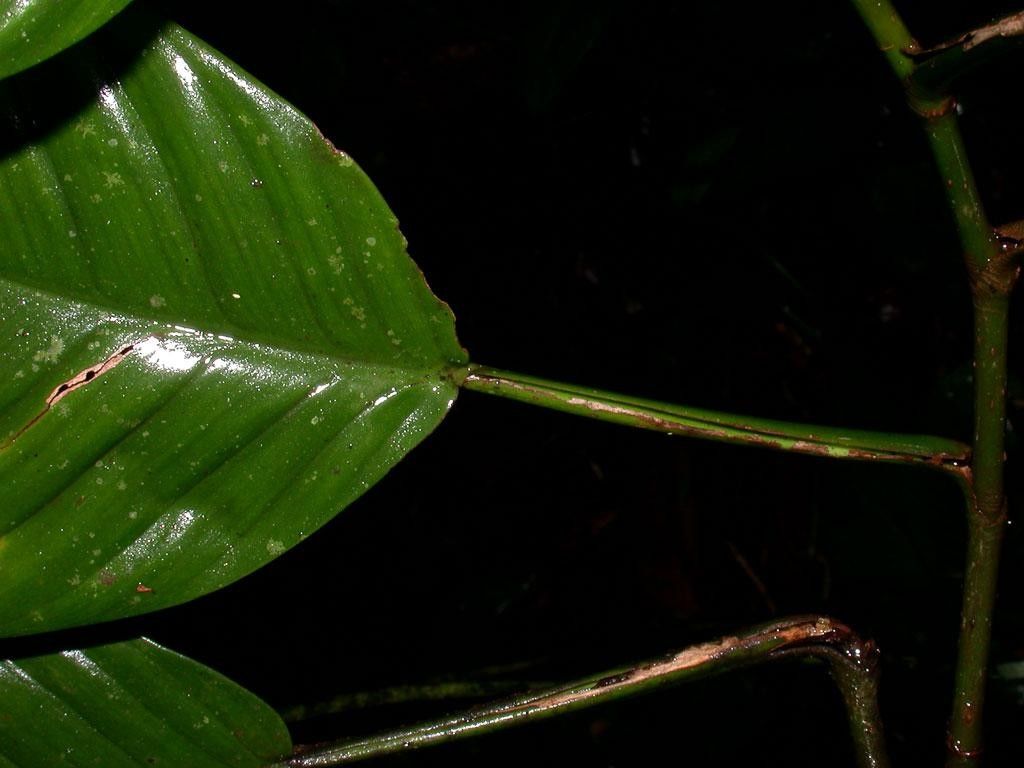
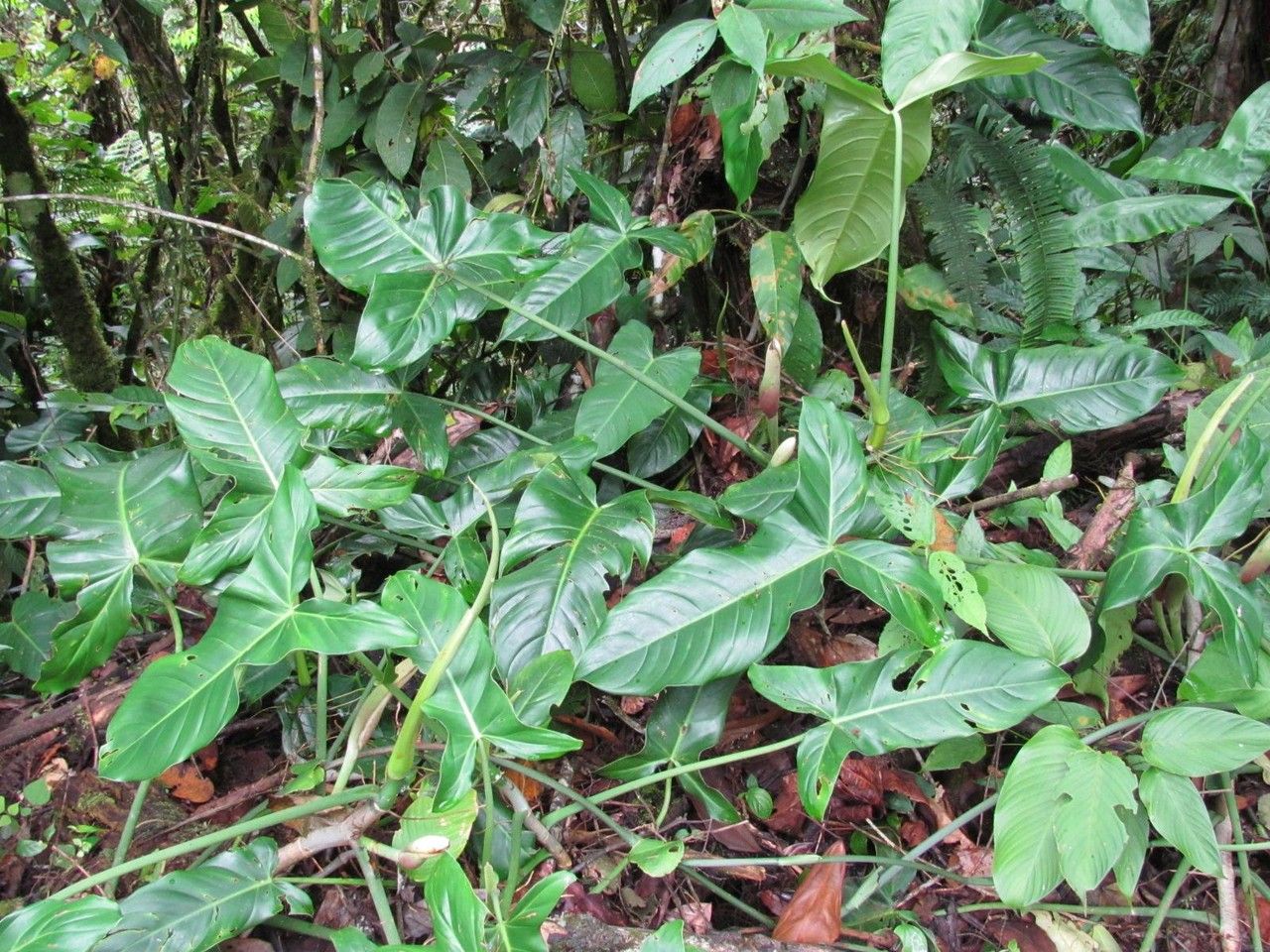
Philodendron Radiatum is renowned for its tropical-looking leaves. You can grow this beauty in your garden or on your patio using our plant care guide.
Split Leaf Climber is largely disease-resistant and is generally not prone to illnesses. However, it can develop leaf spots if light and ventilation are poor and if it is overwatered. The plant's care level is considered easy since it only needs regular watering and little other attention. Split Leaf Climber is suitable for people who do not have the time or energy to devote to regular care.
How to keep Philodendron Radiatum.
Light
The Split Leaf Climber is native to habitats like forest understories and rocky areas, where it receives natural shade. It prefers partial sun but can tolerate full sun or full shade, demonstrating its versatile, hardy nature.
Water
Native to tropical rainforests, the Philodendron radiatum thrives in environments with high humidity and consistent moisture, although it can tolerate brief periods of drought. For optimal growth, water the plant weekly and ensure it has adequate drainage to replicate its natural, well-draining soil conditions. This is especially important when the plant is grown indoors, where it benefits from stable temperatures and indirect light.
Temperature
Split Leaf Climber comes from tropical areas, where the climate is generally warm and humid. Consequently, it is adapted to high heat and humidity. It does not tolerate sudden temperature changes and prefers a steady temperature, so avoiding indoor temperature fluctuations is important. It usually cannot endure cold conditions and needs warmer temperatures to grow. If the surrounding temperature falls too low, the plant may stop growing or even die.
Fertilizer
Appropriate fertilization is vital for the Split Leaf Climber's health and appearance. Fertilize the Split Leaf Climber in summer, repeating the application monthly throughout the season. Nutrients provide energy for growth and support the plant's parts. Fertilization improves the Split Leaf Climber's flower display, ensuring the best blooms.
Pruning
Philodendron radiatum is known for its lobed, glossy leaves and vigorous growth. To manage its size and shape while promoting new growth, it is best to prune in the early to late spring. Be sure to remove any dead or yellowing leaves, as well as leggy stems, by cutting back to a node. This encourages branching and improves the plant's overall health and appearance.
Pot & Repot
Repot the Split Leaf Climber in spring or summer once it’s warm enough, choosing a slightly larger pot with good drainage. After repotting, water thoroughly and place the plant in a bright spot with indirect light. Consider installing a moss pole for support as the plant grows.
Botanical profile.
- Plant Type
- Vine, Herb
- Life Cycle
- Perennial
- Genus
- Philodendron
- Family
- Araceae
- Hardiness Zone
- 10-12
- Mature Height
- 0.91 m to 2.13 m
- Mature Spread
- 0.61 m to 1.22 m
- Leaf Color
- Dark Green, Forest Green
- Leaf Type
- Evergreen
- Flower Size
- 15.24 cm to 20.32 cm
- Bloom Time
- All year round
- Planting Time
- Spring, Autumn
- Harvest Time
- All year round
- Native Area
- Colombia, Belize, Honduras, Mexico, Guatemala, Nicaragua, Costa Rica, Panama
Other names.
Reader questions.
What are the sunlight requirements for Philodendron radiatum?
Philodendron radiatum requires about 3-6 hours of sunlight and can also benefit from indirect sunlight all day. It's important to observe how sunlight moves through your garden to place these plants in locations where they can receive the perfect balance of light and shade. This balance is crucial for the happiness and health of your Philodendron radiatum.