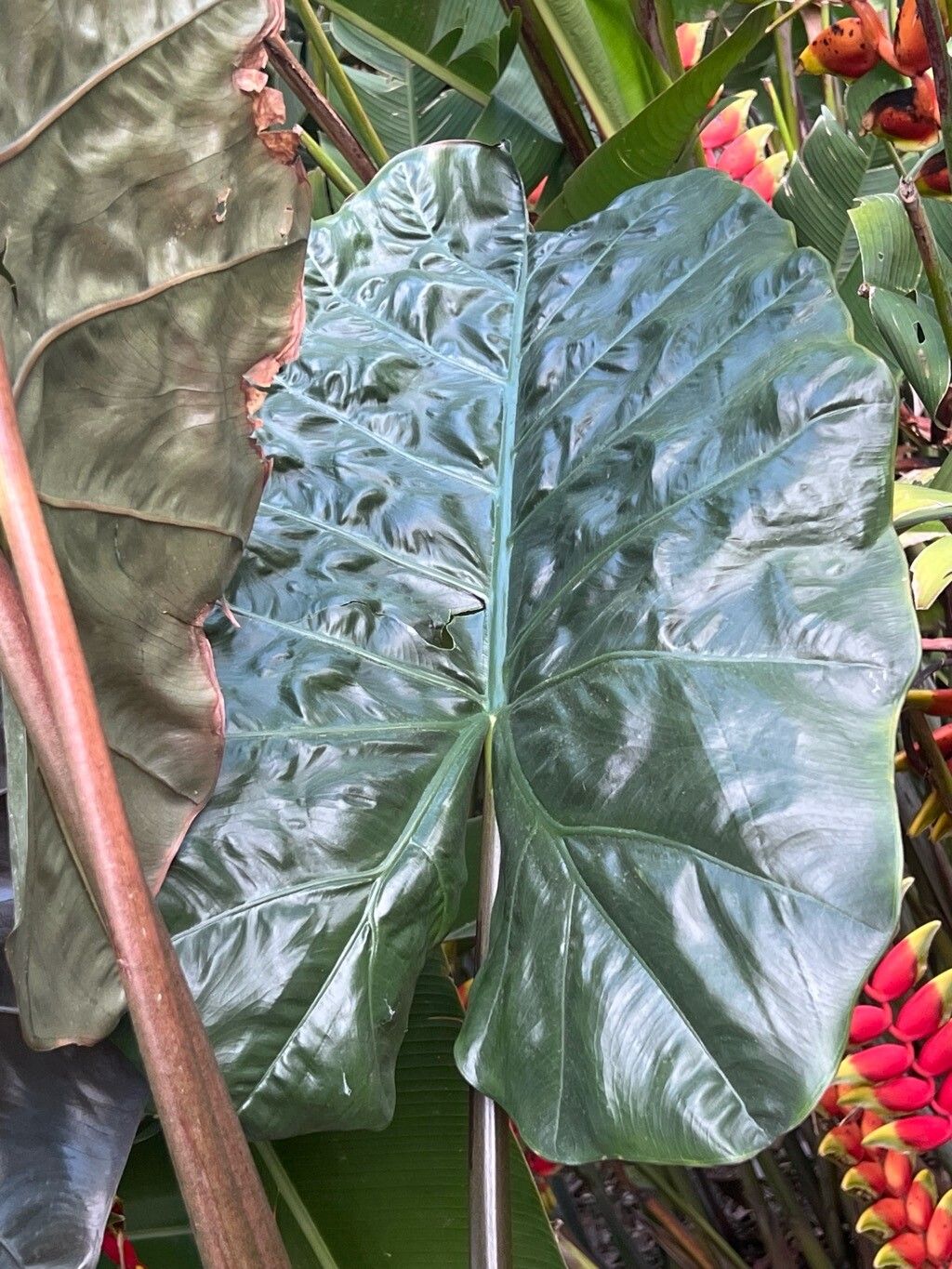
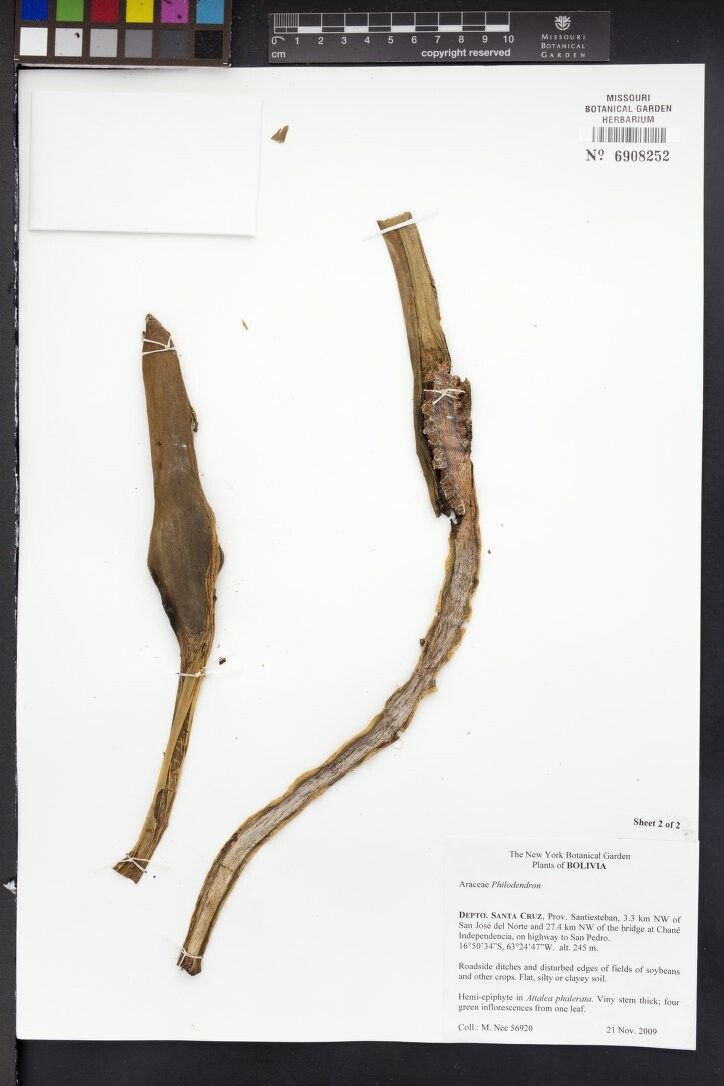
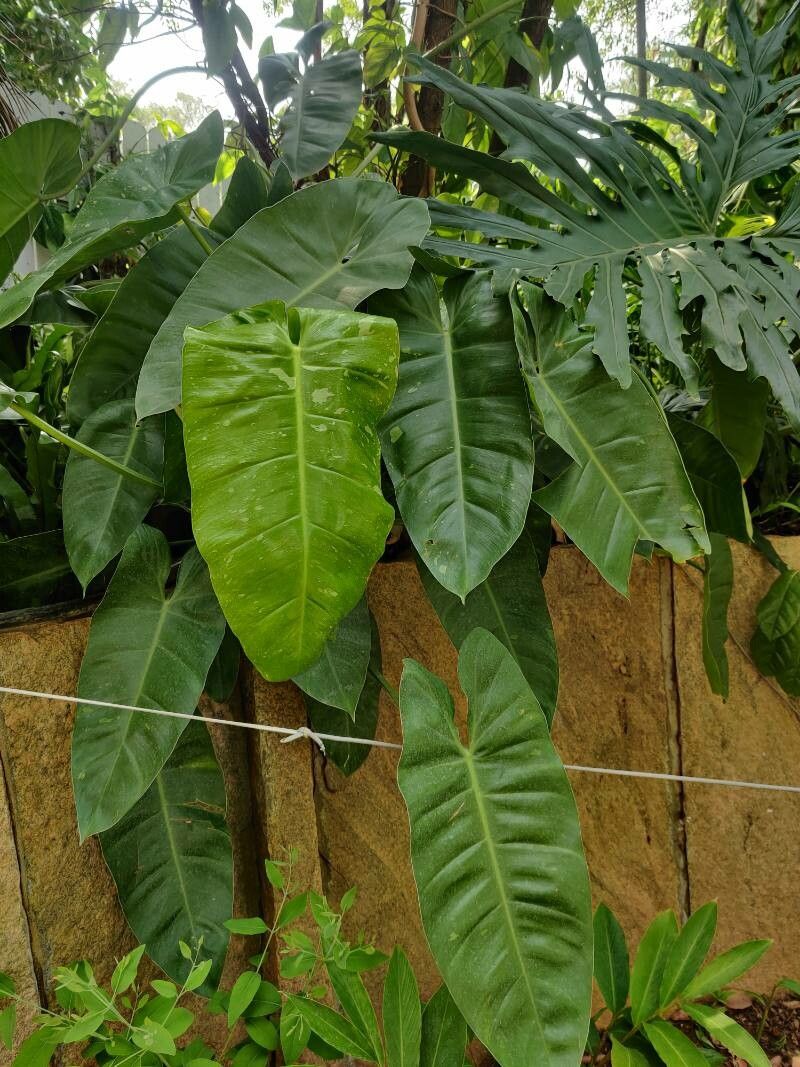
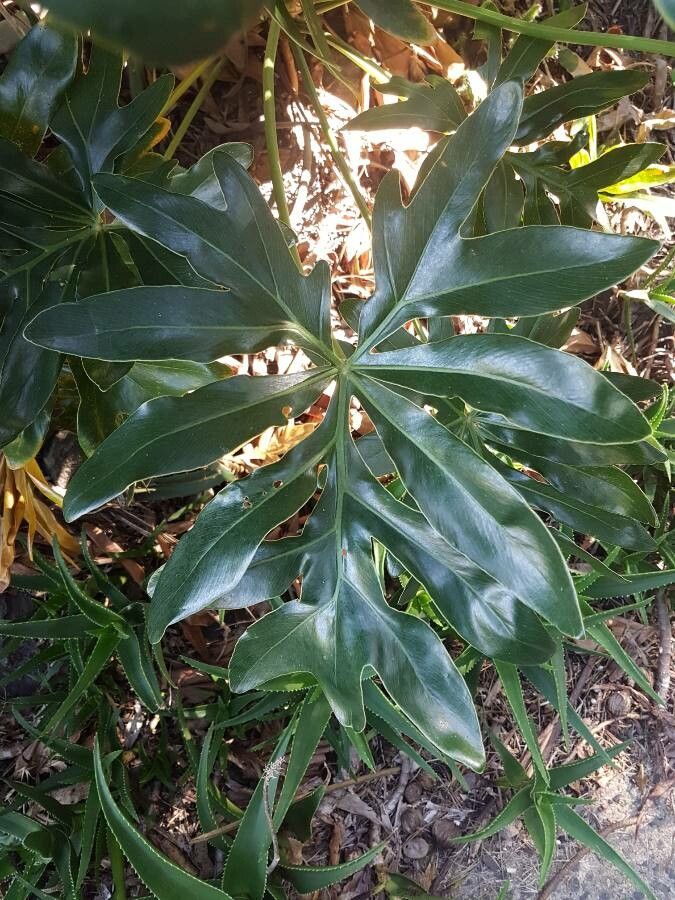
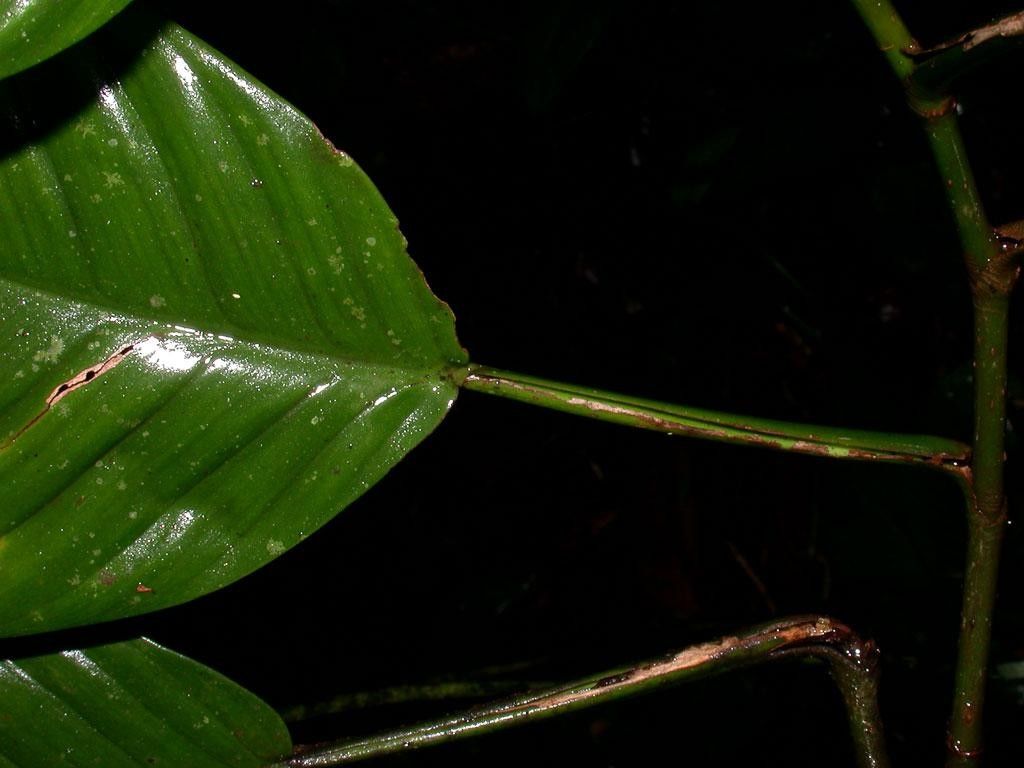
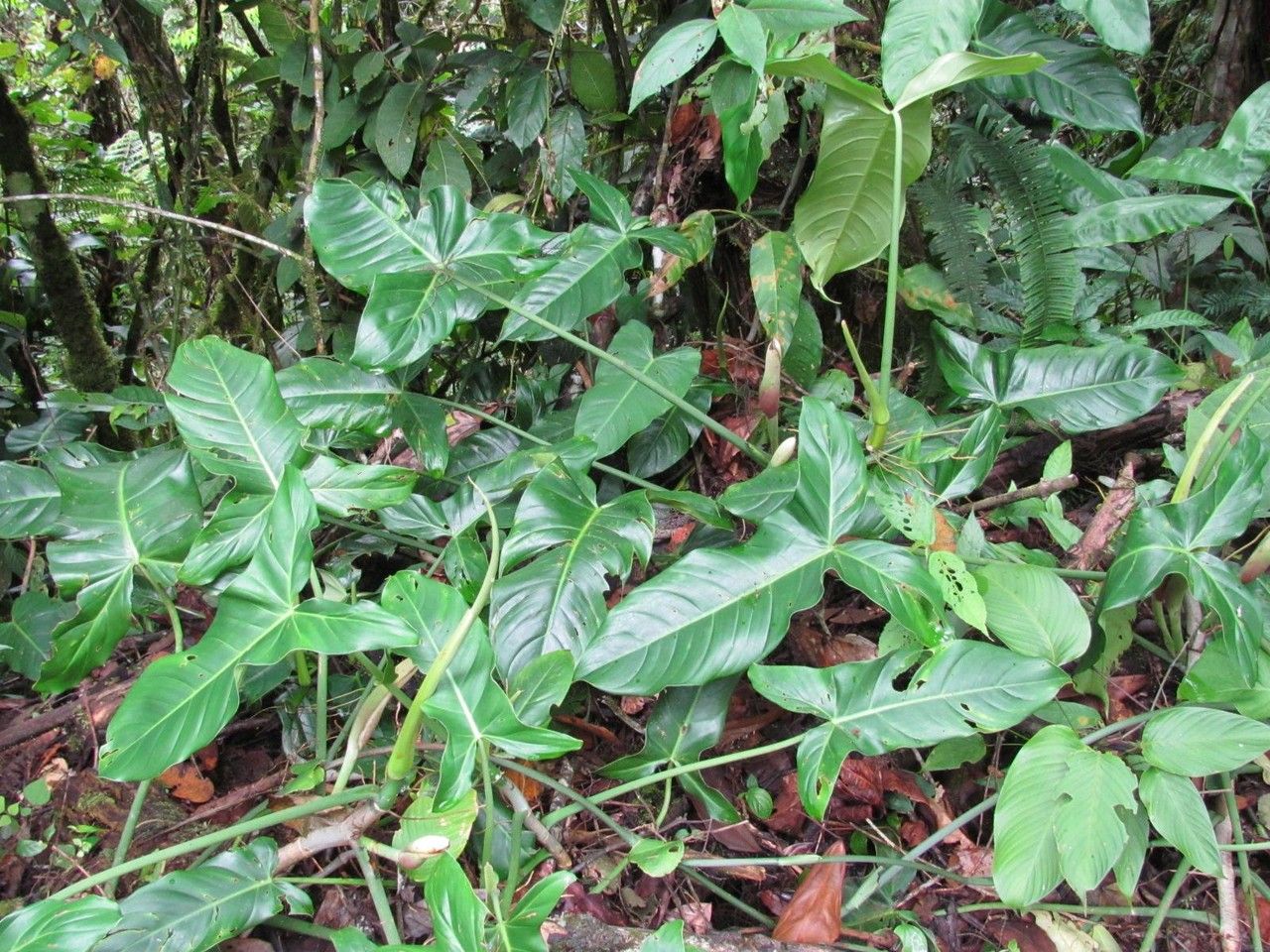
Philodendron maximum is a species of flowering plant in the family Araceae. It is native to Bolivia, Ecuador, and western Brazil in the States of Acre and Mato Grosso.
Philodendron maximum is generally disease-resistant and is usually not prone to illness. However, it can be vulnerable to leaf spots if light and ventilation are poor and if watering is excessive. Its care level is considered easy, since it only needs regular watering and little other attention. Philodendron maximum is suitable for those who lack some time and energy to devote to regular care.
How to keep Philodendron Maximum.
Light
The natural habitat of Philodendron maximum includes forest understories and rocky terrains, where it typically resides under natural shade. It favours partially sunny conditions, however, it can suitably adjust to either complete sun exposure or total shade, which is indicative of its flexible and robust character.
Temperature
Philodendron maximum is a plant native to tropical areas, characterized by a warm and moist climate. Hence, it is suited to high levels of heat and humidity. It does not favor abrupt variations in temperature and enjoys a consistent thermal environment, so keeping a consistent temperature indoors is crucial. This plant generally doesn't survive well in cold conditions and demands a hotter environment to flourish. Should the surrounding temperature fall too drastically, the plant might stop growing or even perish.
Fertilizer
The Philodendron maximum will need the greatest amount of fertilizer during its main growth period, typically in the spring, summer, and beginning of fall. It's key to fertilize in order to supply crucial nutrients that might not be present in the soil, fostering healthy growth of roots and stems. Moreover, it also encourages the production of pleasing foliage, a distinctive characteristic of this specific plant.
Pot & Repot
Reposition the Philodendron maximum during the warm seasons of spring or summer, choosing a marginally bigger container that promotes excellent water drainage. Ensure that the plant is well-watered after the repotting process, and place it in an area with bright, indirect sunlight. As the plant develops, you may want to include a moss pole for reinforcement.
Botanical profile.
- Plant Type
- Herb, Vine
- Life Cycle
- Perennial
- Hardiness Zone
- 10-12
- Mature Height
- 2.13 m to 3.05 m
- Mature Spread
- 1.52 m to 2.13 m
- Leaf Color
- Dark Green, Forest Green
- Leaf Type
- Evergreen
- Flower Size
- 15.24 cm to 20.32 cm
- Bloom Time
- Summer, Early fall
- Planting Time
- Spring, Summer, Autumn
- Harvest Time
- Late summer, Fall
- Native Area
- Brazil, Bolivia, Ecuador