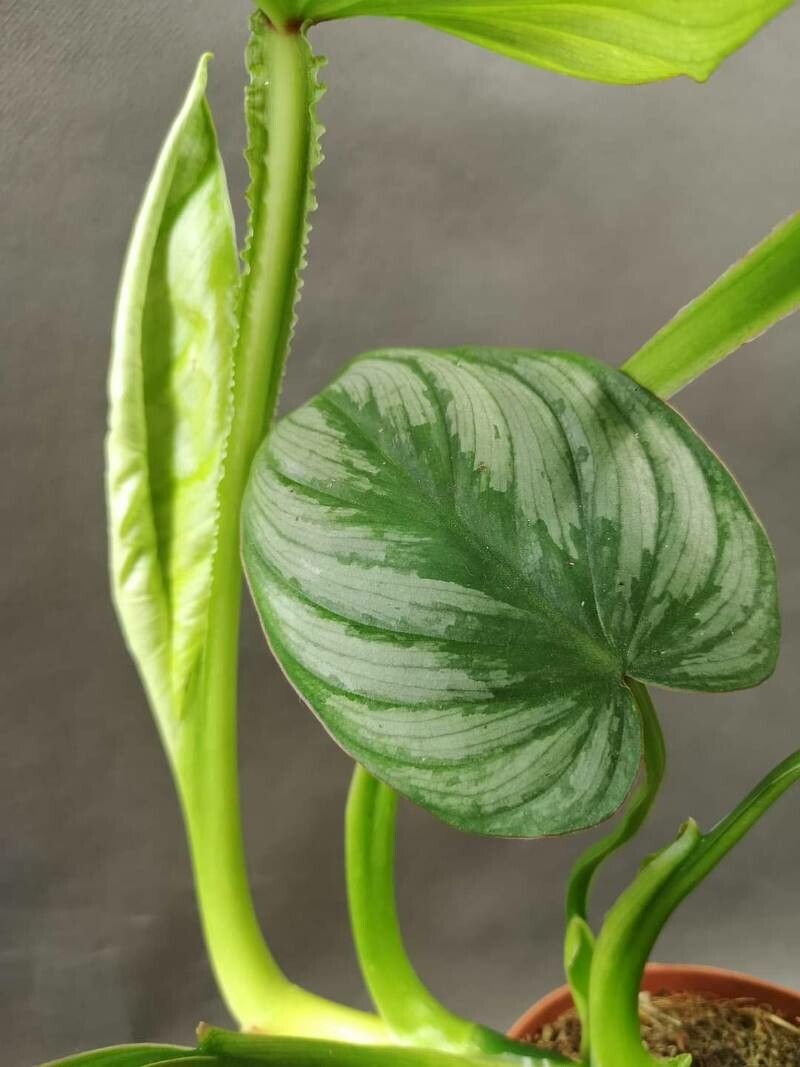
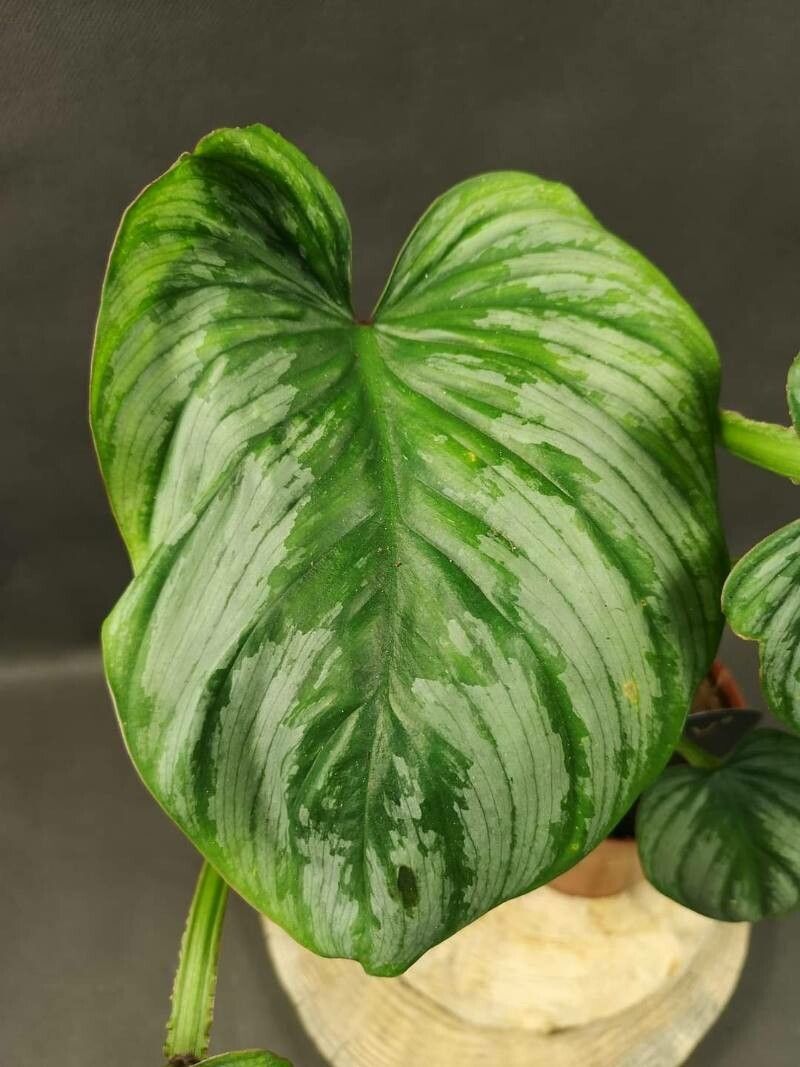
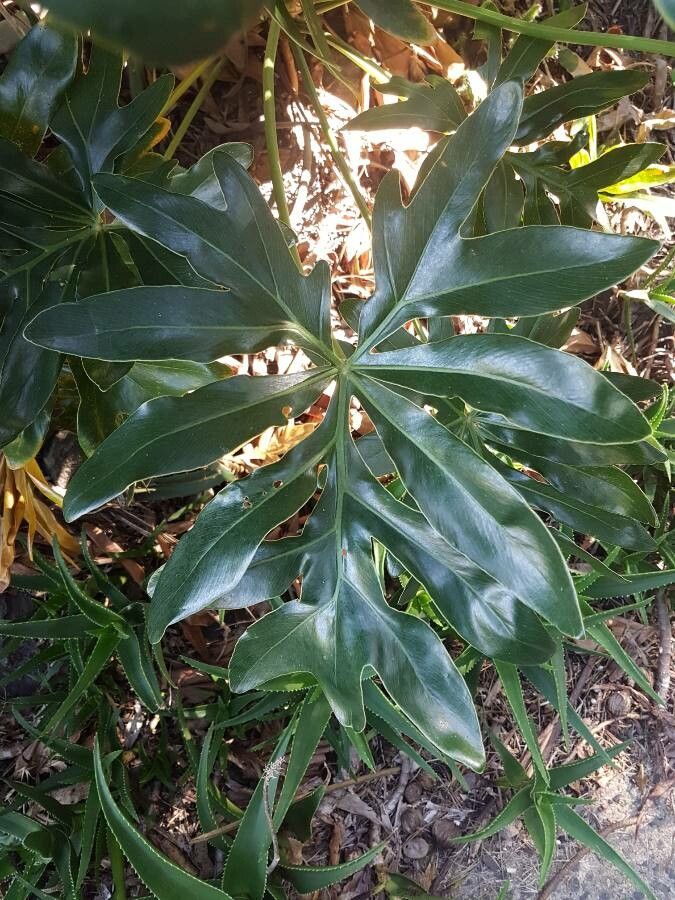
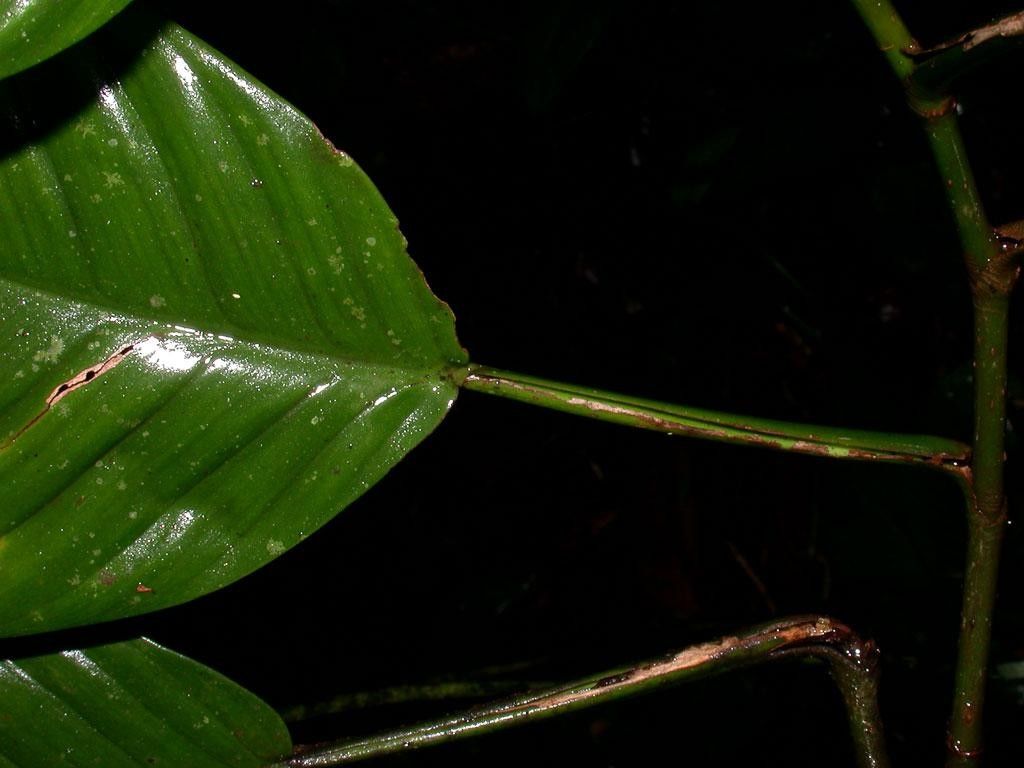
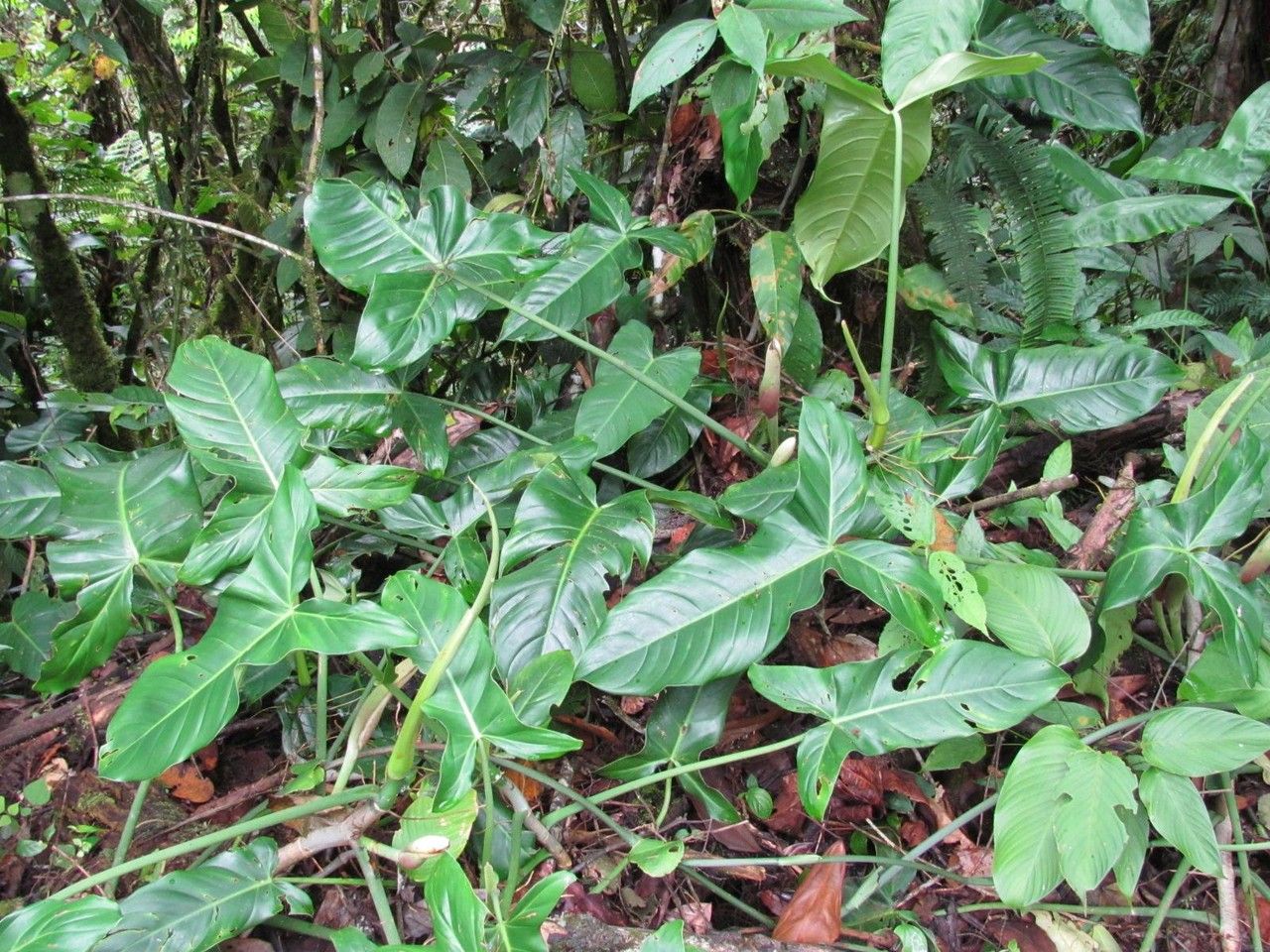
Philodendron mamei is a species of plant in the genus Philodendron native to Ecuador. First collected by Europeans in 1882, it has long been cultivated as a houseplant. P. mamei is a terrestrial species with a creeping growth habit and prostrate stems, and it is noted for its matte dark green leaves with gray-green spots and cordate shape. Its native range is limited to the eastern Andes of Ecuador from 731–1,830 meters (2,398–6,004 ft) in elevation. It has also been introduced as an invasive species to the Cook Islands and Society Islands.
Blotched philodendron is generally disease-resistant and is rarely affected by illnesses. However, it can be prone to leaf spots if light and ventilation are poor and if watering is excessive. Its care level is regarded as easy, since it mainly needs regular watering and little else. Blotched philodendron is suitable for people who lack the time and energy to commit to routine care.
How to keep Philodendron Mamei.
Light
Blotched philodendron is native to habitats like forest understories and rocky areas, where it grows in natural shade. It prefers partial sunlight but can adapt to full sun or full shade, showing its versatile and hardy nature.
Water
The blotched philodendron thrives in a moist environment and should be watered thoroughly three times a week, preferably in the morning. To increase humidity, mist the plant regularly. Use rainwater or distilled water, as tap water should be avoided. Additionally, gently wipe the leaves to prevent sunburn and reduce the risk of germ growth.
Temperature
Blotched philodendron comes from tropical areas, where the climate is typically warm and humid. As a result, it is adapted to high temperatures and humidity. It is sensitive to sudden temperature shifts and prefers a stable thermal environment, so it's important to avoid temperature fluctuations indoors. It generally cannot tolerate cold and requires relatively high temperatures for growth. If the surrounding temperature falls too low, the plant may stop growing or even die.
Fertilizer
Proper fertilization is essential for the health and look of the Blotched philodendron. Feed the Blotched philodendron during the summer, applying fertilizer once a month throughout the season. Nutrients power growth and help preserve the plant’s parts. Fertilizing improves the Blotched philodendron’s flowering, helping it produce its best blooms.
Pruning
The blotched philodendron requires minimal pruning and naturally maintains its shape. During repotting, it is advisable to remove any withered or diseased leaves and dead or rotten roots. This helps prevent nutrient depletion and encourages the growth of new leaves and flowers.
Pot & Repot
Repot the blotched philodendron in spring or summer when it’s warm enough, choosing a slightly larger pot with good drainage. Water thoroughly after repotting and place it in bright, indirect light. Consider installing a moss pole for support as the plant grows.
Toxicity
Philodendron leaves and stems are high in calcium oxalate. This can be toxic to both people and animals when eaten.
Further reading →
The toxicity and danger assessments provided are for reference only. We do not assure their accuracy, so it's crucial not to depend on them. Seek professional advice when necessary for accurate guidance.
Botanical profile.
- Plant Type
- Vine, Herb
- Life Cycle
- Perennial
- Genus
- Philodendron
- Family
- Araceae
- Hardiness Zone
- 9-11
- Mature Height
- 91 cm
- Mature Spread
- 61 cm to 91 cm
- Leaf Color
- Green, White
- Leaf Type
- Evergreen
- Flower Color
- White
- Flower Size
- 10.16 cm to 15.24 cm
- Bloom Time
- All year round
- Planting Time
- Spring, Summer, Autumn
- Harvest Time
- All year round
- Native Area
- Ecuador
Other names.