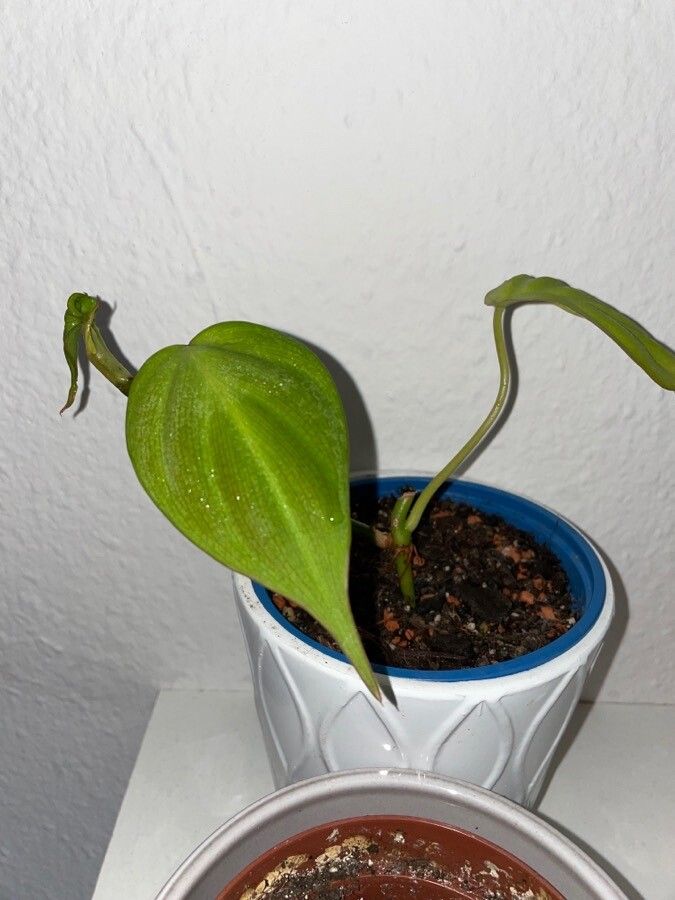
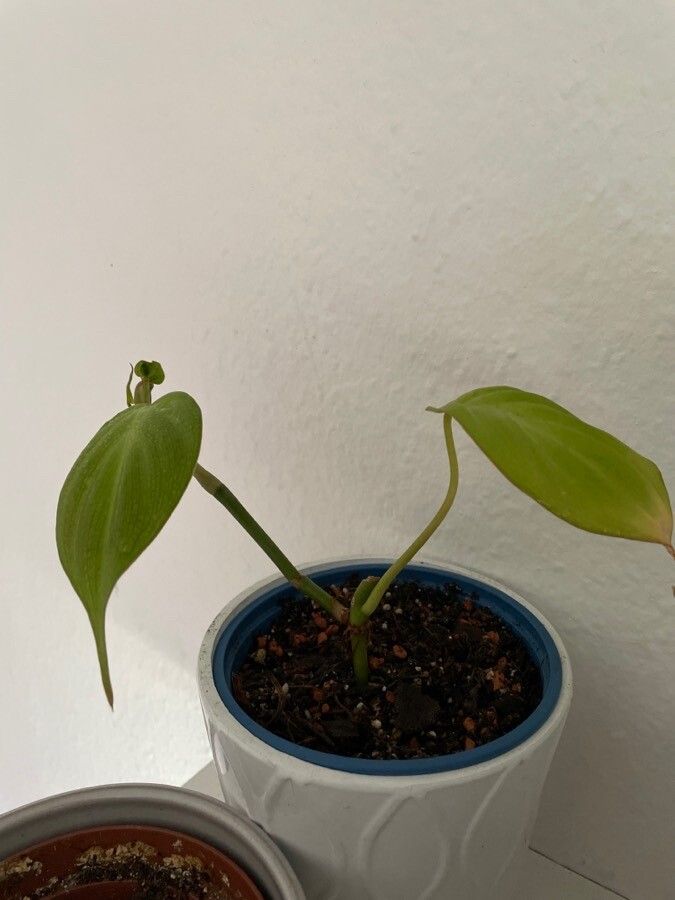
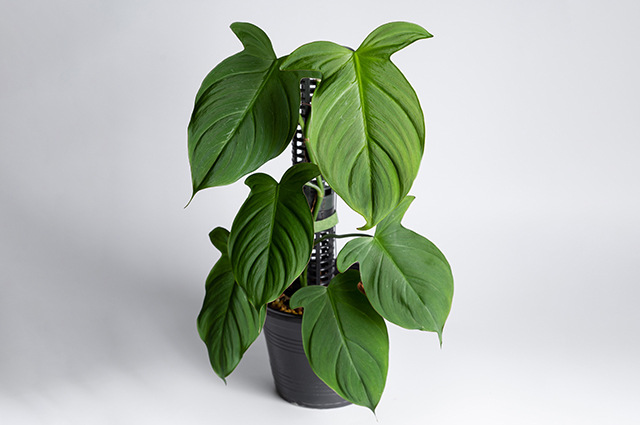
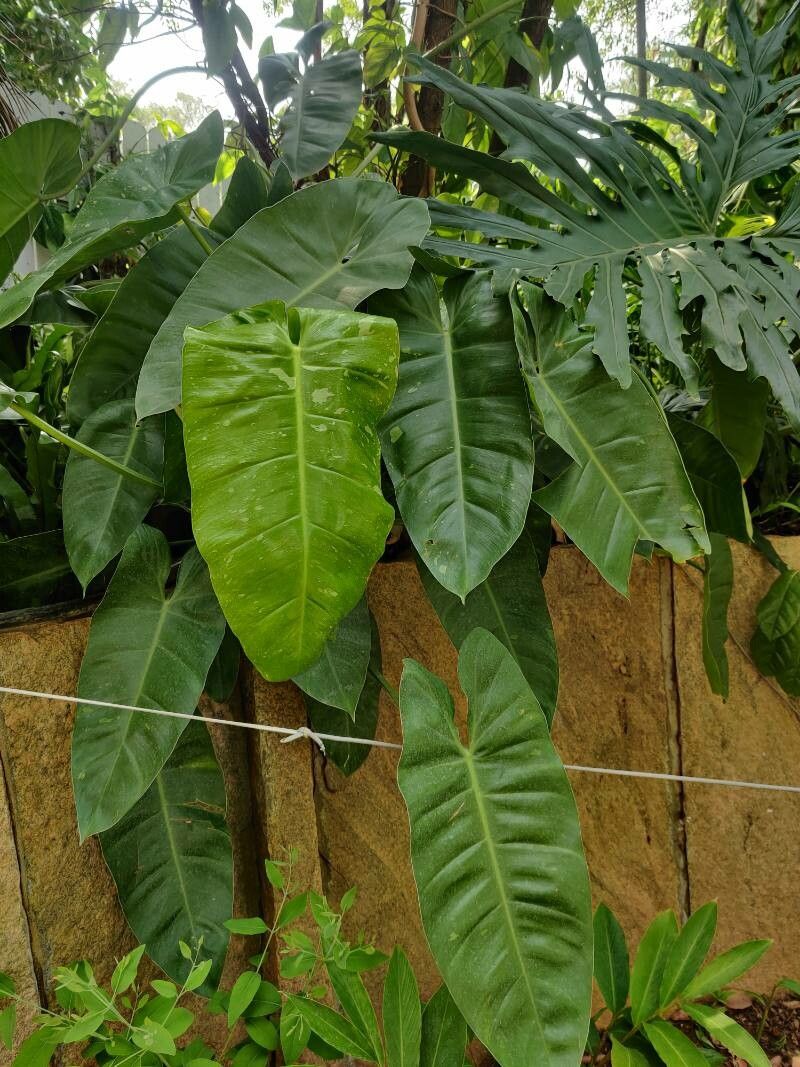
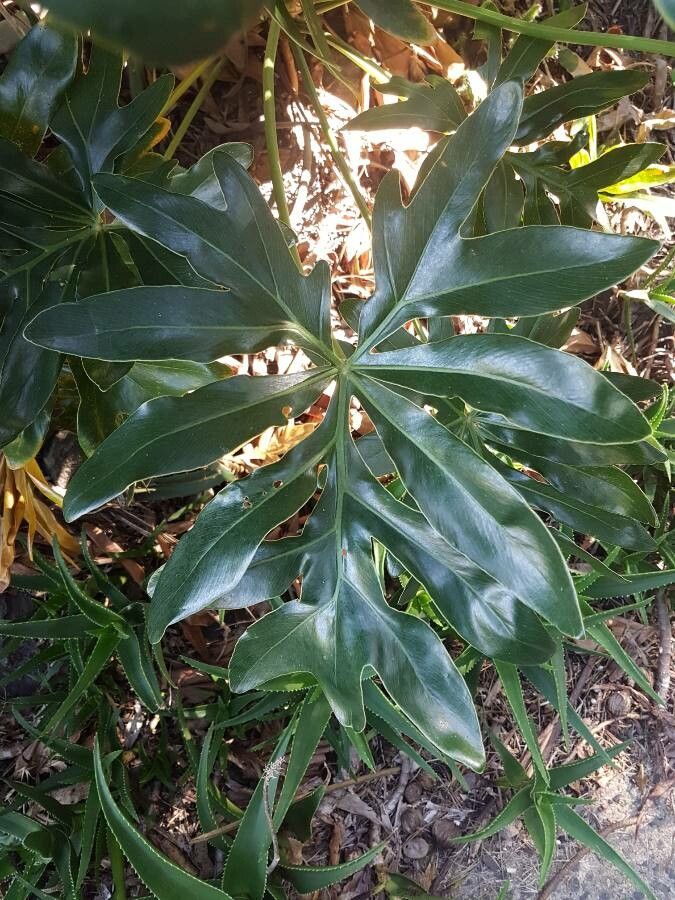
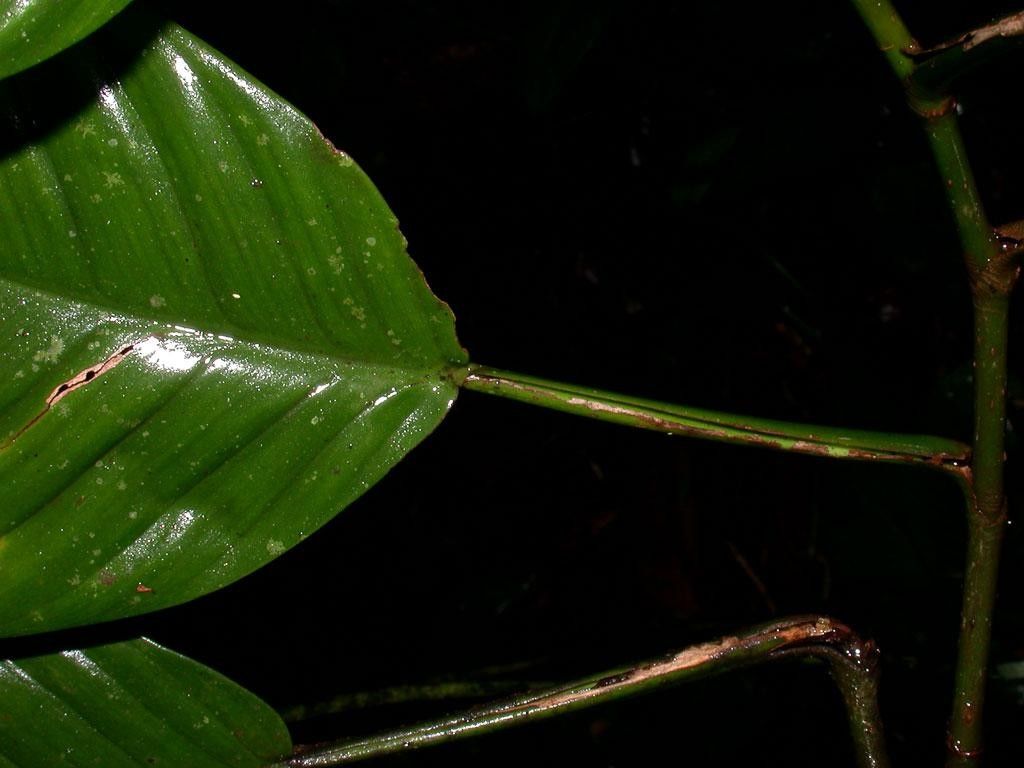
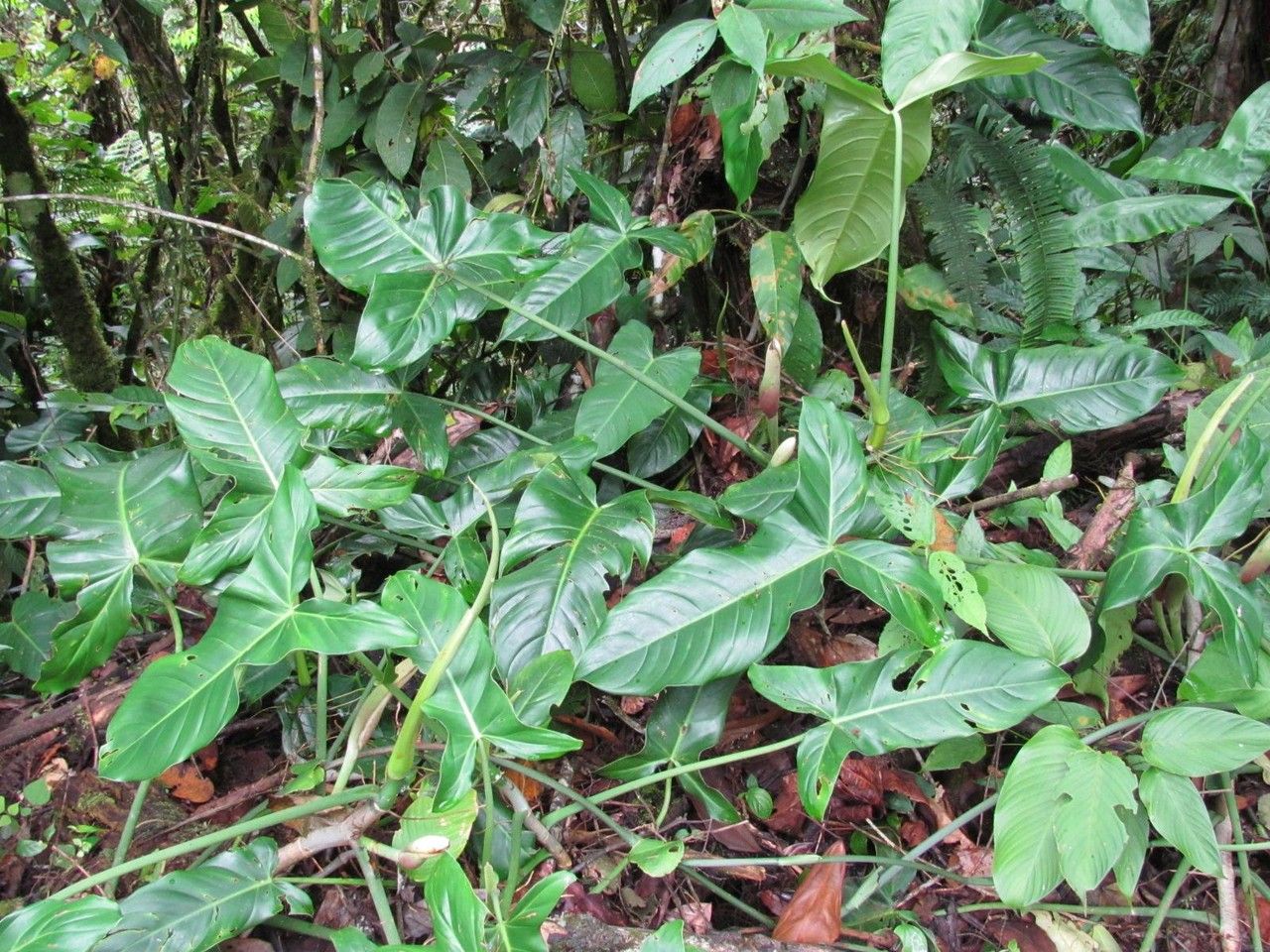
The perennial Philodendron camposportoanum, often known as Philodendron Campos, is well-known for its trilobed leaves. A rare member of the Araceae family, the small-growing Philodendron features unusually attractive leaves known as "hammer leaves'' that continuously change as the plant ages, both in terms of shape and color. A tropical plant called Philodendron Camposportoanum develops tiny, velvety dark leaves when it is young. As it grows, the leaves undergo a significant transformation, developing a heart-like shape with long, black lobes. As the plant gets older, it starts to resemble a philodendron with triangular leaves. This unusual plant can have two to three different leaves at once.
Philodendron campos is generally disease-resistant and is seldom vulnerable to illnesses. However, it can be prone to leaf spots if light and ventilation are poor and if it is overwatered. Its care level is considered easy, since it only needs regular watering. It doesn't require much attention beyond that. Philodendron campos is a good choice for people who lack the time and energy to devote to routine care.
How to keep Philodendron Camposportoanum.
Light
Philodendron campos is indigenous to habitats like forest understories and rocky areas, where it grows under natural shade. It prefers partial sun but can tolerate full sun or complete shade, illustrating its versatility and hardiness.
Temperature
Philodendron campos comes from tropical areas, where the climate is usually warm and humid. Consequently, it is well suited to high temperatures and humidity. It does not tolerate sudden temperature shifts and prefers a steady thermal environment, so avoiding indoor temperature fluctuations is important. It typically cannot withstand cold and needs warmer conditions to grow. If the temperature falls too low, the plant may stop growing or even die.
Fertilizer
Proper fertilization is essential for the health and appearance of Philodendron campos. Fertilize Philodendron campos in summer, repeating the application monthly throughout the season. Nutrients supply the fuel for growth and the maintenance of the plant’s parts. Fertilization boosts Philodendron campos’s floral display, helping it achieve its best blooms.
Pruning
Philodendrons are typically clipped to get rid of their long, lanky stems and drooping, lifeless leaves. The Philodendron becomes bushier by cutting off long, lanky stems. In order to treat the issue and ensure that your plant is healthy and happy, you can prune the plant to eliminate the affected area. In the spring or the fall, prune the plant. To cut the Philodendron, use sterilized, razor-sharp scissors.
Pot & Repot
Repot Philodendron campos in spring or summer once temperatures are warm, choosing a pot a bit larger that drains well. Water thoroughly after repotting and position the plant in bright, indirect light. Consider adding a moss pole to support it as it grows.
Toxicity
Crystals of calcium oxalate are also present in the sap of camposportoanum, just like those of other Philodendrons. When consumed, these crystals are poisonous to both people and animals. Humans can have issues such as swelling tongue and throat, trouble breathing, nausea, and vomiting. Pets exhibit similar symptoms, such as excessive salivation, fainting, and so on. Any part of the Philodendron camposportoanum should only be consumed with immediate professional assistance.
Further reading →
The toxicity and danger assessments provided are for reference only. We do not assure their accuracy, so it's crucial not to depend on them. Seek professional advice when necessary for accurate guidance.
Botanical profile.
- Plant Type
- Herb, Vine
- Life Cycle
- Perennial
- Genus
- Philodendron
- Family
- Araceae
- Hardiness Zone
- 11-12
- Mature Height
- 61 cm
- Mature Spread
- 49 cm
- Leaf Color
- Pink, Green
- Leaf Type
- Evergreen
- Flower Color
- White, Yellow
- Flower Size
- 5.08 cm to 7.62 cm
- Bloom Time
- All year round
- Planting Time
- Spring, Autumn
- Harvest Time
- Late spring, Summer, Fall, Winter, Early spring, Mid spring
- Native Area
- Colombia, Bolivia, Peru, Guyana, Brazil
Other names.