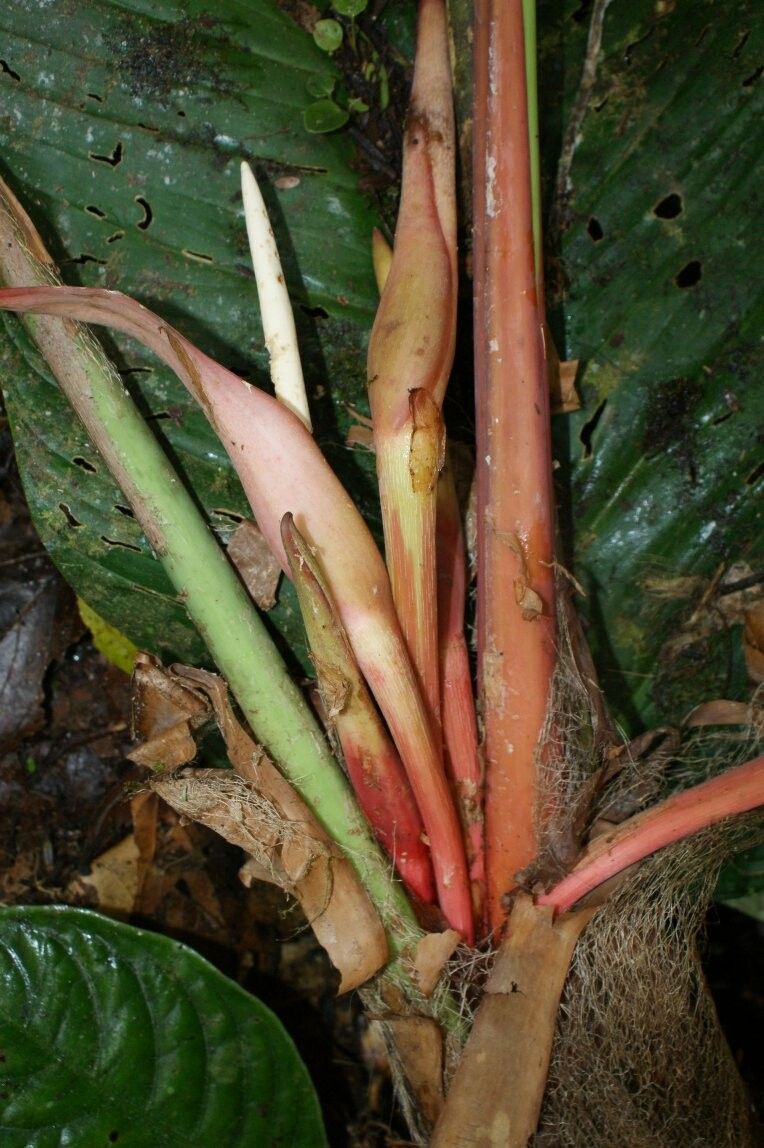
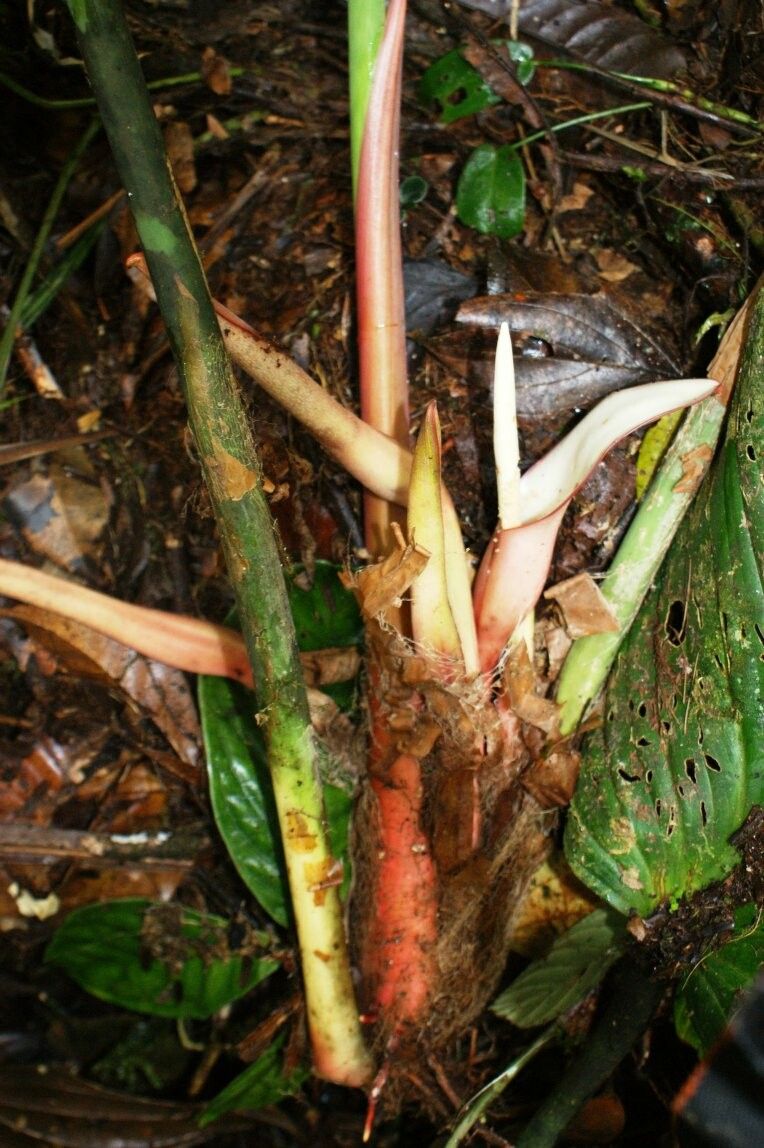
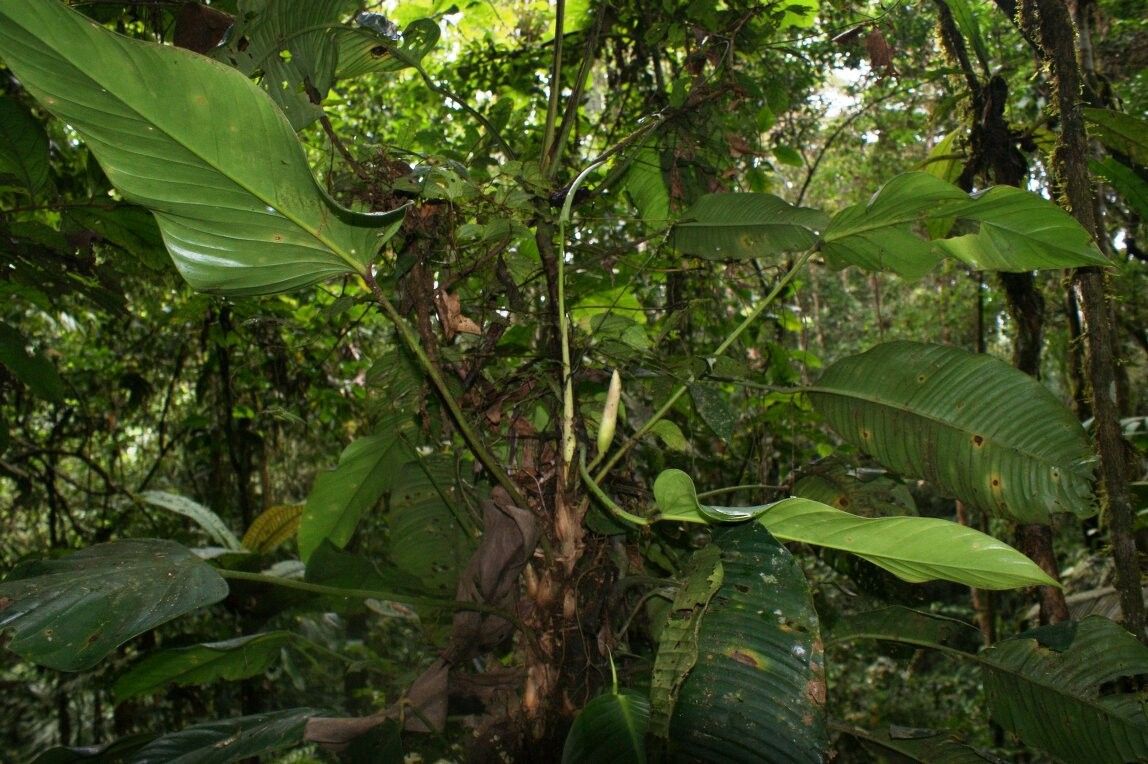
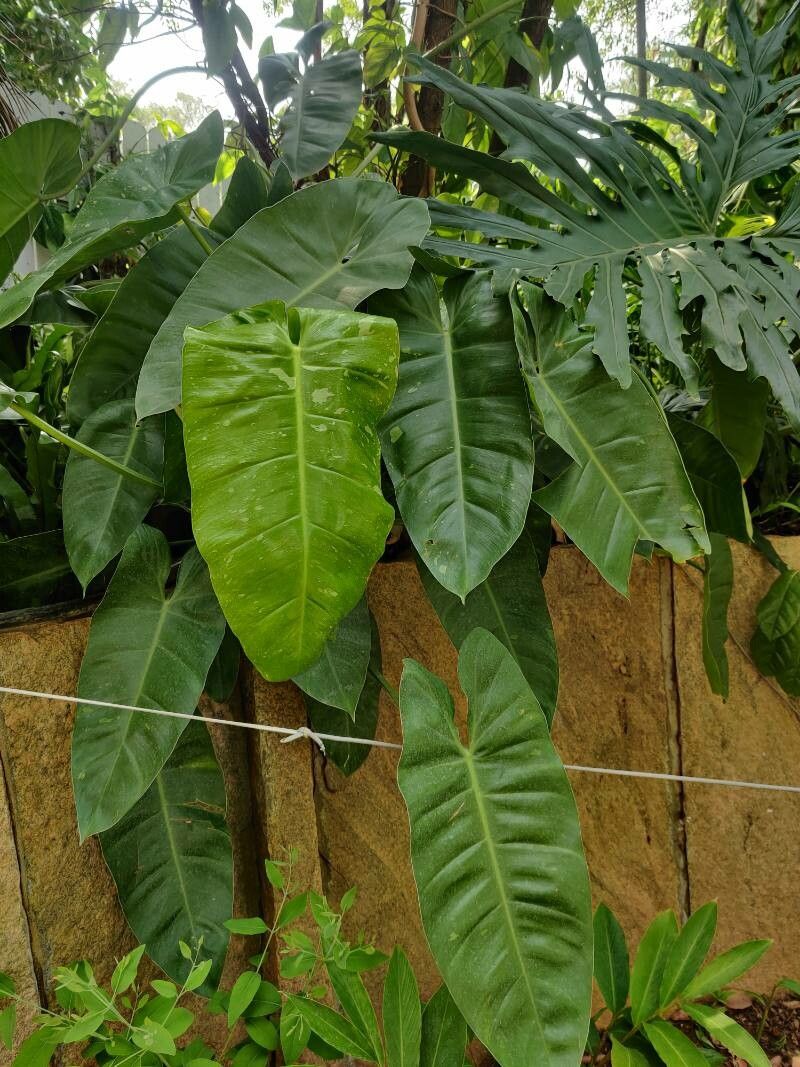
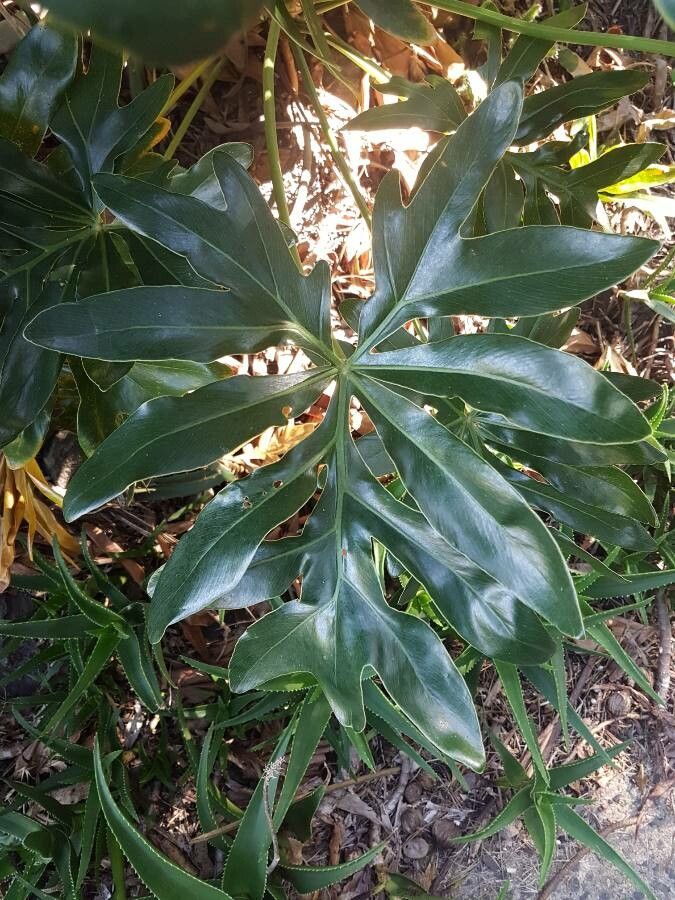
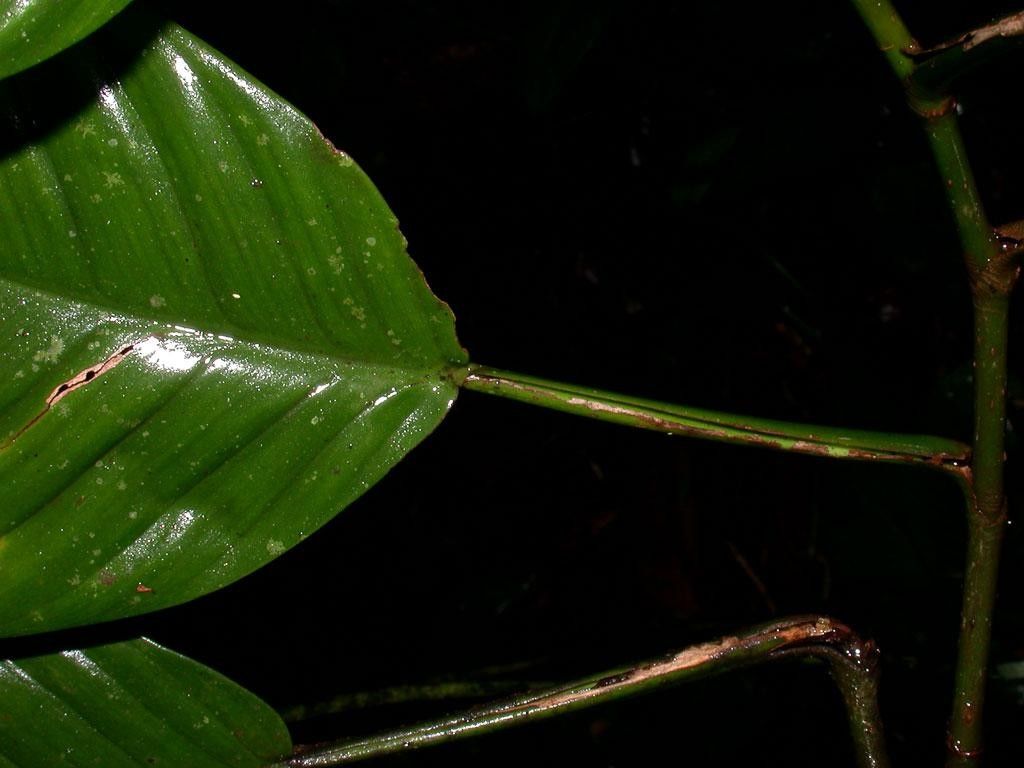
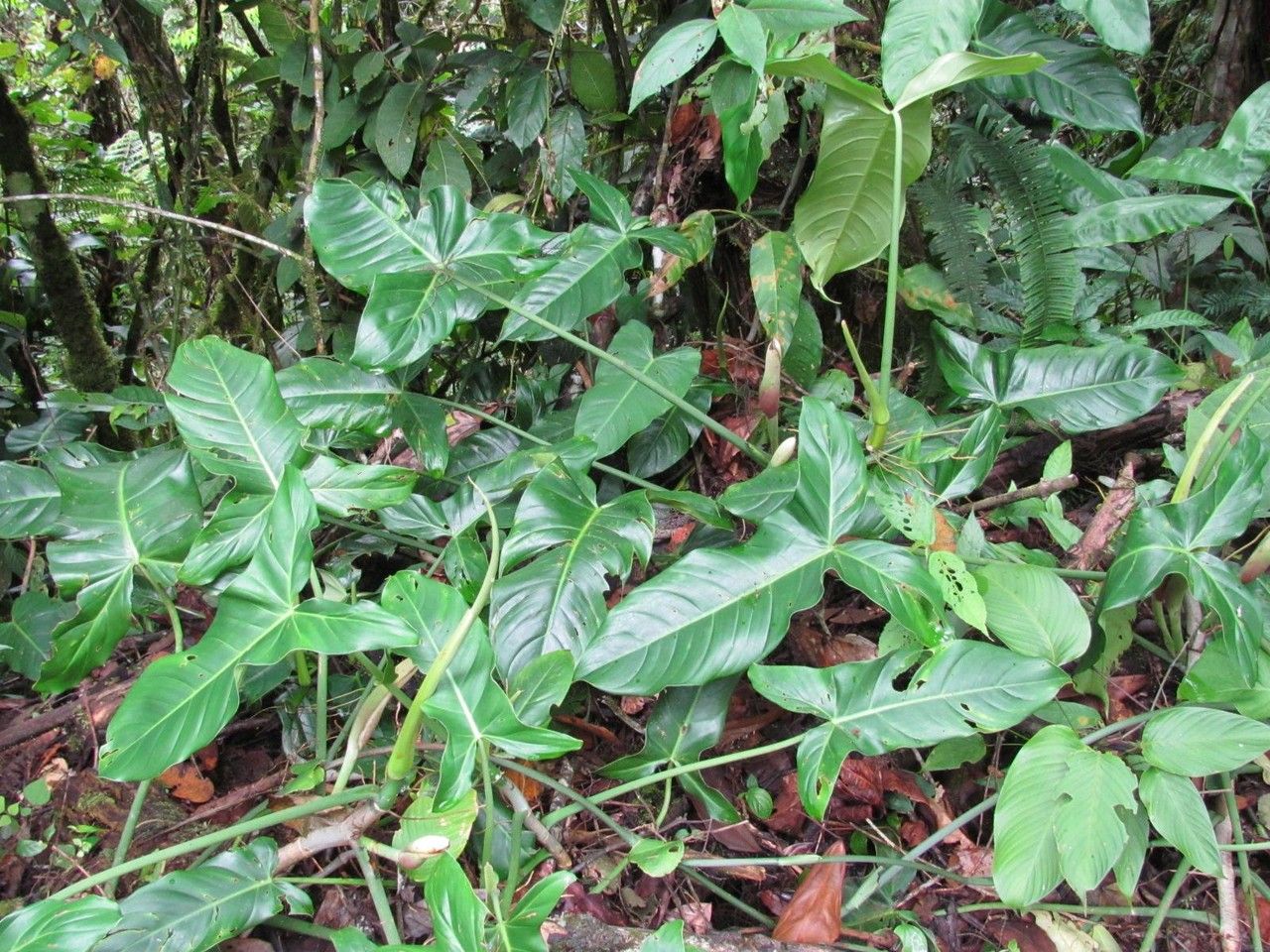
Philodendron asplundii is well resistant to disease and is generally not prone to illness. Still, it can be liable to leaf spots when light and air circulation are poor or when watering is excessive. Its care level is regarded as easy, since it only needs regular watering and little else. It is suitable for people who do not have the time and energy to dedicate to frequent care.
How to keep Philodendron Asplundii.
Light
The Philodendron asplundii naturally thrives in conditions like forest understories or rocky regions, where it is customary to experience shade. It primarily favors partial sun, although it has the ability to adapt to either full sun or complete shade, showcasing its adaptive and resilient characteristics.
Temperature
Philodendron asplundii is native to the tropics, in regions typically characterized by heat and humidity. It is therefore well-suited to climates that are warm and moist. Major changes in temperature are not favorable for this plant, and it prefers a consistent temperature setting. This is why it's crucial to prevent variable temperature conditions indoors. This plant usually does not fare well in cold climates and needs higher temperatures to thrive. If exposed to excessively low temperatures, the plant's growth may halt or it may even perish.
Fertilizer
The Philodendron asplundii necessitates the bulk of its fertilizer during its phase of active growth, which mainly takes place in the spring, summer, and early autumn months. Fertilizing is crucial to supply vital nutrients that the soil may not contain, fostering robust root and stem growth, and appealing leaves. This is a significant characteristic of this specific plant.
Pot & Repot
During the spring or summer season, when the weather is sufficiently warm, repot the Philodendron asplundii. Choose a pot that is marginally bigger and has excellent draining capabilities. After repotting, water the plant adequately, and position it in a location with bright but diffused light. As the plant increases in size, contemplate incorporating a moss pole for extra support.
Botanical profile.
- Plant Type
- Vine, Herb
- Life Cycle
- Perennial
- Hardiness Zone
- 10-12
- Mature Height
- 0.91 m to 2.13 m
- Mature Spread
- 61 cm to 91 cm
- Leaf Color
- Dark Green, Forest Green
- Leaf Type
- Evergreen
- Flower Size
- 10.16 cm to 15.24 cm
- Bloom Time
- All year round
- Planting Time
- Spring, Summer, Autumn
- Harvest Time
- All year round
- Native Area
- Colombia, Venezuela, Peru, Brazil, Ecuador