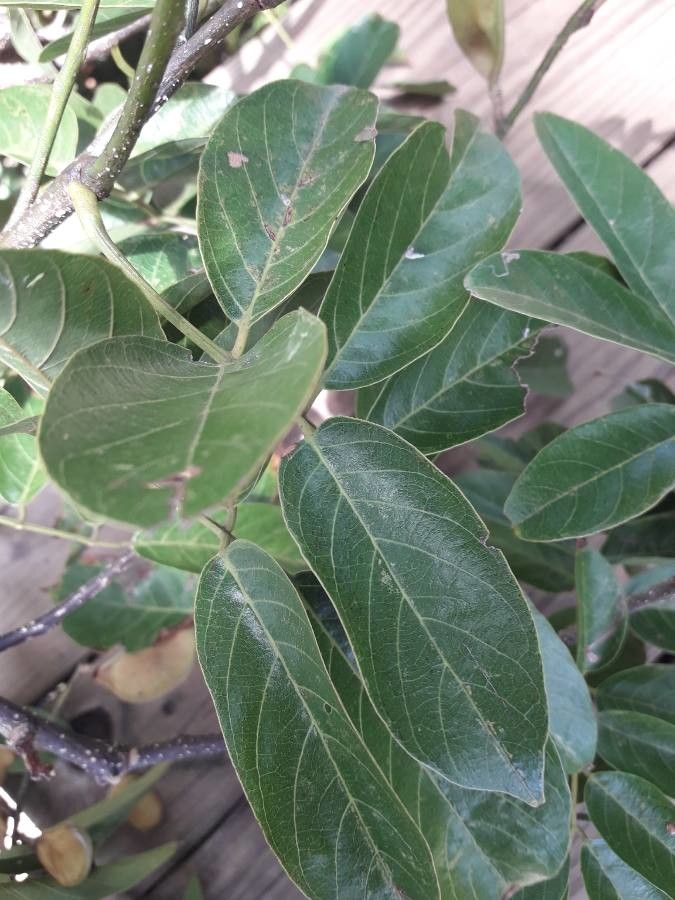
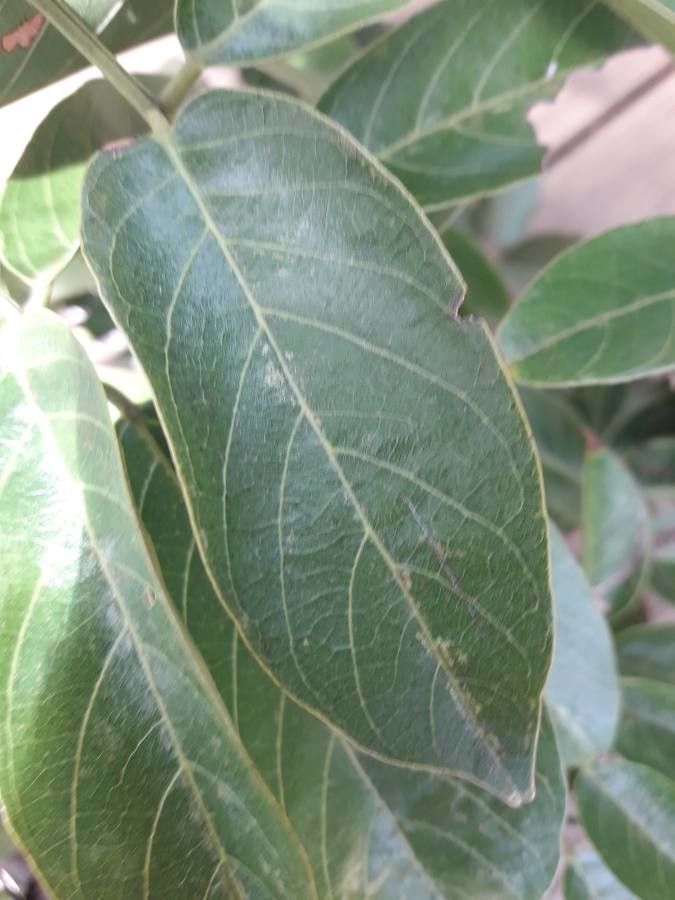
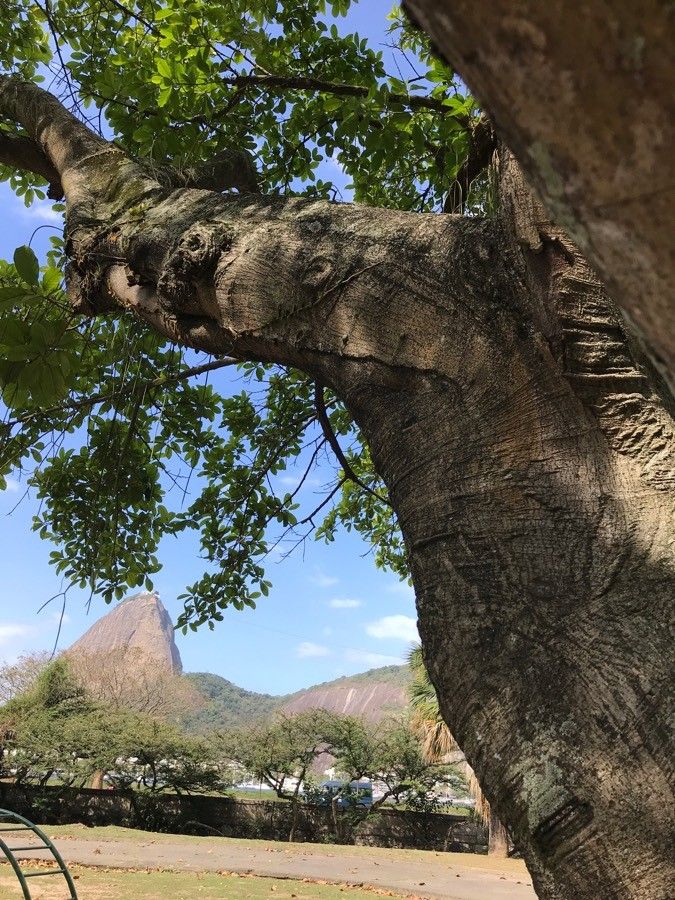
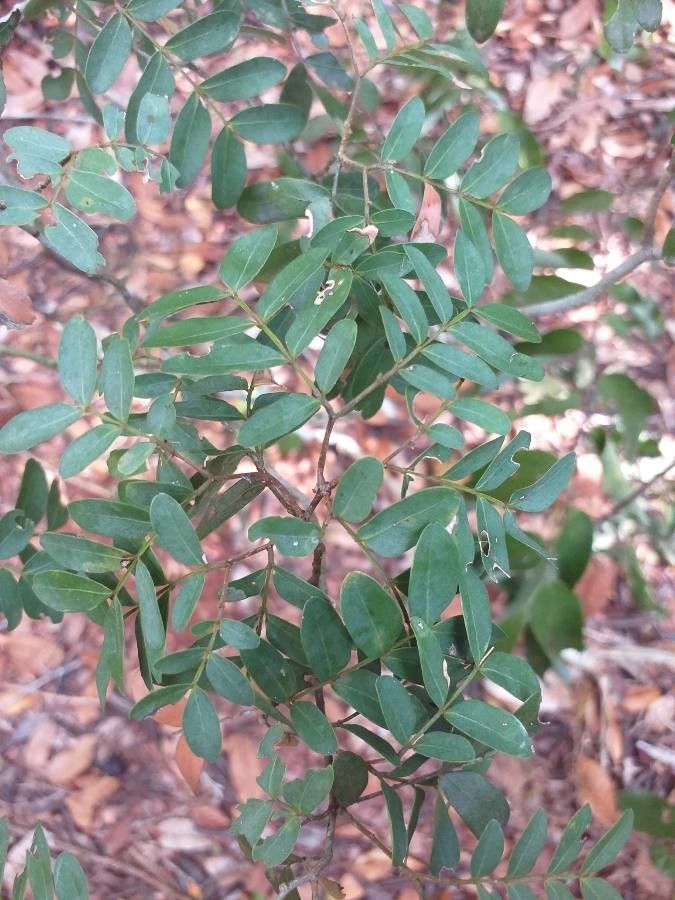
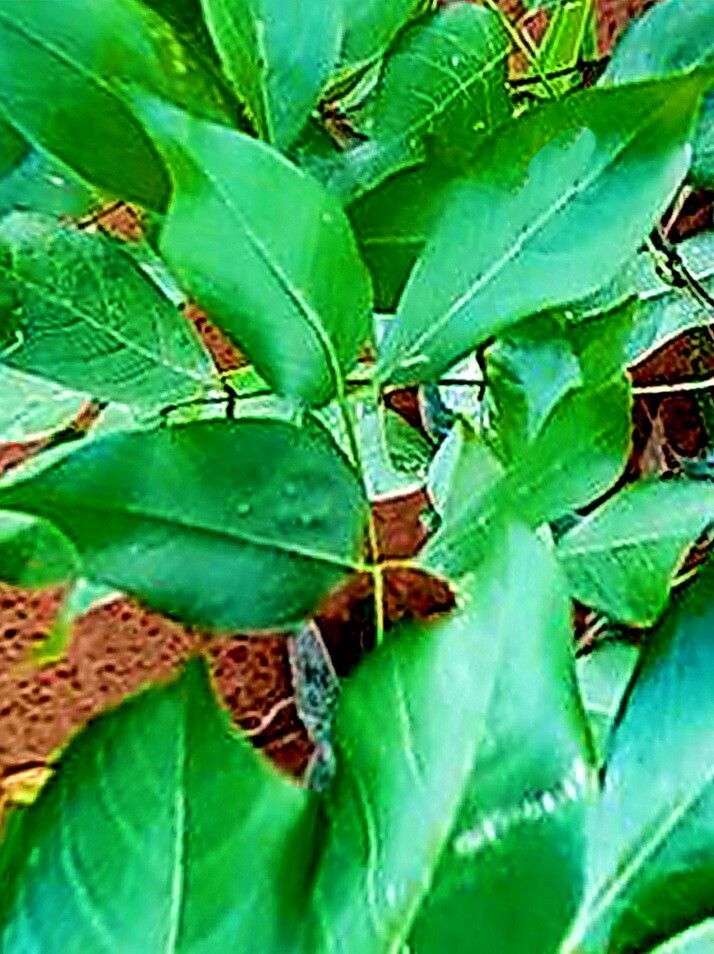
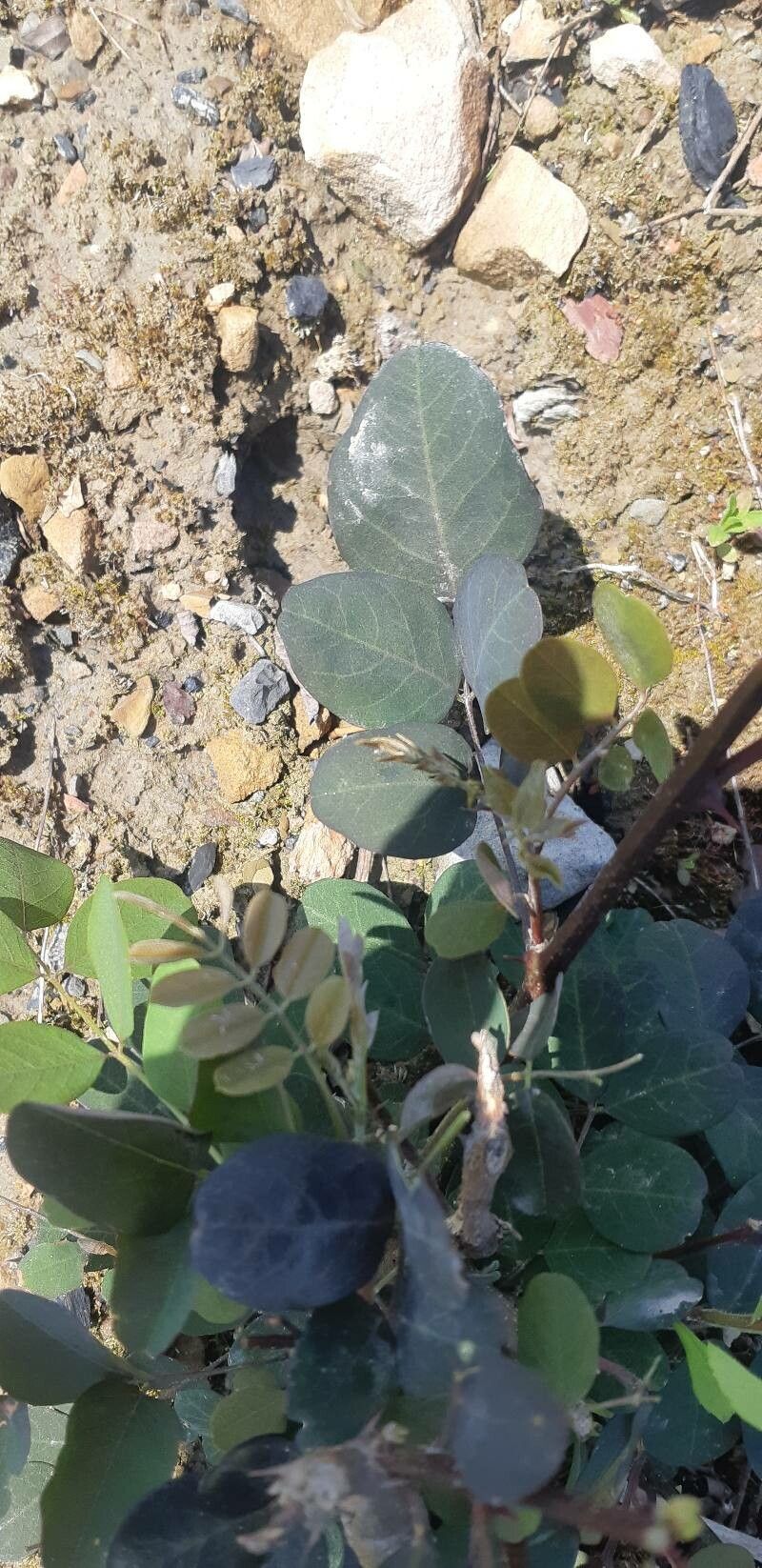
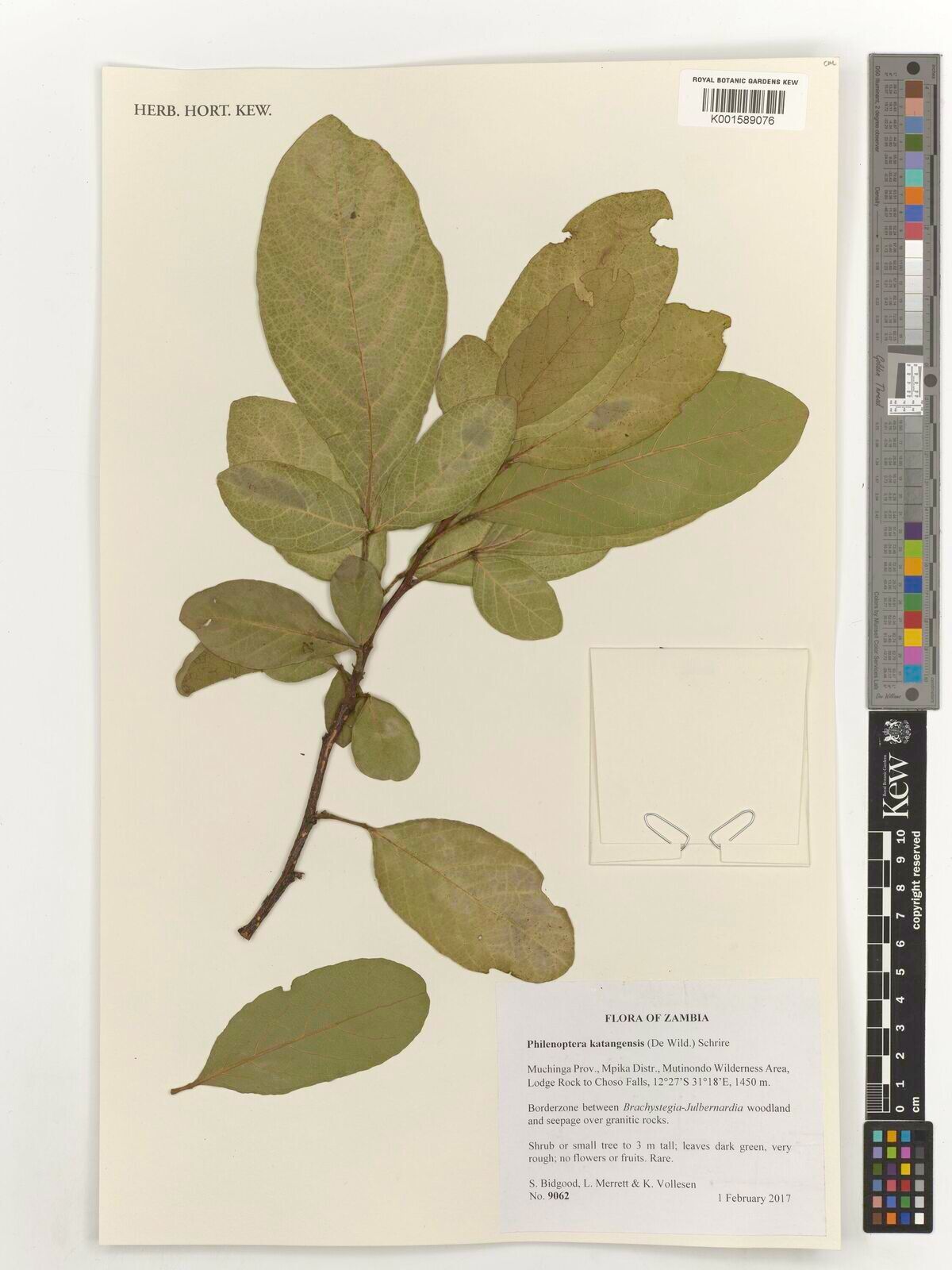
The Philenoptera violacea, commonly known as the African Wisteria or Purple-leaved Bauhinia, is a deciduous tree native to tropical Africa. It can reach a height of up to 15 meters and features a spreading canopy that can extend up to 10 meters in diameter. The tree is easily recognizable by its bi-lobed leaves, which are green on the top and purple underneath, lending to its common name.
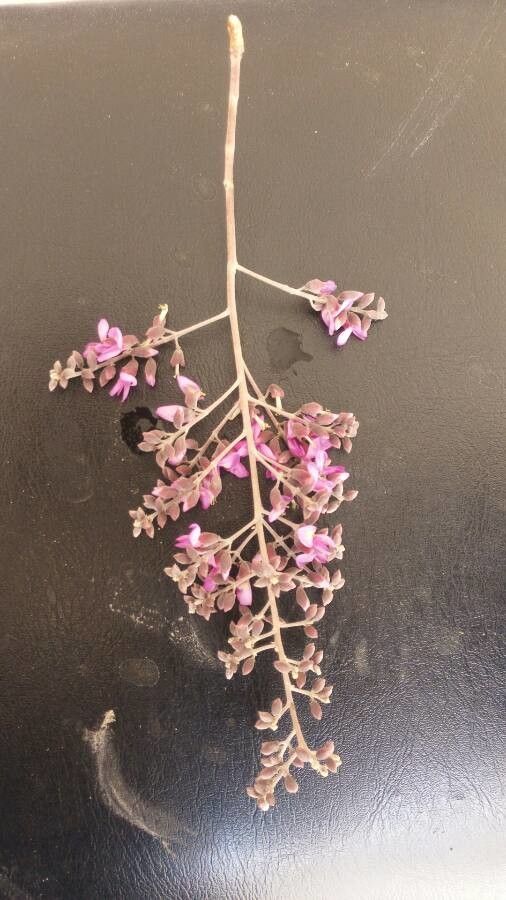
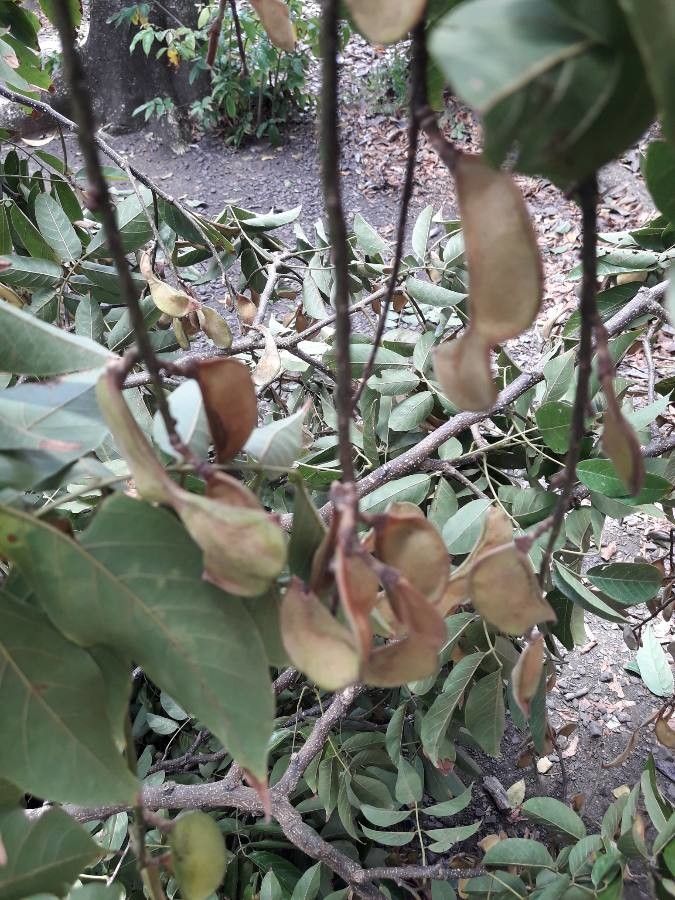
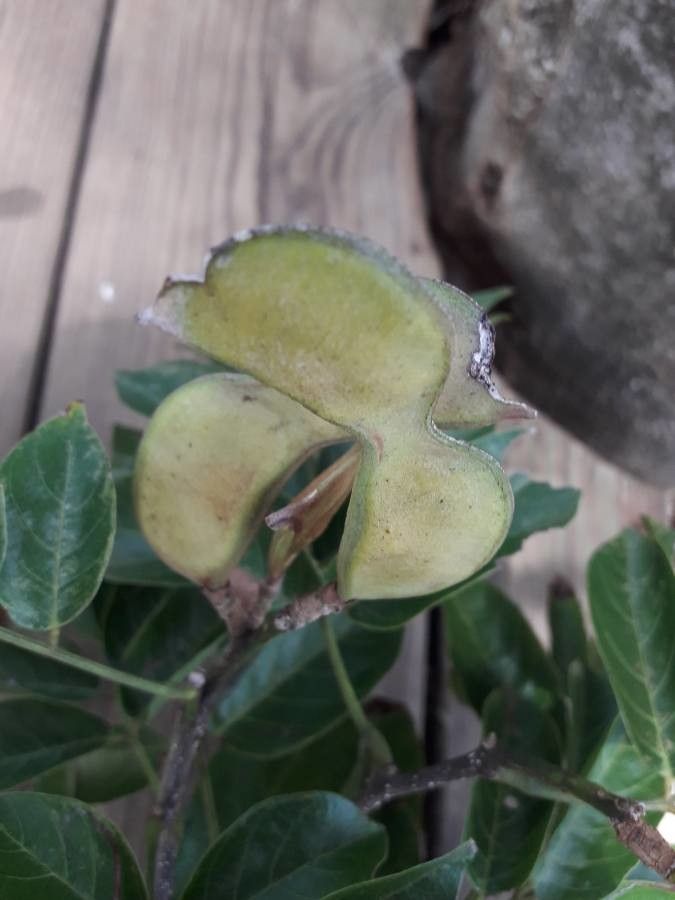
During the dry season, from May to August, the African Wisteria produces clusters of fragrant purple flowers. These blooms are followed by long seed pods, up to 30 cm in length, which contain numerous seeds.
Often sought after for its ornamental value, the African Wisteria boasts attractive foliage and striking flowers. Additionally, it holds medicinal significance; various parts of the plant have traditionally been used to treat ailments such as fever, diarrhea, dysentery, and skin infections.
Philenoptera violacea thrives in well-drained soils with moderate moisture levels but can withstand drought conditions once established. It prefers full sun or partial shade and may need protection from strong winds.
In summary, Philenoptera violacea is a visually appealing ornamental tree with medicinal benefits, well-suited for tropical climates across Africa.
Botanical profile.
- Genus
- Philenoptera
- Family
- Fabaceae
Other names.