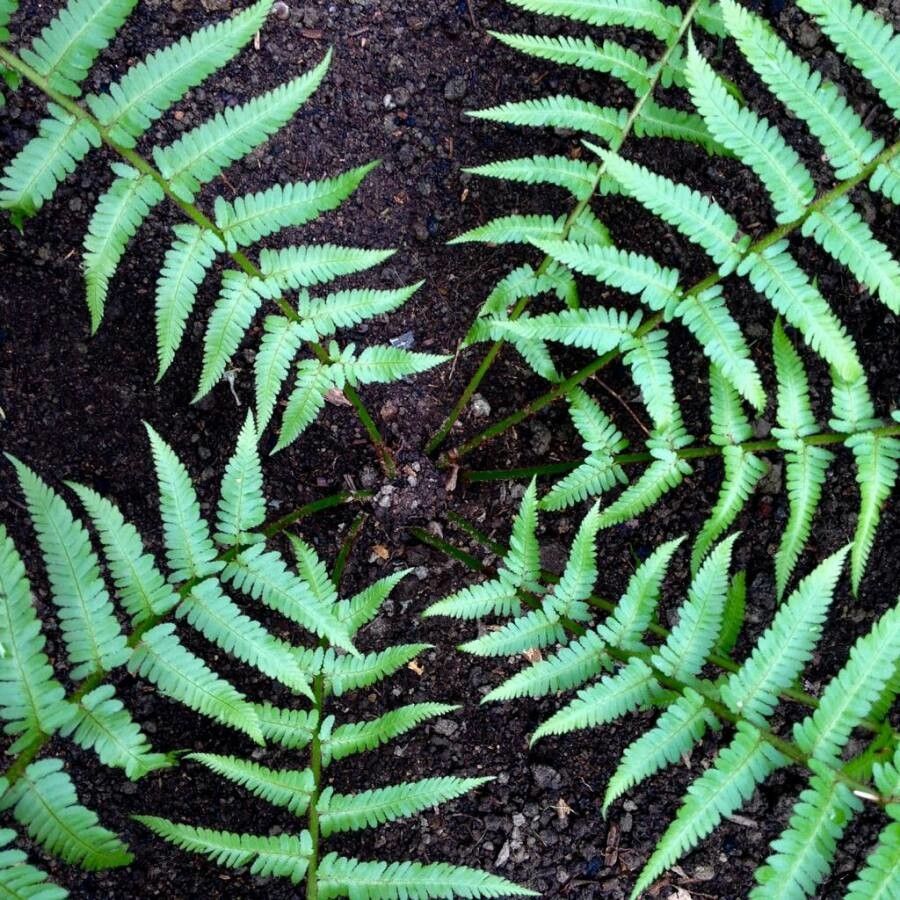
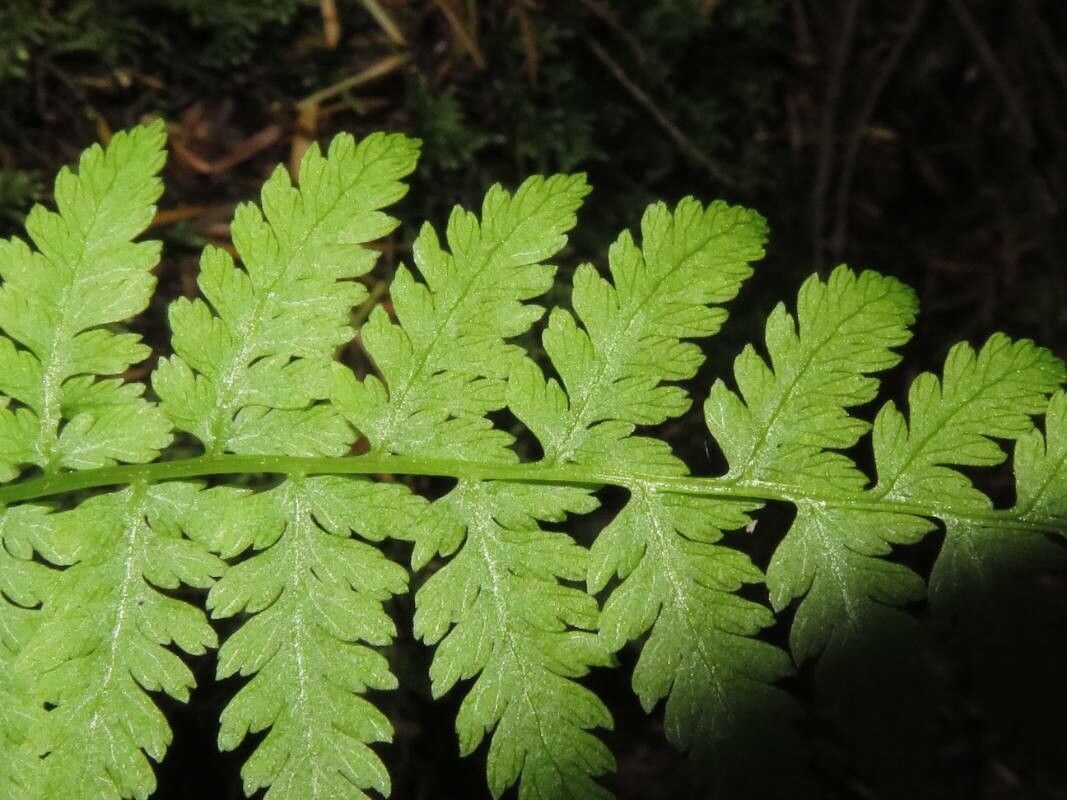
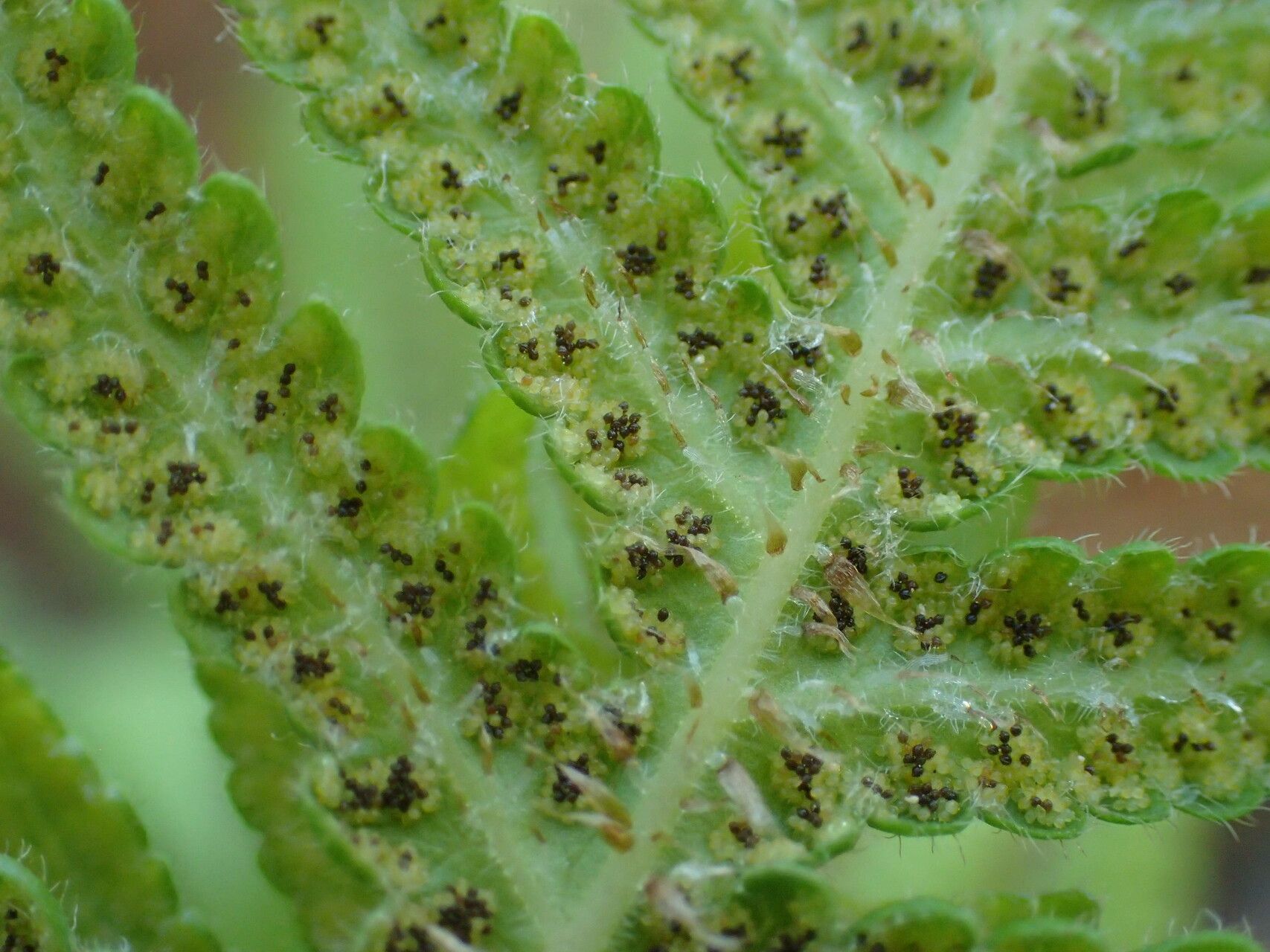
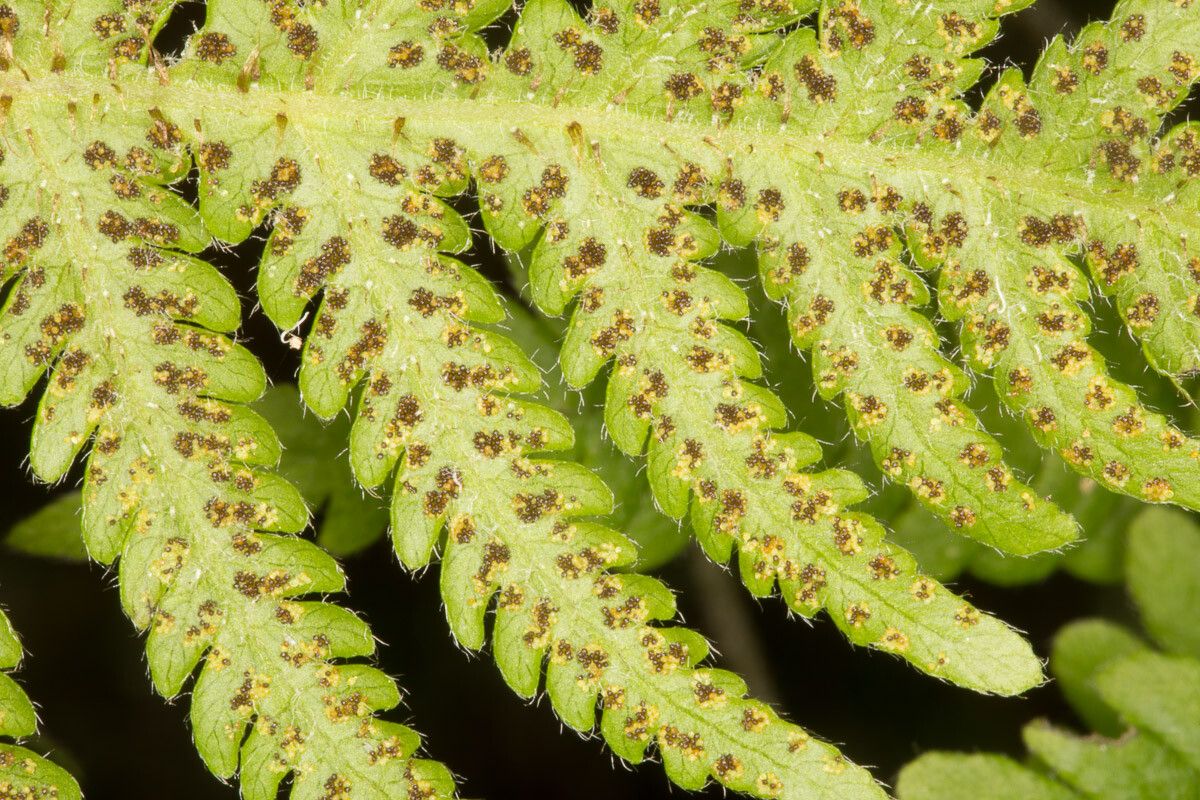
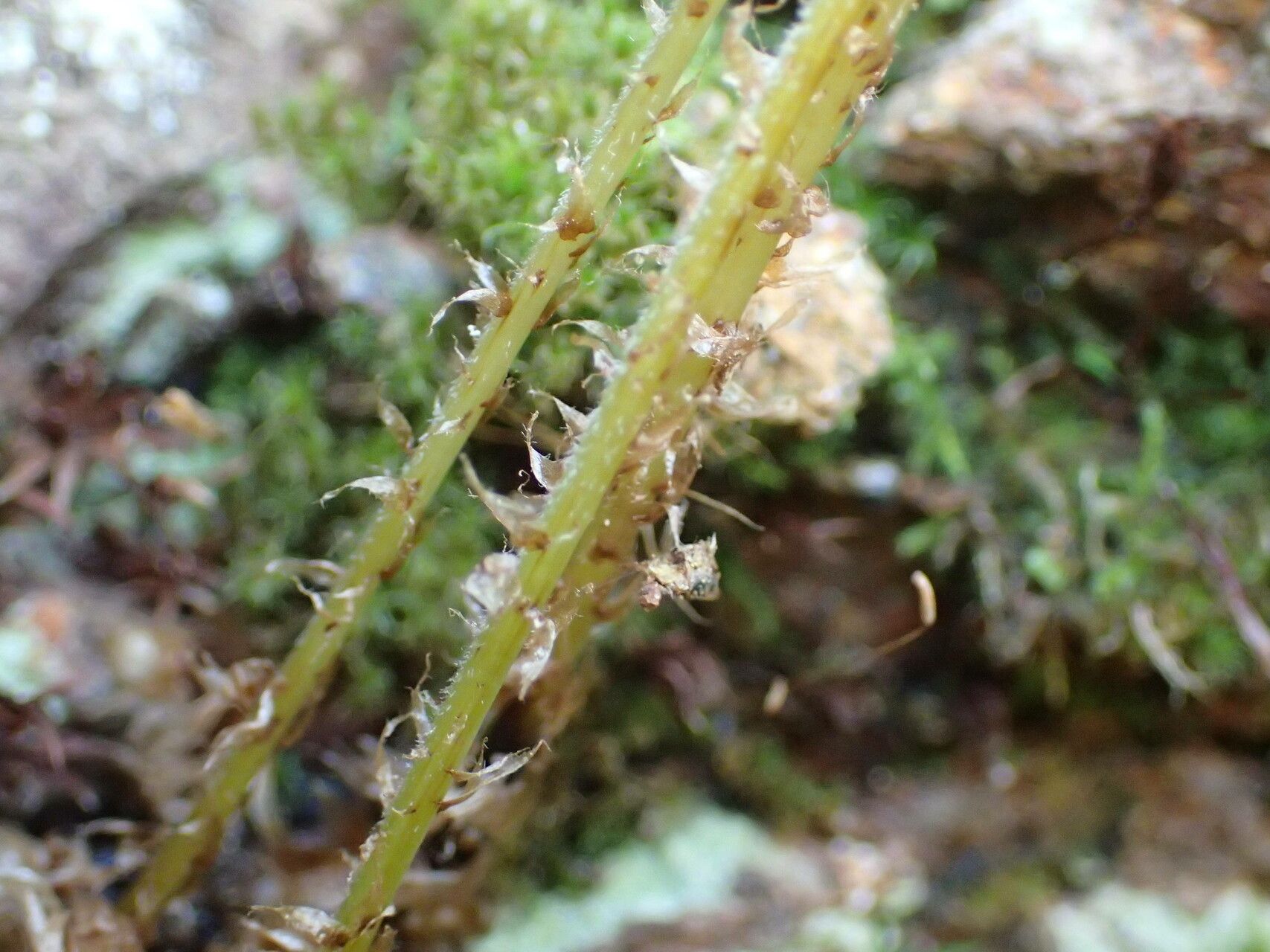
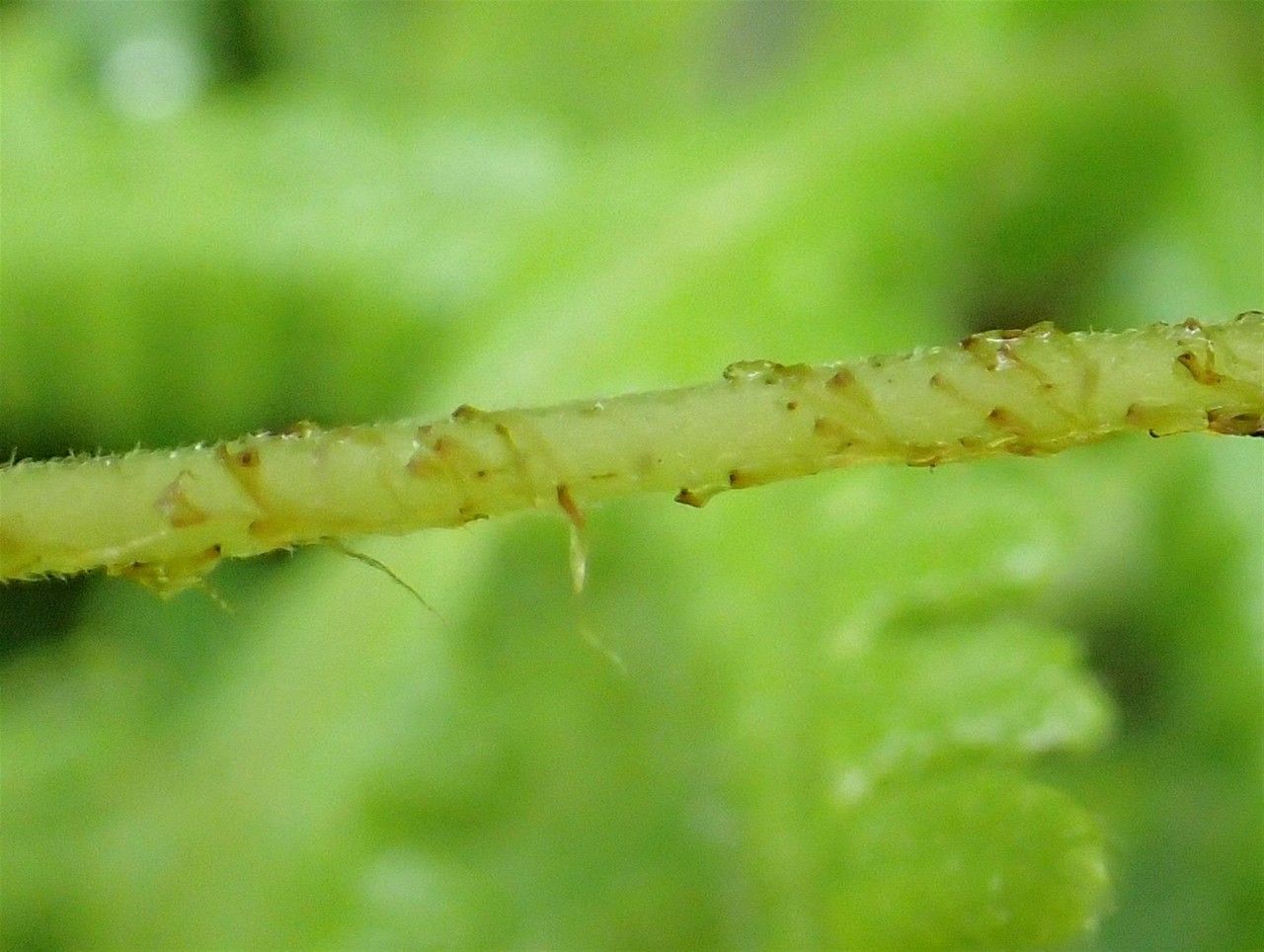
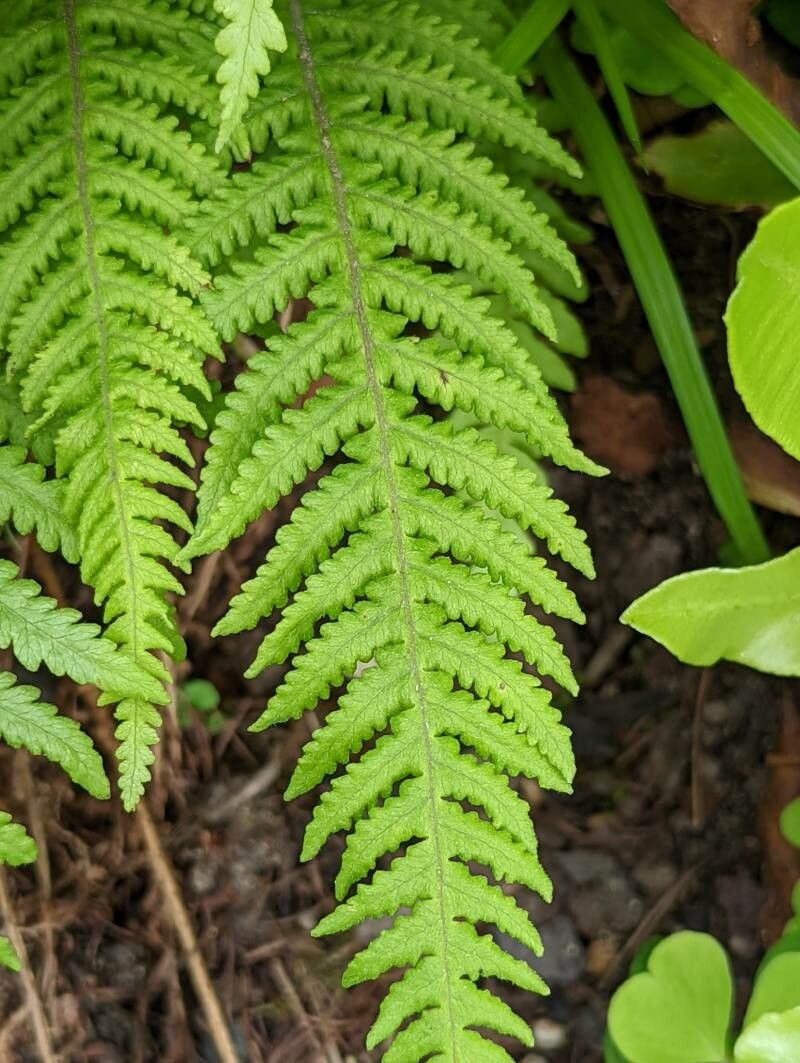
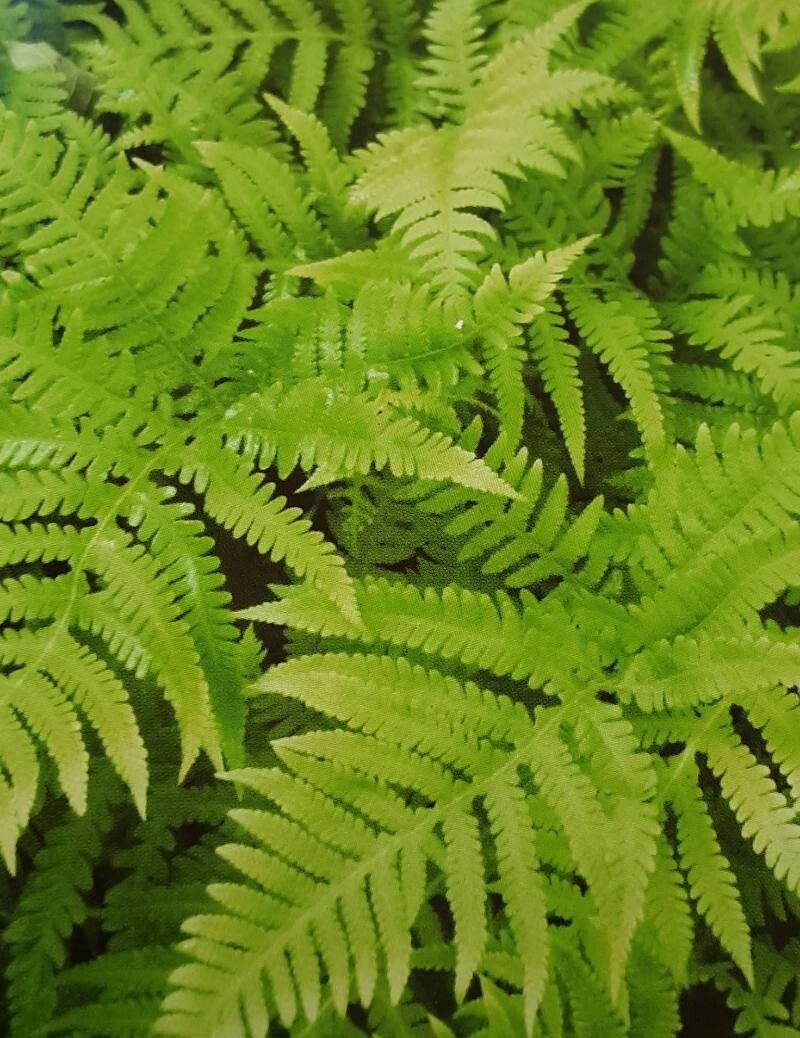
Phegopteris connectilis, commonly known as long beech fern, northern beech fern, and narrow beech fern, is a species of fern native to forests of the Northern Hemisphere. Unlike its close relative, Phegopteris hexagonoptera, which is terrestrial, this species is often epipetric as well as terrestrial. This species is normally apogamous, with a chromosome count of n=90 (triploid; "3n"=90).
Long beechfern usually has strong disease resistance and faces relatively few insect pests. Its care is considered difficult because it needs a consistently moist environment and frequent watering. However, its roots are liable to rot if overwatered or if the surroundings are poorly ventilated. Long beechfern is appropriate for people with some growing experience, as most individuals can keep it alive for a period of time. Still, it may struggle to thrive and its leaves can dry out and become less healthy over time.
How to keep Phegopteris Connectilis.
Light
Long beechfern grows best in places with limited direct sunlight. It tolerates spots where light is filtered through surrounding foliage. However, too much sun can stress the plant and hinder its growth. Its origins in forest understories explain its tolerance for partial sun.
Water
The long beechfern thrives in moist, shaded environments and requires evenly moist soil, so it needs to be watered twice a week. While it has some tolerance for drought, it is usually grown indoors in well-draining soil to prevent root rot while still retaining enough moisture.
Humidity
This plant will thrive in moderate humidity, which is probably the level in your home. However, misting it a few times a week can be very beneficial. Make sure the room has good ventilation.
Temperature
Long beechfern is native to temperate environments and grows best within a temperature range of 32 to 90°F (0 to 32°C). It can tolerate seasonal temperature variations, but significant fluctuations should be avoided for optimal growth.
Pruning
To enhance the shape and health of long beechfern, prune it in early spring before new growth begins. Remove any old, damaged, or diseased fronds to improve air circulation and lower the risk of disease. Use clean, sharp tools to minimize stress and the chance of infection, which will promote a tidy appearance and encourage vigorous growth.
Botanical profile.
- Plant Type
- Fern
- Life Cycle
- Perennial
- Genus
- Phegopteris
- Family
- Aspleniaceae
- Hardiness Zone
- 2-8
- Mature Height
- 23 cm to 46 cm
- Mature Spread
- 91 cm
- Leaf Color
- Green
- Leaf Type
- Deciduous
- Planting Time
- Spring, Summer, Autumn
- Harvest Time
- Early summer, Mid summer
- Native Area
- Turkey, Sweden, India, Austria, Slovakia, Montenegro, Pakistan, Slovenia, Croatia, Belarus, Russia, Germany, Iceland, Estonia, Koppen, Romania, Latvia, South Korea, Belgium, Netherlands, Nepal, France, Czech Republic, Bulgaria, Armenia, Poland, Greece, Ukraine, Serbia, China, Lithuania, Norway, Italy, Kazakhstan, Spain, Switzerland, Denmark, Japan, Mongolia, Finland, Bhutan, Albania, Ireland, United Kingdom, Hungary, Azerbaijan
Other names.
Reader questions.
If I give my Long beechfern too much or too little water, what should I do?
The Long beechfern can be overwatered if it is sitting in water or if the planter does not have drainage holes. This excessive moisture can prevent the roots from getting nutrients and may lead to fungal or bacterial diseases. Signs of overwatering include wilted and yellow leaves, drooping or falling stems, or soft and mushy texture. It is important to check for other causes as well since other issues can mimic overwatering symptoms. On the other hand, the Long beechfern can also be underwatered if not properly monitored, especially without a self-watering planter. In dry conditions, the plant can quickly turn brown and crispy. In extreme cases, all fronds may appear dead, but if some roots are still healthy, there is a chance to save the plant. Trim off the dry and dead stems, thoroughly water the plant, and return it to its usual location. With proper care and time, the Long beechfern can recover and start growing new fronds, although it may take several months to regain its previous size.
Why should I put fertilizer on my Long beechfern?
Fertilizing Long beechfern is essential for its overall health. By providing extra nutrients, you promote healthy new growth while also enhancing the health of older foliage. This helps strengthen the plant's immune system, enabling it to combat diseases and pests effectively.
What are the sunlight requirements for Long beechfern?
Long beechfern thrives in conditions ranging from full shade, which is less than 3 hours of sunlight, to partial sun, receiving about 3-6 hours of sunlight daily. It's essential to monitor how sunlight moves through your garden and select spots that offer a balance of light and shade, conducive to the plant's growth and wellbeing. Originating from forest understories, Long beechfern is adapted to thrive in areas with filtered sunlight, though excessive exposure can stress the plant, hampering its growth.
What temperature range is ideal for the growth of Long Beechfern?
Long Beechfern, or Phegopteris connectilis, thrives in temperate environments with ideal temperature ranges between 32 to 90°F (0 to 32°C). This plant is well-adapted to withstand seasonal temperature variations, although significant and sudden changes in temperature should be avoided to ensure optimal growth. It possesses strong cold resistance, indicating that special frost protection measures are typically not required during winter. However, in extreme conditions where winter temperatures might plunge below -40°C, it becomes necessary to provide additional protection by covering the plant with soil or straw. Moreover, watering the plant abundantly before the first freeze in autumn, to ensure the soil remains moist and enters a frozen state, can help prevent drought and water scarcity during the winter and early spring periods.
How do I water my Long beechfern correctly?
Your Long beechfern thrives in consistently moist soil that replicates its natural habitat. To achieve this, it may require watering as frequently as every one or two days. It is crucial to avoid allowing the plant to dry out. As soon as you notice the top layer of soil becoming even slightly dry, it is time to water again. However, it is important to not just give it a few drops of water; instead, thoroughly soak the soil until water begins to drain from the bottom of the pot. Once the excess water has drained out, make sure to remove it to prevent the pot from sitting in a puddle. This method is highly effective in preventing the soil from becoming too dry.
When should I fertilize my Long beechfern plant?
The feeding schedule for Long beechfern depends on its location. It's not a very hungry plant, but it does need some extra nutrients. Outdoor plants only need to be fertilized once in the spring. Indoors, they should be fed once a month starting in the spring and continuing through the summer.
How can artificial lighting benefit indoor Long beechfern, and what are the recommendations?
For indoor Long beechfern, artificial lighting serves as an essential alternative to natural sunlight, especially in scenarios where natural light is scarce, like during winter or in less illuminated spaces. Here are some guidelines for using artificial lights: Opt for LED lights, as they can provide specific light wavelengths needed by the plant. The amount of artificial light recommended varies based on the plant's requirement for full sun, partial sun, or full shade, ranging from 10-50W per square foot. The lights should be placed 12-36 inches above the plant to simulate natural light conditions, and the lighting duration should mimic the natural daylight length, typically 8-12 hours per day.
How does Long Beechfern respond to low temperatures, and what solutions are recommended?
Long Beechfern is notably cold-tolerant, withstanding temperatures well above 0°C and preferably kept above -35°C during the winter season. At temperatures falling below -40°C, the plant generally remains unphased throughout the winter, although this can lead to a diminished ability to sprout or complete failure to do so come spring. To address issues related to low temperature exposure, especially those affecting the plant's ability to sprout, it is advised to remove any parts that fail to sprout in the spring. This measure can help in the recovery and maintenance of the plant's health and appearance.
What do I need to think about when watering my Long beechfern plant?
The watering frequency of your Long beechfern depends on the humidity level in the air. Higher humidity means less frequent watering. Avoid placing the plant near heating or cooling vents as it may dry out quickly. Find a location with protection from drafts. These ferns prefer dappled and indirect sunlight and temperatures between 55-80 degrees F (13-27 degrees C). Placing them on a warm and sunny windowsill can lead to dehydration. Rainwater or distilled water are ideal for this plant, but tap water is generally fine. Tap water may contain minerals and chemicals that could cause brown leaf tips since Long beechfern has delicate leaves. Small pots can cause issues because they hold less potting medium and dry out quickly. It's best to provide more space in the pot for this plant compared to other houseplants. Using a self-watering planter is worth considering. This type of pot has a wicking system that continuously supplies water to the soil from a reservoir, maintaining consistent moisture levels. It saves you from frequent watering and benefits the roots with a constant water supply.
When should I not put fertilizer on my Long beechfern?
To ensure optimal growth and avoid potential issues, it is advisable to avoid fertilizing after early autumn. Fertilizing the Long beechfern during hot and dry periods is also not recommended. Dry soil does not effectively deliver fertilizer, and fertilization at this time can result in stimulated growth that requires more water, which might not be readily available. It is best to use fertilizer earlier in the season when temperatures are cooler. Additionally, be cautious when applying nearby plants or lawn fertilizers, as the Long beechfern can inadvertently absorb a double-dose of fertilizer.
What are the important symptoms of improper light exposure in Long beechfern?
Symptoms of insufficient light in Long beechfern include small, mature leaves and leggy or sparse growth, indicating a stretch for more light. Faster leaf drop and halted growth signal energy conservation in response to low light. Leaves may show lighter colors or chlorosis, the yellowing of leaves due to inadequate chlorophyll. Excessive sunlight can result in sunscald, leaf curling, wilting, and leaf scorching, reflecting serious damage to the plant's ability to photosynthesize and maintain health.
What are the effects of high temperatures on Long Beechfern and how can they be mitigated?
When exposed to high temperatures, particularly those exceeding 35°C during the summer months, Long Beechfern may exhibit signs of stress such as leaves becoming lighter in color, curling, and becoming more prone to sunburn. To alleviate these symptoms and protect the plant from further damage, it is recommended to trim away the sunburned and dried-up parts of the plant. Additionally, relocating the plant to an area with shade during the intense midday and afternoon sun, or utilizing a shade cloth to artificially create shade, can be beneficial. Ensuring that the plant is watered in the morning and evening will help in maintaining soil moisture, thus preventing the soil from drying out and further stressing the plant.